

Pop Rivet Guns & Rivet Tools















About Pop Rivet Guns & Rivet Tools - Walmart.com
You can choose a pop rivet gun more confidently when you compare tool type, rivet size compatibility, and grip design. You’ll notice this category fits everything from quick gutter fixes to repeat fastening on sheet metal and auto panels.
If you’re replacing screws where you can’t reach the back side, a rivet tool gives you a clean, permanent hold. You can also compare pickup and delivery options when you need a rivet gun without extra searching.
How to choose a pop rivet gun
You should start with tool type because your project pace changes what feels practical in your hand. You’ll usually prefer manual tools for occasional repairs, while higher-volume work may call for pneumatic or cordless electric options.
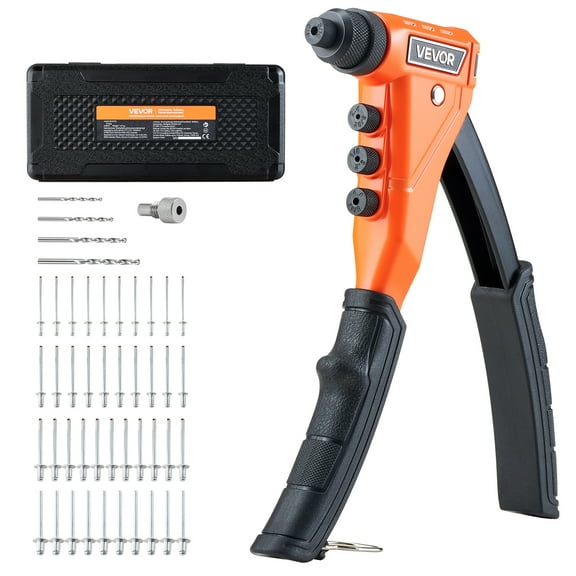
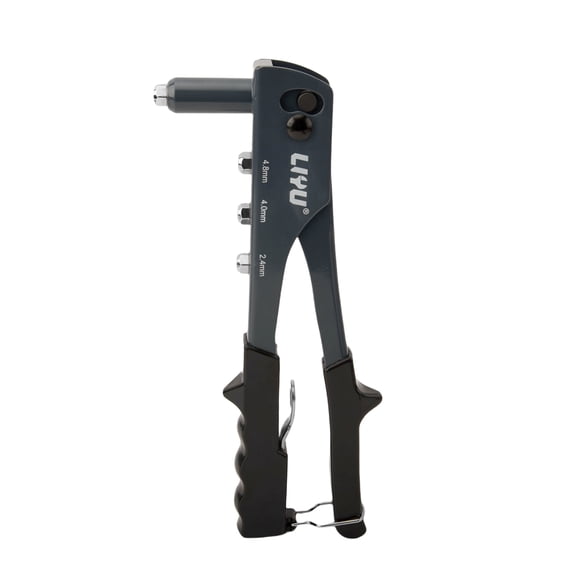
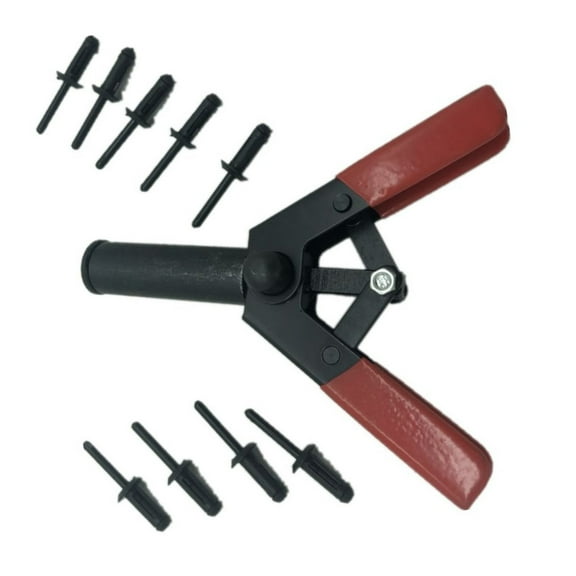
With a manual rivet gun, you get simple operation and easy storage for garage, home, and small workshop tasks. You can carry it anywhere, and you won’t need a hose, battery, or compressor.
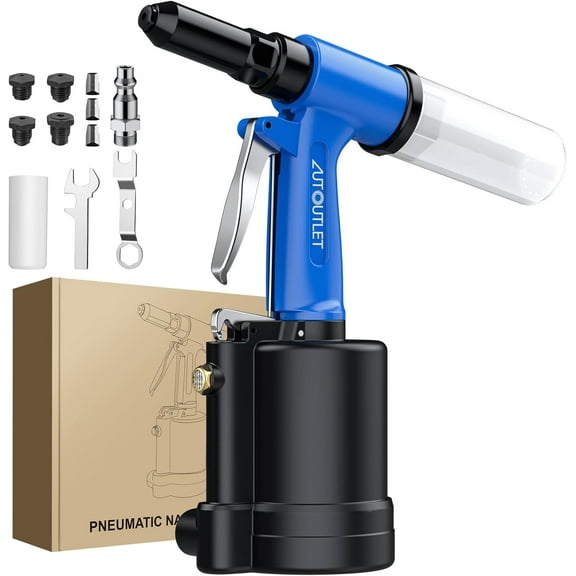
If you’re fastening many rivets in one session, a pneumatic model helps you keep moving with less repeated squeezing. You’ll need an air setup, but you can get faster cycles on metal fabrication and vehicle work.
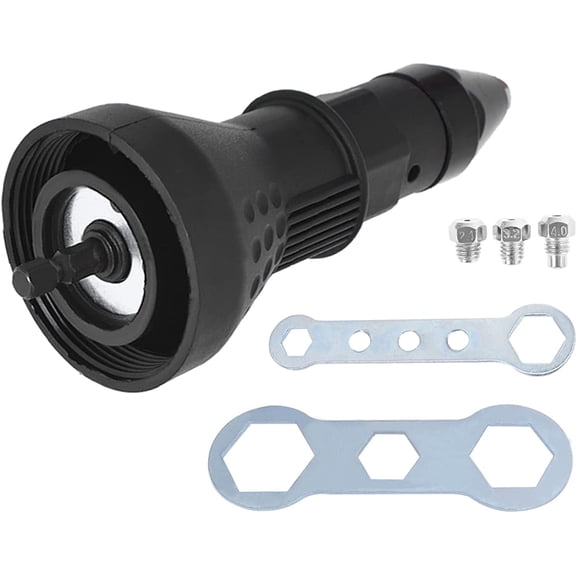
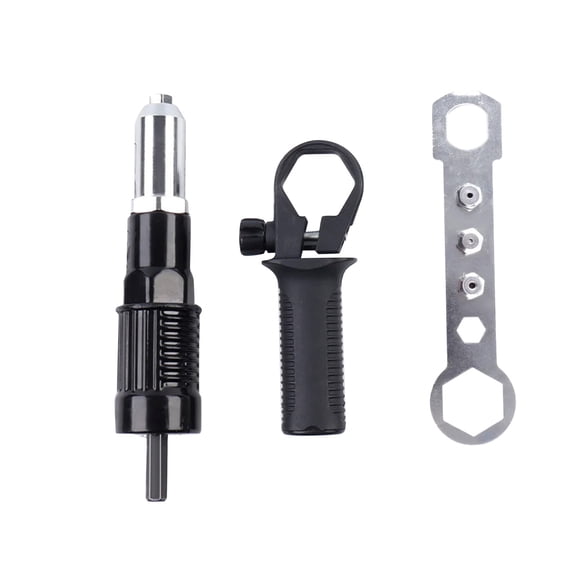
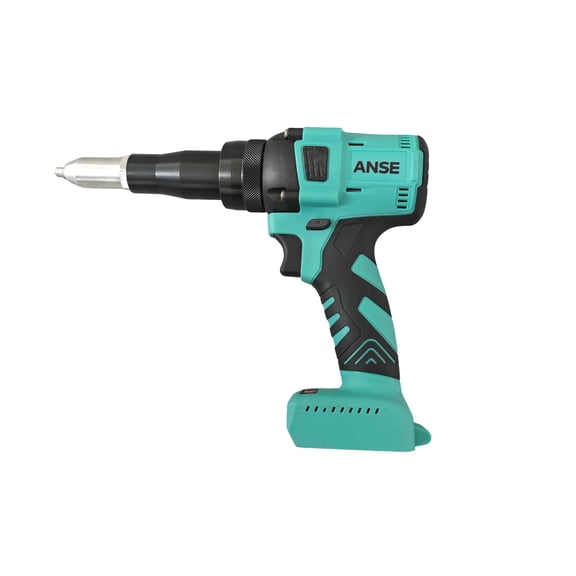
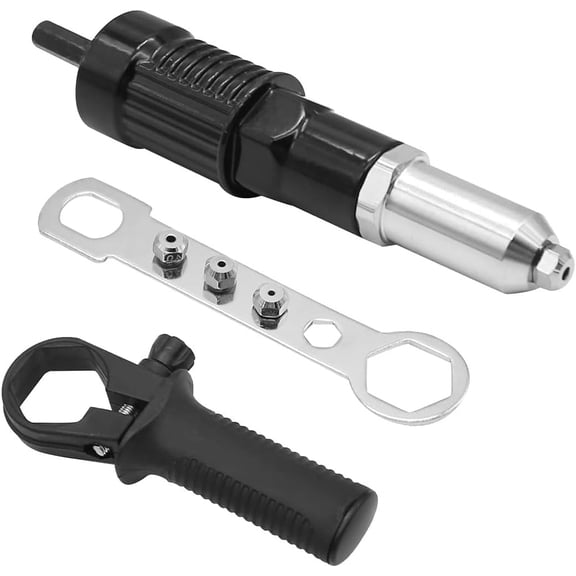
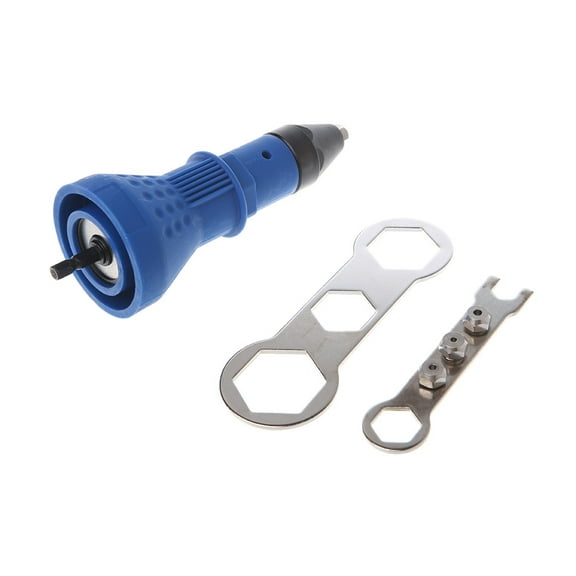
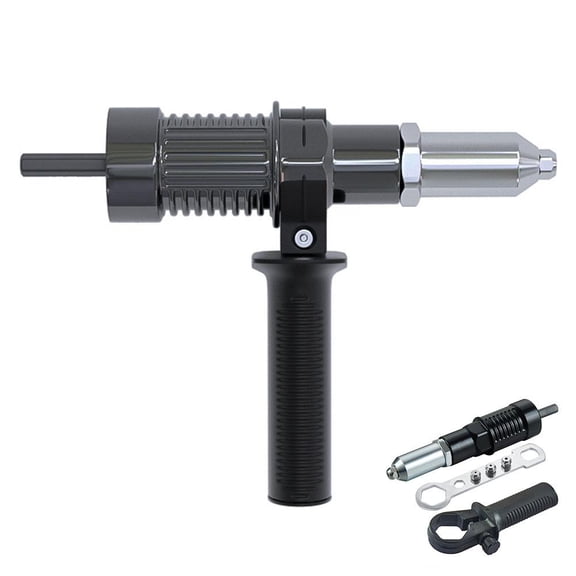
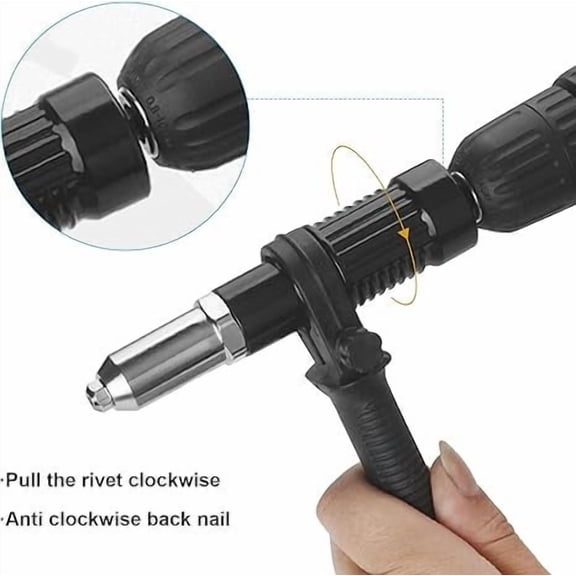
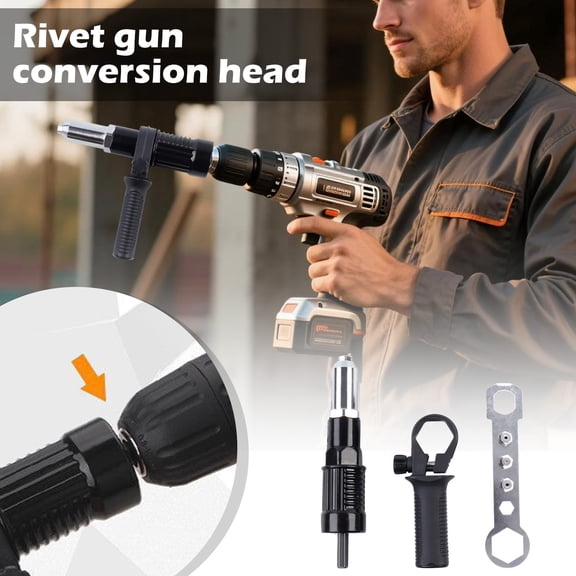
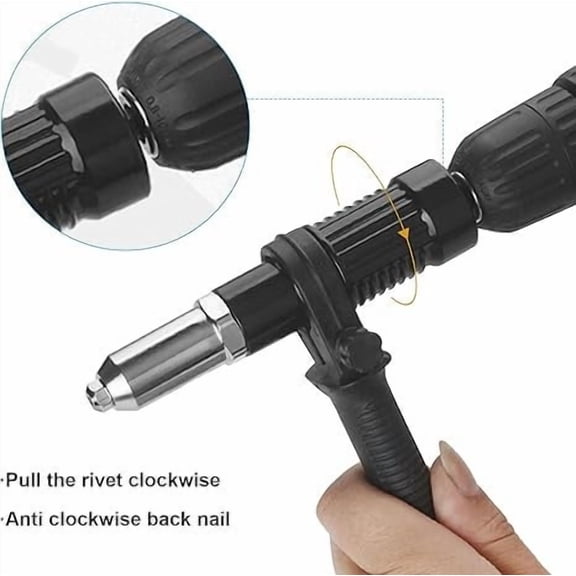
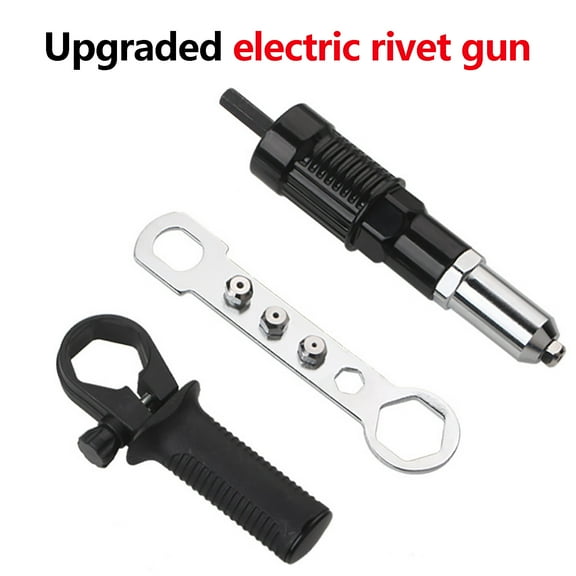
A cordless electric option gives you mobility with less hand effort during repeated installs. You can move around trailers, ductwork, or outdoor repairs without managing an air line.
- You can match manual tools to occasional DIY repairs and lighter workloads.
- You can use pneumatic riveters for repeated fastening and steady shop tasks.
- You can choose cordless electric designs when you want mobility and reduced hand effort.
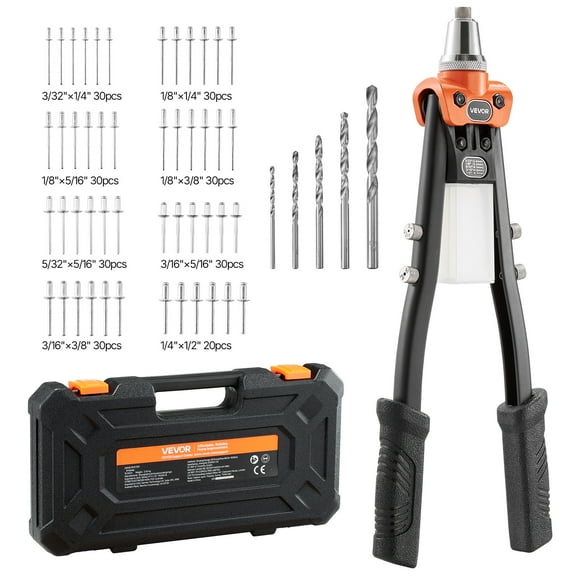
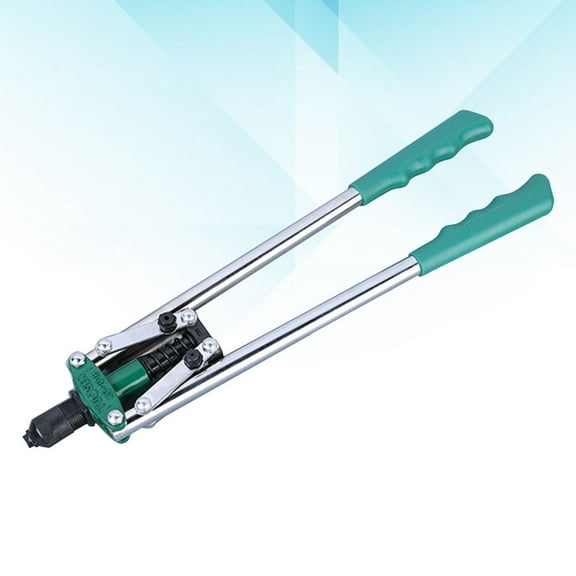
- You can compare compact bodies or longer handles based on your workspace and leverage needs.
Choosing the right rivet tool features
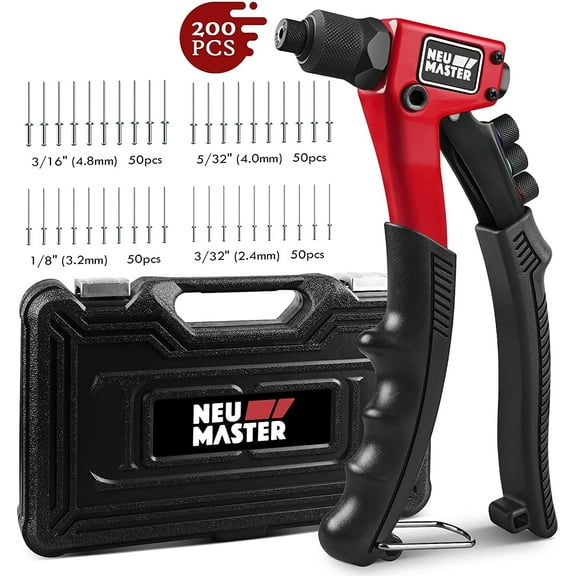
You should check rivet size compatibility before anything else because the wrong nosepiece can stop your project fast. You’ll often see support for 3/32 inch, 1/8 inch, 5/32 inch, and 3/16 inch rivets.
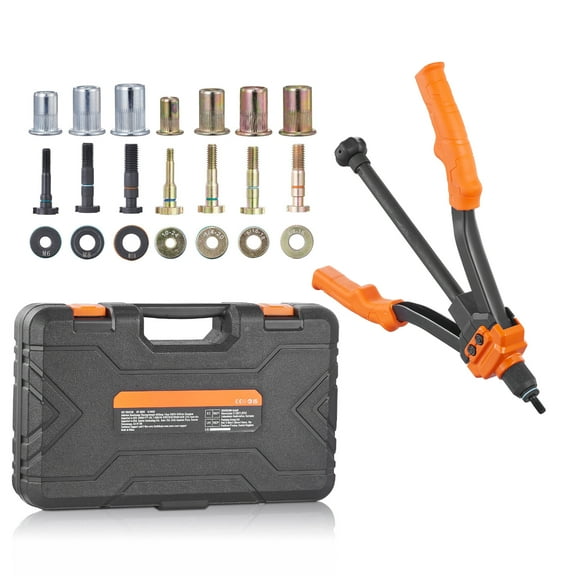
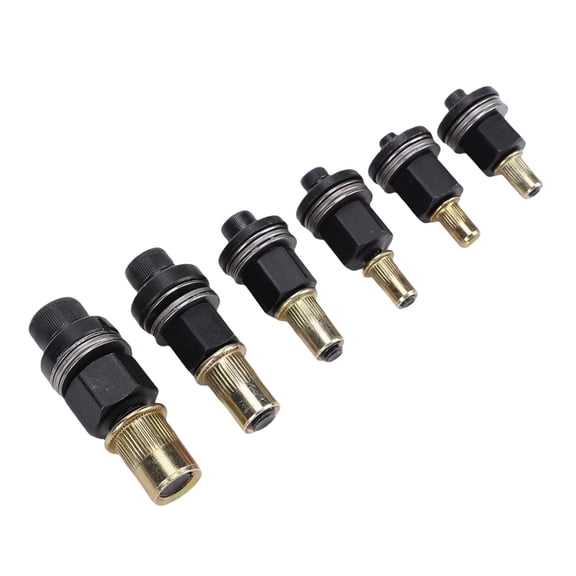
If you handle mixed repairs, you may want a rivet gun with multiple interchangeable nosepieces. You can switch sizes as your materials change, which helps when you move from thin flashing to thicker brackets.
You should also compare grip range because it tells you the material thickness a rivet can clamp properly. You’ll get a cleaner result when your rivet and tool setup match the layers you’re joining.
When you’re joining aluminum trim, steel straps, or sheet metal, that thickness match matters during every pull. You can avoid trial and error when you check diameter and grip range before starting.
Grip and ergonomics also shape your decision because hand comfort changes after repeated pulls. You may prefer cushioned grips for comfort, long handles for leverage, or heavy-duty steel bodies for demanding shop use.
If you work in tighter spots, a compact pop riveting gun can feel easier to position around corners and narrow channels. You can trade some leverage for access when clearance matters more than pull force.
Matching rivet sizes and grip ranges to your project
You should think about your material first, then choose the rivet diameter your task requires. You’ll often use smaller sizes for lighter assemblies and larger diameters for stronger mechanical fastening.
For trim pieces, thin aluminum, or light flashing, you may reach for 3/32 inch or 1/8 inch rivets. You can often handle these jobs with a manual tool that feels controlled and easy to store.
For brackets, thicker sheet metal, or repeated repairs, you may need 5/32 inch or 3/16 inch capacity. You’ll want to confirm the tool supports those diameters before you start any larger fastening job.
Grip range matters when you’re stacking materials, such as two metal sheets or a panel and backing strip. You can get a more consistent clamp when the rivet length matches the combined thickness.
If you’re unsure where to begin, you should compare the material thickness listed for your project pieces. You can then match that thickness to the rivet’s grip range and the tool’s supported sizes.
Using a rivet gun for repairs, fabrication, and vehicle work
You can use a rivet gun for gutter repairs, downspout attachments, flashing updates, and small exterior metal jobs. You’ll appreciate a manual model when you need a simple tool for occasional home maintenance.
In a garage, you may use a rivet tool for license plate brackets, interior panels, heat shields, and light metal patch work. You can also choose cordless or pneumatic styles when you expect longer sessions.
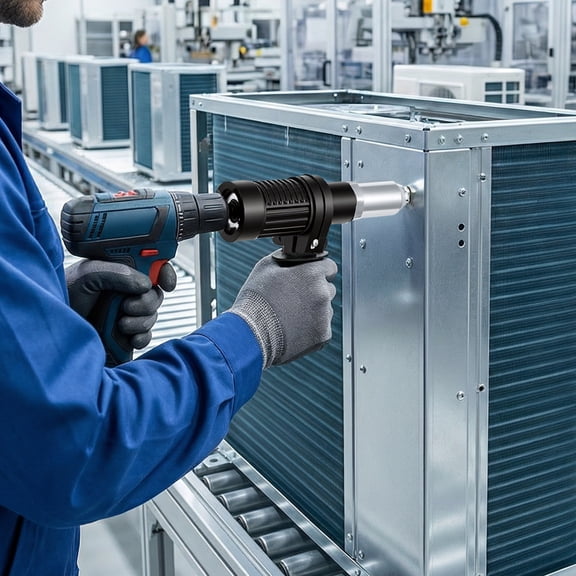
If you build enclosures, signs, or duct sections, a pop rivet gun helps you join sheet material neatly. You’ll get a fastening method that works well when only one side of the assembly is accessible.
For shop projects, you may compare heavy-duty steel construction with cushioned handles and longer arms. You can balance durability, leverage, and comfort based on how often you pull rivets in one sitting.
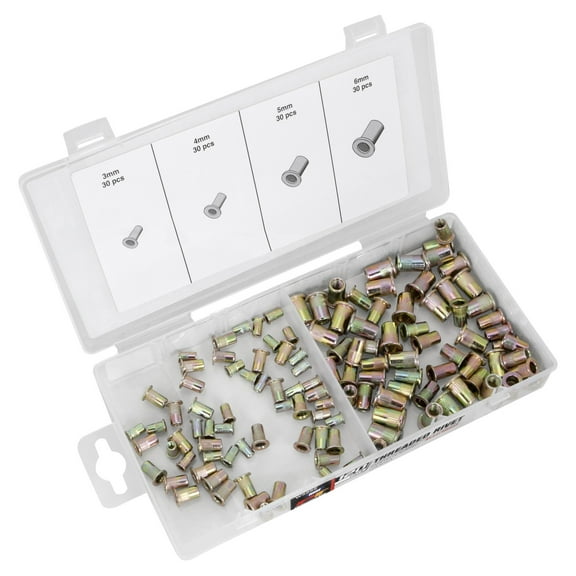
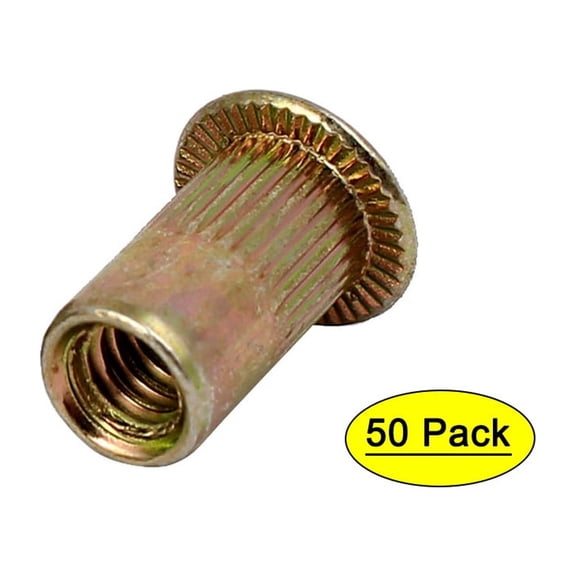
You should also consider related supplies before starting, especially if your task needs matching rivets or air-powered support. You can complete your setup faster when you also review rivets and fasteners or air tools.
When you choose by power source, size support, and ergonomics, you get a category that’s easier to shop with purpose. You can finish repairs and fabrication jobs with a tool that matches your materials, pace, and workspace.