


Find tires that fit
Let’s search for tires that fit your vehicle.RoadMaster in Auto & Tires Shop By Brand
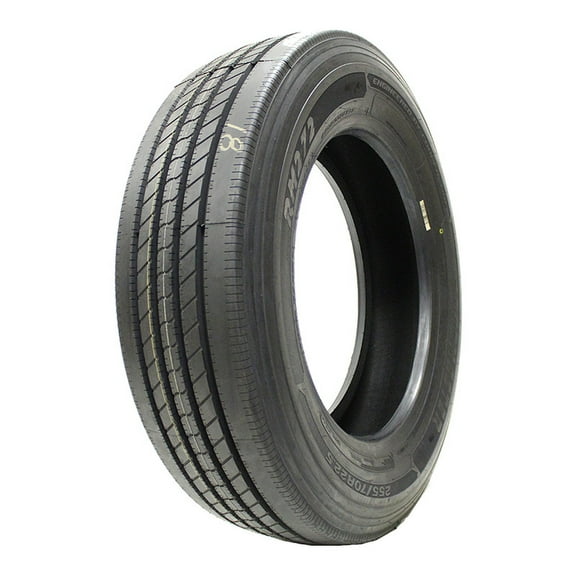


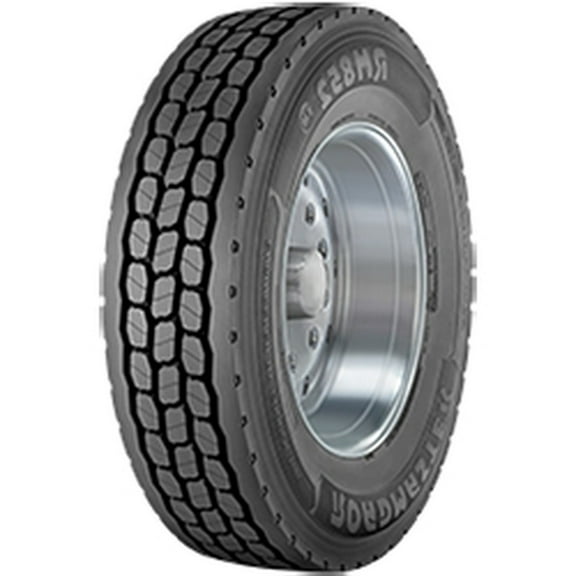
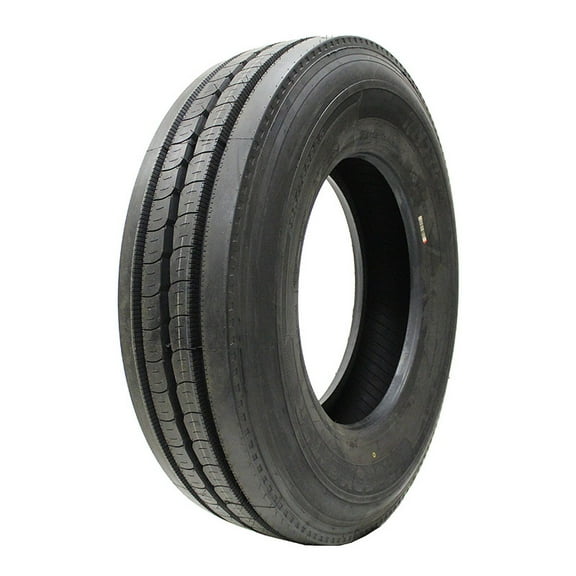


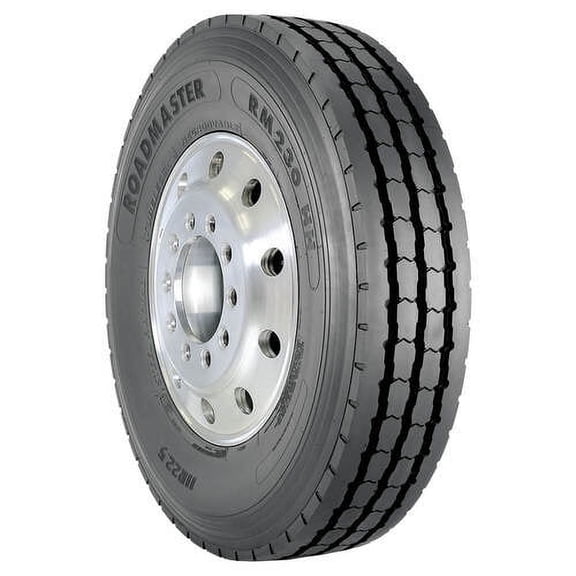

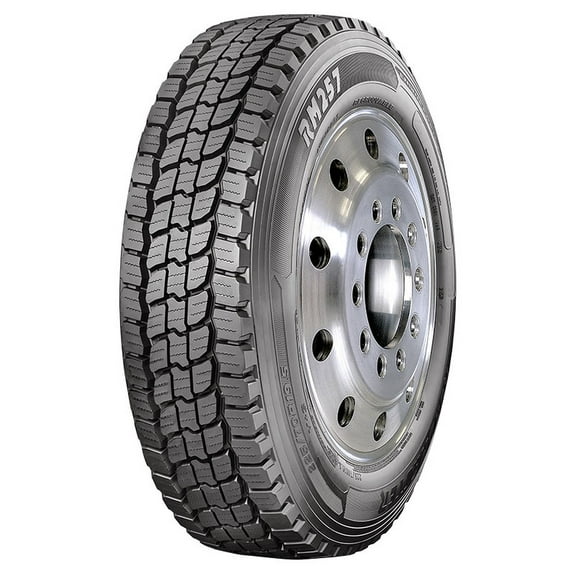



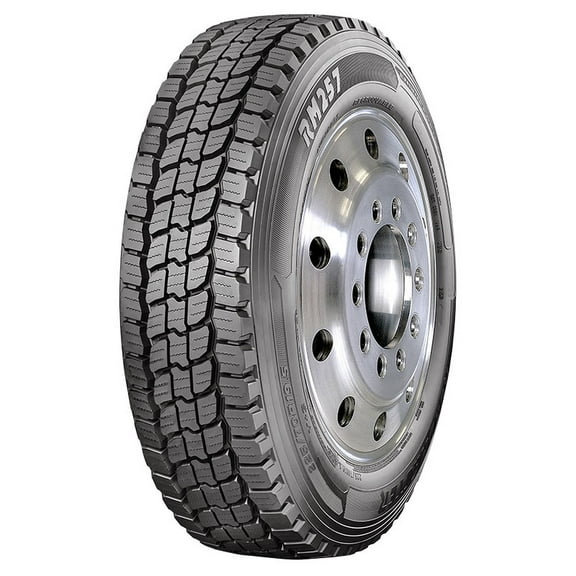


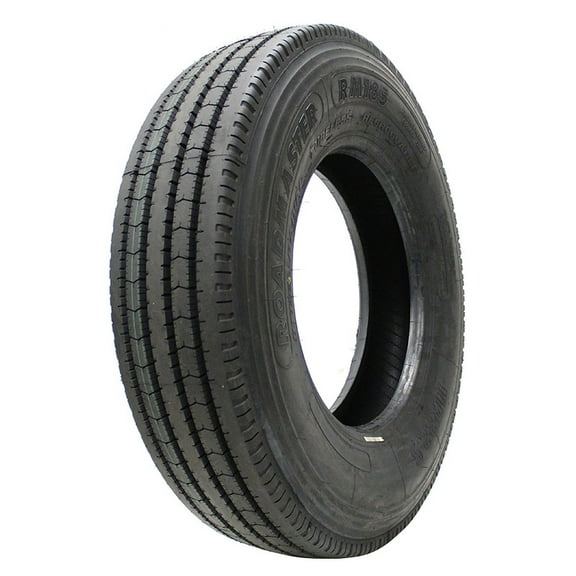

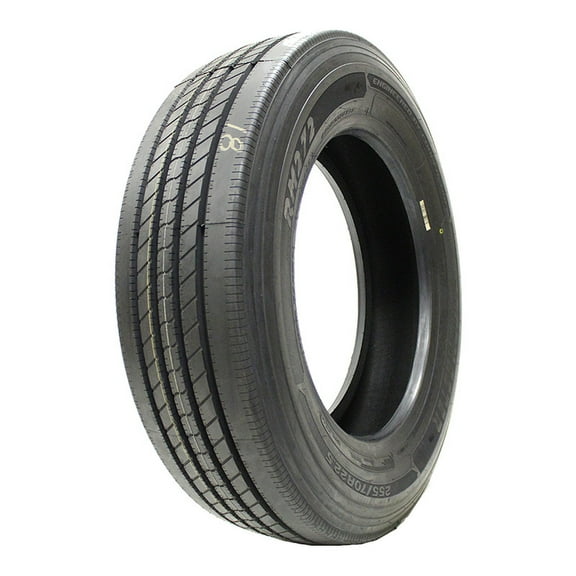

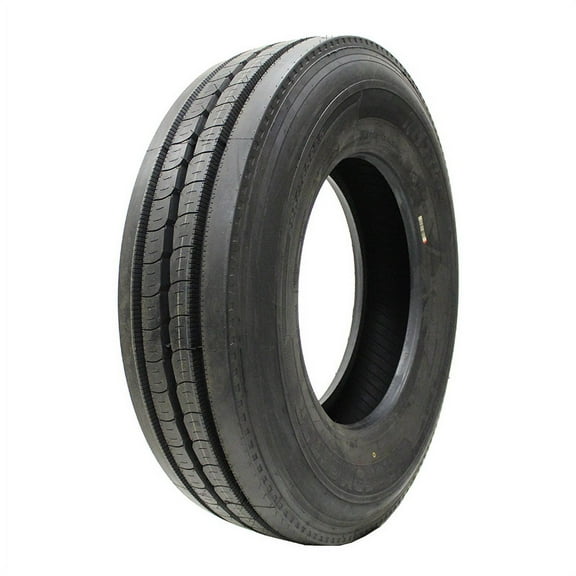

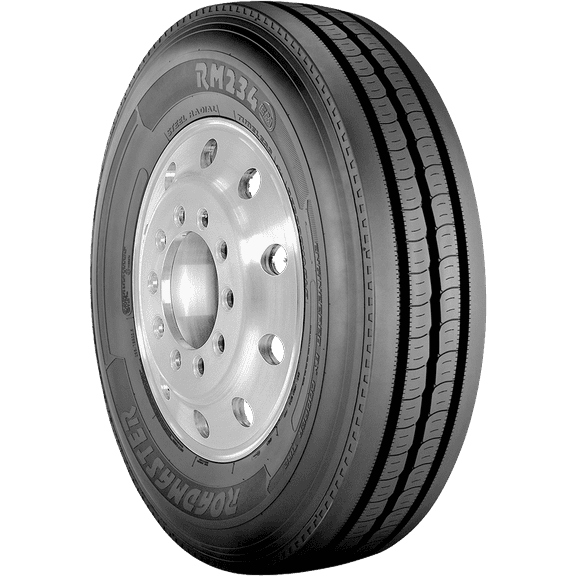
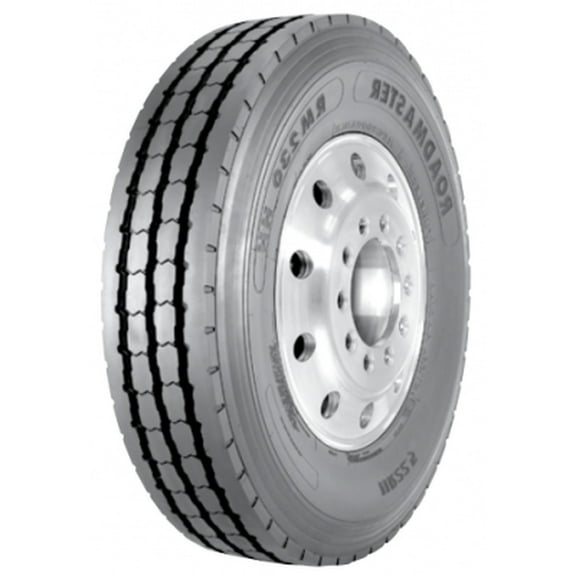



About RoadMaster in Auto & Tires Shop By Brand - Walmart.com
Roadmaster tires help you compare commercial, trailer, RV, and highway options with the exact load range and rim fit your vehicle requires. You can use this guide to sort through tire type, axle position, and sidewall sizing before you choose.
If you're replacing work tires or towing tires, you need details that match your equipment and driving routine. You can focus on load support, tread purpose, and wheel diameter to narrow your options with less guesswork.
Choosing Roadmaster tires by application
You should start with tire type because your daily use affects tread wear, road feel, and carrying support. You can compare commercial, trailer, RV, and highway options based on how your vehicle works each day.
When you haul freight, you may want commercial tires built for repeated miles and heavy service demands. When you tow campers or cargo, you may prefer roadmaster trailer tires made for trailer-duty use.
If you travel in a motorhome, you should check RV fitment and highway-focused tread patterns. If you spend long stretches on paved routes, you may want highway options designed for steady road contact.
- You can match commercial tires to delivery trucks, service vehicles, and work-focused routes.
- You can choose trailer-focused options for utility trailers, equipment haulers, and camper towing setups.
- You can compare RV and highway designs when you want steady cruising and long-route fitment.
How to compare Road Master tires and auto care needs
You should measure your current tire size before you compare products on this page. You can check width, aspect ratio, and rim size on your sidewall to keep fitment consistent.
If you see a 16 inch rim diameter, you need a tire built for that exact wheel size. If you use 19.5 inch or 22.5 inch wheels, you should check commercial sizing carefully.
You should also compare load range because that rating tells you how much weight your tire supports. You may see Load Range E, Load Range F, or Load Range G across different applications.
When you move from Load Range E to F or G, you usually gain support for heavier equipment. You should confirm your vehicle requirements so your choice aligns with your wheel and use case.
What to look for in load range and axle position
You should treat axle position as a key decision, not a small detail. You can choose steer, drive, or trailer placement based on where the tire works on your vehicle.
If you need a steer tire, you should look for fitment made for front-axle control and straight tracking. If you need a drive tire, you should compare options intended for powered axle duty.
When you need a trailer tire, you should focus on load-bearing support for towed equipment or campers. You can avoid guesswork by checking the listed axle use before you buy.
You should also read ply information when it appears with the load range. If you compare 14-ply and 16-ply constructions, you can accurately understand support expectations for heavier setups.
Using tire size, rim diameter, and tread purpose together
You can make an informed choice when you combine size, load range, and tread purpose in one check. You shouldn't choose by diameter alone if your route or cargo changes often.
For regional delivery, you may want a commercial tire that balances repeated stops with highway travel. For longer interstate runs, you may lean toward highway patterns that suit steady cruising miles.
If you tow a flatbed or enclosed trailer, you should compare roadmaster trailer tires with the right load range and wheel diameter. If you use an RV, you should confirm your sidewall size before replacing a full set.
You can also think about service pairing when you plan your purchase. You may want tire installation services, trailer wheels, or commercial truck accessories that fit your setup.
How Roadmaster tires fit real driving and towing scenarios
You might need 16 inch trailer tires for a utility trailer that carries equipment on local roads. You can prioritize trailer axle fit, the proper load range, and sidewall sizing for that job.
If you run a box truck on delivery routes, you may need 19.5 inch commercial tires with steer or drive placement. You should compare axle-specific fitment so your front and powered axles match their roles.
For heavier commercial setups, you may shop 22.5 inch sizes and higher load ranges for highway service. You can check whether Load Range G aligns with your vehicle's carrying requirements.
If you outfit a motorhome, you should compare RV applications with highway-oriented sizing and construction details. You can use your current tire markings to keep your replacement process simple and accurate.
With the right Roadmaster fit, you can support towing, delivery, or RV travel with clear sizing decisions. You can choose with confidence when load range, axle position, and rim diameter all line up.