


Find auto parts that fit
Let’s search for parts that fit your vehicle.Rock Sliders in Exterior Car Parts & Accessories
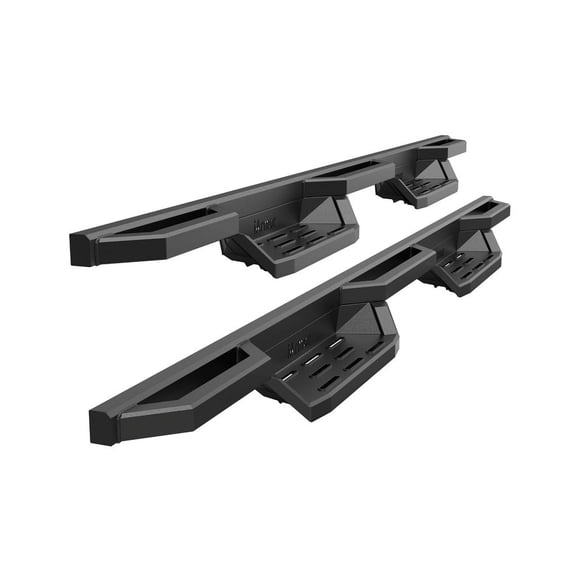
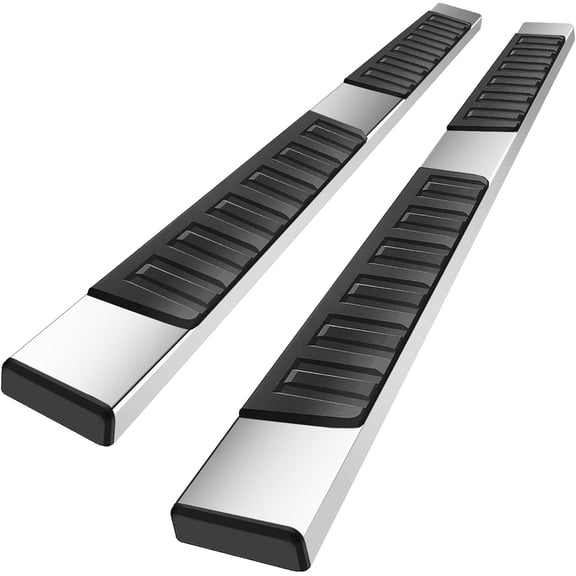


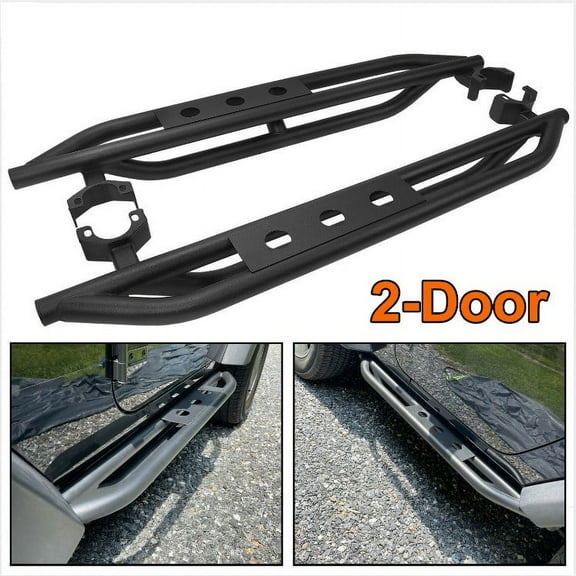


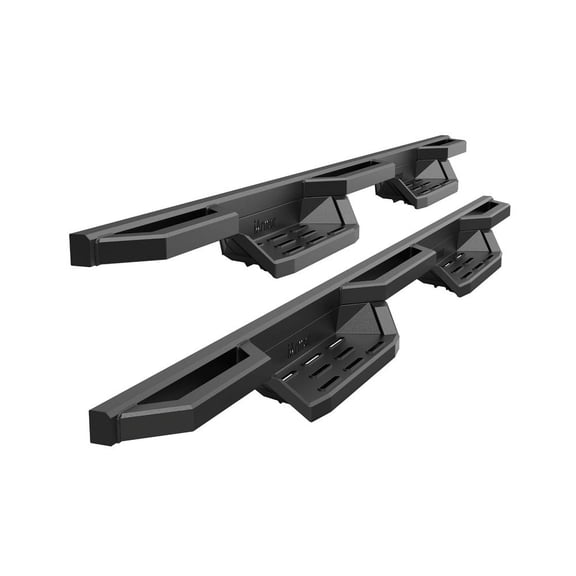
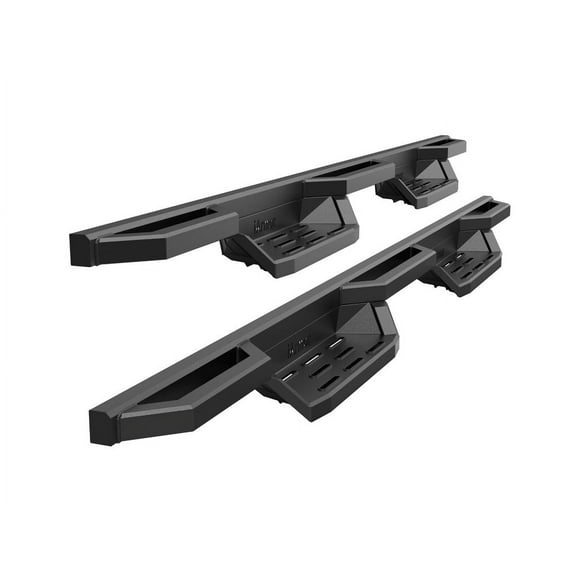

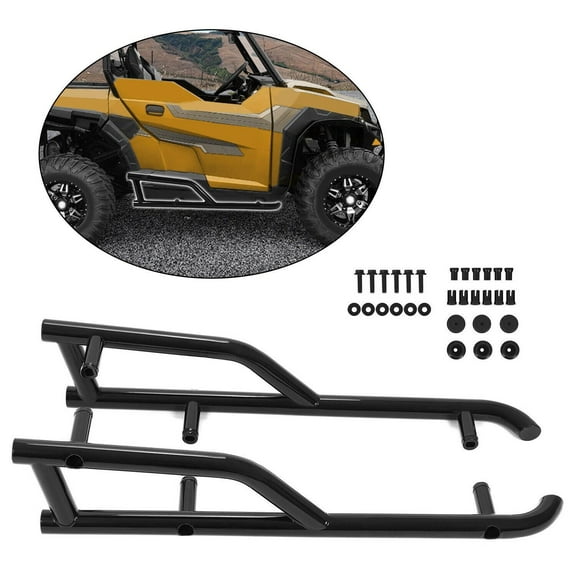


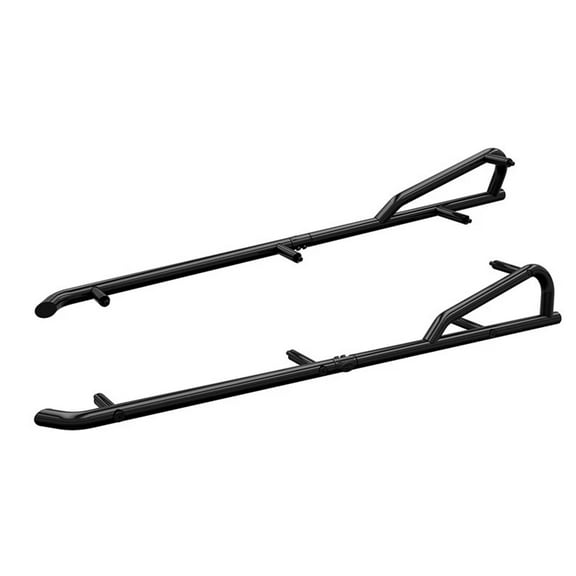
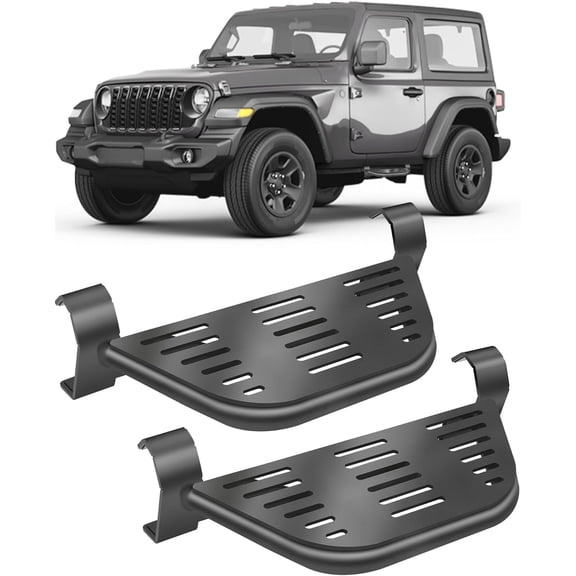
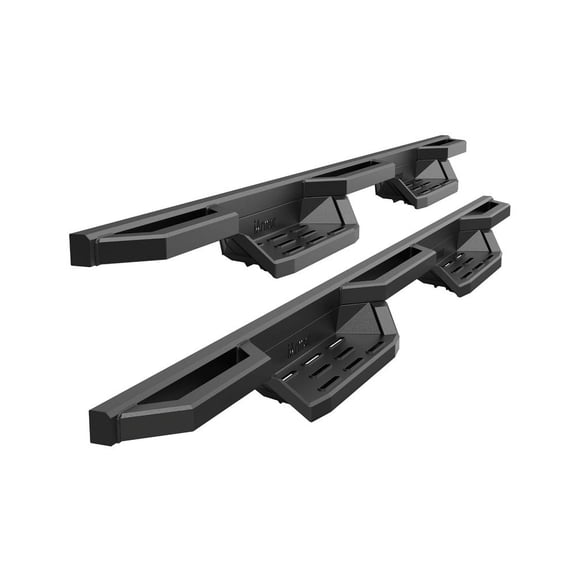
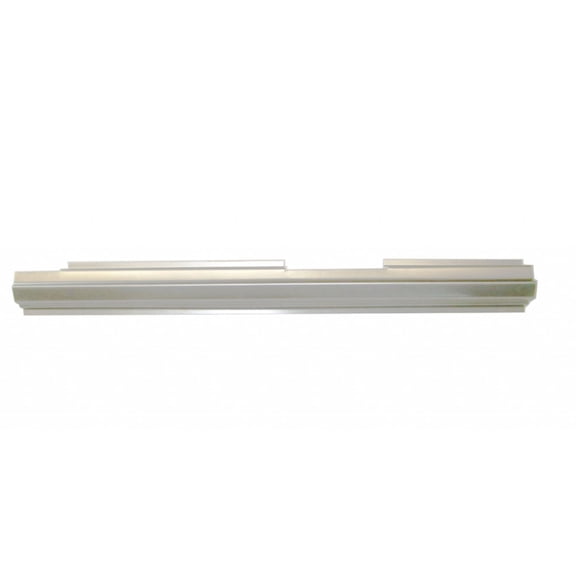
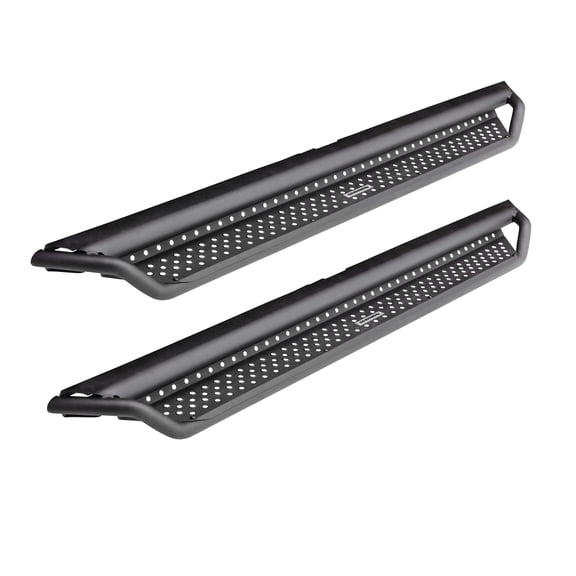
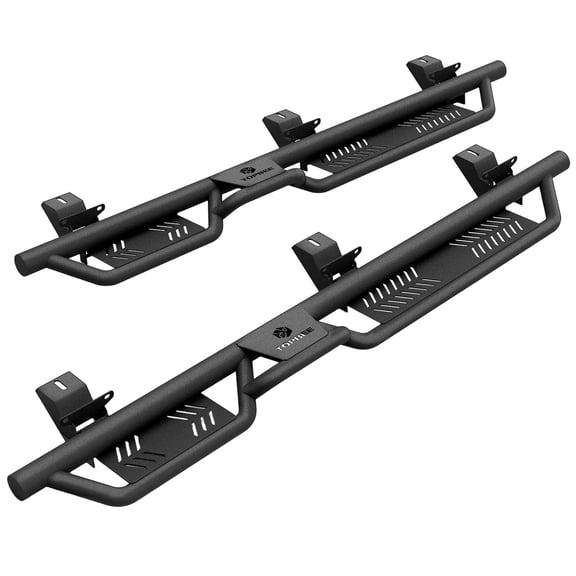


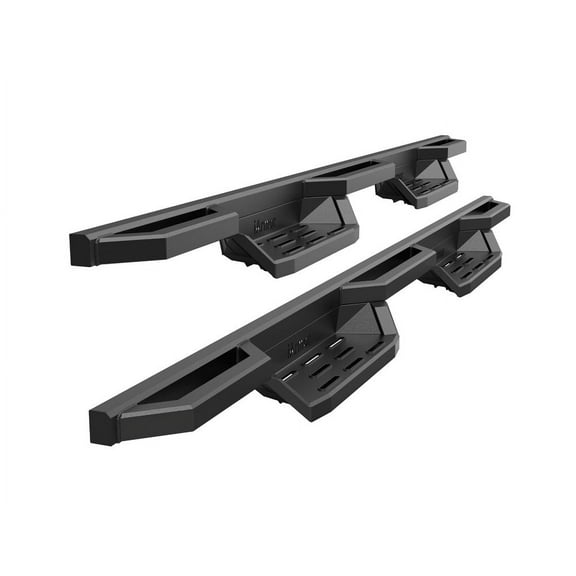
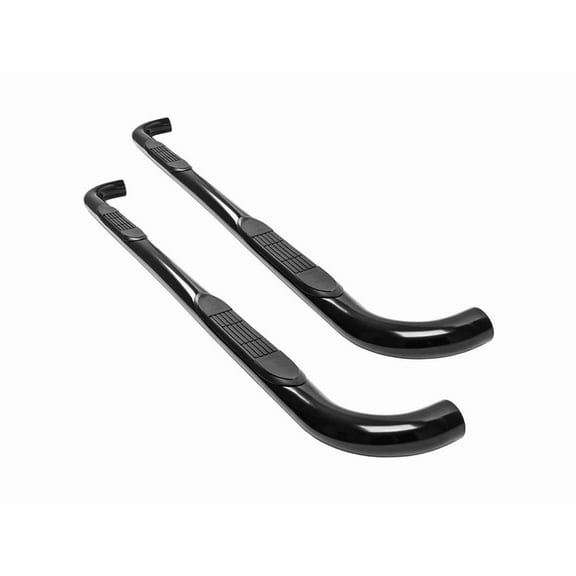
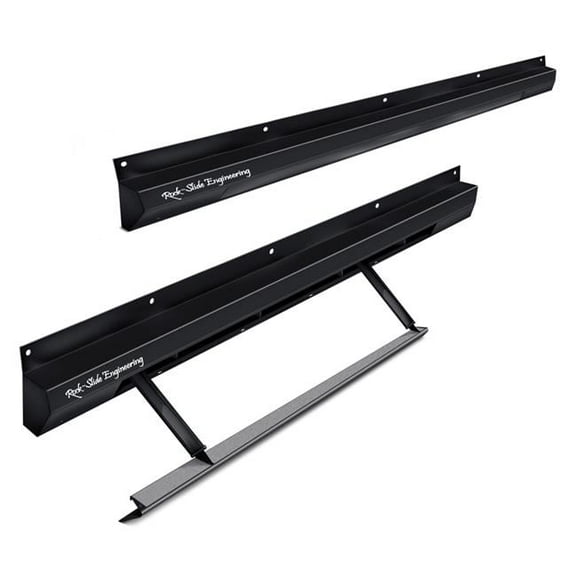
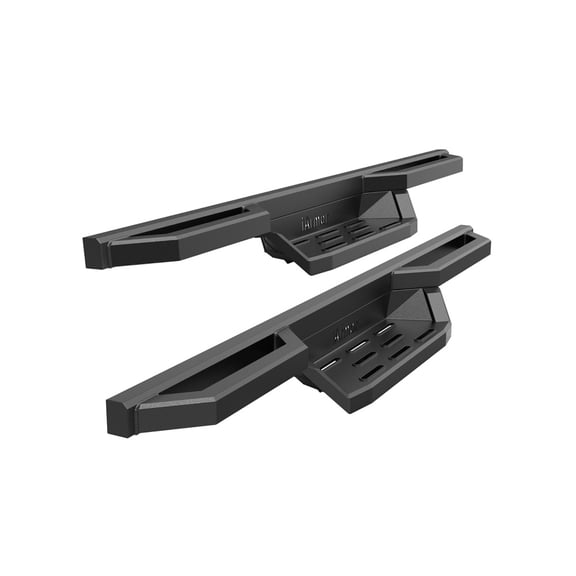
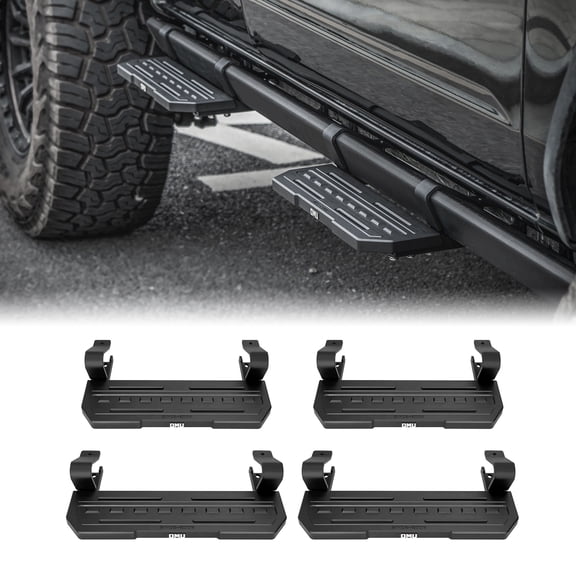
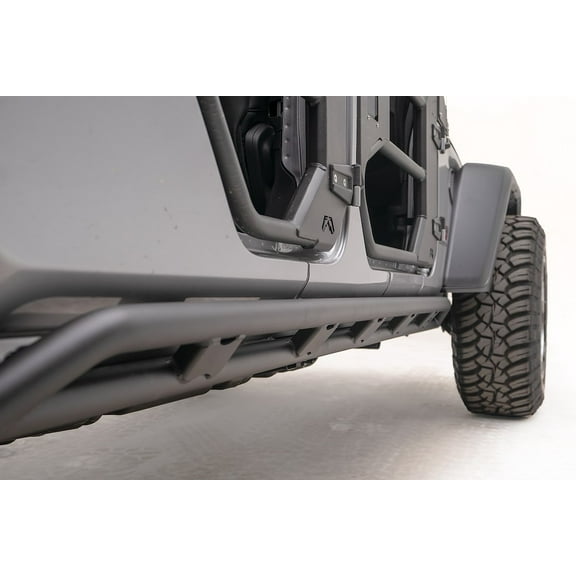
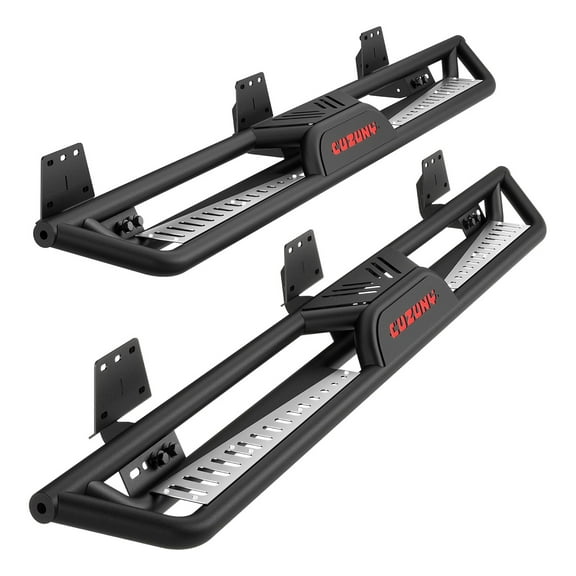

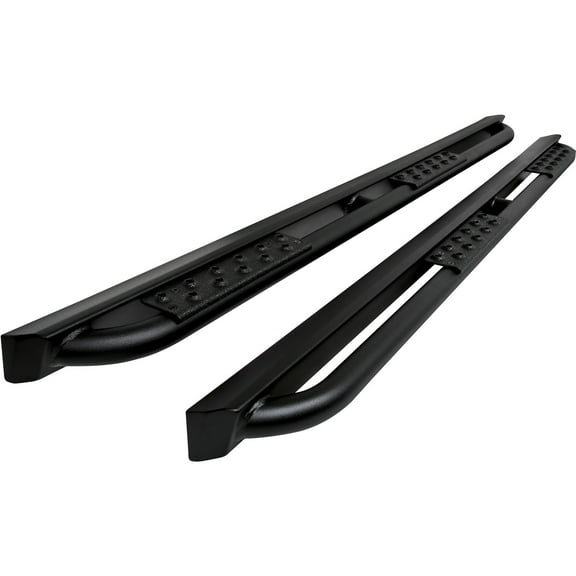

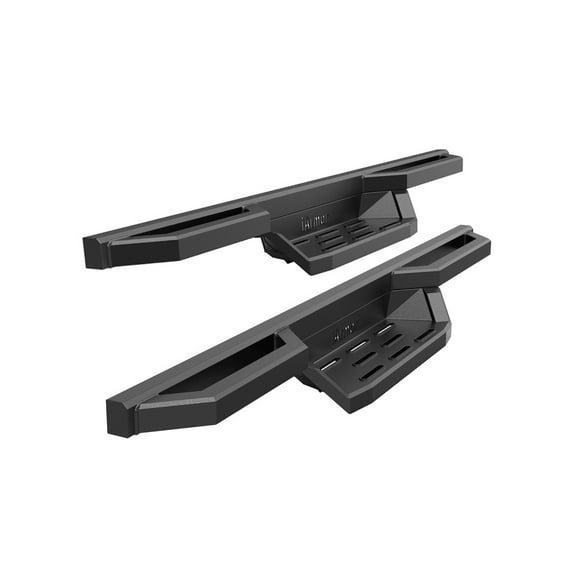
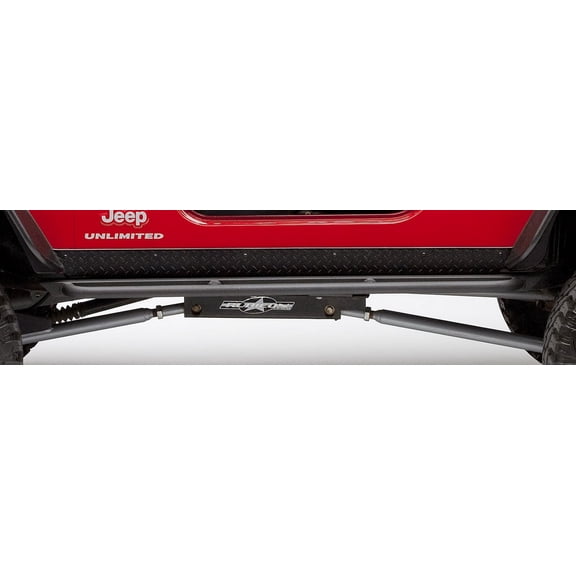
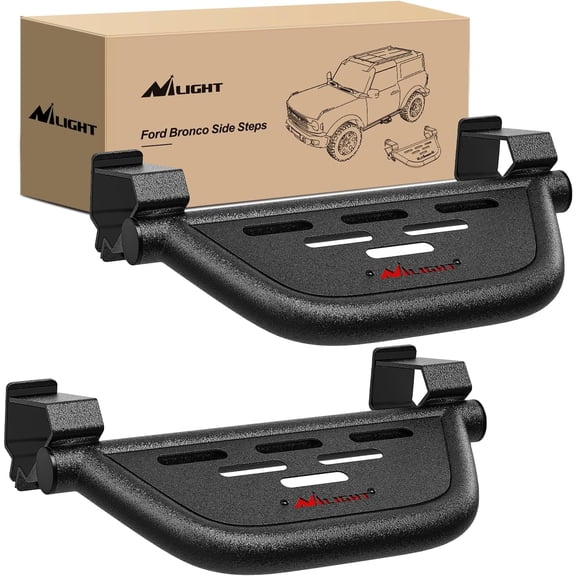
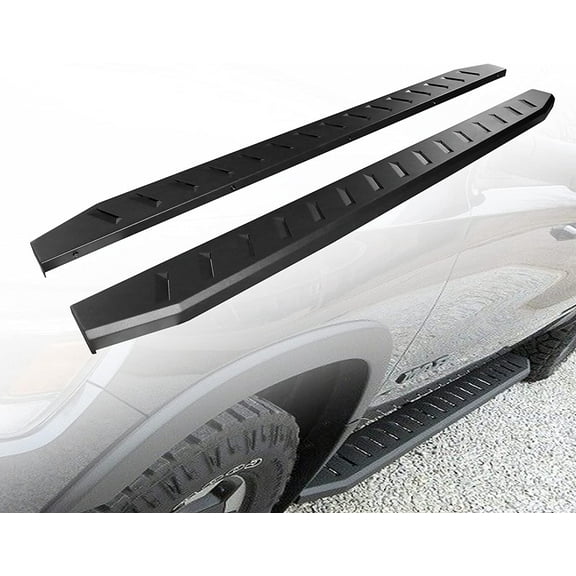


About Rock Sliders in Exterior Car Parts & Accessories - Walmart.com
You can compare rock sliders by fitment, build, and installation, so your off-road vehicle gets side protection that matches your trails and daily use. You’ll also notice rock sliders differ from running boards, because your setup may need stronger rocker panel coverage and a steadier step.
How to choose rock sliders for your vehicle
Start with vehicle fitment, because your doors, wheelbase, and frame points shape how securely your sliders mount. You should check your model year, cab style, and body length before you compare finishes or tube styles.
If you drive a Jeep Wrangler, you may need jeep rock sliders made for two-door or four-door bodies. If you drive a Toyota Tacoma or Ford Bronco, you should confirm your bed length or trim-specific mounting points.
Universal options can help when your build uses custom mounting plans or mixed exterior upgrades. You’ll still want to measure your rocker area, because your clearance and step position affect everyday use.
Why rock sliders matter on the trail and at home
You can use off road rock sliders to help shield your rocker panels when your tires climb ledges, ruts, and uneven ground. You’ll also gain a practical foothold when your suspension lift makes entry feel higher.
Some shoppers compare rock guards, side steps, and running boards before they choose a setup. You’ll usually want stronger tubing or plate coverage when your focus includes trail contact, not only easier entry.
- You can help protect your rocker panels during rocky trail driving.
- You can get a more stable step for lifted Jeeps, trucks, and SUVs.
- You can choose designs that balance side protection and daily entry.
- You can compare angled bars or flat step plates for your routine.
Truck rock sliders can also support builds that split time between work sites and weekend trails. You may prefer a wider step area when your boots, gear, and cab height make footing important.
Angled designs often tuck closer to your body for added clearance on narrow obstacles. Flat styles can feel easier for passengers when your priority includes frequent in-and-out use.
Comparing material and build details
You should look at steel construction first, because your material choice affects impact resistance and long-term wear. Heavy-duty steel designs often suit rougher terrain, while your intended use helps narrow the right profile.
HSS tubular steel uses shaped tubing that can give your setup strong side coverage with a familiar rock crawler side bars look. Plate steel designs can create broader coverage when you want a fuller step surface.
You may also see thickness details like steel gauge and tube diameter in product specs. You should compare those numbers carefully, because thicker walls usually mean a sturdier feel and added weight.
Finish matters too, especially when your vehicle sees mud, road spray, and changing weather. Textured black powder coat can give your sliders a rugged look, while matte black offers a cleaner visual match.
Bare steel can appeal when you plan to weld, customize, or add your own finish later. You’ll want to match your finish choice to your installation plan and your preferred maintenance routine.
Choosing bolt-on, weld-on, or no-drill installation
You should decide how involved your install can be before you narrow your shortlist. Bolt-on rock sliders usually appeal when you want a simpler setup using existing mounting points.
No-drill installation can make your project more straightforward when your vehicle supports direct attachment. You’ll want to confirm exact fitment, because your frame design determines whether no-drill mounting applies.
Weld-on options can suit custom builds, trail rigs, or projects with modified frames and suspension parts. You may prefer weld-on mounting when your build calls for a tailored position or added fabrication flexibility.
Installation details also shape how your sliders sit against your body and pinch seams. You should compare mounting brackets, step width, and bar angle, because those factors affect clearance and entry.
Jeep rock sliders and truck rock sliders for real use cases
If you drive a Jeep Wrangler on narrow trails, you may want tighter-fitting bars that follow your rocker line closely. You’ll often appreciate that closer profile when your route includes breakover obstacles and uneven shelves.
If you drive a midsize pickup like a Tacoma, you may look for truck rock sliders with enough step area for daily cab access. You’ll also want fitment that matches your cab configuration and wheelbase length.
Bronco owners may compare flat-step and angled designs depending on trail plans and passenger needs. You should think about how often your vehicle carries gear, kids, or rooftop cargo during regular use.
If your build mixes commuting with off-road weekends, you may want a dual-purpose setup. You’ll get more from a design that supports entry without giving up the side protection your trails demand.
When you compare rock sliders across fitment, steel construction, and installation type, you can narrow your choice with more confidence. You’ll end up with protection and step support that match your vehicle, your terrain, and your routine.