


Find auto parts that fit
Let’s search for parts that fit your vehicle.Truck Running Boards & Side Steps


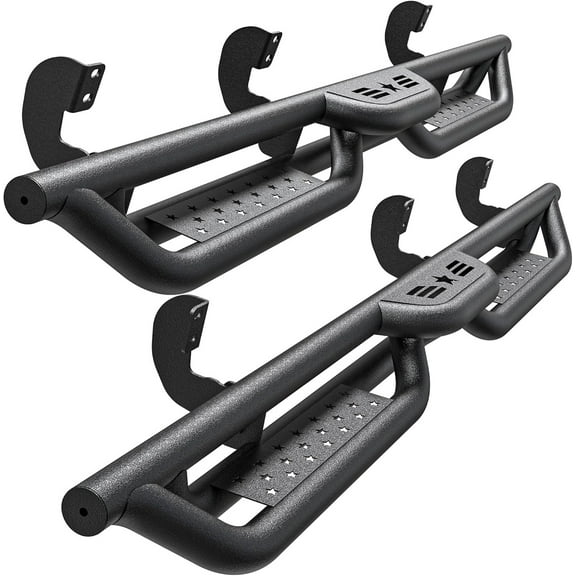

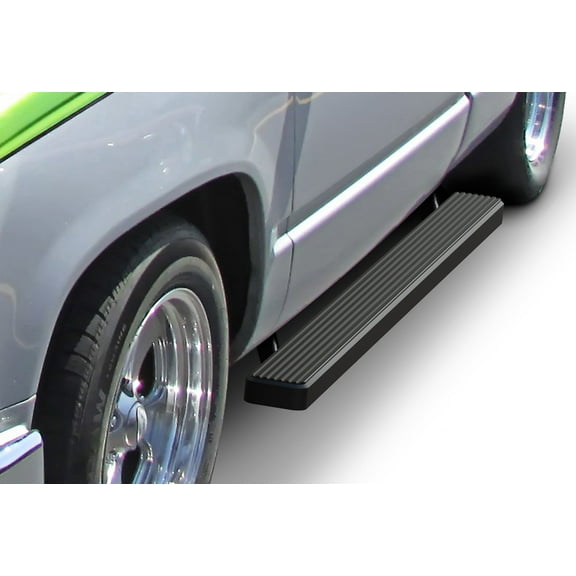


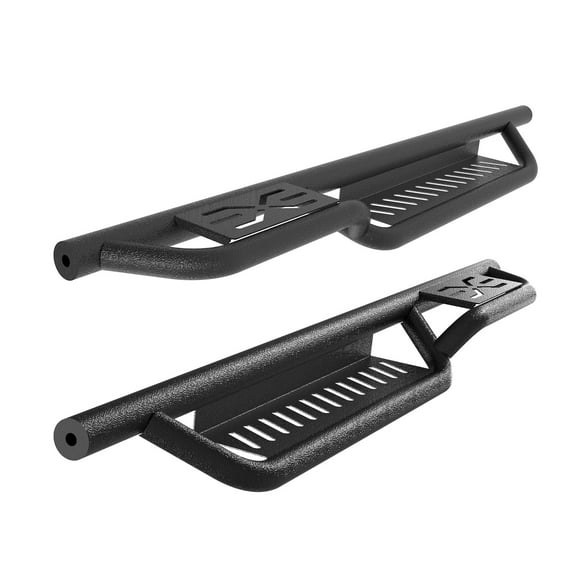
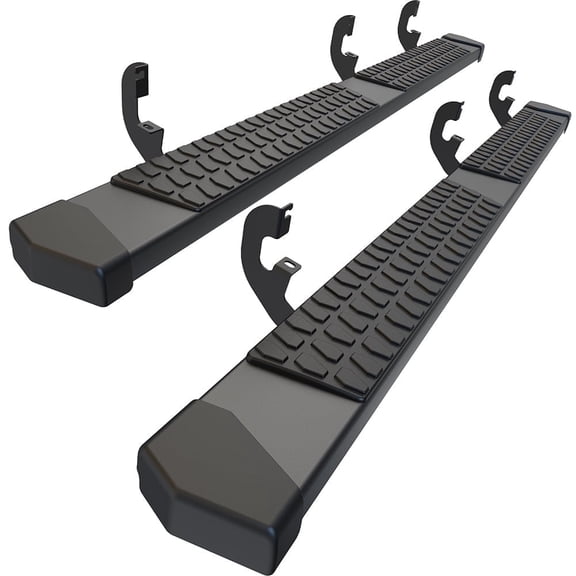


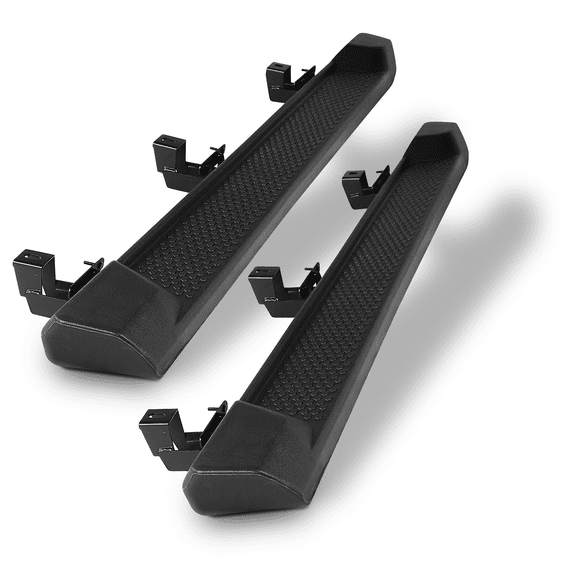

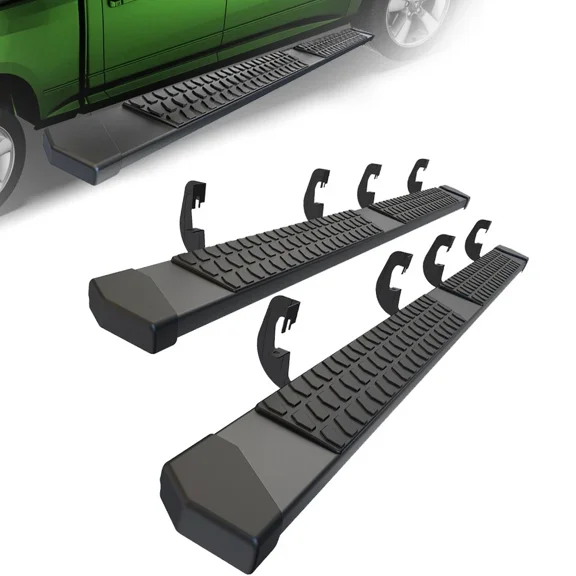


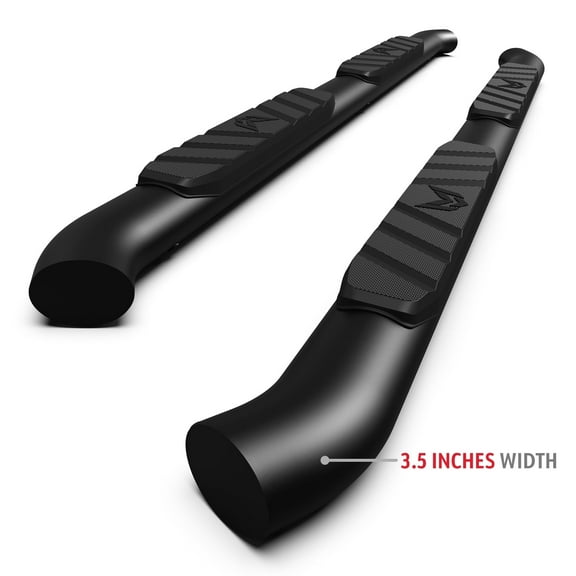


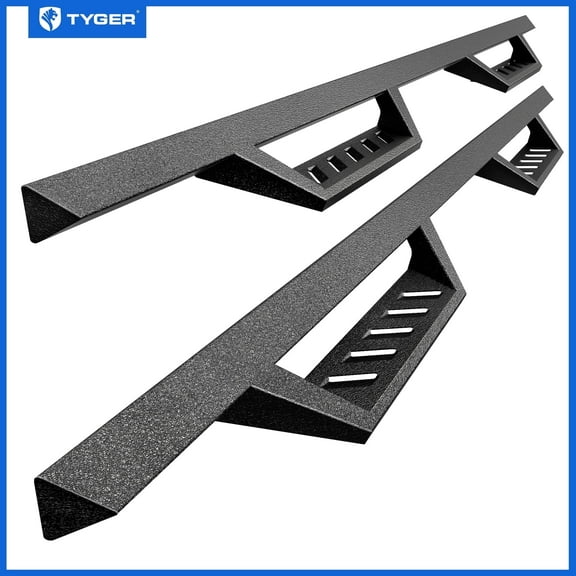
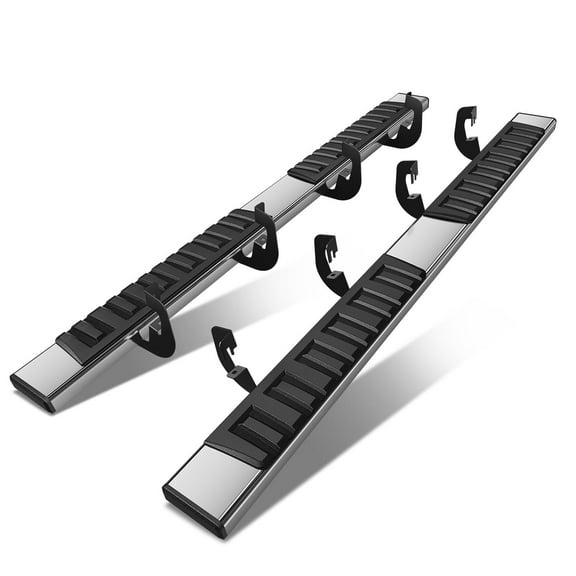
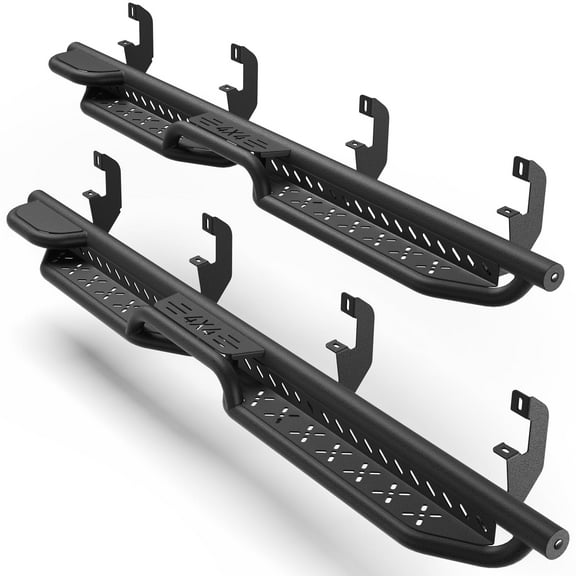
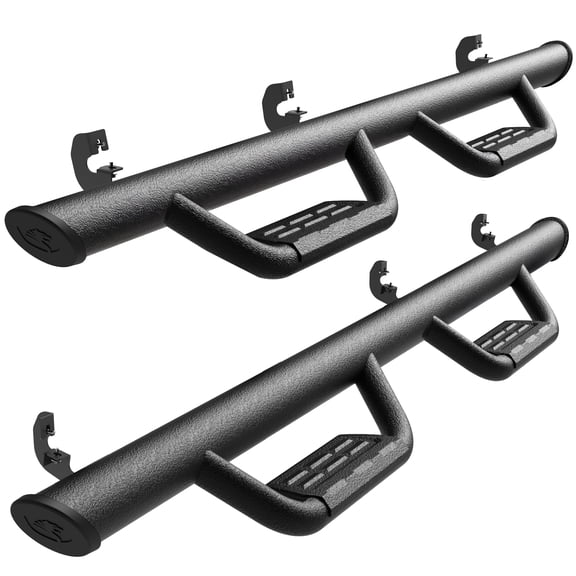
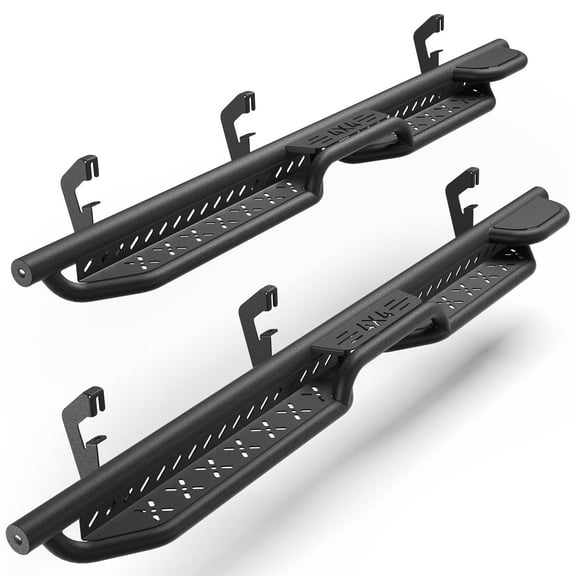











About Truck Running Boards & Side Steps - Walmart.com
Running boards help you enter your truck or SUV with steadier footing and a cleaner factory-style look. You can compare fitment, step style, and finish here, so your upgrade matches your vehicle and your daily routine.
If you drive a lifted pickup, haul gear often, or want easier cabin access, you need details that fit your exact setup. You’ll find options for trucks and SUVs, including styles shoppers also know as nerf bars and side steps.
How to choose running boards for your vehicle
You should start with vehicle fitment, because cab size and mounting points shape what will install correctly. You’ll want to check make, model, year, cab configuration, and bed length before comparing finishes.
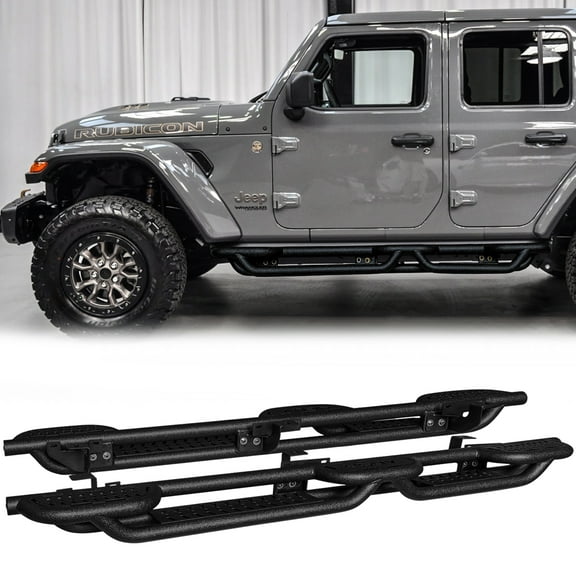
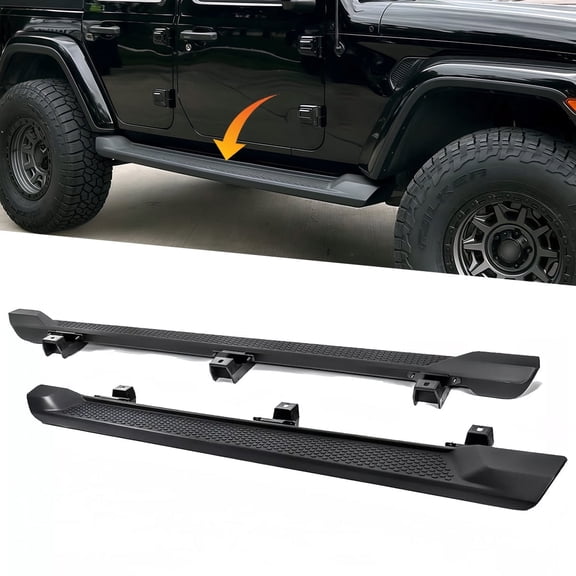
When you shop truck running boards, you may notice fitment callouts for Ford F150, Chevy Silverado, RAM 1500, and Jeep Wrangler. You should also compare bracket patterns, because your vehicle’s mounting locations affect how securely your steps align.
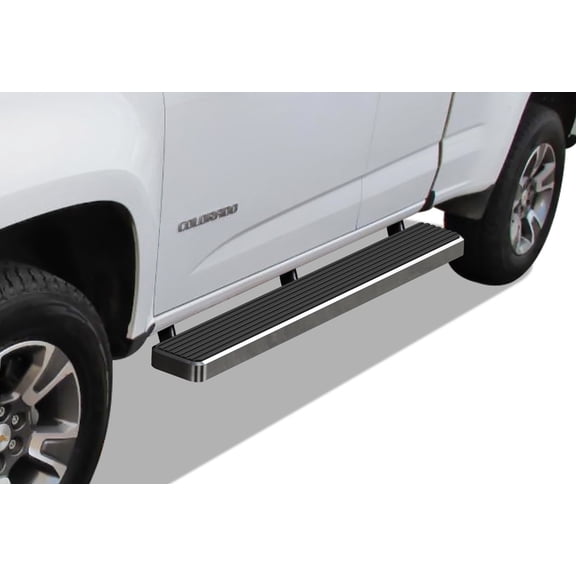
You can narrow choices faster when you match the board length to your cab. You’ll usually choose cab-length boards for everyday entry, while wheel-to-wheel styles add rear-door and bed access.
Choosing nerf bars by material and finish
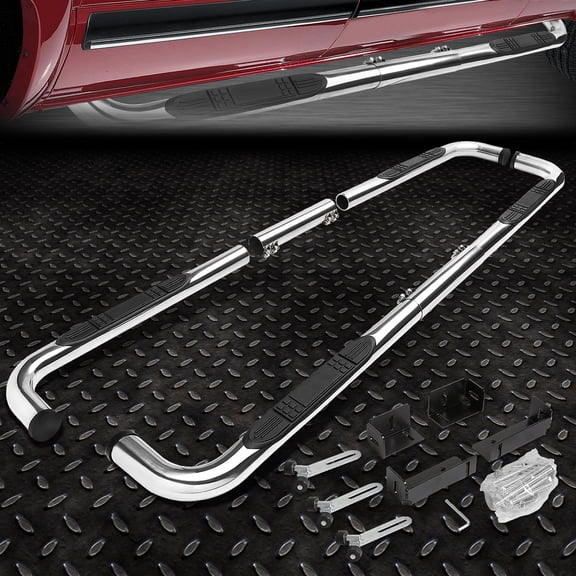
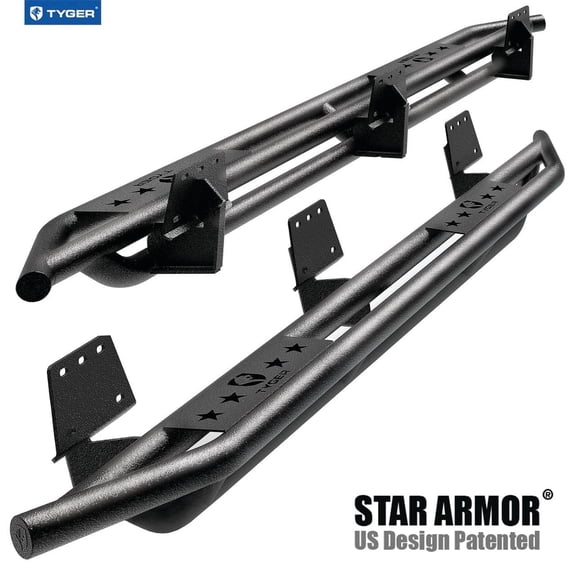
You can use material and finish to balance appearance, upkeep, and long-term wear. You’ll commonly compare polished stainless steel, textured black powder coat, and anodized aluminum across many nerf bars.
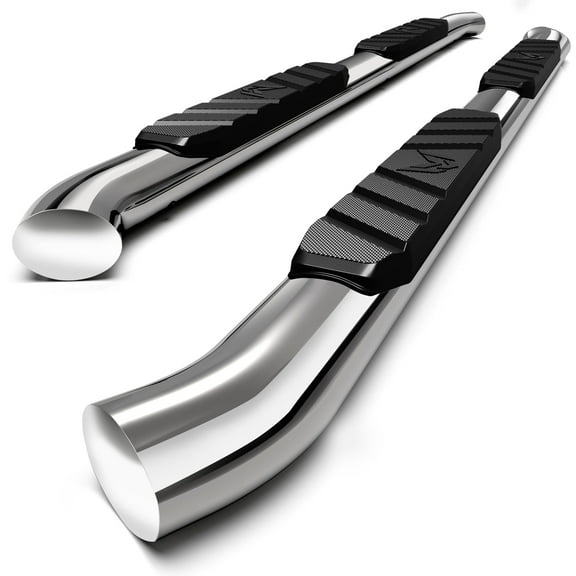
If you want a bright metal look, you may prefer polished stainless steel for a reflective finish. If you want a darker appearance, you may choose textured black powder coat for a rugged style.
You can also compare anodized aluminum when you want a lighter build that still looks sharp on trucks and SUVs. You’ll want to read finish details closely, because color and texture can change the overall look of your build.
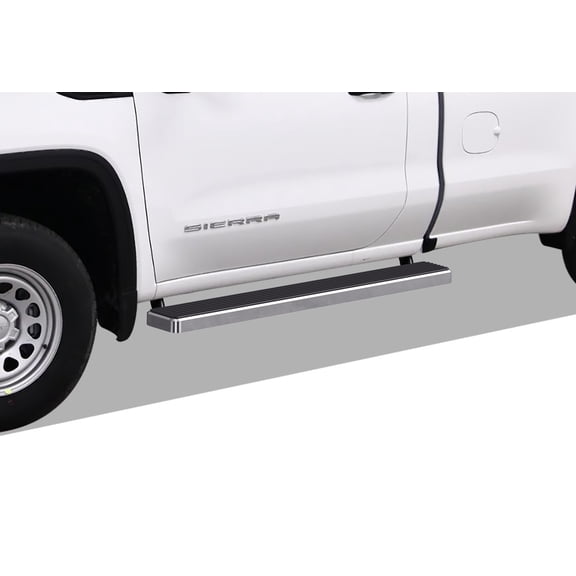
- You can use polished stainless steel for a bright, chrome-like appearance.
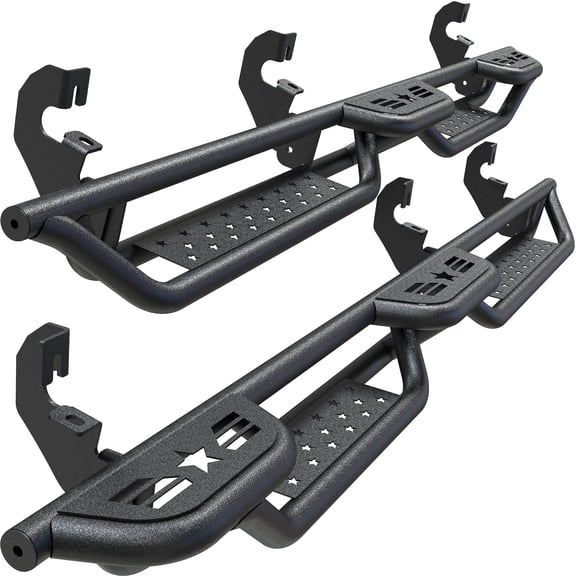
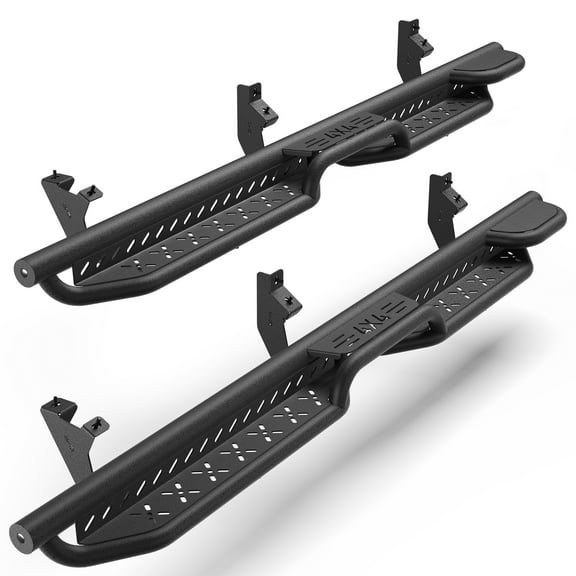
- You can choose textured black powder coat for a darker, off-road-inspired look.
- You can consider anodized aluminum when you want lower weight and a clean finish.
- You should match the finish to your wheels, grille, and trim for a more cohesive exterior.
Comparing side steps for trucks by style and width
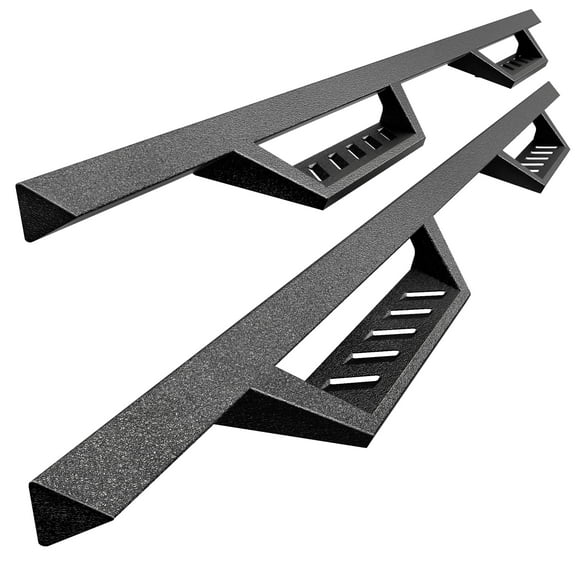
You should compare step style next, because shape affects how your feet meet the step. You’ll notice big differences between flush boards, drop steps, and power running boards.
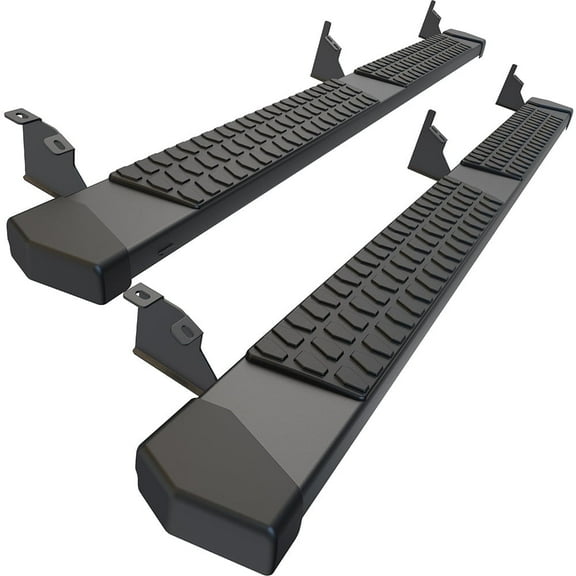
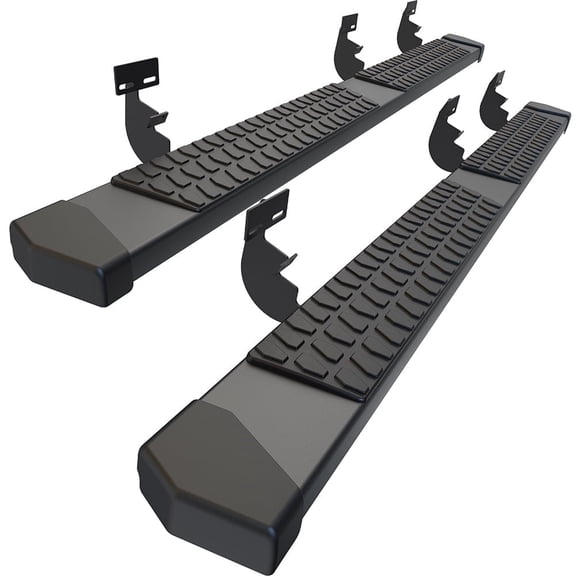
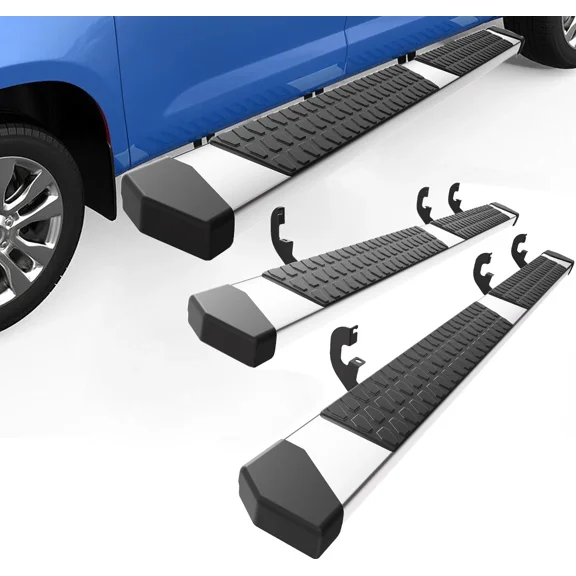
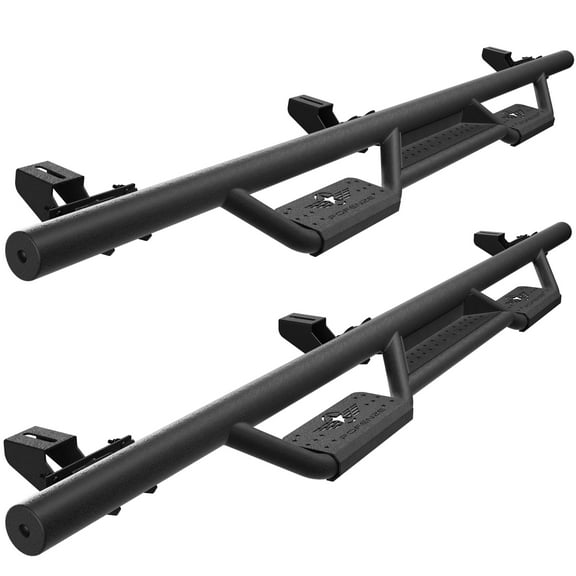
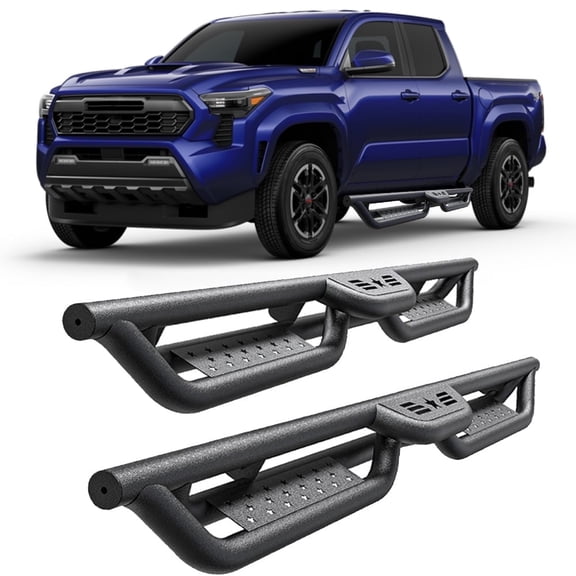
If you want a broad stepping surface, you may lean toward a rectangular or wide board design. If you want extra drop below the rocker panel, you may prefer drop steps for easier entry on taller trucks.
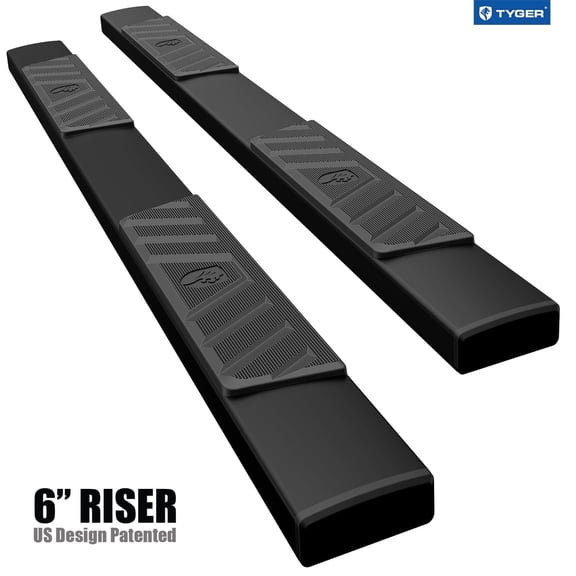
You can also compare round and oval tubes, including three-inch round and four-inch oval styles. You’ll often find five-inch rectangular and six-inch wide options when you want more foot room.
Cab-length styles support front and rear door entry without extending toward the bed. Wheel-to-wheel styles help you reach bed-mounted toolboxes or cargo, which can matter on work trucks.
If you want a cleaner side profile, you may consider power running boards that retract when the doors close. You’ll get a tucked-away look while still having a step when you enter or exit.
What to look for in weight capacity and mounting
You should check weight capacity before you decide, because ratings help you compare intended use. You’ll often see options around 300 lbs, 350 lbs, and 500 lbs, depending on design and mounting hardware.
If you want a step for frequent family entry, a midrange rating may fit your needs well. If you use your truck for work, you may want a higher rating and a wider stepping surface.
You can also review mounting style, because bracket design affects clearance and appearance under the cab. You’ll want to compare no-drill and custom-fit hardware details when installation convenience matters to you.
When you compare running boards closely, you should look at tread pattern and step pad coverage too. You’ll notice these details can affect traction feel, especially on wider boards and drop-step layouts.
Matching running boards to how you drive
You can choose differently depending on where and how you use your vehicle each week. You’ll likely want different features for commuting, family loading, towing days, or weekend trail trips.
If you drive a daily pickup, cab-length side steps for trucks can give you simple access without changing your truck’s lines too much. If you carry kids or passengers often, you may want a wider board for easier foot placement.
If you use a work truck, wheel-to-wheel boards can help you reach the cab and the bed more easily. You’ll appreciate that extra step reach when you load tools, secure cargo, or grab gear from a side-mounted box.
If you drive a lifted truck or SUV, drop steps can place the stepping point lower than a flush board. You’ll often find that setup useful when ground clearance makes the first step feel higher.
If you want a sleek look for a newer build, power running boards can keep the profile cleaner between stops. You’ll still get a usable step surface when the doors open, which supports everyday convenience.
You can also match finish and width to your vehicle’s style, from polished street builds to blacked-out off-road setups. You’ll create a more coordinated look when your boards echo your bumpers, wheels, and trim.
With the right running boards, you can improve access, complement your vehicle’s design, and choose fitment that works with your exact cab setup. You’ll feel more confident when your step width, material, and mounting style all align with how you drive.