

RV GPS Accessories & Systems





About RV GPS Accessories & Systems - Walmart.com
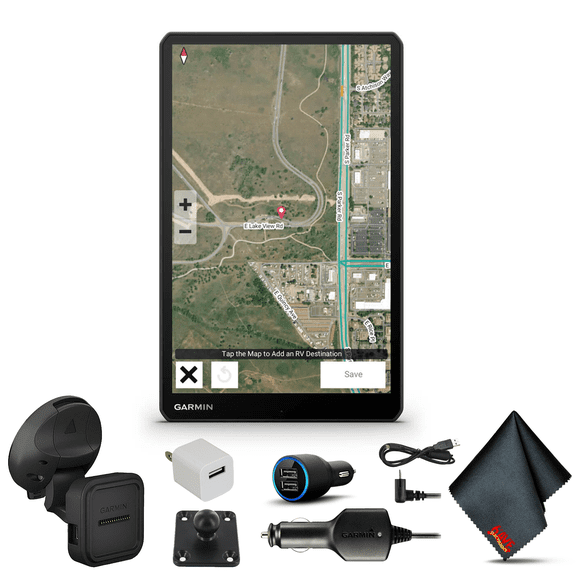
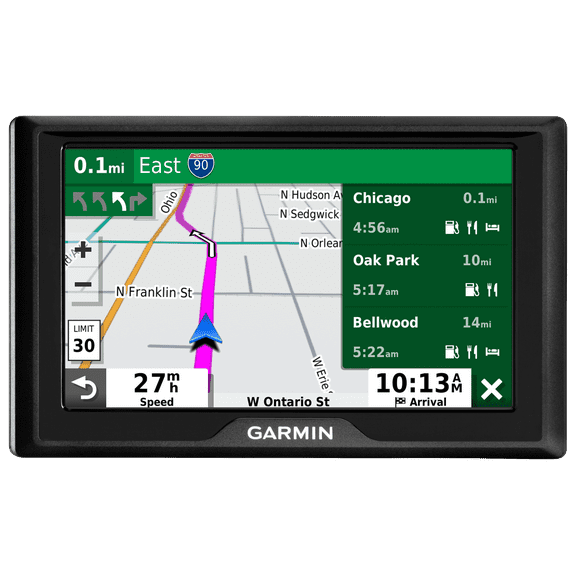
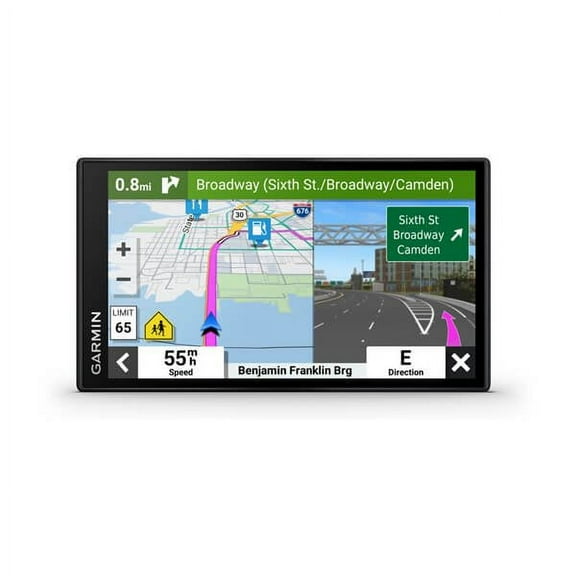
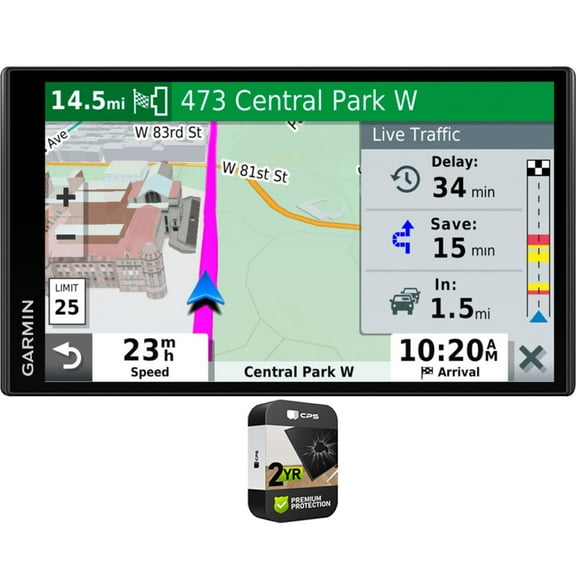
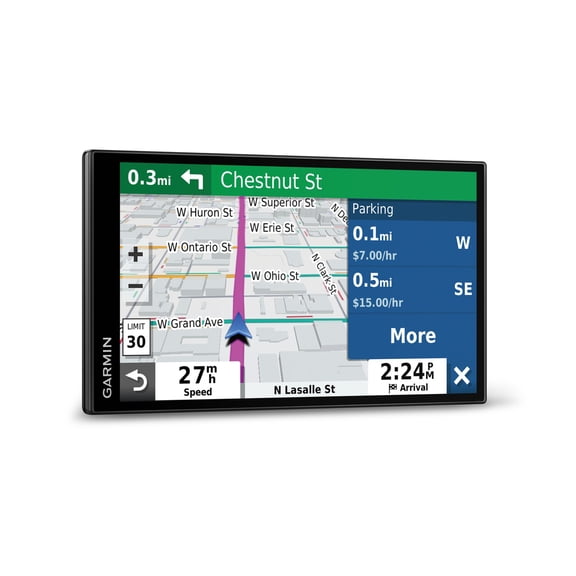
You can compare rv gps accessories by routing tools, mounts, and screen visibility before your next long drive. You’ll notice this category focuses on RV-specific guidance that standard car navigation often skips.
When you drive a motorhome, trailer, or camper, you may want directions that consider height, weight, and propane restrictions. You can also look for accessories that keep your screen stable, powered, and easy to read across a wide dashboard.
How to choose rv gps accessories
You should start with the routing features because they shape every trip you take. If you use a standard navigator, you may miss custom RV routing that accounts for bridge clearance and road limits.
You can narrow your options by checking how each setup supports your coach size and travel style. When your routes include campground stops, you may also want an RV parks directory and road warnings.
As you compare categories, you should treat mounting type as a daily convenience decision. Your windshield mount, dash mount, or friction mount can affect reach, glare, and screen stability.
- You can use custom RV routing for roads that fit your vehicle dimensions.
- You can choose larger displays when your dashboard sits farther from your seat.
- You can pick Wi-Fi or Bluetooth features for easier updates and connections.
- You can match your mount style to your dashboard layout and viewing angle.
- You can select 12V DC power or rechargeable batteries for your travel routine.
Choosing the right rv gps system
You should compare screen size first if you want easier map reading at a glance. A 5-inch screen may suit tighter spaces, while a 7-inch or 8-inch screen can feel clearer in larger cabs.
If your cockpit is wide, you may prefer a 10-inch display for bigger text and icons. You can often read turns faster when your screen size matches your seating distance.
You’ll also want to check connectivity before you choose an rv gps system. Wi-Fi can help you handle map updates without plugging into a computer every time.
Bluetooth can matter when you want simple pairing with compatible devices in your cabin. Lifetime map updates can also matter if your routes change often across new roads and expanding campgrounds.
When you compare routing features, you should look beyond turn-by-turn directions. Your decision may depend on custom RV routing, campground databases, low-clearance notices, and road warnings.
These details can make the category different from standard car units. You can use them to plan routes around vehicle dimensions, weight limits, and propane-related restrictions on certain roads.
What to look for in mounts and power
You should measure where your unit will sit before you choose among rv gps accessories. Your windshield mount may give you a higher viewing position, while your dash mount may keep the screen closer.
If you move the device between vehicles, you may like a friction mount for flexible placement. You can compare each option based on visibility, dashboard shape, and how often you reposition the unit.
Power source is another decision you shouldn’t skip during your comparison. A 12V DC vehicle power connection can support long driving days without planning around battery levels.
If you want short-term portability, you may prefer a rechargeable lithium-ion option. You can carry it outside the vehicle more easily when you review routes during stops.
You may also see an rv tracker mentioned alongside navigation tools in this category. If tracking matters to you, you should check how the device fits your charging setup and placement needs.
Matching features to your travel style
If you take weekend trips in a smaller camper, you may want a compact screen and simple mount. You can keep setup straightforward while still getting RV-aware guidance and updated maps.
For longer motorhome travel, you may prefer a bigger display and campground directory support. You can plan stops more smoothly when your screen is easier to read from farther away.
When you tow through unfamiliar areas, you may want custom routing and low-clearance alerts. You can feel more prepared when your route reflects your vehicle height and road restrictions.
If you switch between rigs, you should compare portable mounting options and flexible power choices. Your setup may work more smoothly when you can move it without changing your whole dashboard layout.
You may also want Wi-Fi updates if you travel across changing road networks each season. Your maps can stay current without adding extra steps before every departure.
For drivers who want navigation plus location awareness, an rv gps system and rv tracker pairing may fit. You can compare those functions by how you travel, park, and revisit stored routes.
Choosing with more confidence
You can shop this category with a clearer checklist when you compare screen size, connectivity, routing, mounts, and power together. Your final setup can deliver easier viewing, more suitable routing, and smoother trip planning for RV travel.