

Safety Barriers in Facility Safety


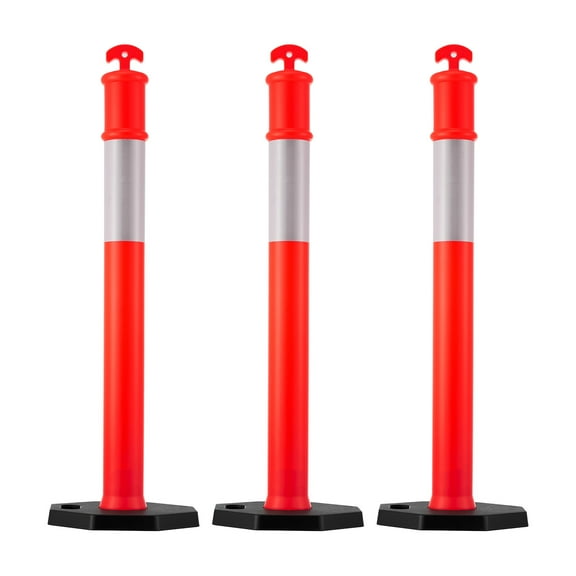

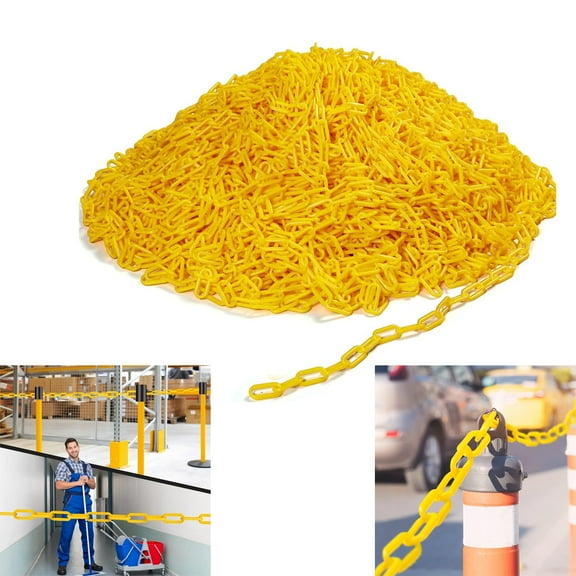
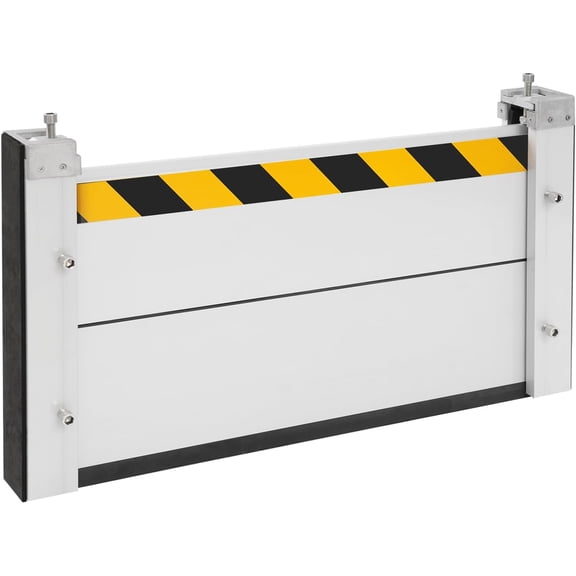

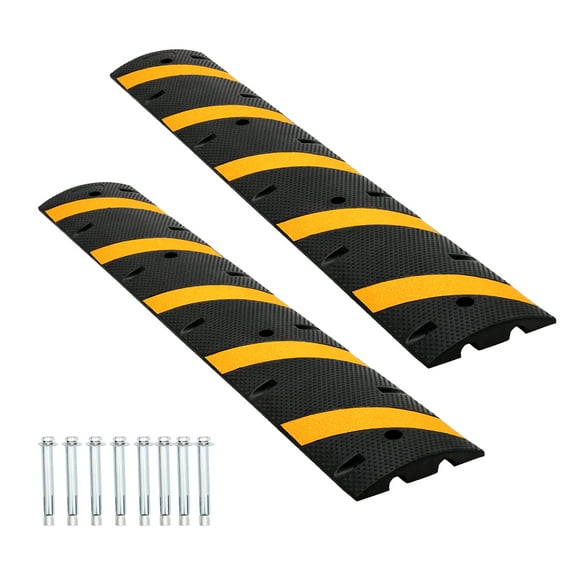













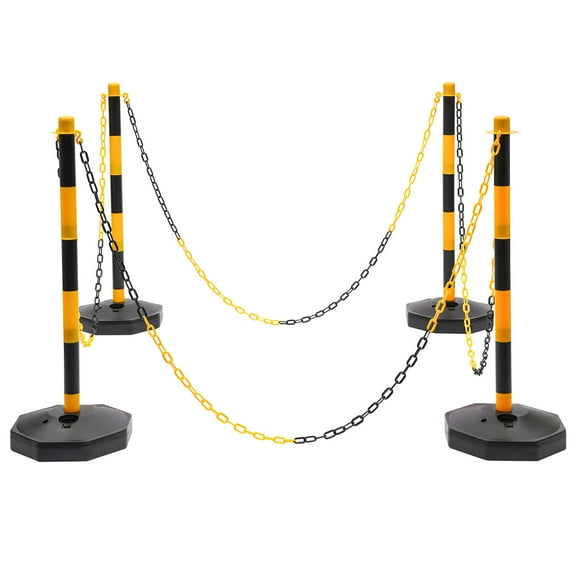





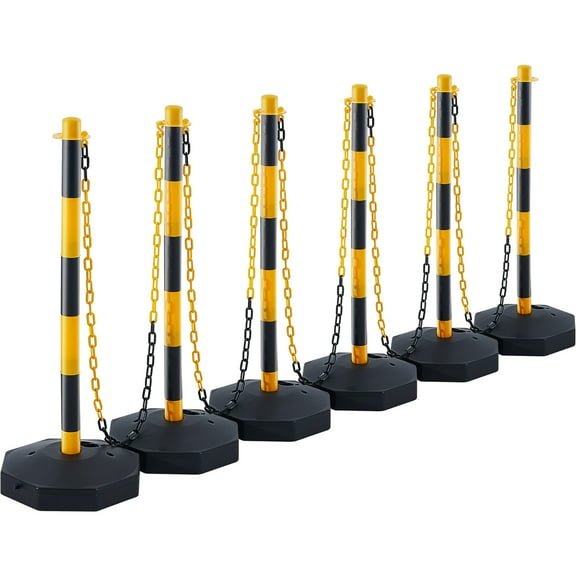
About Safety Barriers in Facility Safety - Walmart.com
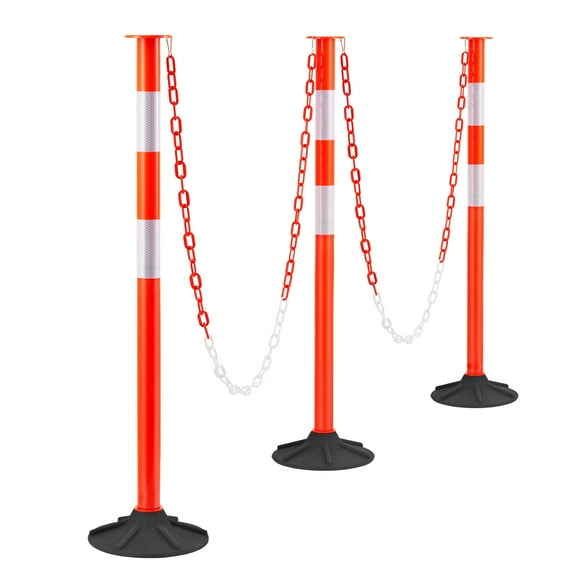
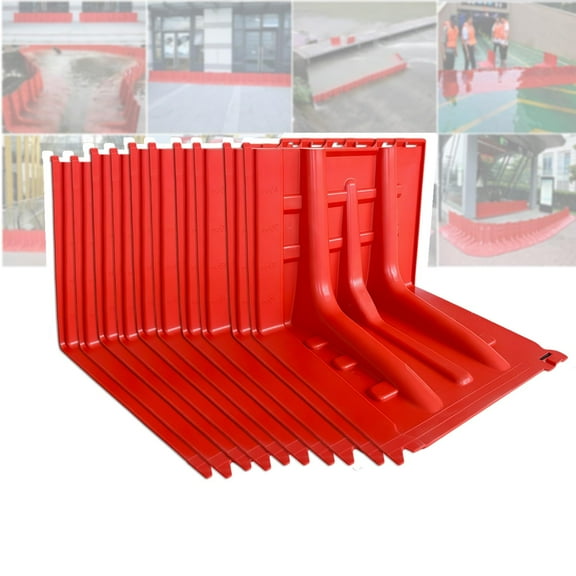
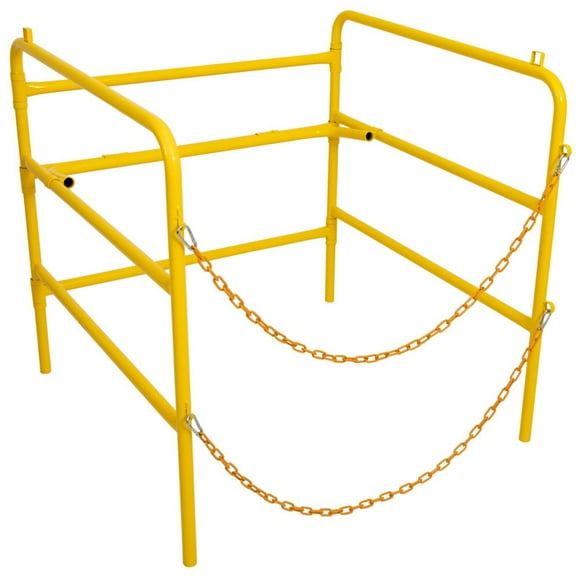
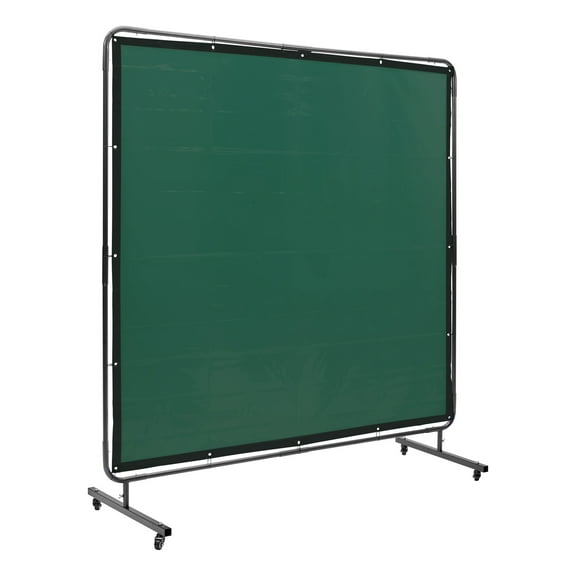
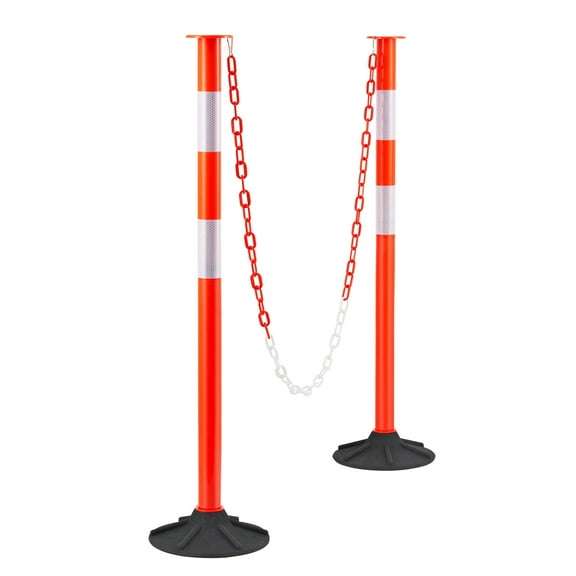
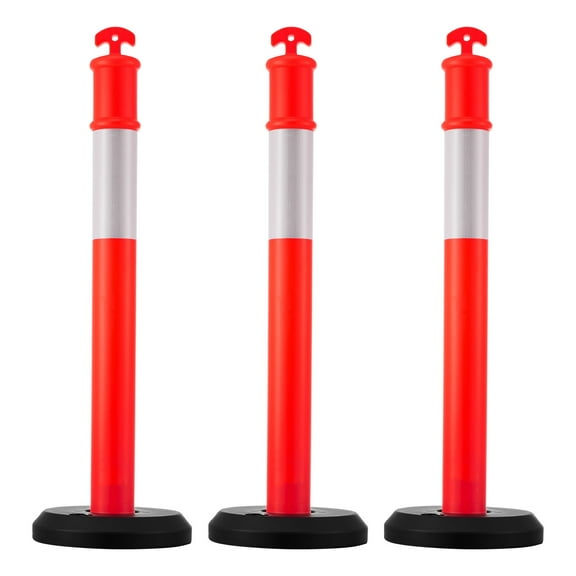
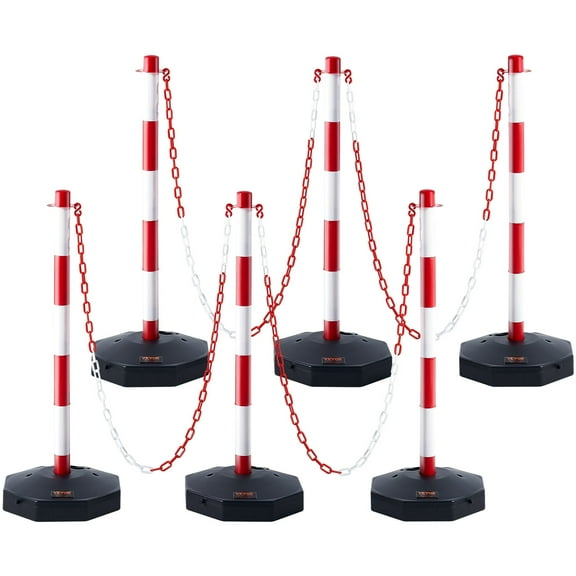
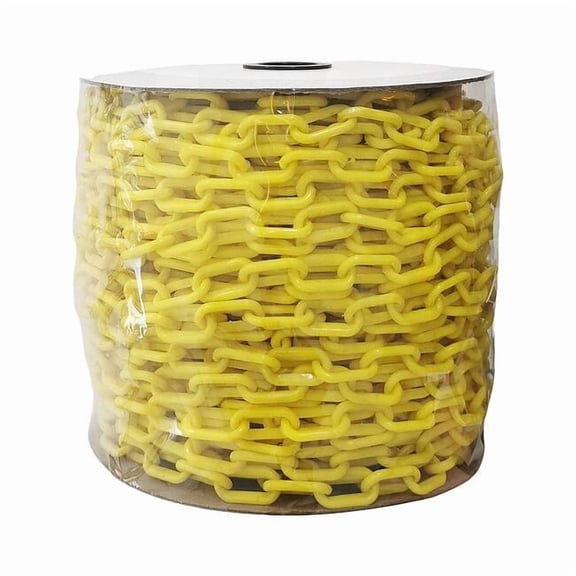
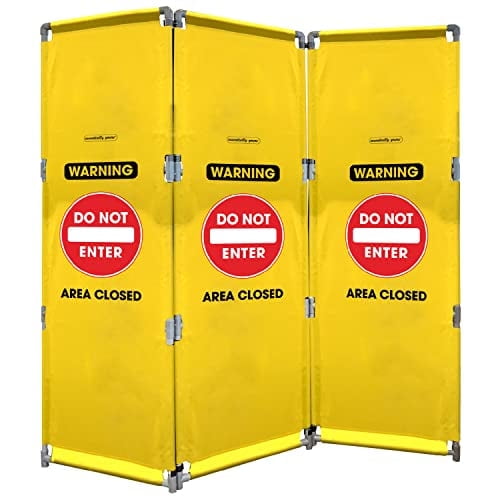
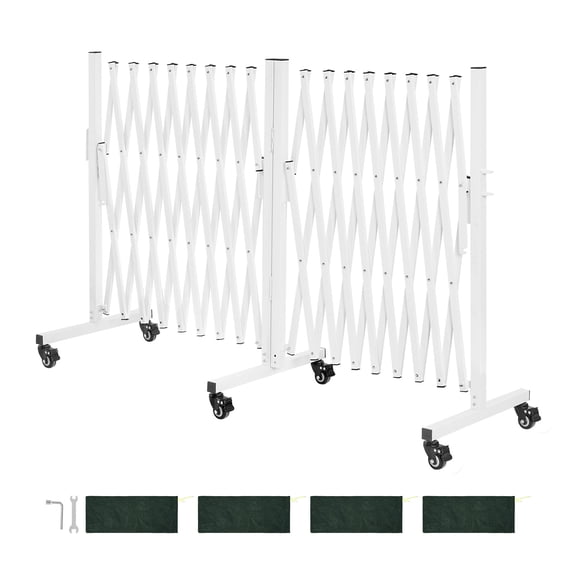
Safety barriers help you separate hazards, guide traffic, and control access across busy facilities. You can compare barrier type, material, mounting style, and coverage area to match your workflow.
How to choose safety barriers for your facility
When you choose safety barriers, you should start with the space you need to block or direct. Before you compare options, you can measure aisle width, doorway span, or work-zone depth.
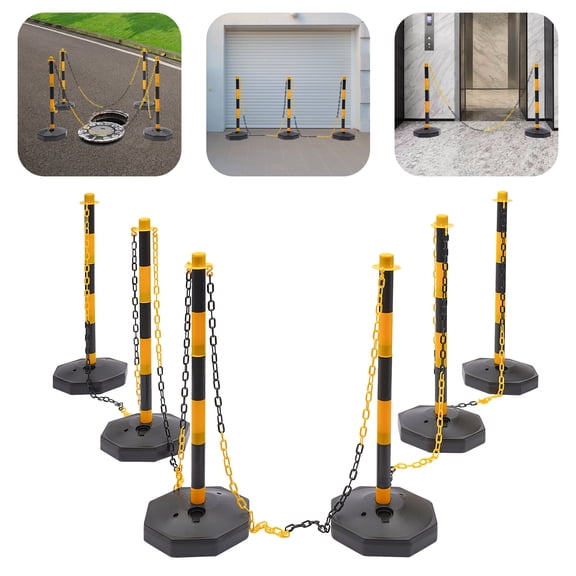
Your setup may stay in place, or your layout may shift during the day. In that case, you can use portable units for changing zones or fixed styles for permanent boundaries.
Visibility also matters in active environments with carts, forklifts, and foot traffic. For that reason, you can look for bright finishes, mesh panels, or expandable frames that stay easy to spot.
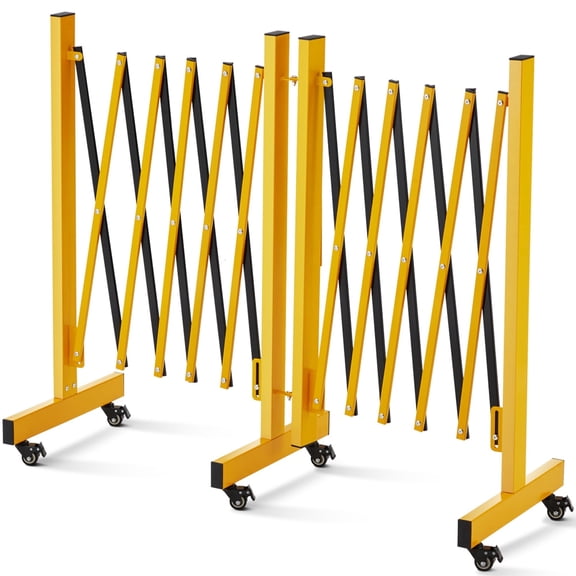
- You can use expandable styles for flexible coverage in changing work areas.
- You can choose fixed styles when your layout needs a defined long-term boundary.
- You can select portable barriers when your team repositions lanes, entrances, or service areas.
- You can compare steel, plastic, mesh, and aluminum based on weight and durability needs.
- You can check bolt-down, magnetic, and free-standing mounting for your floor and equipment setup.
Choosing barrier type and material
Barrier type should match how often your layout changes during a shift. Expandable and retractable options suit temporary closures, while fixed barriers support repeatable traffic patterns.
If you manage loading areas or machine zones, you may need high-strength materials. Steel can suit high-contact industrial spaces, while aluminum can reduce weight during frequent repositioning.
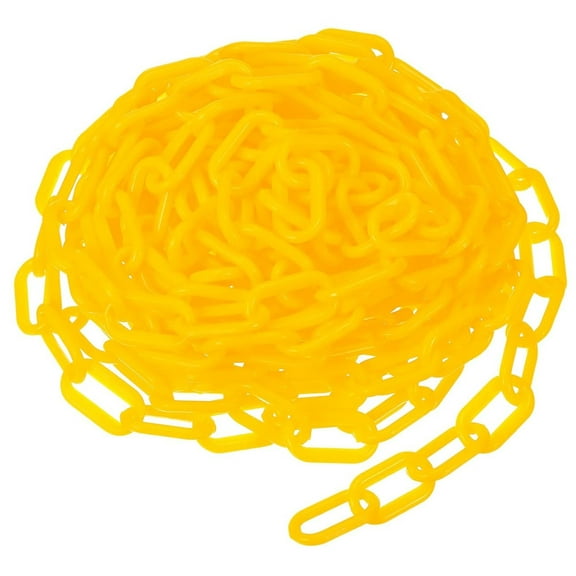
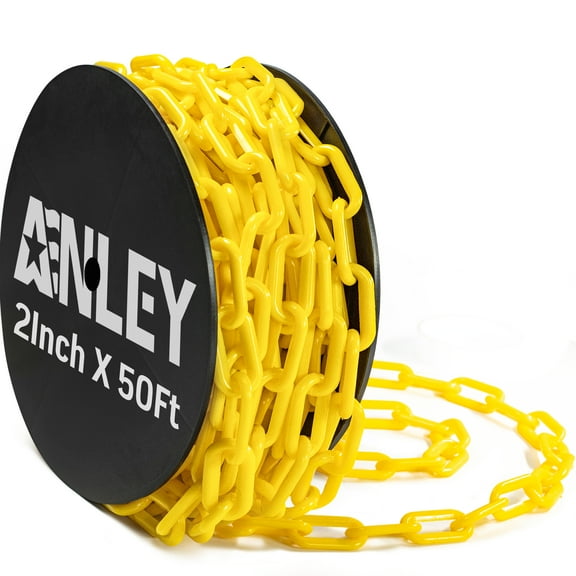
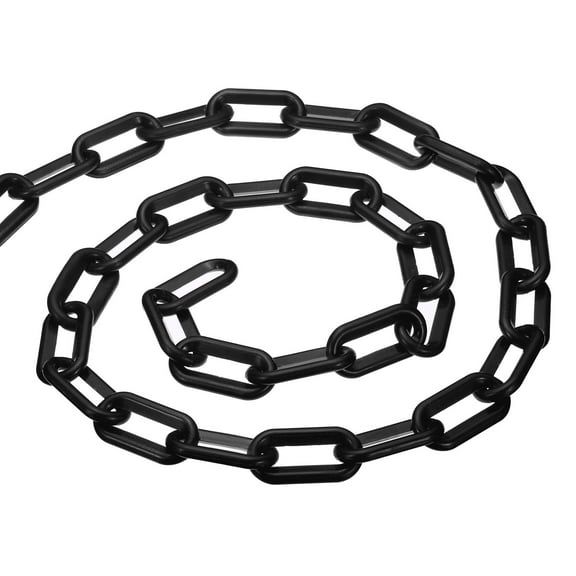
Material choice also affects visibility and handling across your floor. Plastic often supports light-duty separation, while mesh can help you maintain sightlines across an active workspace.
When you review dimensions, you should compare both height and extended length. A wide span can cover dock doors or aisles, while a tall profile can improve visual definition.
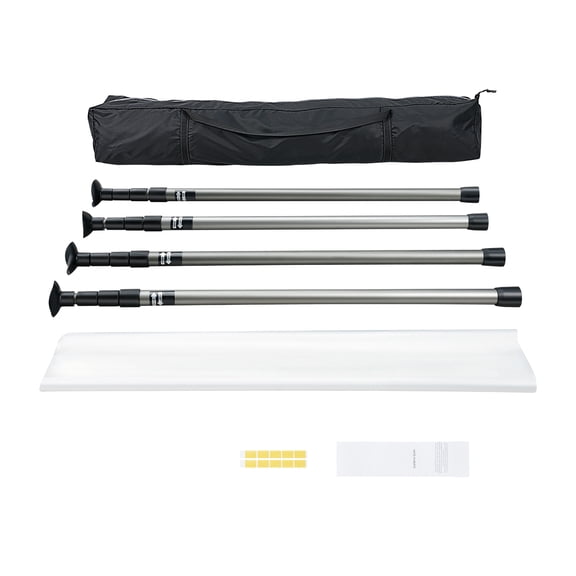
Storage needs can shape your decision when barriers move between tasks. You may want to check folded size, since portable and retractable designs can fit carts, closets, or setup rooms.
What to look for in safety barriers and mounting
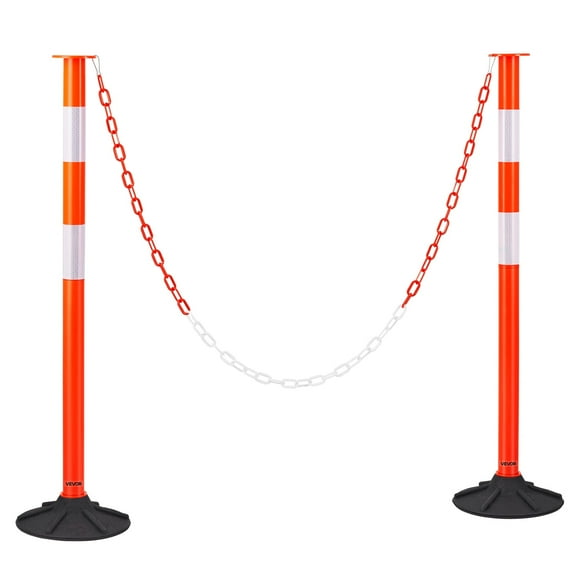
Mounting style affects how your barrier works throughout the day. You can choose bolt-down styles for fixed zones, while free-standing units support quick placement changes.
Some layouts call for barriers around equipment, racks, or metal structures. In those spaces, you should check whether magnetic mounting fits your surface and setup routine.
Industrial environments often require close attention to steel gauge and impact ratings. Those details help you judge whether your barrier fits forklift lanes, cart paths, or repeated contact areas.
Frame design matters when you need stable placement in busy work zones. You should also review load capacity, reinforced joints, stable bases, and thick components before you decide.
Compliance can guide your short list when you manage marked hazard areas. You can check product details for OSHA and ANSI alignment to support your site requirements.
Installation needs may also influence which style fits your facility. If you standardize hardware or bases across locations, you can simplify setup at doors, walkways, and production zones.
Matching safety barriers to workplace uses
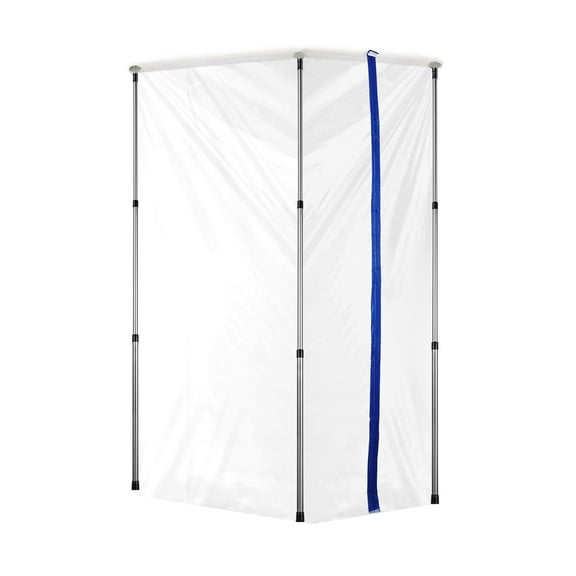
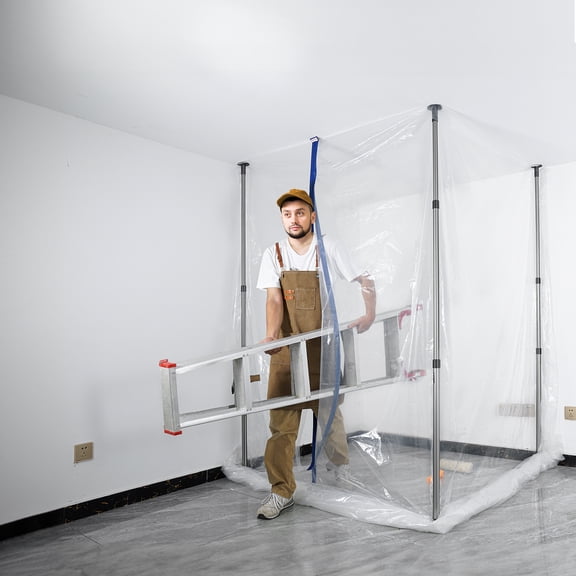
Portable safety barriers can fit janitorial work, short-term maintenance, or temporary cleanup perimeters. Those setups work well when your team opens and closes areas throughout the day.
In a warehouse, you may prefer steel barriers with bolt-down mounting and heavy-duty impact performance. That combination can suit dock edges, forklift paths, and equipment separation zones.
Crowd control layouts often need barriers that move with changing foot traffic. You can compare free-standing or retractable designs for entry lines, service counters, and waiting areas.
Construction settings may call for barriers that balance visibility and quick placement. Mesh panels or lightweight frames can support changing boundaries around tools, materials, or restricted sections.
Traffic flow improves when your barrier matches lane width and turning space. A barrier that fits your path can keep routes organized and clear to follow.
Across larger facilities, you may want matching materials and mounting styles in several areas. That approach can simplify training, storage, and replacement planning across your operation.
Choosing safety barriers with confidence
You can narrow safety barriers quickly when you compare type, material, application, and mounting together. That practical approach helps you create clear zones, smooth traffic flow, and consistent facility organization.