


Scooters in Ride Ons



































About Scooters in Ride Ons - Walmart.com
Your kids scooter search gets easier when you compare stability, age fit, and riding features in one place. You can sort through toddler-ready designs, school-age kick scooter picks, and foldable options for everyday play.
When you shop this category, you’ll notice choices built for sidewalks, driveways, and park paths. You can also compare wheel setups, handlebar adjustment, and deck design without guessing what fits your child’s stage.
How to choose a kids scooter
You’ll want to start with wheel configuration, because balance feels different on each setup. You can choose a 3 wheel scooter for steadier starts or a 2-wheel model for sharper turning.
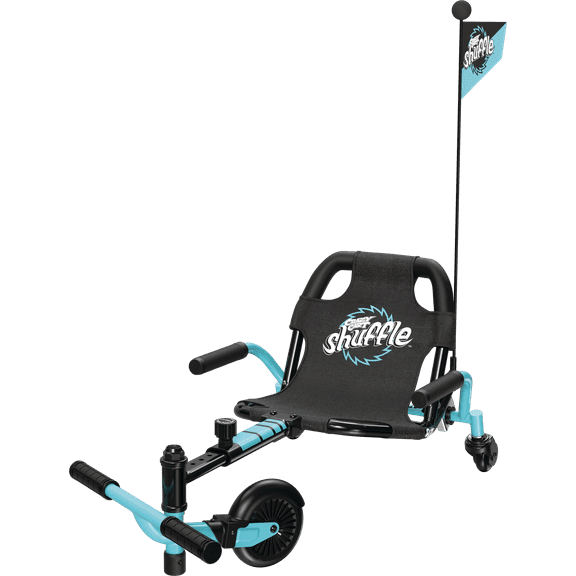
If you’re shopping for a toddler scooter, you may prefer a wider deck and lean-to-steer design. If your child has stronger balance, you may look toward a classic kick scooter shape.
You should also compare a scooter’s age guidance and weight capacity before you decide. You’ll get a clearer match when your child’s size lines up with the frame and handlebar range.
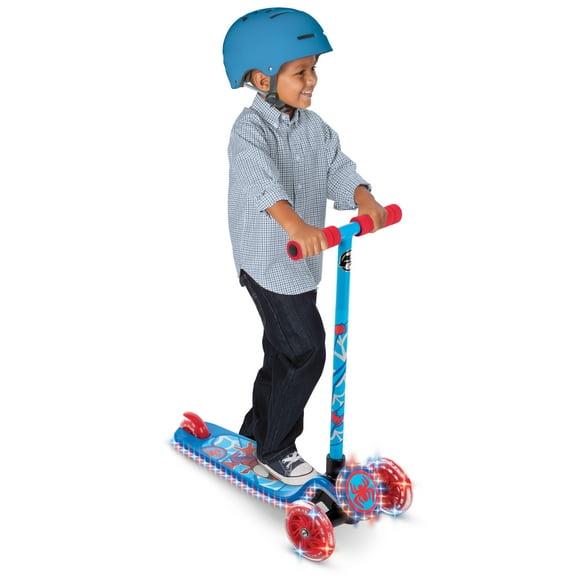
- You can choose 3-wheel designs when you want extra stability for early riders.
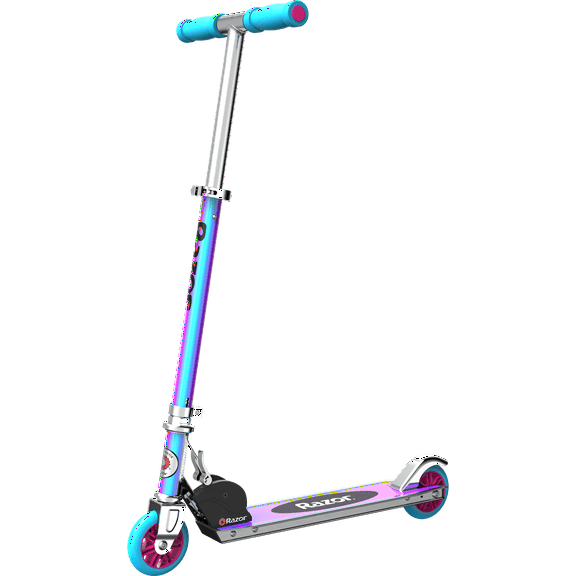
- You can pick 2-wheel scooters when your child wants quicker steering and a more traditional ride.
- You can look for adjustable handlebars so the fit keeps pace with growing kids.
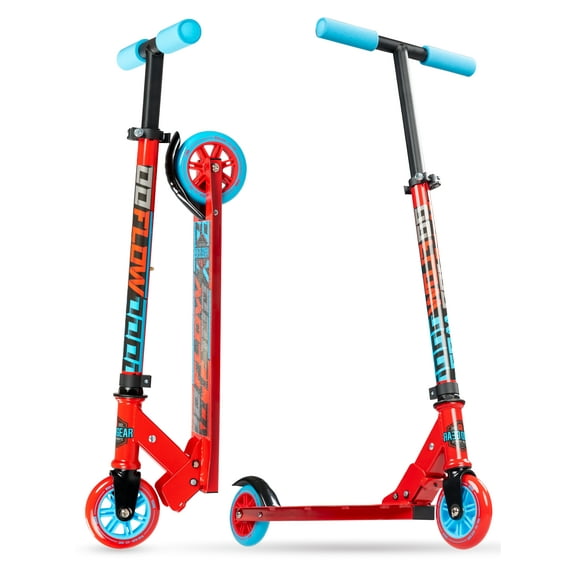
- You can compare foldable frames when you need easier carrying or simpler storage.
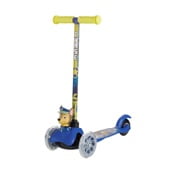
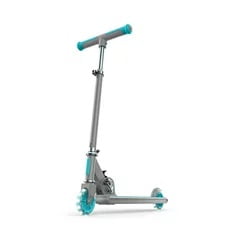
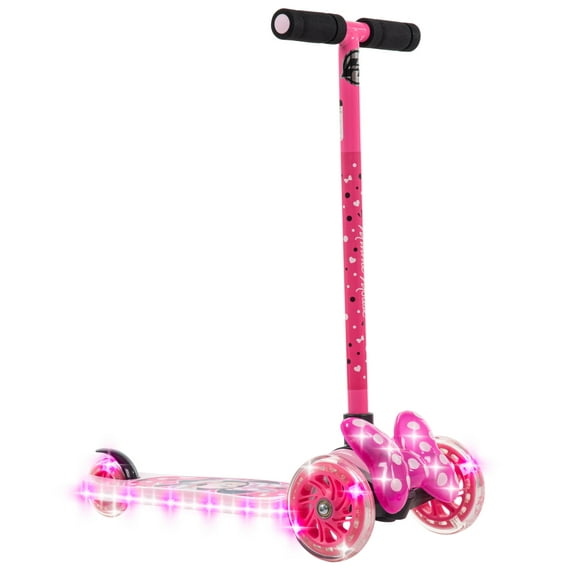
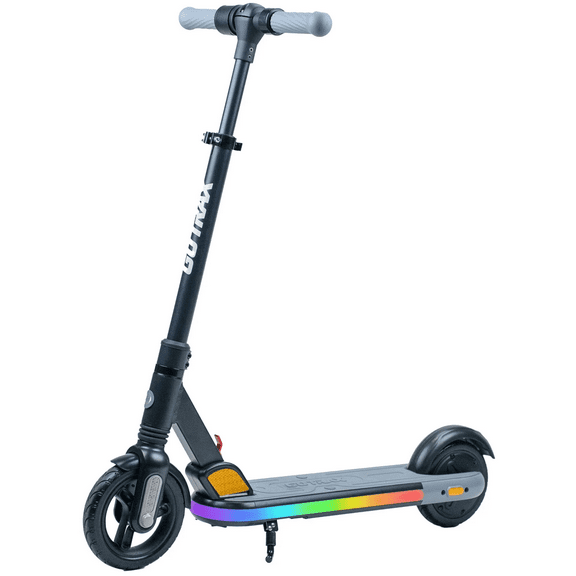
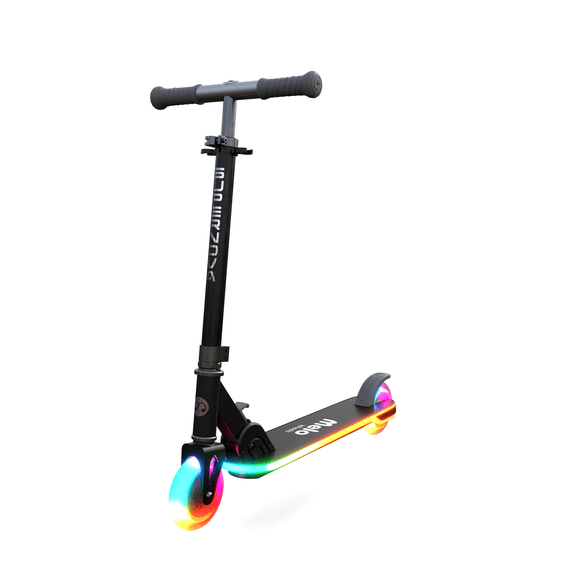
- You can select light up wheel scooter styles when your child wants added visual fun during rides.
Choosing wheel configuration and age group
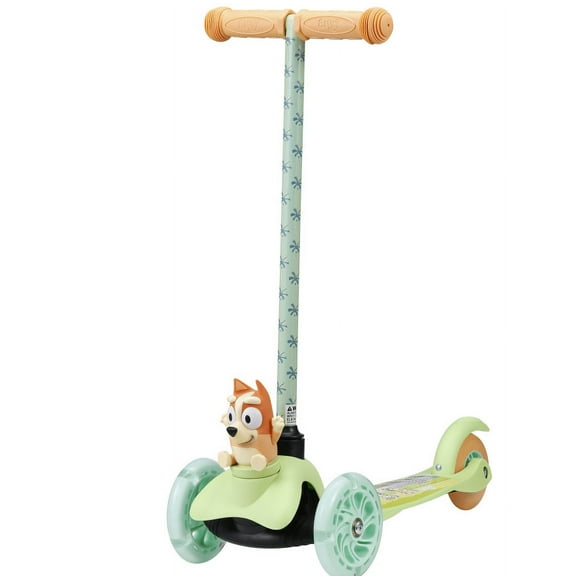
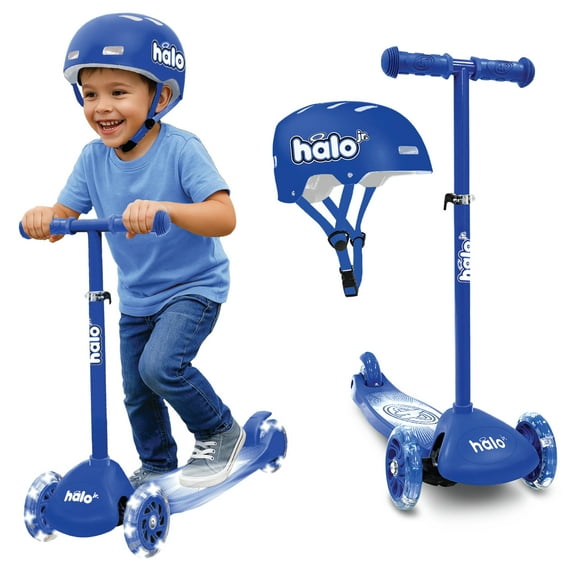
You’ll usually see 3-wheel scooters for kids aimed at younger riders who are still learning balance. You can expect a broader stance that feels steadier during slow starts and short neighborhood rides.
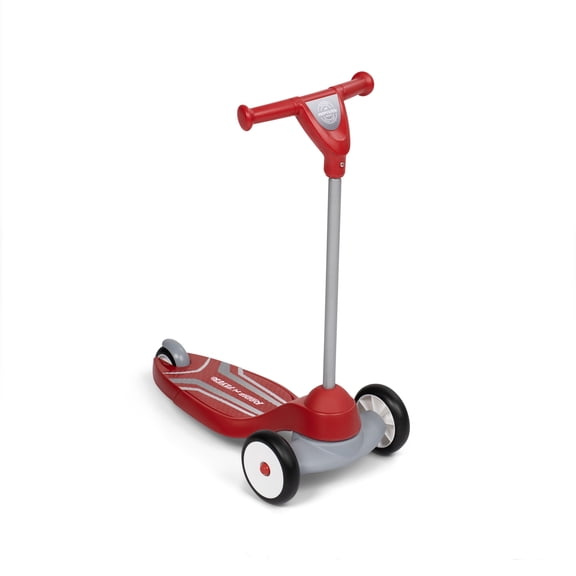
For toddlers ages two to four, you may want a lower deck that feels easier to step onto. You can also check whether the steering style uses leaning, which often feels natural for new riders.
Kids ages five to eight often move toward a 2-wheel or narrower 3-wheel setup. You can choose these when your child wants more responsive handling on smoother pavement.
Teens may prefer a larger deck, taller handlebars, and a frame with a more athletic feel. You should compare dimensions closely so the scooter doesn’t feel cramped after a short growth spurt.
What to look for in scooter features
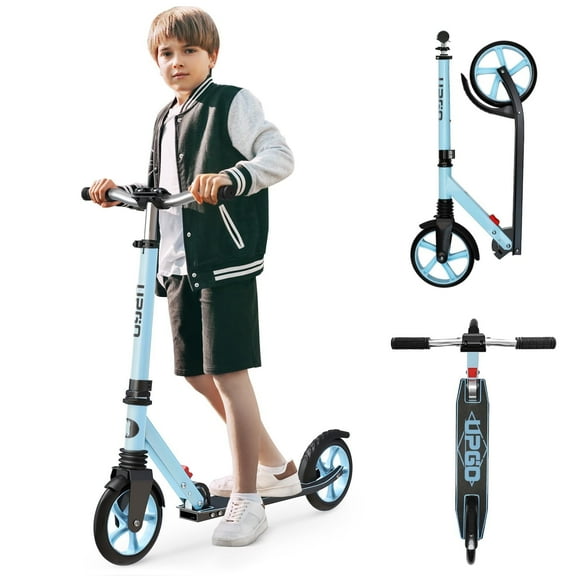
You’ll want adjustable handlebars if you need a scooter to fit across more than one season. You can raise the height as your child grows, which helps keep the ride comfortable.
Foldable designs matter when you carry a scooter to the car, store it in a closet, or bring it to school pickups. You can check the folding mechanism and latch style for everyday convenience.
Light-up wheels add movement and color that many kids enjoy during outdoor play. You can treat them as a fun design detail while still comparing deck grip and brake placement.
You should also look at deck width, rear brake shape, and handlebar grips during your comparison. You’ll feel more confident when those details match your child’s shoe size and riding style.
Comparing wheel materials and scooter types
You may notice polyurethane wheels on many scooters for kids, especially on smoother-riding models. You’ll often get a quieter roll and a more controlled feel on paved surfaces.
Plastic wheels can appear on entry-level designs and simple toddler styles. You should compare them carefully if your child rides across different surfaces or longer stretches of sidewalk.
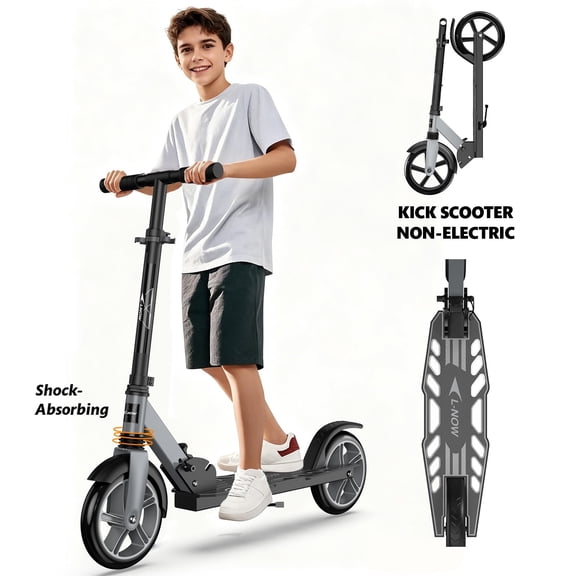
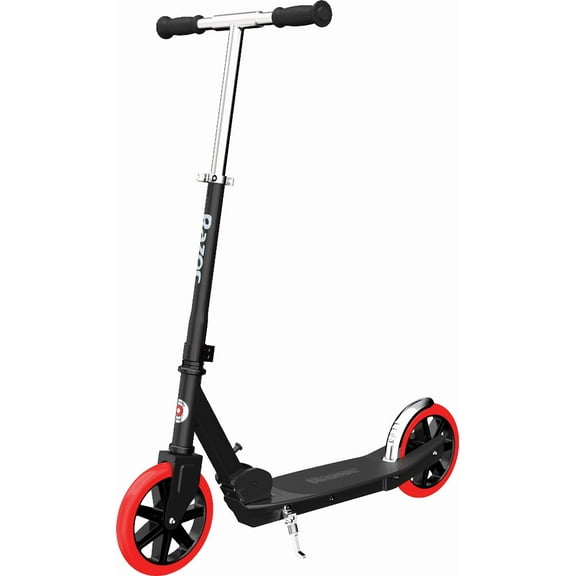
If you’re choosing by type, a kick scooter works well for kid-powered riding and easy everyday use. You can use it for quick outdoor play, neighborhood laps, or the walk to the park.
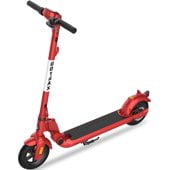
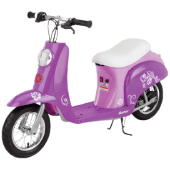
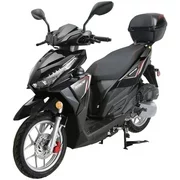
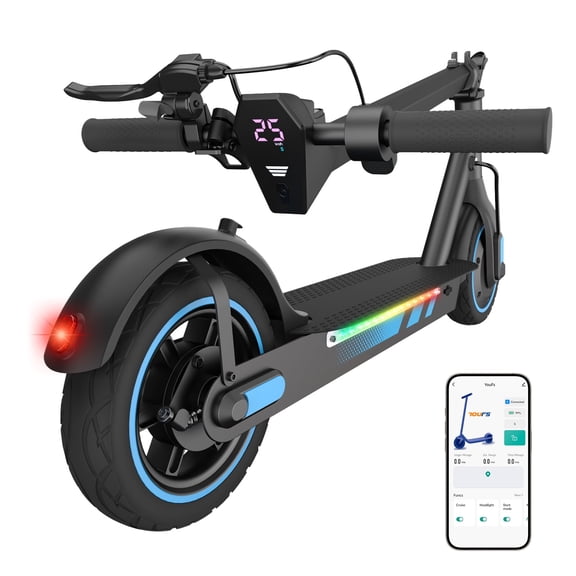
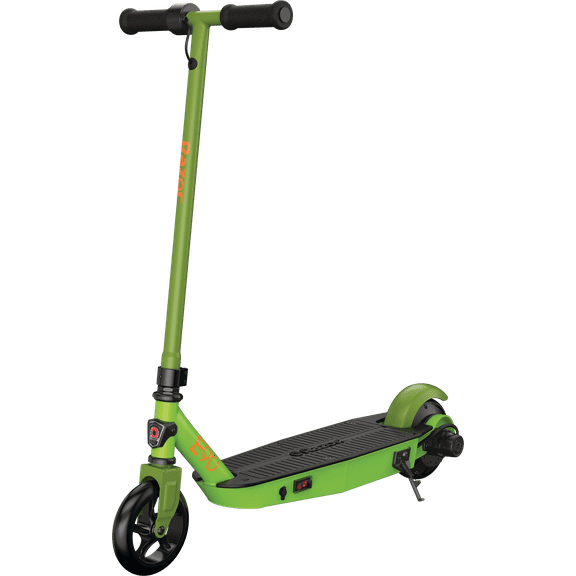
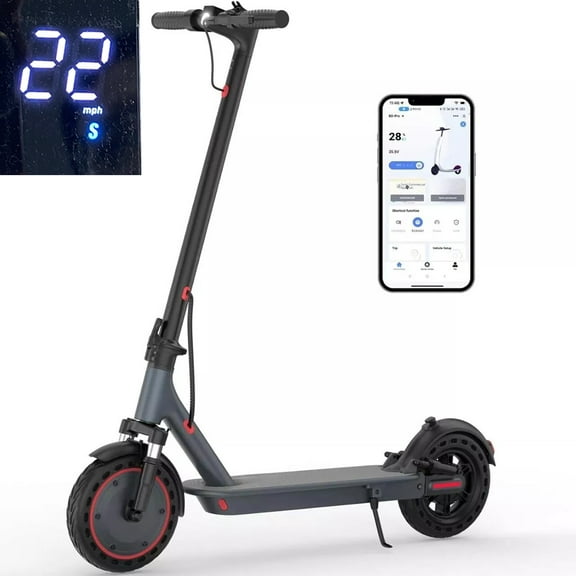
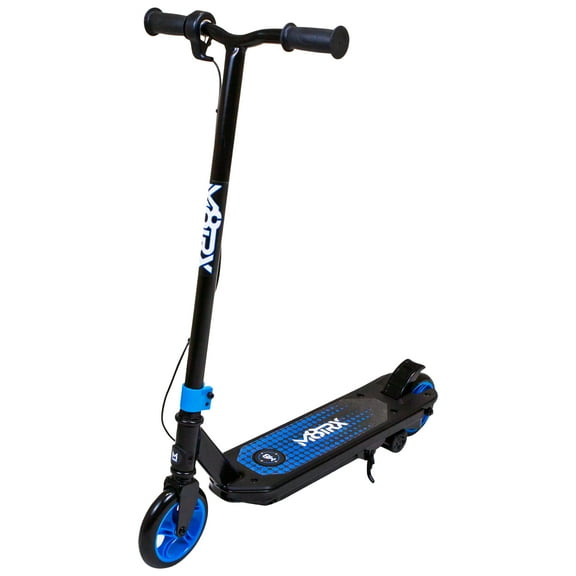
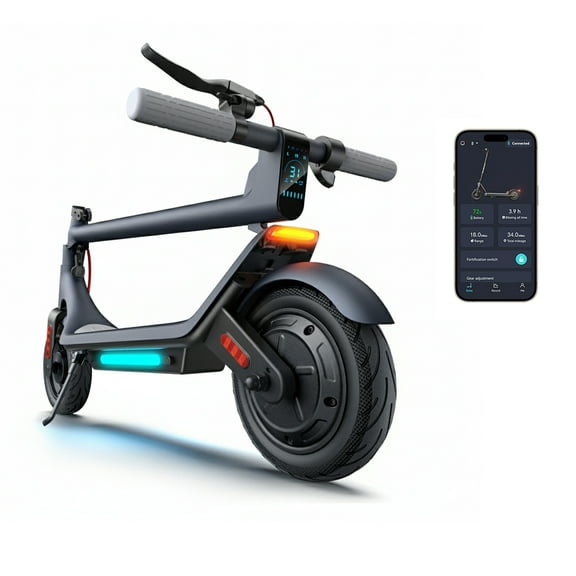
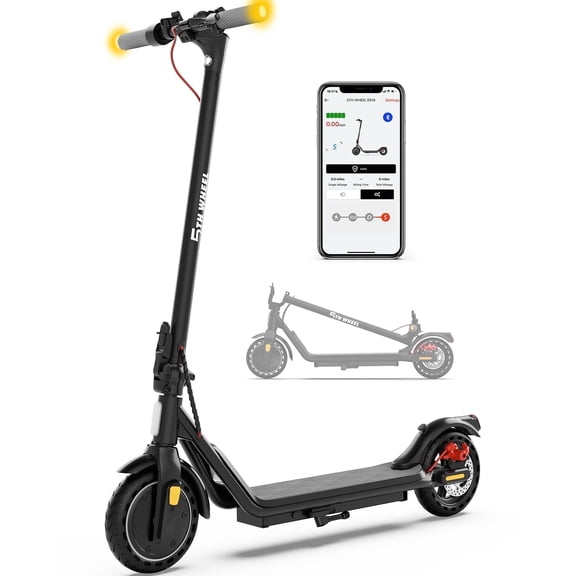
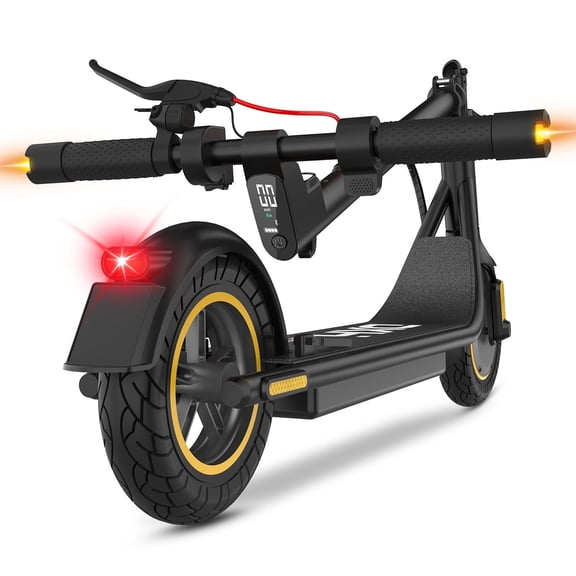
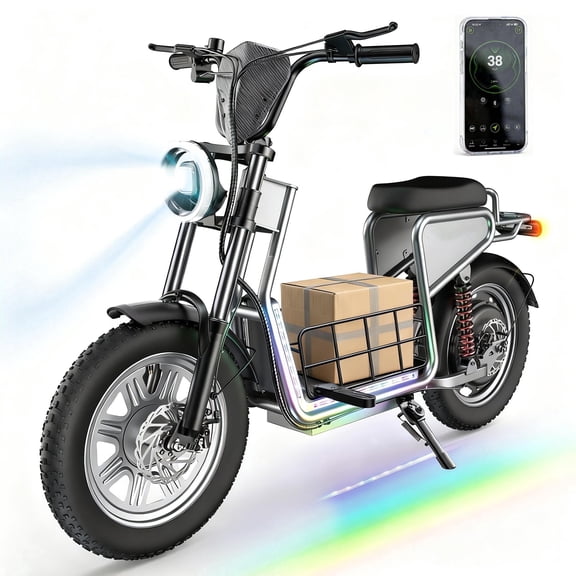
An electric scooter may suit older riders who need powered movement and specific age guidance. You should always compare speed settings, frame size, and battery details before narrowing your options.
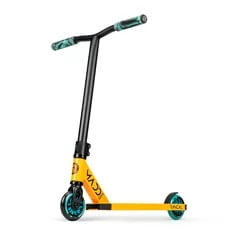
A pro scooter usually focuses on a fixed, sportier build for skate-park style practice. You can look for that style when your rider wants a stunt-oriented shape rather than a foldable commuter setup.
Matching scooters for kids to real use cases
You can match a toddler scooter to short driveway sessions, backyard paths, and beginner turns. You’ll usually want 3-wheel stability, a low deck, and easy steering for those first rides.
For after-school play, you may prefer a kick scooter with adjustable handlebars and durable wheels. You can keep pace with growing kids while making weekend rides feel smooth and simple.
If you carry gear between home, the car, and family outings, a foldable scooter can make transport easier. You’ll appreciate a compact frame when storage space feels tight.
For evening neighborhood laps, you may choose a light up wheel scooter for added visual appeal. You can pair that feature with deck grip and a responsive brake for a balanced pick.
When older kids or teens want a more agile ride, you can compare 2-wheel scooters with taller handlebar ranges. You’ll get a setup that feels more natural for longer strides and faster turns.
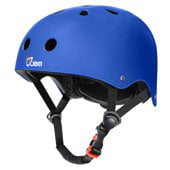
You can also coordinate your pick with accessories like scooter helmets and protective gear. You’ll create a more complete riding setup when fit, wheel style, and gear work together.
Your choice gets easier when you compare wheel setup, age fit, handlebar range, and wheel material together. You’ll land on a scooter that feels stable, rides smoothly, and matches everyday adventures.