

Screws & Fasteners Prices for Home Projects | Walmart

















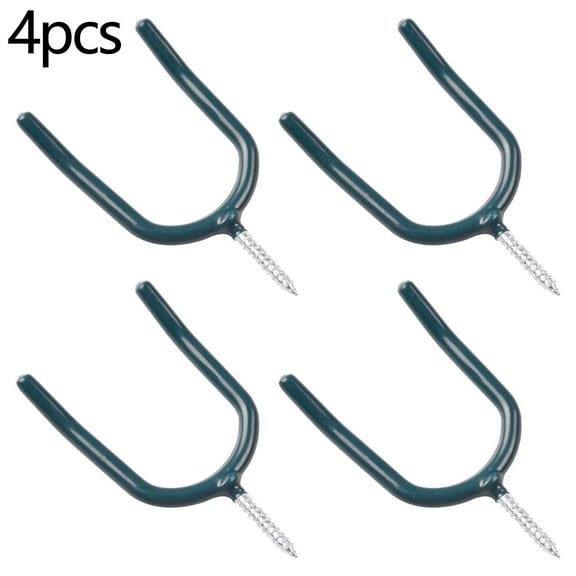
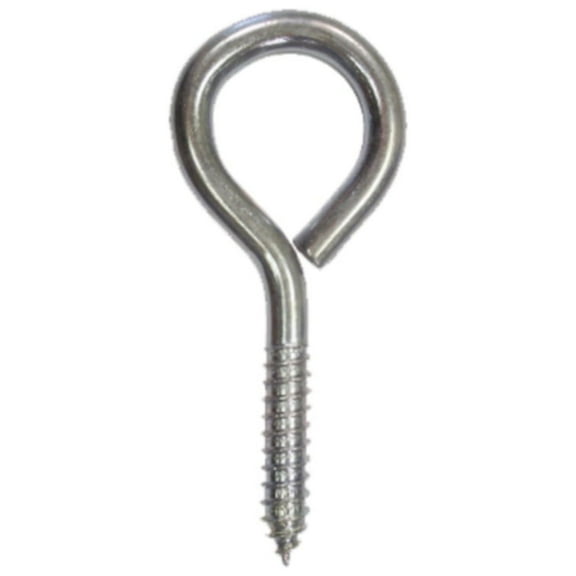




About Screws & Fasteners Prices for Home Projects | Walmart - Walmart.com
Screw hardware helps you match fasteners to wood, metal, drywall, and outdoor builds. Your project can stay cleaner and more secure when your screw type, finish, and drive style fit the material.
How to choose screw hardware by screw type
Start with screw type, because your material usually decides the right thread and point. A clear match can help your parts fit neatly and sit as intended.
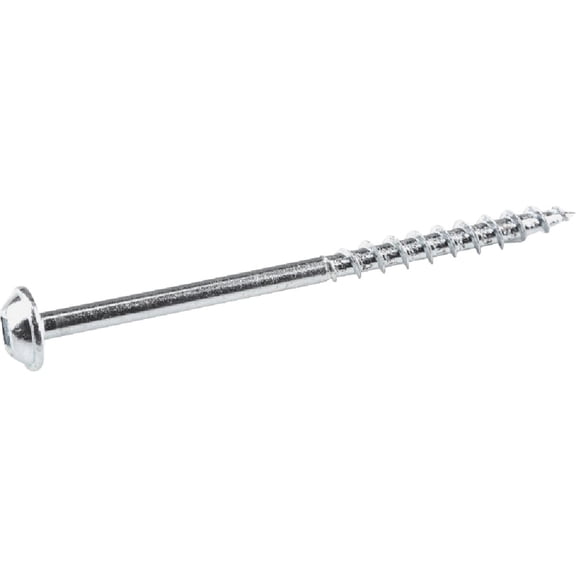
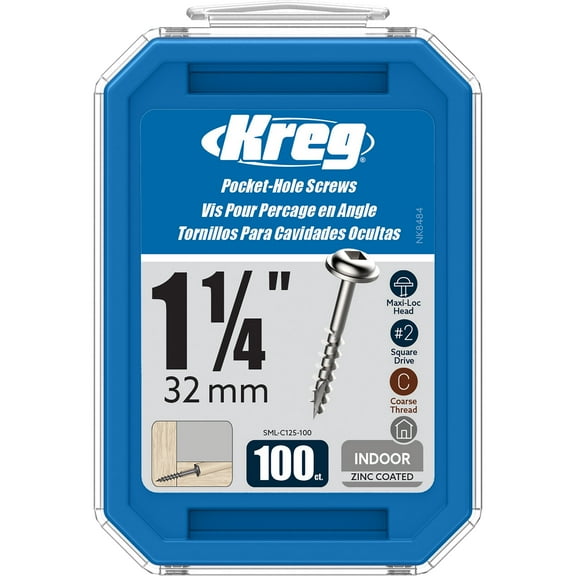
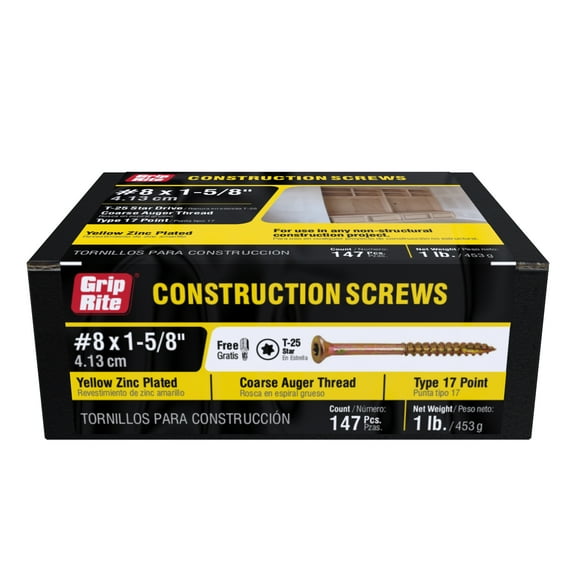
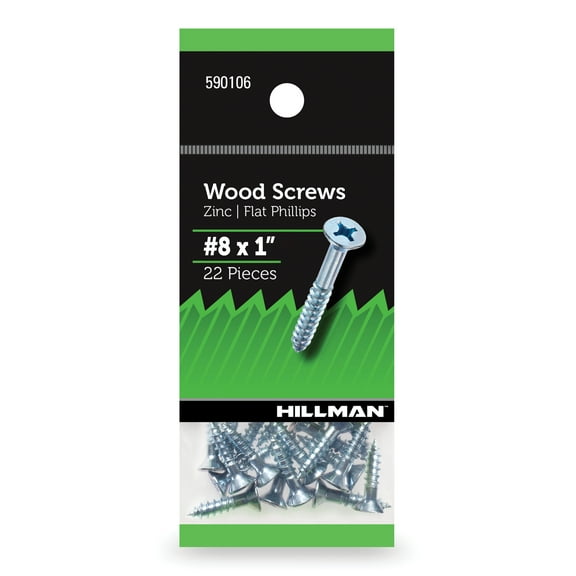
For lumber, trim, and cabinets, you can compare wood screws with threads shaped for strong grip in wood fibers. Your framing, shelving, and composite board projects can benefit from that wood-focused design.
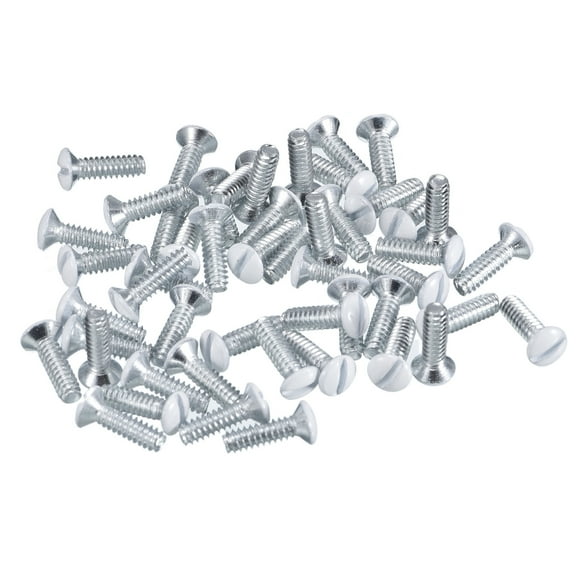
With machine screws, you can match threaded holes, nuts, and assembled parts that need consistent threading. Your brackets, fixtures, and hardware connections can stay aligned during installation.
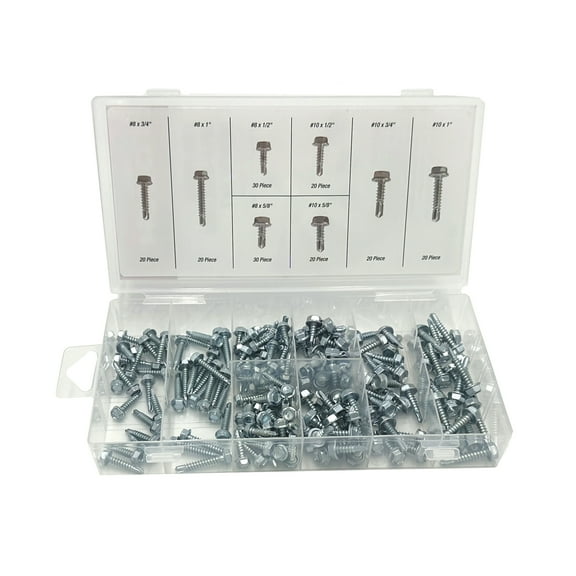
On thin metal, you may choose sheet metal screws or self tapping screws for direct fastening. Your vents, flashing, utility panels, and metal brackets can come together with less prep.
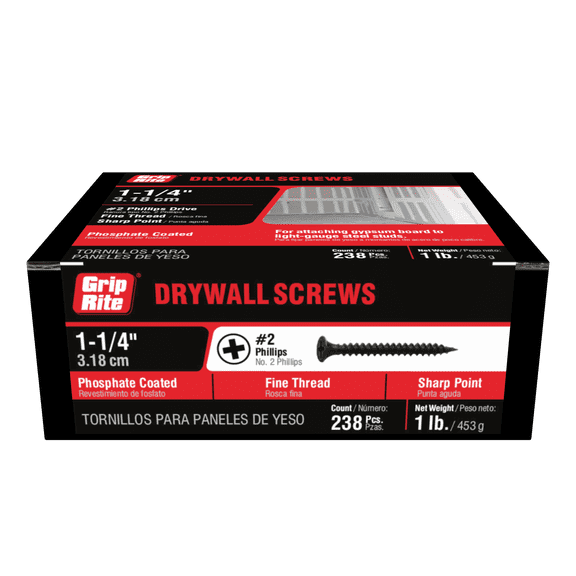
During wallboard installs, you can use drywall screws with bugle heads for neat countersinking. For outdoor boards and rails, deck screws can support treated lumber and repeated driving.
Choosing project benefits in screw hardware
A matched fastener can help your build look clean and feel secure from the start. Fewer mismatches can help your work move forward with less guesswork.
Drive compatibility also matters when your bit needs a steady fit in the screw head. Better tool control isn't the goal here, but steady control can support a smoother installation.
- For framing, trim, and furniture work, you can use wood screws for dependable grip in lumber.
- With assembled hardware, you may choose machine screws when your parts need a precise threaded fit.
- On vents, flashing, and brackets, you can use sheet metal screws for secure metal-to-metal fastening.
- During wall projects, you can select drywall screws when your surface needs neat countersinking.
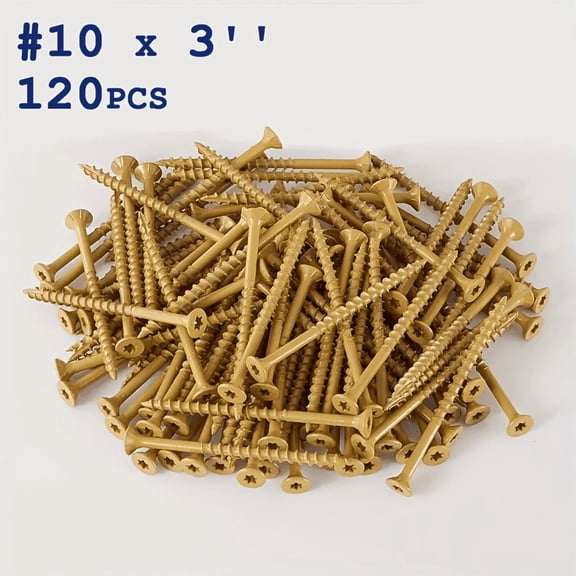
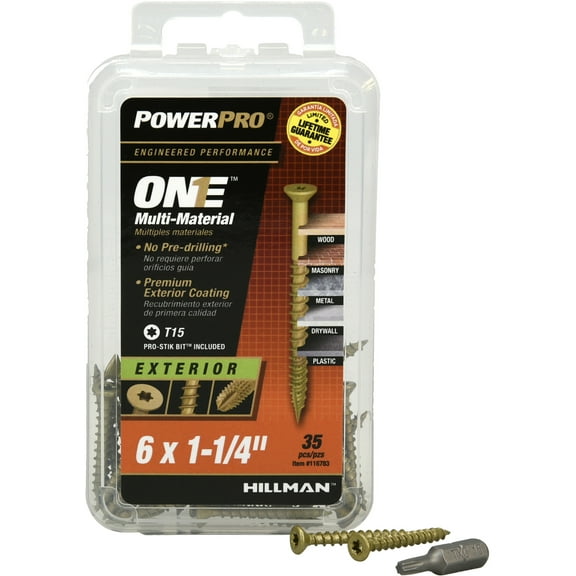
- For exposed builds, you may pick stainless steel screws or ceramic coated options for outdoor use.
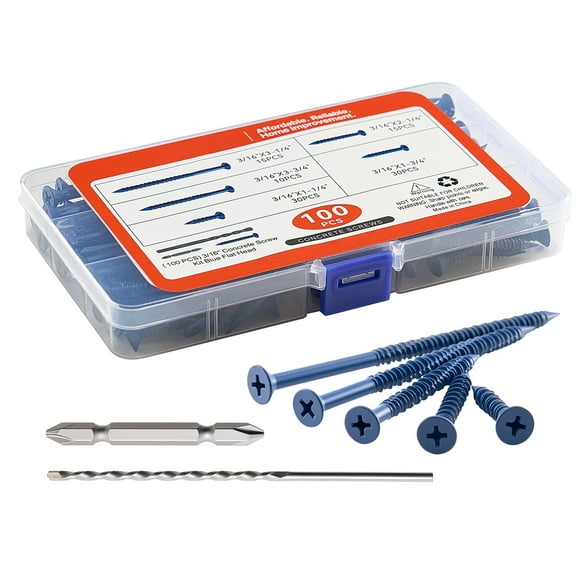
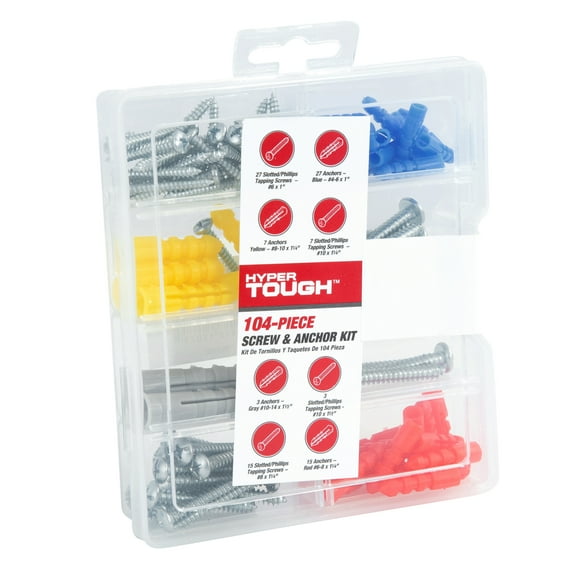
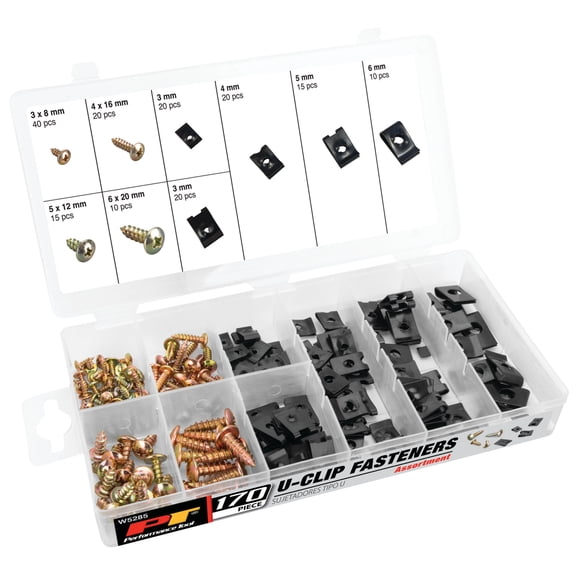
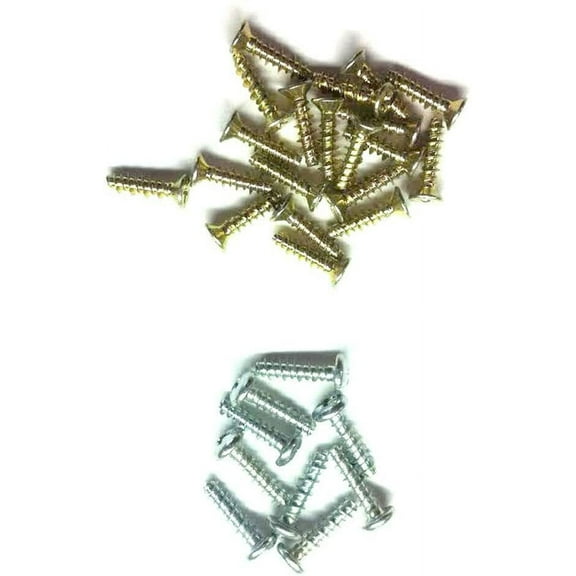
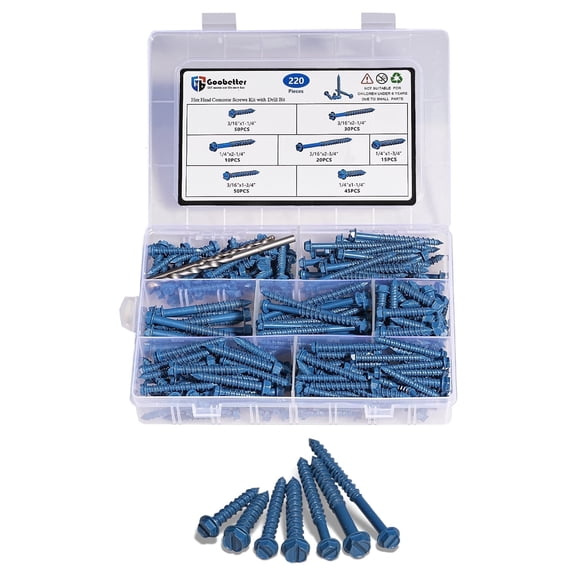
An assorted screw kit can help your toolbox stay ready for quick home fixes. Your hinge swaps, hanging tasks, and loose bracket repairs can feel easier to handle.
Choosing material and finish for screw hardware
Material and finish should guide your choice when your project faces humidity, weather, or water contact. Your options may include stainless steel screws, zinc-plated finishes, brass, and ceramic coated styles.
For outdoor jobs, you can look for stainless steel when corrosion resistance matters to your build. In demanding settings, you can often find grade 305 or 316 stainless used for added durability.
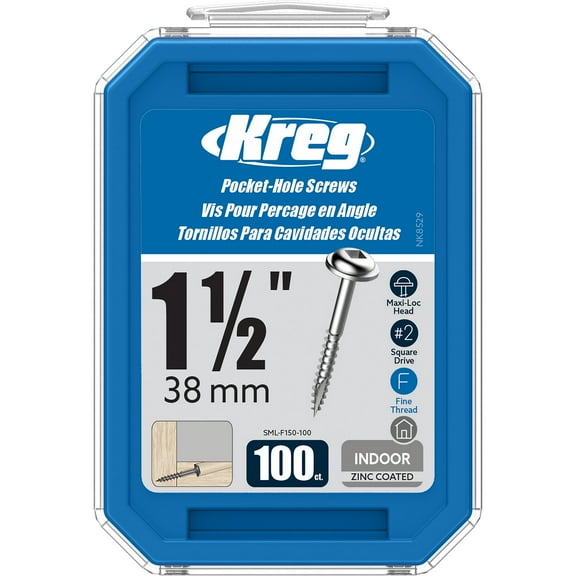
In indoor spaces, you may choose zinc-plated screws for common household fastening tasks. Your visible hardware may also use brass when appearance matters on cabinets or fixtures.
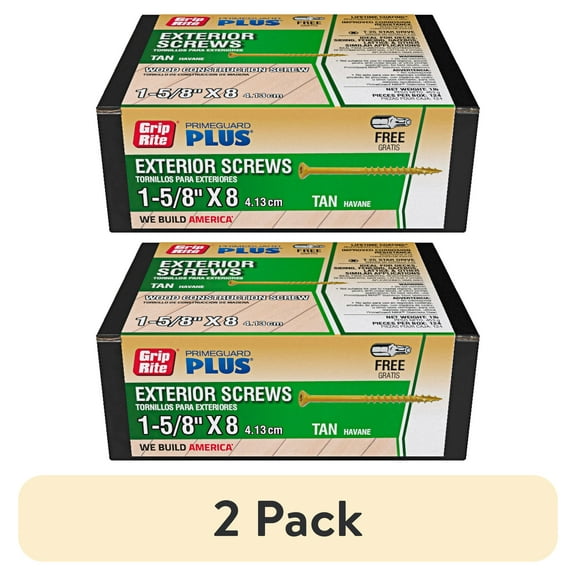
Ceramic coated finishes can also suit deck screws and other exterior projects. Your fastening points can stay matched to pressure-treated lumber, rails, steps, and boards.
Choosing drive style, head style, and thread type
Drive style affects how your bit fits and how your tool transfers force. Your choices often include Phillips, slotted, Torx or star, and hex drives.
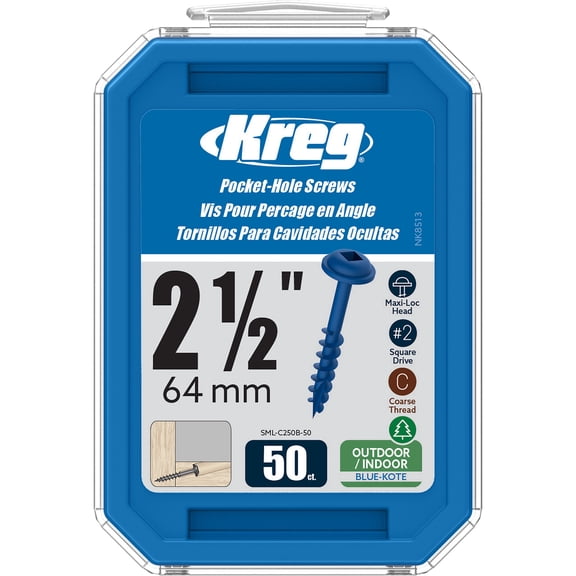
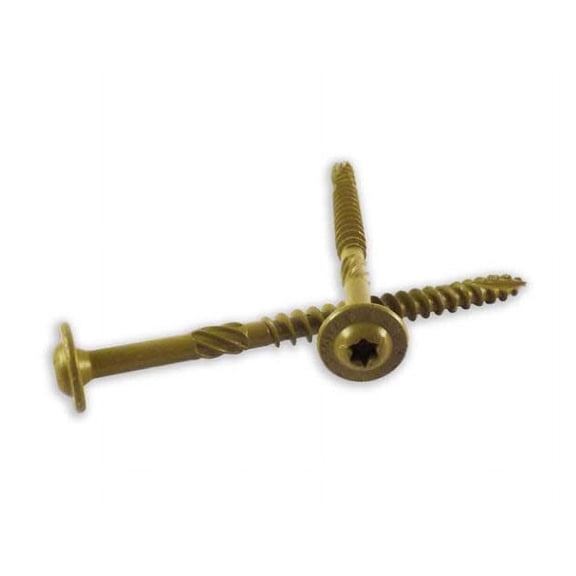
For deck boards and longer drives, you may prefer Torx or star drives for steady bit contact. Repeated fastening can feel easier when your bit stays engaged with the screw head.
If your toolbox already includes common bits, you can use Phillips screws for many repair tasks. Your larger fasteners may also use hex drives when firm tool contact matters.
Head style changes how your screw sits against the material surface. Your options can include flat head, pan head, round head, and truss head designs.
For a flush finish, you may choose flat head screws that countersink into wood or drywall. Your project may use pan head, round head, or truss head styles when surface contact stays visible.
Thread type matters because your material can require a different bite pattern. Your wood projects often use coarse threads, while metal fastening may call for fine threads or self tapping screws.
Using wood screws, machine screws, sheet metal screws, and drywall screws
Real project needs can make your screw choice easier to narrow. Your indoor woodworking, wall installs, metal repairs, and exterior builds each call for different details.
For shelves, cabinets, and trim, you can pair wood screws with a flat head for a flush finish. Your board thickness and finish goal can guide length and head selection.
When you install panels, drywall screws can help your fastener sit below the surface paper. Your stud spacing, screw length, and bit match can shape a smoother workflow.
For flashing, brackets, and vent connections, you may use sheet metal screws or self tapping screws. Your material thickness can guide thread pattern, point style, and gauge choice.
In assemblies with nuts or tapped holes, machine screws can fit hardware parts cleanly. Your fixtures, electrical covers, and shop equipment can benefit from that threaded compatibility.
Outdoor railing, steps, and deck boards can call for deck screws with weather-ready finishes. Your project can also use stainless steel screws when moisture exposure stays a key concern.
Check length and gauge before you start fastening materials together. Measure flat head screws from the top, and measure raised heads from beneath.
A longer screw can help your top material anchor into the base material with added hold. Your toolkit can also include anchors, bolts, drill bits, and other hardware fasteners for compatible setups.
Choosing screw hardware with confidence
When your type, finish, drive, and size match the job, your installation can feel smooth and organized. Your project can end with a clean fit, steady hold, and dependable fastening performance.