


Mixed Seeds for Eating & Edible Seed Mixes | Walmart






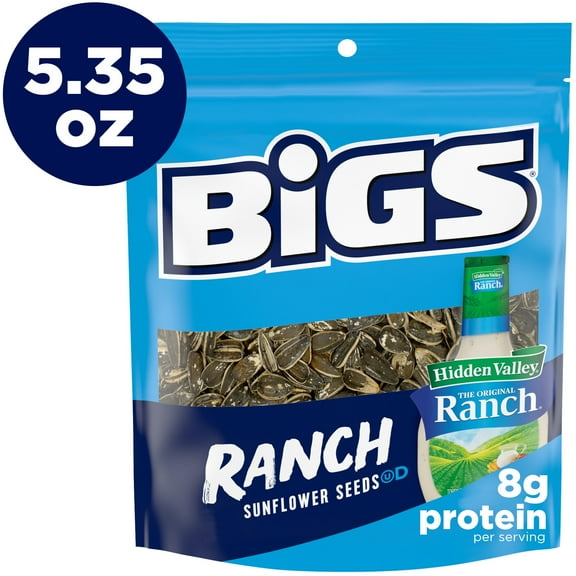

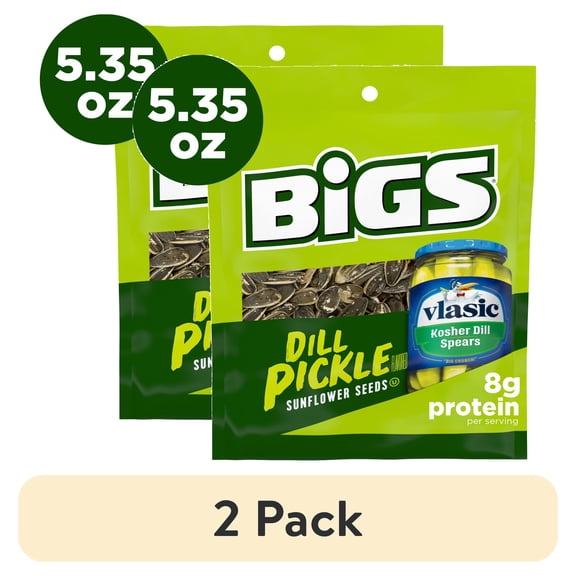
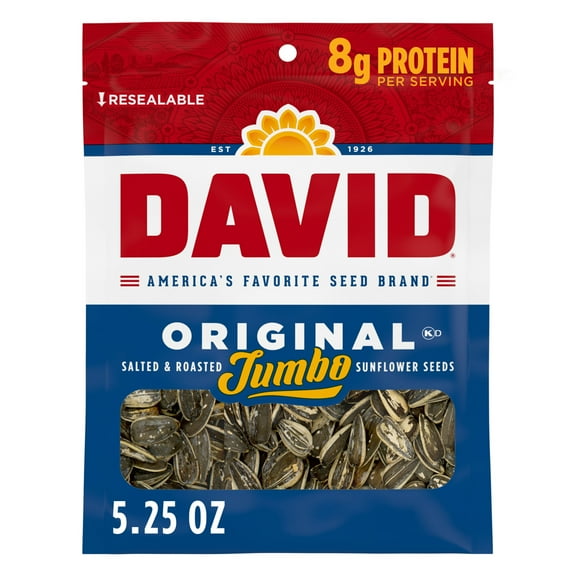


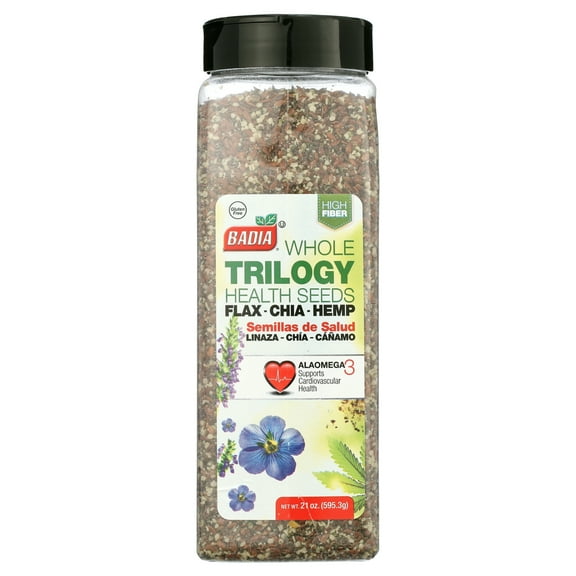







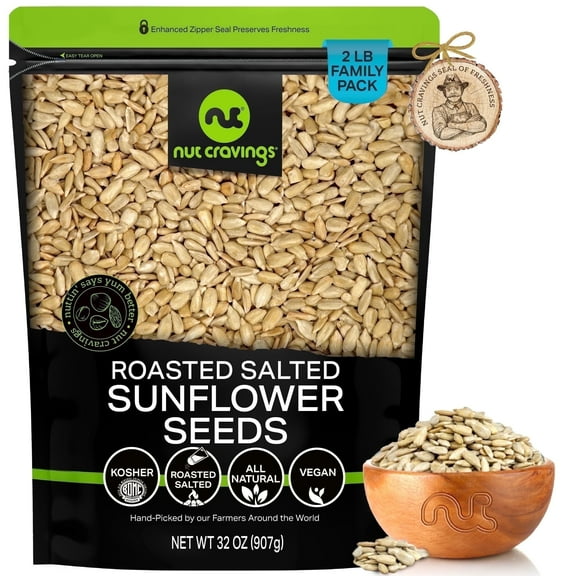
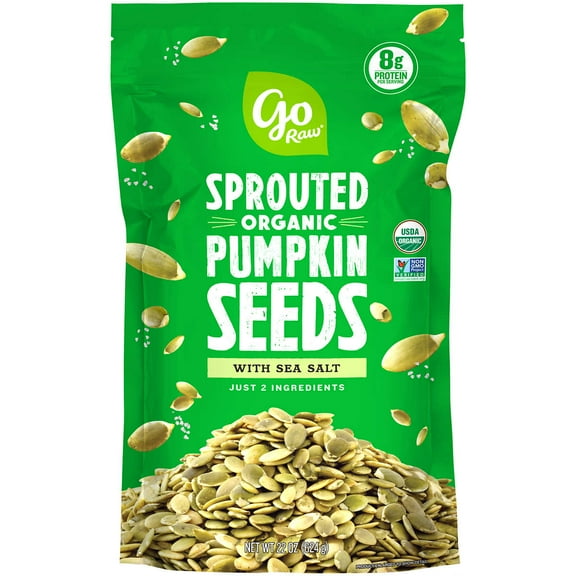

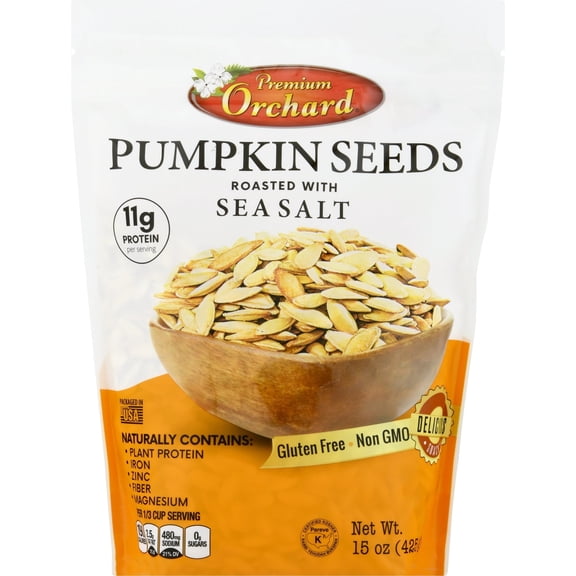

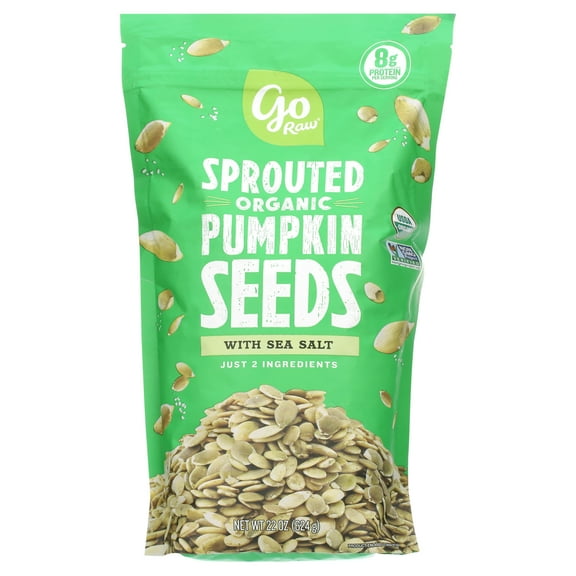
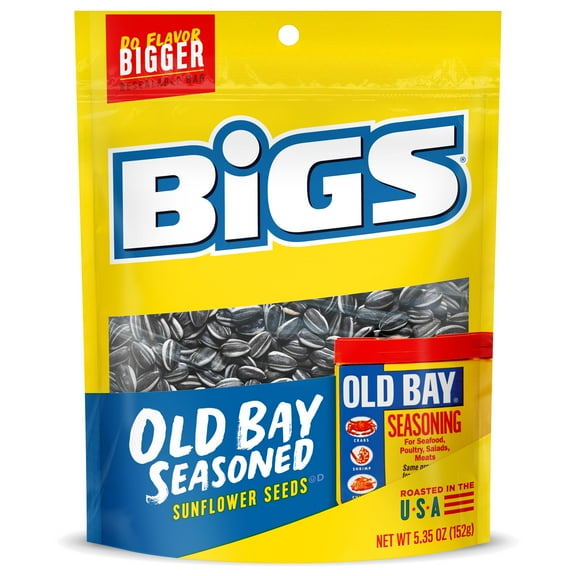

About Mixed Seeds for Eating & Edible Seed Mixes | Walmart - Walmart.com
Mixed seeds for eating give you an easy way to add crunch, variety, and everyday snacking convenience to your pantry. You can compare seed types, prep styles, and mix ingredients to match how you snack, bake, and top meals.
You may want a simple handful for afternoons, or you may want a blend for yogurt, salads, and smoothies. You’ll also find options that range from raw and shelled to roasted, salted, and seasoned.
How to choose mixed seeds for eating
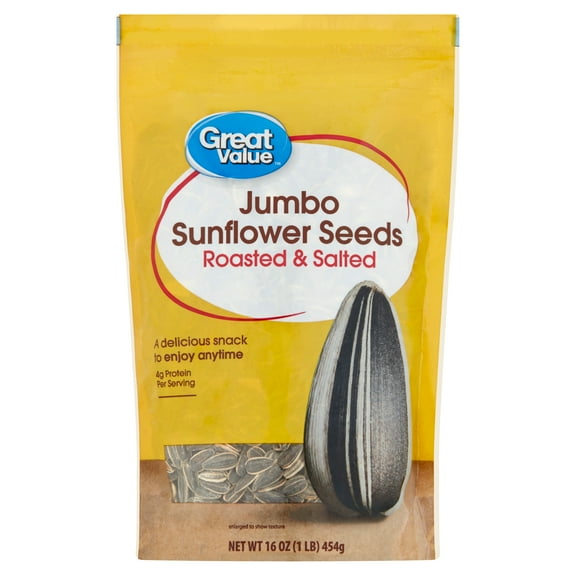
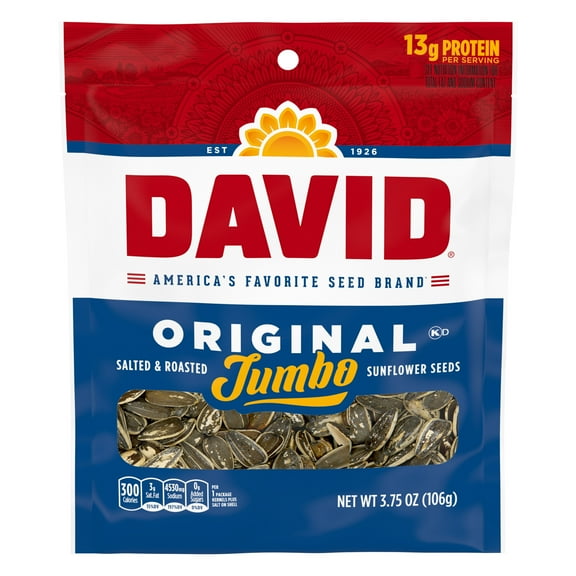
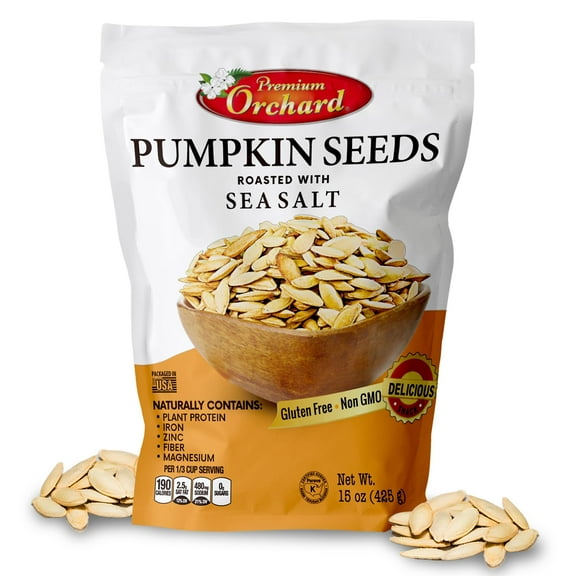
When you compare seed variety first, you can narrow your choices faster and match flavor with texture. You may prefer sunflower for familiar crunch, pumpkin for a heartier bite, or chia and flax for small, mix-in texture.
If you want an all seeds mix, check the label for the balance of large and small seeds. You’ll notice mixed edible seeds can feel very different depending on whether the blend leans savory, mild, or nutty.
Another key choice is mix composition, because each blend can include different amounts of sunflower, pumpkin, flax, chia, or hemp. You should look for a composition that fits how you plan to eat it most often.
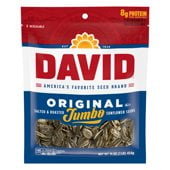
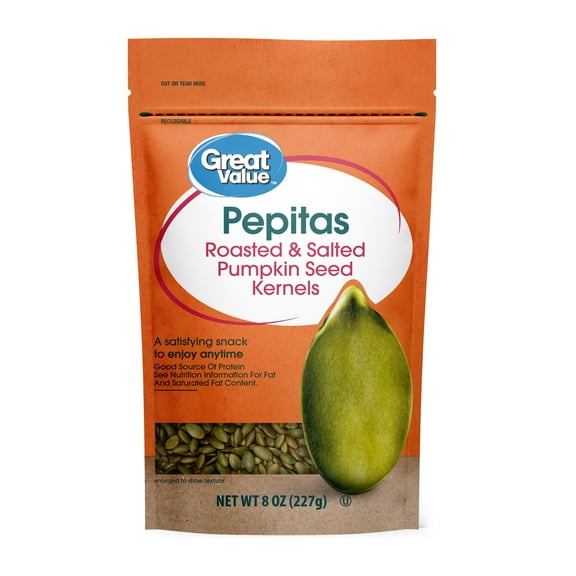
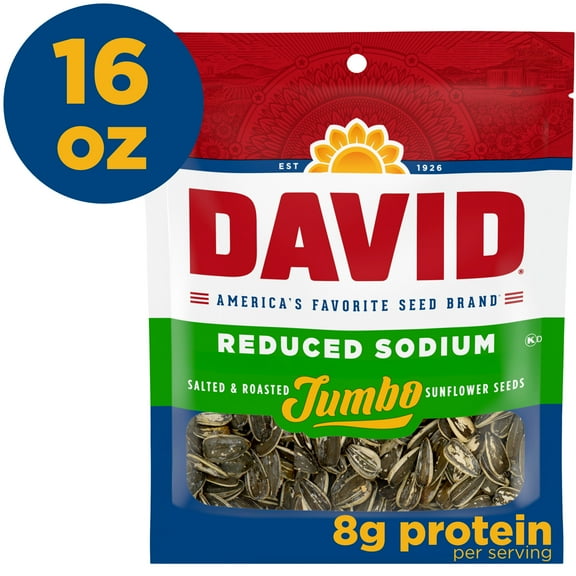
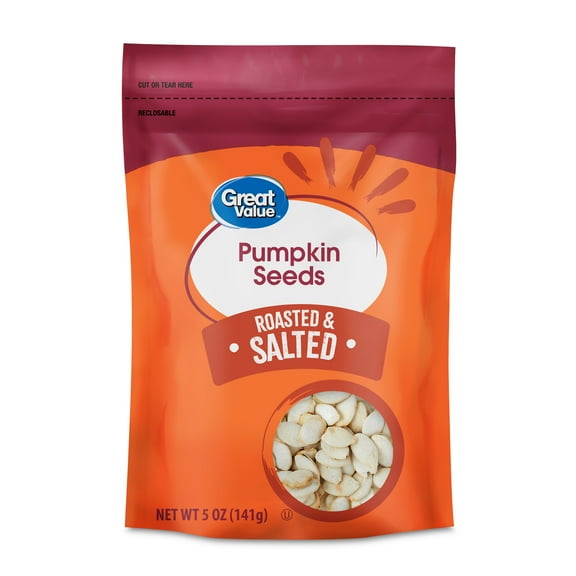
- You can choose sunflower and pumpkin blends for a more substantial seeds snack.
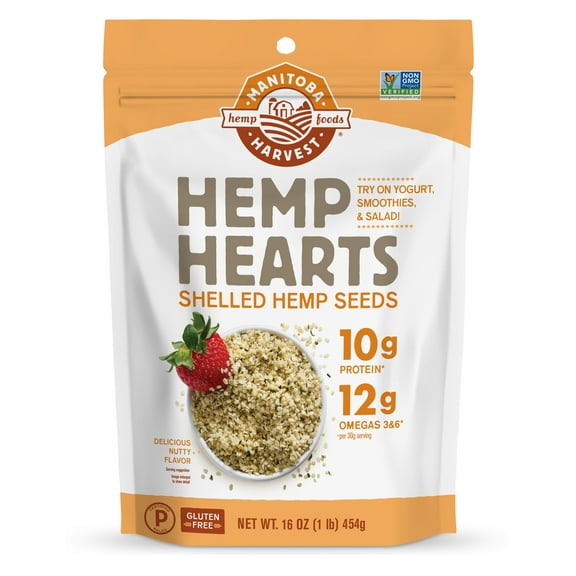
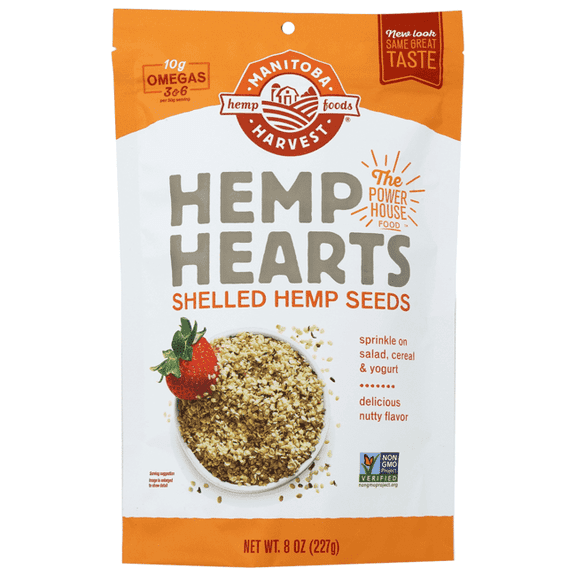
- You can pick chia, flax, and hemp blends when you want small seeds for smoothies or oatmeal.
- You can compare raw and roasted options based on taste, texture, and your everyday routine.
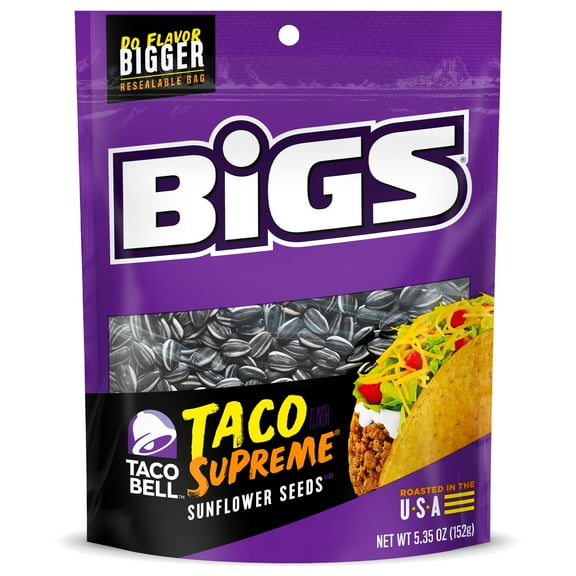
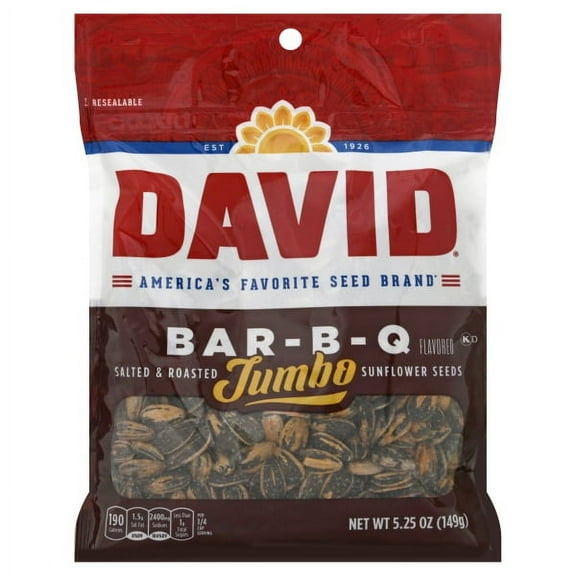
- You can check salted, unsalted, or spiced varieties to fit your flavor preferences.
Choosing seed variety, prep style, and dietary fit
Seed variety shapes how your mix tastes in real use, not just how it sounds on the label. You may like pumpkin and sunflower together when you want chew and crunch in one handful.
Preparation type matters too, because raw and roasted options create different eating experiences. You’ll usually get a plainer, softer bite from raw seeds, while roasted seeds offer deeper flavor and firmer crunch.
If you’re comparing salt levels, you should read serving details and product names closely. You can often choose salted, lightly salted, or unsalted mixes when sodium content matters in your routine.
Shell versus shelled is another practical decision that changes convenience right away. You may want shelled seeds for quick eating and recipe use, while in-shell options can slow down your snacking pace.
Dietary profile can also help you filter choices with less guesswork on busy shopping trips. You can look for organic, non-GMO, keto-friendly, or gluten-free options when those details matter to your household.
What to look for in mixed seeds to eat
You should start with package details that explain whether the blend is raw, roasted, salted, or spiced. You can use those simple cues to predict flavor strength, texture, and how the mix fits meals.
Texture matters more than many shoppers expect when they choose mixed seeds to eat. You may enjoy larger kernels for direct snacking, while smaller seeds can disappear smoothly into baked goods or drinks.
Pay attention to whether a bag focuses on one dominant seed or a broader all seeds mix. You’ll get a more varied mouthfeel when sunflower, pumpkin, flax, chia, and hemp appear in balanced amounts.
You should also consider whether you want plain seeds or bold seasoning in your pantry. You can keep plain mixes for flexible cooking, while spiced or salted options work well when you want a ready-to-eat seeds snack.
Package size affects freshness and daily use, especially if you use seeds often in recipes. You may prefer smaller bags for occasional topping use, while larger packs suit frequent snacking and meal prep.
Matching snacking seeds to everyday use
Snacking seeds work differently depending on when and how you reach for them during the day. You can keep roasted, shelled blends nearby for quick handfuls between meals or during travel.
At breakfast, you can sprinkle smaller mixed edible seeds over oatmeal, cereal, yogurt, or smoothie bowls. You’ll add texture and visual variety without changing your routine very much.
For lunches and dinners, you can use sunflower or pumpkin mixes as salad toppings with extra crunch. You may also stir chia, flax, or hemp into dressings, grain bowls, or baked recipes.
If you bake often, you should compare plain mixes that won’t overpower breads, muffins, or crackers. You can fold small seeds into batter or use larger seeds as a finishing topping.
When you build a pantry for flexible use, mixed seeds for eating can cover snacking, topping, and ingredient needs at once. You’ll spend less time juggling separate bags when one mix supports several daily uses.
How your choices shape flavor and convenience
Your final choice often comes down to flavor strength, sodium preference, shell format, and how much variety you want in each serving. You can make a clearer decision when you match those details to your actual habits.
With the right blend, you’ll get the crunch, texture, and versatility you want for snacks, salads, baking, and smoothies. You can feel confident choosing a mix that fits your pantry and your daily routine.