

Senco in Shop By Pro Tools Brand
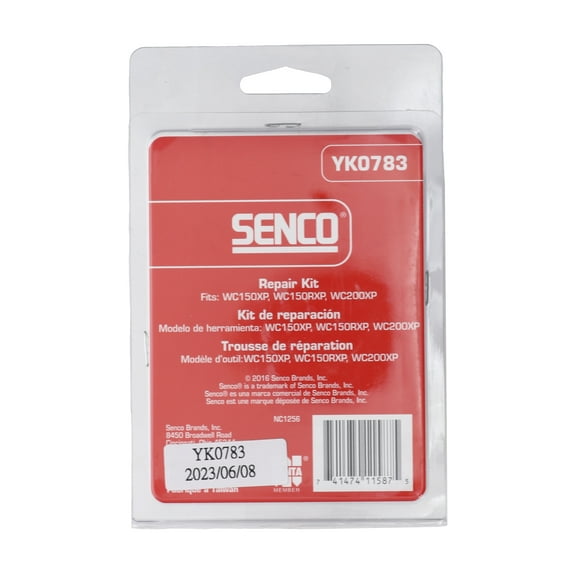


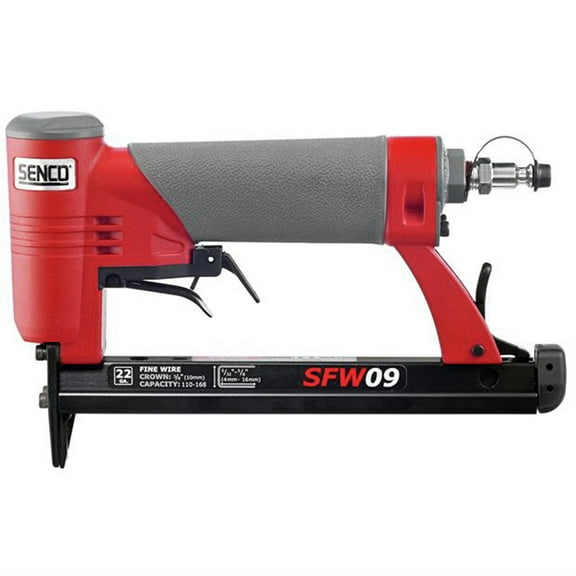














About Senco in Shop By Pro Tools Brand - Walmart.com
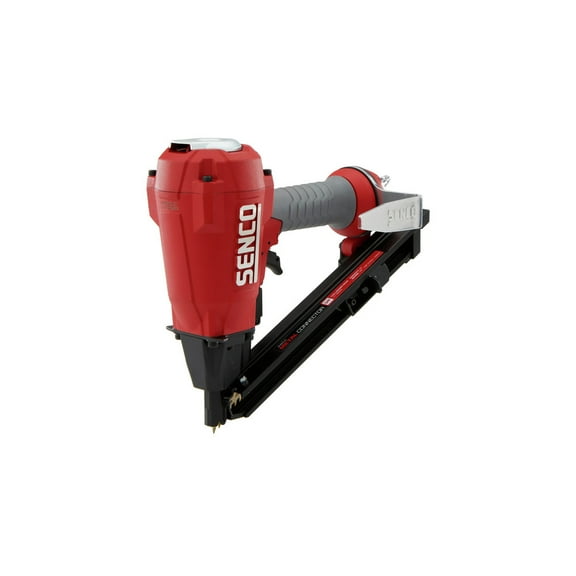
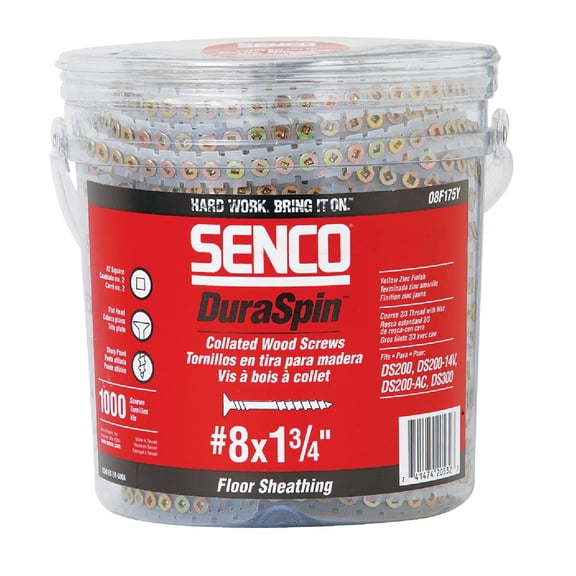
Senco helps you tackle framing, trim, flooring, and fastening jobs with tools and fasteners built around real project compatibility. You can compare nailers, staplers, compressors, and screw guns in one place, so your setup stays matched from tool to fastener.
How to choose Senco tools by tool type
You'll want to start with tool type because each option fits a different build task. You can use a senco nailer for nails, a stapler for sheet materials, a compressor for air power, or a screw gun for repeated screw placement.
When you compare framing and finish work, your tool choice changes the result you can expect. You'll usually reach for larger nailers on framing, while trim projects often call for lighter bodies and smaller fasteners.
If you work across several project types, you can narrow choices by matching the nose design and magazine style to your material. You'll notice that the right format helps you place fasteners cleanly in corners, edges, and tighter work zones.
- You can match framing tools to structural lumber and larger collated nails.
- You can choose finish and trim tools when you want cleaner placement on molding and casing.
- You can pick flooring staplers or nailers for boards that need repeatable spacing.
- You can use screw guns when your job calls for steady depth and quick screw driving.
Choosing power source for a senco nailer
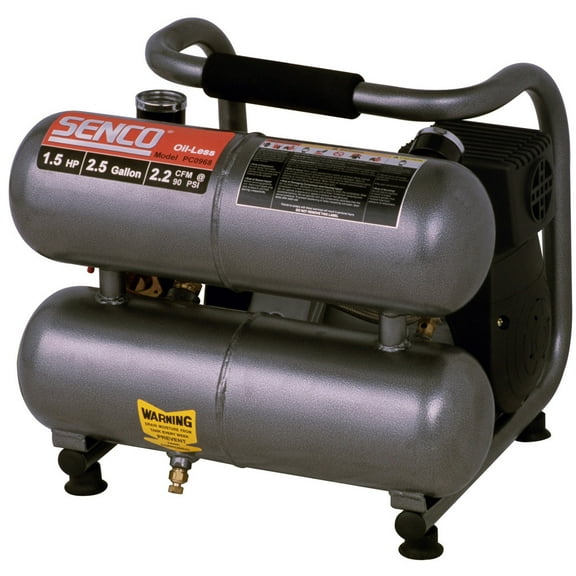
You should compare pneumatic, cordless battery, and gas powered options before you commit to a workflow. You'll often prefer pneumatic tools when you already use a hose and senco air compressor setup on larger job areas.
If you move room to room, you may prefer cordless battery tools for quicker repositioning. You'll trade hose connection for portability, which can matter when you work on punch lists or smaller installations.
Gas powered options can suit mobile work where quick access matters and outlets aren't central to your setup. You should still check weight, balance, and runtime details so your tool feels manageable during longer sessions.
Understanding Senco fasteners and compatibility
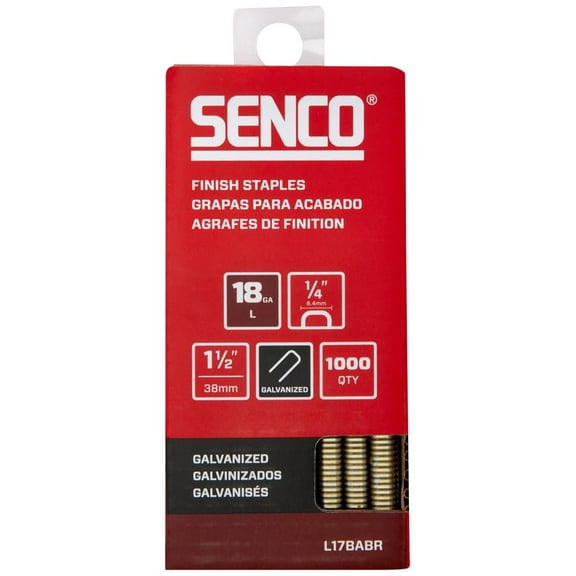
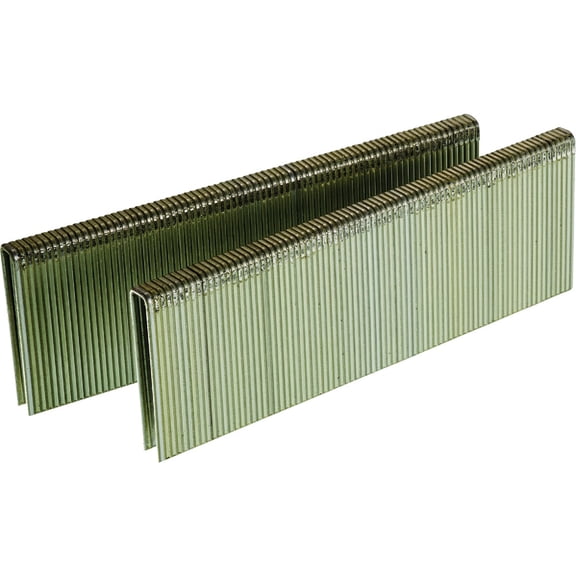
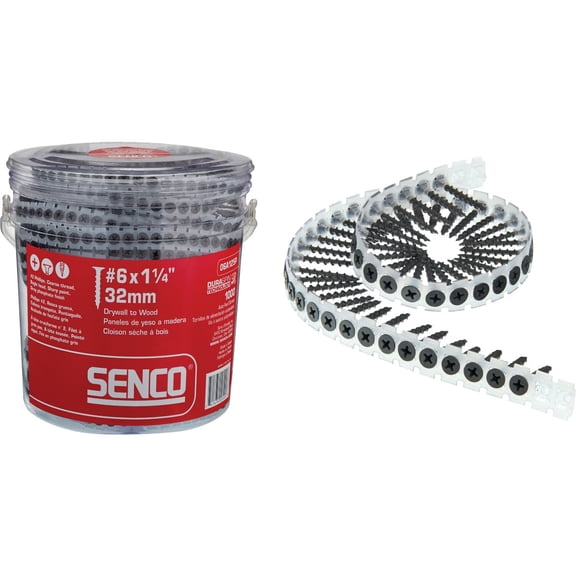
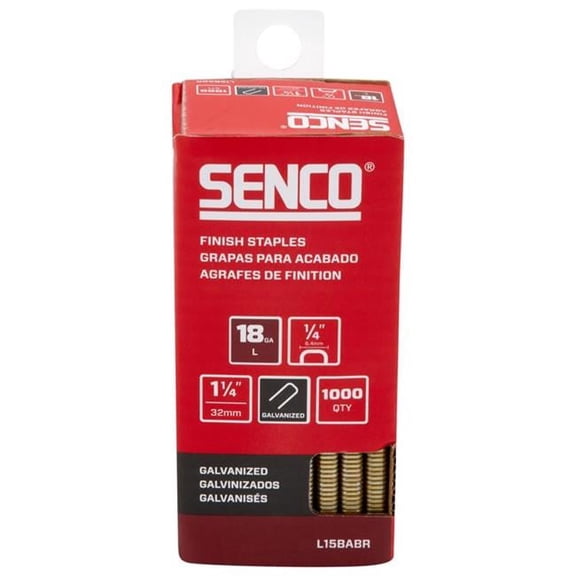
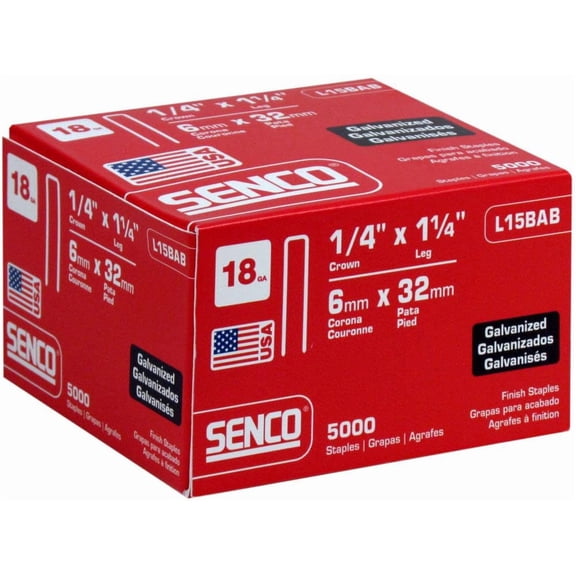
You need to match senco fasteners to your tool because gauge, angle, and collation type directly affect fit. You'll want to confirm those details before choosing senco staples, brads, pins, screws, or collated nails.
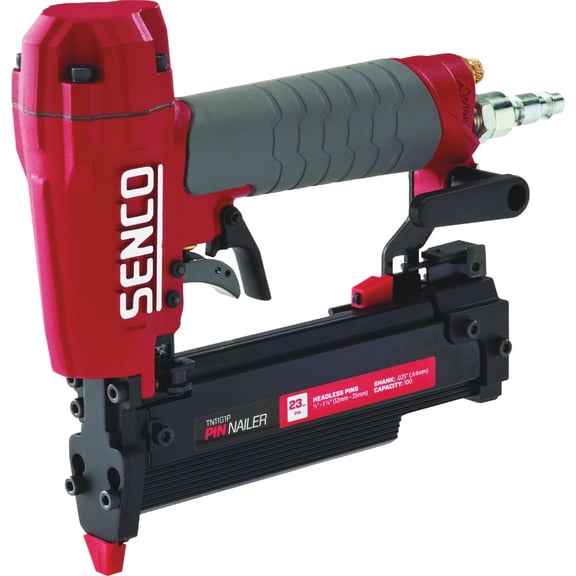
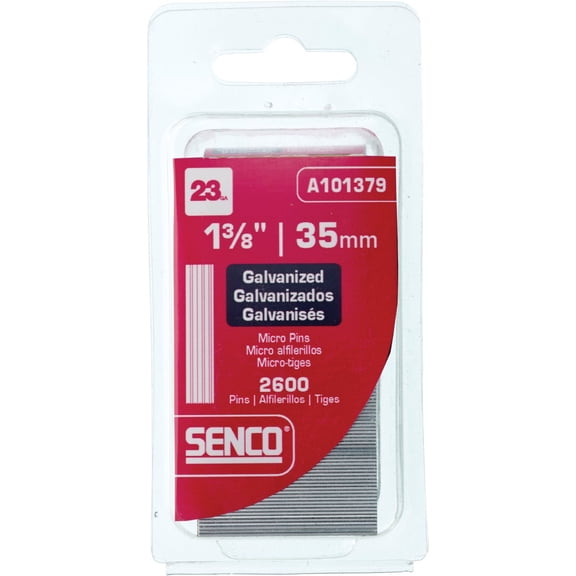
Gauge size tells you how fine or heavy the fastener is for the work in front of you. You may use 15 gauge or 16 gauge for stronger finish holding, 18 gauge for brad work, and 23 gauge for very fine pinning.
Angle and collation type matter because your magazine accepts only certain fastener formats. You should check whether your tool uses straight or angled strips, plus the exact collation style listed for compatible loading.
If you're considering a senco brad nailer, you should verify 18 gauge brads and the supported length range. You'll avoid mismatched loading and keep your fastening pattern consistent across trim boards, casing, and smaller wood details.
Matching application to fastening performance
You can narrow choices faster when you sort by application instead of shopping by appearance alone. You'll usually need a senco framing nailer for structural work, while finish and trim projects call for lighter, more precise tools.
For roofing, you should look for tools designed around repeated placement and the right fastener format for shingle work. For flooring, you may need a profile that reaches board edges cleanly and supports consistent installation lines.
Trim carpentry often rewards smaller gauges because you want a neater finished look on visible surfaces. You'll often see 18 gauge and 23 gauge options used where smaller holes and careful placement matter.
On larger framing jobs, you may prioritize magazine capacity, compressor pairing, and fastener size. You'll benefit from checking whether your hose, pressure range, and nail specification align with the demands of daily structural fastening.
What to look for in ergonomics and everyday use
You should consider weight and grip shape because they affect how your tool feels after repeated fastening. You'll notice that a balanced body and comfortable handle can make overhead or extended use easier to manage.
If you switch between rooms, ladders, or floor positions, you may prefer a setup that's simpler to carry and reposition. You'll also want to compare magazine access, depth adjustment, and reload visibility for smoother day-to-day use.
When you build a full setup, you can pair senco tools with compatible fasteners and the right air support. You'll get a more predictable workflow when your nailer, staples, brads, compressor, and application all line up correctly.
Senco fits shoppers who need clear choices across tool type, power source, fastener format, and application. You can choose with more confidence when you match gauge, angle, collation, and comfort to the work ahead.