






































Boots for Men, Women & Kids | All Styles & Sizes
Hot new trends
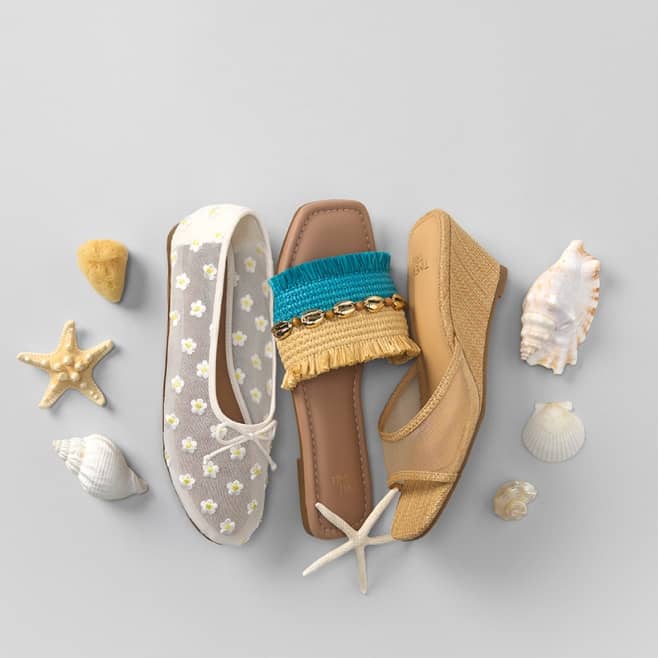
The shoe edit
Shop now
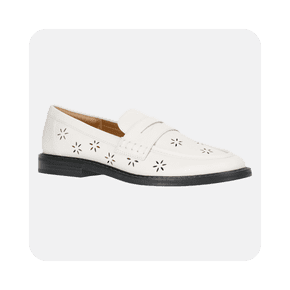
Modern romantics
Shop shoes
Color rush
Shop shoes
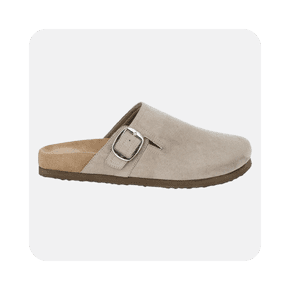
Barely-there styles
Shop shoes
Boldly you
Summer’s freshest pairs
Shop women’sShop by style
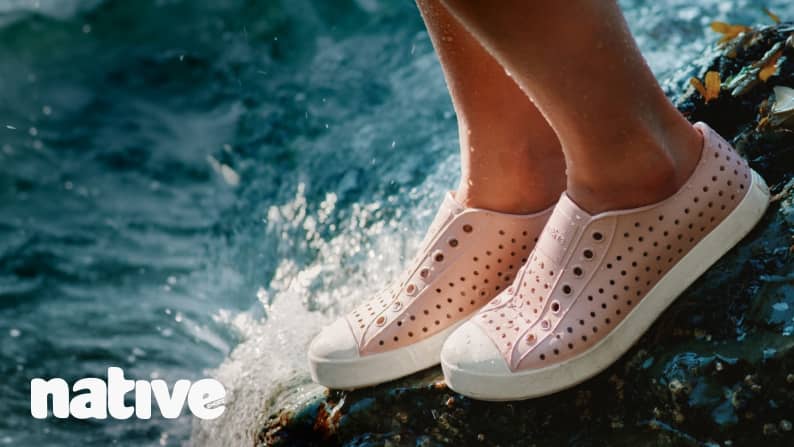
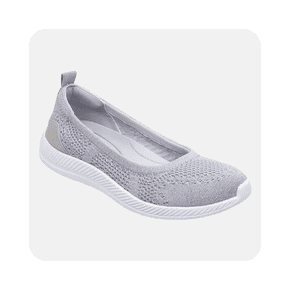
Ultra-comfy pairs
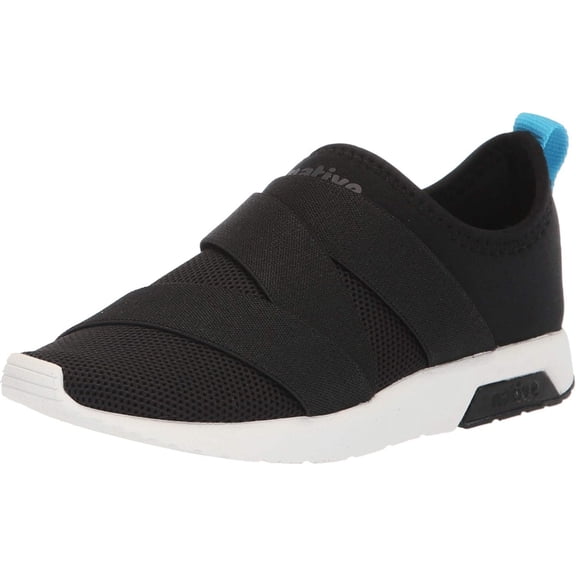
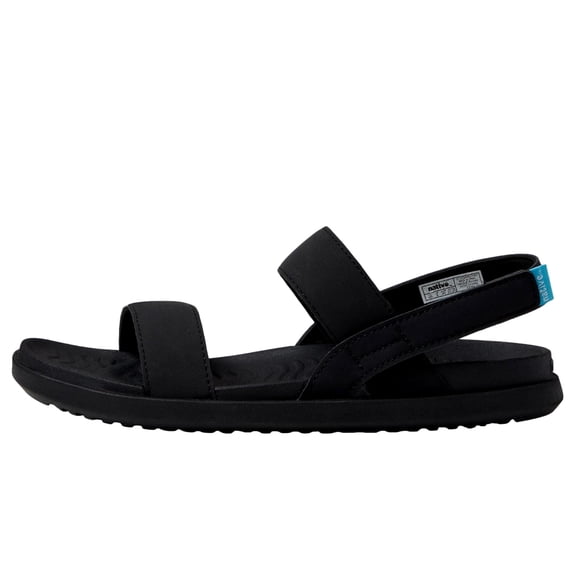
Native Shoes for all
Shop now
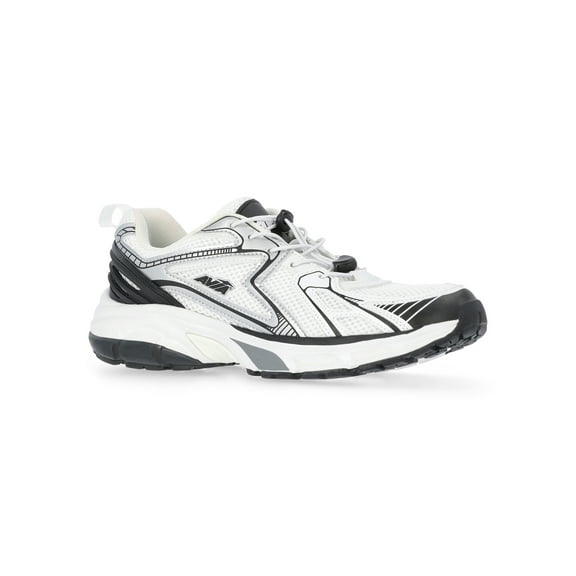
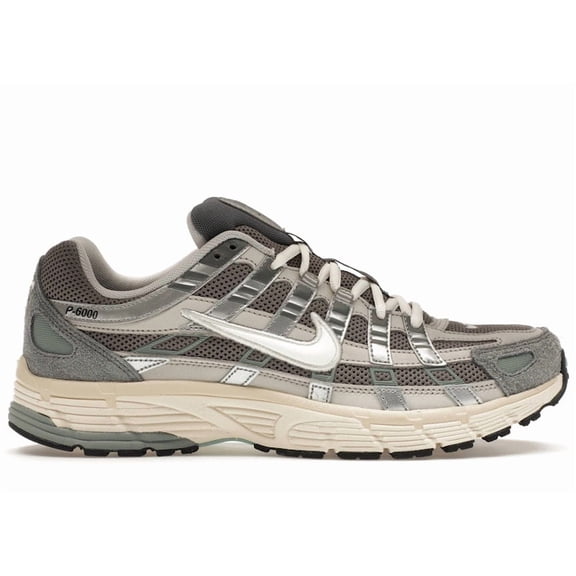
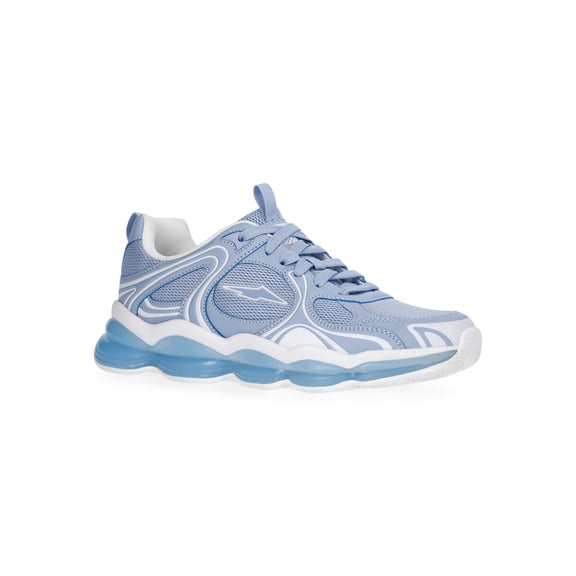
Go-to sneakers for all
Shop nowHot brands, we have them


Brands we love













@walmartstyle is on Instagram
FAQ
About Boots for Men, Women & Kids | All Styles & Sizes - Walmart.com
Boots help you handle changing weather, long days, and personal style with one hardworking footwear category. You can compare fit, height, materials, and traction to choose pairs that match your routine.
How to choose boots by style
Style shapes how your boots feel and where you wear them frequently. You can narrow your options faster when you compare ankle boots, chelsea boots, combat boots, and knee-high silhouettes.
Ankle boots give you easy movement and a lighter look with jeans, trousers, and dresses. You may prefer them when you want everyday coverage without the taller shaft of winter boots.
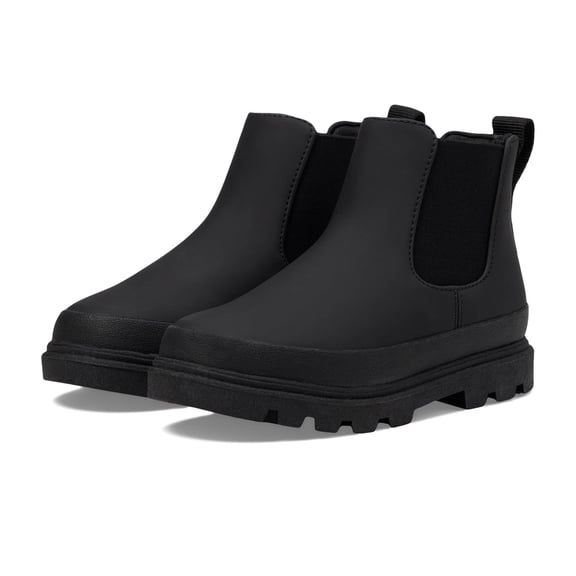
Chelsea boots usually feature elastic side panels that help you slip them on quickly. You can wear this clean shape for commutes, office outfits, and casual weekends.
Combat boots often include lace-up fronts and a more rugged outsole for extra grip. You might choose them when your wardrobe leans structured and you want a sturdy feel.
Knee-high options give your legs more coverage and a different balance with skirts or slim pants. You can use shaft height to match weather needs and the look you want.
What to look for in womens boots and mens boots
Fit matters because you want boots that feel secure through walking, standing, and daily movement. You should compare womens boots, mens boots, girls, and boys options by shape, width, and shaft measurements.
Wide width choices can give your toes and forefoot more room during longer wear. You may want that extra space if standard sizing feels tight across the front.
Calf circumference becomes important when you compare taller silhouettes like knee-high and winter styles. You should check that measurement so your boots sit comfortably over leggings, jeans, or thicker socks.
Closure type changes how your pair adjusts throughout the day. You can choose lace up boots for a more customized fit, zipper styles for convenience, or slip-on pairs for quick changes.
- You can use lace-up designs when you want adjustable hold through the ankle and instep.
- You can pick zipper closures when you want faster on-and-off wear before work or school.
- You can choose slip-on shapes when you want simple daily wear with fewer fastening steps.
Kids’ pairs also benefit from easy closures and dependable traction for busy schedules. You may find that simpler designs help your household move through mornings more smoothly.
Choosing materials for leather boots and weather-ready pairs
Materials affect how your boots look, feel, and hold up over time. You should compare leather boots, suede options, synthetic builds, and waterproof constructions based on care habits and weather.
Leather can give you a structured feel and a look that works across dressier and casual outfits. You should expect regular cleaning and conditioning if you want that finish to stay polished.
Suede offers a softer texture that changes the overall look of your outfit. You may prefer suede for dry days when you want a more textured, fashion-focused finish.
Synthetic materials can be easier for you to wipe clean after everyday wear. You can also compare them when you want lightweight options for frequent use.
Waterproof builds help block outside moisture during wet commutes and messy sidewalks. You should still compare breathability, because heavier protection can feel warmer during long indoor wear.
Insulation also changes comfort in colder conditions and indoor transitions. You can choose lighter linings for flexibility or warmer builds when winter boots need to handle freezing days.
Matching work boots, winter boots, and daily use
Use case helps you avoid choosing a pair that looks right but feels wrong later. You can compare work boots, winter boots, hiking styles, and fashion pairs by traction, support, and coverage.
Work boots usually focus on durable outsoles, secure fit, and all-day wear. You may want deeper tread and reinforced construction when your routine includes long hours on your feet.
Winter boots often emphasize weather coverage, lining, and grip on slick surfaces. You can look for taller shafts and waterproof materials when snow boots need to handle slush and cold air.
Hiking-inspired styles support outdoor plans with tread patterns built for uneven ground. You should compare ankle support and outsole grip when your walks include trails, gravel, or mixed terrain.
Fashion-focused pairs let you coordinate outfits without giving up the coverage you expect from boots. You can use ankle boots, chelsea boots, or sleek leather looks for everyday dressing.
Rain boots fit wet forecasts when you want quick pull-on convenience and easy cleanup. You can keep a pair ready for puddles, errands, and school drop-offs during stormy weeks.
When you compare style, fit, material, and use case together, your decision becomes clearer. You can find boots that support your routine, suit the season, and feel right from morning through evening.