

China Cabinet & Buffet Furniture : Kitchen & Dining Furniture
































About China Cabinet & Buffet Furniture : Kitchen & Dining Furniture - Walmart.com
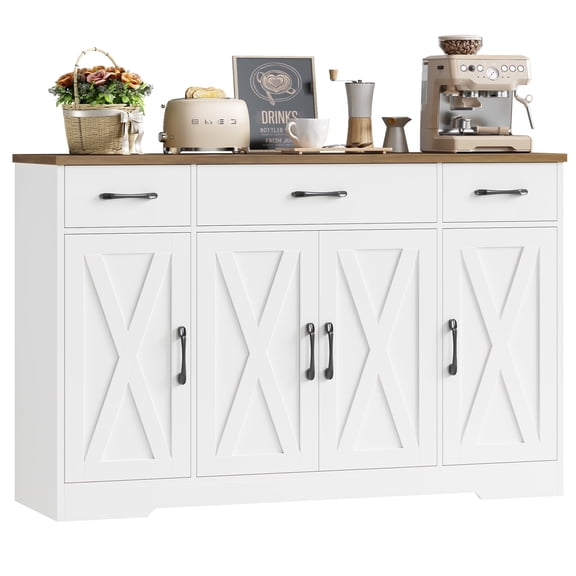
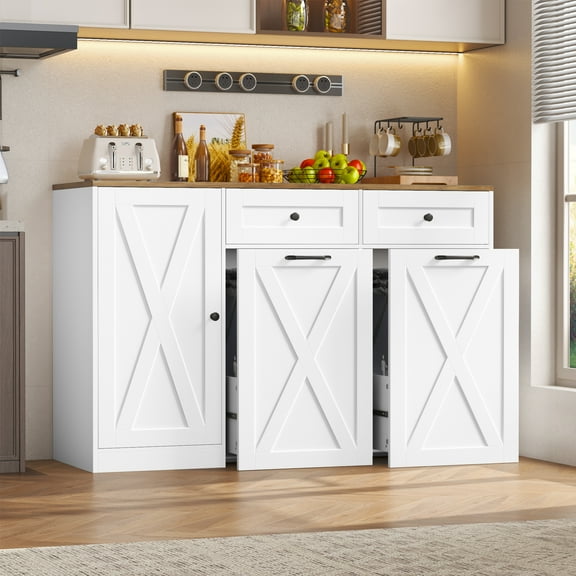
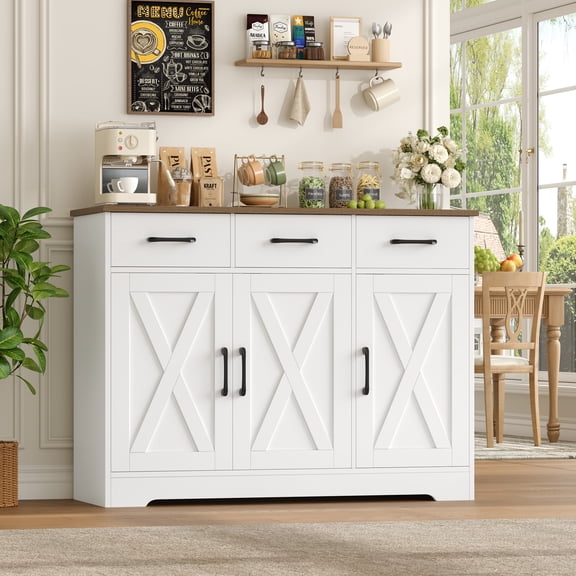
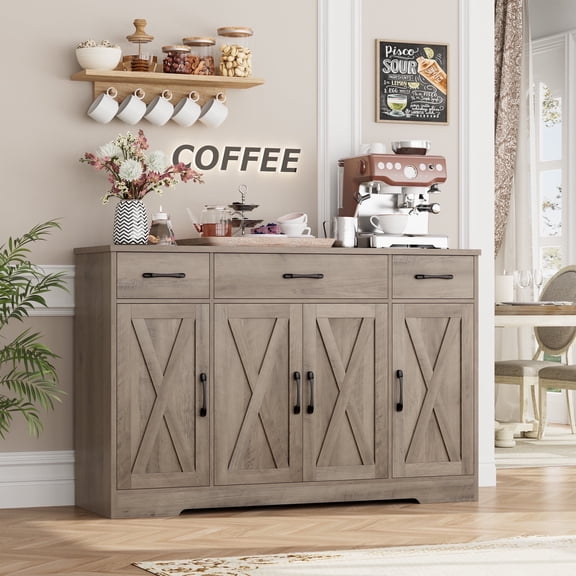
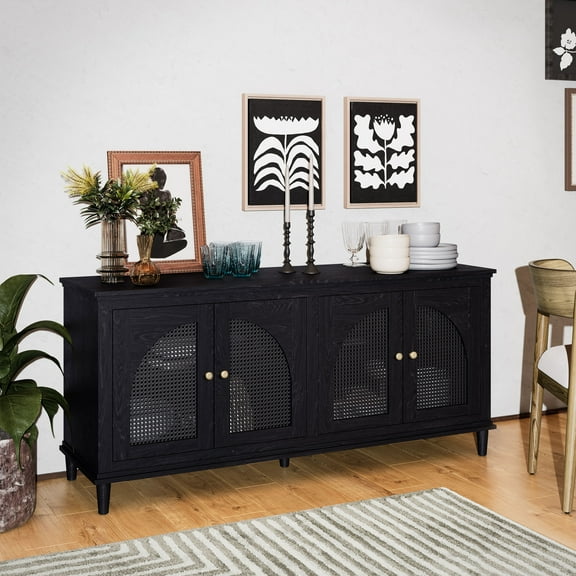
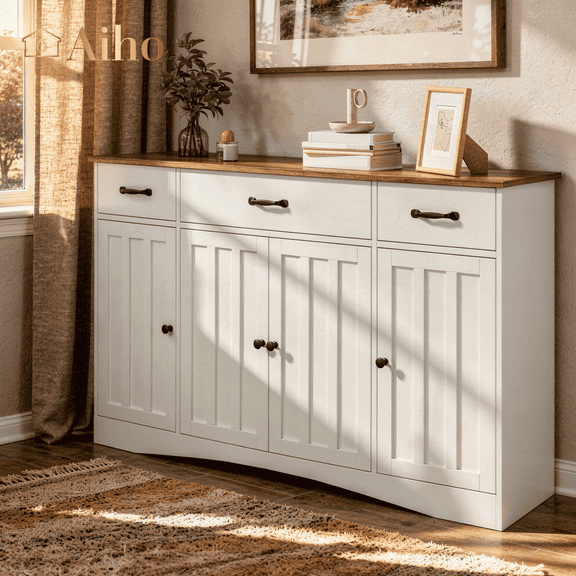
A kitchen sideboard with storage keeps dinnerware, serveware, and table linens organized while adding display space for lamps, trays, and seasonal accents. These pieces combine wide tops, enclosed compartments, and dining-room-friendly styling. You can place one along a wall, under artwork, or beside a dining set for everyday function. The right design keeps hosting essentials close without crowding your kitchen workflow.
Kitchen sideboard with storage for dining rooms and kitchens
Sideboards and buffets bridge the gap between storage furniture and serving furniture. Their broad surfaces hold platters, beverage stations, or dessert trays during meals.
Inside, shelves and cabinets keep napkins, glassware, and small appliances tucked away. That mix makes them useful in homes where dining and kitchen spaces overlap.
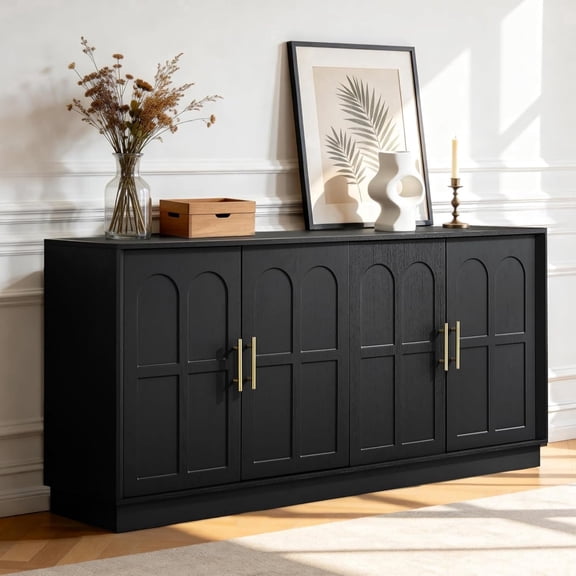
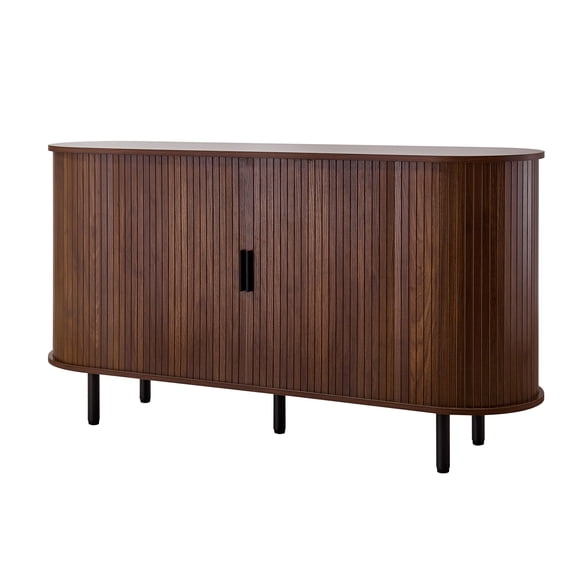
Many shoppers use sideboard and buffet cabinet terms interchangeably, but styling can vary. A sideboard often looks sleek and low, while a buffet cabinet emphasizes serving space and dining storage.
Both can anchor a wall, support decor, and create a cleaner setup for gatherings. Choosing by size, door layout, and shelf design usually matters more than the label.
- Creates a dedicated serving surface for meals, drinks, and dessert displays.
- Keeps plates, bowls, linens, and hosting tools organized behind doors or inside drawers.
- Adds furniture-style storage that suits kitchens, dining rooms, and open living spaces.
- Helps separate prep areas from entertaining zones in multiuse layouts.
Buffet cabinet with storage styles that fit real needs
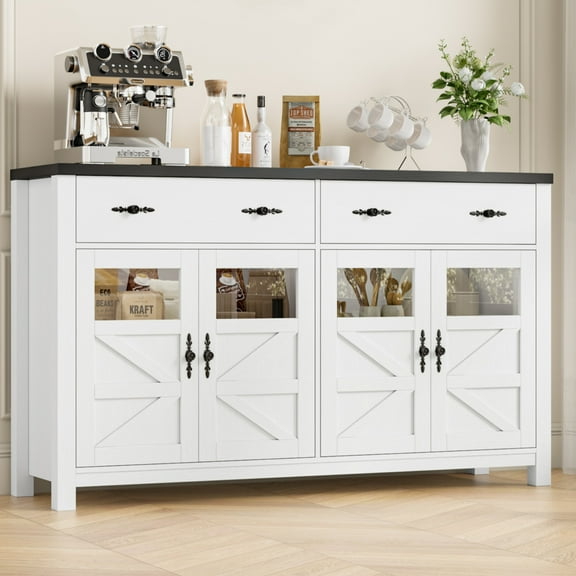
A buffet cabinet with storage can support daily routines and special occasions. You might use one for coffee supplies in the morning, then turn the top into a serving station at dinner.
Cabinets with adjustable shelves make it easier to store tall pitchers, stacked platters, or baskets. Drawer sections help sort flatware, candles, and place cards without mixing everything together.
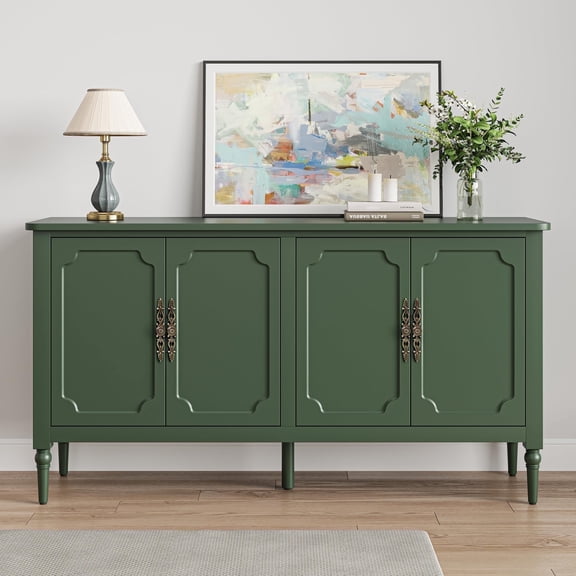
Material and finish also shape how the piece works in your room. Wood-look finishes warm up farmhouse or traditional spaces, while painted cabinets suit modern dining areas.
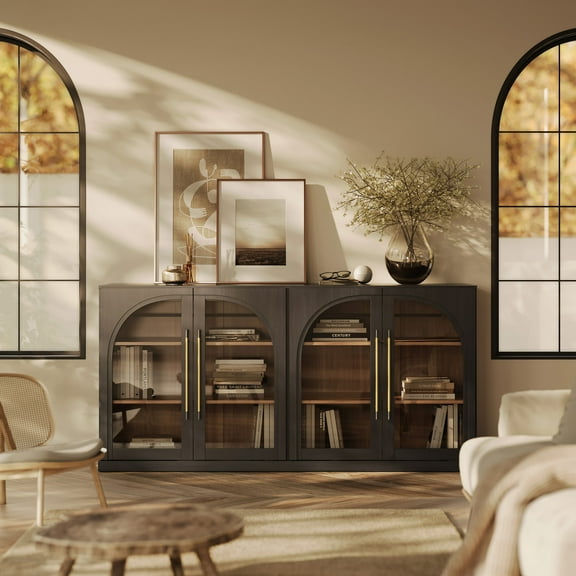
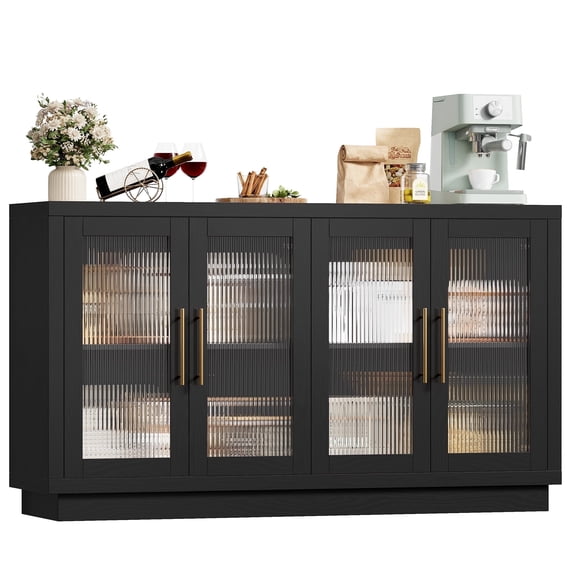
Glass-front doors can showcase dishes, and solid panels keep visual clutter out of sight. Metal hardware, leg style, and panel details often define the overall look.
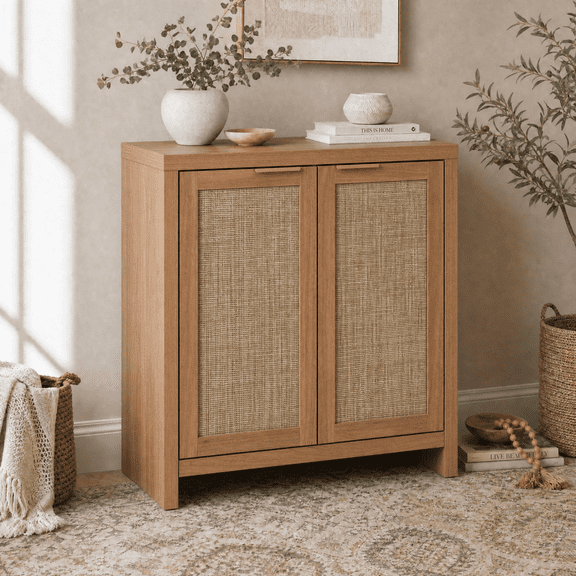
If you need a kitchen buffet cabinet for tighter spaces, focus on depth and clearance. Slim profiles leave room for chairs and foot traffic, yet still provide useful closed storage.
Wider models suit long walls and can replace extra upper-cabinet storage in eat-in kitchens. The scale should support your room without overpowering the table or walkway.
Sideboard storage cabinet features to compare
Dimensions are an important decision point in this category. Measure wall width, door swing, and walking space before choosing a sideboard storage cabinet with doors.
In dining rooms, the top should feel accessible when youu're setting out dishes or serving pieces. In kitchens, it should complement counters and nearby seating rather than block movement.
Storage configuration matters just as much as exterior style. Some units offer two large cabinets for bulky serveware, while others mix drawers, shelves, and center cubbies.
A buffet table with storage may include wine racks, stemware holders, or open shelving for baskets and cookbooks. Those details can shape how the piece fits your routine.
Construction features affect everyday use and upkeep. Look for sturdy shelves, smooth drawer glides, and easy-clean surfaces that handle frequent use.
Raised legs create a lighter look, while full-base designs feel grounded and substantial. Door count, shelf adjustability, and top width often determine long-term practicality.
How a buffet cabinet works in everyday rooms
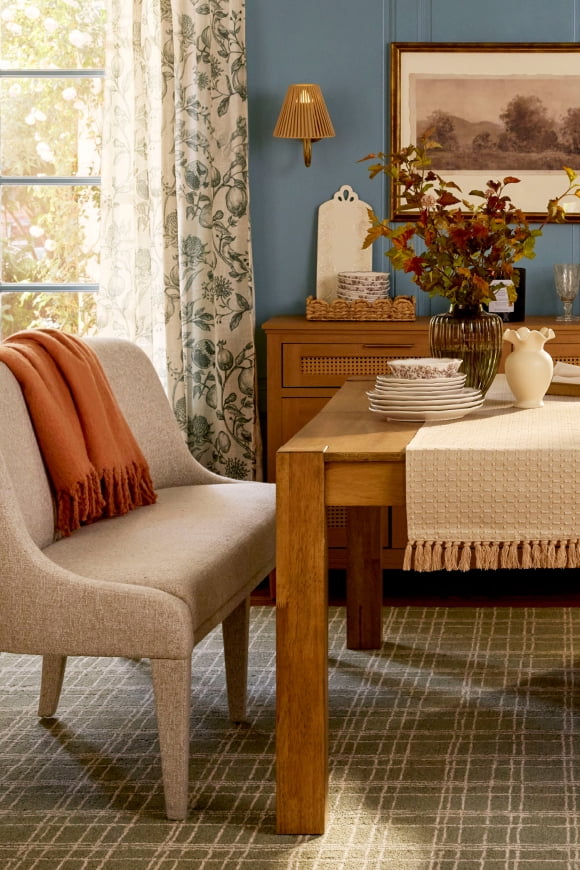
In a formal dining room, a buffet cabinet creates a natural zone for serving and display. You can stage platters on top, store holiday pieces below, and keep candles or runners in drawers.
That setup keeps entertaining organized because everything stays in one place. It also frees the dining table for seating and centerpieces.
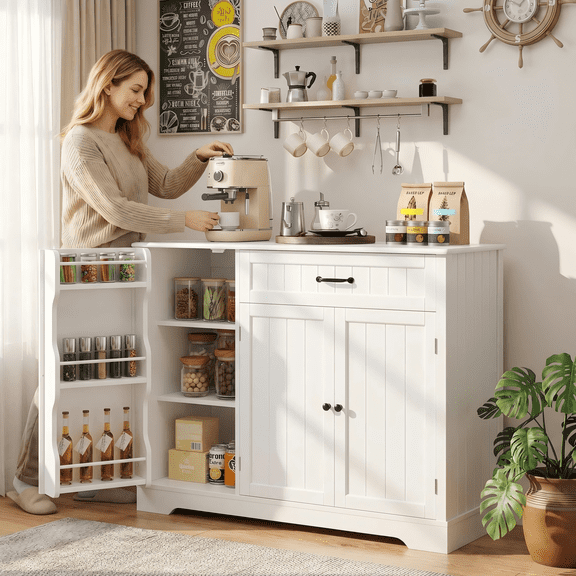
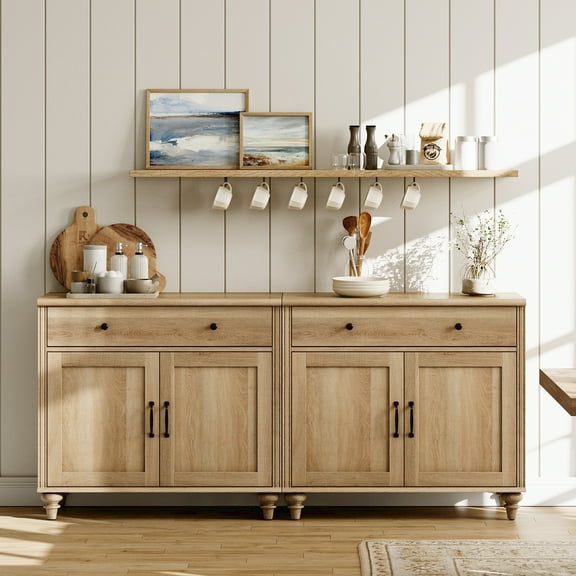
In an eat-in kitchen, a kitchen sideboard with storage can hold appliances, pantry overflow, or everyday dishes. Some households use it as a breakfast station with mugs, cereal containers, and snack baskets.
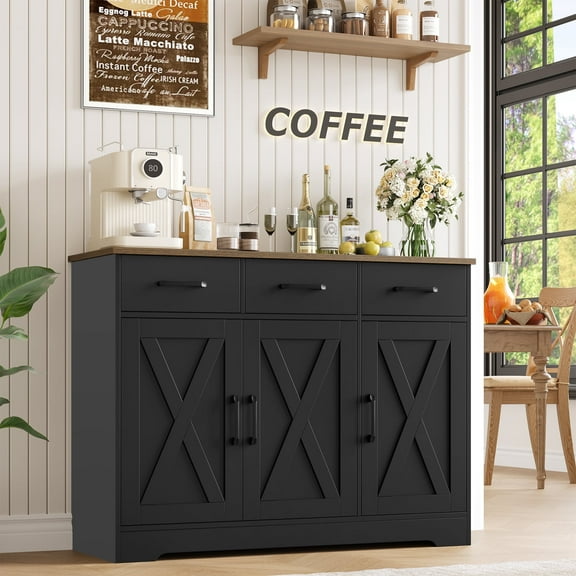
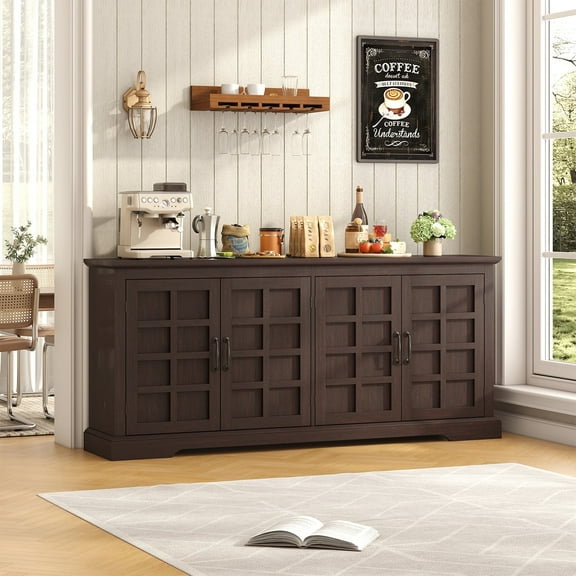
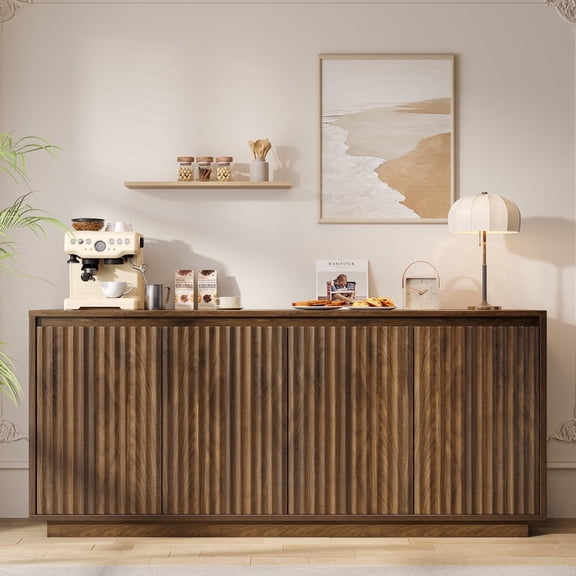
Others turn it into a coffee bar with room for pods, syrups, and serving trays. The wide top gives you flexible space without needing a built-in remodel.
A side buffet cabinet can also work in open-concept rooms where furniture needs to define zones. Place it behind a dining area or along a transition wall to create storage with visual structure.
It can hold board games, table linens, and barware while still looking appropriate beside dining chairs. That versatility makes this category useful beyond traditional dining rooms.
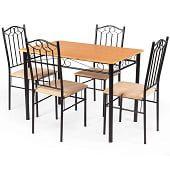
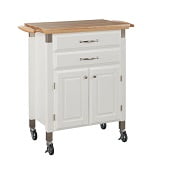
Some shoppers also pair these pieces with kitchen islands or dining sets for a coordinated layout. Matching tones can tie the room together, while contrasting finishes add depth and character.
When proportions align, the room feels intentional and easy to use during everyday meals or larger gatherings. A well-chosen cabinet brings order, display space, and serving convenience in one footprint.
Sideboards and buffets combine dining storage, serving space, and furniture styling in one practical piece. When the size and layout match your room, you get cleaner surfaces and smoother hosting.