






SKIL Router Tables | Benchtop & Precision Router Tables



















About SKIL Router Tables | Benchtop & Precision Router Tables - Walmart.com
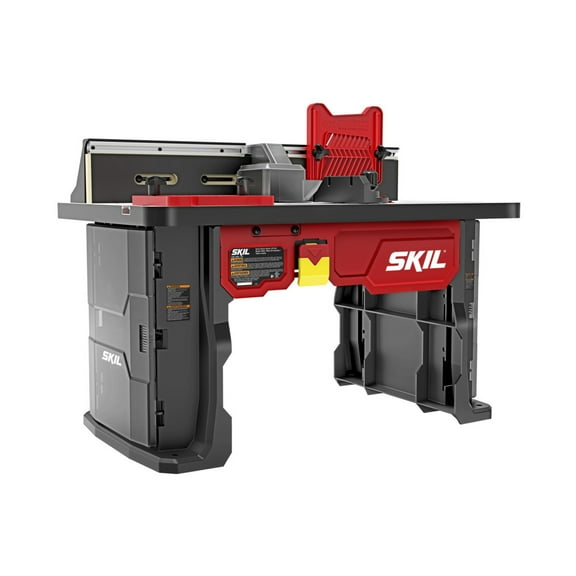
Your skil router table selection can support steadier routing, cleaner fence alignment, and a compact setup for detailed woodworking. Your comparison should focus on compatibility, bench space, and dust collection, because those details shape daily use.
As you review this category, you can compare table type, mounting patterns, fence parts, and vacuum connection details. That approach helps you match your setup to the projects you build frequently.
How to choose a skil router table
Table type is a practical first decision, because your workspace affects storage, stability, and setup time. A benchtop design can suit your shared workbench, while a stationary style can fit your dedicated routing area.
Portable options can fit your workflow when your tools move between shelves, garages, or project spaces. Your setup can feel easier to manage when your table footprint matches the bench room you already have.
Surface material also deserves attention, because your stock needs smooth support around the bit opening. Your boards can slide more evenly across laminate or aluminum tops during edge profiles, grooves, and trim work.
Flatness matters when your material crosses the insert area and fence during longer passes. Your cuts can stay more consistent when your table surface remains level from front to back.
Choosing compatibility on a skil router table
Router compatibility should come early in your review, because mounting plate hole patterns determine how easily your router fits the table. Universal mounting can help when your shop includes SKIL routers or major brands.
Mounting details matter in daily use, especially when your router base uses a specific hole layout. Your installation can involve less guesswork when your plate pattern and included hardware match your router model.
Insert access is another useful detail when your project calls for several bit changes in one session. Your workflow can stay smoother when your setup allows easier height adjustments and bit access.
Some shoppers type skill router table when they search, but your decision should still center on the SKIL brand and fit details. Your results can stay more predictable when your table supports your router without improvised mounting steps.
Comparing fence systems and guides
Your fence system shapes how accurately your material tracks past the bit during repeated cuts. An adjustable fence can help your alignment stay dialed in for rabbets, grooves, and decorative edges.
Long trim pieces and narrow stock need steady support from entry to exit. Your workpiece can track more evenly when your fence faces stay straight and your table stays square.
An aluminum guide is worth comparing when your projects need a rigid reference surface. Your cabinet parts, frame pieces, and patterned edges can benefit from that straight support.
A miter gauge can also matter when your routing involves smaller parts and square positioning. Your cross-grain passes can feel easier to control when your material follows a guided path.
- Your benchtop choice can suit a flexible workspace where your bench supports several tools.
- Your universal mounting option can simplify setup when your router brand may change over time.
- Your adjustable fence can support repeat edge profiles, grooves, and joinery tasks.
- Your 2-1/2 inch dust port can match a standard vacuum fit for simpler chip collection.
Checking dust port size and airflow
Your dust collection setup affects visibility, cleanup, and how tidy your bench stays during routing. A 2-1/2 inch dust port can fit common shop vacuum hoses used in many home workshops.
Standard vacuum fit matters when your goal is a simpler connection without extra adapters. Your setup process can feel more straightforward when your hose connects to the table as expected.
Airflow also deserves a quick comparison, because your routing jobs can create a steady stream of fine chips. Your dust extraction can work more effectively when your vacuum provides enough CFM for continuous passes.
Rear fence ports and table ports each change how chips move away from the bit area. Your visibility can stay clearer when your dust path matches the way you arrange your bench and vacuum.
Matching features to your woodworking tasks
Your project type can guide which feature combination is practical for your shop. A portable benchtop table can suit signs, shelves, trim pieces, and small cabinet parts.
Repeat edge profiles on longer boards often call for a smooth top and accurate fence adjustment. Your material can feed more evenly when your setup stays stable across the full pass.
Joinery tasks can place more focus on plate alignment, fence control, and miter gauge support. Your grooves, slots, and similar cuts can feel easier to repeat when those parts work together cleanly.
Limited workshop space can make footprint one of your key buying factors. Your routing station can stay useful without taking over your whole bench or storage area.
Related tool planning can also help when your workflow already includes routers, plunge bases, and edge-forming bits. Your full setup can feel more connected when your table works with the accessories you already use.
Before you narrow options, a helpful first step is measuring your router base, bench area, and vacuum hose connection. Your final pick can bring cleaner setup, steadier cuts, and fewer compatibility surprises.