

Snips Tools & Hand Snips | Heavy Duty Snip Cutters

















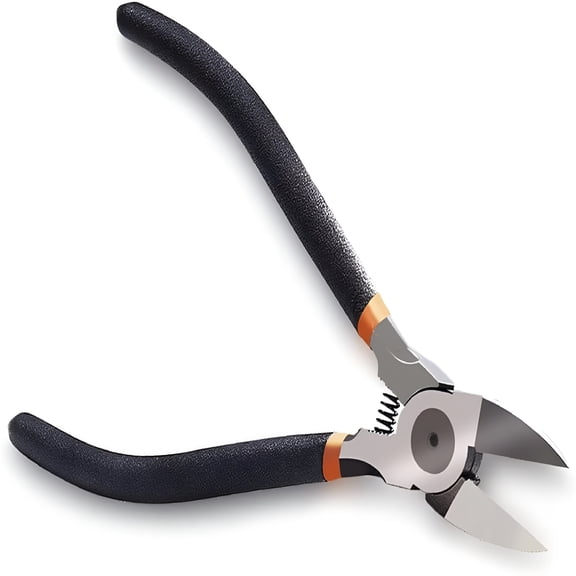
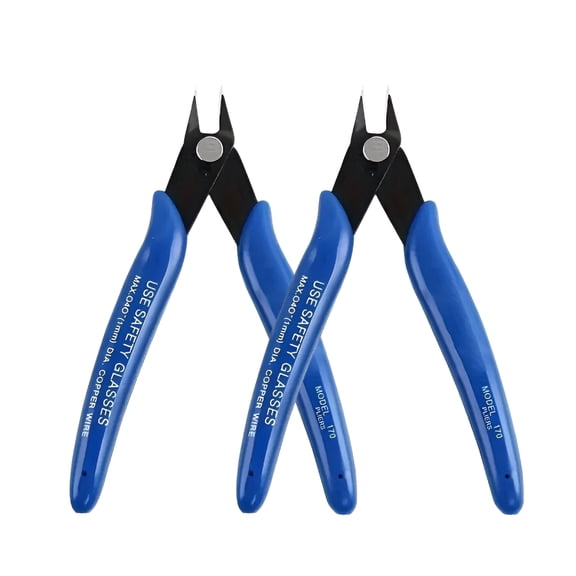

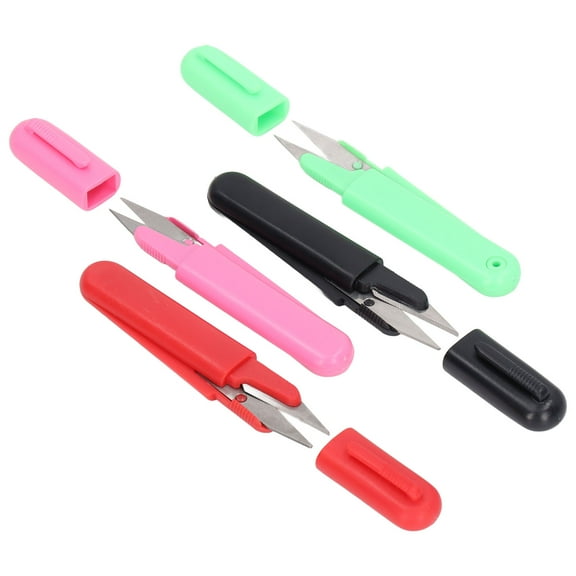
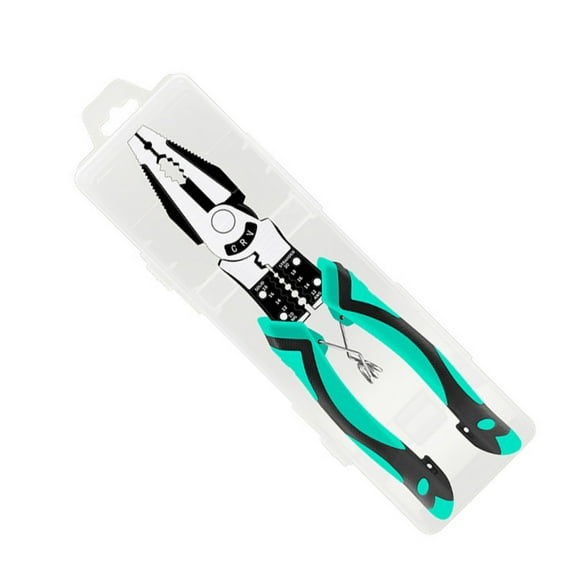
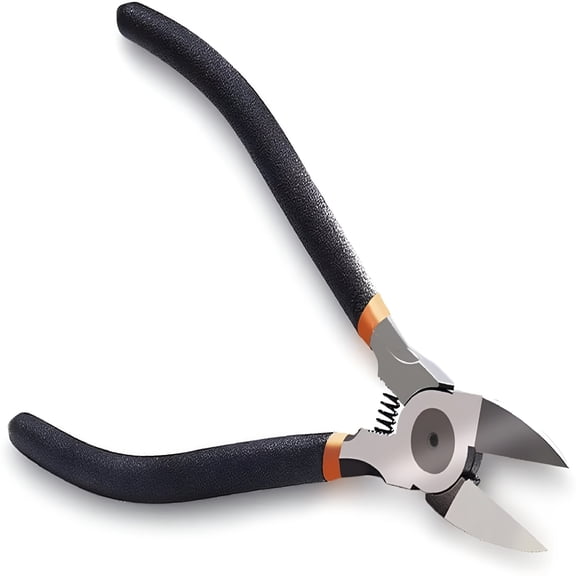
![Straight Pattern Tin Snips Metal Cutters, High Strength Forged and Heat Treated Carbon Steel with Comfortable Rubber Handle for Heavy-Duty Metal Cutting[12 inch]](https://i5.walmartimages.com/seo/Straight-Pattern-Tin-Snips-Metal-Cutters-High-Strength-Forged-Heat-Treated-Carbon-Steel-Comfortable-Rubber-Handle-Heavy-Duty-Metal-Cutting-12-inch_4b042514-5237-479f-ae45-ba95b12f02e4.ea31cd7f0bce332f0ef45a220646f775.jpeg?odnHeight=576&odnWidth=576&odnBg=FFFFFF)

About Snips Tools & Hand Snips | Heavy Duty Snip Cutters - Walmart.com
When you need a snips tool for clean, controlled cuts, you can compare hand snip styles by material, size, and cutting direction. You’ll also find options built for sheet metal, rubber, wire, leather, and cardboard, which makes this category useful for repair work and shop projects.
If you’re replacing a worn hand snip or building a tool kit, you can use this guide to narrow the right fit. You’ll make a smarter choice when you match blade shape, duty rating, and handle design to the material you cut most often.
How to choose a snips tool
You should start with tool type because each shape changes how your cuts track through a material. You’ll usually compare aviation snips, tin snips, utility snips, and offset snips before you decide.
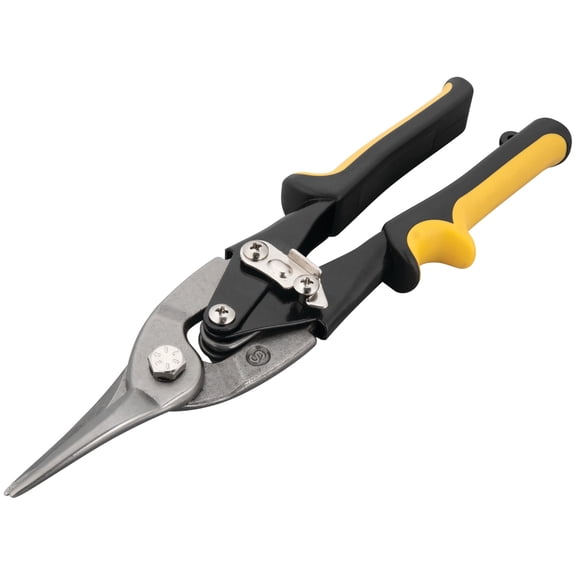
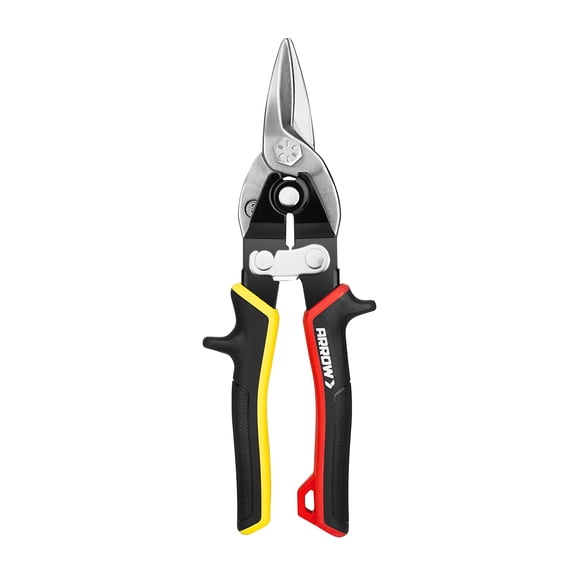
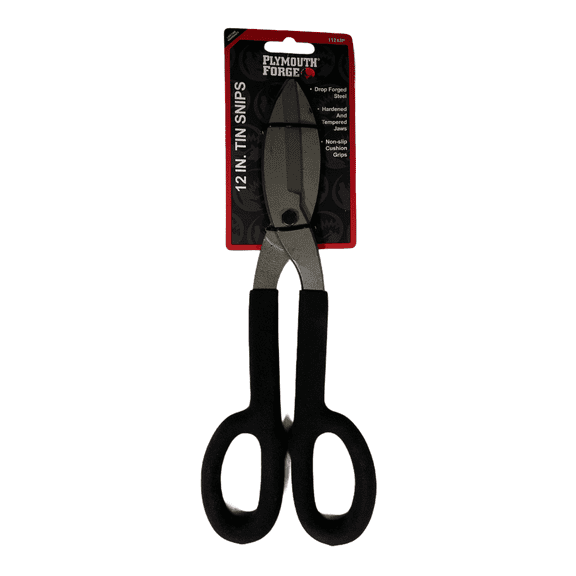
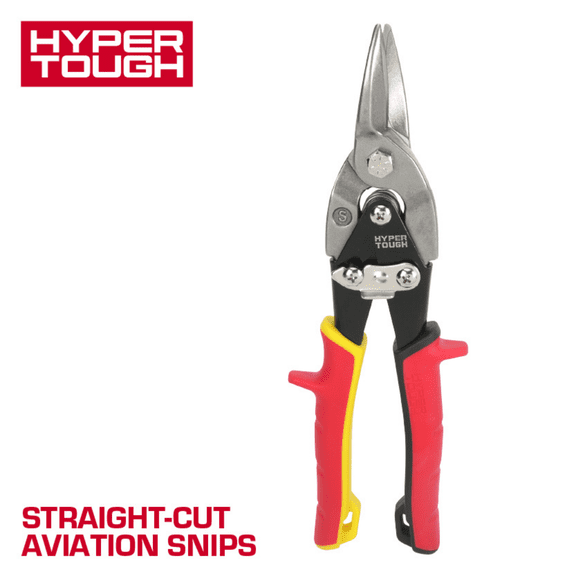
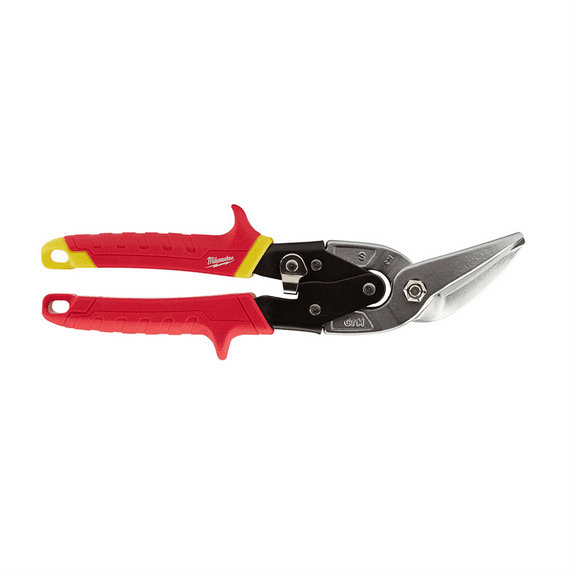
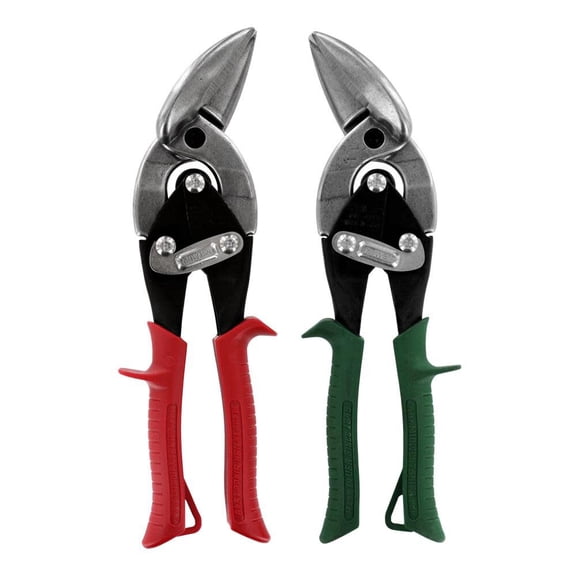
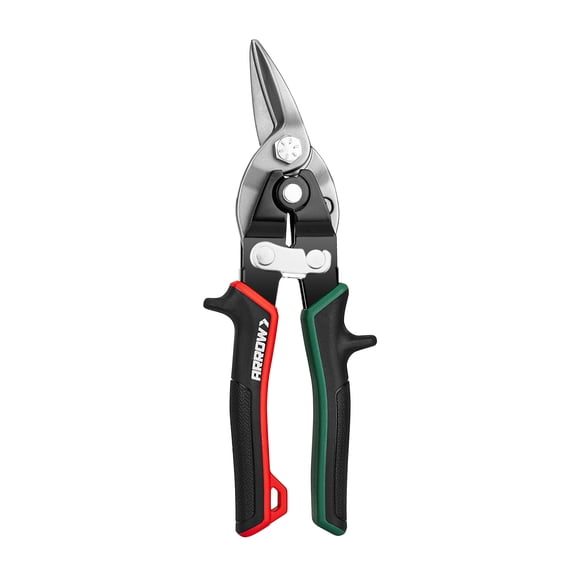
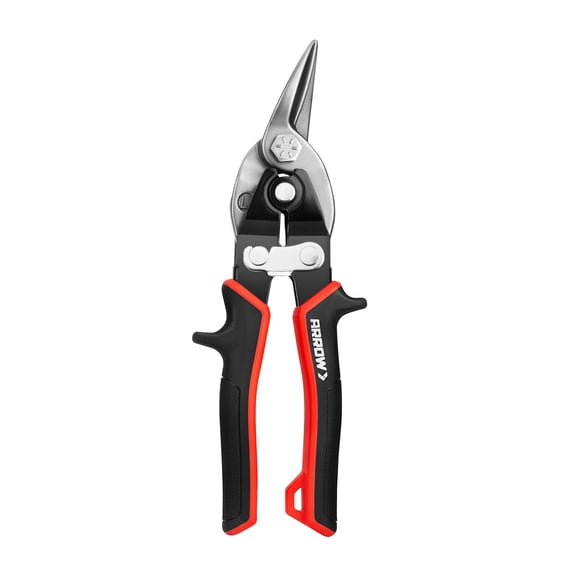
If you cut tight curves or work around fasteners, you may prefer aviation snips with color-coded left-cut, right-cut, and straight-cut blades. If you need longer, direct passes, you may choose tin snips or an offset snip cutter tool.
You can use left-cut snips for counterclockwise curves and right-cut snips for clockwise curves on sheet stock. You’ll get cleaner control when your blade direction matches the path you plan to follow.
When you want your hand farther from the material edge, you can look for offset designs. You’ll notice offset blades help guide your hand above curled metal during repeated cuts.
Comparing heavy duty snips and standard options
You should compare duty rating before you cut thicker stock because blade strength changes what the tool can handle. You’ll often see heavy duty snips, standard duty tools, and light duty models across this category.
If you work with tougher sheet metal, you can look for forged steel blades because they hold their edge longer during repeated passes. You may also notice titanium coating on some blades, which helps reduce drag and supports smoother cutting.
You can check gauge guidance to estimate cutting ability on sheet metal before you choose. You’ll usually want a stronger snips cutting tool when you cut thicker gauges or denser materials.
- You can choose heavy duty models when your projects include thicker sheet metal or repeated shop use.
- You can pick standard duty tools when your tasks include general trimming, flashing, or lighter fabrication work.
- You can select light duty options when your cuts focus on thin materials, detail work, or occasional household repairs.
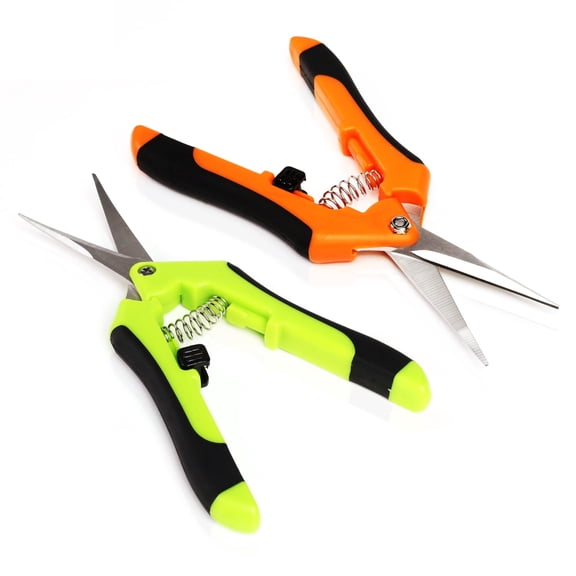
If you cut for long stretches, you should also compare handle shape and spring action. You’ll feel less hand fatigue when your grips fit securely and your spring-assisted handles reopen smoothly.
You may want textured grips when your work area changes from garage benches to outdoor projects. You’ll get steadier control when your handle design stays comfortable during repetitive squeezing.
Choosing target material and blade features
You should match your snips tool to the material because edge geometry changes how easily the blades start and finish a cut. You’ll see clearer performance differences when you compare sheet metal, rubber, wire, leather, and cardboard tasks.
If you cut sheet metal, you can look for stronger blades and clear gauge guidance in the product details. You’ll want enough cutting capacity for ductwork, flashing, vents, and trim pieces.
When you need rubber snips, you should look for precise control and a clean bite through flexible material. You’ll also want blades that resist twisting when the cut path changes direction.
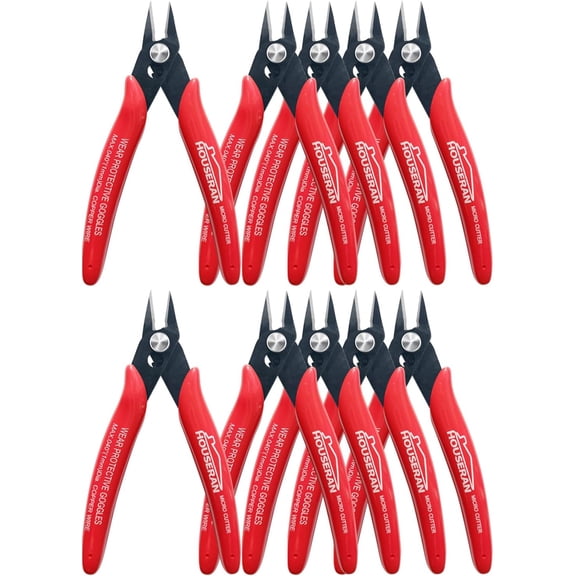
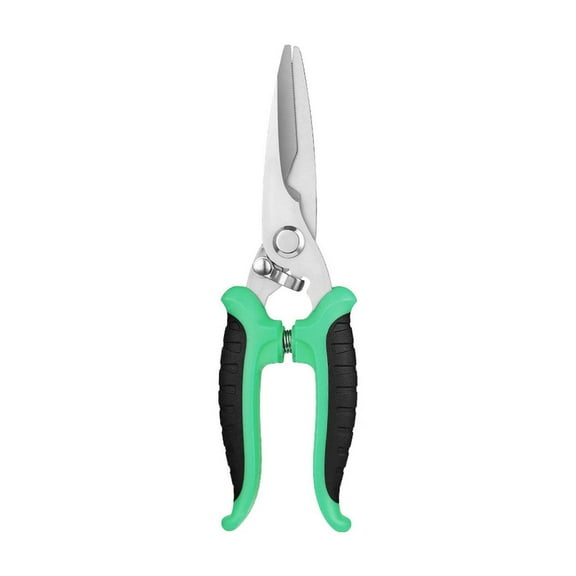
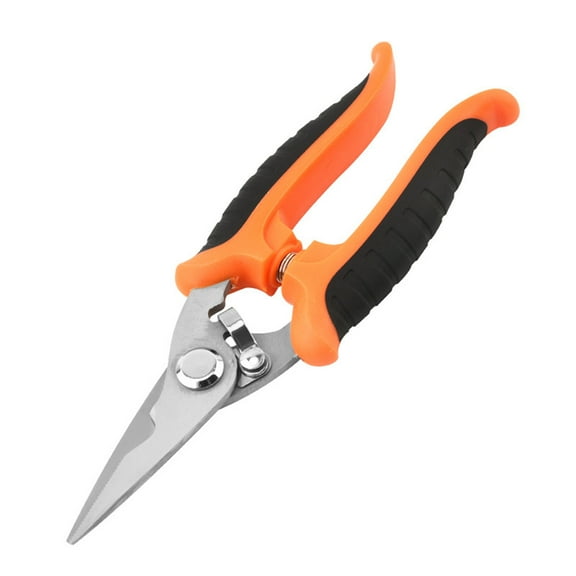
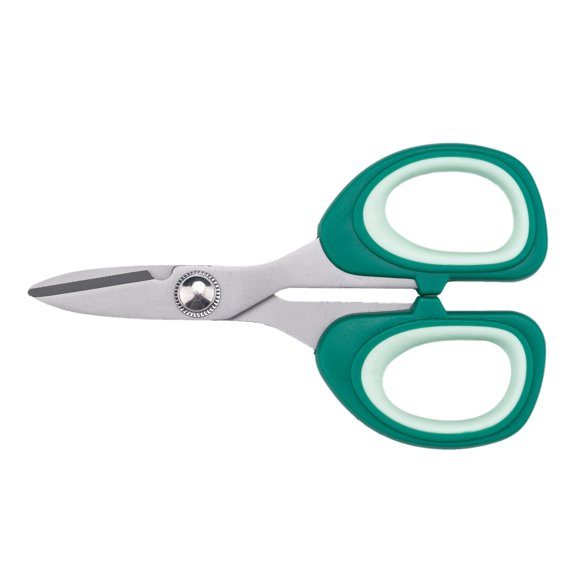
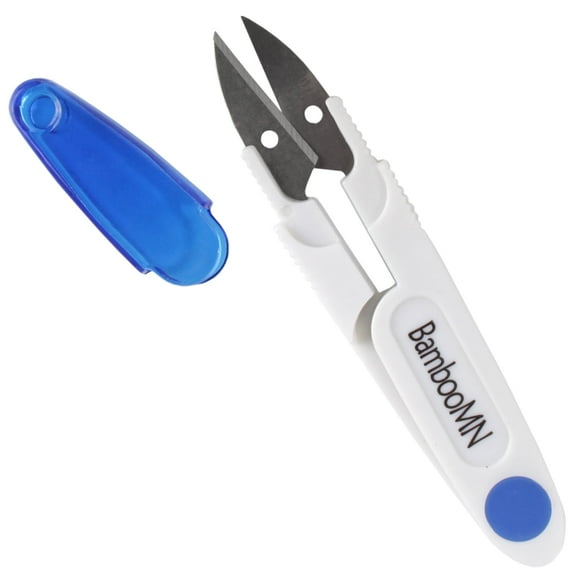
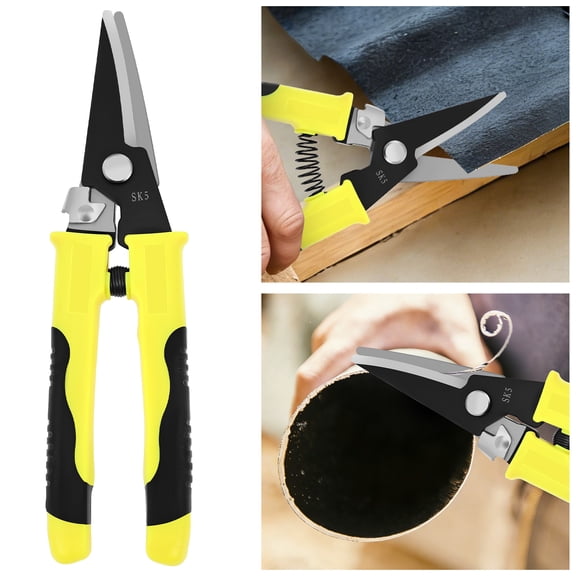
If your projects include wire, leather, or packaging materials, you can compare utility styles and narrower blade tips. You may prefer a snippers tool with compact jaws when you need tighter access.
You should also review blade material because it affects edge retention and long-term feel. You’ll often compare forged steel for durability and coated blades for smoother movement through resistant surfaces.
Picking the right size and use case
You can narrow your choice faster when you compare size range with the space you work in. You’ll usually find a small snips tool under seven inches, standard sizes from eight to 10 inches, and large options above 12 inches.
If you need access inside tight corners, you may choose a small snips tool for trim details and short cuts. You’ll gain better control when your blade length matches compact work areas.
When you handle mixed repair tasks, you can often rely on standard sizes for balanced reach and control. You’ll find they work well for flashing, gutter touchups, vent pieces, and general workshop cutting.
If you cut larger panels or need extra leverage, you can compare long handles and larger bodies. You’ll usually get more reach and stronger cutting power on broad sheet sections.
You should think about your project setting before you choose your hand snips. You may want aviation snips for HVAC-style sheet work, utility snips for packaging and craft materials, or offset styles for curled metal edges.
If your work shifts between home repairs and garage fabrication, you can keep more than one blade direction on hand. You’ll move through straight runs and curved cuts with less repositioning when you match each tool to the task.
You can shop this category with more confidence when you compare cut direction, duty rating, material compatibility, and handle comfort together. You’ll end up with a tool that tracks cleaner, feels steadier, and fits your real projects.