

Snowmobile Helmets in Snowmobile Riding Gear























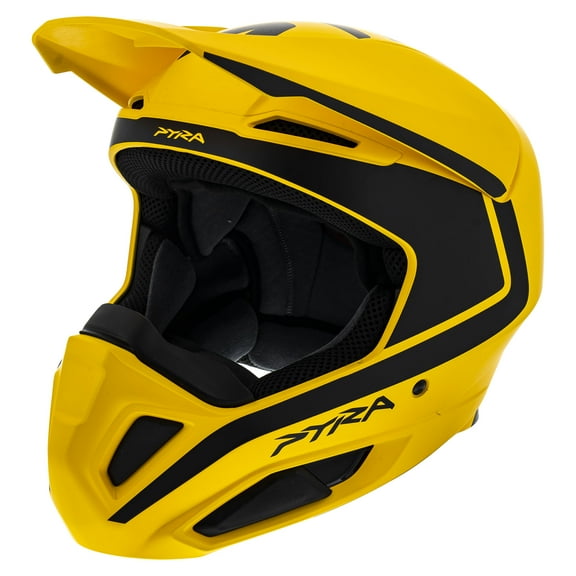


About Snowmobile Helmets in Snowmobile Riding Gear - Walmart.com
Snowmobile helmets help you ride with warmer coverage, clearer sightlines, and winter-ready comfort on the trail. You can compare helmet type, shield design, certification, and sizing to choose a setup that fits your riding conditions.
How to choose snowmobile helmets
When you compare snowmobile helmets, you should start with the conditions you expect most often. You may want stronger wind coverage, easier trail-stop access, or a fit that works with cold-weather layers.
Look at helmet type first because that choice shapes how you enter, vent, and cover your face. You can then compare shield options, certification labels, and fit details that match your riding style. You should also measure your head circumference before you narrow sizes.
Choosing the right helmet type
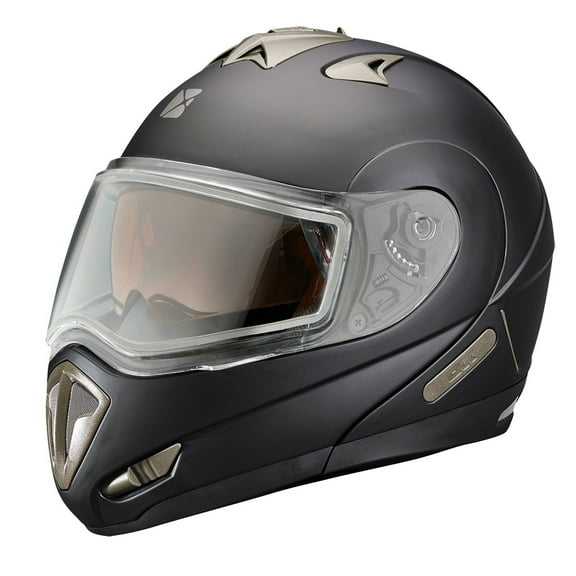
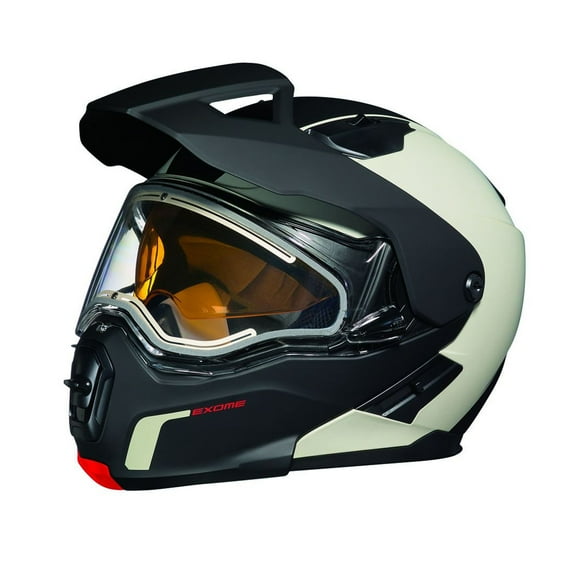
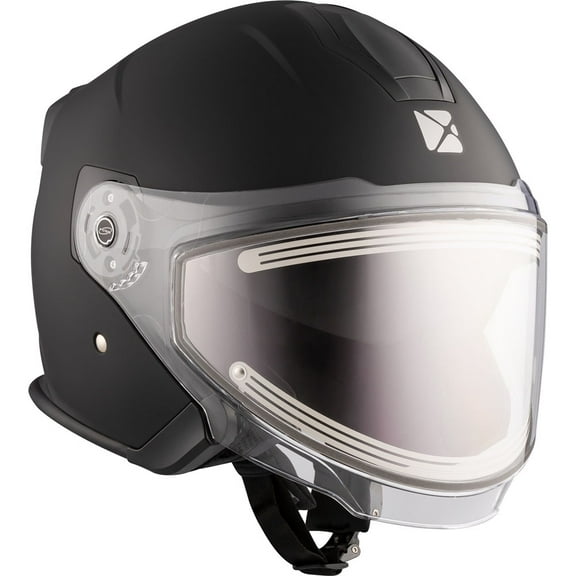
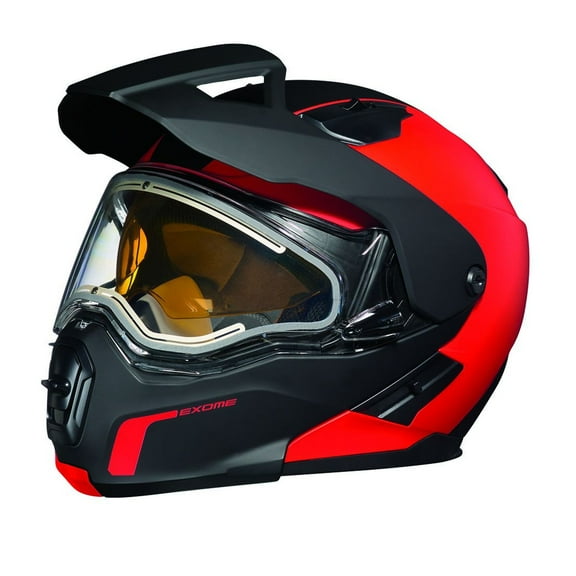
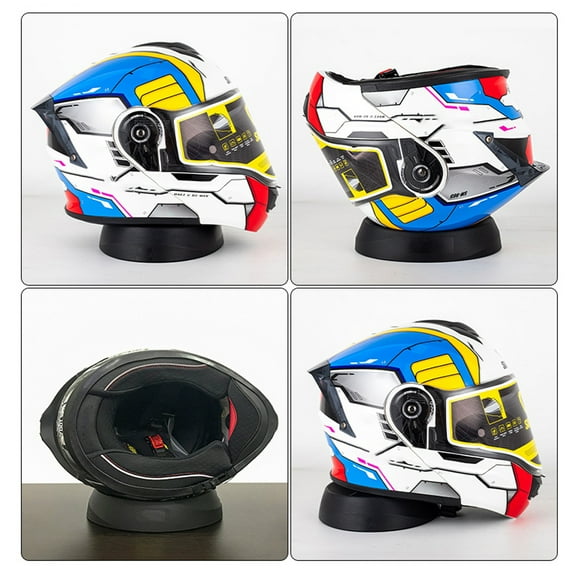
Modular snowmobile helmets let you raise the chin bar when you stop, fuel up, or talk at the trailhead. You get full-face coverage while riding, plus easier access during quick breaks.
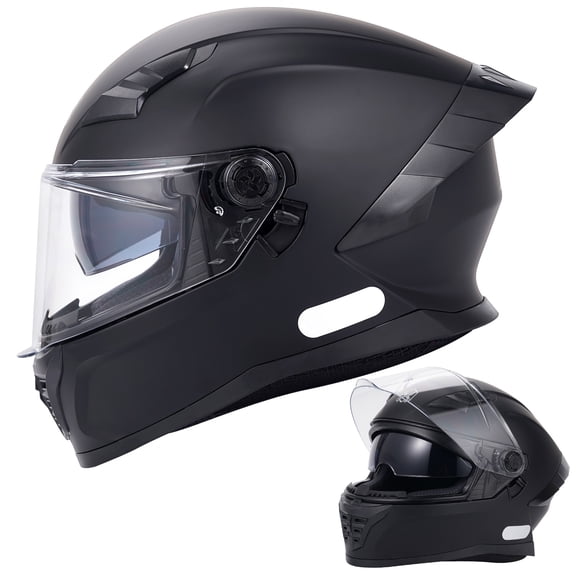
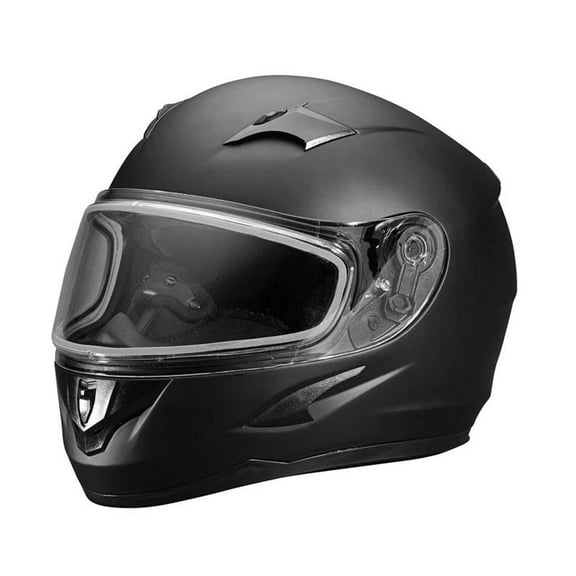
Full face snowmobile helmets give your ride a fixed chin bar and enclosed feel for steady wind blocking. You may prefer that design when your route includes long stretches in colder weather.
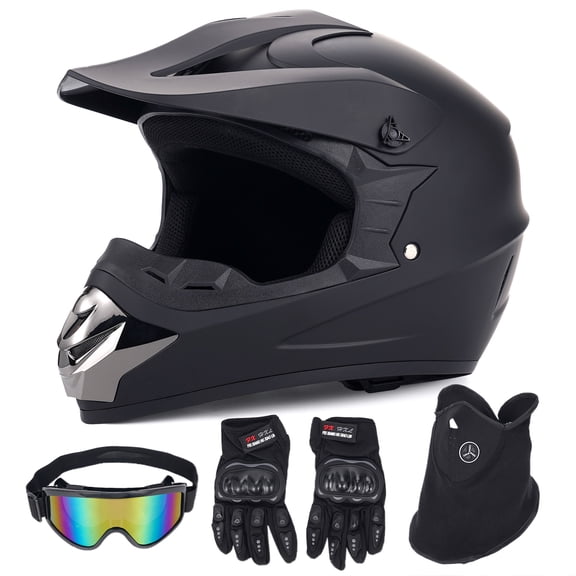
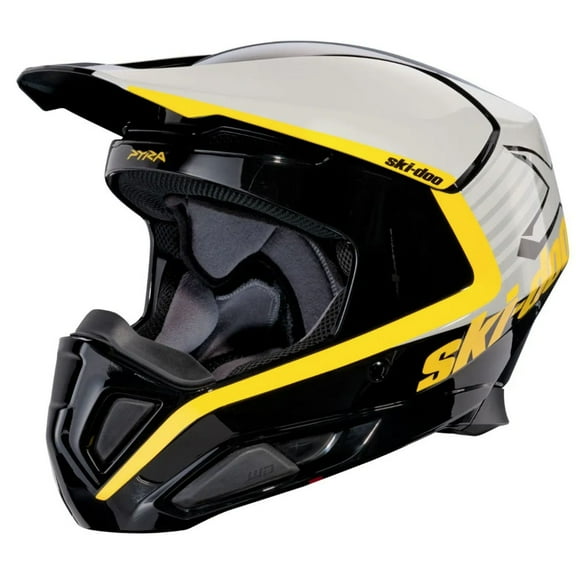
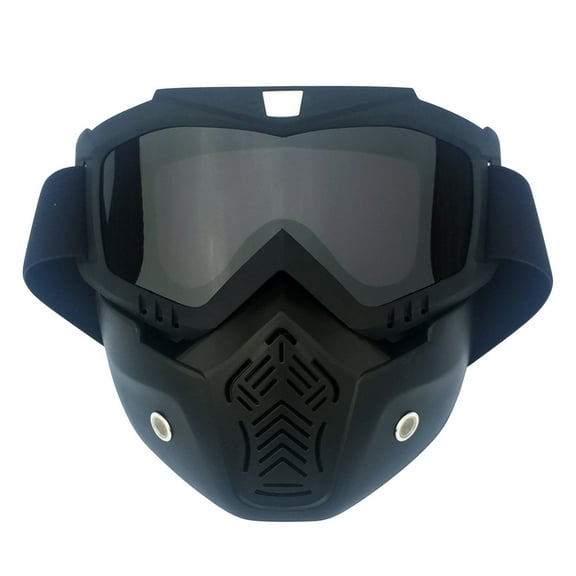
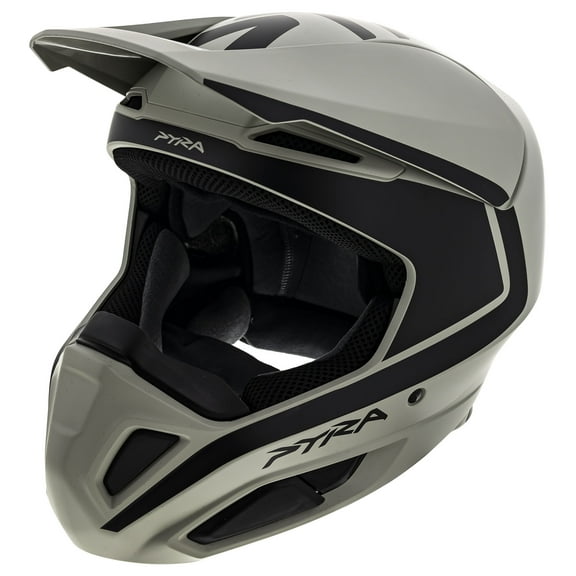
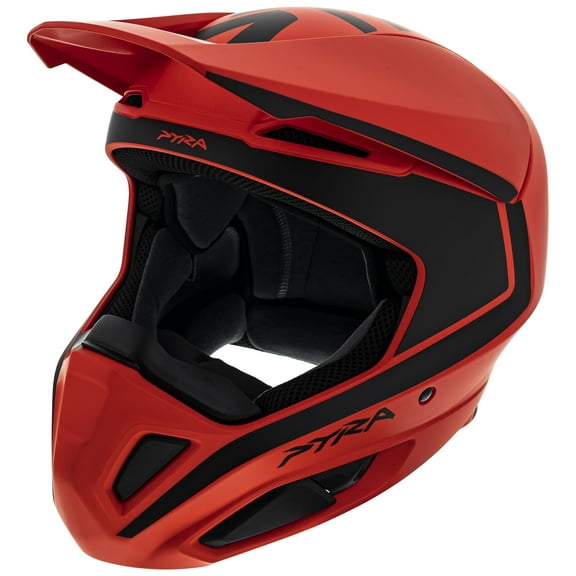
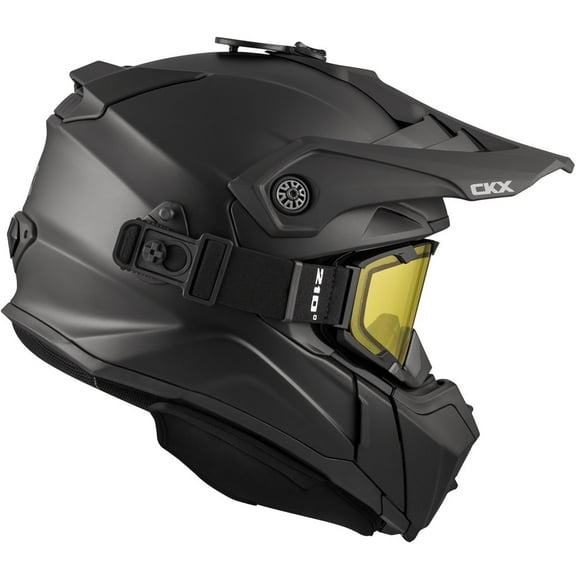
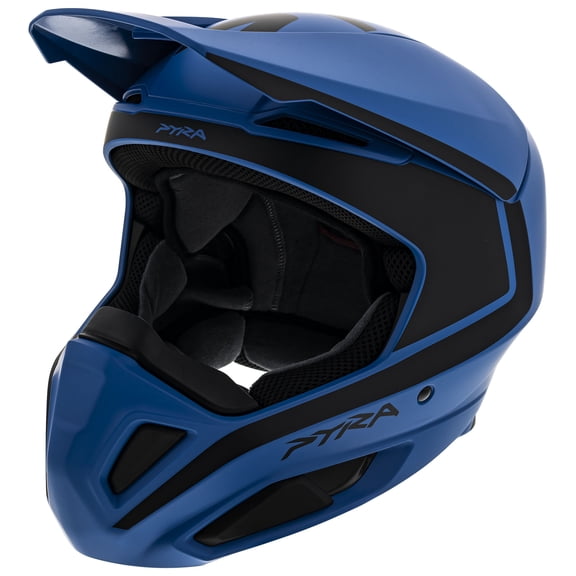
Snocross styles give you room for goggles and active movement during aggressive riding. You might choose that shape when your pace changes often and your riding position stays more dynamic.
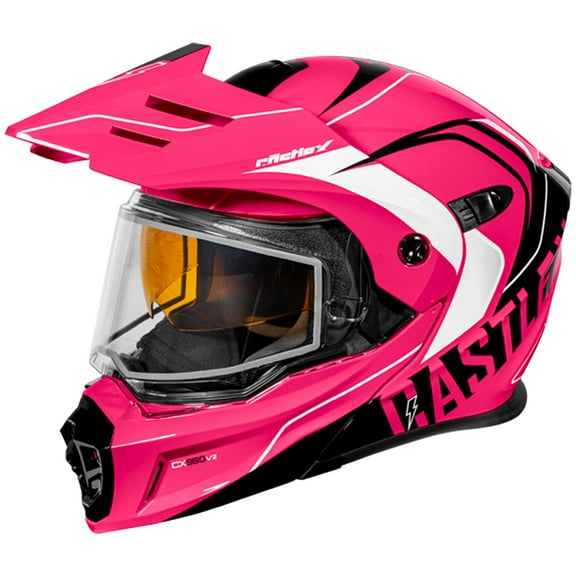
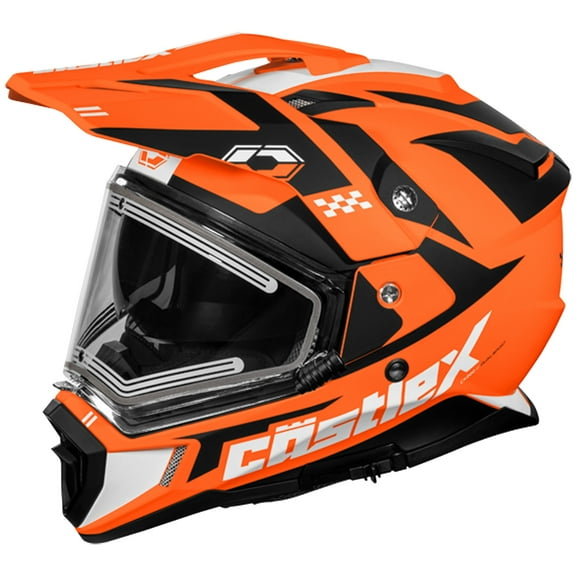
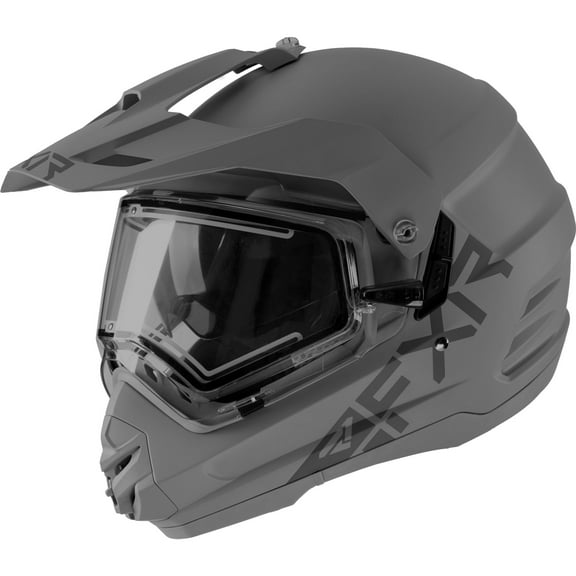
Dual sport snowmobile helmets combine a face shield setup with styling that suits mixed trail and backcountry riding. You can consider this option when your terrain changes throughout the day.
- You can pick modular designs when you want easier stops and conversation.
- You may choose full-face coverage when you want enclosed warmth and steady wind protection.
- You can use snocross shapes when you prefer goggle-friendly riding and active movement.
- You might select dual sport options when you want flexibility across varied terrain.
Comparing heated snowmobile helmets and shield options
Shield choice matters because you need clear vision when cold air meets your breath inside the helmet. You can compare heated snowmobile helmets, dual lens shields, and single lens options by your usual temperatures and ride length.
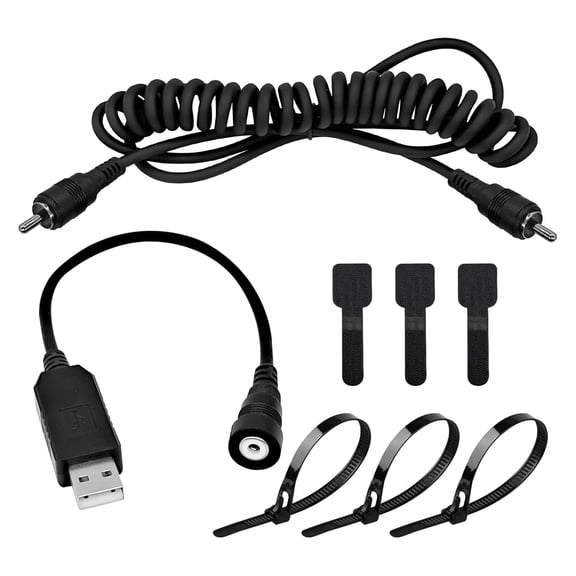
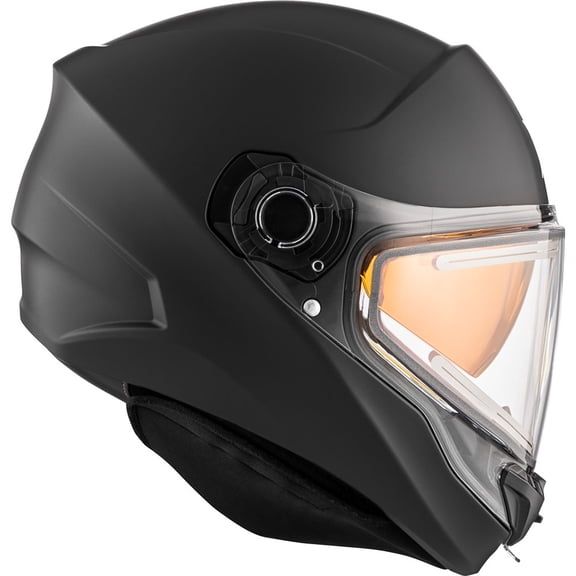
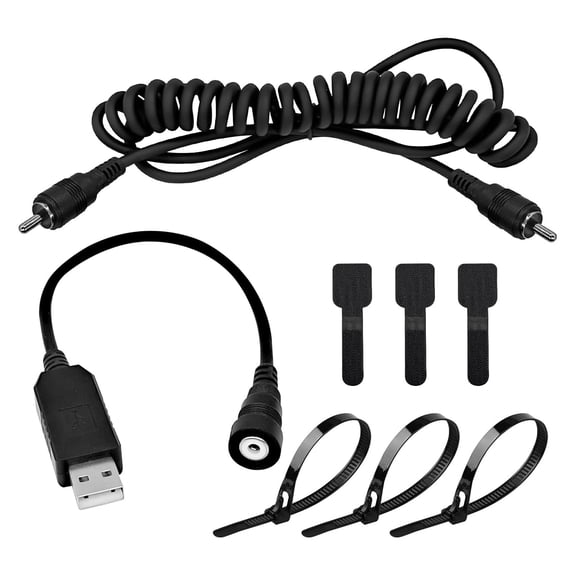
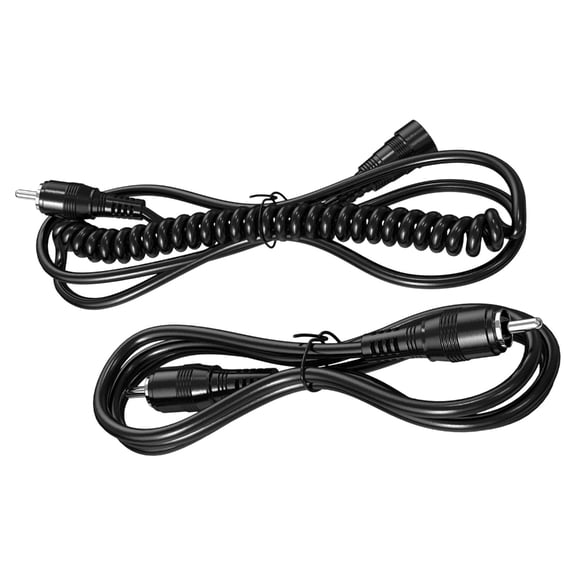
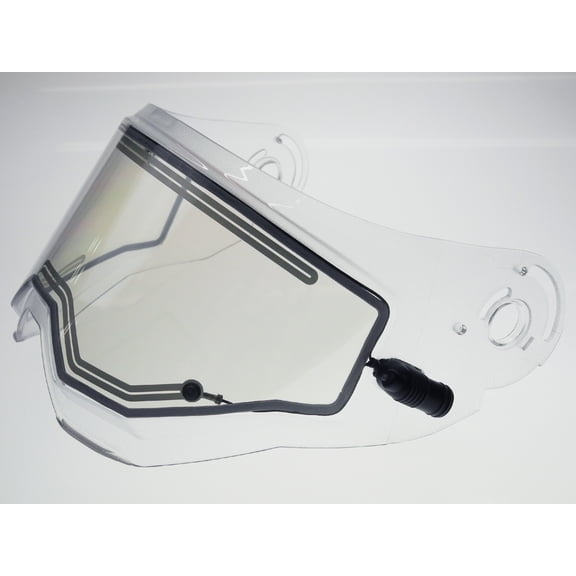
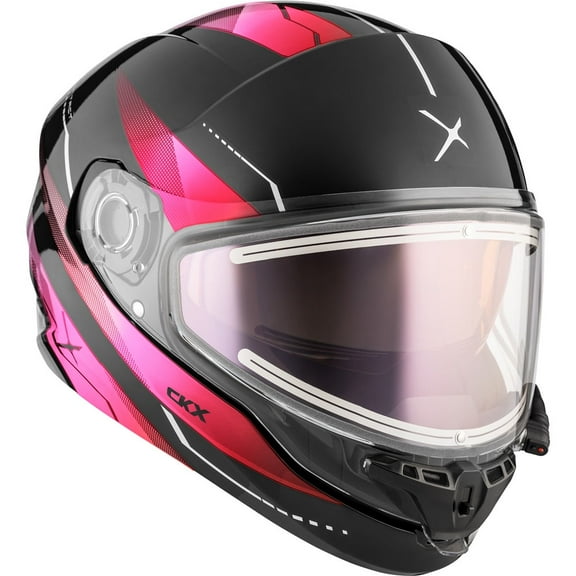
Snowmobile helmets with heated shield systems use powered elements to help keep the viewing area clear. You may prefer that setup for colder rides and longer trail sessions.
A dual lens shield creates a small gap between two layers, which helps limit visible moisture buildup. You can choose that style when you want passive fog control without electrical connections.
A single lens shield gives you a simpler setup that may suit shorter rides or milder winter days. You should also check whether your helmet supports a breath box for added interior comfort.
Vent placement also affects how your shield performs in changing conditions. You can balance fog control and warmth by checking chin vents, brow vents, and shield sealing.
Understanding certifications, materials, and weight
You should check safety labels before you compare styling details. You may see DOT certified and ECE certified options, and each label helps you confirm a recognized testing standard.
DOT certification is common when you want a familiar U.S. road-use standard. ECE certification may appeal to you when you compare testing criteria used in many riding markets.
Material changes how your helmet feels during longer rides. You can compare polycarbonate and fiberglass shells to understand shell weight, road feel, and day-long comfort.
Polycarbonate shells often appeal to you when you want a durable, practical option for regular trail riding. Fiberglass shells may feel lighter, which can matter when your route includes hours in the saddle.
A lighter helmet can reduce neck fatigue during sustained speed and repeated head checks. You should also consider interior padding because crown support and cheek contact affect how secure your fit feels.
Finding the right size and fit
Sizing is a critical decision because your helmet should feel secure without distracting pressure points. You can start by measuring your head circumference and comparing it to the size chart.
Adult small through adult XL options help you match the shell and liner to your measurements. Youth snowmobile helmets give younger riders sizing built around smaller head shapes and proportions.
Cheek pad thickness matters because it changes how snugly the helmet holds your face. You should expect a close feel at first, with even contact around your cheeks and crown. You can then check whether the helmet stays steady when you turn your head.
If your helmet shifts easily, you may need another size or pad setup. You should also check whether your cold-weather base layers fit comfortably under the opening.
Matching your setup to real rides
You might choose modular snowmobile helmets with a heated electric shield for long trail days and frequent stops. You get convenient access at rest and clearer sightlines during colder stretches.
You may pair a full face design with a dual lens shield when you want enclosed coverage and simple fog management. That combination can suit steady cruising and weekend trail riding.
If your family rides together, you can compare youth and adult sizing within the same category. You can keep fit, shield type, and certification aligned across different riders.
When your route mixes trails, open areas, and changing pace, you may prefer a dual sport style with flexible airflow. You can then choose the shield system that matches your usual temperature range.
For active riding, you may focus on shell weight, secure cheek pads, and a shape that stays comfortable through repeated movement. With the right snowmobile helmets, you can balance fit, fog control, certification, and cold-weather comfort for the way you ride.