




Portable and Electric Space Heaters
















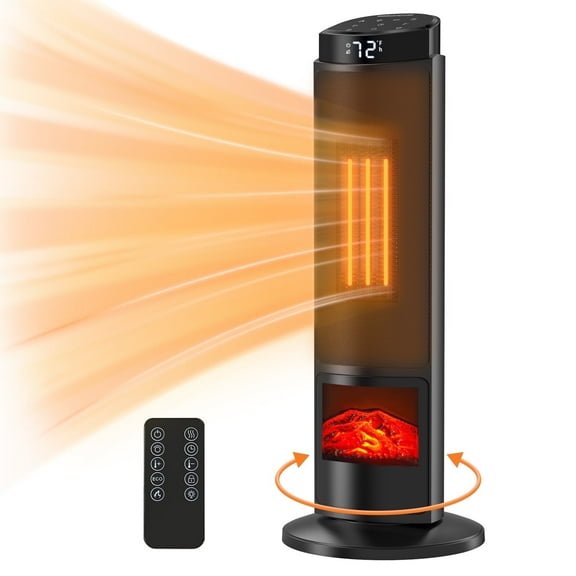


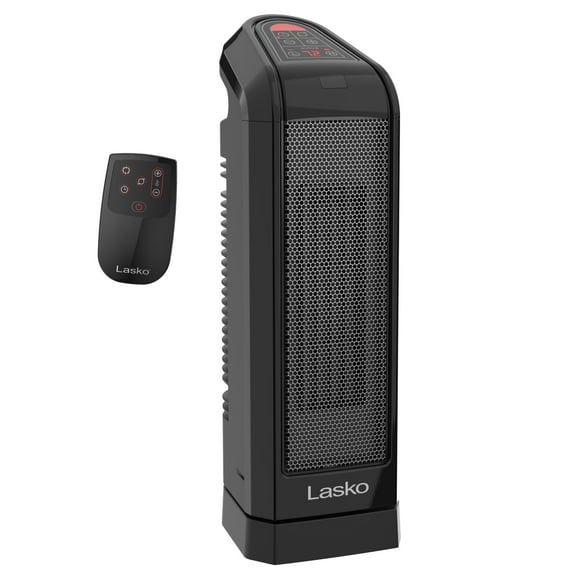
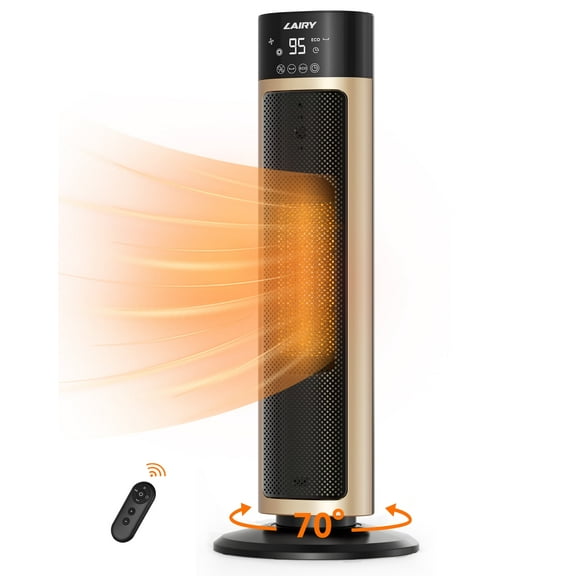
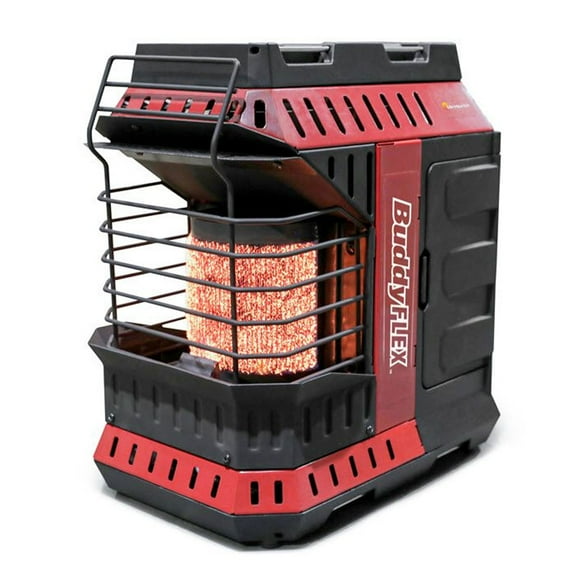









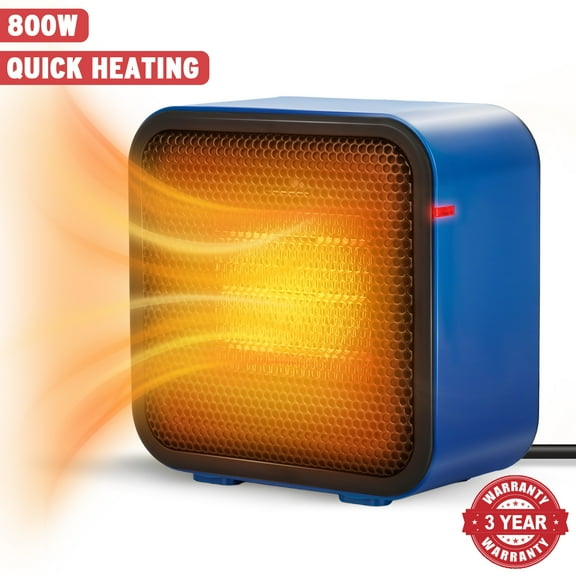


About Portable and Electric Space Heaters - Walmart.com
Small heaters help you warm personal areas without giving up floor space or moving a bulky unit. You can compare heating technology, room coverage, and safety features for your desk, bedroom, or office.
If you’re choosing space heaters for everyday indoor use, you’ll want guidance that matches your routine. You can focus on wattage, controls, and protective features that support steady comfort in compact areas.
How to choose small heaters for your space
Room size should guide your first decision, because you can find a suitable match when output fits your area. You can check wattage and BTU rating to estimate whether a heater suits your personal zone, small room, or medium room.
For your desk or reading corner, you may prefer personal heaters or mini space heaters with focused output. For your bedroom or den, you can compare models made for under 150 square feet or up to 300 square feet.
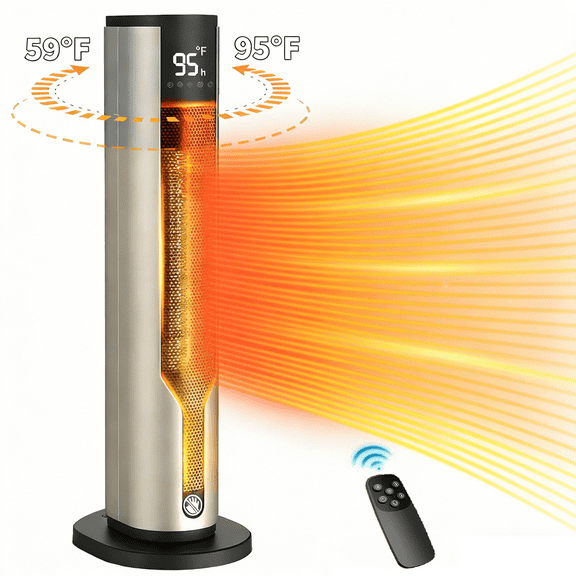
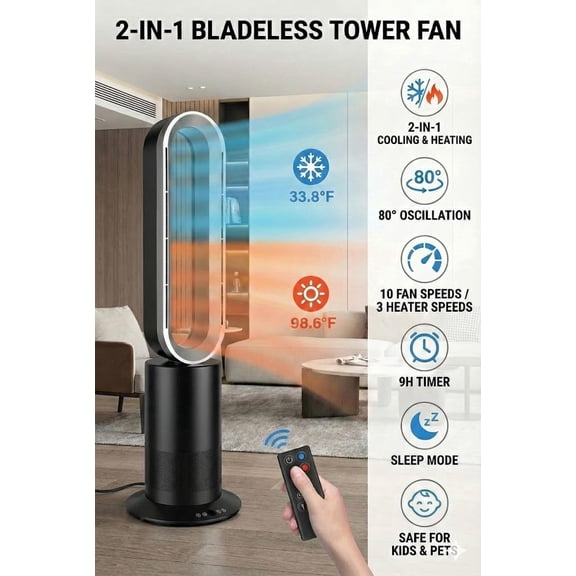
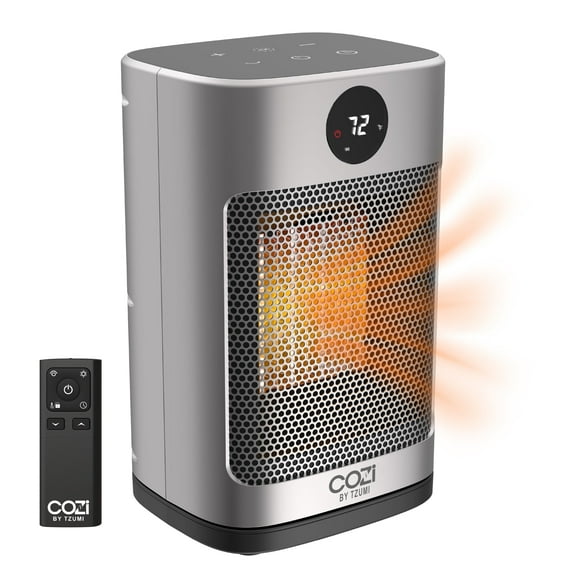
Control style also changes your daily use, especially when you want quick adjustments during busy routines. You can choose a manual dial for simplicity, a digital thermostat for precision, or remote and Wi-Fi controls for easier changes.
- You can match ceramic, radiant, infrared, oil-filled, and fan-forced options to your comfort style.
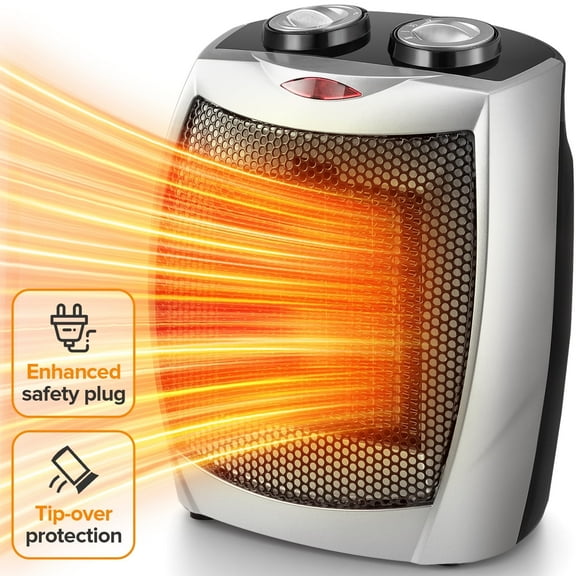
- You can look for tip-over switches, overheat protection, and cool-touch housing for added confidence.
- You can compare personal, small-room, and medium-room coverage before you pick your heater.
- You can check digital thermostats, eco modes, and timers when you want more control.
Comparing space heaters by heating technology
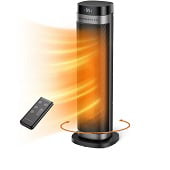
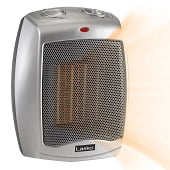
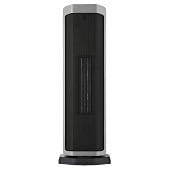
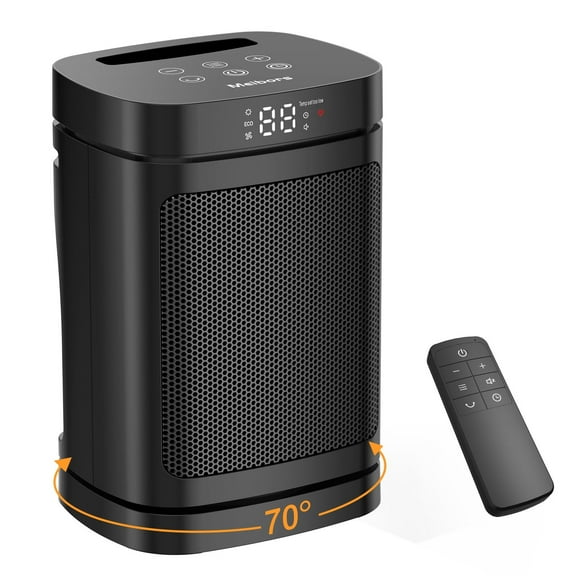
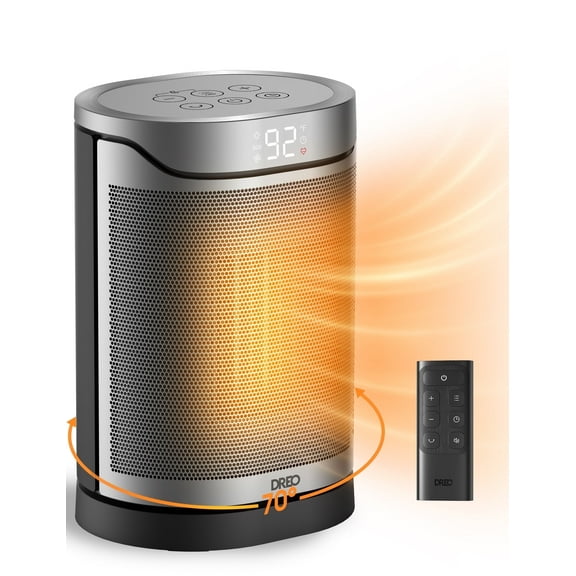
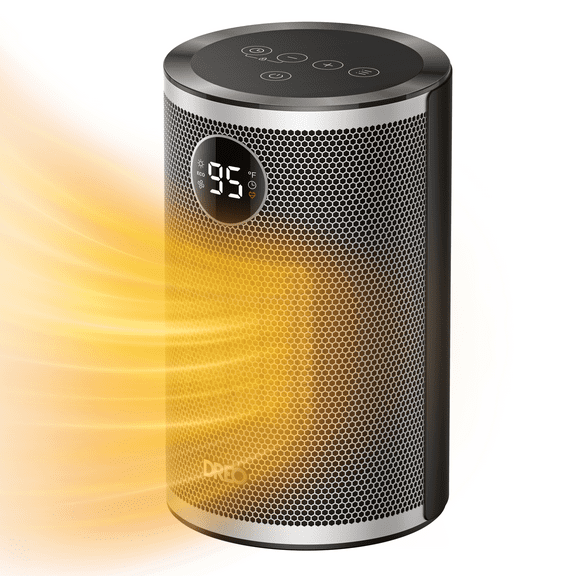
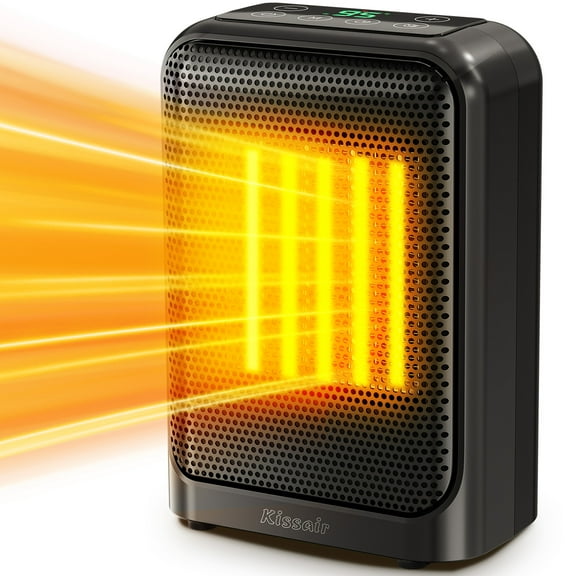
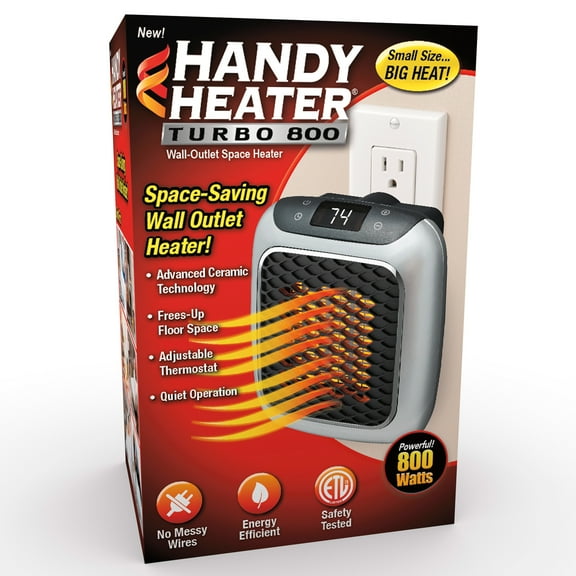
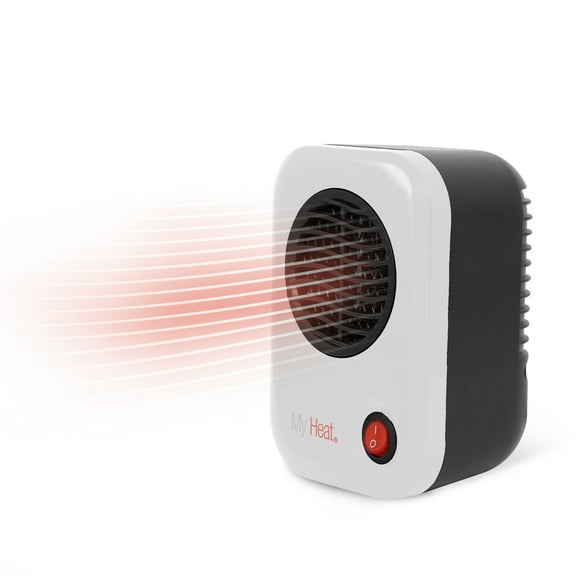
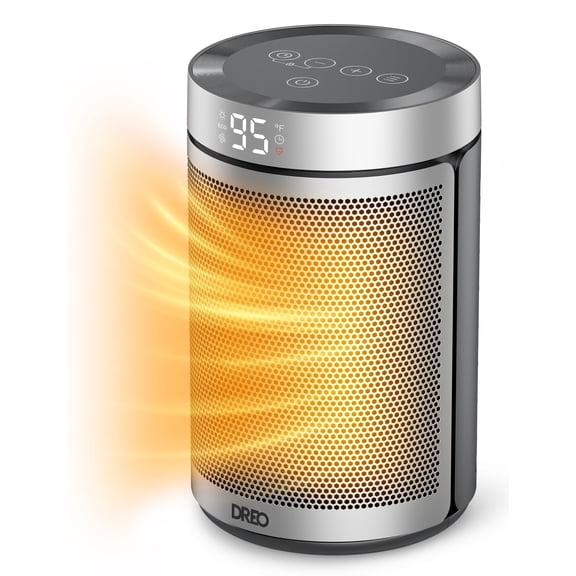
Ceramic space heaters often fit your needs when you want quick warmth and a compact footprint. You’ll often see them in portable heaters for desks, bedrooms, and other smaller indoor spaces.
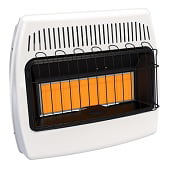
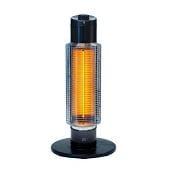
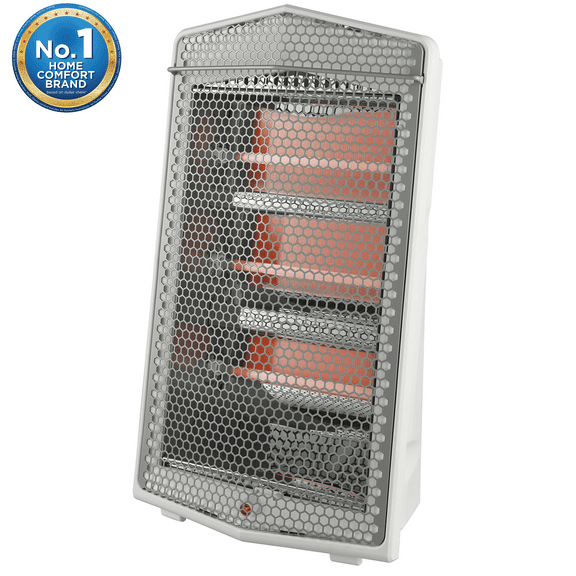
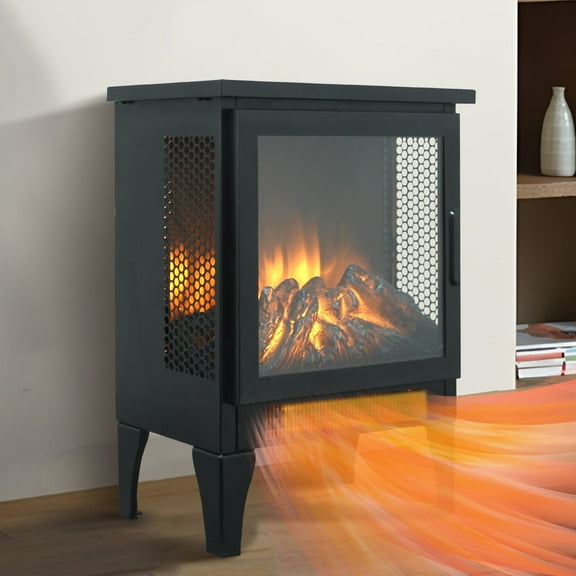
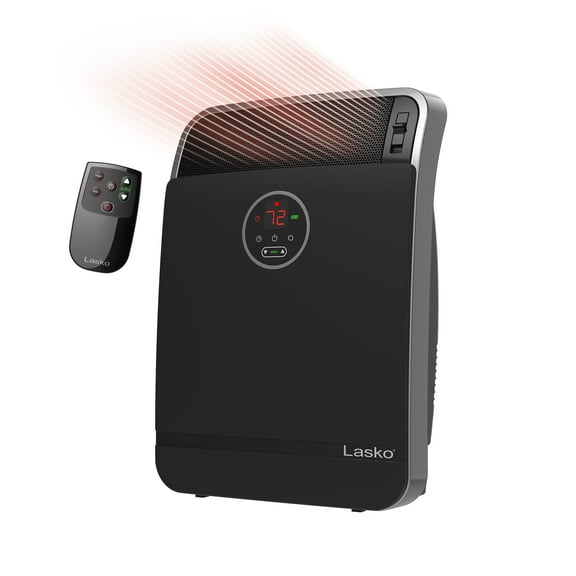
Radiant and infrared options direct heat toward you and nearby objects instead of pushing warm air across your room. You may like that approach when you sit in one spot and want focused comfort fast.
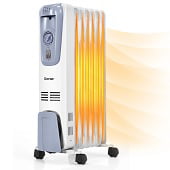
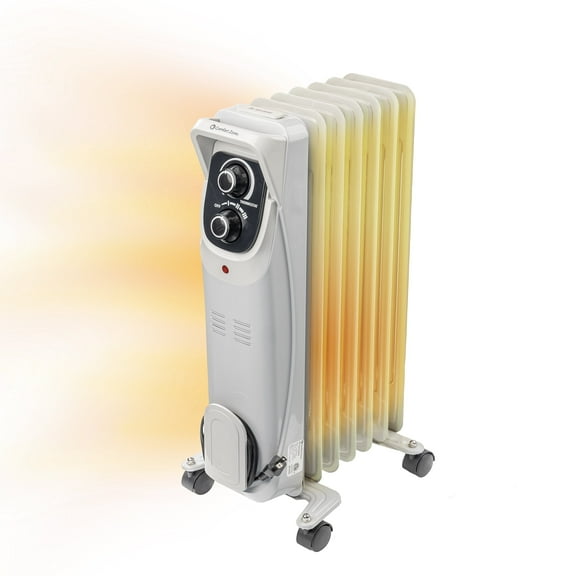
Oil-filled models often suit you when you want steady heat with less fan noise. You can place them in your bedroom or work area where quiet operation matters during long stretches.
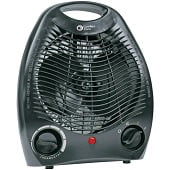
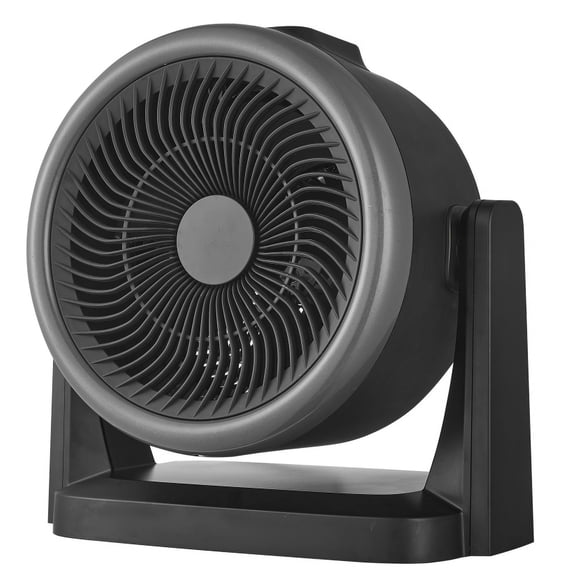
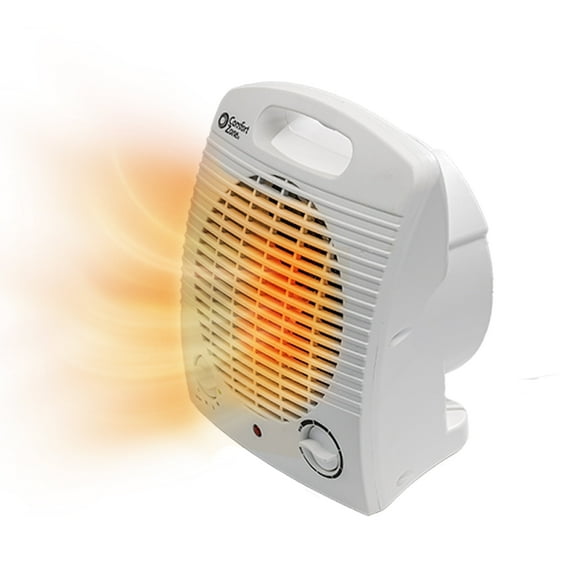
Fan-forced heaters can help you move warmth through your room more evenly. You’ll want to compare airflow and sound levels if you need an office desk heater that won’t distract you.
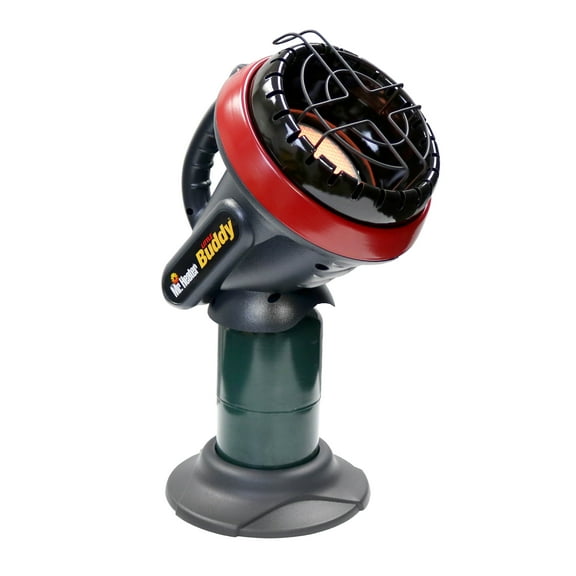
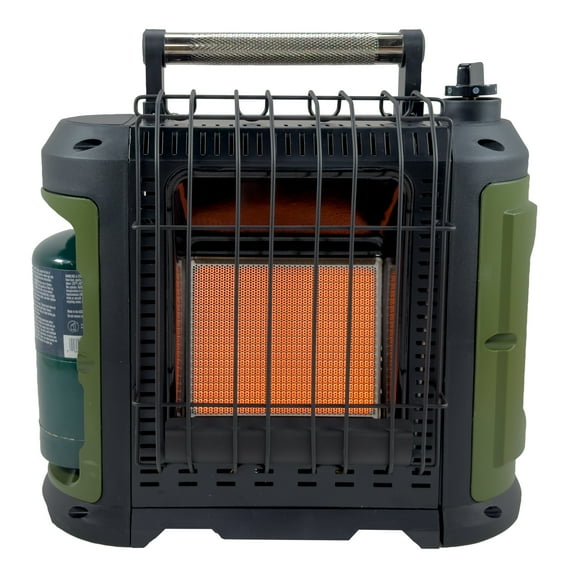
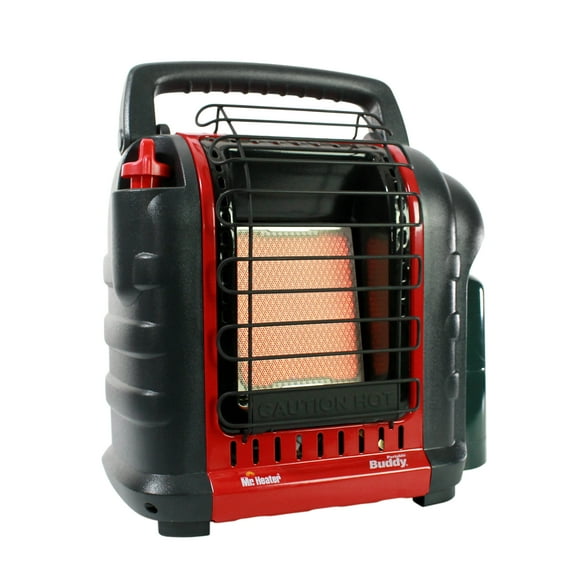
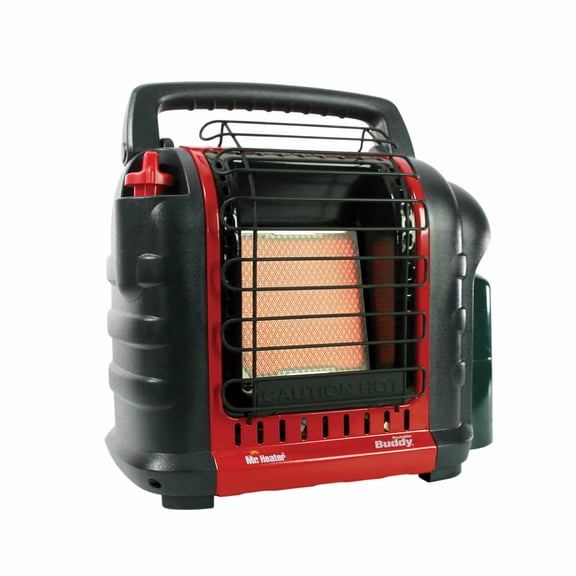
Power source matters too, because you’ll shop differently for your home, workshop, or backup setup. You can compare electric, propane, and battery-powered options based on where and how you plan to use them.
What to look for in portable heaters and safety features
Safety features deserve close attention when you’re placing indoor heaters around pets, kids, or active walkways. You can look for a tip-over switch that turns your unit off if it tilts.
Overheat protection is another feature you may want when you run your heater for longer periods. You’ll also notice cool-touch housing on some models, which can make handling and placement feel simpler.
Wattage affects both your heating reach and outlet planning, so you’ll want to compare output before you choose. You can use product details to see whether your heater fits your room size and power setup.
Noise level can shape your experience more than you expect, especially in your bedroom and home office. You may prefer quiet fan technology or oil-filled designs when you need warmth during calls, reading, or sleep.
Energy use often comes down to controls, not just your heater size. You can look for eco modes, programmable timers, and thermostats that help maintain a consistent setting through your day.
Matching portable heaters to everyday use
Your routine can help you narrow choices quickly instead of reading a long feature list. You can use an office desk heater for focused warmth during work, while a small-room unit may fit your nursery, guest room, or study.
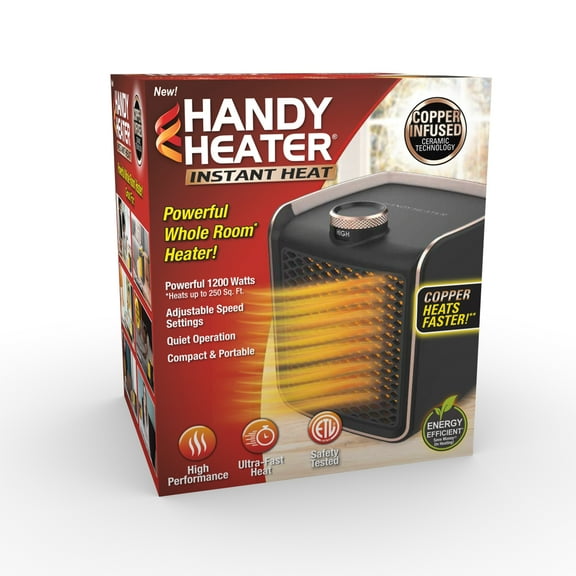
If you move from room to room, portable heaters with carry handles and compact dimensions can feel easy to manage. You’ll want to check height, width, and cord length so placement works with your furniture layout.
For your shared living spaces, you may want a heater with a digital thermostat and wider coverage. You can compare medium-room options when you need more even warmth in your den, family room, or enclosed basement.
Personal heaters can make sense when you only need heat close to your chair, sofa, or vanity. You may find that mini space heaters suit your apartment corner, dorm setup, and smaller workstation.
During colder months, you might want one unit for daytime work and another for evening downtime. You can compare indoor heaters by size, noise, and control type to keep each space more comfortable.
When you use the right match for your room and routine, you can enjoy practical comfort from a compact appliance. You can feel more confident when you compare technology, coverage, and built-in protections before choosing.