






Purple Spring Bulbs & Flower Bulbs Near Me | Walmart





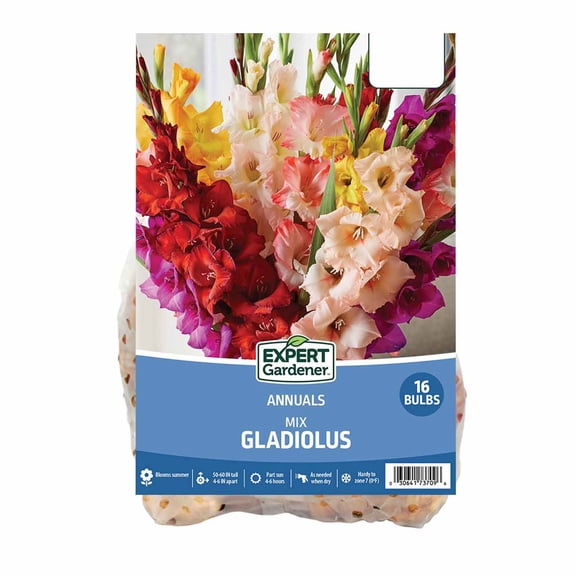


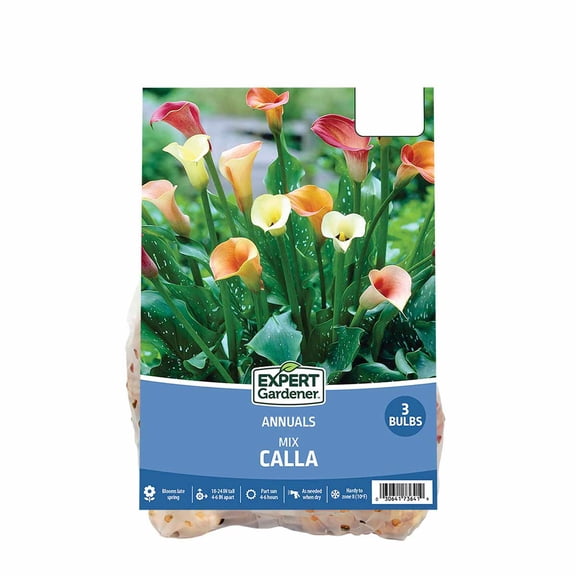


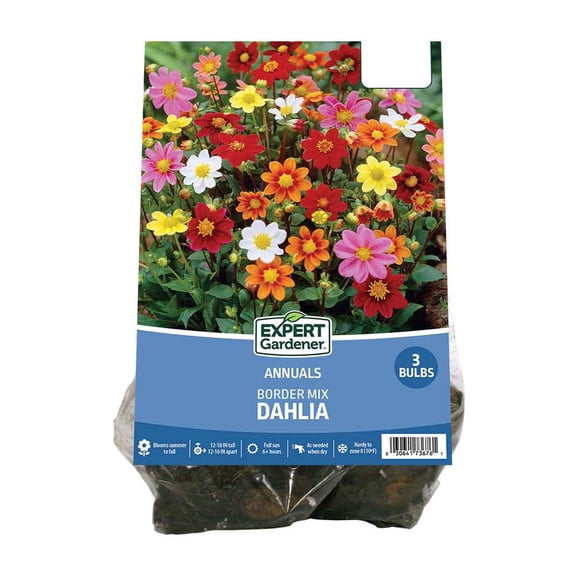
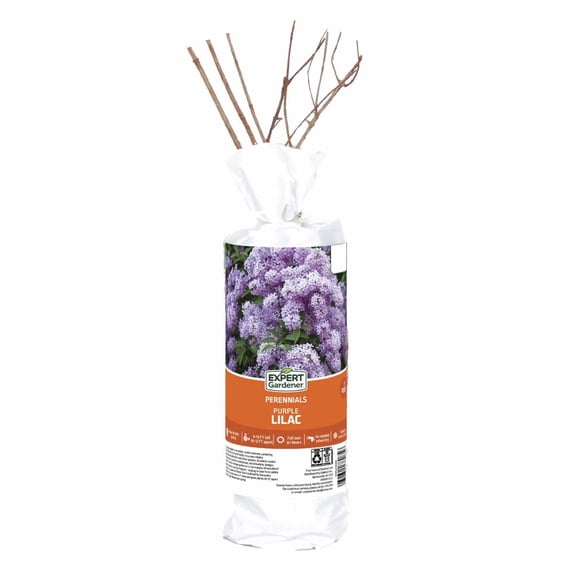








About Purple Spring Bulbs & Flower Bulbs Near Me | Walmart - Walmart.com
Spring bulbs help you plan colorful beds, borders, and containers with bloom times that carry your yard through the season. You can compare flower type, planting depth, light needs, and hardiness zones to choose bulbs that fit your space.
You may shop this category when you want clear planting guidance, not just variety names on a grid. You’ll also want options like tulip bulbs, daffodil bulbs, hyacinths, crocus, and alliums for layered spring color.
Choosing spring bulbs by flower type
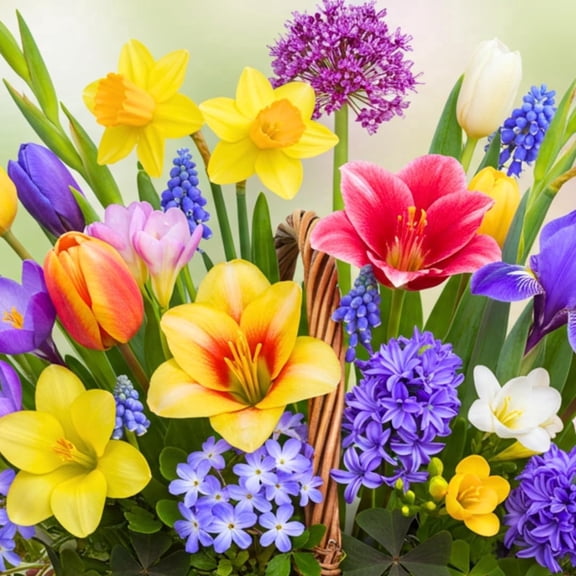
You can use flower type to shape the look and timing of your planting plan. You’ll often see tulips for bold cup-shaped blooms, while daffodils bring trumpet centers and dependable naturalized color.
If you want fragrance near paths or entryways, you may consider hyacinths for dense flower clusters. If you need early color, you can look at crocus, while alliums add globe-shaped blooms and tall structure.
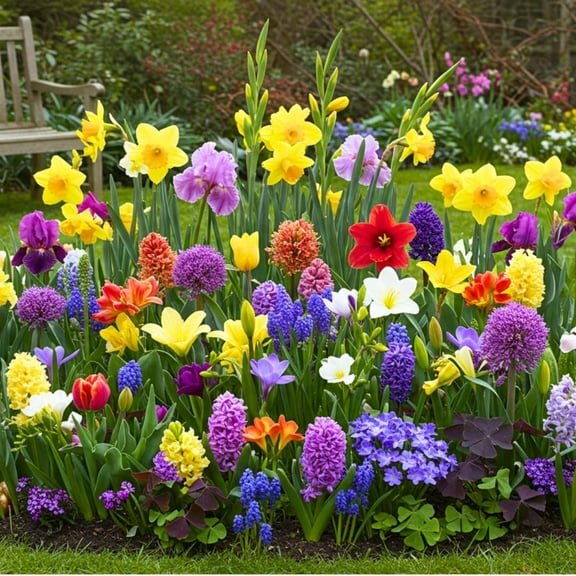
You’ll get a more balanced display when you mix early, mid, and late spring flower bulbs. You can pair crocus first, then daffodils and tulips, and finish with alliums for longer seasonal interest.
How to compare flower bulbs for spring planting
You’ll make faster decisions when you compare the practical benefits each bulb type brings to your garden plan. You can use these points to match flower bulbs for spring planting to beds, borders, and containers.
- You can create staggered bloom times by mixing early, mid, and late spring planting bulbs.
- You can match bloom height to your layout, with crocus low and alliums taller.
- You can choose colors and shapes that suit borders, entry planters, or cut-flower gardens.
- You can simplify planting by grouping bulbs with similar depth and light needs.
- You can improve repeat garden interest by selecting types known for naturalizing in the right zones.
You may also want to compare pest resistance as part of your decision process. You’ll often notice daffodils and alliums are popular picks when you want bulbs that many gardeners choose for lower animal interest.
When you plan mixed beds, you can use spring planting bulbs to fill gaps left by fading winter landscapes. You’ll get a fuller look when you plant in clusters instead of single rows.
Choosing planting depth and spacing
You should check planting depth because it affects root setup, stem support, and bloom performance. You’ll usually see categories like 2 inches, 4 inches, and 6 inches, which help you sort bulbs by planting needs.
If you’re planting smaller bulbs like crocus, you may look for shallower depth guidance around 2 inches. If you’re planting many tulip bulbs or daffodil bulbs, you’ll often compare guidance closer to 4 or 6 inches.
You can also check spacing so your bulbs have room to develop and still look full in bloom. You’ll typically plant tighter for a dense display and wider when you want room for natural spreading.
Before planting, you should loosen the soil so your bulbs settle evenly and drain well. You’ll usually want the pointed end facing up, which makes placement simpler when you plant several varieties.
Matching spring bulbs to light and hardiness zones
You should compare light requirement labels before you choose bulbs for a bed or container. You’ll commonly see full sun, partial shade, or full shade, and each option helps you narrow choices for your yard.
If your planting area gets open daylight for much of the day, you can focus on bulbs marked for full sun. If trees or structures filter light, you may need partial shade options that suit gentler exposure.
You also need to check USDA hardiness zones because zone ratings are a key decision point. You’ll often compare labels such as zone 3-8, zone 4-9, or zone 5-10 to match your local climate pattern.
You can use zone guidance to choose bulbs that align with your winter lows and spring warmup. You’ll make more confident picks when your spring bulbs match both your light conditions and your hardiness zone.
When to plant and where spring bulbs fit
You should plan planting when soil has cooled but is still workable, which is often fall in many areas. You’ll usually want ground temperatures cool enough for rooting before deep winter sets in.
If your area stays warm longer, you may plant later after summer heat has fully eased. If your area cools early, you can start sooner so your bulbs establish before the ground hardens.
You can use spring flower bulbs in front borders, mailbox beds, walkway edges, raised beds, and porch containers. You’ll also find them useful for layered plantings with pansies, ground cover, or emerging perennials.
For a natural look, you can scatter groups in uneven clusters instead of strict lines. For a formal look, you may repeat one flower type in bands to create clear color blocks.
You can also plan around bloom purpose, whether you want cut flowers, early curb appeal, or long-lasting garden rhythm. You’ll get stronger visual flow when your heights, bloom windows, and colors work together.
With spring bulbs, you can build a planting plan around climate, light, depth, and bloom timing. You’ll feel more prepared when you choose bulbs that fit your zone and your garden layout from the start.