


Find auto parts that fit
Let’s search for parts that fit your vehicle.Spring Compressor & Strut Compression Tools - Walmart




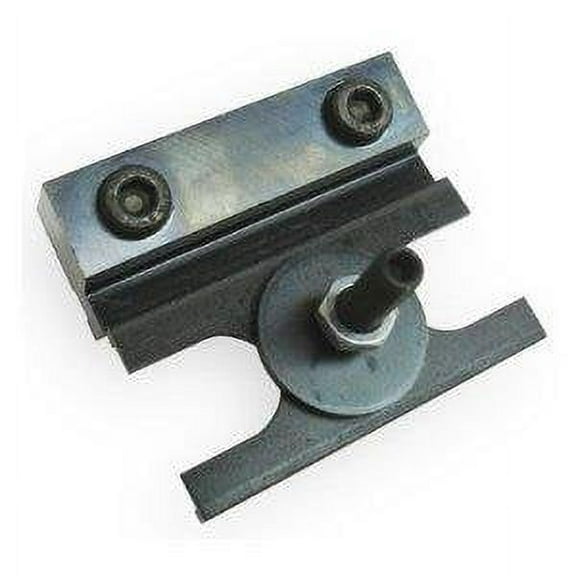
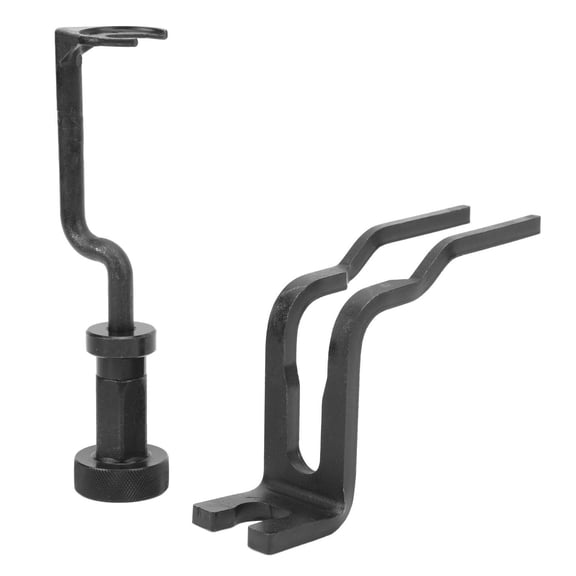
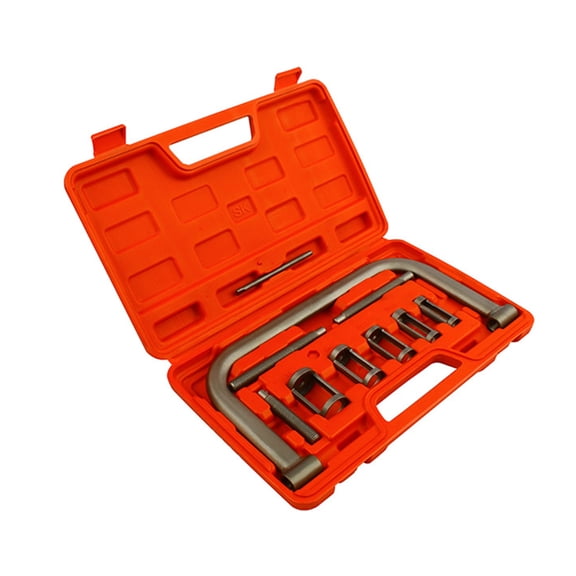

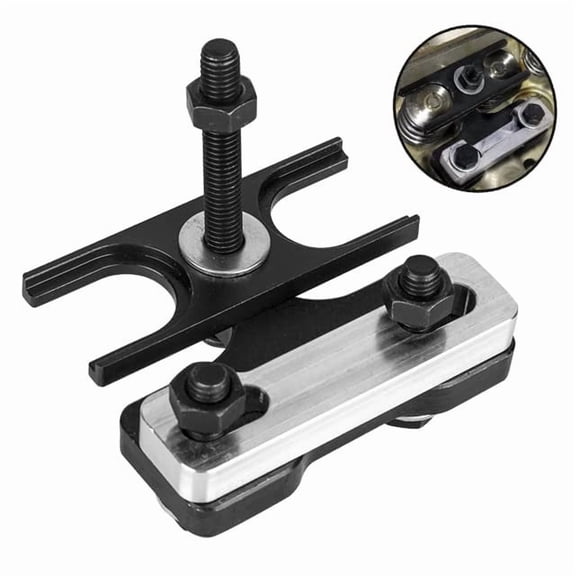
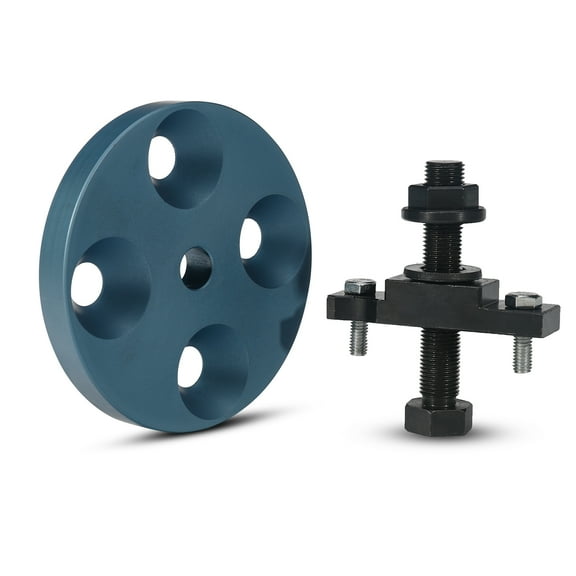
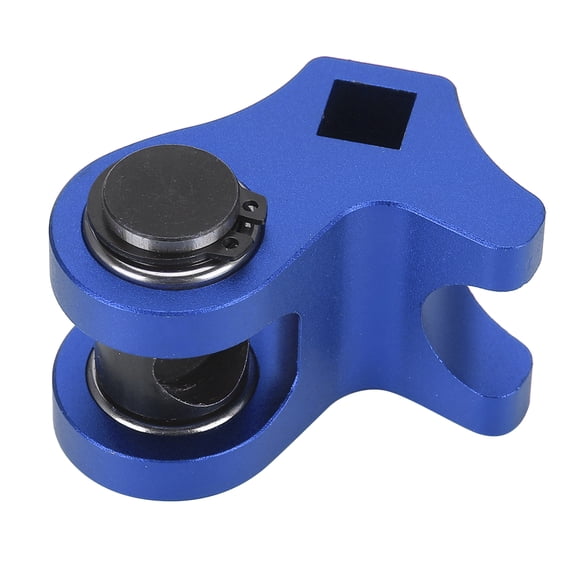
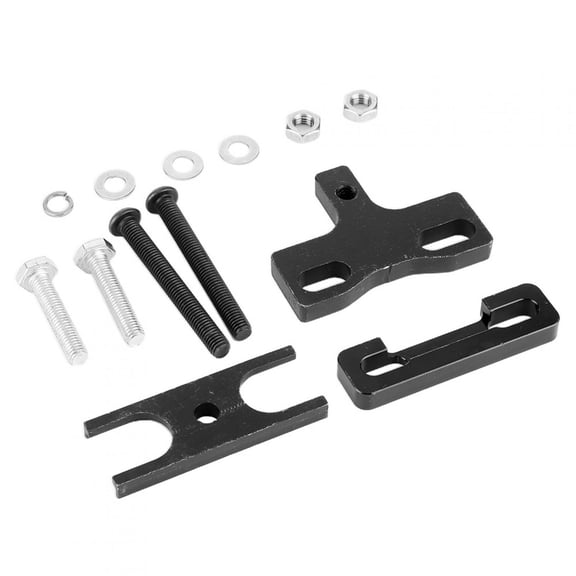
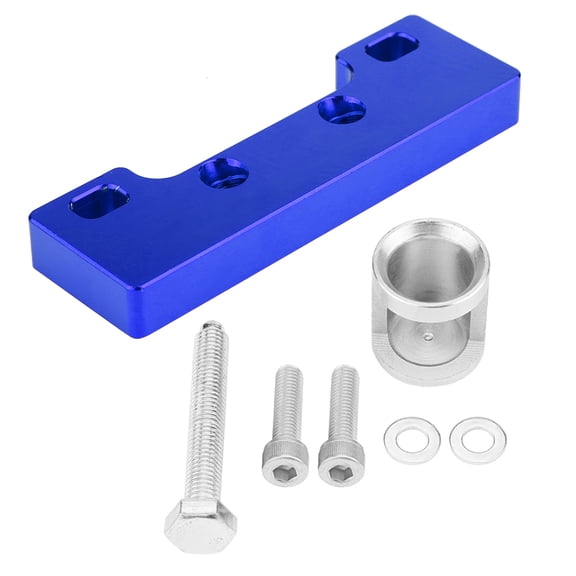






About Spring Compressor & Strut Compression Tools - Walmart - Walmart.com
You need a spring compressor that matches your repair, your vehicle fitment, and your workspace. You can compare suspension and engine tool types here, so your choice fits coil diameter, strut design, and valve service needs.
If you're replacing struts or working on cylinder heads, you need clear differences between tool styles. You can use this guide to compare fitment points, operating styles, and design details that matter during automotive service.
How to choose a spring compressor
You should start with the application type, because suspension springs and engine valve springs need different tools. You can narrow your choice when you separate coil spring jobs from valve spring service.
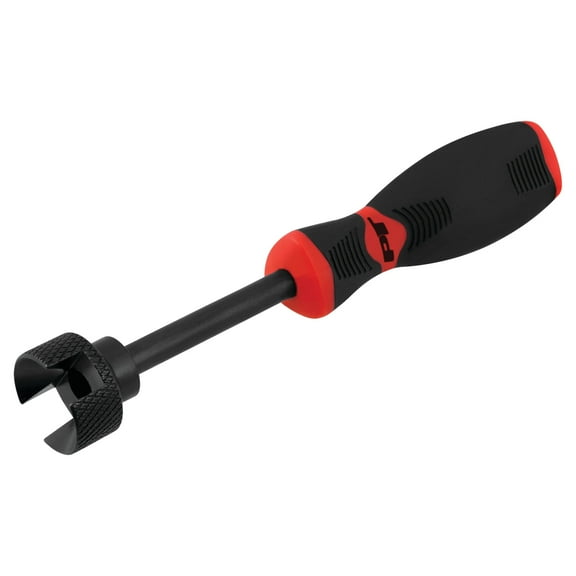
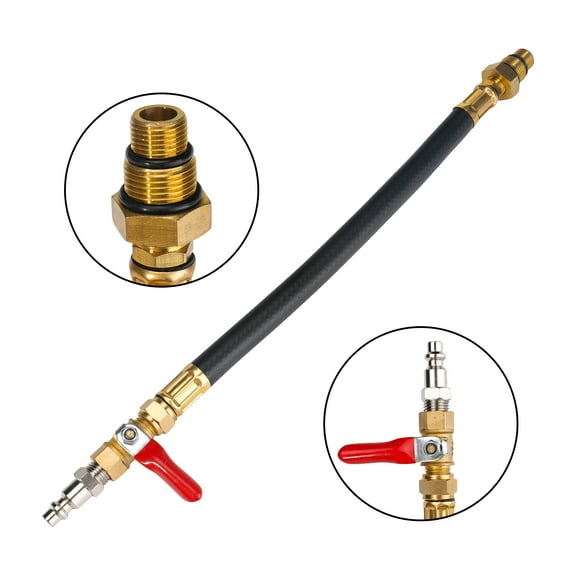
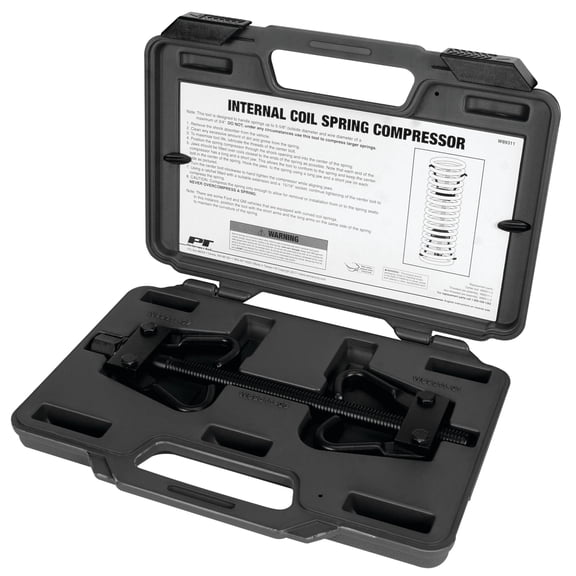
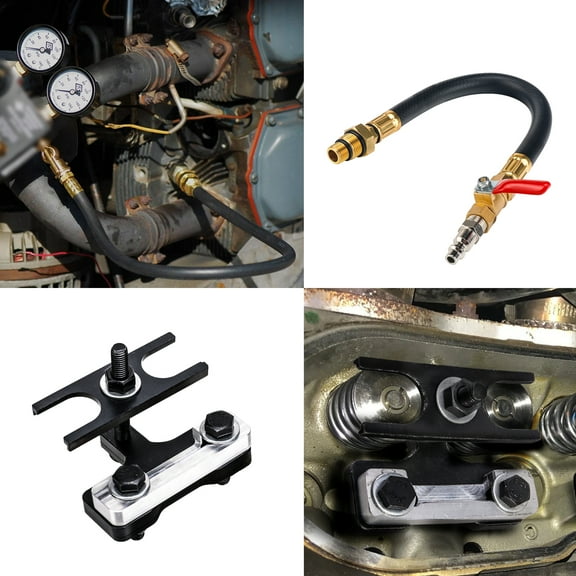
For suspension work, you may need a coil spring compressor or a strut spring compressor. For engine work, you may need a valve spring compressor, a valve holder tool, or a pneumatic valve holding tool.
You should also compare your vehicle fitment before you choose a tool. You can check strut type, spring diameter, and coil spacing, because those measurements affect jaw reach and tool clearance.
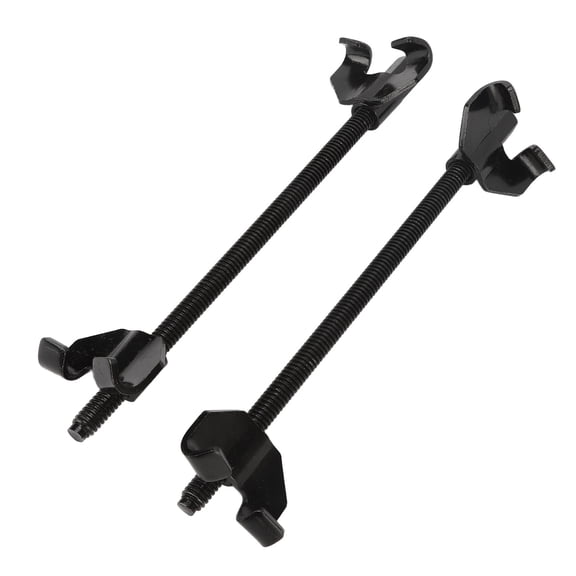
- You can use coil spring tools for compressing suspension coils during strut service.
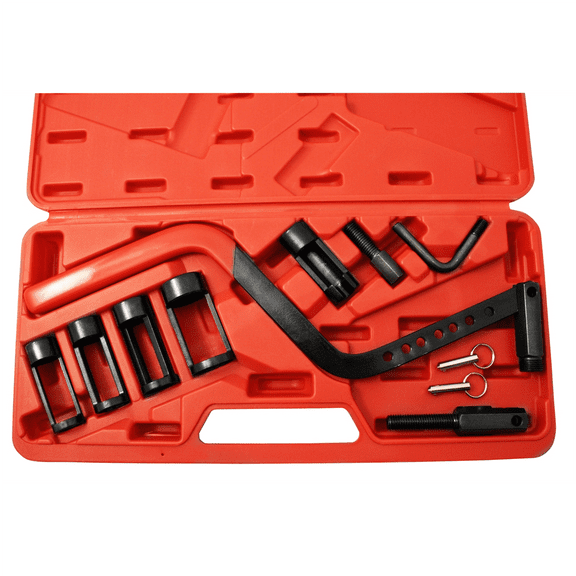
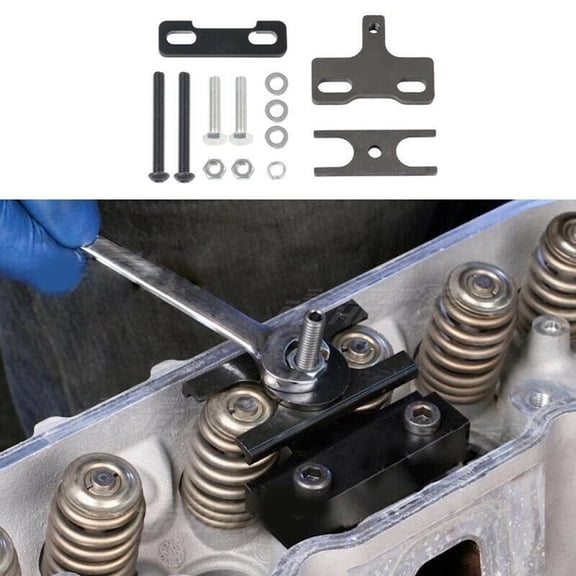
- You can use valve spring tools when you're removing retainers and servicing cylinder head springs.
- You can compare manual, pneumatic, and hydraulic operation based on your garage setup.
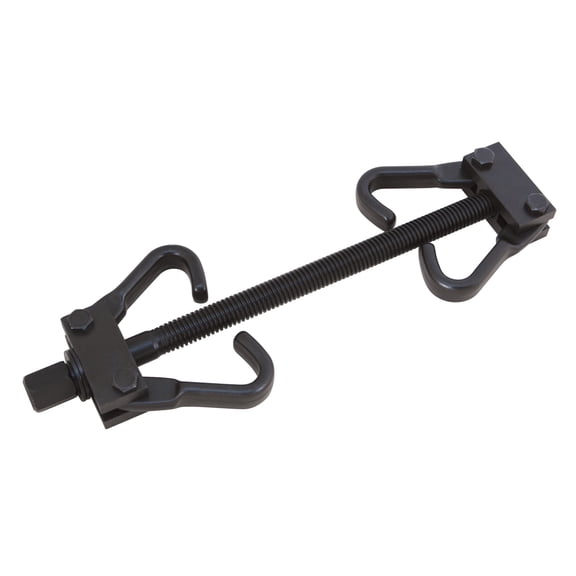
- You can check external hook, clamping jaw, plier, and internal sleeve designs for access needs.
You can make an informed decision when you compare the job before the tool style. You should match your repair first, then compare operation, fitment, and tool design.
Choosing tool type and operation
You should match tool type to the repair, not just the vehicle name. You can avoid fitment issues when you compare the spring location, working angle, and available clearance first.
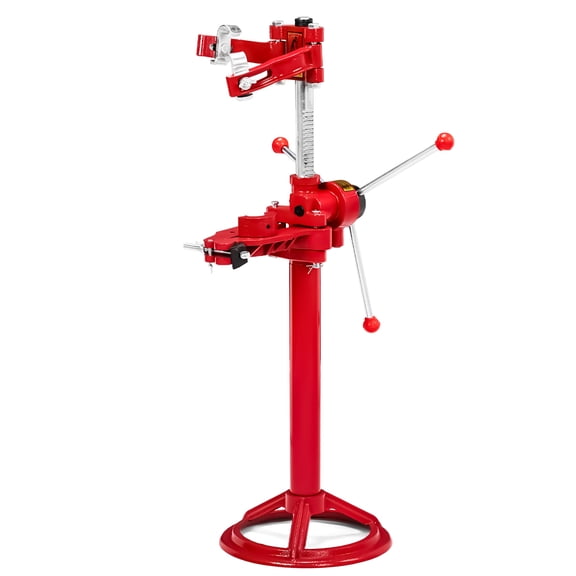
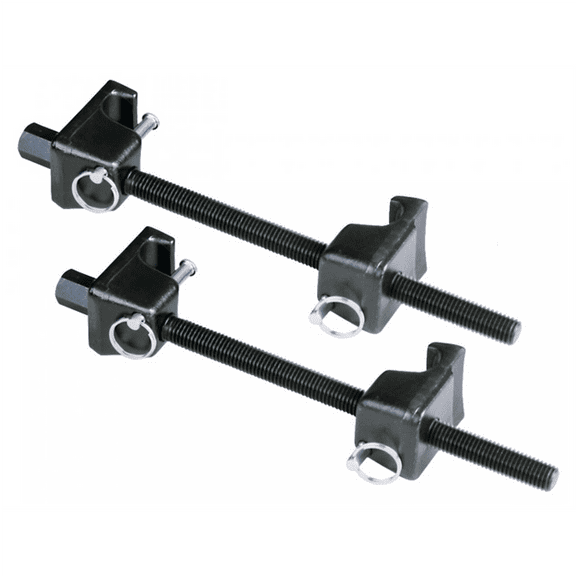
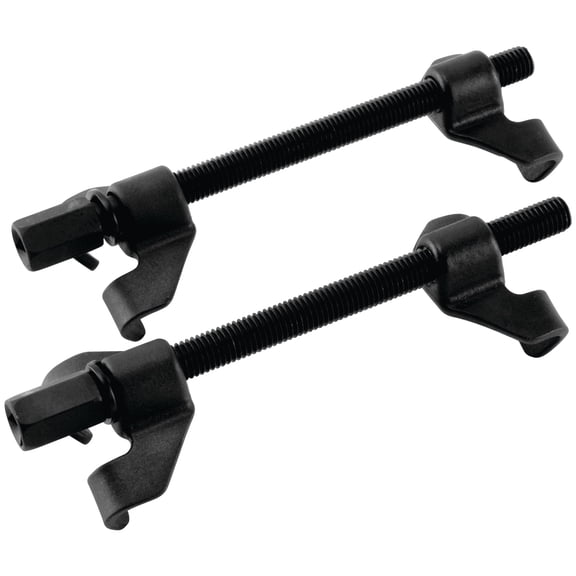
A coil spring compressor usually fits standalone coil service and many suspension repairs. A strut spring compressor usually supports complete strut assemblies where you need secure compression around tighter upper mounts.
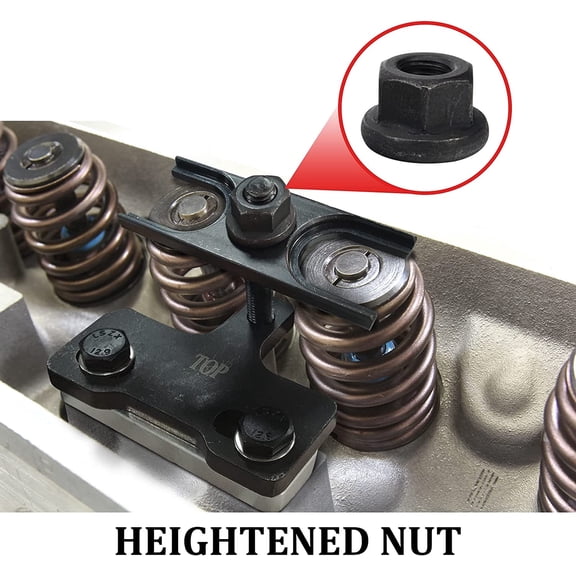
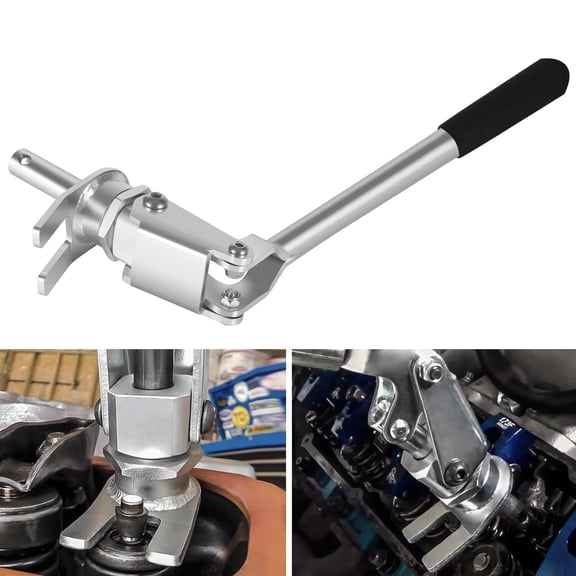
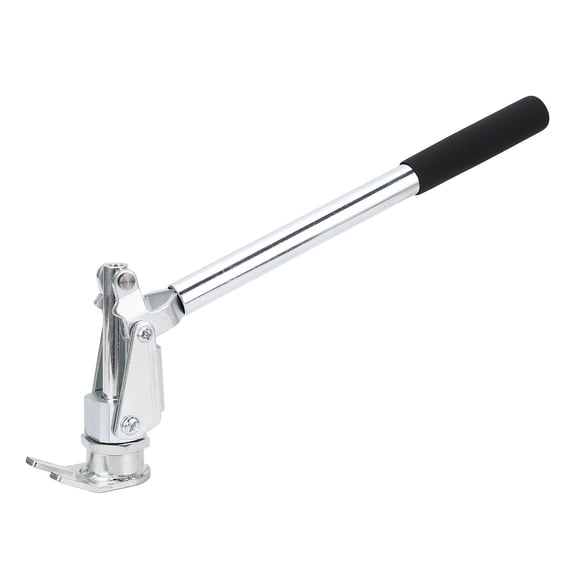
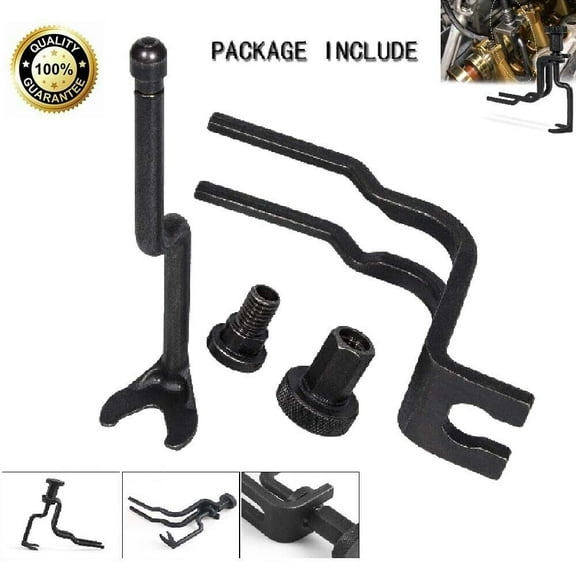
A valve spring compressor works differently because you use it around retainers, locks, and cylinder head components. You may also need a valve holder tool when your engine layout requires added support during valve service.
You can choose manual tools when you want direct hand control in a home garage. You can choose pneumatic or hydraulic styles when your workflow uses shop air or higher-force compression setups.
If you use impact wrench compatibility, you should confirm the tool supports that operation. You can look for clear manufacturer guidance, because thread design and load handling differ by model.
What to look for in fitment and design
You should treat vehicle compatibility as a decision point, not a label on the package. You can compare passenger car, light truck, heavy duty, Mercedes, and Hemi applications by checking the exact spring and access requirements.
For a spring compressor for car repairs, you should measure spring diameter and coil spacing first. You can reduce guesswork when you compare those dimensions with jaw opening and hook reach.
If you're servicing specialty suspension layouts, you may need a Mercedes spring compressor style with platform-specific access. If you're working on engine springs, you may need clearance around rocker gear or tight cylinder head spaces.
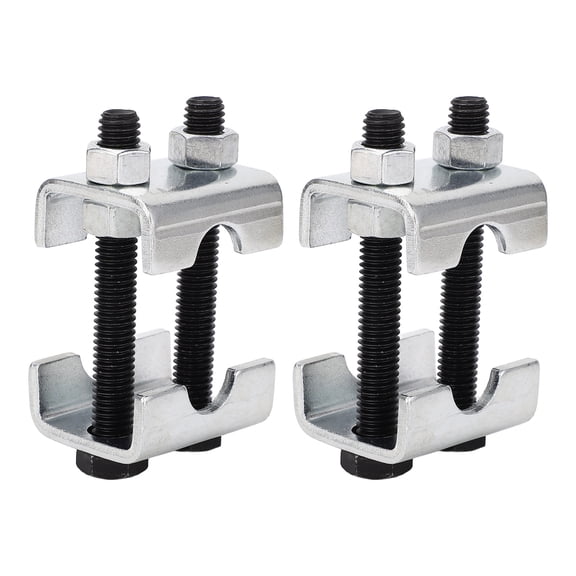
You should also compare tool design because access changes from one repair to the next. You can choose external hook tools for visible coil engagement, clamping jaws for secure hold, or internal sleeve designs for tighter spring locations.
If you're working in compact areas, you may prefer spring compressor pliers or smaller valve service tools. You can get direct access when your handle shape and jaw profile match the space around the spring.
You should look for safety pins, locking jaws, and heavy-duty drop-forged steel when reviewing tool construction. You can use those details as buying criteria because they support secure engagement and steady compression control.
Using spring compressors for real repair scenarios
You can use spring compressors during strut replacement, coilover service, and selected suspension rebuilds. You should match the tool to the strut type, because spring seat shape and upper mount clearance vary.
If you're replacing front struts on a passenger car, you may want a strut spring compressor with stable hook placement. You can work confidently when the tool aligns with narrow coil spacing and compact assemblies.
For light truck or heavy duty suspension work, you should compare load capacity and jaw reach carefully. You can use longer engagement points when springs are larger and access is less forgiving.
If you're rebuilding cylinder heads, you may need a valve spring compressor instead of a suspension tool. You can remove keepers and access valve springs more effectively when the tool matches your engine layout.
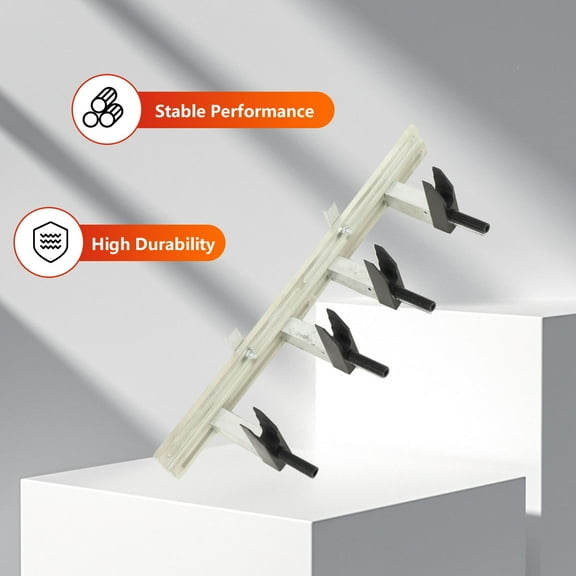
You might also compare a pneumatic valve holding tool for shop-based engine service. You can streamline repeated valve work when your setup already includes compressed air and compatible accessories.
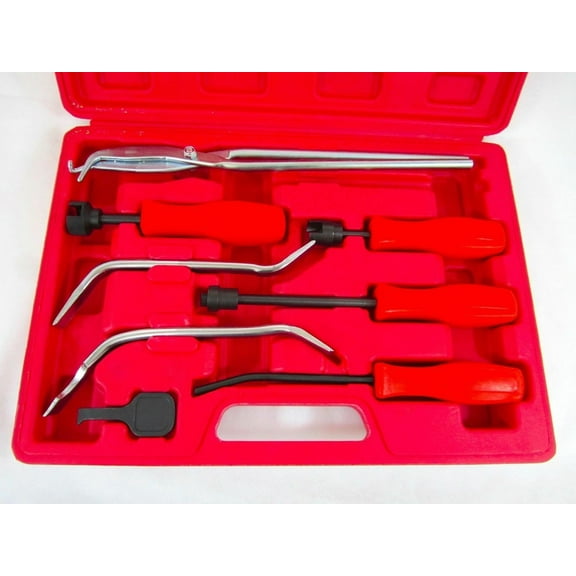
When your repair involves hatch, trunk, or brake service, you should confirm the exact specialty application first. You can also compare terms like trunk spring tool or brake decompressor, because those tools serve different mechanical jobs.
You should keep compatibility notes nearby before choosing among spring compressors for multiple vehicles. You can make an informed decision when you compare spring diameter, strut type, operation method, and tool design together.
Why these details matter for your selection
You can choose accurately when you compare application, operation, fitment, and tool design in the same place. You should focus on those details because spring service depends on controlled compression and proper component access.
With the right spring compressor tool, you can match your equipment to suspension or engine work without second-guessing fitment. You get a direct path to the parts and tools that suit your specific repair.