


Find auto parts that fit
Let’s search for parts that fit your vehicle.Steering Columns & Components in Steering Wheels & Columns


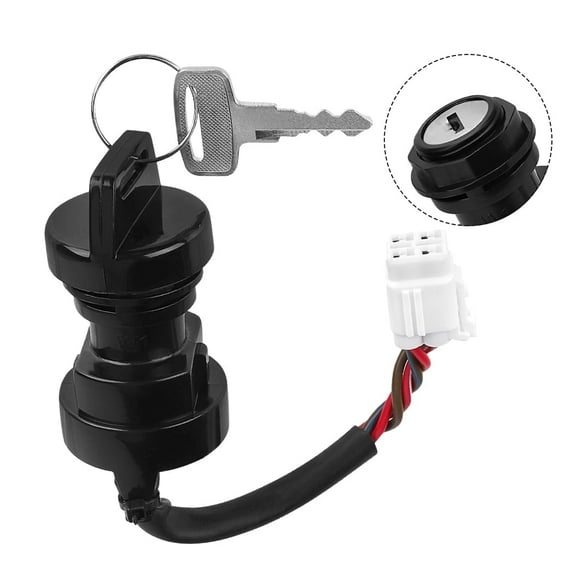


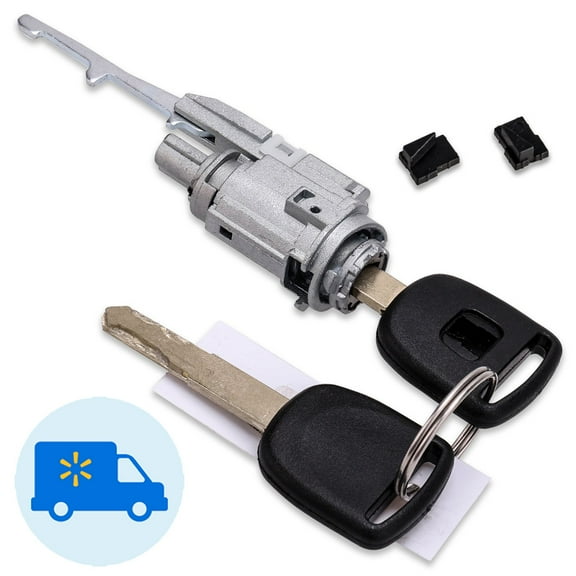

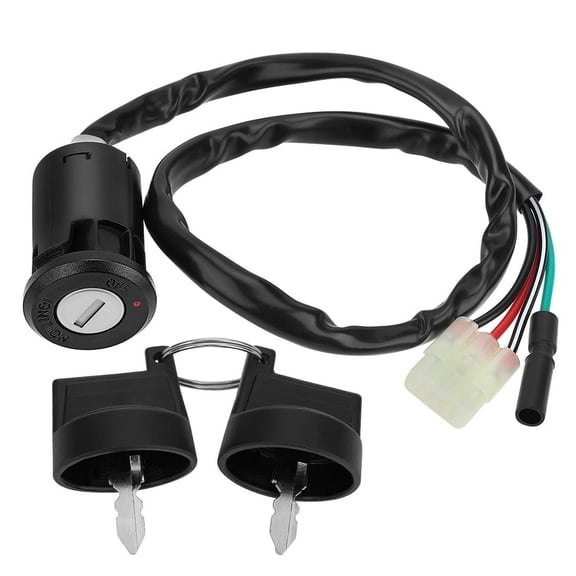
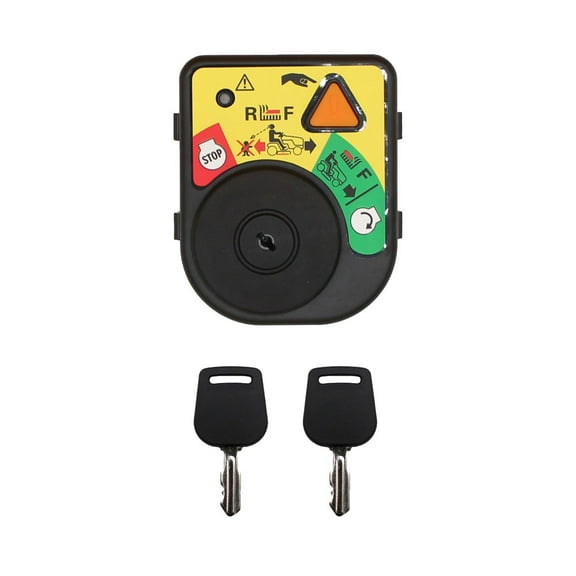
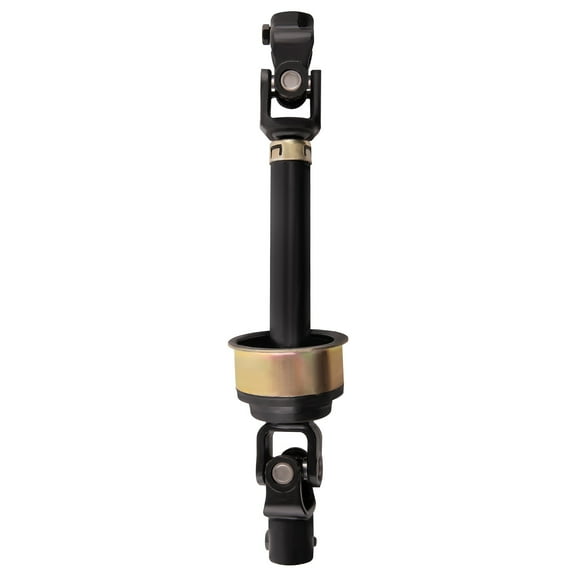
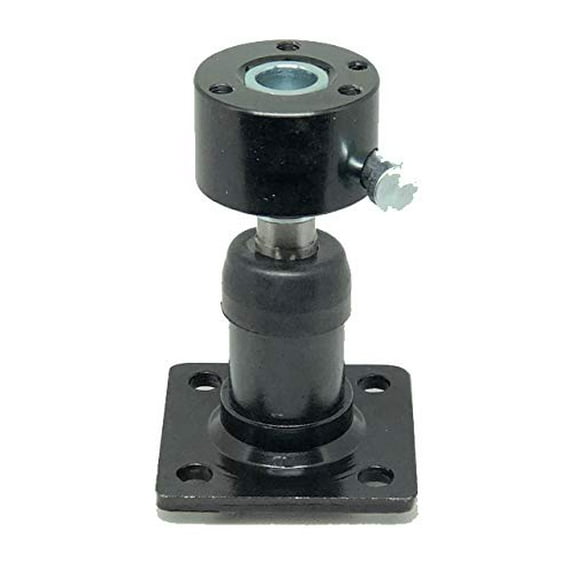

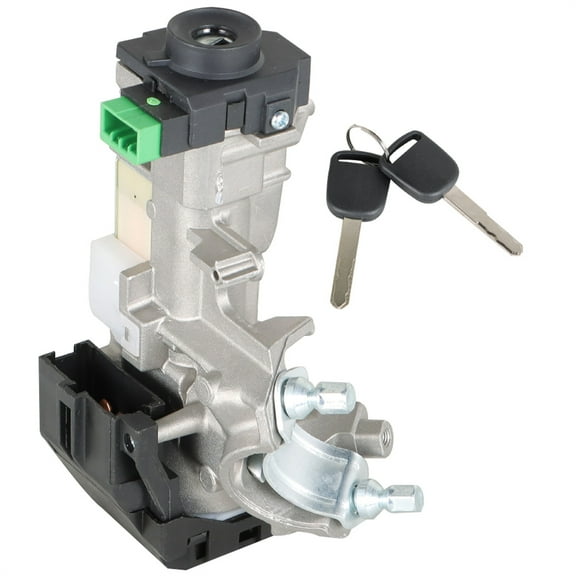


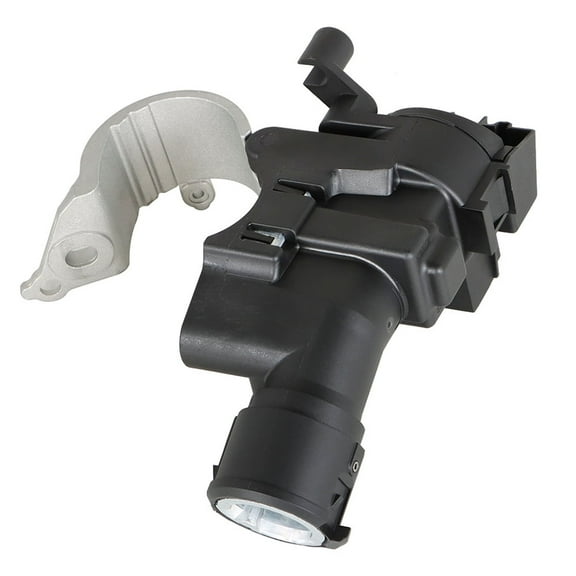


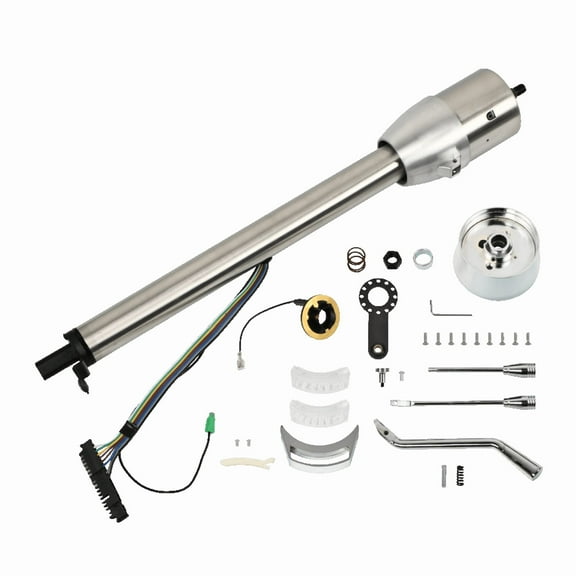
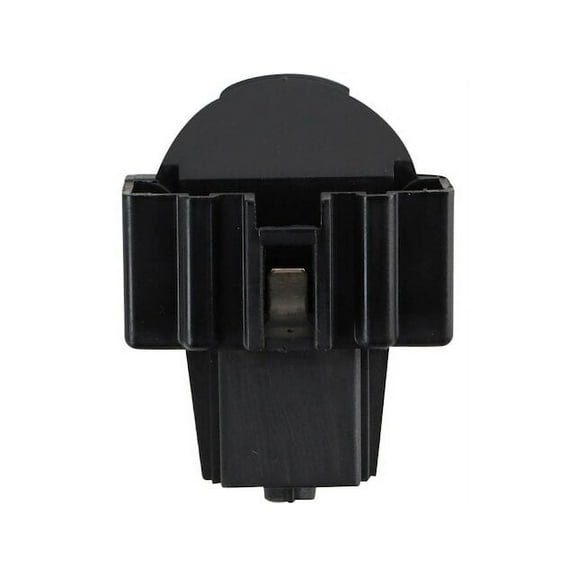


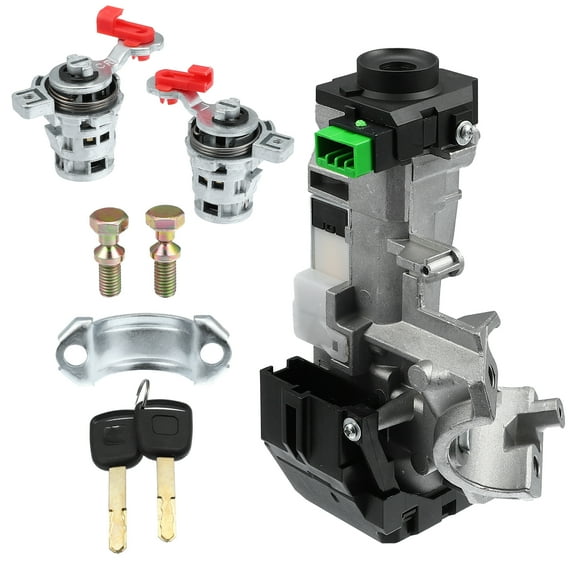


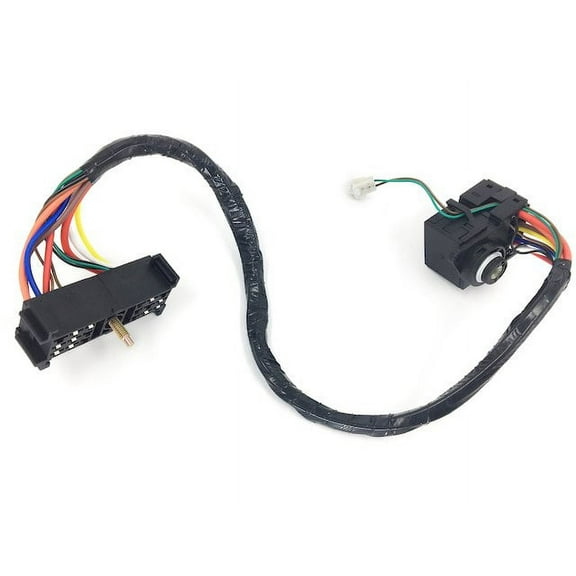
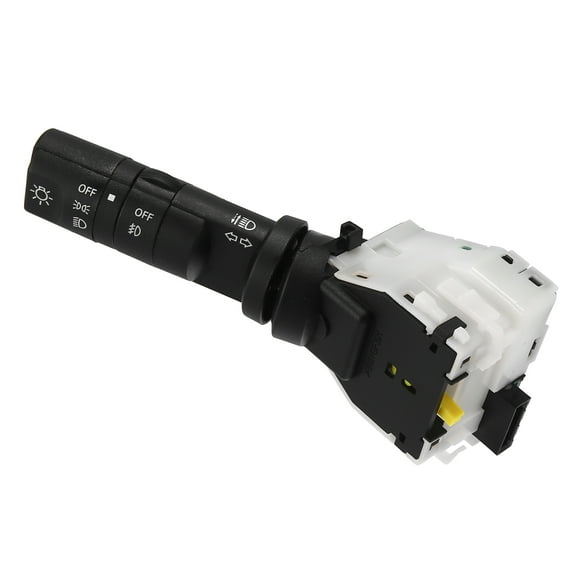
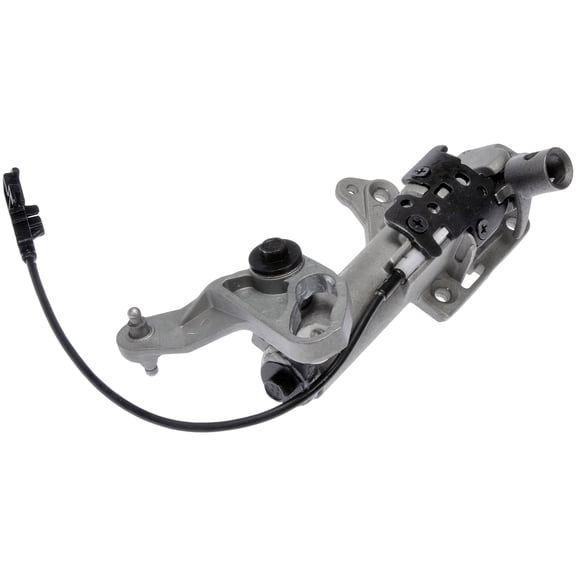
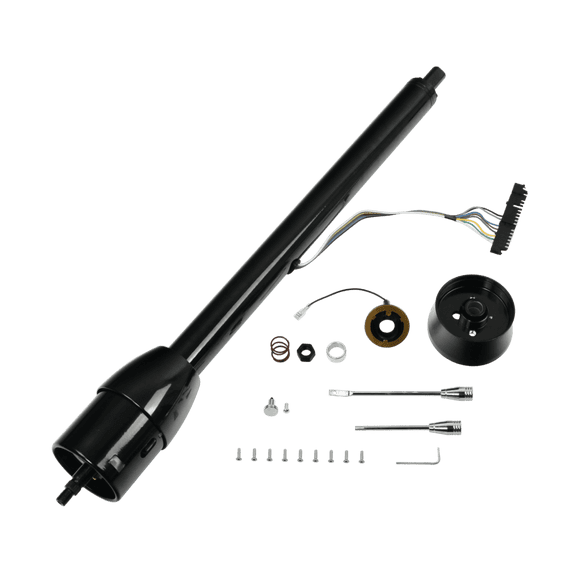


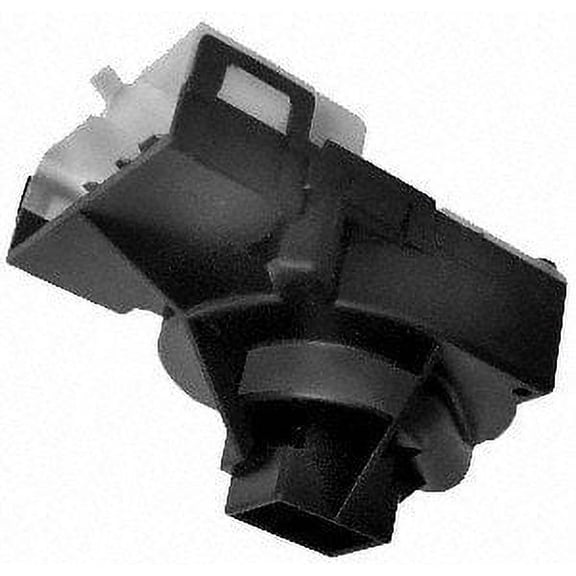
About Steering Columns & Components in Steering Wheels & Columns - Walmart.com
You can compare steering columns components by fitment, shaft design, and shift style, so your replacement matches your vehicle and steering setup. You'll also want clear compatibility details, because your steering column connects several moving parts that must align correctly.
How to choose steering columns components
Start with your vehicle compatibility, because your year, make, and model can narrow your choices quickly. You should also check spline count and double D shaft size, since those measurements affect how your parts connect.
If you're replacing a factory assembly, your direct fit option can help you match mounts, wiring locations, and column length. If you're building a custom setup, your universal option can give you more flexibility for routing and positioning.
You may also compare year/make/model specific parts when your vehicle uses unique brackets or switch housings. That approach helps you avoid mismatched connections and extra modification during installation.
Key benefits of steering column replacement parts
When you choose the right steering column replacement parts, you can restore smoother input from your steering wheel to your linkage. You can also tighten up loose feel that often comes from worn couplers, shafts, or internal hardware.
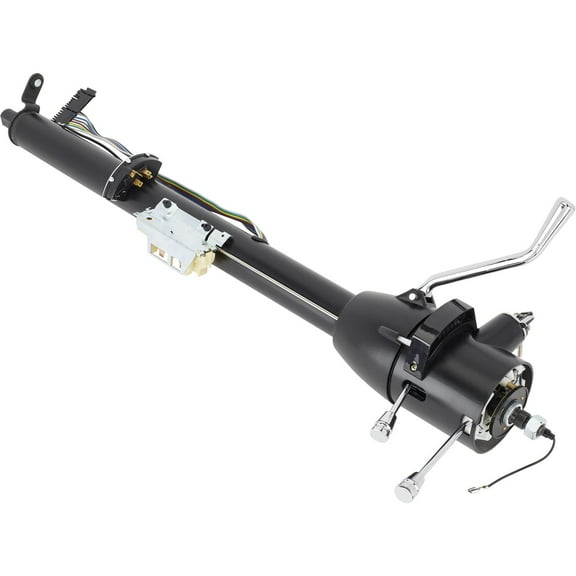
Your replacement parts can help you maintain original functions like tilt positions, shift placement, and ignition switch mounting. You'll also find it easier to keep your dashboard and column controls aligned when your fitment matches correctly.
- You can match direct fit parts to factory mounting points and wiring layouts.
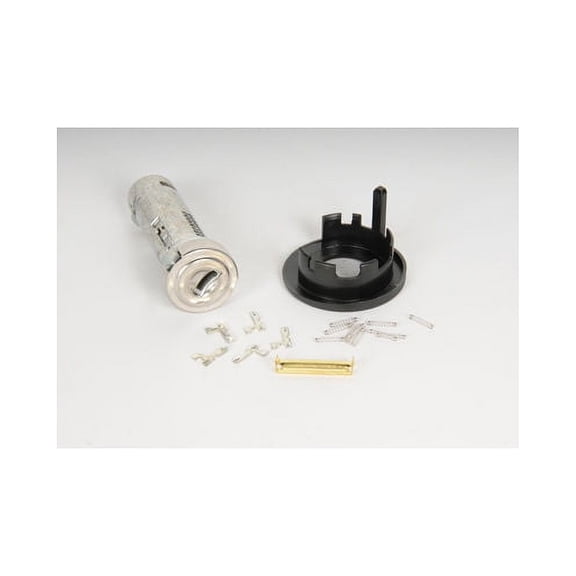
- You can choose a steering column rebuild kit when your housing is reusable but your internal parts need refreshment.
- You can replace a steering column coupling to restore a more precise connection between linked parts.
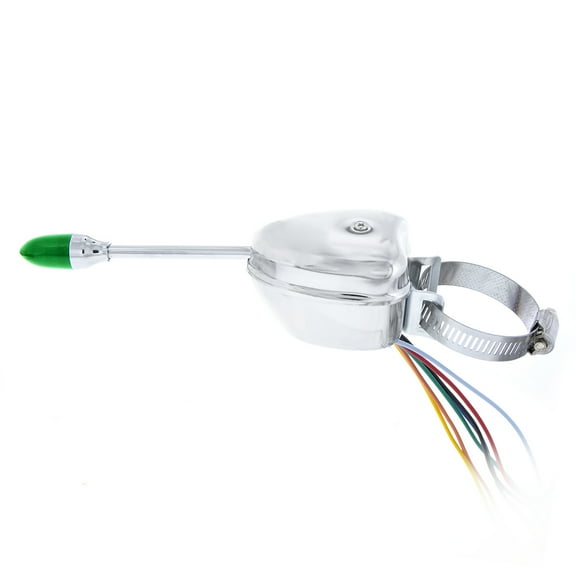
- You can compare floor shift and column shift designs to fit your transmission layout.
You'll notice these choices are specific to steering systems, not general hardware, because your column must coordinate with shafts, switches, and shifter components. You should use those details to narrow options before you begin installation.
What to look for in steering shaft components
You should compare component type first, because your repair may call for a steering shaft, coupler, ignition switch housing, or rebuild kit. Each option supports a different part of your steering column assembly and installation plan.
A steering shaft usually matters when your column-to-gear connection needs the correct length, profile, and end design. You should verify spline count or double D dimensions, because those technical details determine whether your parts mate correctly.
A coupler can be the right choice when your connection point needs a refreshed joint between column sections. You should confirm fitment notes and attachment style, so your replacement lines up with your existing hardware.
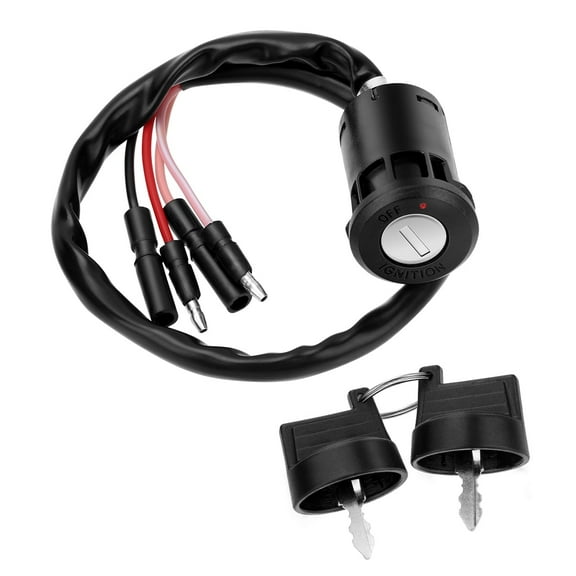
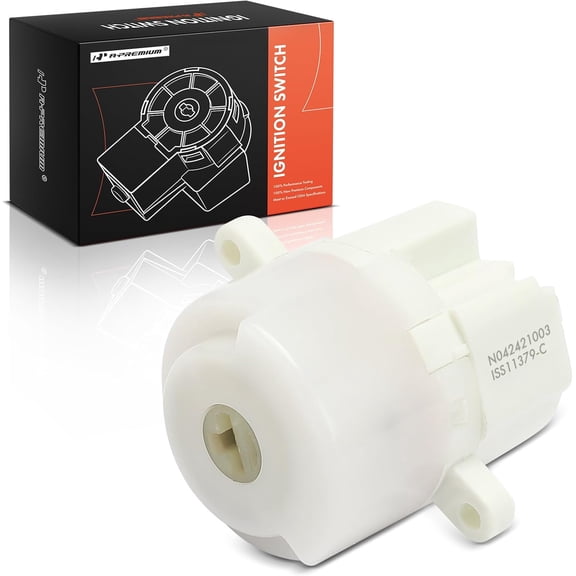
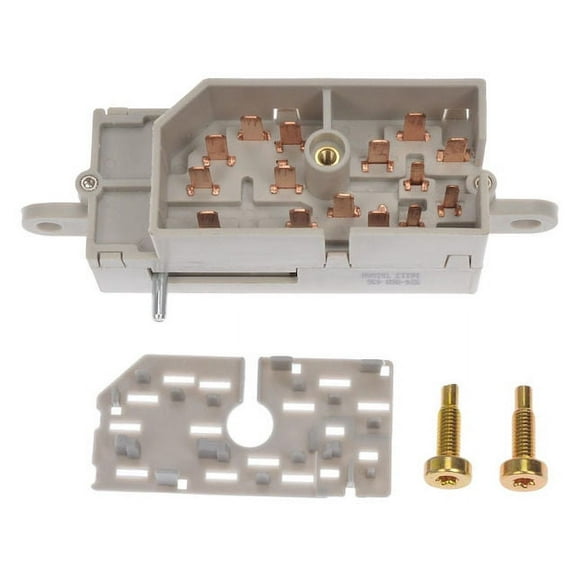
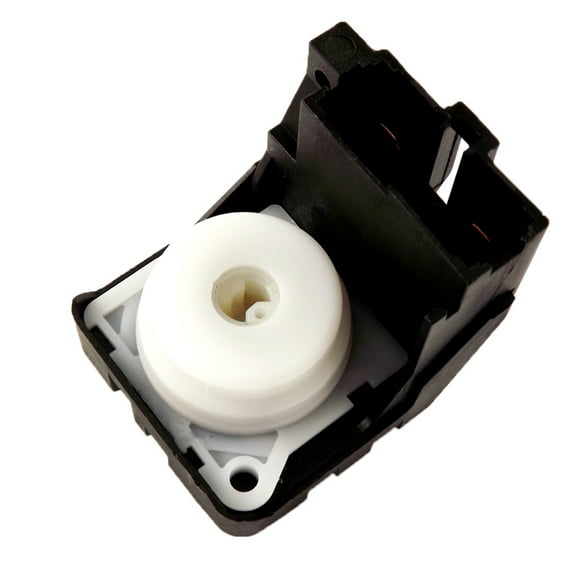
An ignition switch housing can matter when your column uses mounted electrical components in a specific position. You should check whether your housing matches your column type, because tilt and non-tilt layouts can differ.
If your main assembly is still usable, your steering column rebuild kit can help you replace smaller internal pieces without changing the full column. You'll want to review included parts closely, so your kit matches the repair you're planning.
Comparing materials and steering column types
You can compare steel, aluminum, and chrome-plated steel based on strength, finish, and intended use. Steel often suits heavy-duty replacement needs, while aluminum can help when your build calls for lower weight.
Chrome-plated steel may appeal to you when your steering column stays visible in a restored or custom interior. You should still confirm measurements first, because appearance won't help if your fitment details are off.
Your steering column type also affects your choice, especially when you're deciding between tilt steering column and non-tilt designs. A tilt setup can give you adjustable wheel position, while a non-tilt layout can keep your configuration simpler.
You should also compare floor shift and column shift versions, since your shifter location changes the column design you need. That distinction matters for brackets, linkage provisions, and surrounding cabin space.
Matching installation to your vehicle and project
You should think about installation type before ordering, because some parts are direct bolt-on replacements and others suit custom fabrication. Your project scope can affect whether you choose complete assemblies or individual steering shaft components.
For a daily driver repair, your year/make/model specific part can reduce guesswork and help your installation move faster. You can usually focus on matching dimensions, connector locations, and mounting points.
For a restoration project, your column shift style, housing design, and finish may matter as much as your basic fitment. You should compare these details together, so your replacement supports both function and appearance.
If you're upgrading a modified vehicle, your universal shaft or steering column coupling may fit your custom steering path more closely. You'll want to measure carefully, because custom setups depend on exact lengths and connection shapes.
When you review steering columns components with fitment, material, and column type in mind, you can narrow your options with more confidence. You'll make a more accurate choice when your measurements and vehicle details guide every step.