

Decorative Outdoor Stonework & Stone Tiles - Walmart

































About Decorative Outdoor Stonework & Stone Tiles - Walmart - Walmart.com
You can shape patios, paths, and accent walls with decorative outdoor stonework that adds texture and natural contrast. When you compare stone tile here, you can focus on outdoor-ready surfaces, darker color stories, and flexible formats for patio or wall projects.
Instead of guessing, you can use material type, application area, finish, and format as your buying guide. As you narrow options, your project becomes easier to plan for pool deck edges, black stone flooring accents, or stove backsplashes.
How to choose decorative outdoor stonework
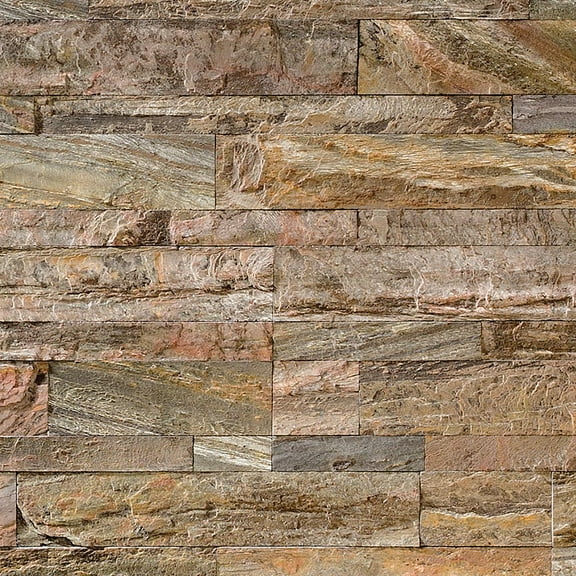
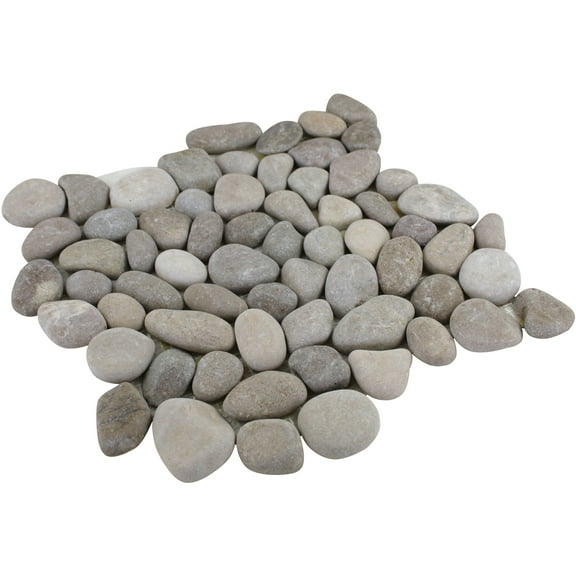
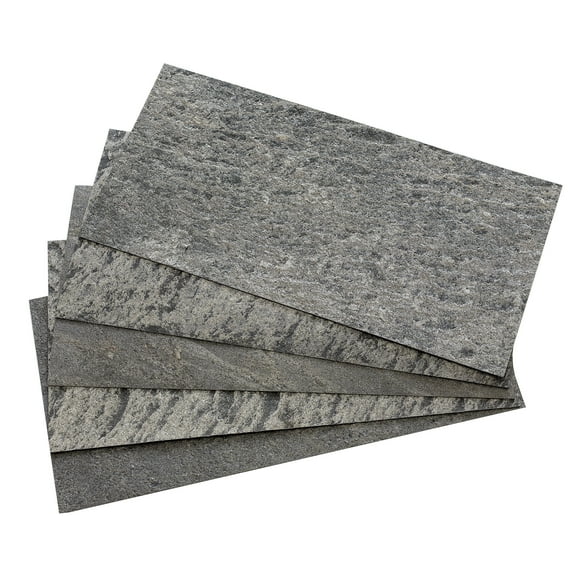
When you start with material type, you can compare slate, lava tile, natural stone, and rock by look and surface character. If your space needs layered texture, you may prefer charcoal slate with visible clefts and tonal movement.
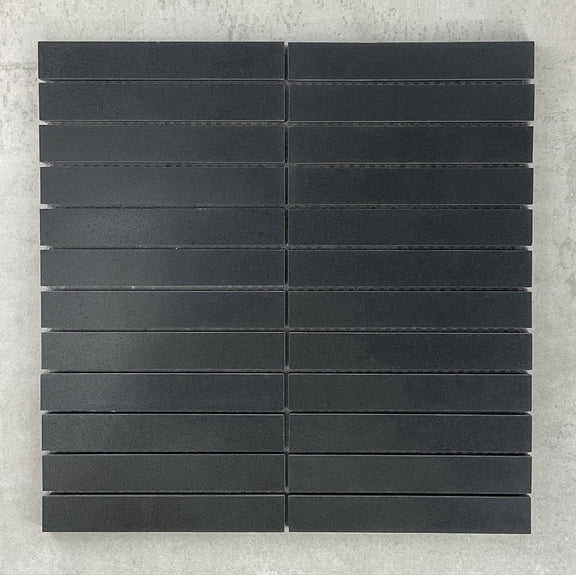
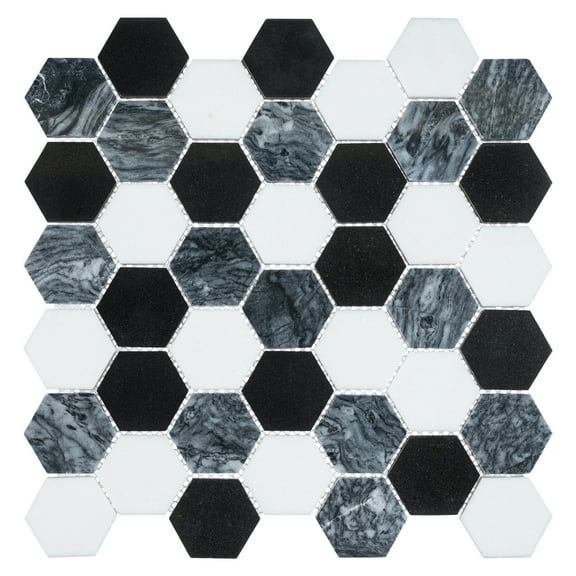
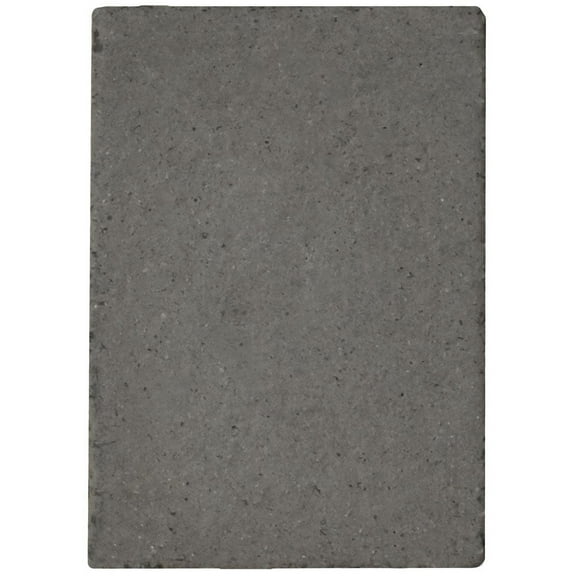
For darker, dramatic layouts, you can compare lava tile and black stone tiles with your surrounding concrete, wood, or brick. As you review samples, your eye may catch how black and charcoal finishes define borders and focal zones.
Before you commit, you should match the stone to your application area because patio floors and backsplash walls need different priorities. If your project stays outdoors, you’ll usually care more about grip, weather exposure, and edge transitions.
- You can create contrast around garden paths, steps, and seating areas with black or charcoal surfaces.
- You can coordinate outdoor flooring and wall accents when your stone family shares a similar texture and tone.
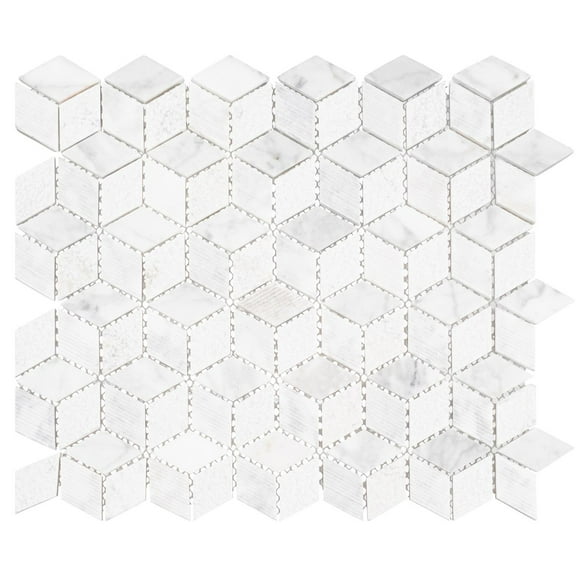
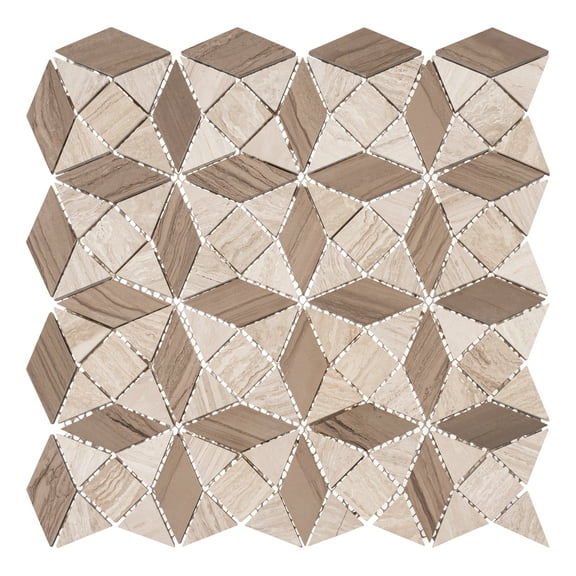
- You can choose tile, stone, or rock formats based on whether your layout needs clean lines or an organic edge.
- You can use decorative surfaces to frame a pool deck border, fire pit zone, or patio outline.
What to look for in black stone tiles and black tile outdoor options
If you’re comparing black stone tiles, you should check the COF slip rating first for outdoor walking surfaces. When your tile has more grip, you can plan patios and pool deck surrounds with steadier footing.
Another key point is frost resistance, especially if your outdoor space sees seasonal temperature swings. When your tile handles freeze and thaw cycles, you can use black tile outdoor styles more confidently in exposed areas.
Thickness also matters, so you should compare tile thickness in millimeters with nearby pavers and thresholds. If your stone sits beside other flooring, you can avoid awkward height changes by measuring before installation.
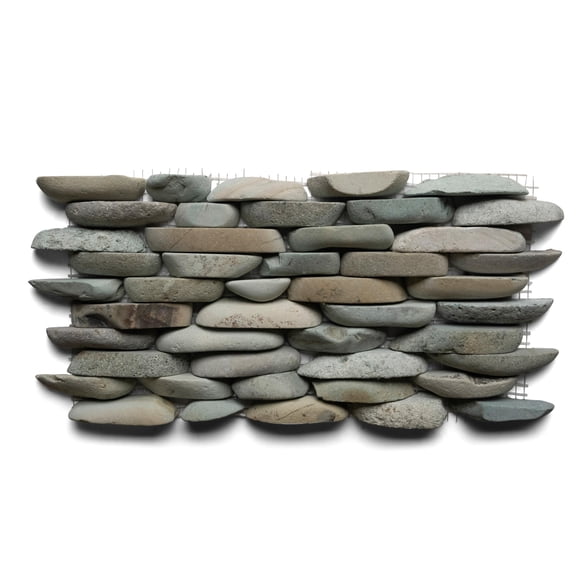
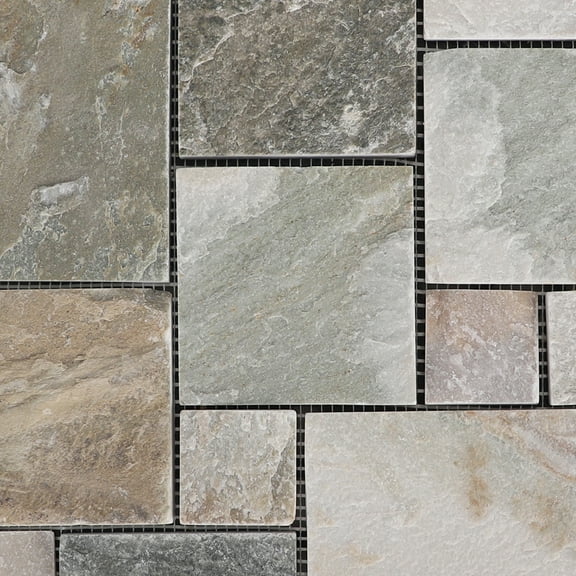
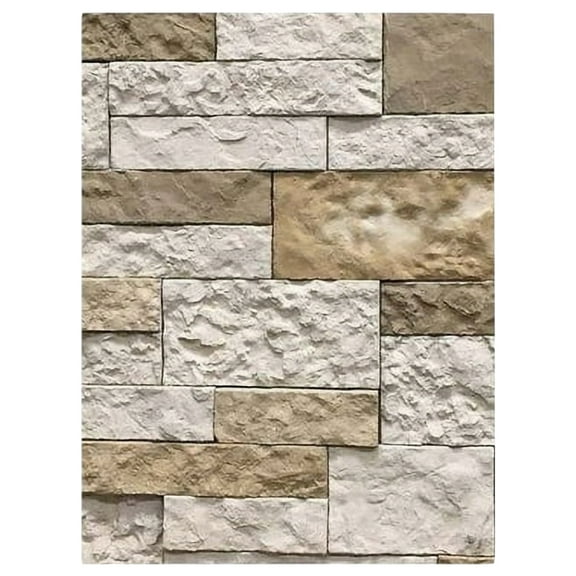
As you compare finish options, you may notice cleft, textured, or slightly varied faces across charcoal slate tile and black rock tile. Those details help your space look natural, while smoother surfaces can feel more tailored on walls.
For maintenance planning, you should check whether your chosen material typically needs sealing and how often you may refresh it. With the right upkeep, you can help your stone keep its color depth and surface character.
Choosing material thickness, sealing, and installation fit
When you compare thickness, you’re really deciding how your tile will meet doors, edging, and adjacent flooring. If your layout includes transitions, you should measure each surface so your finished project feels intentional.
Some projects work well for DIY planning, especially when your area is small, level, and mostly square. If your patio includes curves, uneven ground, or detailed patterns, you may prefer professional installation for cleaner alignment.
You should also compare how each material responds to cutting, spacing, and edge finishing before you choose a format. When your project uses tile instead of irregular rock, you can often map straighter lines more easily.
Sealing needs can vary, so you should read product details with your location and application in mind. If your stone sits on an uncovered patio, you may want a routine that helps maintain the finish through the seasons.
Choosing stone for patio, pool deck, flooring, and backsplash use
For stone for patio projects, you should prioritize traction, thickness, and a finish that complements open outdoor spaces. When your patio connects to steps or pavers, you can plan a more cohesive layout by matching edge heights.
If your project surrounds a pool deck, you should compare textured faces and consistent sizing together. With that combination, you can outline splash zones with natural-looking stone while keeping the layout visually clean.
Covered wall projects let you focus more on color variation, shape, and decorative impact than underfoot grip. If your design includes stove backsplashes, you can use darker stone looks to echo nearby outdoor flooring or patio accents.
For black stone flooring looks indoors or in covered areas, you may want cleaner edges and a more uniform surface. If your style leans modern, you can compare charcoal slate and black tile outdoor visuals for a coordinated indoor-outdoor feel.
Matching color, finish, and format to real projects
A structured layout often starts with black stone tiles that frame seating zones, planters, or walkway borders. When you use darker tones against lighter hardscapes, you can give your yard a more defined architectural look.
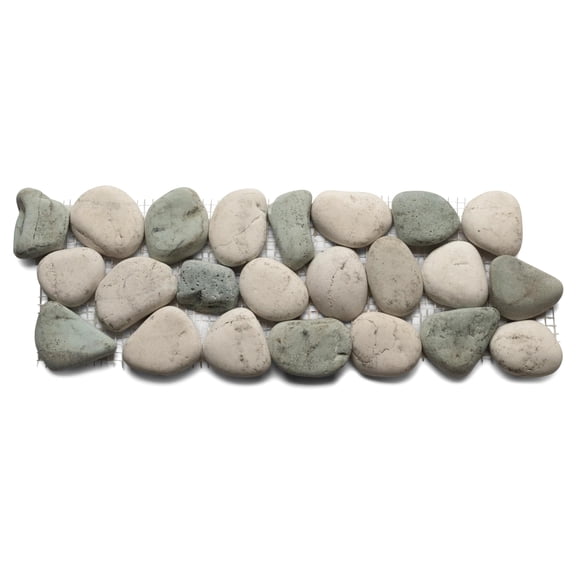
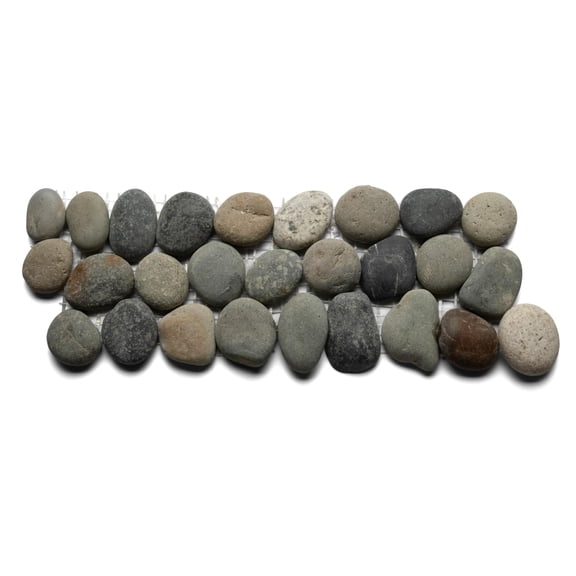
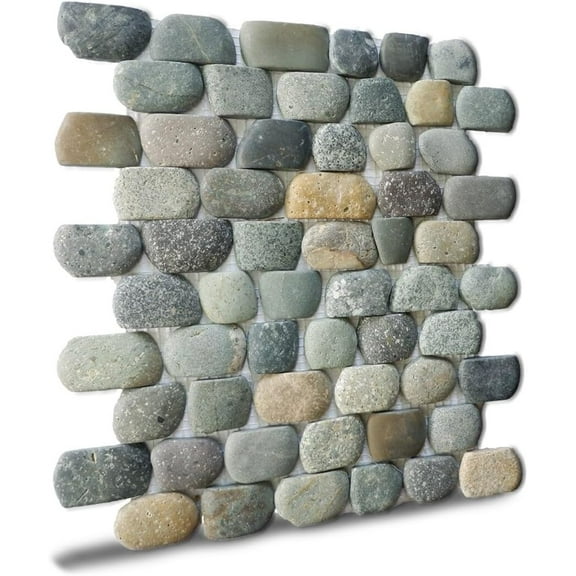
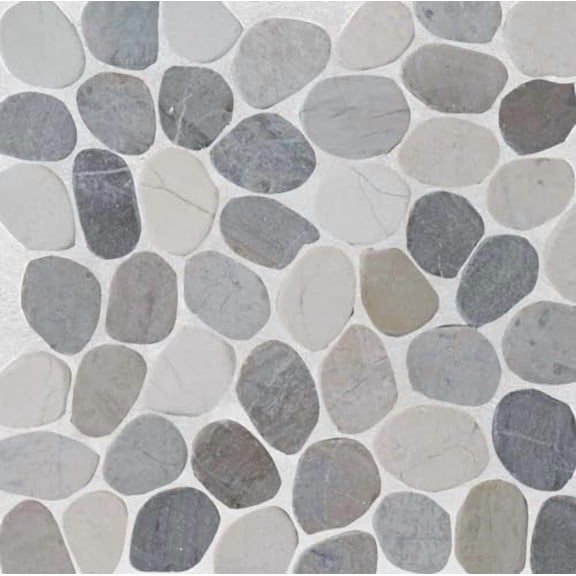
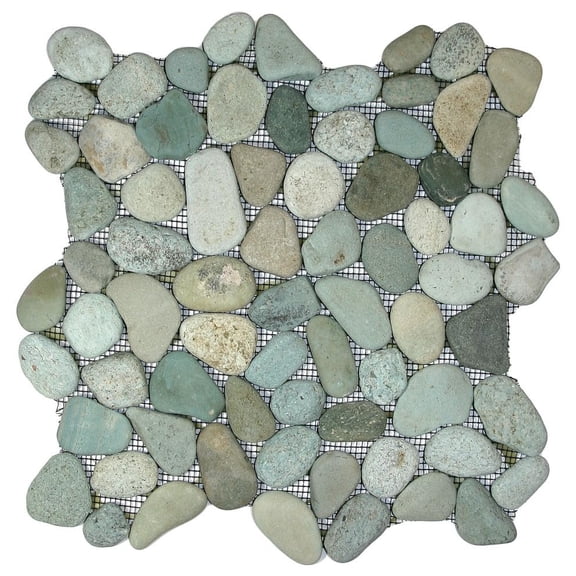
For a looser, natural layout, you may compare rock formats and varied stone faces around gardens or side paths. If your design needs movement and texture, you can use irregular edges to soften straight patio lines.
Charcoal slate works well when you want layered visual depth without a polished look that feels too formal outdoors. As sunlight moves across the surface, you can see why textured slate suits patios, wall accents, and pool deck borders.
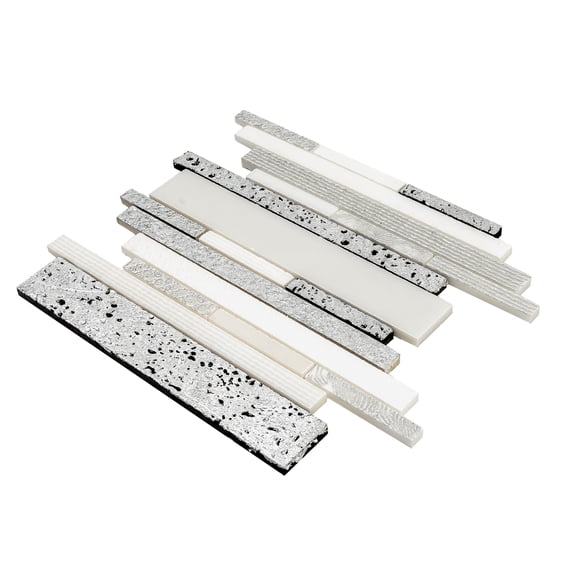
Lava tile can suit projects that need a darker statement surface with distinct character and strong contrast. If you’re connecting a patio floor to a backsplash wall, you can keep the palette cohesive across both spaces.
By comparing slip rating, frost resistance, thickness, and sealing needs together, you can choose with more clarity. That approach helps your decorative outdoor stonework fit your layout, your installation plan, and your finished design.