



















Kitchen
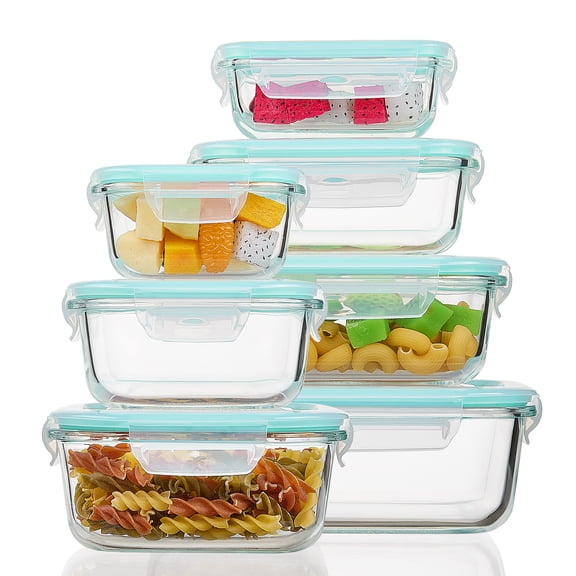
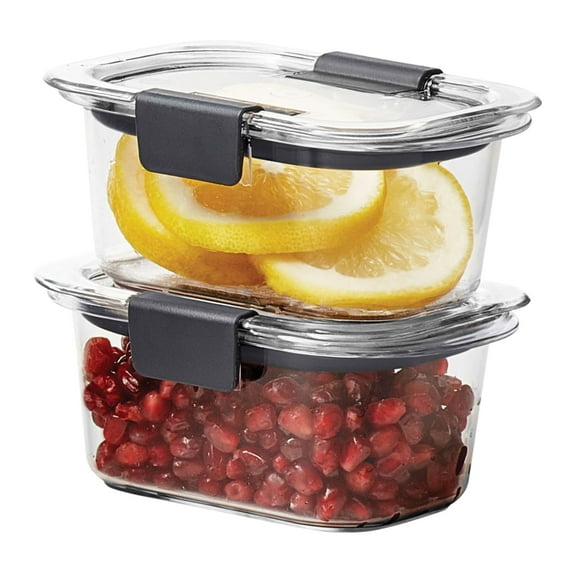
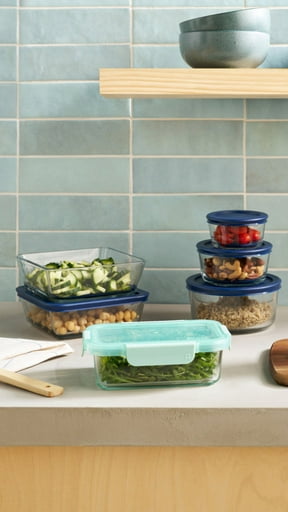
Meal prep made easier with glass containers & more.

 Pickup or delivery?Pickup or delivery?
Your storage organization setup can make every room easier to use and easier to maintain. You can compare bins, baskets, shelving, and drawers by room, material, and size for a more orderly home.
When you choose a storage organizer, you should start with the room and the items you need to contain. You can narrow your options faster when you match size, shape, and access needs.
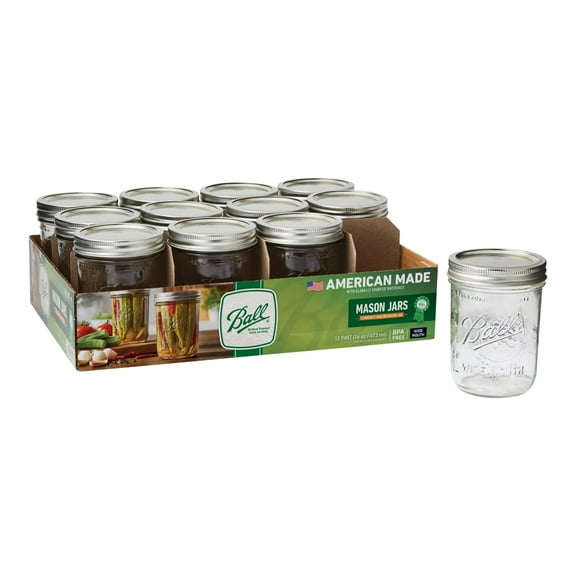
For closet projects, you may want fabric cubes, clear drawers, or stackable bins that fit shelves. For kitchen areas, you may prefer baskets, food containers, or narrow organizers that keep cabinets easier to manage.
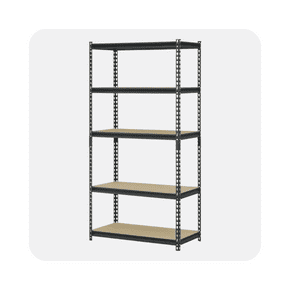
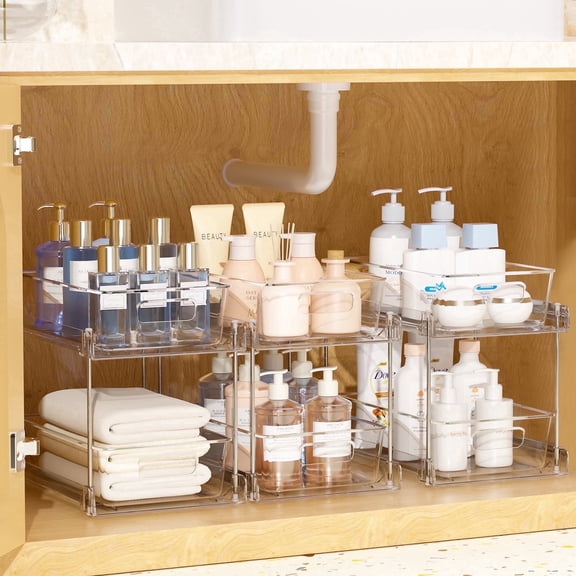
In bathrooms, you can use compact drawers and lidded bins for counters, cabinets, and linen shelves. In garages, you may look for heavy duty totes, wire racks, or metal shelving for bulky tools and seasonal gear.
You can create cleaner surfaces and clearer pathways when every item has a defined place. You also spend less time searching when your room storage plan matches your daily routine.
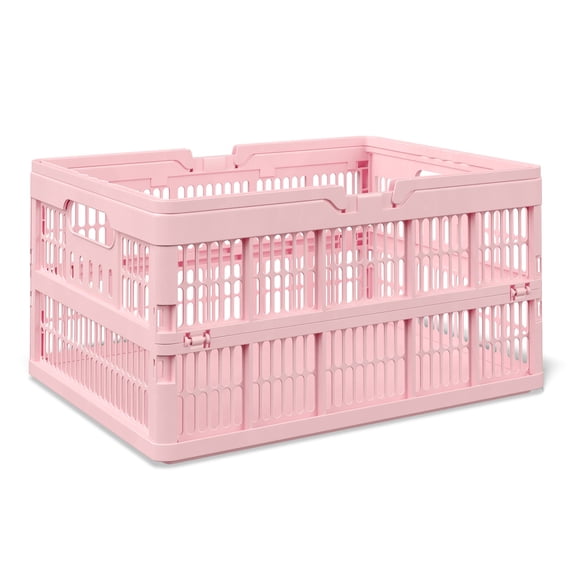
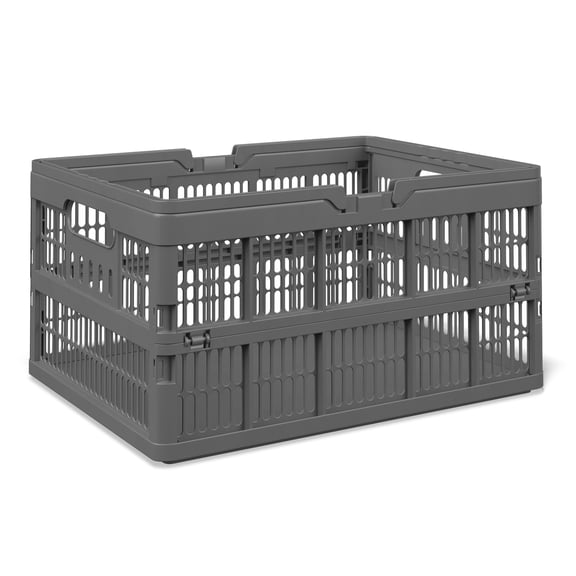
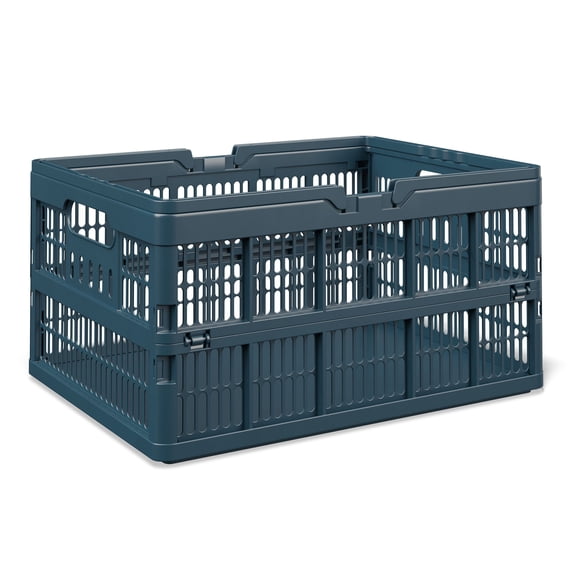
With stackable designs, you can use vertical space in closets, pantries, and utility rooms. With collapsible options, you can store empty organizers neatly when your needs change between seasons.
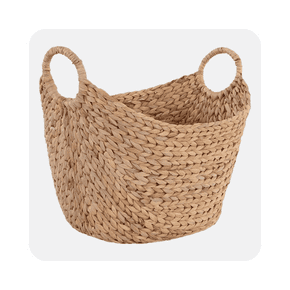
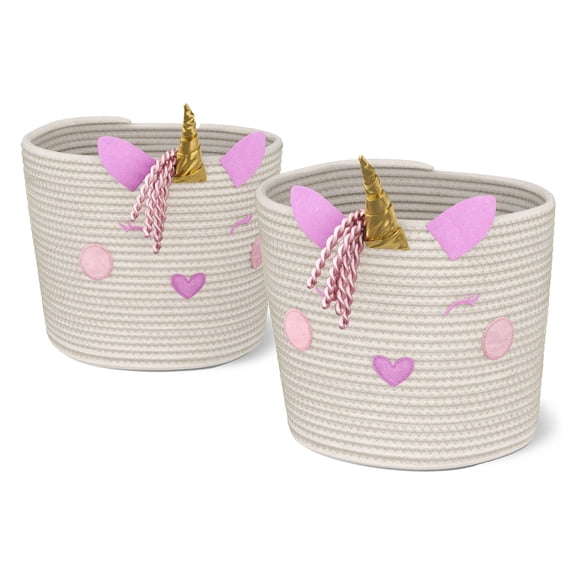
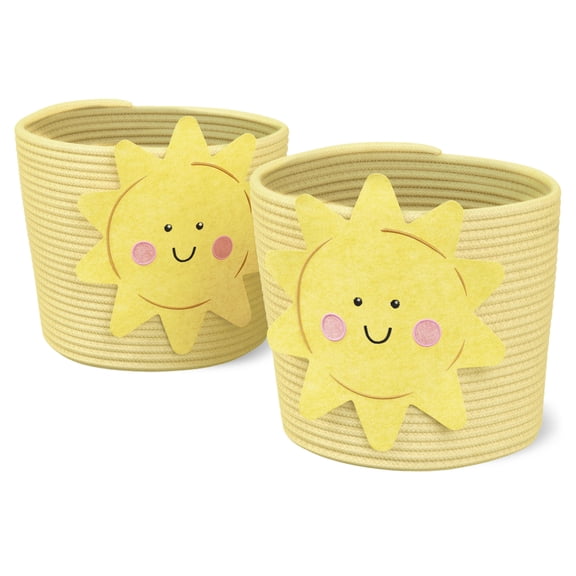
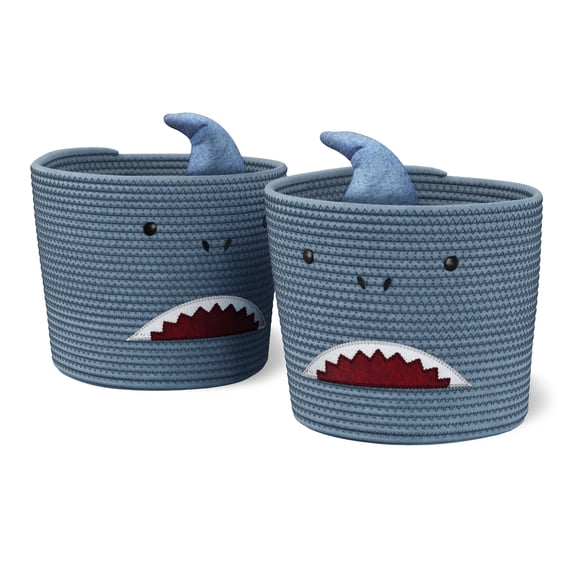
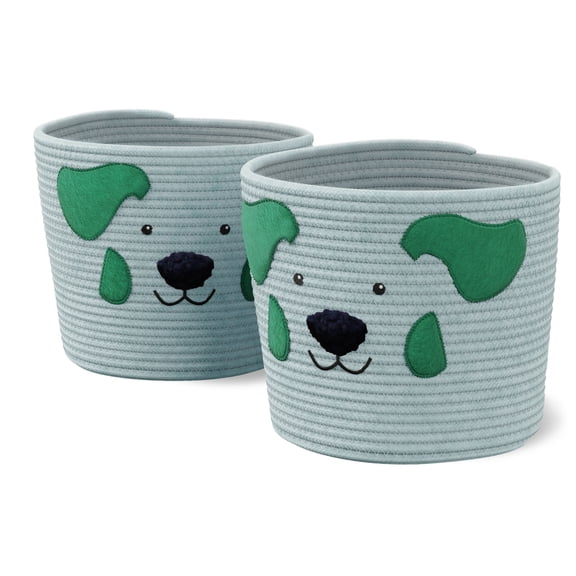
If you want quick item checks, you may prefer clear bins and clear drawers. If you want a softer look, you may choose woven baskets or decorative organizers that blend with furniture.
You can also build a home organization plan that grows with changing routines. When you add totes, shelving units, and baskets in stages, you can refine your organization storage without reworking every room.
You should measure width, depth, and height before you choose any home storage organizer. You can avoid awkward gaps or overhangs when your organizer fits your shelf, cabinet, or closet opening.
Capacity matters when you store pantry goods, toys, linens, tools, or holiday decor. You may compare gallons, quarts, or exact dimensions when you need storage for home spaces with tight limits.
Material also changes how your organizers perform in different rooms. You may choose plastic for moisture-prone areas, fabric for closet shelves, and metal or wire for heavier garage loads.
Wood styles can give your bedroom or entryway a furniture-like look with practical function. Wire designs can improve visibility and airflow when you want to see contents at a glance.
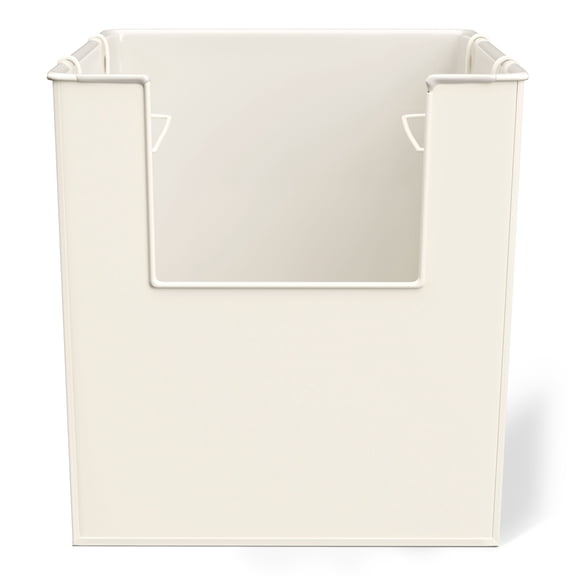
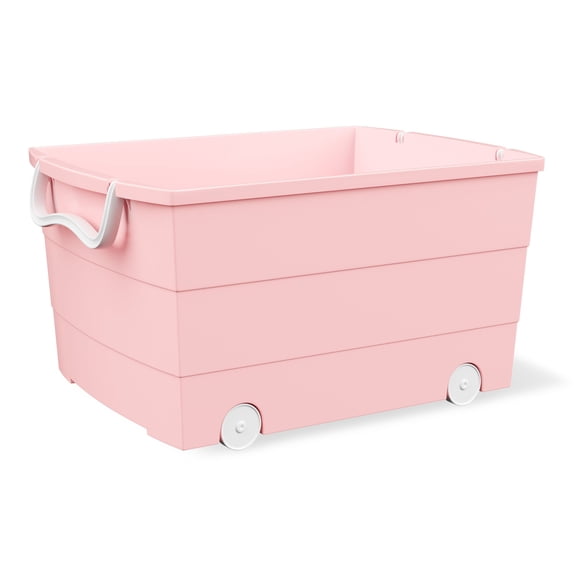
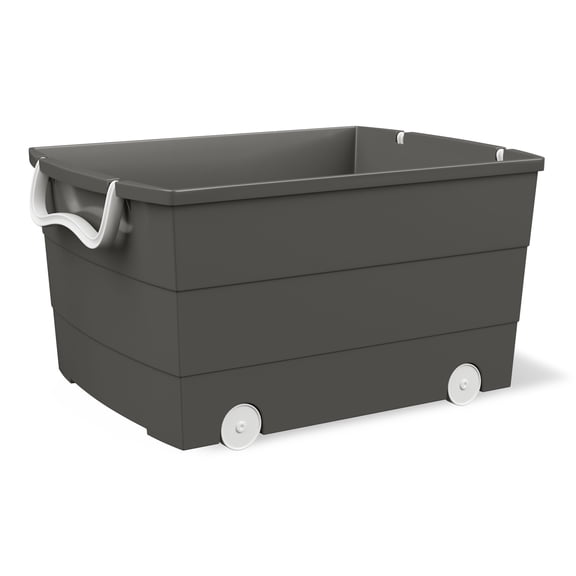
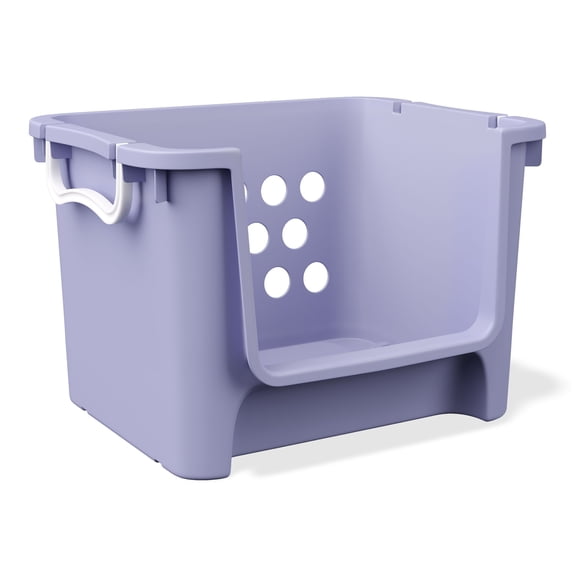
You should also check whether lids, handles, wheels, and drawer pulls fit your routine. Secure lids can support stacking, while open-top baskets can give you faster access to frequent-use items.
Style can shape how your storage and organization plan feels in each room. You may compare clear, decorative, woven, and industrial looks depending on whether you want visibility or a more concealed finish.
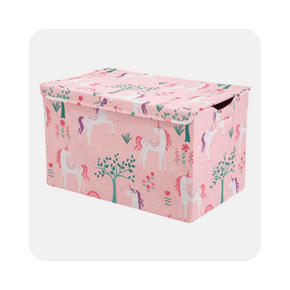
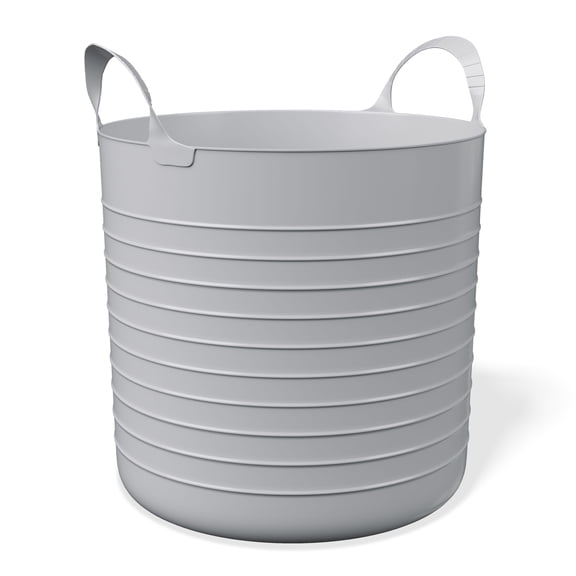
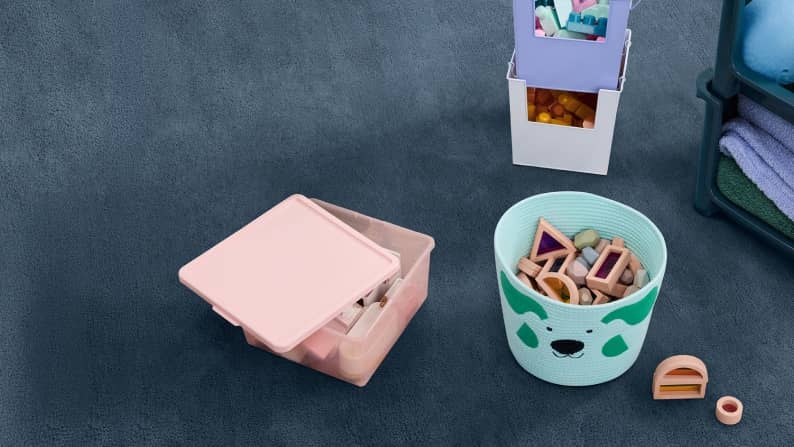
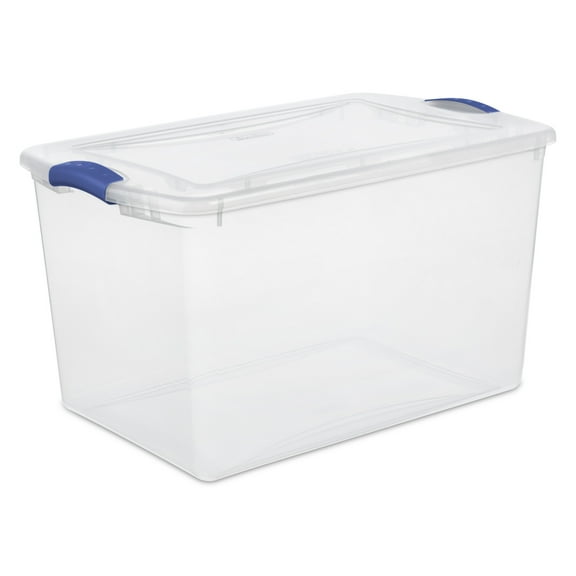
Bins and totes can work well when you need broad capacity for toys, cleaning supplies, or seasonal pieces. Drawers can help you separate smaller items, especially when you want easier access on shelves.
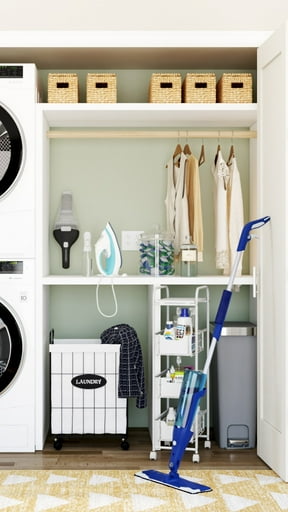
Baskets can support visible home organization in living rooms, bedrooms, and entryways. Shelving units can add vertical structure when you need organization storage for garages, closets, or laundry areas.
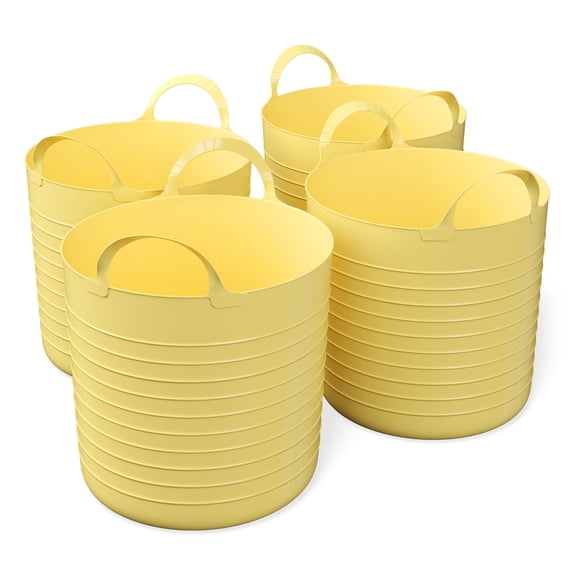
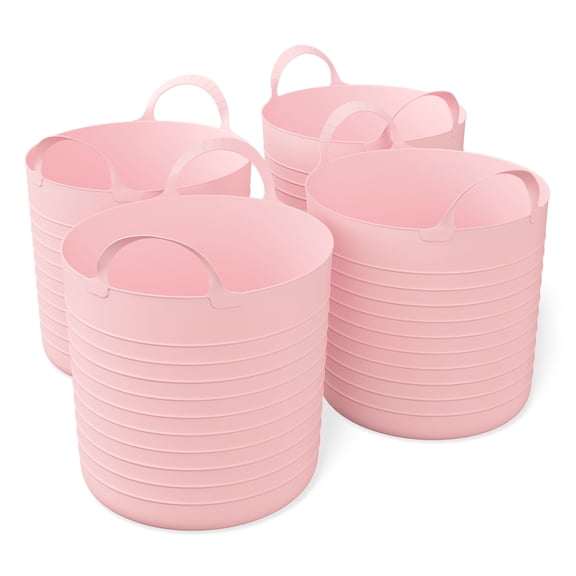
Stackable options can help you build upward when floor space is limited. Lidded designs can keep layers aligned, while nested shapes can make unused containers simpler to store.
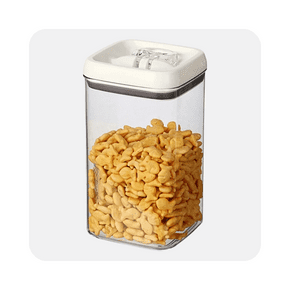
For a closet, you may combine fabric bins with shelving for folded clothes and accessories. For a kitchen, you may pair clear containers and baskets so you can group snacks, wraps, and meal-prep tools.
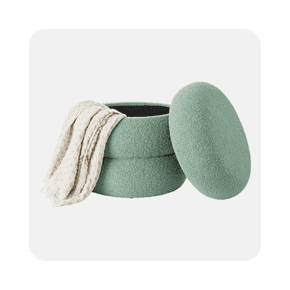
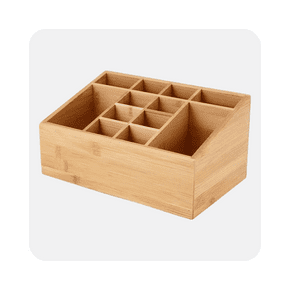
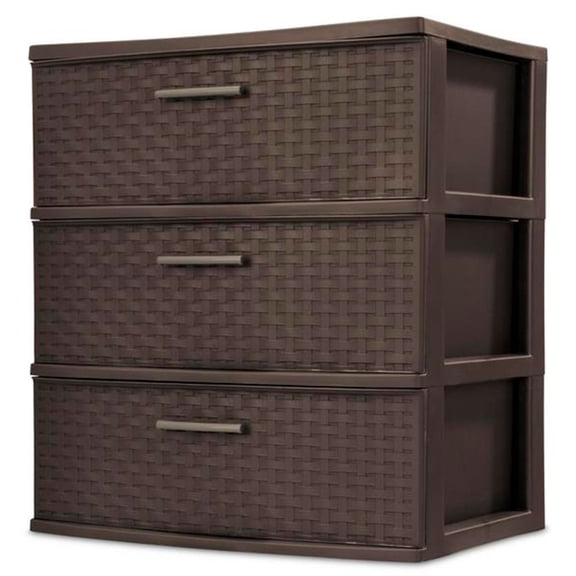
In a bathroom, you can use compact drawers for cosmetics, toiletries, and spare hand towels. In a bedroom, you may prefer decorative baskets or wood-accented organizers that coordinate with dressers and nightstands.
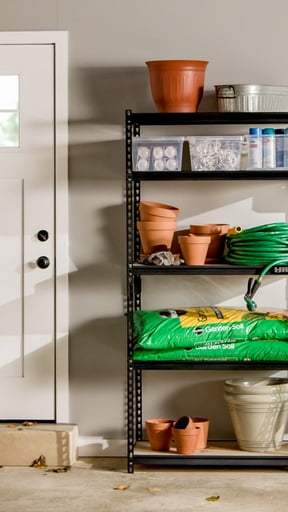
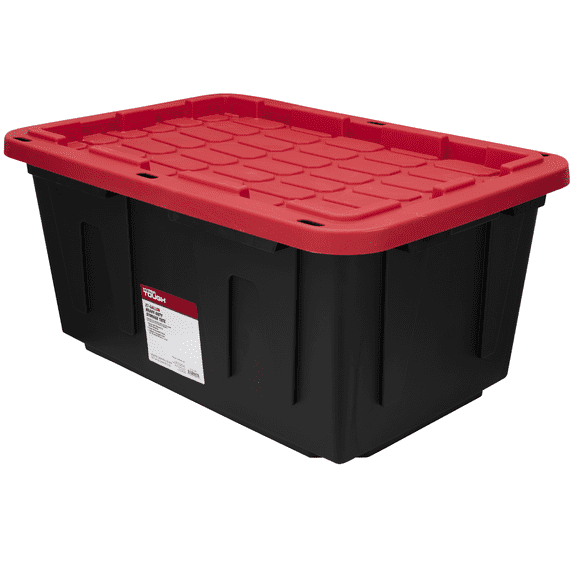
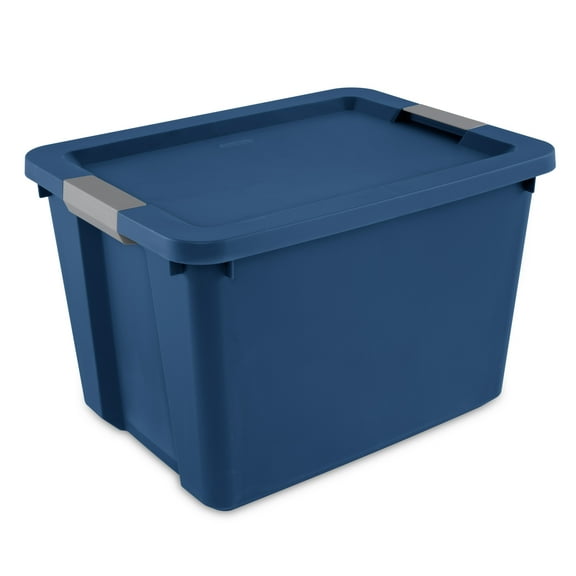
For garages, you may look for heavy duty shelving units, plastic totes, or metal racks with clear size information. Those details help you match bulkier items to the right shelves and corners.
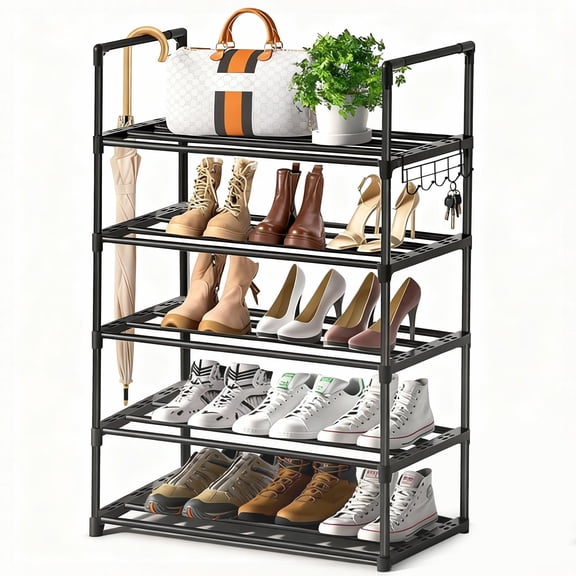
You can create a simple drop zone near an entry with baskets for shoes, hooks, and a small drawer unit. That setup can keep daily essentials contained without crowding your walkway.
Under-bed totes can help you use hidden bedroom space for extra blankets, off-season clothing, or spare linens. Clear labels and measured dimensions can help you slide containers in and out smoothly.
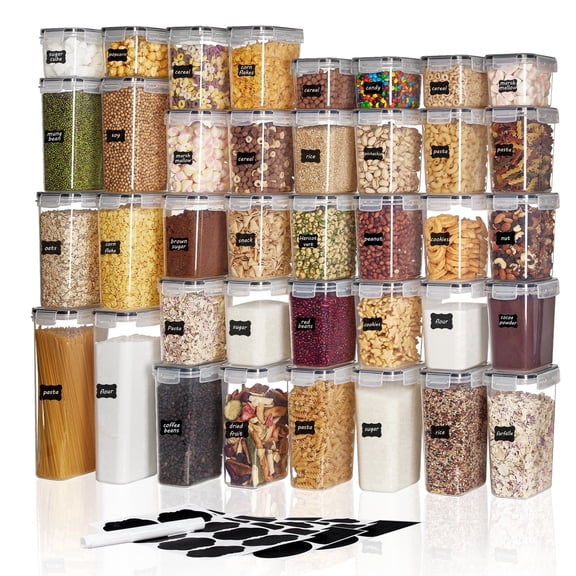
Pantry shelves can work harder when you group baking items, snacks, and canned goods in matching organizers. You can see stock levels faster when your containers share a consistent shape.
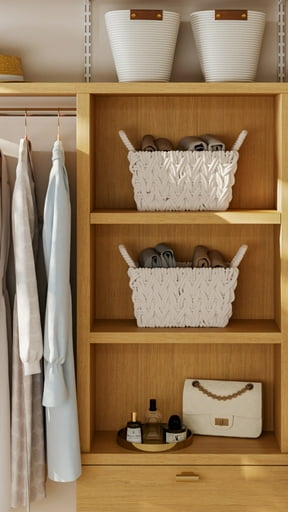
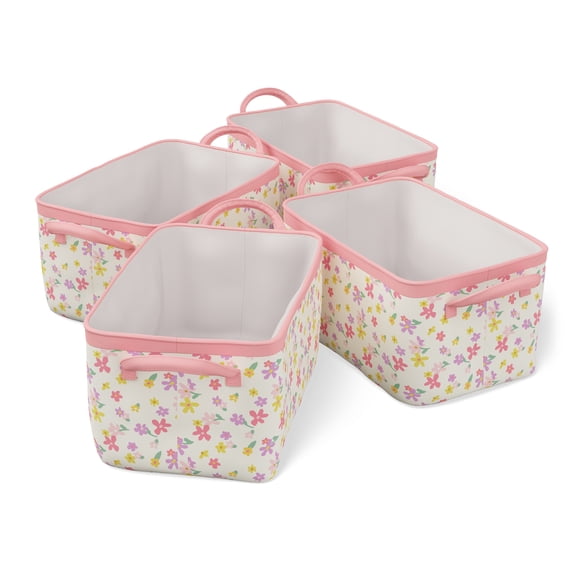
Closet shelves can feel less crowded when you use cubes, baskets, and lidded bins by category. You can separate scarves, belts, bags, and shoes without mixing daily items together.
Garage corners can become more useful when you combine shelving with sturdy totes for tools and project supplies. You can keep larger items off the floor and maintain easier access to what you need.
With the right mix of room storage, materials, and features, you can build a system that fits your habits. You get a more usable home when each organizer matches your space, your items, and your routine.