

Stove Heaters & Heating Stoves for Home | Walmart
























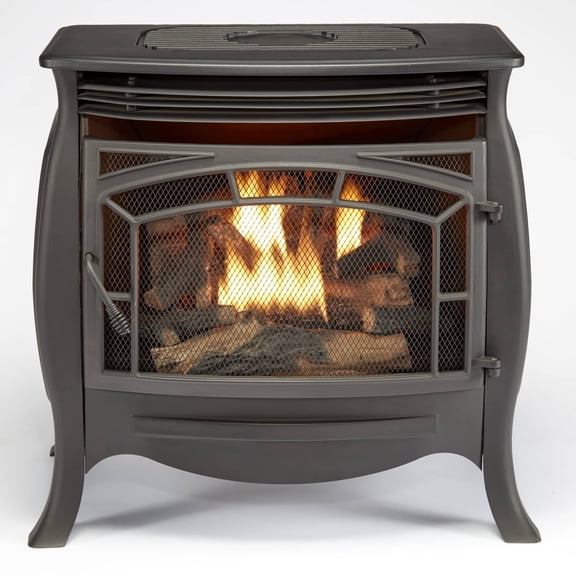


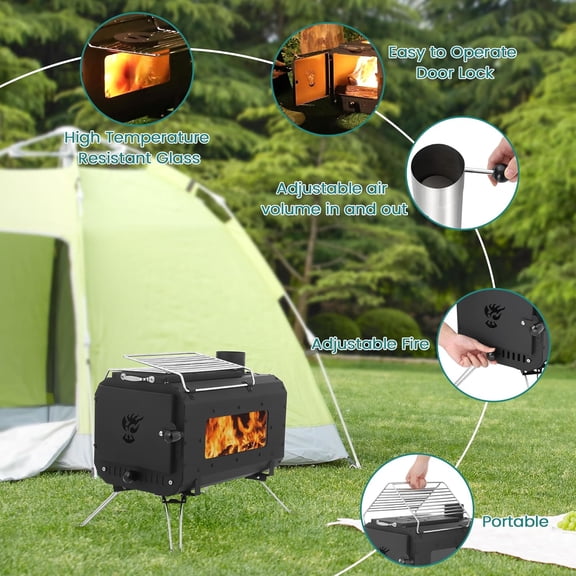


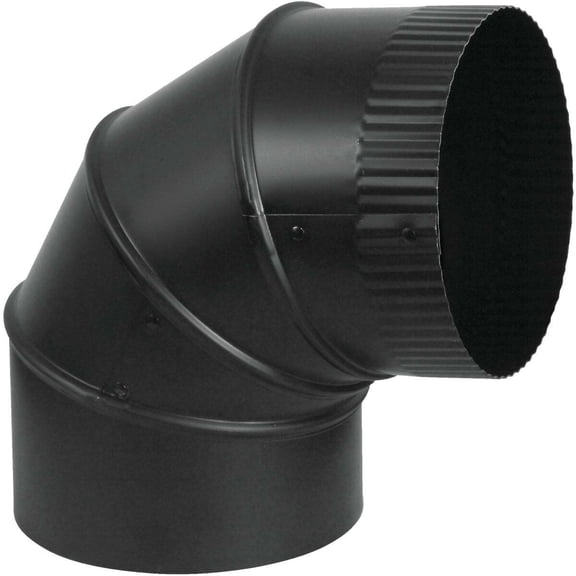
About Stove Heaters & Heating Stoves for Home | Walmart - Walmart.com
Stoves give you focused home heating with fuel choices that match your space, storage, and daily routine. You can compare wood, pellet, coal, gas, and multi-fuel options by heating area, venting, and construction.
If you're planning seasonal warmth or steady whole-room comfort, you need details that fit your home setup. You can use this guide to compare heating stoves without mixing them up with kitchen appliances.
How to choose stoves by fuel type
Your fuel choice shapes how you store supplies, start each fire, and manage daily upkeep. You should compare availability, refill habits, and the kind of heat output you want.
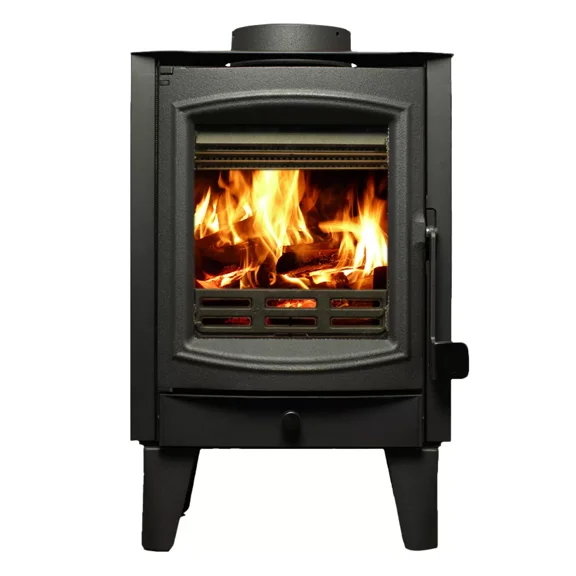
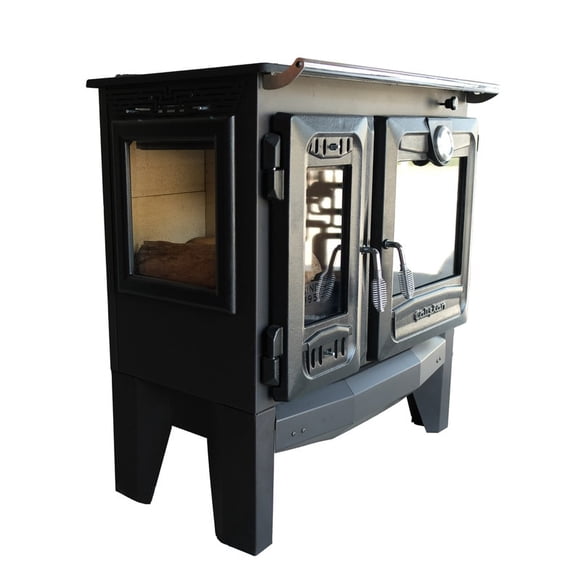
Wood burning stoves suit you when you can store seasoned cordwood and want a traditional firebox experience. You'll want dry wood, because seasoned logs burn more consistently and create cleaner operation.
Pellet stoves fit you if you prefer measured fuel and more controlled feeding. You may also compare gravity fed pellet stoves if you want simpler loading and fewer handling steps.
Coal, gas, and multi-fuel models give you additional flexibility based on local fuel access and household preferences. You should check how each option fits your venting plan and daily routine.
- You can choose wood if you have space for cordwood storage and want a classic loading style.
- You can choose pellet fuel if you want steady feed rates and organized bag storage.
- You can choose multi-fuel units if you want broader fuel flexibility during changing seasons.
- You can compare gas options if you want straightforward operation and a defined venting setup.
Choosing heating stoves by heating area and BTU needs
Your square footage helps you narrow the right stove size before you compare finishes or shapes. You should match output to your space, so your room feels balanced and consistent.
Models rated for up to 1,000 square feet can suit you in cabins, workshops, and compact living areas. You may prefer small wood stoves here when you want a smaller firebox footprint.
If you heat 1,000 to 2,000 square feet, you should compare firebox size, hopper capacity, and heat circulation details. You'll want enough output for regular comfort without choosing an oversized unit.
For 2,000 or more square feet, you should look closely at larger heating stoves and fuel capacity. You can also compare efficient pellet stoves when you want longer heating cycles between refills.
BTU output matters because it helps you estimate how much area a unit can warm in normal use. You should compare that rating with your layout, ceiling height, and insulation level.
What to look for in construction materials
Your material choice affects heat retention, appearance, and how the stove feels during daily use. You should compare cast iron, steel, and soapstone with your heating style in mind.
Cast iron can appeal to you if you want a traditional look and steady retained warmth. Steel can suit you if you prefer a straightforward build and a cleaner, simpler profile.
Soapstone may work for you when you want gradual heat release over time. You should also compare weight, placement needs, and the look that fits your room.
Comparing venting styles and installation planning
Your venting style shapes placement, installation planning, and which indoor stoves fit your home. You should compare direct vent, natural draft, and vent-free designs before narrowing your options.
Direct vent models can help you plan around a defined vent path and room layout. Natural draft units rely on proper chimney draft, so you should check vent compatibility early.
You should also measure your hearth area, wall clearances, and floor space before choosing a model. Your setup may call for a hearth pad or stove board when you plan your final placement.
If you're reviewing pellet stoves, you should check whether your model uses electrical power for blowers or controls. You'll want that detail if your installation area has limited outlet access.
Understanding EPA certification and daily maintenance
Your comparison should include EPA certified and non-certified options when certification appears in product details. You can use that information to compare operation style, emissions standards, and category requirements.
Daily upkeep also changes by fuel type, so you should consider ash removal and refueling habits. You'll usually empty ash more often with some solid-fuel units than with others.
Pellet storage requirements matter if you want organized fuel handling in a garage, mudroom, or utility area. You should also consider hopper size if you want fewer refill interruptions.
Cordwood seasoning is another key detail when you compare wood burning stoves for winter use. You'll get more predictable burning when your wood has dried and stored properly.
Matching stoves to real home heating scenarios
If you heat a smaller cabin or den, you may focus on compact footprints and simpler loading access. You can compare small wood stoves or smaller pellet units that fit tighter spaces.
For everyday family-room heating, you may want a mid-range unit with balanced output and manageable maintenance. You should compare hopper size, firebox room, and how often you'll reload fuel.
If you want broader whole-home support, larger stoves for home heating can fit your plan. You can narrow choices by square footage, vent route, and the material finish you prefer.
For seasonal cold snaps, you may compare wood stoves for winter with pellet models that offer measured fuel use. You should choose based on storage space, electricity access, and the routine you want.
When you need indoor stoves for a finished room, appearance can matter as much as output. You can compare cast iron, steel, and soapstone styles with your room layout and heating goals.
Your final choice gets easier when you compare fuel type, heating area, construction, venting, and maintenance together. You can narrow stoves with confidence and choose a model that fits your home heating plan.