

String Instrument Accessories in Instrument Accessories









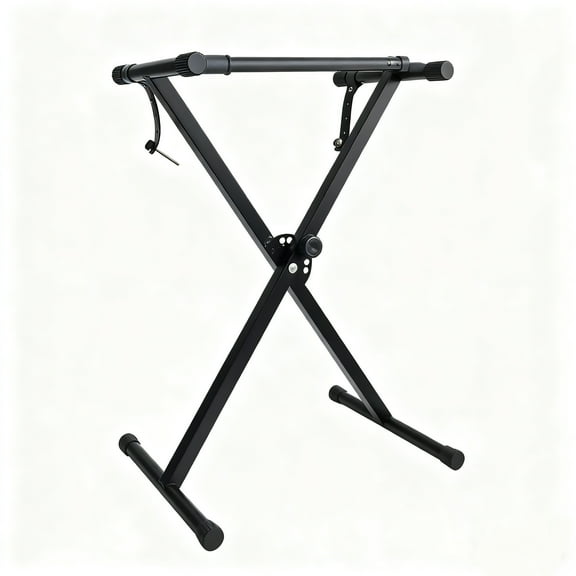


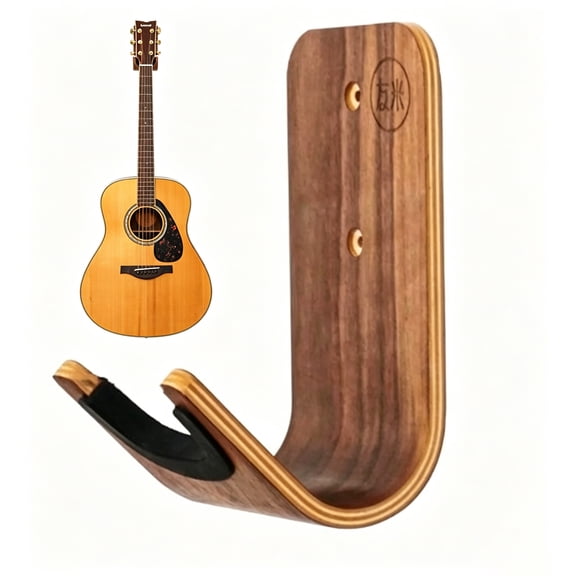


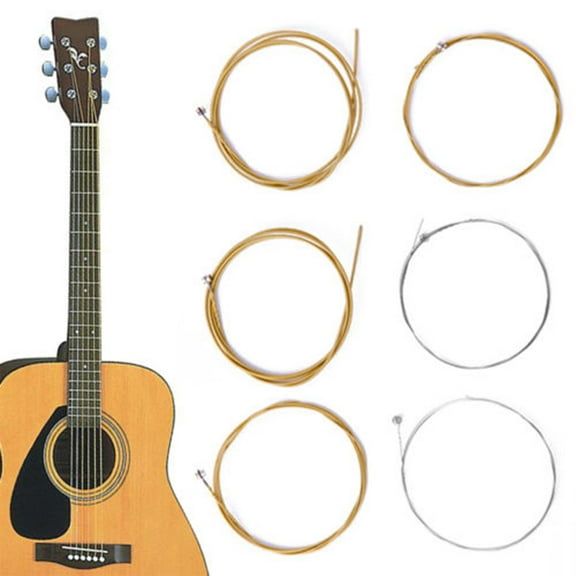













About String Instrument Accessories in Instrument Accessories - Walmart.com
String instrument accessories help you keep your setup playable, protected, and ready for practice or performance. You can compare fit, materials, and player level more easily when one page covers violin, cello, guitar, viola, and double bass needs.
How to choose string instrument accessories
You should start with instrument compatibility because sizing, tension, and scale length affect how each accessory fits and feels. You can narrow your options faster when you match accessories to your exact instrument type.
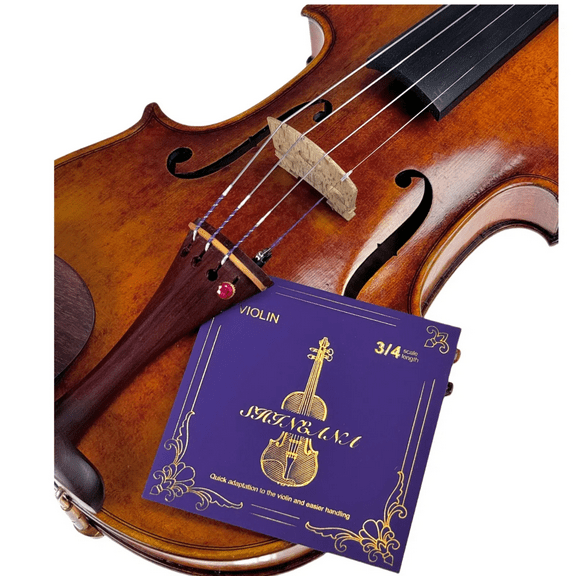
For violin accessories, you may look for compact cases, rosin for violins, and strings sized for student or full-size instruments. For cello accessories, you may compare endpin supports, larger cases, and strings built for longer scale lengths.
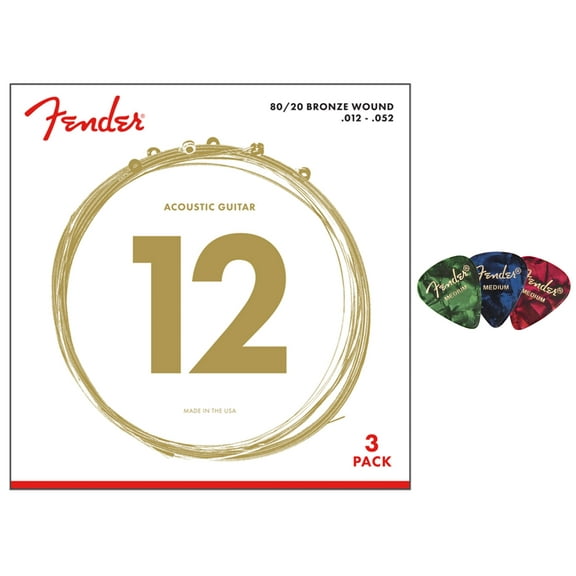
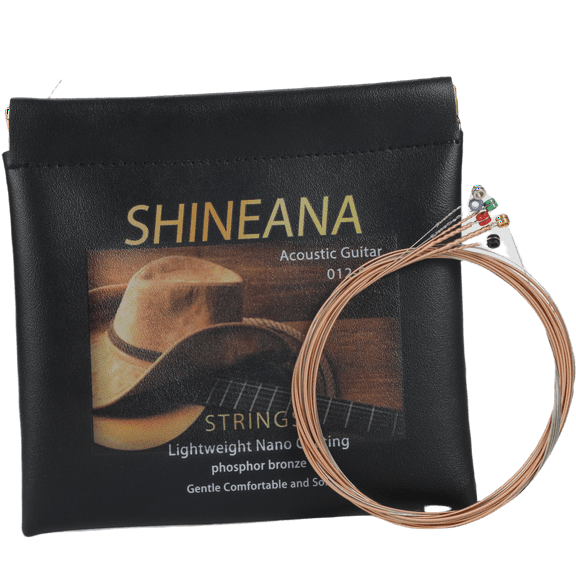
With guitar accessories, you may focus on guitar capos, picks, tuners, and instrument strings matched to acoustic, electric, or bass setups. If you play viola or double bass, you should check sizing details carefully before choosing bows, strings, or cases.
Choosing by accessory category
You can build a more useful setup when you choose accessories by the job they need to do. Your daily routine may call for strings, bows, tuners, rosin, cases, and capos in different combinations.
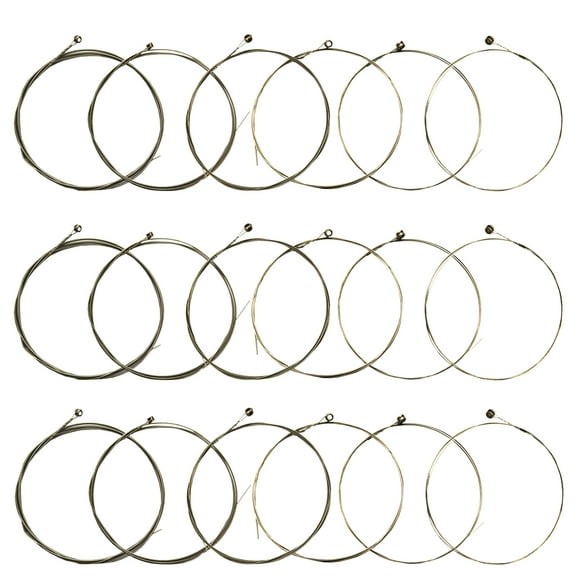
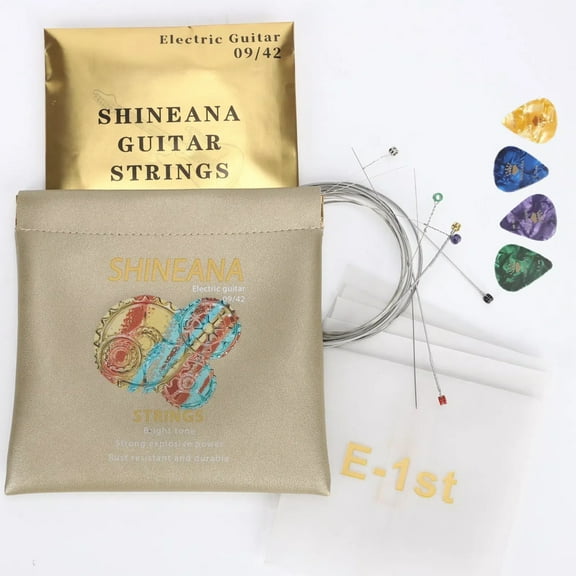
- You can use instrument strings to refresh feel, tuning response, and tone on violins, violas, cellos, guitars, and basses.
- You can choose bows and rosin together when your playing depends on smooth contact and steady control.
- You can keep tuners and capos close when your practice sessions include quick tuning changes or alternate positions.
- You can protect your instrument with cases that match your travel habits, storage space, and instrument size.
If you play every day, you may want backup strings and a tuner within reach. If you travel to lessons or rehearsals, your case choice can matter as much as your playing accessory choice.
Understanding materials and construction
You can compare materials to understand how an accessory may feel, sound, and wear over time. Your choices often come down to steel core, synthetic core, gut, horsehair, and wood construction.
Steel core strings usually give you a quicker response and a brighter sound. Synthetic core strings often give your playing a warmer character and a softer feel under the fingers.
If you prefer a traditional response, gut strings may appeal to your playing style and tonal goals. You should expect more attention to tuning and feel when you choose that construction.
For bows, you can compare horsehair and wood details to judge grip, glide, and consistency. Brazilian wood bows often give your hand a familiar balance, while material choices affect stiffness and control.
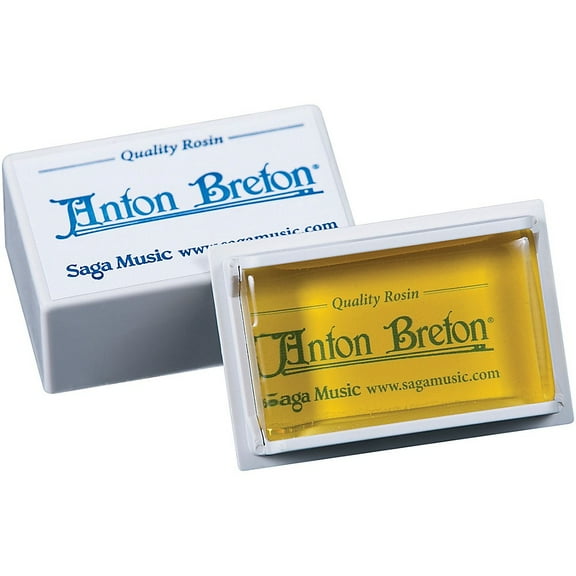
When you compare rosin for violins, violas, and cellos, you should check the intended instrument match and playing environment. Your bow response can feel smoother when rosin type matches your strings and bow hair.
Matching accessories to player level
You can simplify your search when you choose accessories that fit your experience level. Your practice habits, tuning comfort, and performance needs often differ between student, intermediate, and professional setups.
If you're a student, you may want accessories that are easy to use and easy to identify during lessons. Your setup might include a clip-on tuner, a sturdy case, and strings with a balanced feel.
If you're at an intermediate level, you may compare tone and playability more closely. Your accessory choices may shift toward warmer strings, smoother bow response, or a capo with a secure grip.
If you perform often, you may want backup accessories and more precise compatibility details. Your routine may benefit from multiple bows, spare instrument strings, and a case designed for frequent transport.
Violin accessories, cello accessories, and guitar accessories
You can shop more confidently when you separate needs by instrument family instead of treating every accessory the same. Your violin accessories often center on rosin, bows, shoulder support, and smaller case formats.
Your cello accessories may focus on longer bows, larger cases, and strings that support a deeper tone. You may also look for accessories that fit seated practice and transport between home and lessons.
Your guitar accessories usually include capos, tuners, straps, picks, and replacement strings for your scale length and string type. If you play bass guitar or double bass, you should check tension and fit before choosing strings.
You can also compare acoustic and orchestral needs when selecting cases and tuning tools. Your classical setup may prioritize bow care, while your guitar setup may prioritize quick adjustments and portability.
Using string instrument accessories in real situations
You may need one set of accessories for school orchestra and another for home practice. Your student violin setup might include rosin, a soft case, and strings that offer a stable feel.
If you play cello in ensemble rehearsals, you may want a case for transport and strings that match your instrument size. Your bow and rosin pairing can also shape how responsive each note feels.
When you play acoustic guitar at home or on stage, you may rely on guitar capos and tuners for fast changes. Your extra strings can help you stay ready for practice, recording, or casual playing.
If you maintain several instruments, you can organize accessories by instrument type and playing frequency. Your setup stays easier to manage when cases, strings, and bow supplies match each instrument clearly.
You can get more from string instrument accessories when you compare compatibility, materials, and player level before choosing. Your instrument stays easier to play, protect, and maintain when each accessory fits your routine.