

Stroboscopes in Motion, Speed, Force Measurement



About Stroboscopes in Motion, Speed, Force Measurement - Walmart.com
You can compare a digital stroboscope more confidently when you understand flash range, brightness, and calibration details. You’re often checking rotating equipment, printed marks, or timing points where a frozen visual reference matters.
Choosing the right digital stroboscope
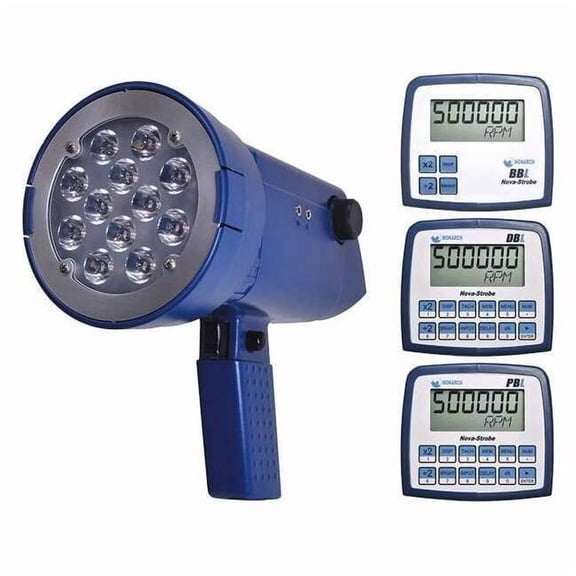
When you choose between display types, you’ll usually notice digital readouts are faster to scan than analog dials. You can read settings, flash rate, and measurement changes with less guesswork during inspections.
If you prefer quick adjustments, you may find digital controls easier when your workflow changes often. If you want simple visual reference, your analog dial option can still suit basic checks.
As you compare configurations, you should check whether you need a standalone unit or a kit with accessories. You may want carrying cases, chargers, or extra components for field visits.
- You can freeze the appearance of rotating parts for visual inspection.
- You can verify speed changes by matching flash rate to machine movement.
- You can choose a handheld format that fits plant floors, labs, or maintenance carts.
- You can compare display style, power setup, and included accessories before ordering.
What to look for in flash rate and light source
You should start with measurement range because FPM and RPM capacity affect what equipment you can inspect. You’ll want enough range for fans, motors, rollers, and other high-speed components.
When you compare flash duration, you’re checking how sharply motion appears during each pulse. You can get a clearer frozen image when your flash timing matches your inspection target.
If your facility has bright overhead lighting, you should compare light source output carefully. You’ll usually want stronger visibility so your target stays easy to see on busy factory floors.
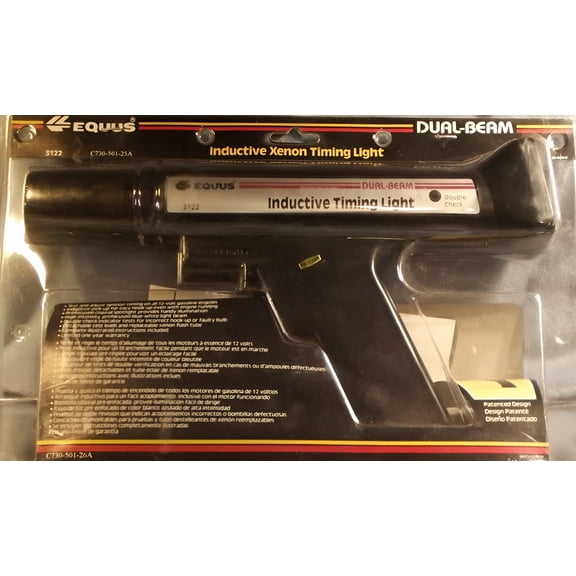
As you review light source options, you can compare LED and Xenon formats by runtime, brightness, and maintenance needs. You should match that choice to your inspection environment and usage frequency.
You may also want to check how the unit handles standard FPM work versus high-speed RPM applications. You can avoid rework when your measurement range fits your actual equipment speeds.
Comparing power, calibration, and accuracy
You should check power source details if you move between workstations, production lines, or service calls. You’ll want battery life that supports your shift without frequent charging breaks.
If you use a bench setup, you may prefer a power arrangement that stays consistent during longer inspections. If you travel often, you can prioritize portability and lighter handheld construction.
Calibration matters because you’re relying on the displayed flash rate to match machine motion. You should compare stated accuracy tolerance so your readings support repeatable inspection routines.
When you review calibration information, you may look for documentation such as NIST certification on applicable models. You can use that detail when your workplace requires traceable measurement records.
You should also check button layout and menu design before choosing a unit for frequent use. You’ll work faster when your controls make small flash rate adjustments easy.
Matching stroboscopes to your work
If you inspect conveyors, you can use a digital stroboscope to view rollers, pulleys, and shafts without stopping the line. You’ll find that clear flash control helps when speeds change during production.
When you work with motors or fans, you can compare RPM-focused models that handle faster rotating parts. You should measure the equipment range first so your instrument matches your workload.
If you maintain printing or packaging equipment, you may need consistent visibility for repeating marks and fast-moving components. You can benefit from a bright light source in areas with strong ambient light.
For field service, you may prefer a kit that keeps chargers, cases, and accessories together. You can stay organized when your tools move between vehicles, sites, and maintenance rooms.
In labs or quality checks, you should compare calibration documentation and tolerance details with extra care. You can support internal records more easily when your instrument specifications align with your process needs.
When your inspections vary, you can choose a digital stroboscope with flexible settings and a readable display. You’ll gain a clearer path to accurate speed verification and visual motion checks.