

Sundials in Garden Decorations






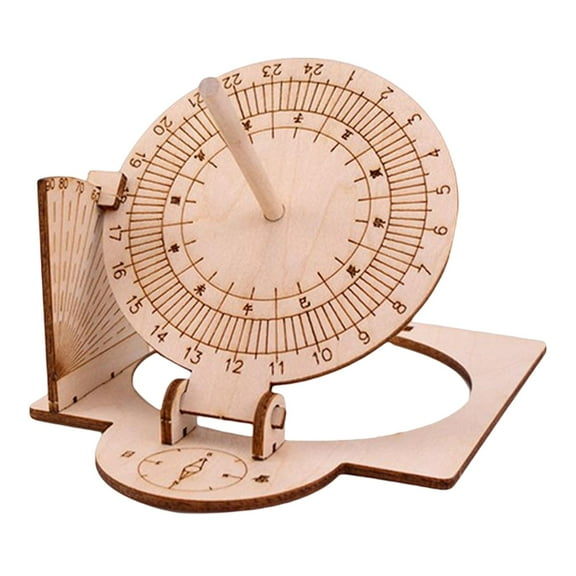
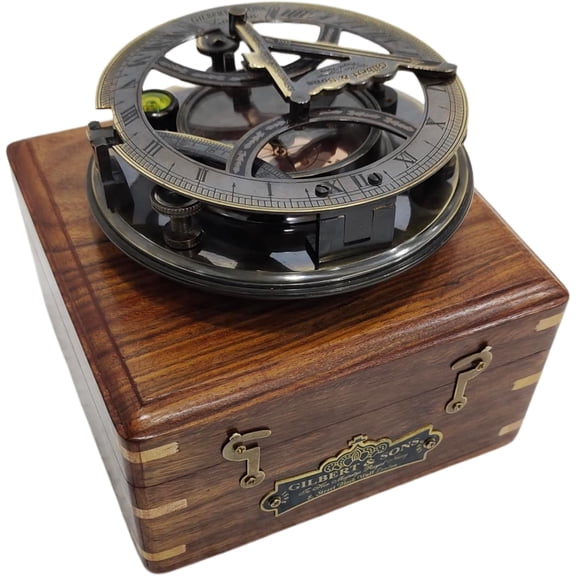
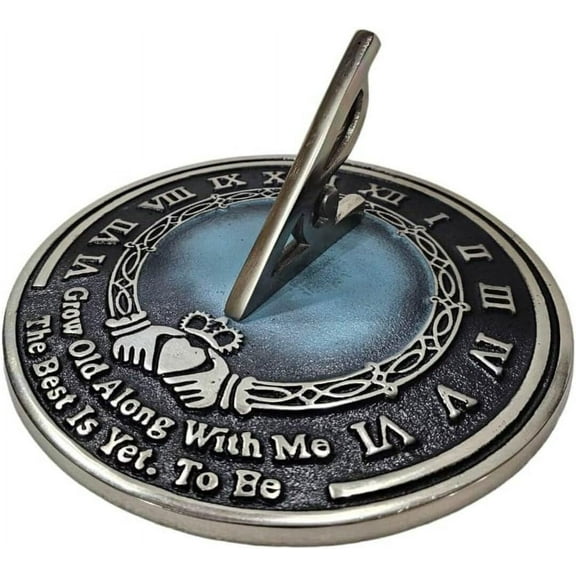
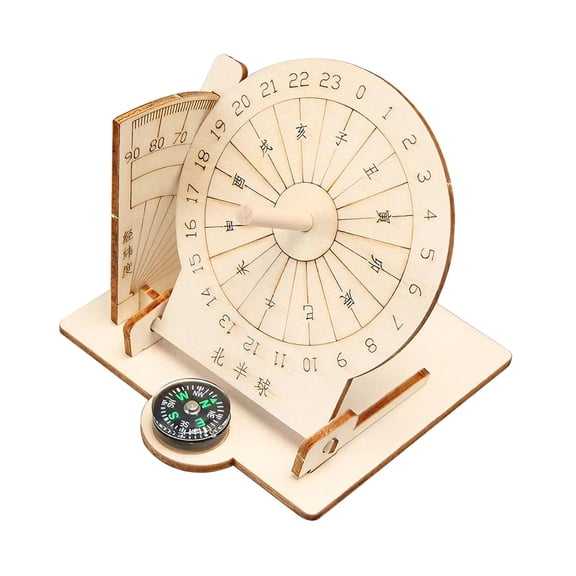

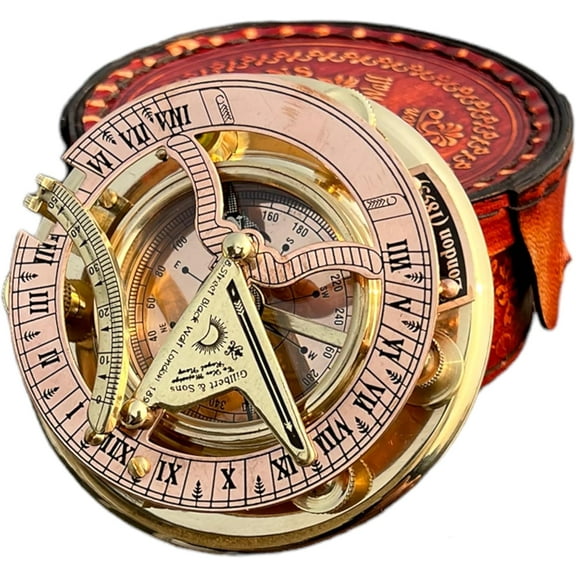


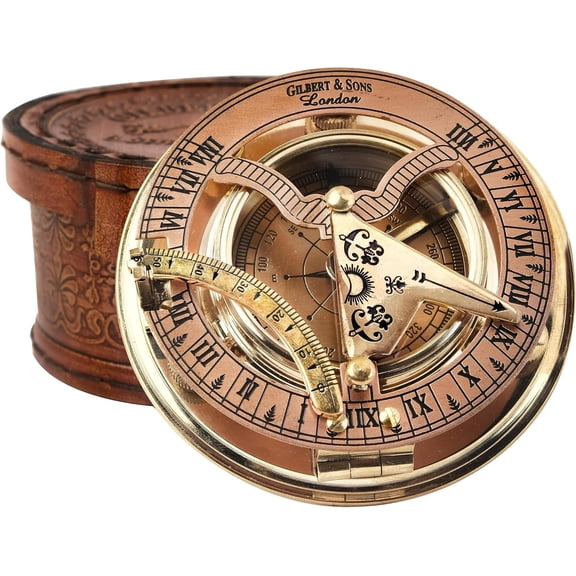

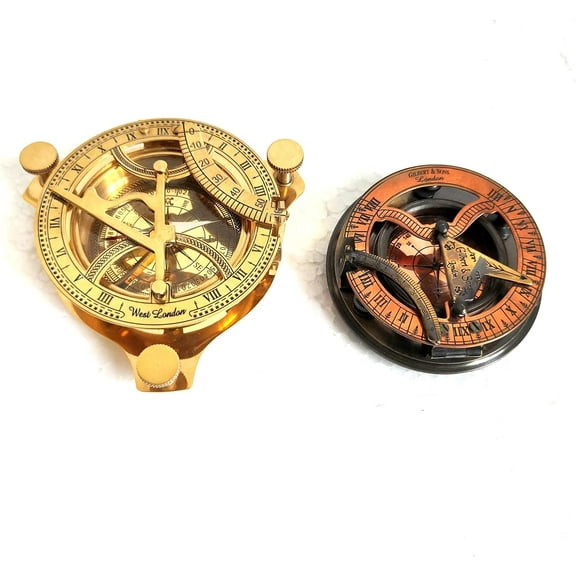

About Sundials in Garden Decorations - Walmart.com
Sundials bring lasting character to your landscape, and you can compare garden sundials by material, mounting, and style before you place one outdoors. You’ll notice this category centers on readable dials, weather-ready finishes, and display options that fit paths, patios, and planted beds.
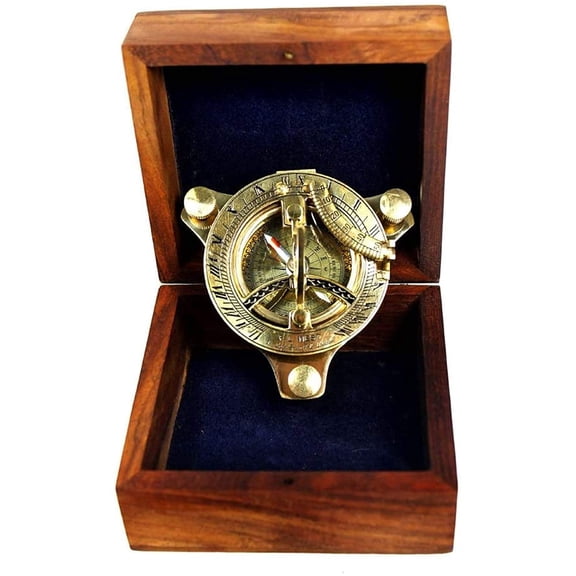
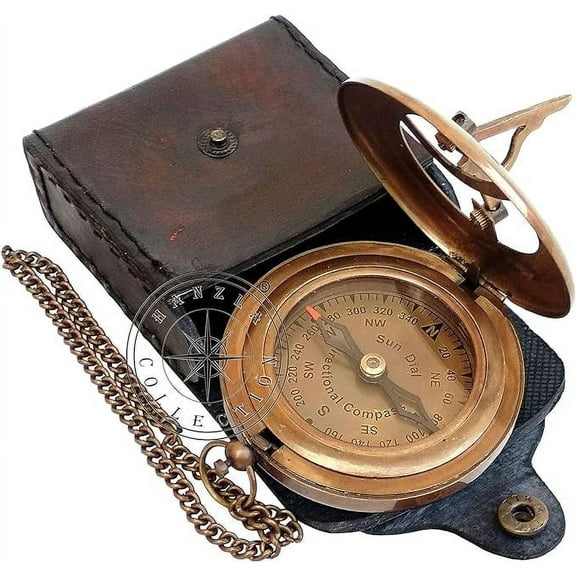
When you choose a sundial, you’re often balancing decoration with simple timekeeping and placement needs. You may want brass sundials for a polished look, or you may prefer cast iron designs that anchor larger garden spaces.
How to choose sundials by material
Material changes how your sundial looks over time, so you should compare brass, bronze, cast iron, and aluminum before you buy. You’ll often see brass develop a warm patina, while cast iron gives your garden a weightier, traditional presence.
If you want easier movement, you should consider aluminum because you can reposition it without the heft of denser metals. If you want a classic aged finish, you may prefer bronze or cast iron sundials with antique styling.
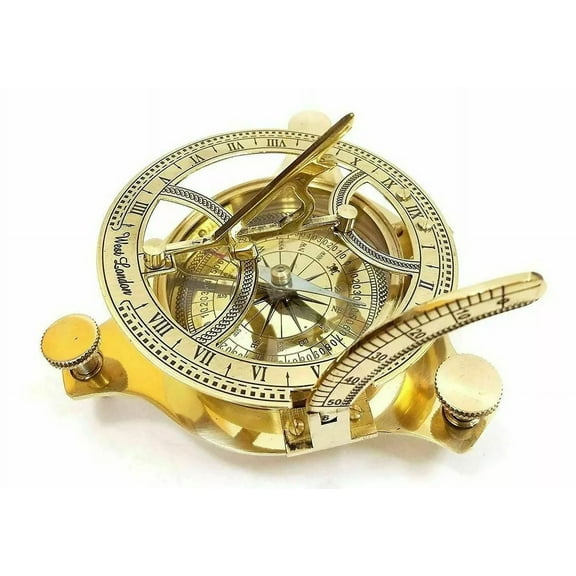
- You can use brass sundials when you want reflective color and crisp Roman numeral detail.
- You can choose cast iron sundials when you need visual weight for open lawns or stone borders.
- You can compare bronze finishes when you want an aged garden accent that blends with planters and statuary.
- You can check aluminum options when you want a lighter outdoor piece for seasonal layout changes.
You should also consider how each metal ages outside through sun, rain, and changing temperatures. You’ll usually find patina and finish shifts are part of the appeal for outdoor sundials, especially in formal garden settings.
Choosing garden sundials by mounting type
Mounting type affects placement, visibility, and stability, so you should measure your intended spot before you choose. You can compare pedestal mounted designs, flat base styles, and garden stake options based on your layout.
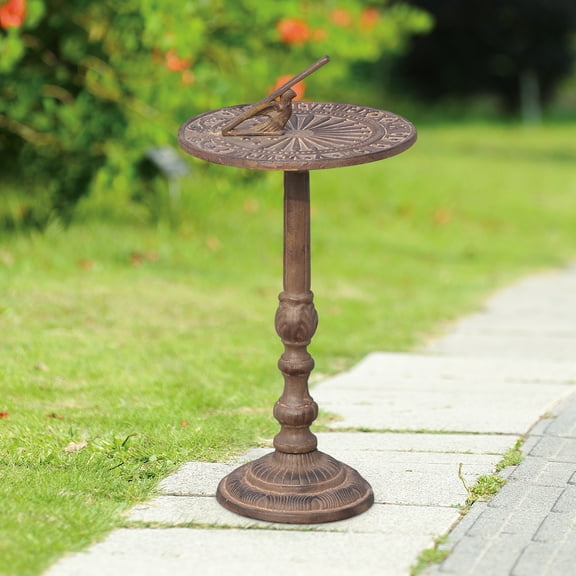
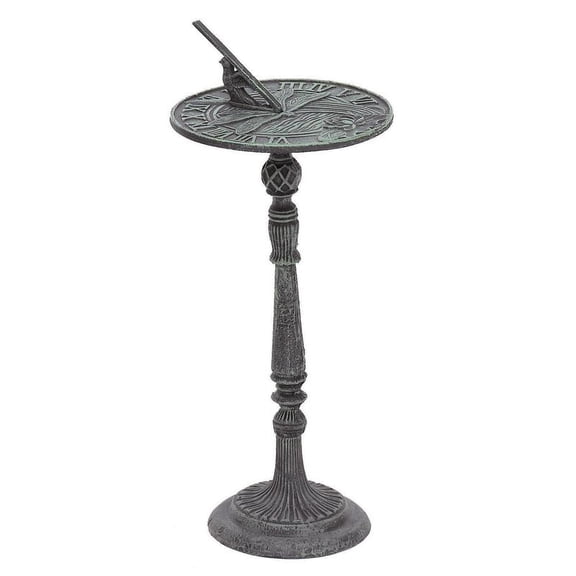
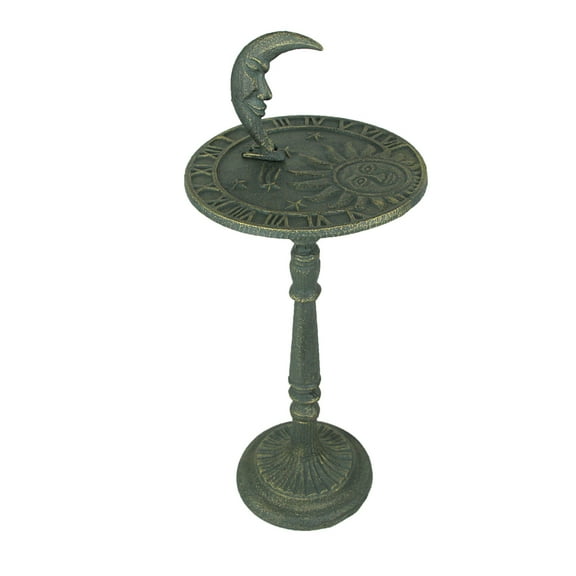
If you want more height, you should look at sundial pedestals that lift the dial above low plantings. If you want a tabletop or ledge display, you may prefer a flat base that sits on stone or brick.
Garden stake styles can work when you want a lighter visual footprint among flowers or herbs. You should check whether the base size matches your pedestal opening, especially when pedestal compatibility matters.
You may also want to compare overall diameter and base width before you finalize placement. You’ll get better visibility when your dial face stands clear of tall grasses, spreading ground cover, or nearby shrubs.
What to look for in style and dial design
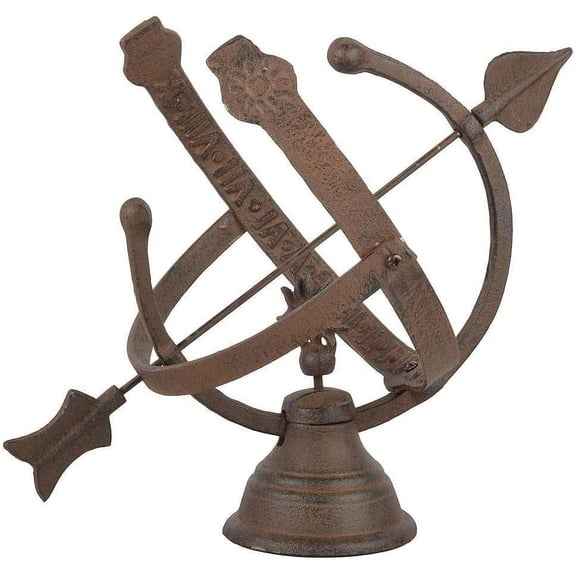
Style changes how your sundial reads from a distance, so you should compare armillary sphere, horizontal plate, and classic Roman numeral designs. You’ll often see armillary forms used as sculptural focal points in larger garden beds.
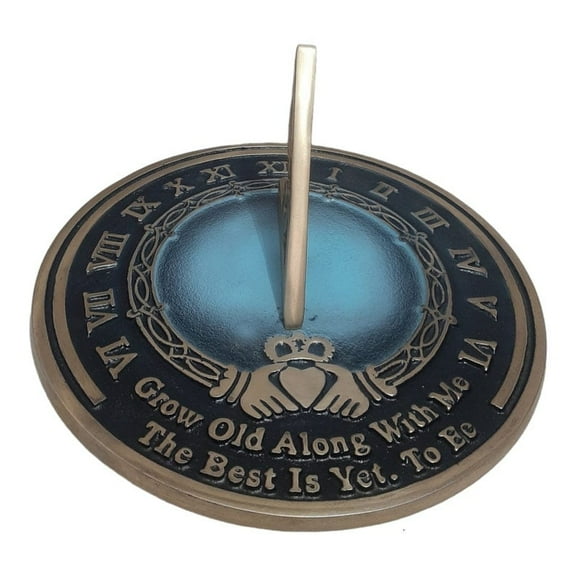
If you want easier reading, you should consider a horizontal plate with a clear gnomon and marked hour lines. If you want traditional ornament, you may lean toward classic Roman numeral details and antique-inspired finishes.
You should think about how the shape works with your surrounding decor, including bird baths, garden stakes, and stone planters. You’ll create a more cohesive look when your sundial echoes nearby metal finishes and hardscape tones.
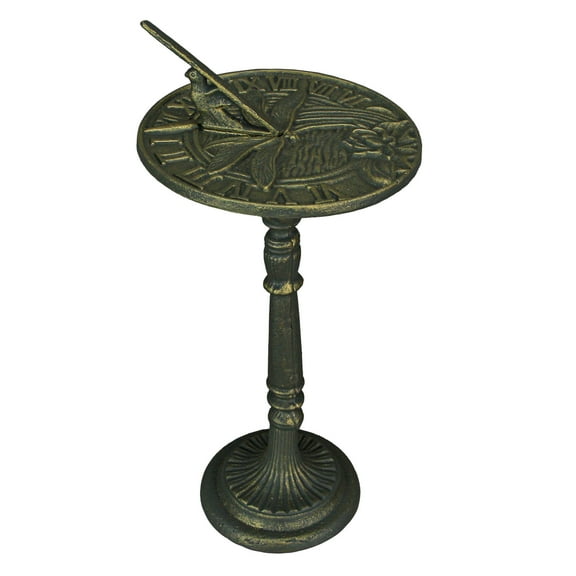
Finish also matters because you may want verdigris, antique bronze, polished brass, or rust-toned styling. You should compare those surface looks with your fence color, patio materials, and existing ornaments.
How to set up outdoor sundials
Setup matters because your sundial needs the right orientation to cast a readable shadow through the day. You should place it in an open area where trees, fences, and tall structures won’t block the sun.
To align the dial, you should find true north rather than relying only on casual placement. You can use a compass as a starting point, then adjust for your location so the gnomon points correctly.
You should place the base on a level surface because a tilt can change how the shadow falls across the markings. If you’re using sundial pedestals, you should check that the top is stable and evenly set.
Outdoor placement can still work in cooler seasons when you have open sunlight and clear exposure. You’ll usually get the cleanest reading when the dial sits away from overhanging branches and shifting shade lines.
Matching brass sundials and other options to your space
If you’re styling a compact patio garden, you may want a smaller flat base design with polished brass detail. You can place it near containers or along a low wall where the dial remains easy to see.
For larger lawns or formal entries, you may prefer pedestal mounted outdoor sundials with broader faces and heavier metals. You’ll often find cast iron or bronze styles look balanced beside walkways, hedges, and stone edging.
If your garden has cottage character, you might choose verdigris or antique bronze finishes that blend with climbing plants. If your space feels structured, you may favor crisp numerals and symmetrical horizontal plate designs.
You should also compare scale before you commit, because a small dial can disappear in wide planting beds. You’ll get a stronger visual anchor when the sundial height and face width match the surrounding landscape.
Sundials work well when you choose the right material, base, and alignment for your garden’s layout. You’ll enjoy a decorative focal point that adds structure, height, and timeless character to your outdoor space.