


Find auto parts that fit
Let’s search for parts that fit your vehicle.Superwinch in Auto & Tires Shop By Brand






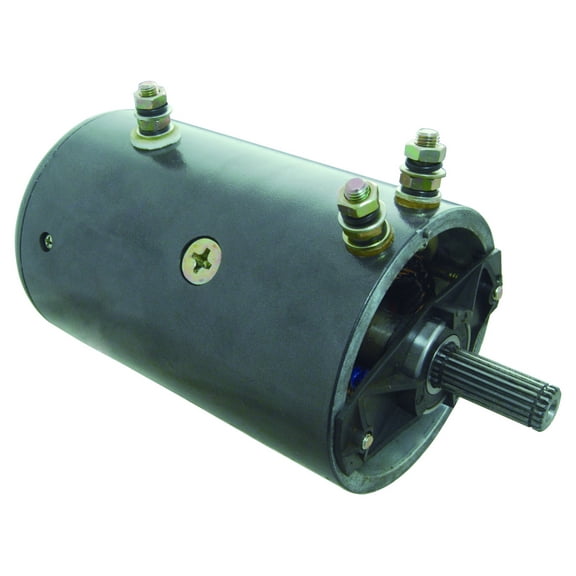


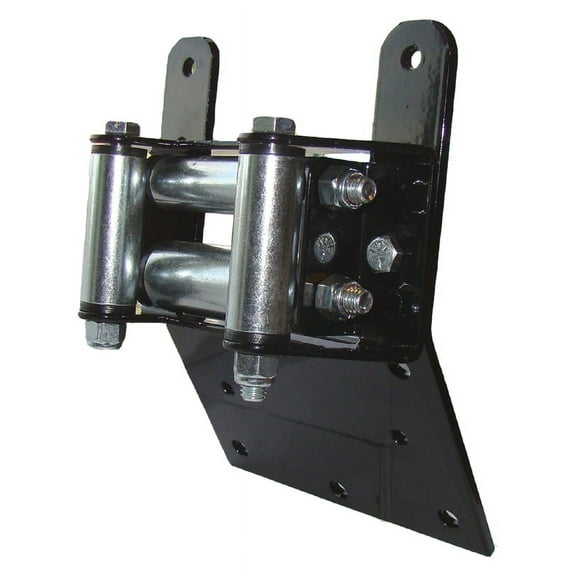


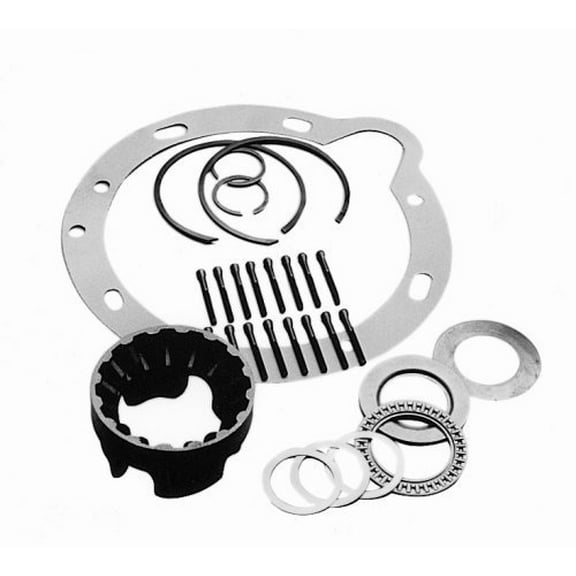
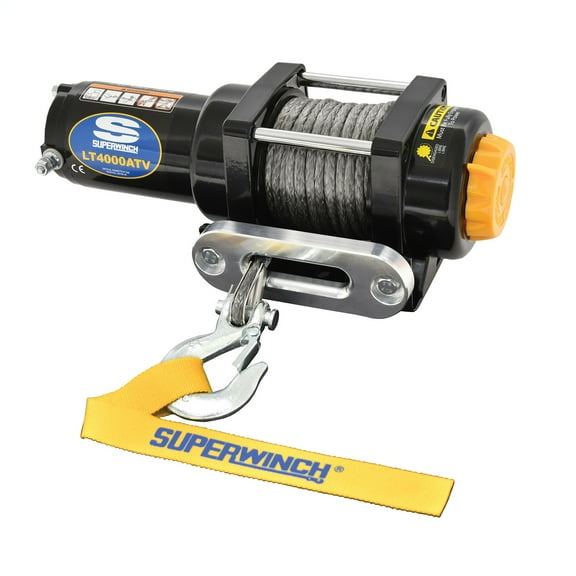


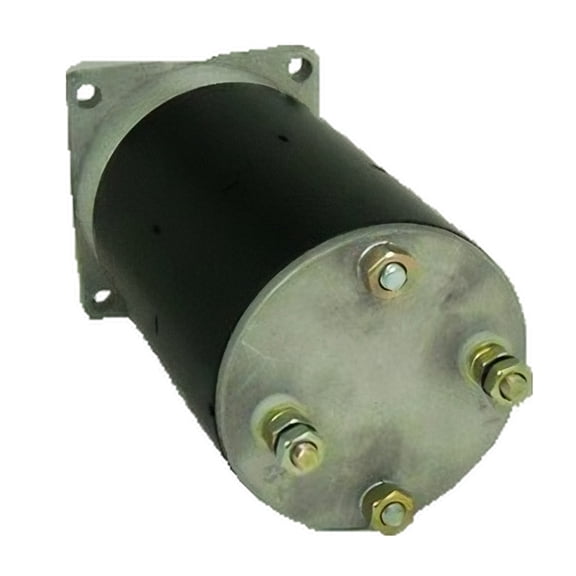
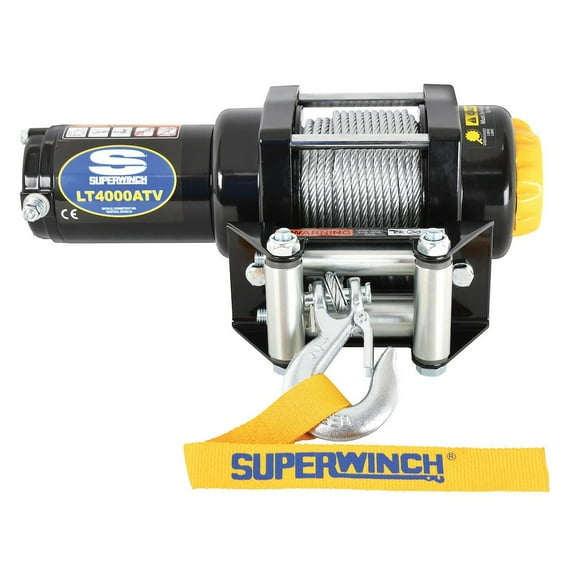

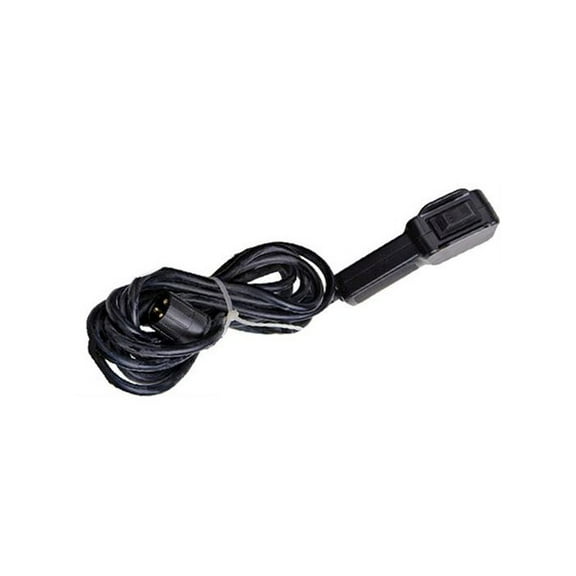
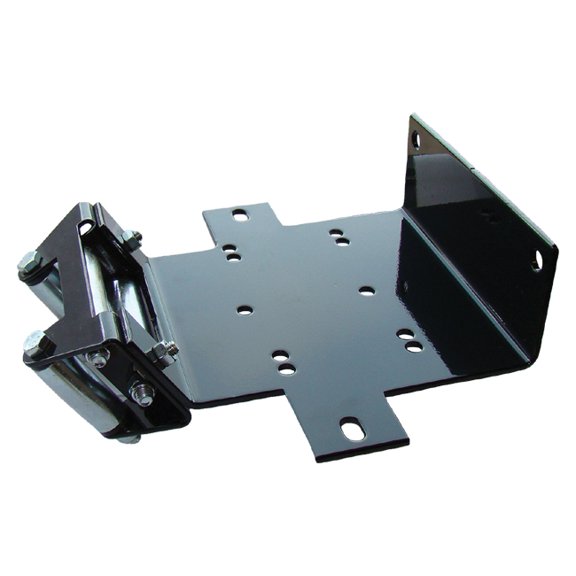



About Superwinch in Auto & Tires Shop By Brand - Walmart.com
Superwinch helps you gear up for recovery, hauling, and replacement needs with winches, parts, and accessories built for trucks, Jeeps, ATVs, and UTVs. You can compare line pull ratings, solenoids, mounting hardware, and fairleads in one place, which makes your search more focused.
If you're replacing worn components or choosing a first setup, you need clear guidance on fitment and power. You can use this page to sort through Superwinch winch parts, capacity ranges, and vehicle compatibility with less guesswork.
How to choose superwinch products by job
Start with product type, because your recovery setup changes based on what you need to replace or install. You may need complete winches, solenoids, replacement parts, or straps, and each choice supports a different stage of ownership.
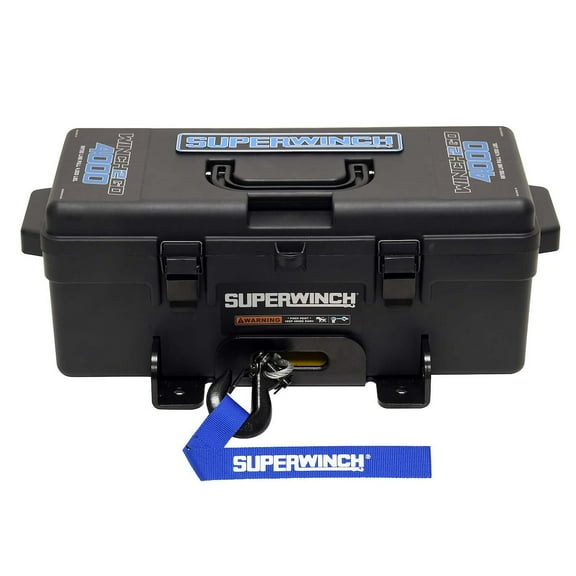
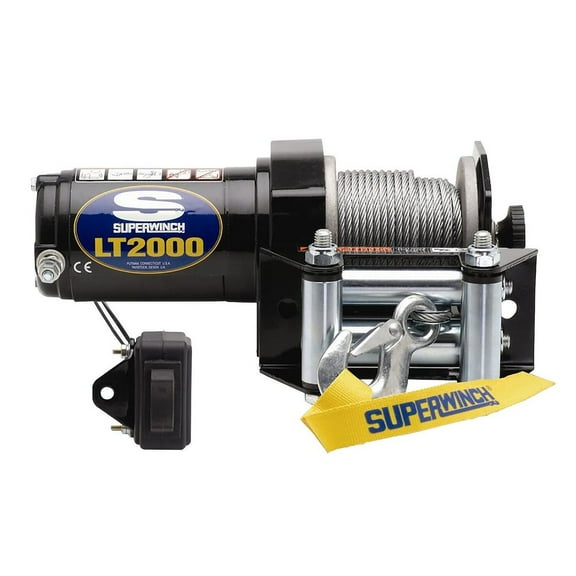
When you choose a full winch, you're usually matching line pull rating to your vehicle weight and intended terrain. When you choose replacement parts, you're often restoring power delivery, cable guidance, or mounting stability.
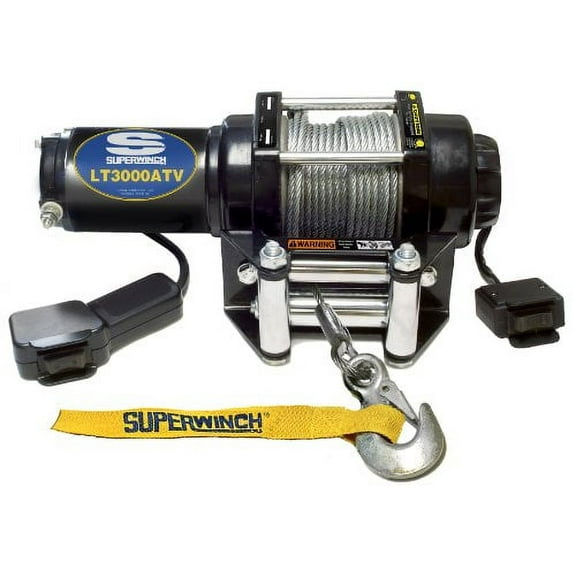
- You can choose winches when you need a full pulling system for trail recovery, loading, or utility tasks.
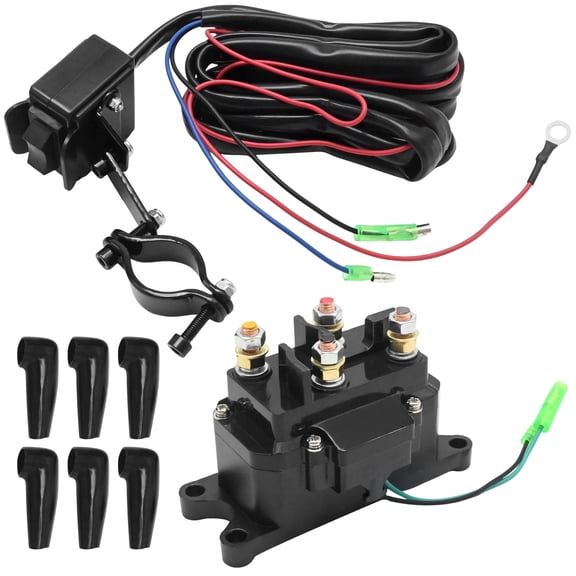
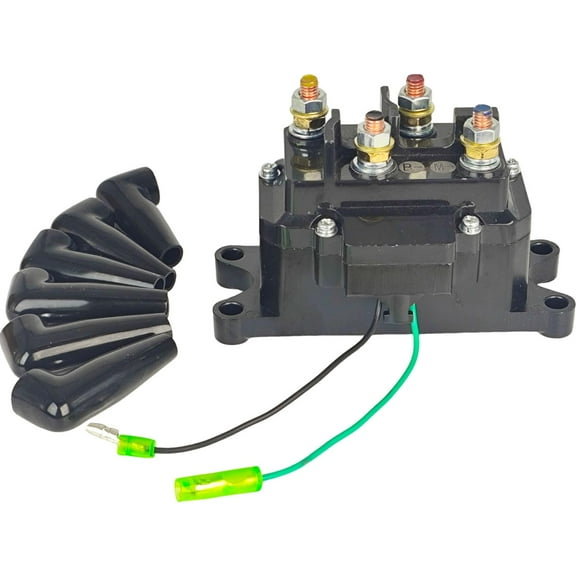
- You can choose solenoids when your wiring setup needs switching control that matches your voltage and amp draw.
- You can choose replacement parts when your fairlead, hook, cable, or hardware needs a direct refresh.
- You can choose straps and related recovery gear when your setup needs a secure connection point.
You'll also notice related gear like mounting kits and fairleads that support installation and cable management. You may even compare adjacent equipment interests, such as superwinch wheels and tires or tonneau cover add-ons for truck setups.
Choosing load capacity and line pull rating
Load capacity is one of your biggest decisions, because the right line pull rating helps match your vehicle class. You should compare 2500 lbs, 3500 lbs, and 12000 lbs options against gross vehicle weight and expected pulling conditions.
If you ride an ATV or compact UTV, you may lean toward lighter capacities that fit smaller frames and front mounts. If you drive a Jeep or truck, you may need higher ratings for recovery on mud, rocks, or steep approaches.
You should also think about rope type when you compare recovery performance in real use. You may prefer synthetic rope for easier handling, while steel cable may suit your setup if you want a traditional heavy-duty option.
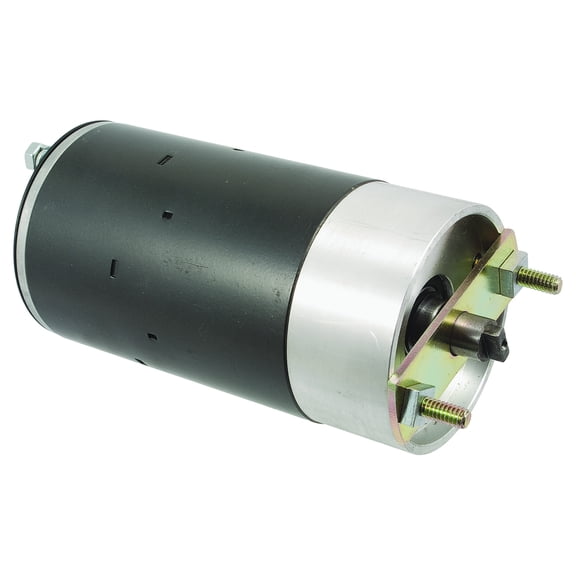
Check drum size, motor power, and gear train details if you're comparing similar capacities across multiple setups. You'll get a clearer picture of how each unit fits your trail use, work tasks, or loading routine.
Finding the right superwinch winch parts and solenoids
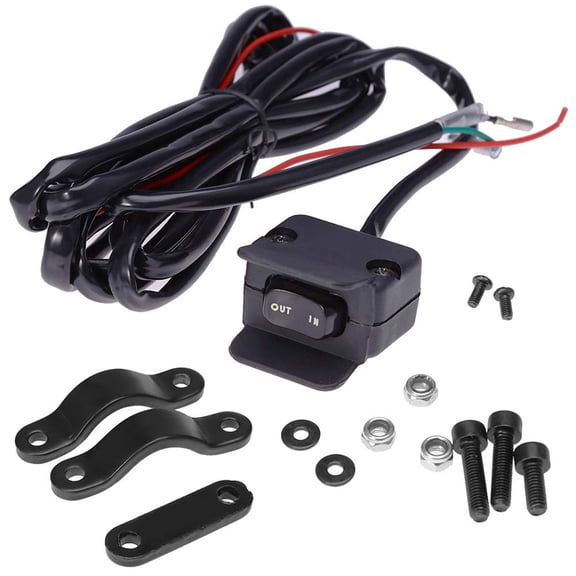
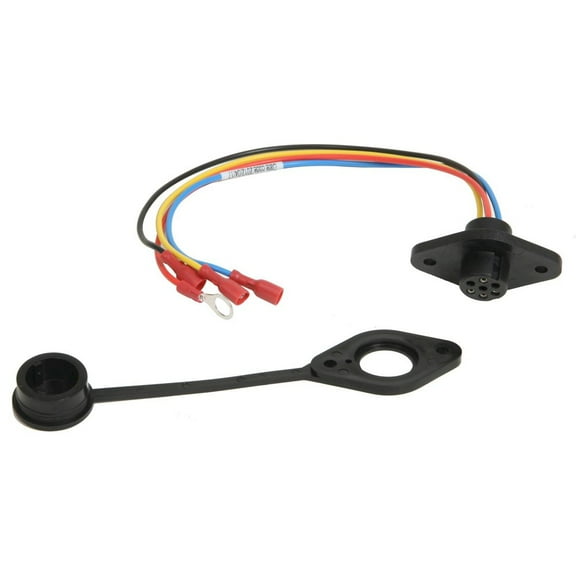
Electrical compatibility matters when you replace control components, especially if you're troubleshooting switching or power delivery. You should compare voltage, amp draw, and wiring schematics before choosing a polaris winch solenoid or similar replacement part.
A matching solenoid helps your system respond correctly to the switch and battery setup you already use. You can avoid fitment surprises by checking connector style, terminal layout, and intended vehicle platform first.
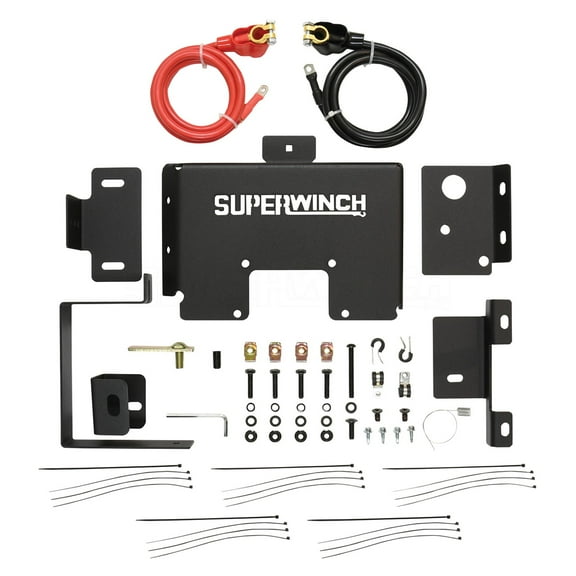
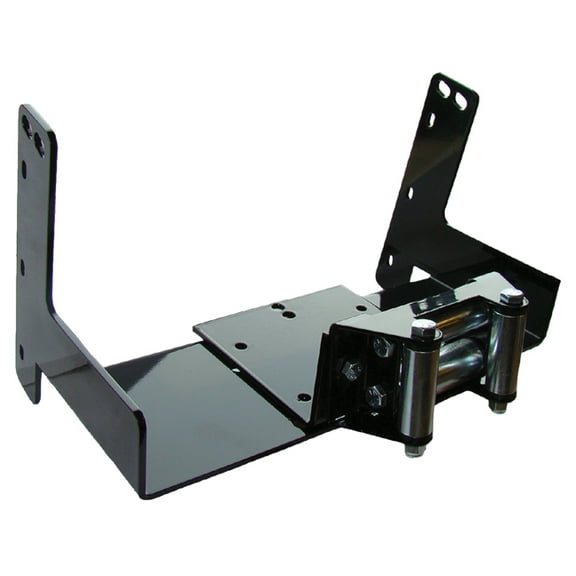
Mounting patterns matter just as much when you replace hardware, fairleads, or brackets around the winch body. You should measure bolt spacing and confirm bracket style before you choose superwinch winch parts for your ATV, Jeep, or truck.
If you're cross-shopping legacy repairs, you may also search terms like badland 12000 winch parts or badland 2500 winch parts. You can use those comparisons to narrow needed specs, then confirm the exact Superwinch fit for your setup.
Comparing vehicle compatibility and accessory options
Your vehicle type shapes almost every decision, from load rating to bracket design and wire routing. You should check whether your setup is built for an ATV, UTV, Jeep, or truck before you choose a winch or replacement part.
ATV and UTV setups often need compact housings, lighter line ratings, and vehicle-specific mounting kits. Jeep and truck setups often need stronger pulls, wider fairleads, and brackets that align with frame or bumper provisions.
Accessory choices help you complete the system without piecing together mismatched components later. You can compare fairleads for smoother cable guidance, mounting kits for fitment, and straps for practical recovery connections.
You may also be building around truck utility needs beyond recovery equipment alone. If your setup includes bed storage planning, you might compare superwinch tonneau covers and related truck accessories alongside winch hardware.
Using superwinch gear for trail, work, and repair needs
You can build an ATV or UTV setup for trail riding, utility hauling, and property tasks where compact pulling power matters. You may choose a lighter-capacity winch, a matching solenoid, and a fairlead that suits tighter mounting spaces.
For Jeep use, you might focus on stronger line pull ratings, bumper fitment, and rope style for off-road recovery. You can pair the right bracket pattern with replacement hardware when your current system needs an update.
Truck owners often compare heavier capacities for loading equipment, pulling stuck vehicles, or supporting worksite tasks. You should verify mounting points, electrical demands, and accessory compatibility before finalizing your setup.
If you're repairing an existing system, you can narrow choices faster by starting with the failed component. You may replace a solenoid, cable guide, strap, or mounting piece without changing the full recovery setup.
When you use these decision points together, your search becomes more precise and practical. You can match Superwinch products to vehicle type, line pull needs, wiring specs, and hardware fitment for dependable everyday use.