

50 x 50 Tarps & Surface Protectors
















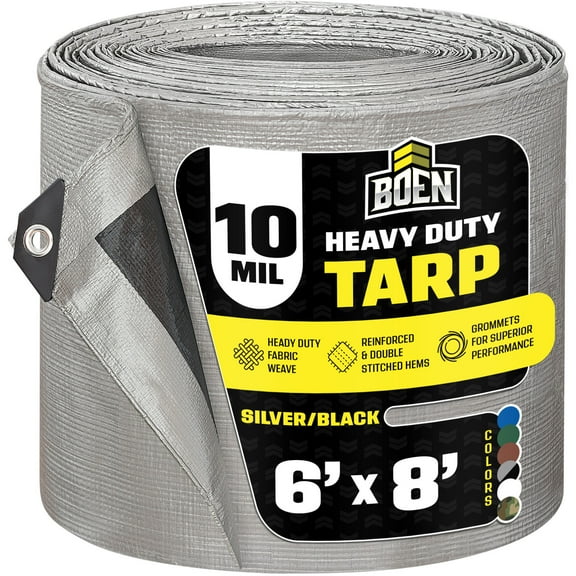


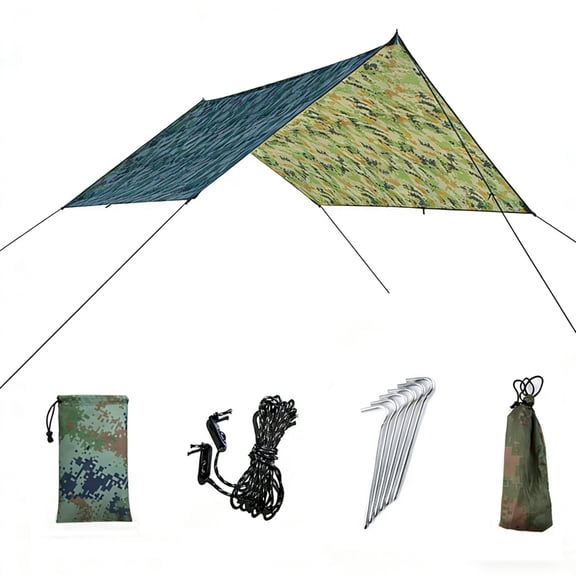
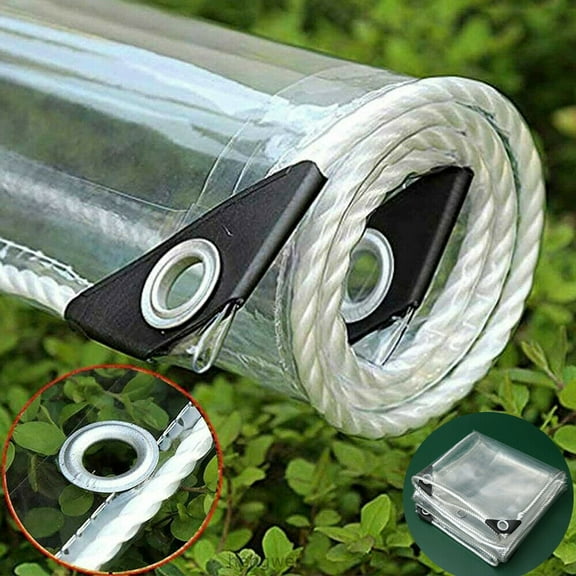

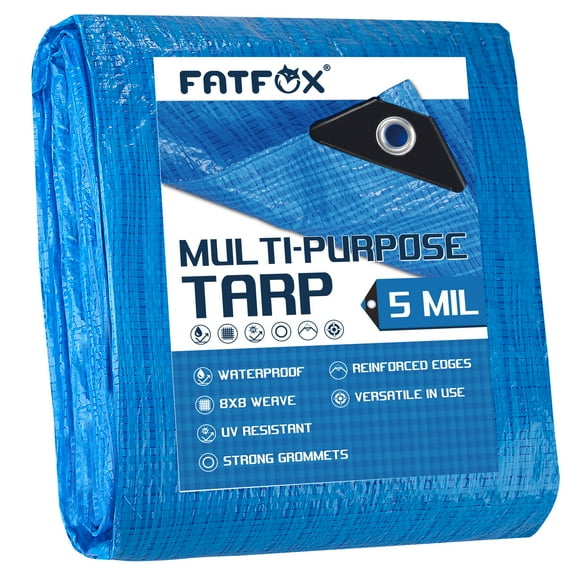
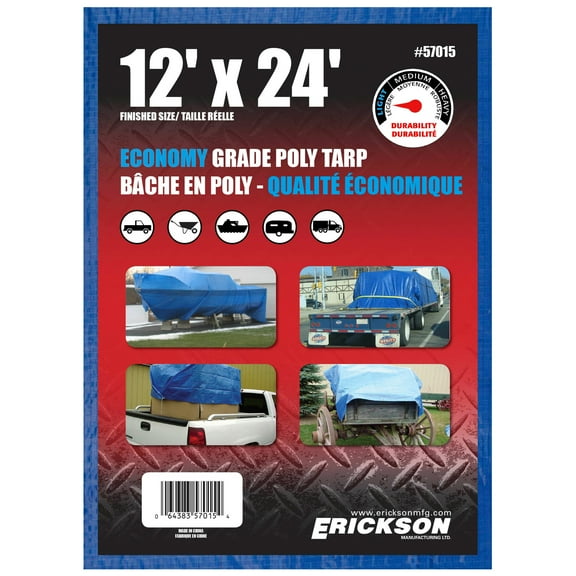
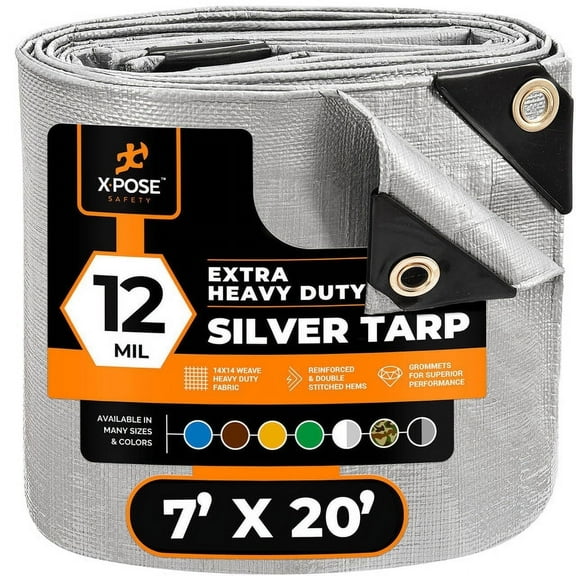


About 50 x 50 Tarps & Surface Protectors - Walmart.com
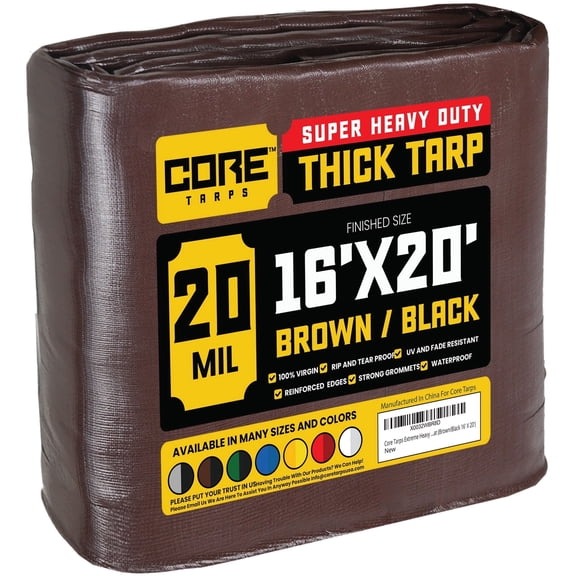
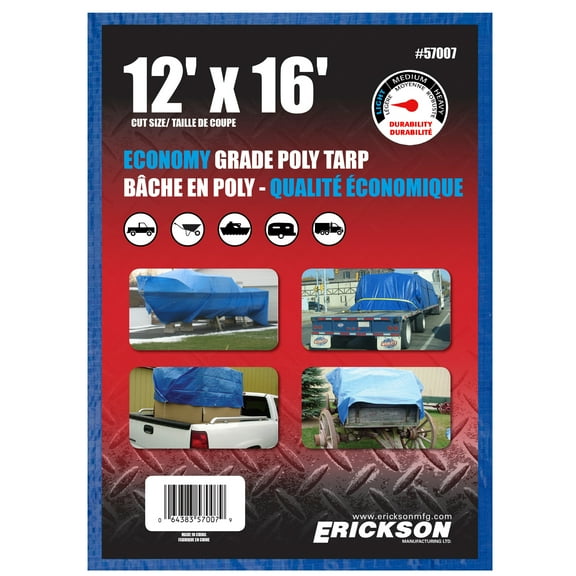
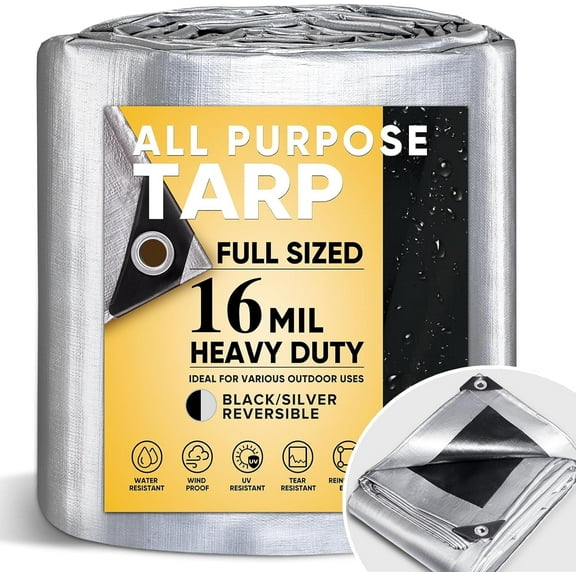
Tarps help you cover equipment, protect outdoor spaces, and handle messy projects with flexible coverage options. You can compare materials, duty ratings, waterproof construction, and sizes to match your setup without guessing.
If you're covering firewood, a trailer load, a roof patch, or patio furniture, tarps give you practical protection. You can also choose details like reinforced edges and rustproof grommets for steadier tie-down support.
How to choose tarps for your project
You should start by matching your tarp to the surface, season, and exposure level. You can use light duty styles for temporary coverage and heavier builds for repeated outdoor use.
When you compare category options, you'll usually see polyethylene, canvas, vinyl, and PVC constructions. You can expect each material to handle moisture, flexibility, and abrasion in different ways.
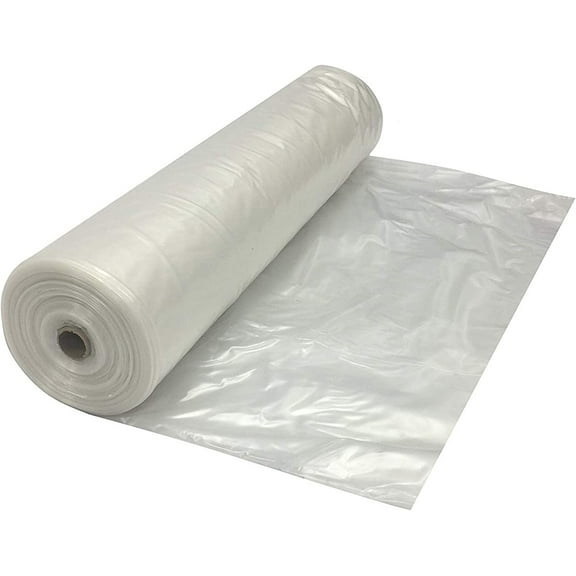
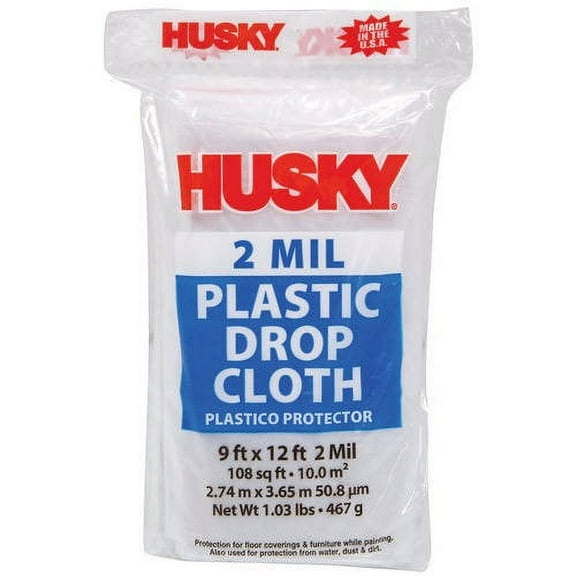
- You can use polyethylene for lightweight coverage, general outdoor projects, and quick cleanup jobs.
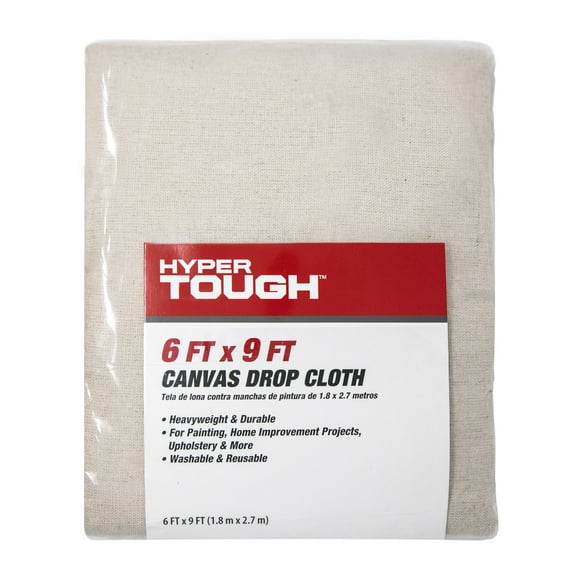
- You can choose canvas tarps when you want a sturdy fabric feel for tools, equipment, or workshop coverage.
- You can consider vinyl or PVC when you need thicker material, stronger edges, and demanding jobsite use.
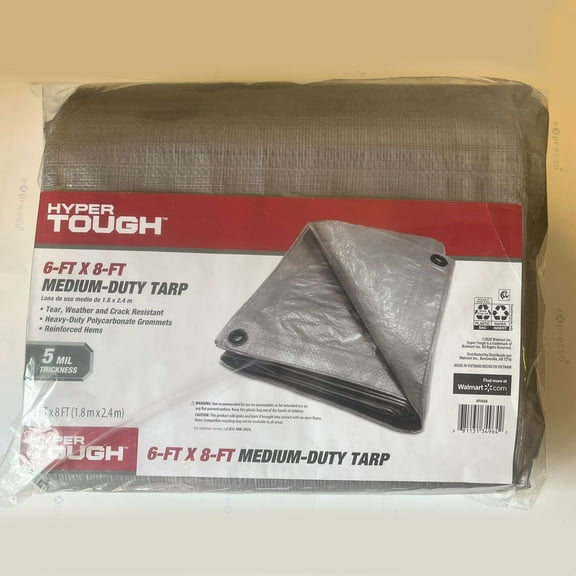
- You can check reinforced corners and rustproof grommets when you need secure tie-down points.
You may also want to compare finished size against your exact coverage area. You should leave room for overlap, edge drop, and tie-down slack before you choose.
Choosing between heavy duty tarps and lighter options
You can narrow your choice faster by using the duty rating as a starting point. You should look at light duty, medium duty, heavy duty, and super heavy duty as different levels of thickness and toughness.
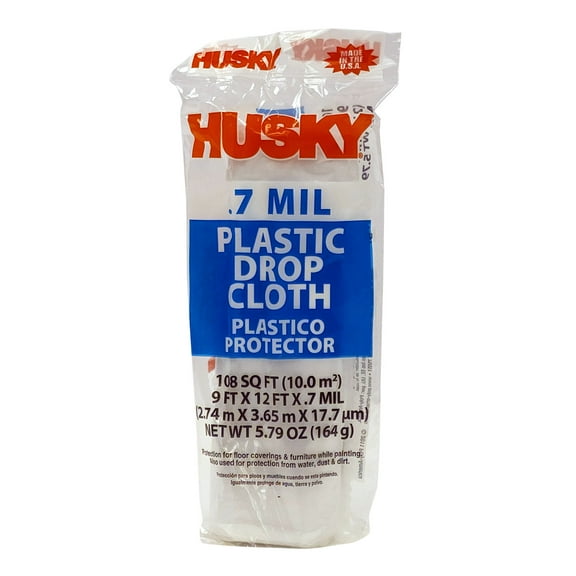
Light duty styles can work when you need short-term coverage for yard debris or painting projects. Heavy duty tarps usually fit repeated hauling, equipment storage, and rougher outdoor conditions.
You may notice technical terms like mil thickness and denier count while you compare options. You can read those numbers as clues about material thickness and fabric strength.
A higher mil rating often means you get a thicker sheet that feels sturdier during tie-down use. A higher denier count usually means your tarp fabric can handle tougher wear.
You should also check grommet spacing before you commit to a larger cover. Closer spacing, such as every 18 or 24 inches, can give you more tie-down flexibility.
What to look for in waterproof tarps
You can sort waterproof tarps from water-resistant covers by checking coatings and construction details. A waterproof design helps you block water penetration, while water-resistant styles handle lighter exposure.
If your tarp will sit outside for days, you should compare coating type and seam construction. You'll want reliable surface coverage when rain, splash, or snow contact matters.
You can also look for UV resistant finishes when your cover stays in direct sun. That feature helps your tarp keep its shape and color longer during repeated outdoor exposure.
Reinforced edges matter when you expect wind movement or frequent tie-down adjustments. You can get steadier tension and less edge strain during transport or long-term storage.
If you're protecting a pool in colder months, winter pool tarps can help you cover wide surfaces. You should measure carefully and account for anchor points around the perimeter.
Choosing the right tarp size and material
You can make a smarter choice by measuring length, width, and drop before you compare sizes. Common options like 8x10 ft, 10x12 ft, 12x16 ft, and 20x30 ft fit very different jobs.
An 8x10 ft cover can work for small equipment, stacked supplies, or compact patio pieces. A 20x30 ft size can suit larger loads, wide work zones, or oversized outdoor storage.
You should match canvas tarps to uses where breathability and a fabric feel matter to you. You can match poly covers to quick weather coverage and easy handling.
Vinyl and PVC styles can make sense when your job needs thicker material and repeated exposure. You should compare weight and flexibility if you'll fold, move, or store the tarp often.
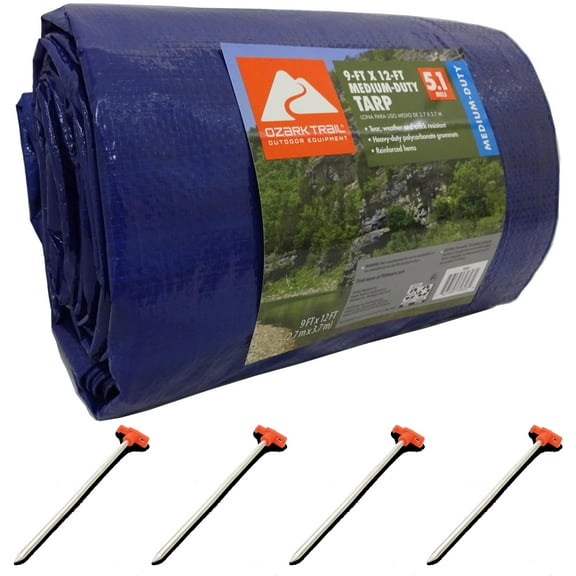
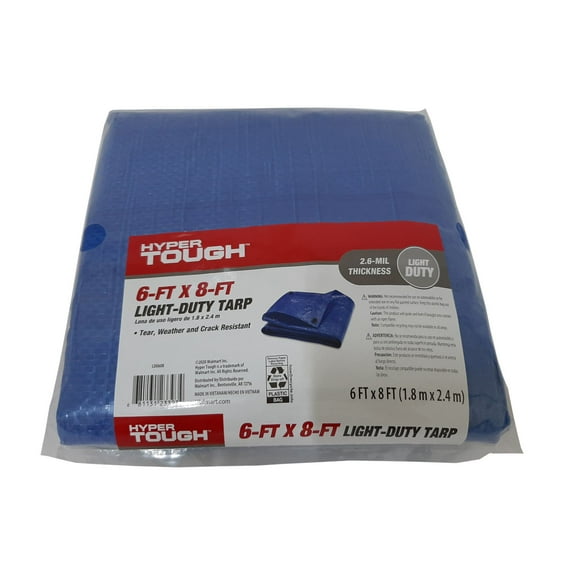
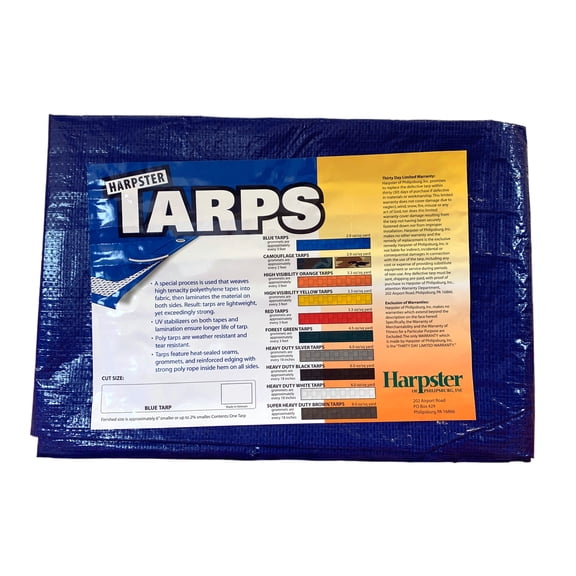
You may also want blue tarps when you need a familiar general-purpose cover for home projects. Color can help you spot your gear faster and organize supplies by use.
How tarps fit real outdoor and work scenarios
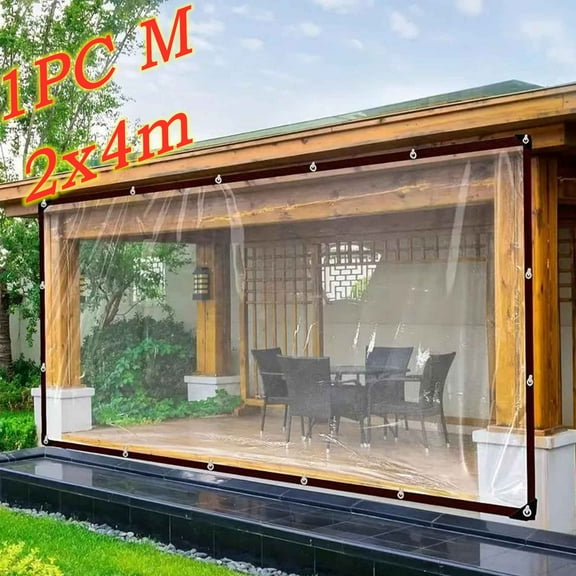
You can use outdoor tarps for camping setups, wood piles, landscaping supplies, and temporary ground covers. You can also cover trailers, grills, mowers, and seasonal furniture between uses.
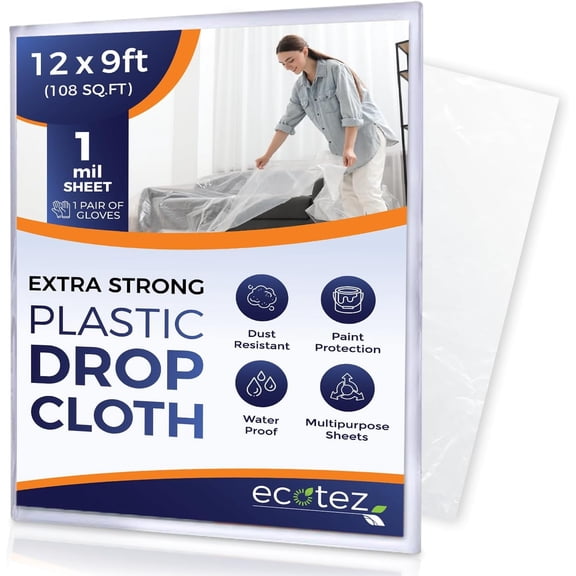
For home improvement jobs, you might need a cover that handles paint drips, dust, or demolition debris. You should look for manageable sizes and corner tie-down points for easier setup.
On a jobsite, you may need heavy coverage for tools, lumber, or materials that stay outside overnight. You can use stronger duty ratings and reinforced edges for more demanding conditions.
For travel or transport, you should check grommets, edge strength, and finished dimensions before loading. You can get a more secure fit when your tarp matches your cargo and tie-down plan.
When you compare tarps with clear measurements and material details, you can choose with more confidence. This helps you find coverage that fits your project, holds more securely, and works through changing weather.