





Swing Sets for Backyards: Wooden & Metal Sets | Walmart









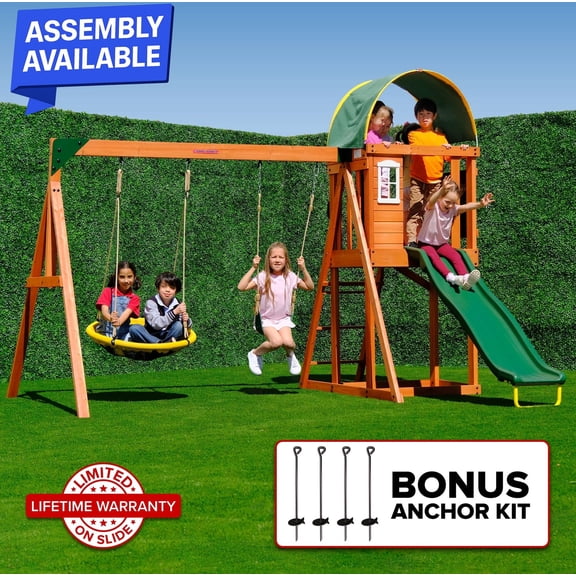


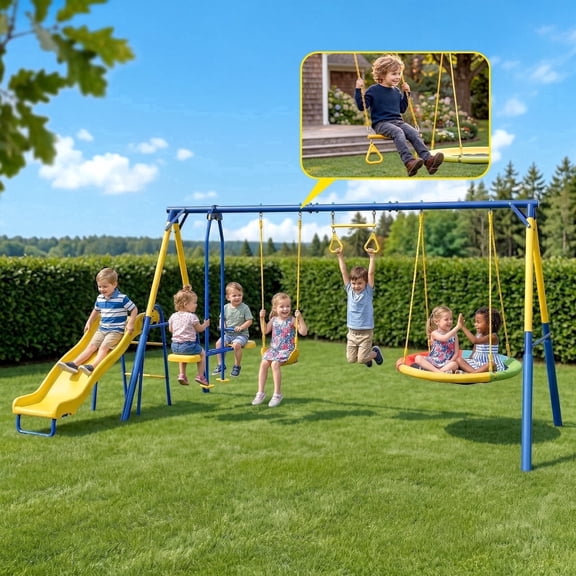
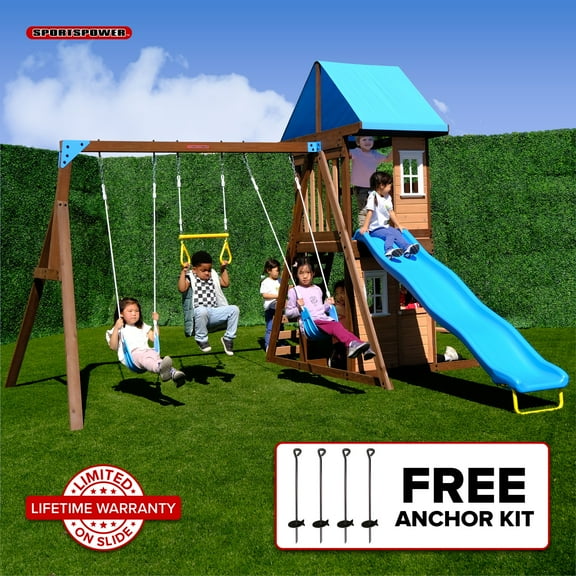


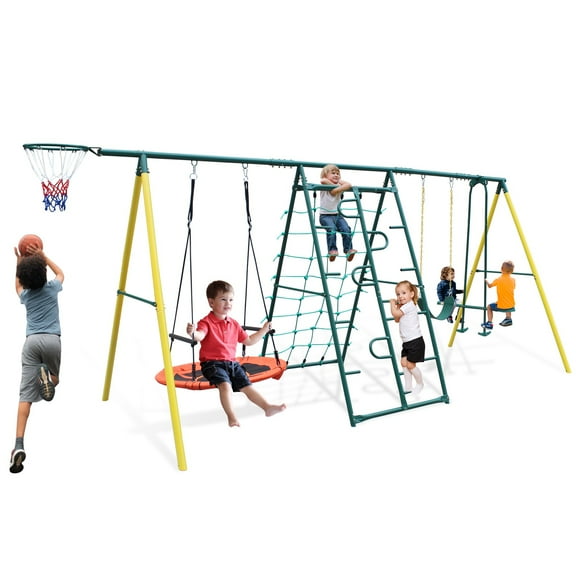


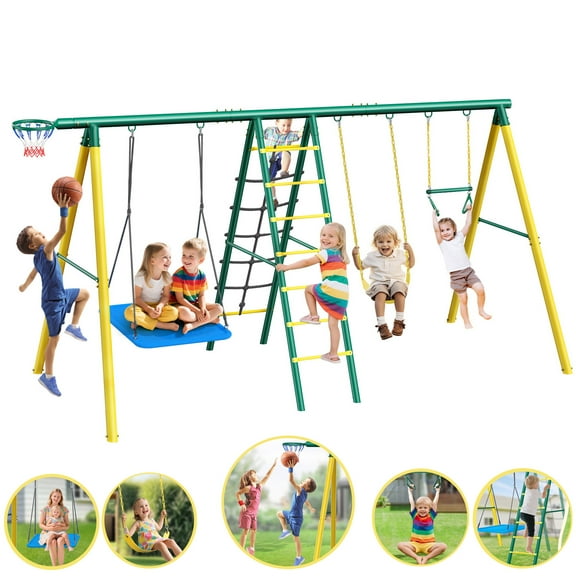


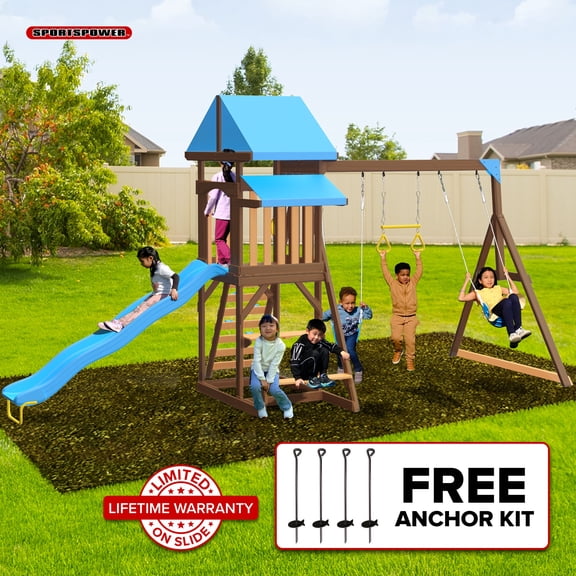


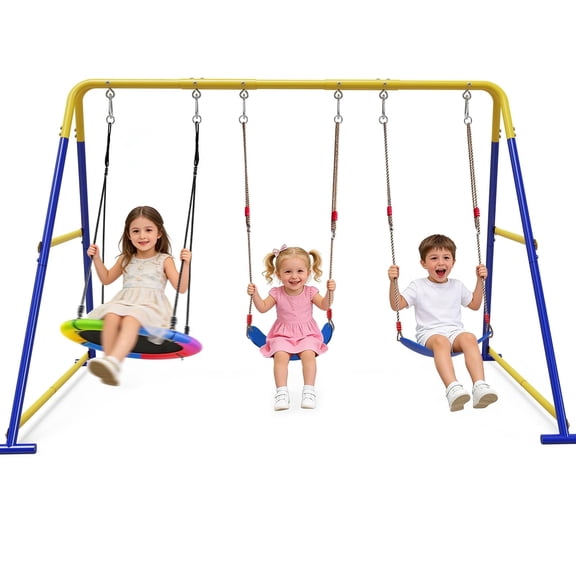


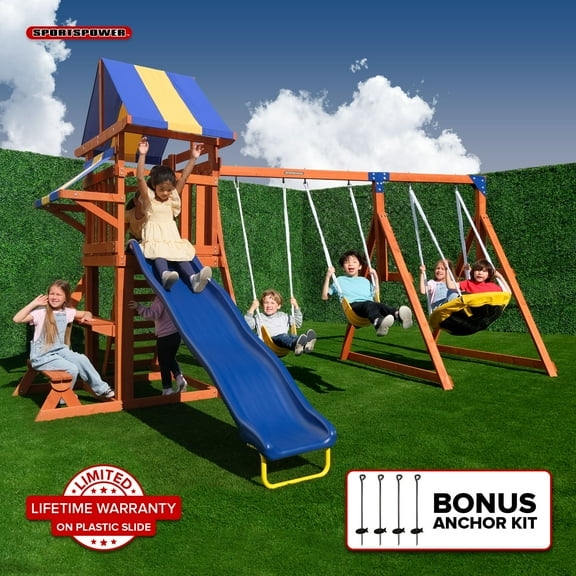



About Swing Sets for Backyards: Wooden & Metal Sets | Walmart - Walmart.com
You can compare swing sets by material, age range, and play features, so your backyard setup fits your space and your routine. Your planning gets easier when you review assembly, spacing, and seat capacity before you choose.
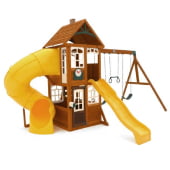
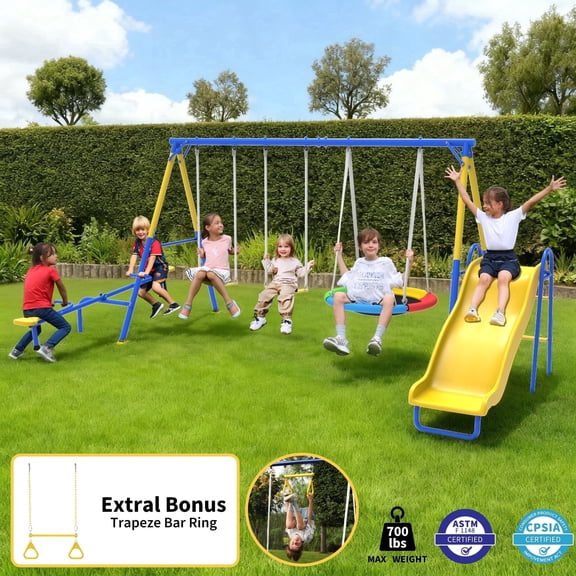
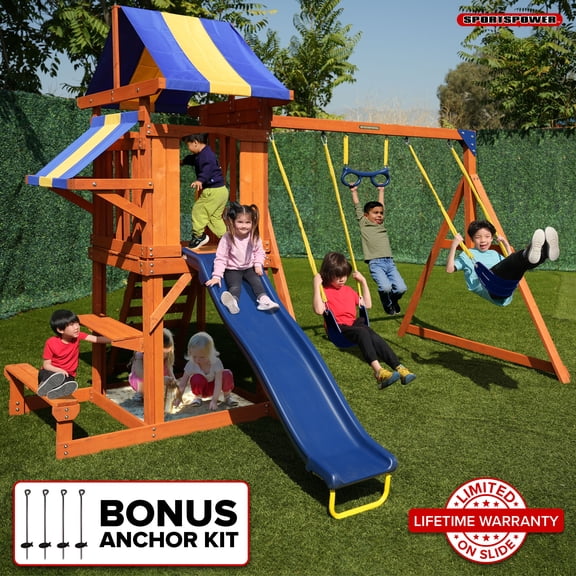
When your yard needs more than a simple frame, you can compare full play stations with slides, monkey bars, climbing walls, or gliders. Your choice can support active outdoor play while matching the footprint you can actually use.
How to choose swing sets for your backyard
Start with your yard size and your play goals before you compare frame styles. Then you can measure clear space around the frame, so your layout supports motion on every side.
For backyard swing sets that see regular use, you should check the footprint, the swing beam width, and the deck height. Your installation plan should also include anchoring requirements, because different frames need different setup steps.
These decision points can help you narrow options faster and avoid mismatched layouts. In practice, your comparison often comes down to material, age group, frame type, and included features.
- You can choose wood, metal, or vinyl surfaces based on upkeep and appearance.
- You can match toddler swing sets or larger playsets to your child's age range.
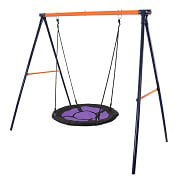
- You can compare heavy duty swing sets with standard or folding frames for stability and storage needs.
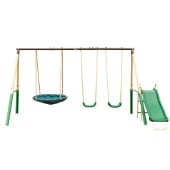
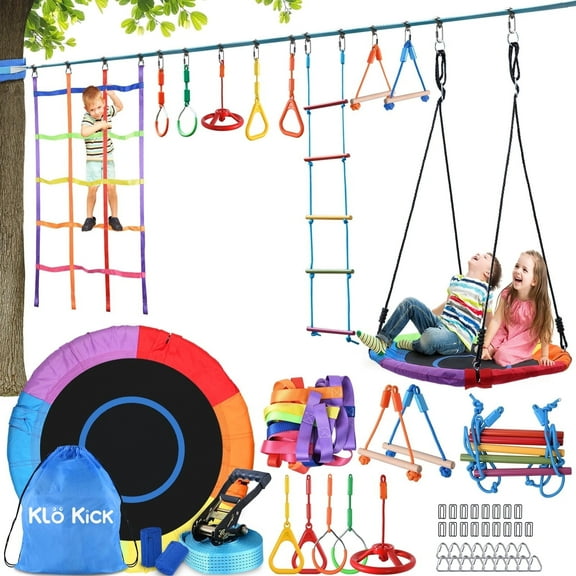
- You can pick extras like a slide, monkey bars, climbing wall, or glider for varied play.
Choosing between wooden swing sets and metal swing sets
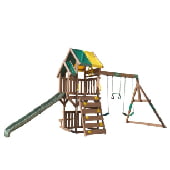
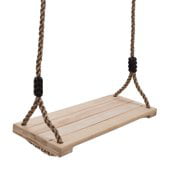
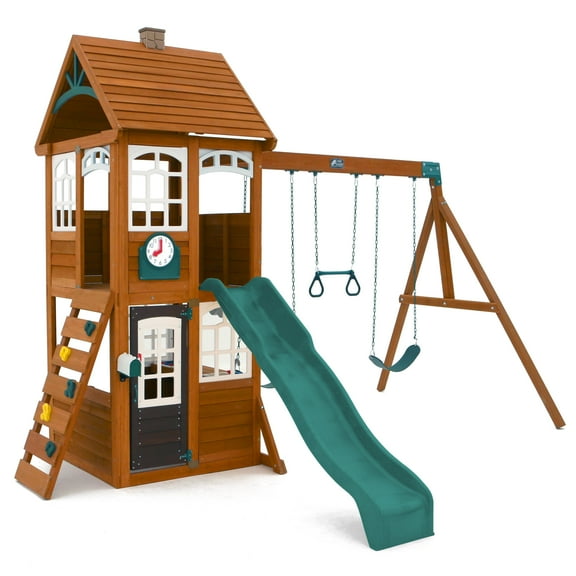
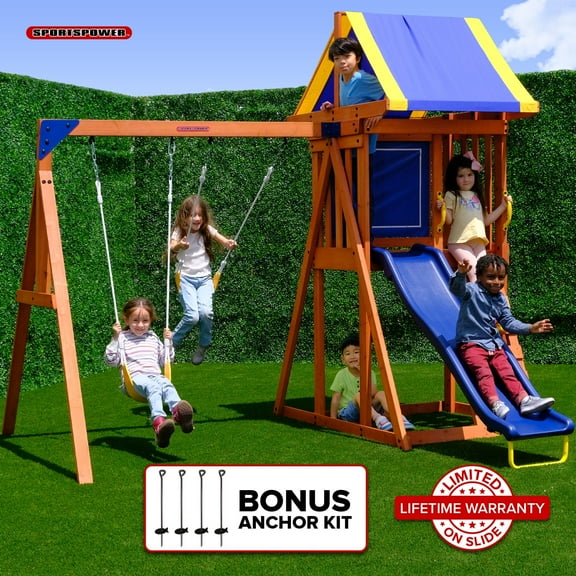
Material should come first in your comparison, because it shapes upkeep, appearance, and long-term use. You’ll usually see wooden swing sets in cedar or pressure-treated pine, while metal swing sets often use rust-resistant steel.
If your yard has a natural look, you may prefer cedar frames that blend into the space. You’ll often notice cedar handles outdoor exposure well and doesn’t require the same maintenance as painted metal.
Pressure-treated pine can be a practical choice when you want a classic wood frame. You should review finish details and maintenance steps, because your wood set may need periodic sealing or hardware checks.
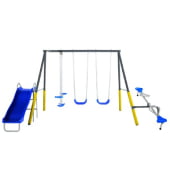
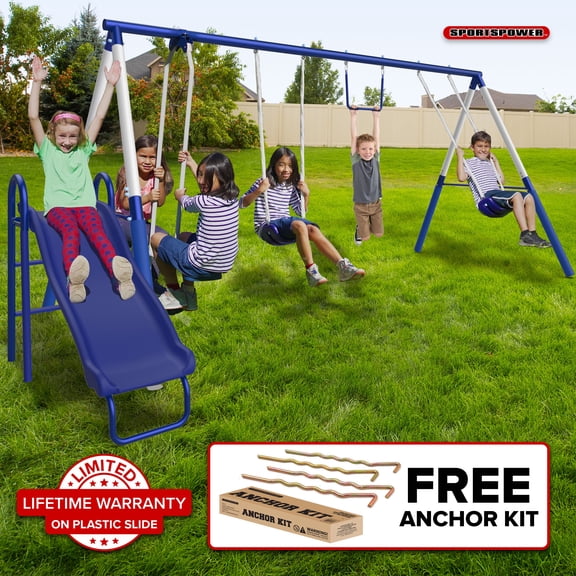
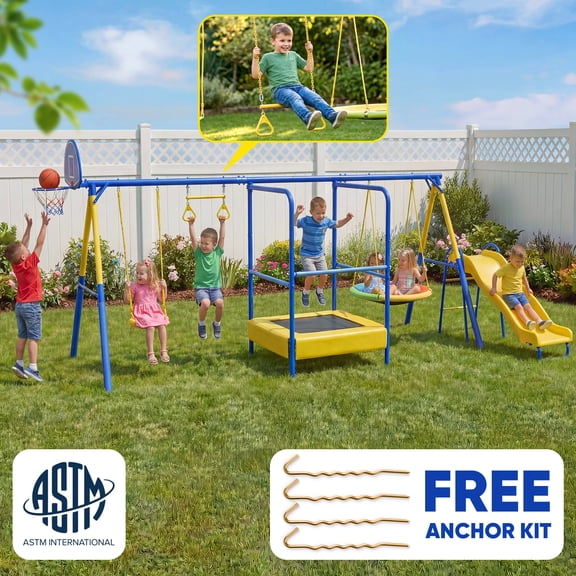
If simpler upkeep matters to you, metal frames may fit your routine more easily. You’ll often get powder-coated or rust-resistant steel parts and a lighter visual profile for smaller yards.
Some designs include vinyl-covered sections on touchpoints or trim, which can change the look of your set. You should check where vinyl appears, because your cleaning steps may differ by surface type.
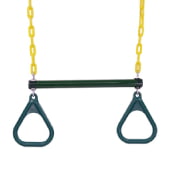
Hardware details also matter when you compare materials across this category. You’ll want corrosion-resistant fasteners, coated chains, and clear care instructions for regular outdoor use.
Matching age group and frame type to your household
Age guidance should shape your decision before you compare colors or accessory counts. Your seats, platforms, and climbing features will feel more useful when they match your child’s stage.
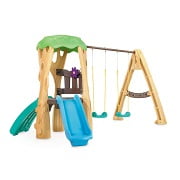
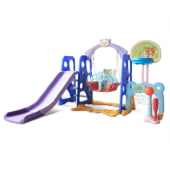
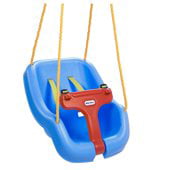
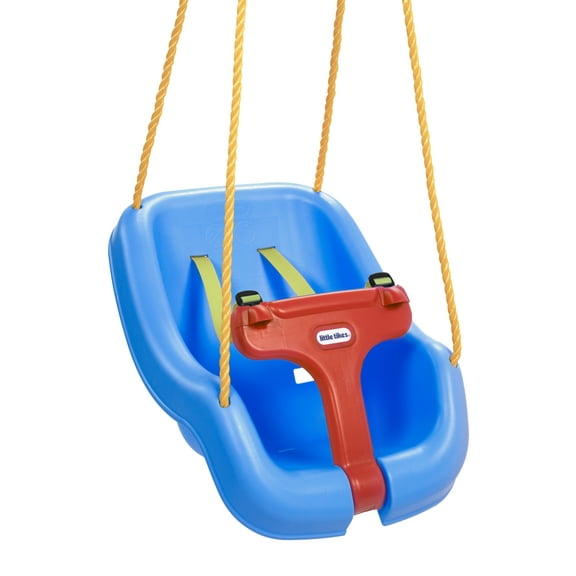
For toddler swing sets, you may want bucket-style seats, lower platforms, and simpler climbing access. Your younger child will usually have an easier time with gentler heights and fewer transitions.
Older kids may want monkey bars, taller slides, or a climbing wall for more varied movement. You should compare platform height and reach points, because your daily play experience depends on those details.
Frame type matters too, especially when your yard gets frequent use from multiple children. You’ll often find heavy duty swing sets useful when your household needs a sturdier beam, stronger connectors, or higher seat capacity.
Standard frames can work well when your yard has open space and consistent play routines. Folding designs may suit your setup when you need a more flexible footprint between play sessions.
Before you decide, check the maximum weight per seat and the total frame guidance. This helps you avoid mismatches when your household size and play style line up with the posted limits.
What to look for in features, assembly, and spacing
Included features should match how your family uses the yard across the week. You’ll often get more variety from swing sets with slide access, a glider, monkey bars, or a climbing wall.
When you want longer play sessions, varied movement options can keep the setup feeling more useful. Your kids can climb, glide, swing, and slide without waiting on one feature.
Assembly deserves close attention before your set arrives at home. You’ll usually need basic tools, a level surface, and several hours, while larger wood designs often require more assembly time than metal frames.
Instruction quality can make a noticeable difference during setup. You should look for labeled hardware, step-by-step guidance, and notes on whether the manufacturer includes anchoring components or lists them separately.
Spacing is another key decision, because swinging motion extends beyond the base legs. You should measure open room in front of and behind each seat, not just around the frame corners.
If your yard includes fences, patios, or garden beds, those fixed edges need careful measuring too. Your slide exit, swing path, and climbing access should all stay clear within the planned play zone.
You can also connect your plan with nearby trampolines, playhouses, or slide accessories for a more complete yard setup. That approach gives your outdoor space distinct activity zones through the season.
With the right measurements and attributes, your swing set can fit your yard, your schedule, and your child’s age range. Your final setup can feel organized, engaging, and easier to maintain over time.