

T-Nuts & Tee Nuts for Wood & Metal | Walmart













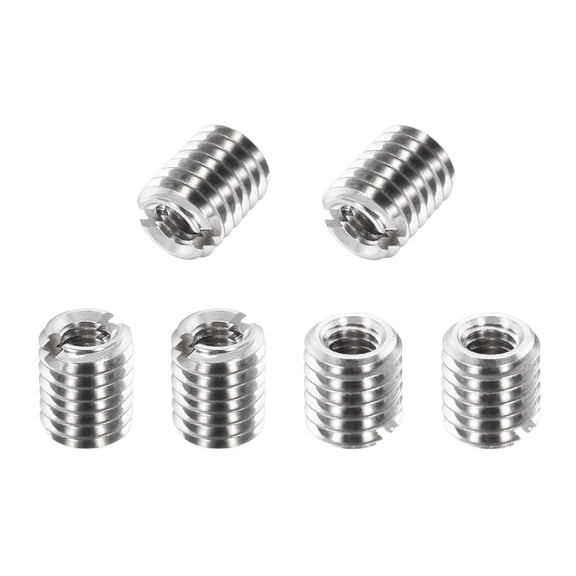
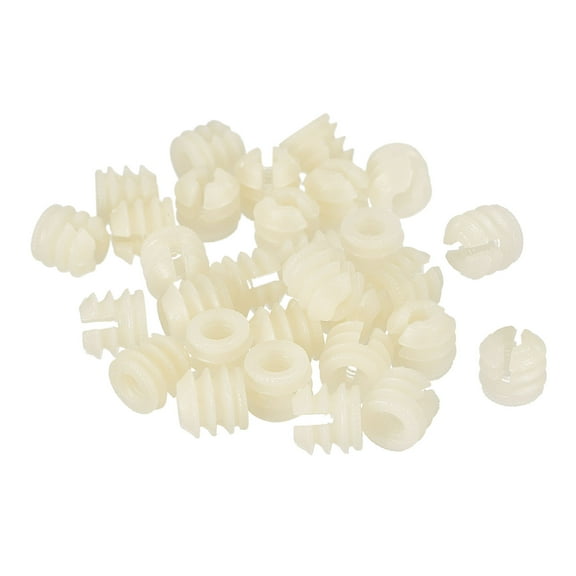
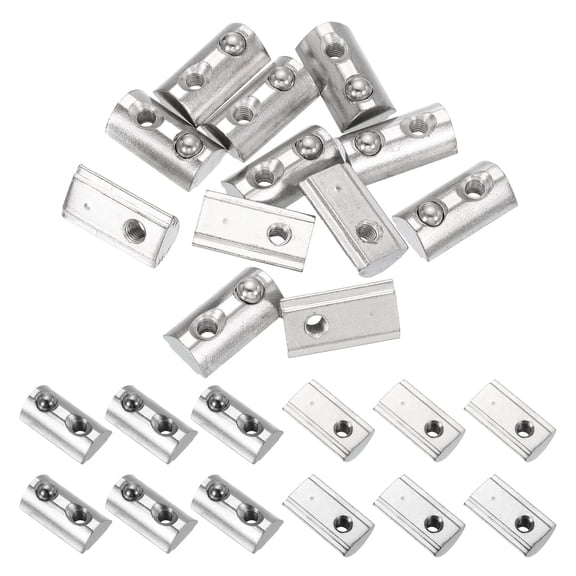
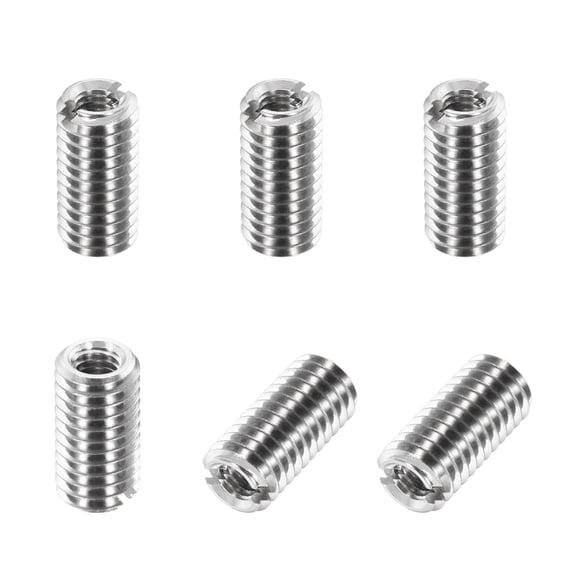

About T-Nuts & Tee Nuts for Wood & Metal | Walmart - Walmart.com
T-nuts help you create strong threaded anchor points in wood, composite panels, and some metal setups. You can compare thread size, flange style, and installation type here before you start your project.
If you're replacing worn hardware or building furniture, ramps, or shop fixtures, you need fastening parts that match your material. You can use this guide to understand tee nuts, t nut sizing, and common setup choices.
How to choose t-nuts for your project
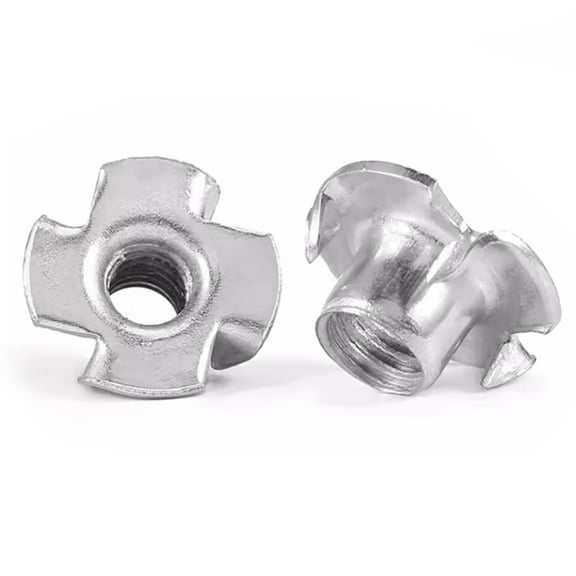
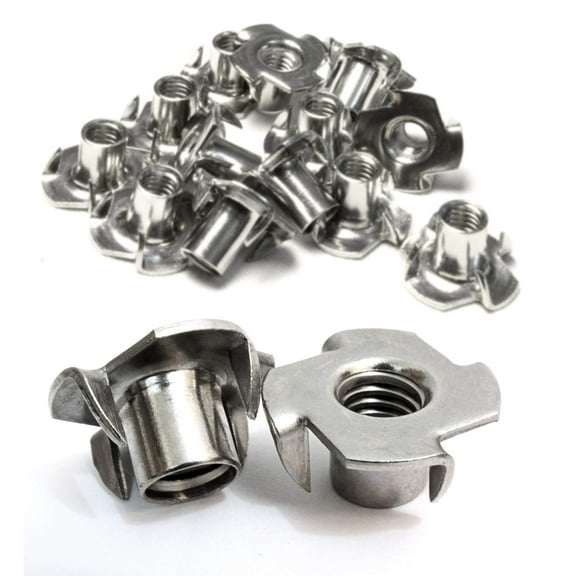
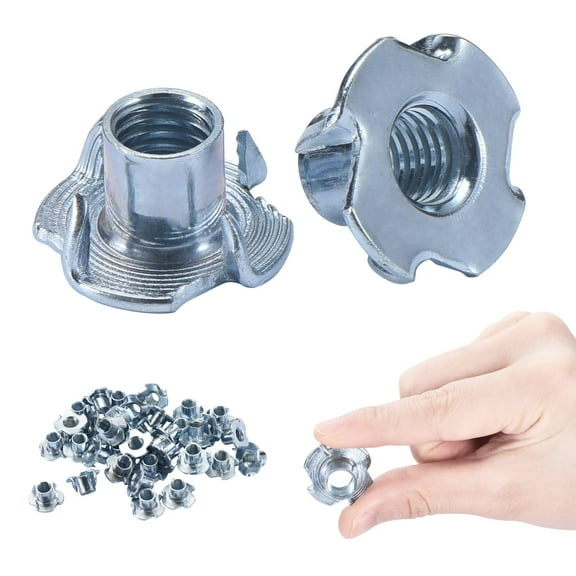
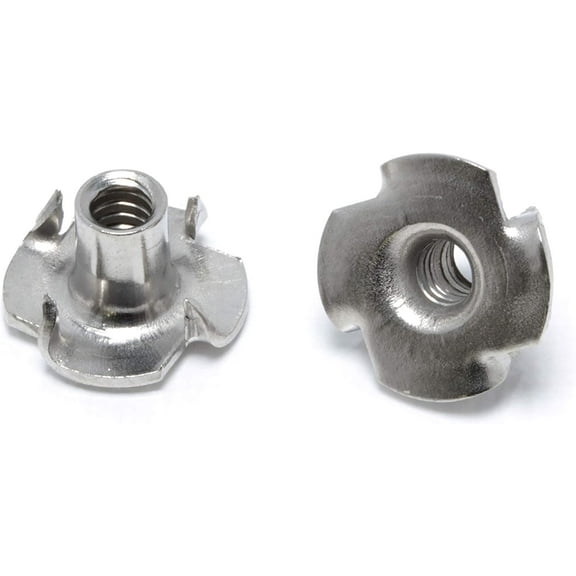
You should start with the material and the way your fastener needs to seat into the surface. You can use pronged styles when you want the barrel to pull tight into wood fibers.
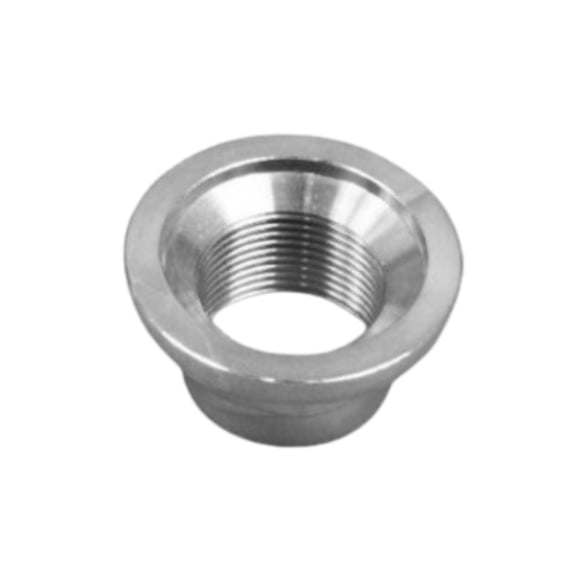
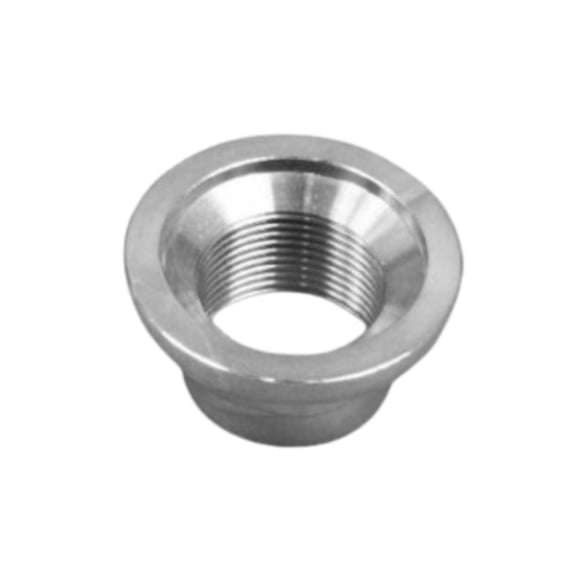
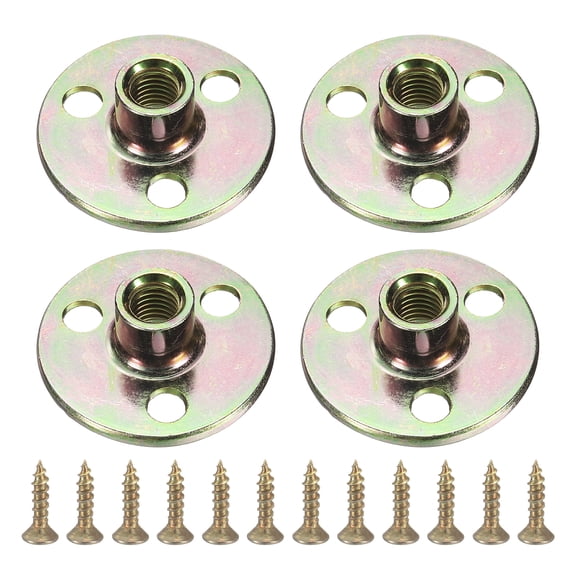
When you need added hold on panels or surfaces that don't grip prongs well, you can compare screw-on tee nuts. You can also consider weld-on styles when your metalworking setup calls for a fixed threaded point.
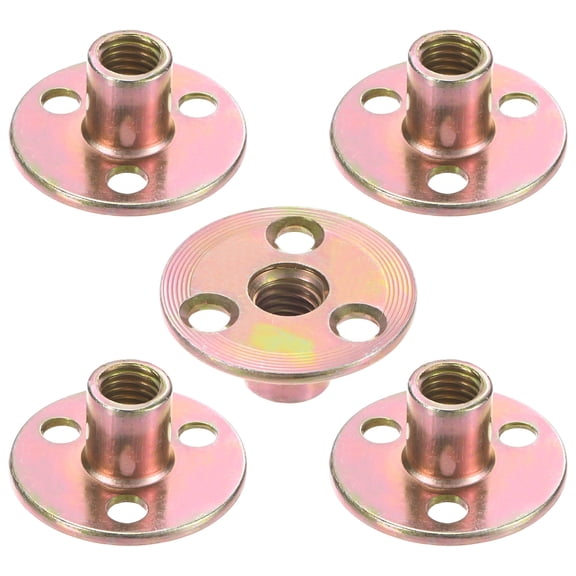
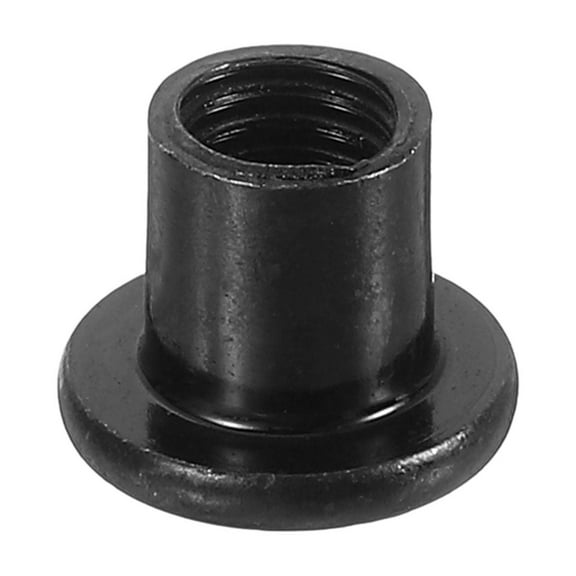
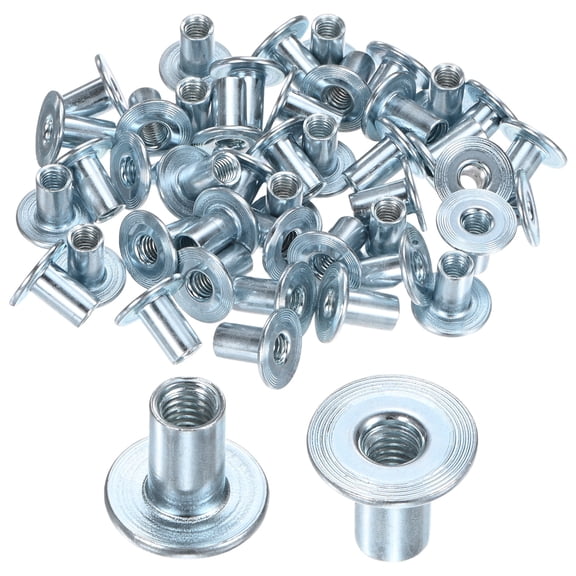
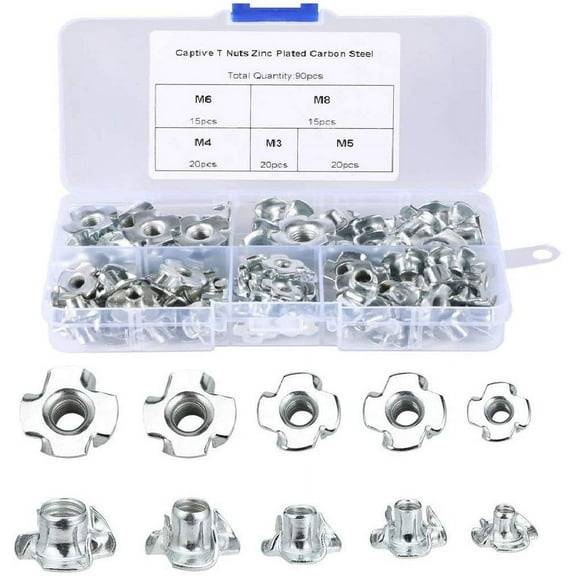
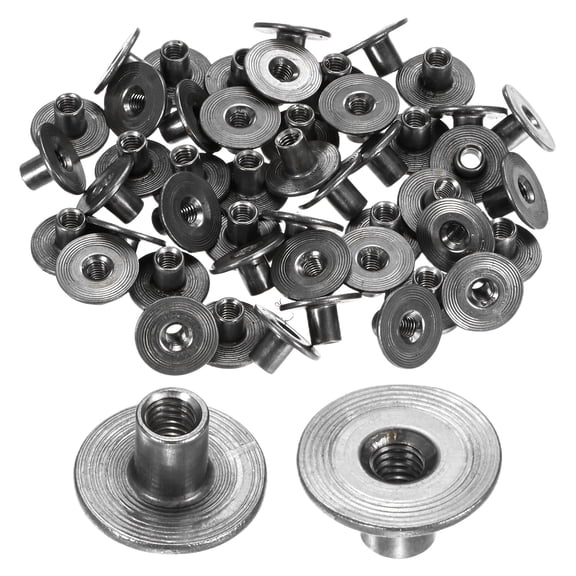
Your flange style matters because it affects how the fastener sits against the back of the material. You can choose four-prong, three-prong, or flat flange designs based on panel thickness and mounting space.
- You can create reusable threaded mounting points in wood panels, jigs, and furniture parts.
- You can match metric and standard thread sizes to the bolts you already use.
- You can compare pronged, screw-on, and weld-on options for different installation methods.
- You can choose finishes that fit indoor builds, outdoor projects, or damp work areas.
Choosing thread size, pitch, and component type
You should confirm thread size first because your bolt must match the internal threads exactly. You can compare metric options like an M4 t nut with standard sizes like one quarter-20, five sixteenths-18, and three eighths-16.
Thread pitch is decision-critical because it affects how smoothly your bolt starts and tightens. You should check whether your project uses metric pitch or standard threads before you install any t nuts and bolts.
Your barrel diameter also needs to match the pilot hole so the fit stays secure without excess play. You can measure the hole carefully and compare the product dimensions before drilling or replacing hardware.
As a simple guide, you can pair smaller barrels with lighter fixtures and larger barrels with thicker panels. You should always confirm the exact product chart because barrel size can vary by thread size and flange design.
You may also choose between nuts only and nut and bolt sets, depending on your build. You can pick sets when you want matched hardware, or choose single fasteners when your existing bolts already fit.
What to look for in material, finish, and installation type
You should compare zinc-plated steel, stainless steel, and carbon steel based on the project location. You can use zinc-plated pieces for many indoor builds, while stainless steel often fits outdoor or damp environments.
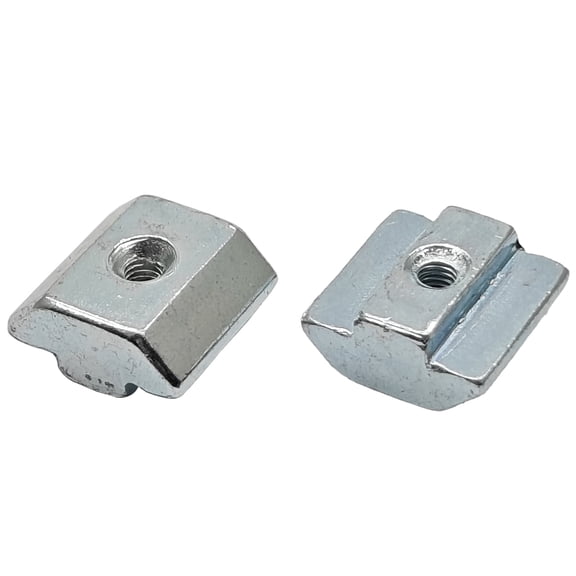
If you're comparing t nuts for metal, you should focus on installation style and surface compatibility. You can use weld-on versions for metal fabrication, while screw-on styles can suit select panels and retrofit work.
Pronged designs work by biting into wood as you tighten the bolt from the opposite side. You can use them for speaker cabinets, climbing walls, knock-down furniture, and workbench tops.
Screw-on tee nuts use mounting holes in the flange so you can fasten them directly to the material. You may prefer that approach when you want more controlled placement on plywood, composites, or thin panels.
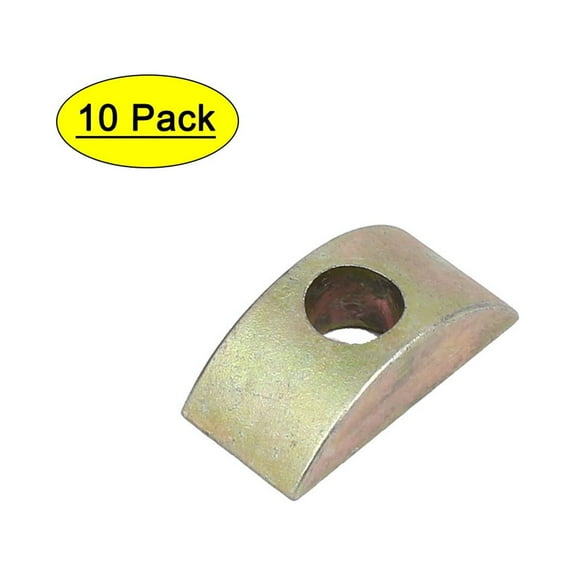
Flat t nuts can help when your mounting area has limited clearance behind the panel. You should compare flange shape closely if your project includes recessed hardware or closely spaced mounting points.
Using tee nuts in woodworking, repairs, and shop builds
You can use tee nuts when you're building furniture that needs repeated assembly without stripping the wood. You can also use them in jigs and fixtures where removable bolts make adjustments easier.
For woodworking, you should check panel thickness, bolt length, and access to the back side of the workpiece. You can install pronged styles from the rear, then tighten the mating bolt from the front surface.
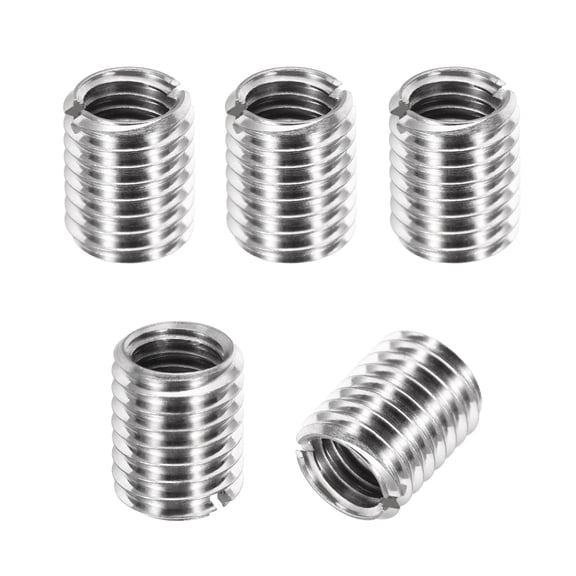
In repair projects, you may replace a worn threaded insert with a matching t nut and bolt setup. You should compare thread size and barrel dimensions so your replacement fits the original hole pattern.
If you're outfitting shop tables or equipment mounts, you can use t-nuts to add threaded anchor points where plain wood won't hold repeated bolt changes. You can keep attachments secure while still removing them between tasks.
For mixed-material projects, you should consider whether wood, composite, or metal surrounds the mounting point. You can then choose pronged, screw-on, or weld-on hardware that fits the way your material accepts force.
When you need a clean fit, you should measure the pilot hole and compare it with the barrel specification. You can avoid guesswork by matching the listed dimensions to your panel and bolt combination.
Why sizing details matter with t-nuts
You get a more reliable fit when your thread, barrel, and flange dimensions work together from the start. You can finish repairs and builds with fewer fit issues when you match the hardware to your material.
With clear choices in tee nuts, finishes, and installation styles, you can select the hardware that fits your project the first time. You can move from planning to assembly with a secure threaded connection.