


Find auto parts that fit
Let’s search for parts that fit your vehicle.Tail Pipes & Exhaust Tail Pipes
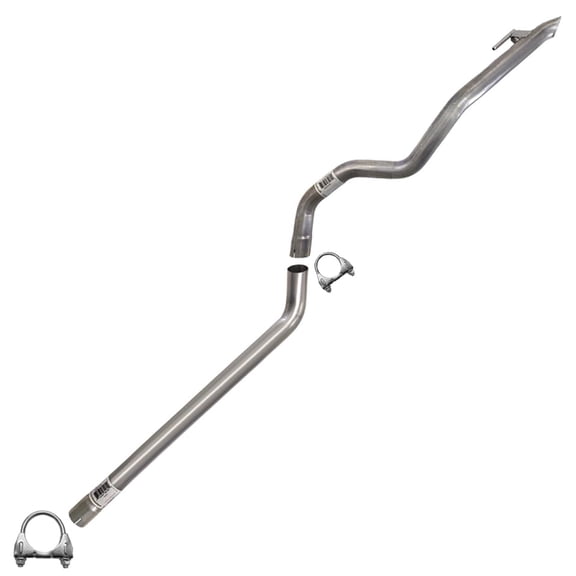

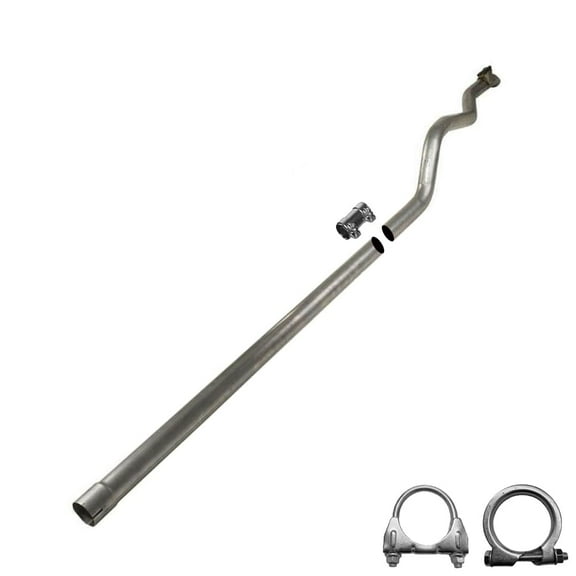
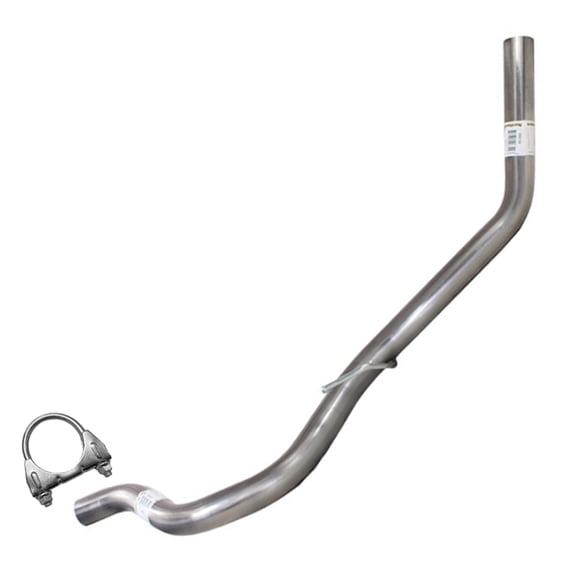
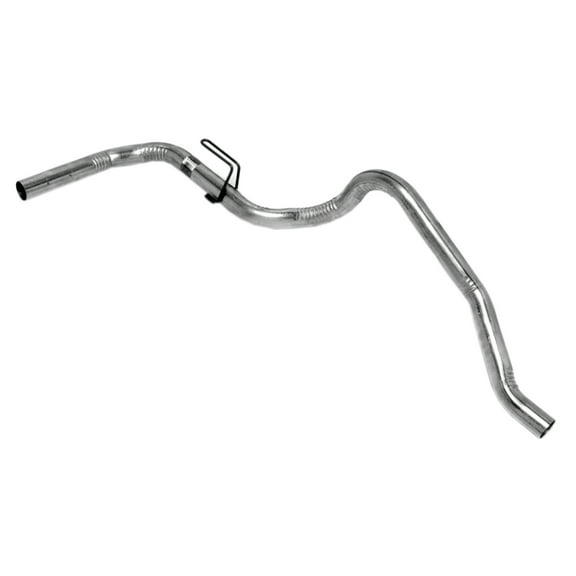

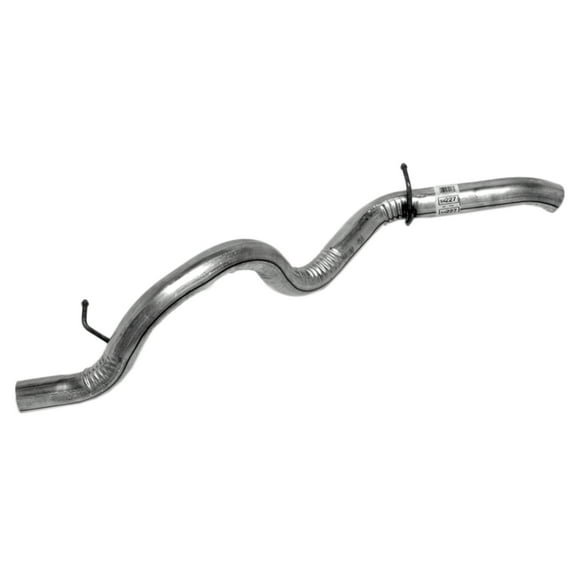
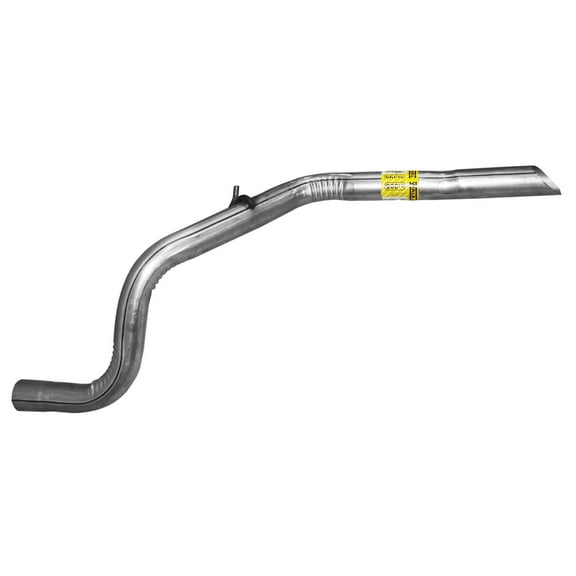
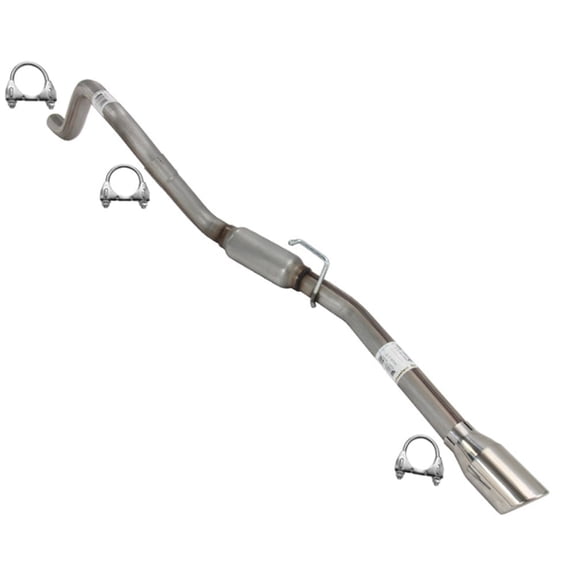









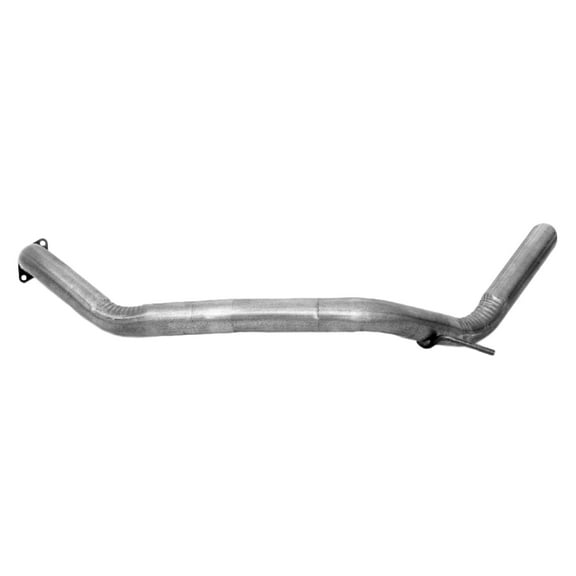


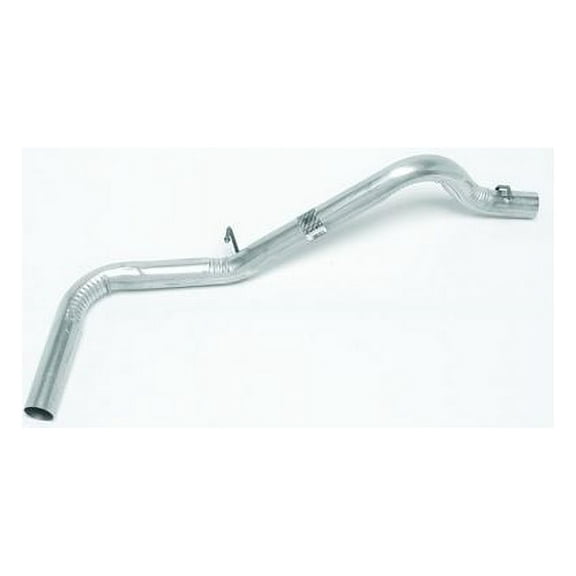
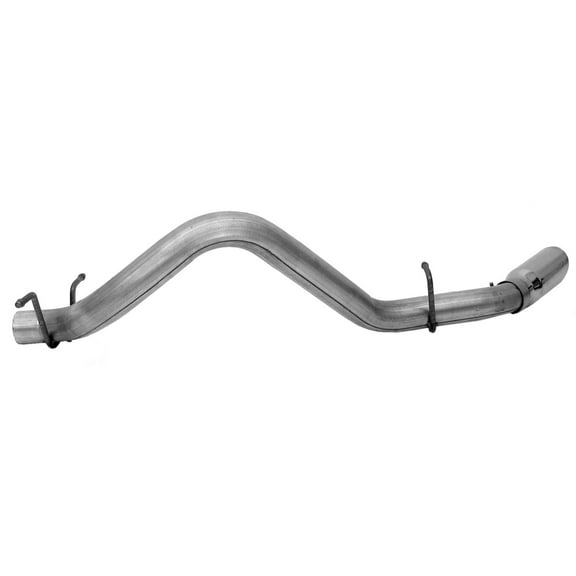
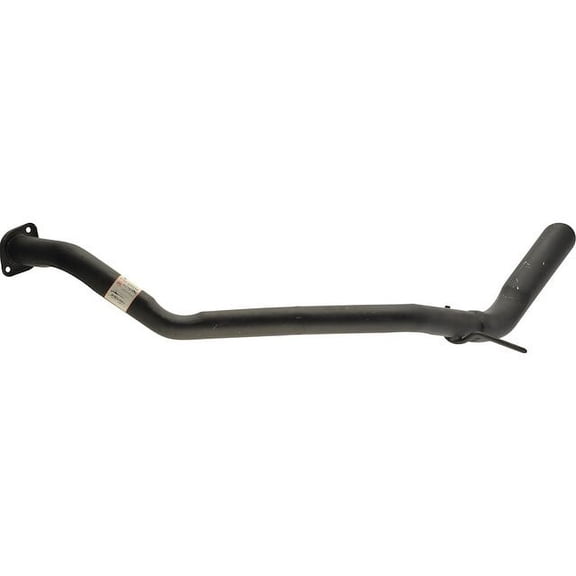


About Tail Pipes & Exhaust Tail Pipes - Walmart.com
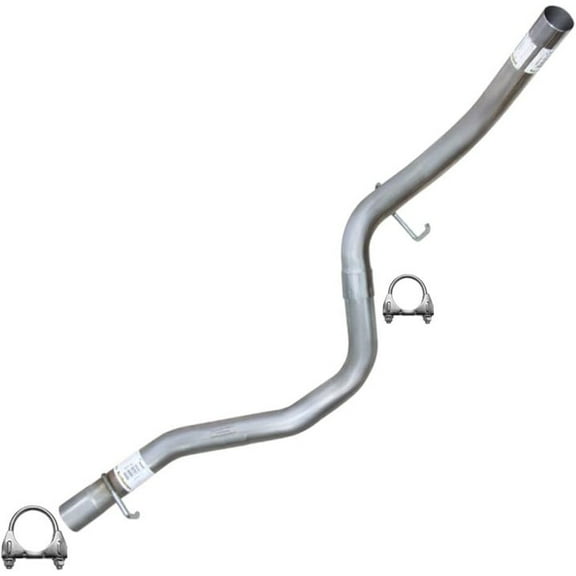
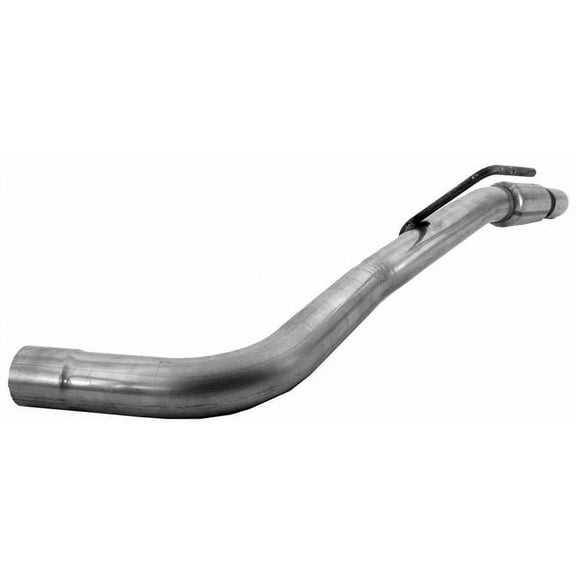
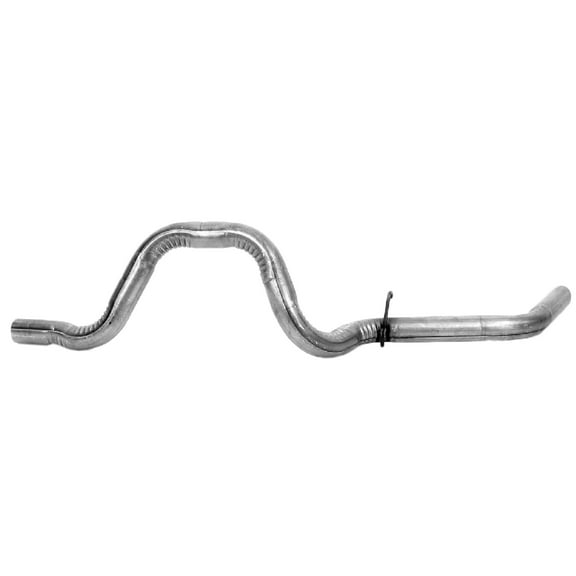
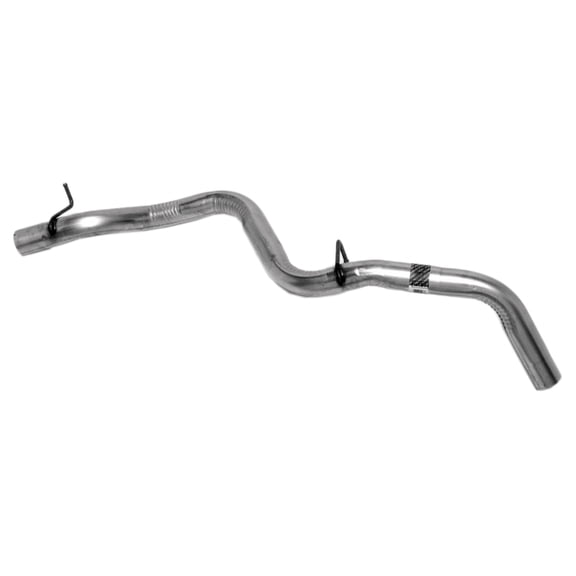
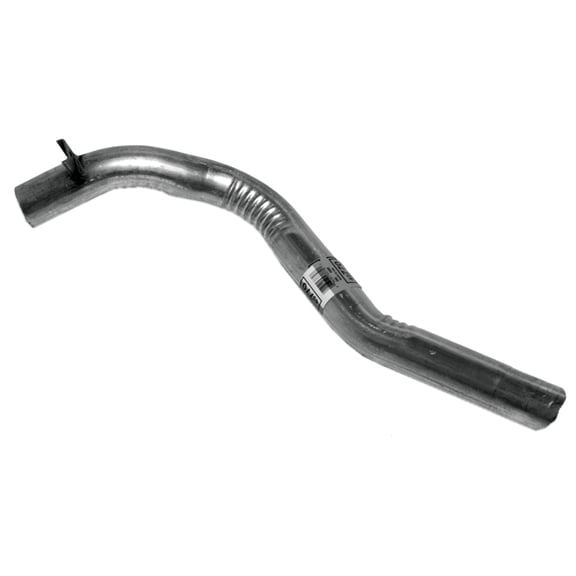
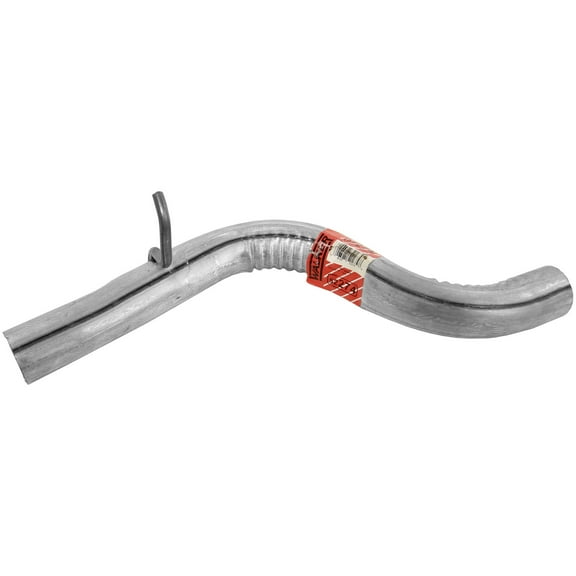
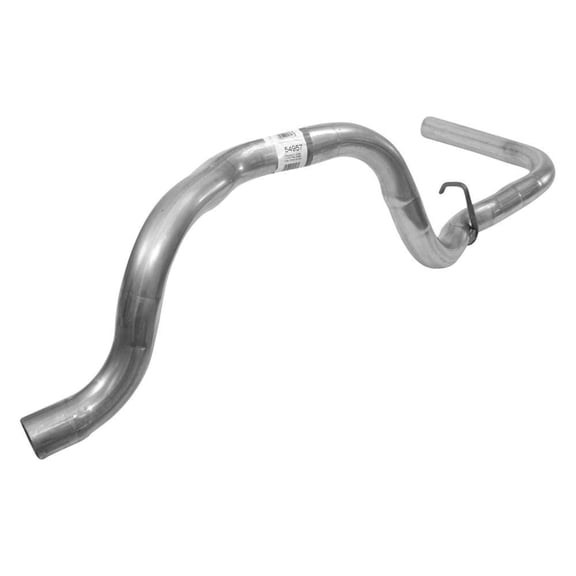
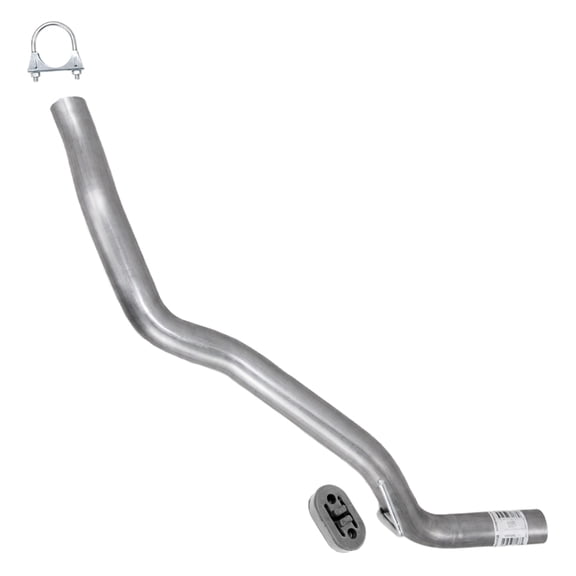
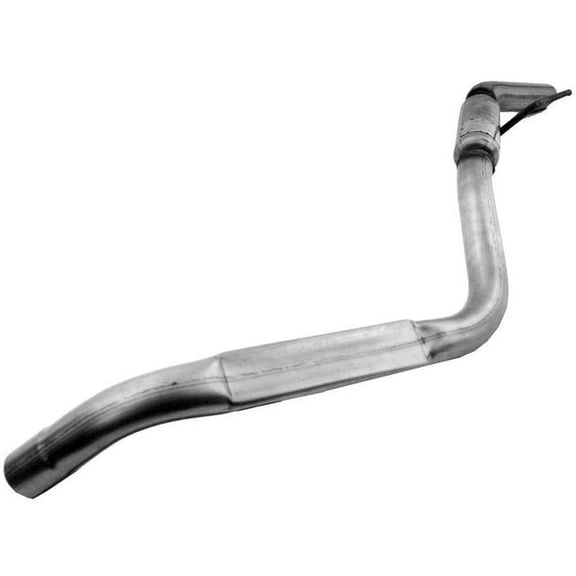
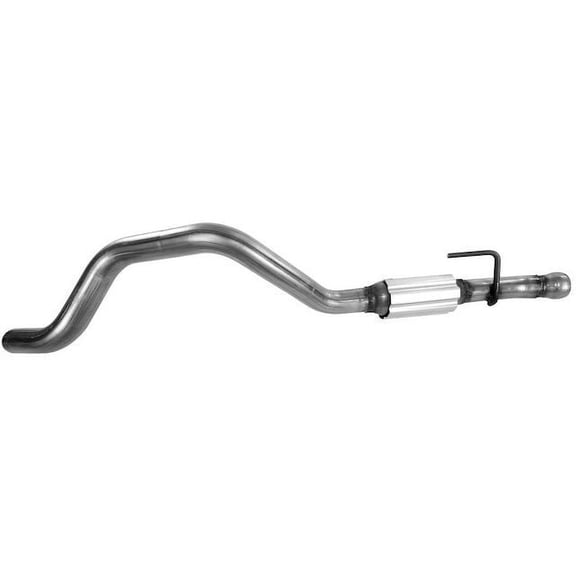
Tail pipes help you complete your exhaust system with the fit, routing, and rear exit your vehicle needs. You can compare material, diameter, and fitment details here, so your replacement tail pipe matches your setup.
How to choose tail pipes for your vehicle
When you choose tail pipes, you should start with fitment before you compare finish or style. You’ll want to measure inlet diameter, outlet diameter, total length, and bend angles on your current exhaust tail pipe.
A direct fit option helps you match factory routing with fewer fitment questions during installation. You’ll often spend less time checking bend direction because manufacturers design the shape for specific vehicle applications.
A universal tail pipe gives you more flexibility when you customize an exhaust path or replace a worn section. You can compare it with direct fit options based on how much trimming or adapting your setup needs.
You should also check whether your setup uses clamp-on or weld-on installation. That detail affects the parts you may need and the amount of trimming or fabrication you should expect.
- You can quickly narrow choices by matching inlet and outlet diameter first.
- You can choose direct fit when your vehicle needs factory-style bends and routing.
- You can choose universal fit when your project needs custom length or angle adjustments.
- You can compare single exit and dual tail pipes based on your exhaust layout.
Choosing material for your replacement tail pipe
Your material choice changes how your replacement tail pipe handles weather, road grime, and long-term appearance. You should compare stainless steel, aluminized steel, and chrome plated finishes based on your driving conditions.
Stainless steel tail pipe options make sense when your vehicle sees wet roads, snow, or heavy seasonal moisture. You’ll usually choose stainless steel when you want enhanced rust resistance and a longer-lasting finish.
Aluminized steel works well when your vehicle drives mostly in drier climates and mild conditions. You can use it for practical replacements when you want dependable function for routine driving.
Chrome plated styles give you a brighter exterior look at the tip area and visible rear exit. You should confirm whether you want appearance emphasis, since finish needs may differ from plain metal tail sections.
Understanding exhaust tail pipe size and shape
Your exhaust tail pipe should match the dimensions your system already uses. You should check common sizes like 2.25 inch, 2.5 inch, 3 inch, and 4 inch before you choose.
A smaller diameter usually fits stock-style systems and tighter routing under many vehicles. A larger diameter often suits modified exhaust setups where you need a different outlet size or a bolder rear appearance.
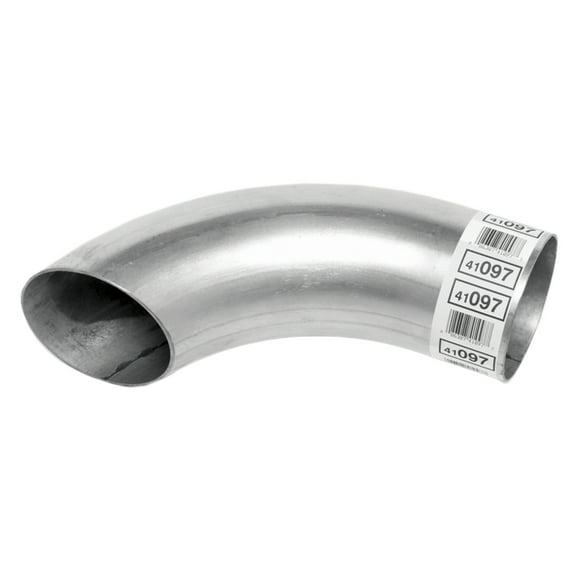
You should compare straight and curved designs based on how your exhaust travels around the axle and rear suspension. Bend shape matters because your pipe needs to clear underbody components and line up with the rear exit.
Configuration also affects what you buy, especially when your vehicle uses single exit or dual tail pipes. You can avoid fitment issues by matching the number of outlets and the visible exit position.
Choosing universal fit vs. direct-fit tail pipes
Direct fit tail pipes work well when you want routing that follows your original exhaust path closely. You can compare these options when your vehicle still uses stock exhaust placement and factory-style bends.
Universal fit choices help when you modify your exhaust system or do not need exact factory routing. You can trim, adapt, or pair them with other exhaust pipes to complete a custom section.
You should review product details for inlet style, outlet style, and overall length before you choose either type. Those measurements help you decide whether your pipe will connect cleanly with mufflers, clamps, and hangers.
Using tail pipes for common exhaust setups
If you’re restoring an older daily driver, you may prefer a direct fit aluminized steel pipe that follows stock bends. You can keep the look close to original while matching the factory exhaust route.
If your truck or performance build uses dual outlets, you may need dual tail pipes with matched diameters and mirrored bends. You should verify both sides carefully so the rear exits align evenly.
For a custom project, you may want a universal tail pipe in a straight section for simplified fabrication. You can pair that style with clamp-on or weld-on hardware, depending on your installation plan.
When your rear exit stays visible below the bumper, you may want stainless steel or chrome plated finishes. You can achieve a cleaner finished appearance where the pipe shows after installation.
You can also build a more complete repair by pairing your pipe with related exhaust components. You should check mufflers, exhaust clamps, and exhaust manifolds when you’re updating connected parts.
With the right tail pipes, you can match your vehicle’s routing, material needs, and exit style with fewer installation surprises. You’ll finish your exhaust system with a clean rear fit that matches your setup.