

Teaching Methods & Materials in Education Books


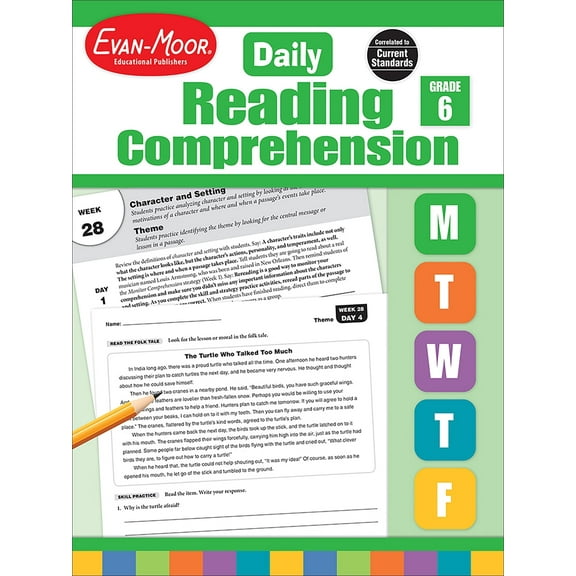


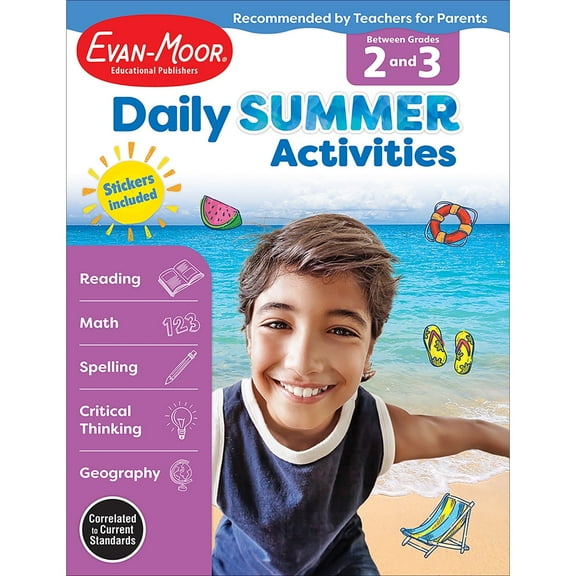


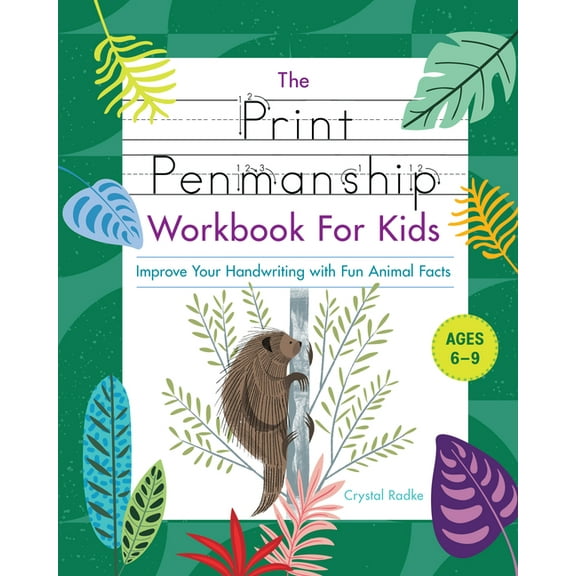
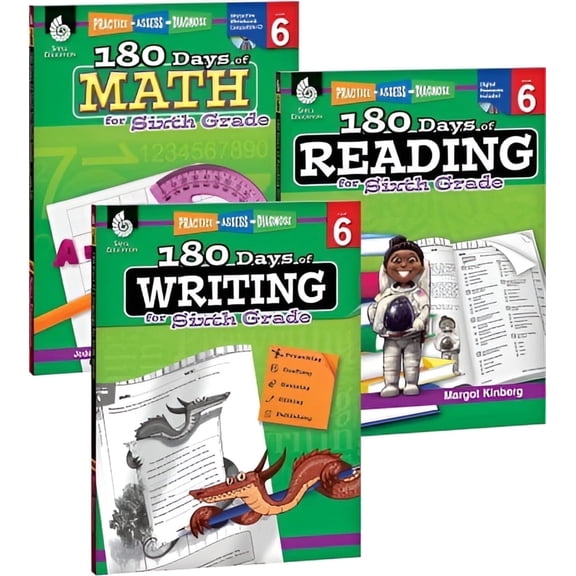











About Teaching Methods & Materials in Education Books - Walmart.com
You can use teaching methods materials to build clearer lessons, stronger routines, and more organized instruction across many learning settings. You'll find category options that cover classroom practice, homeschool planning, and academic study with grade-specific and subject-specific guidance.
How to choose teaching methods materials
You should start by deciding whether your work needs ready-to-use support or deeper instructional theory. You'll notice some books focus on lesson plans and activities, while others explain pedagogy books and teaching frameworks.
You can narrow choices faster when you compare grade level, subject matter, methodology, and format together. Your selection makes more sense when you match preschool or elementary needs with age-appropriate pacing and examples.
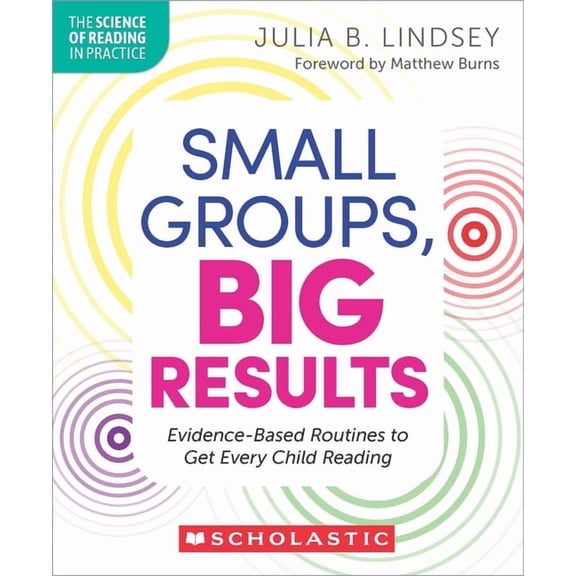
You may also compare classroom goals before choosing a title for daily use or professional study. Your needs may center on small-group instruction, curriculum design, literacy support, or standards-based planning.
Choosing by grade level and classroom setting
You can look for grade-specific guidance when your learners need examples that fit their developmental stage. Your preschool resources often emphasize routines, play-based learning, and early language or number exposure.
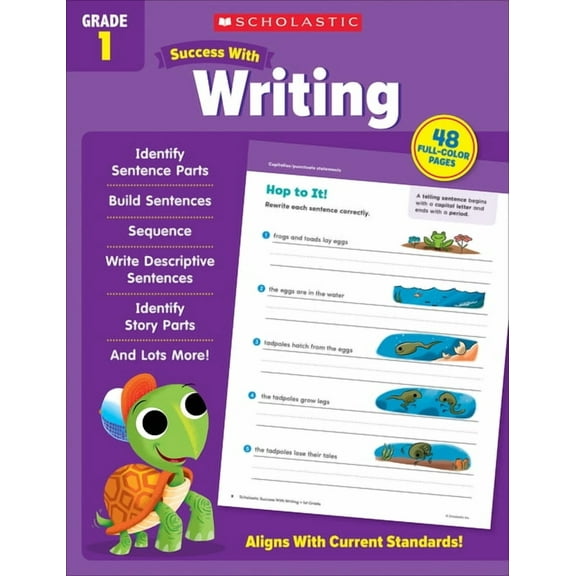
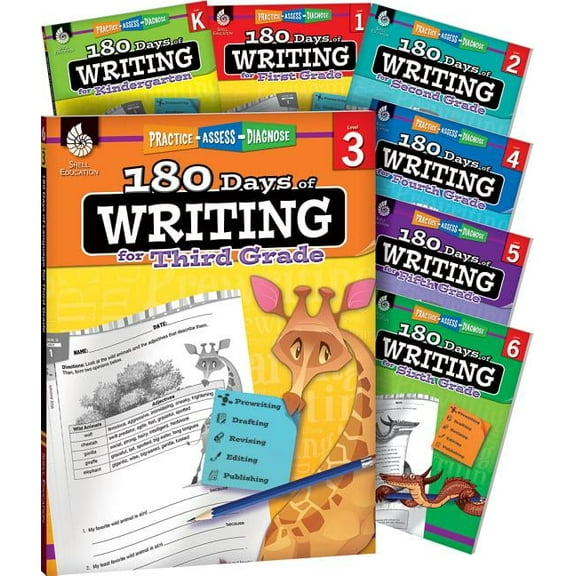
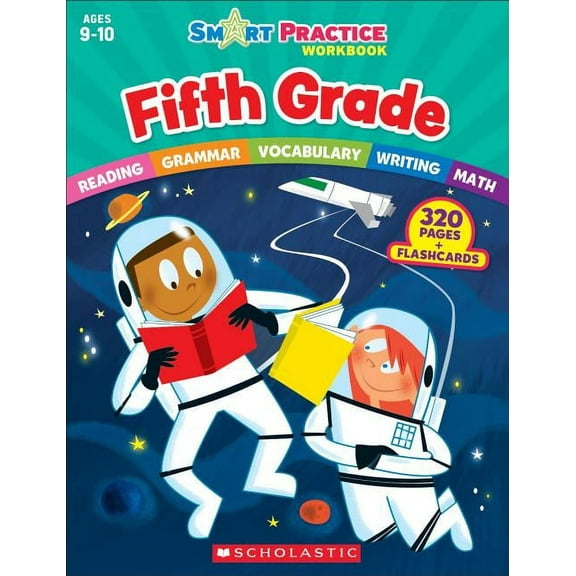
You may prefer elementary materials when your lessons need reading, writing, and math practice with step-by-step structure. Your middle school planning often benefits from subject depth, independent work, and discussion-based activities.
You can choose high school resources when your instruction requires complex texts, project work, and content-area rigor. Your setting matters too, especially when you teach general education, special education, or homeschool learners.
- You can use preschool titles for early routines, sensory activities, and foundational skill building.
- You can choose elementary guides for reading groups, math centers, and cross-curricular planning.
- You can select middle school and high school books for deeper analysis, projects, and content-specific instruction.
- You can compare general education, special education, and homeschool resources based on pacing, structure, and flexibility.
Choosing teaching strategies books by subject and method
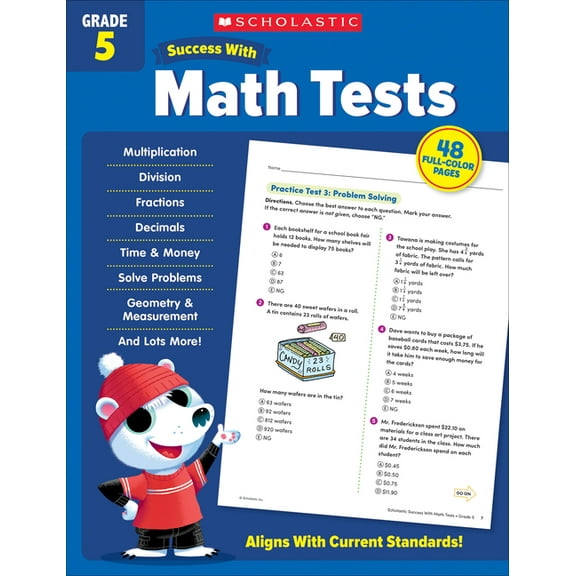
You can refine your search by subject matter when your instruction depends on content-specific examples. Your mathematics titles may focus on problem solving, manipulatives, and skill progression across units.
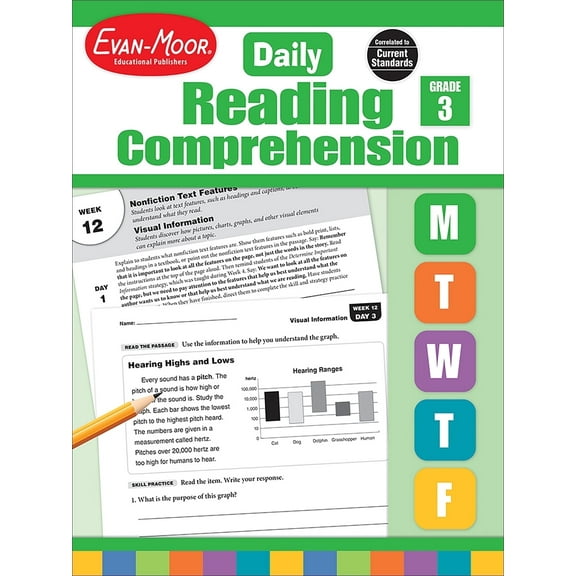
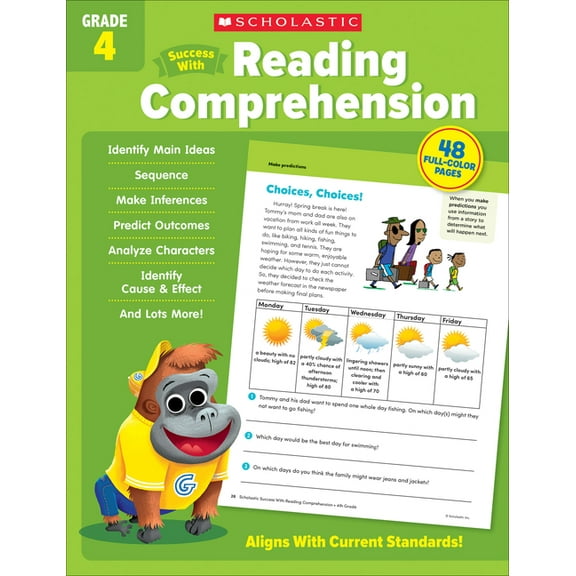
You may want language arts resources when your lessons center on reading comprehension, writing workshops, or vocabulary practice. Your science selections often include inquiry prompts, observation tasks, and NGSS-aligned planning ideas.
You can also compare methodology type to match how you teach and how learners engage. Your options may include Montessori structure, STEM projects, differentiated instruction, or inquiry-based learning models.
You should consider how each method appears on the page before choosing a format. Your Montessori-focused books may stress independent work, while your STEM guides may combine design challenges and applied concepts.
You can use differentiated instruction titles when your class includes varied readiness levels and learning profiles. Your inquiry-based resources may help you frame open-ended questions, research tasks, and student-led exploration.
What to look for in resource format and standards alignment
You can save time by checking whether a book offers direct classroom application or broader theory. Your lesson planning guides often provide calendars, objectives, and activity sequences you can adapt quickly.
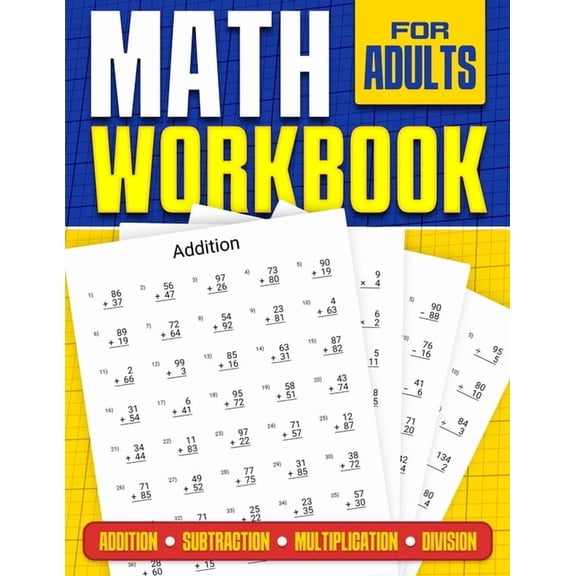
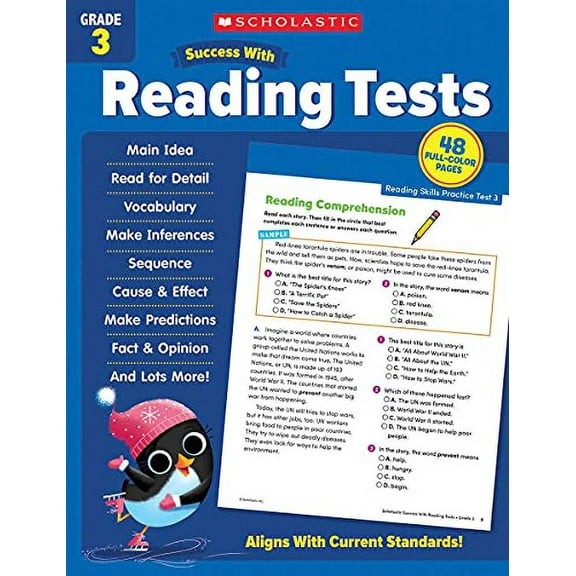
You may prefer activity books or workbooks when your instruction needs reproducible practice and clear task flow. Your theoretical pedagogy selections can help you study instructional models, assessment choices, and curriculum design.
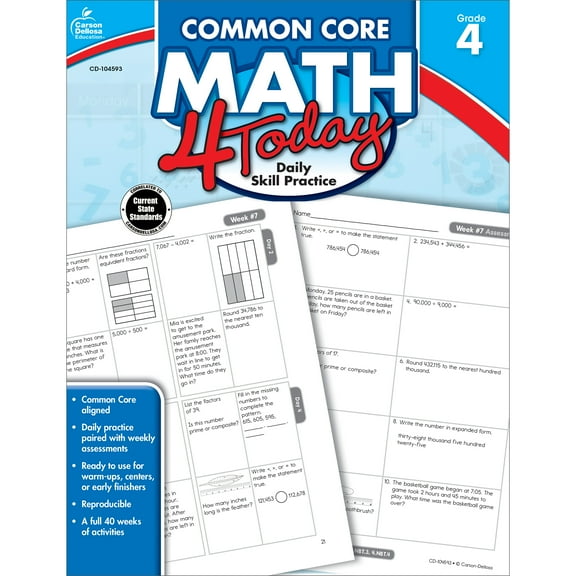
You should also check whether titles mention Common Core or state standards when alignment matters in your planning. Your science instruction may call for NGSS references, especially when you build labs, investigations, or performance tasks.
You can compare these details to see whether a resource fits district expectations or personal teaching goals. Your materials become easier to use when standards notes, scope, and audience are clearly identified.
Using classroom management resources in real teaching situations
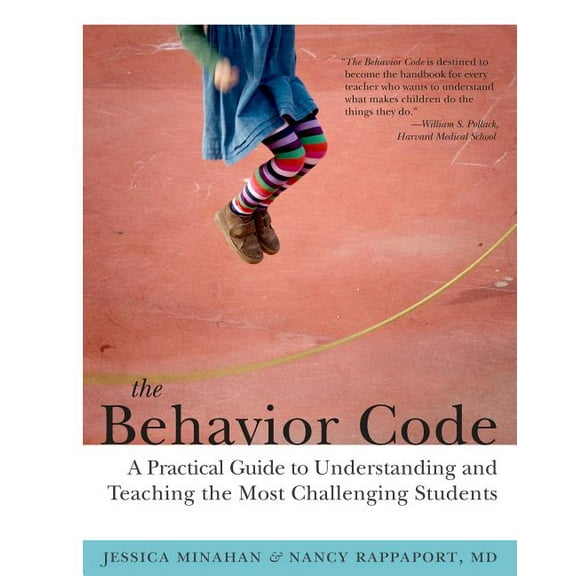
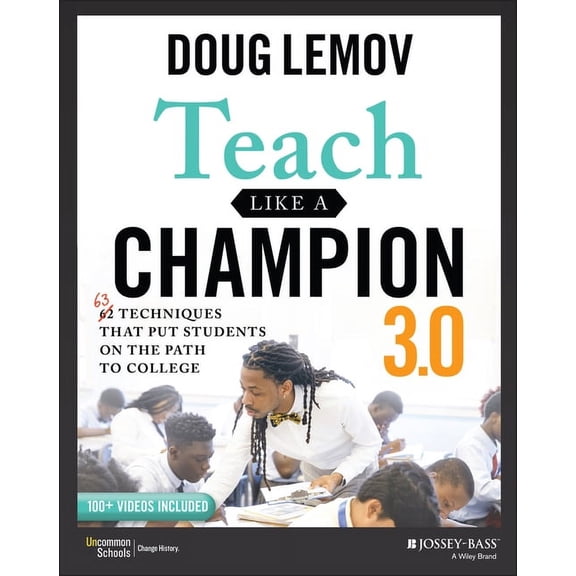
You can use classroom management resources when your goal is smoother transitions, clearer expectations, and more consistent routines. Your daily instruction often improves when a guide connects behavior systems with lesson structure.
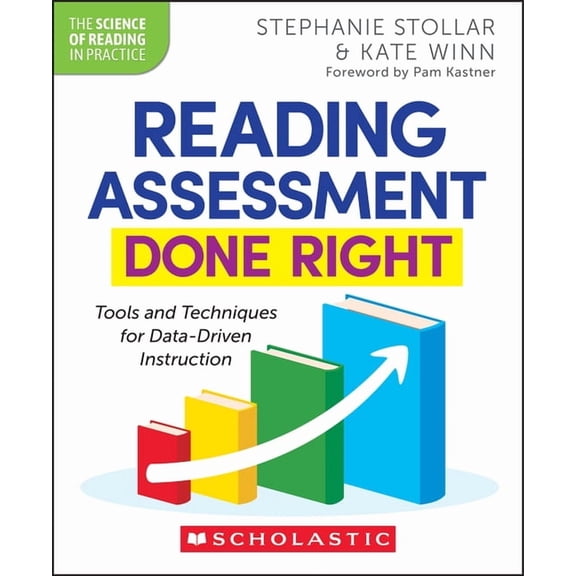
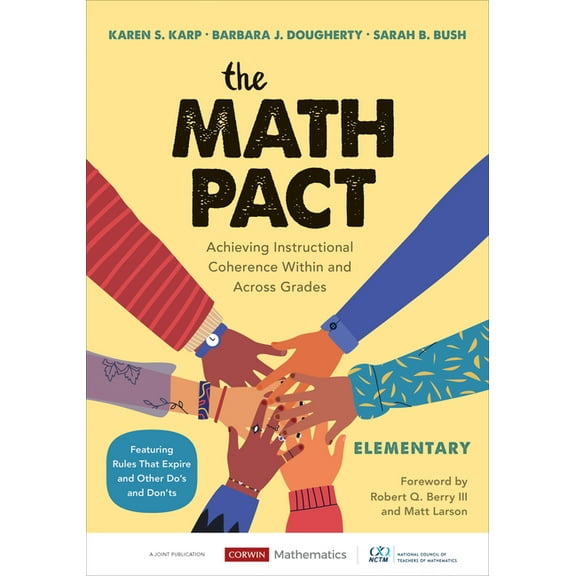
You may pair theory-focused books with practical tools when your role includes coaching, teacher training, or coursework. Your professional development reading can support reflection on assessment, differentiation, and instructional planning.
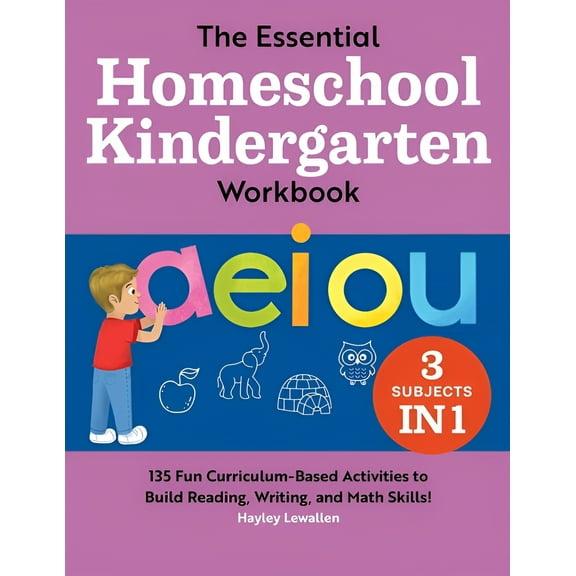
You can choose homeschool-friendly titles when your family needs flexible pacing and multi-age teaching ideas. Your home learning setup may benefit from unit plans, project-based tasks, and adaptable schedules.
You might also select special education teaching materials when your learners need modified instruction and targeted supports. Your search can focus on scaffolded activities, explicit teaching steps, and formats that support varied participation.
You can build a stronger teaching library when your books match grade bands, subject goals, and methodology preferences. Your teaching methods materials can support clearer planning, more relevant instruction, and everyday classroom confidence.