

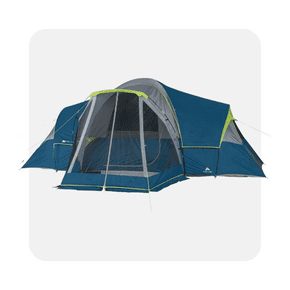


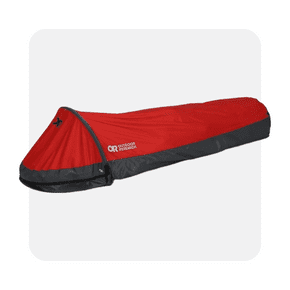

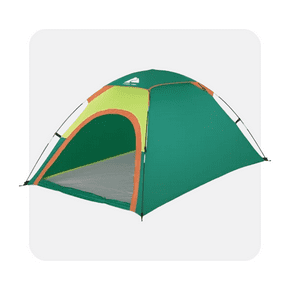
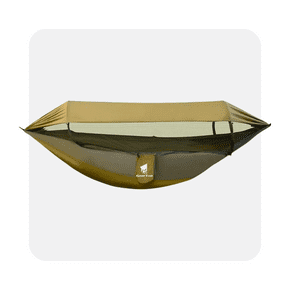
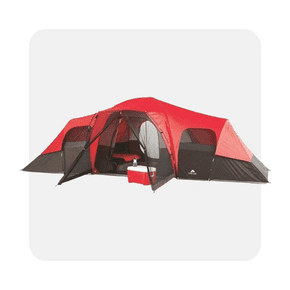

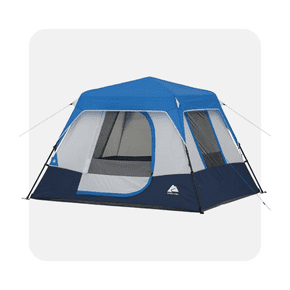
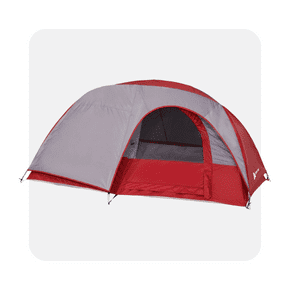


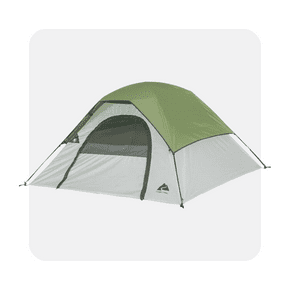


Tents
Get Your Tent TodayAll Camping TentsDome TentsPop Up TentsBackpacking TentsCabin TentsBivy Sacks Canvas TentsCar TentsFamily Camping TentsGlamping TentsHammock TentsInstant TentsRoof Top TentsShower TentsSuspension TentsTeepee TentsWaterproof TentsWeather PodsYurt TentsTent AccessoriesTents by SizeAir Mattresses

Shop by category
Top tents by brand


FAQ
About Tents - Walmart.com
Tents help you turn any campsite into a comfortable base. You can choose the right model based on setup speed, sleeping room, and weather coverage.
If you’re planning a weekend trip or a longer outing, you need details that make choosing easier. You’ll find the right tent by comparing capacity, setup type, season rating, and packed size.
How to choose tents by capacity
Capacity is your first decision, because a two-person model feels very different from an eight-person or 10+ person option. You should compare listed capacity with floor area and peak height for a clearer comfort picture.
If you want room for sleeping pads, duffels, and easier movement, you may size up from the stated person count. You can use two-person and four-person sizes for lighter trips, while six-person and larger sizes fit family camping.
Peak height matters when you want to sit up, change clothes, or move around more easily. You may prefer cabin-style shapes when your trip calls for more headroom and a roomier layout.
Choosing a tent setup that matches your trip
Setup type changes how quickly you settle into camp and how much effort you spend on assembly. You can compare instant setup, pop-up, traditional pole, and cabin designs based on your pace and campsite style.
Instant tents help you get covered quickly, which works well when you arrive late or camp with kids. Pop-up options also reduce setup steps, so you can focus on arranging your sleeping space.
Traditional pole designs often give you more flexibility in shape, ventilation, and packability. You may like that format when you don’t mind a few extra setup steps for a more tailored camping layout.
- You can choose instant setup when you want faster assembly at car campsites.
- You can consider pop-up styles when you want simple setup for short recreational trips.
- You can compare traditional pole tents when pack size and layout options matter.
- You can look at cabin designs when your group wants upright space and easier movement.
What to look for in outdoor tents for weather coverage
Weatherproof rating tells you how a shelter stands up during changing conditions on your trip. You should compare three-season, four-season, water-resistant, and double-wall designs with your destination and forecast.
Three-season camping tents usually fit spring, summer, and fall trips with airflow and rain coverage in mind. Four-season options withstand harsher conditions, so you can look there when your trips include colder weather.
A rainfly, sealed seams, and double-wall construction can affect how dry and ventilated your space feels. You may want that extra layer separation when you expect damp mornings and changing overnight conditions.
Water-resistant materials matter, but you should also check the full shelter design and coverage area. You can compare floor construction, vestibule coverage, and window placement for a more useful picture.
Matching tents to backpacking, family camping, and car camping
Use case helps you narrow your options faster, because a backpacking shelter serves different needs than a roomy family campsite model. You should match capacity, packed size, and setup style to how you actually travel.
For backpacking, you may focus on trail weight and packed weight, since those numbers affect what you carry. You can look for a lighter tent with a smaller packed profile when every pound matters on the trail.
For car camping, you may care more about interior space, taller peak height, and easier entry points. You can choose larger cabin tents or instant tents when your vehicle handles the bulk.
For family camping, you may want separate sleeping zones, room for bags, and enough height for daily movement. You can compare six-person, eight-person, and larger layouts when comfort matters across several nights.
Recreational trips often call for simple setup and flexible sizing for festivals, park weekends, and casual overnights. You may prefer a pop-up or instant option when convenience shapes your plan.
Features that help you compare camping tents
When you compare camping tents, you should look past the label and check the measurements that affect real use. Floor area in square feet helps you picture sleeping space, while peak height helps you judge mobility.
Vent placement can shape airflow during warm nights, especially when your campsite stays humid after sunset. You can also check door count and vestibule space when you want smoother entry and gear storage.
Packed size matters when your trunk, gear bin, or trail pack has limited room. You should compare folded dimensions along with packed weight so your shelter fits the rest of your setup.
These details help you choose tents with fewer surprises once you arrive at camp. When you match size, setup, portability, and season rating to your routine, you get a tent that supports a smoother outdoor stay.
Related Links
- All Canopies & Shelters
- 10x10 Canopies
- 10x10 Canopy Replacement
- 10x20 Canopies
- 10x30 Canopies
- 12x12 Canopies
- 13x13 Canopies
- Beach Tents
- Canopies
- Canopy & Shelter Brands
- Canopy Accessories
- Canopy Replacement Tops
- Canopy Sidewalls
- Canopy Weights
- Party Tents
- Pop Up Canopy
- Screen Tents
- Shelters
- Slant Leg Canopies
- Straight Leg Canopies
- Sun Shelters
- All Coolers
- 12 Can Coolers
- 24 Can Coolers
- Backpack Coolers
- Bear Proof Coolers
- Beverage Coolers
- Cactus Coolers
- Car Coolers
- Cooler Bags
- Cooler Ice Packs
- Coolers by QT Size
- Coolers By Brand
- Electric Coolers
- Ice Chest Coolers
- Large Cooler
- Marine Coolers
- Personal Coolers
- Small Coolers
- Soft Sided Coolers
- Styrofoam Coolers
- Thermoelectric Coolers
- Wheeled Coolers