












Thermometers in Home Health Care



























About Thermometers in Home Health Care - Walmart.com
A dependable thermometer helps you check body temperature fast, so you can act on fever symptoms sooner. At Walmart, you’ll find a thermometer range built for home medicine cabinets, travel kits, and school-day surprises. Choose from digital thermometers, infrared forehead options, and ear styles with clear displays. Many picks store recent readings, so you can track changes across the day. You can also compare adult and kid-friendly designs without mixing this page with baby-only gear.
Why a thermometer belongs in your medicine cabinet
When someone feels warm, you need an accurate read without guesswork or slow methods. A fever thermometer gives you a number you can share during telehealth calls. Many models give results in seconds, which helps with restless sleepers and busy households.
Digital readouts are easy to interpret in low light, including night checks. Some options include backlit screens and quiet modes for fewer disruptions. You can also keep spare probe covers and batteries with your first aid supplies.
- Confirm body temperature quickly, so you can monitor fever patterns over time.
- Reduce rechecks with clear screens, memory recall, and simple one-button operation.
- Choose contact or non-contact styles for comfort, especially when someone feels sensitive.
- Support family routines with multi-user memory on select digital thermometers.
Digital thermometers for reliable readings
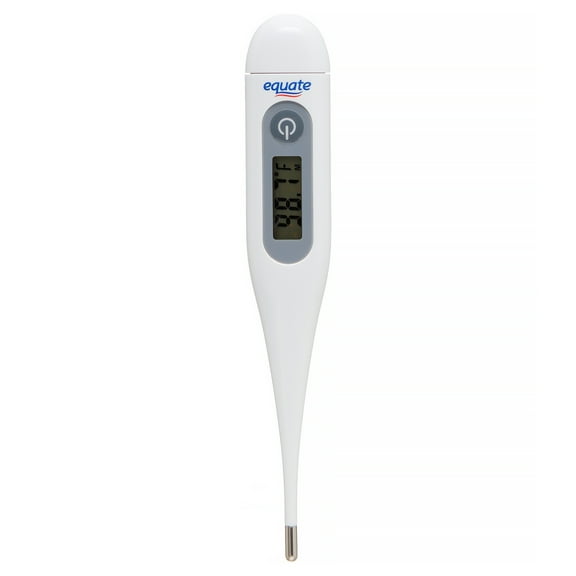
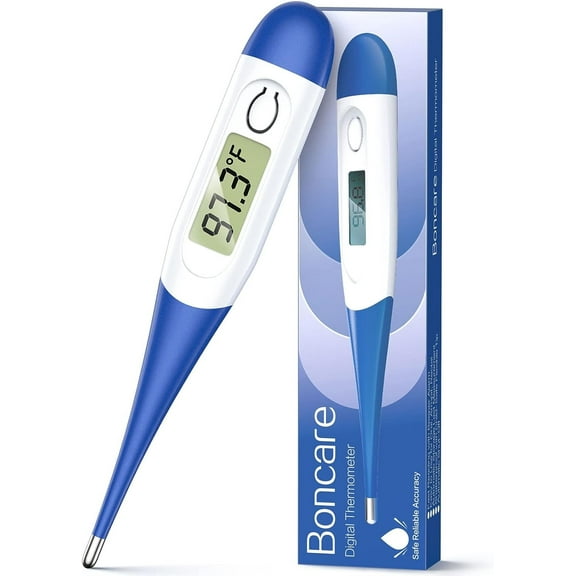
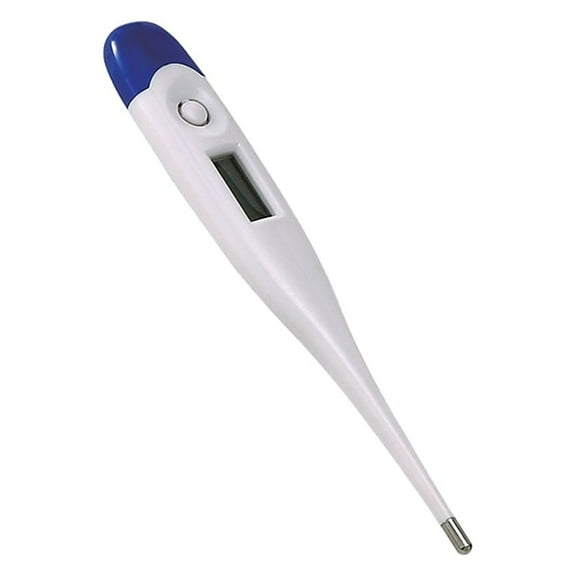
Digital thermometers are a common choice for home use because they’re straightforward and compact. Look for a fast measurement time and an easy-to-clean tip. Many include an auto shutoff to help extend battery life.
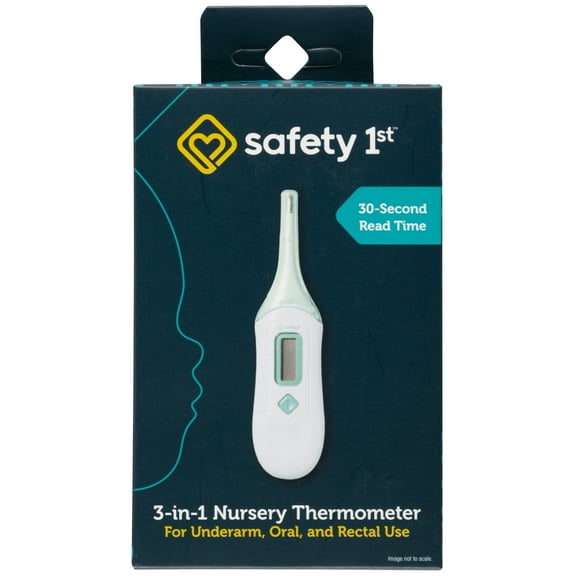
If you prefer oral, axillary, or rectal readings, confirm the thermometer supports that method. Some units label the method clearly in the instructions and packaging. A flexible tip can add comfort during contact checks.
Electronic thermometers often include beeps, screen icons, and last-reading recall for quick comparisons. If sound is a concern, look for mute or silent mode features. For shared households, consider color-coded users or separate probe covers.
Body thermometers for adults and families
Thermometers for adults should prioritize readability, consistent performance, and an ergonomic grip. A larger screen helps when you’re checking temperature during late-night wakeups. A stable base or case keeps it protected in a drawer.
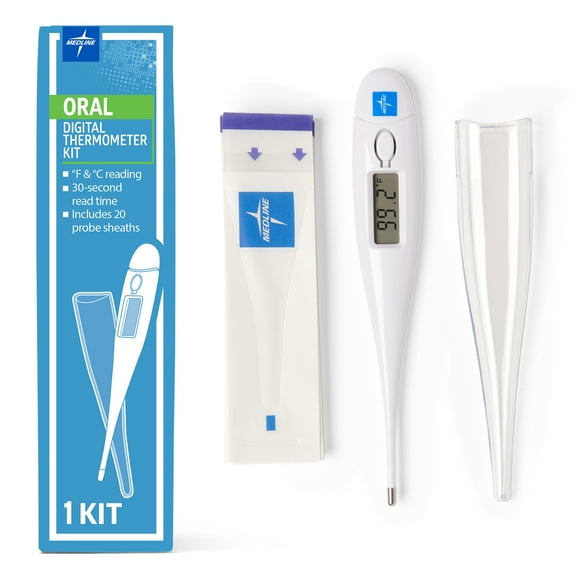
For families, it helps to pick a body thermometer with simple cleaning guidance and replaceable parts. Some models use disposable probe covers to reduce mess during back-to-back checks. If you want fewer steps, consider one-touch scanning designs.
If you’re managing recurring symptoms, memory and time-stamped logs can be useful. These features help you notice trends across morning and evening checks. They also support clearer notes for a caregiver or clinician.
Key features to compare before you choose
Start with the measurement method, since comfort and speed differ by style. Oral and underarm checks are common for home monitoring. Forehead and ear styles can feel easier when someone doesn’t want contact.
Accuracy specs and proper-use steps matter more than extra modes you won’t use. Follow the placement guidance, and avoid readings right after hot drinks. A consistent routine helps reduce variation from one check to the next.
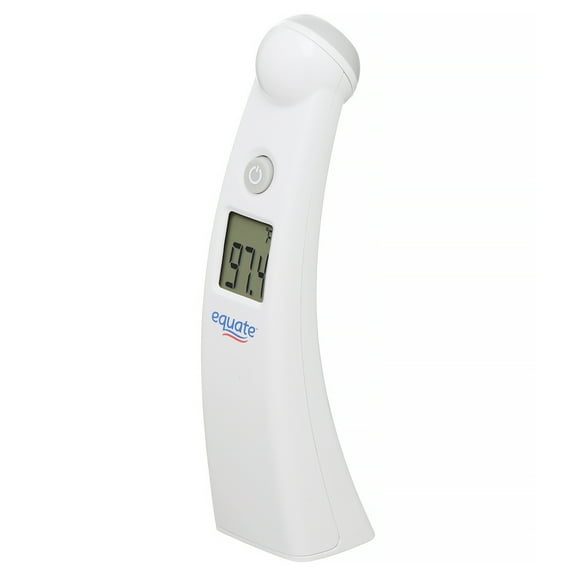
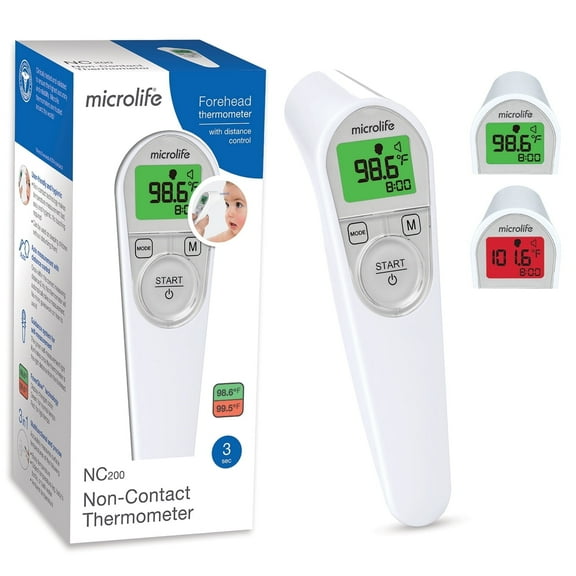
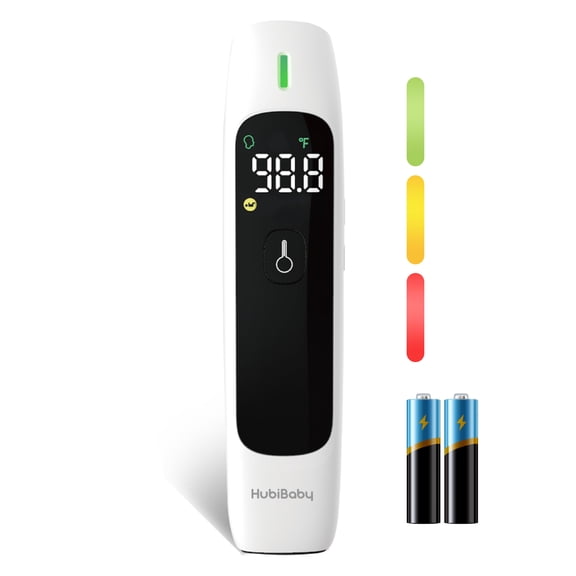
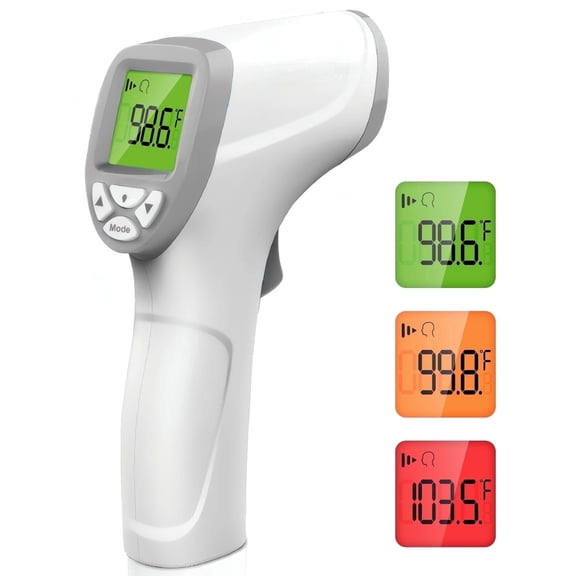
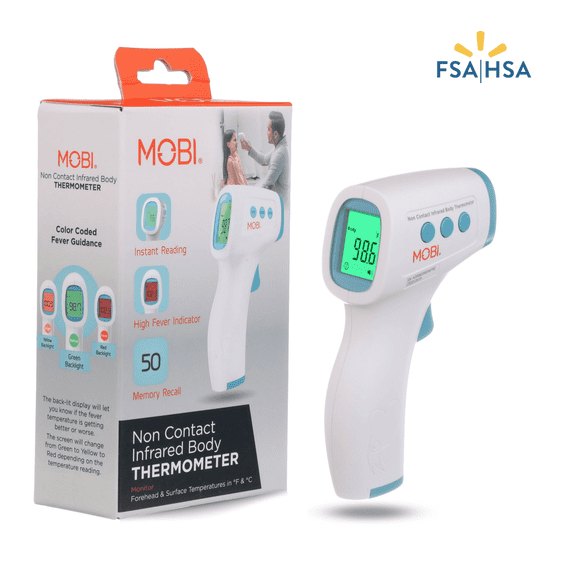
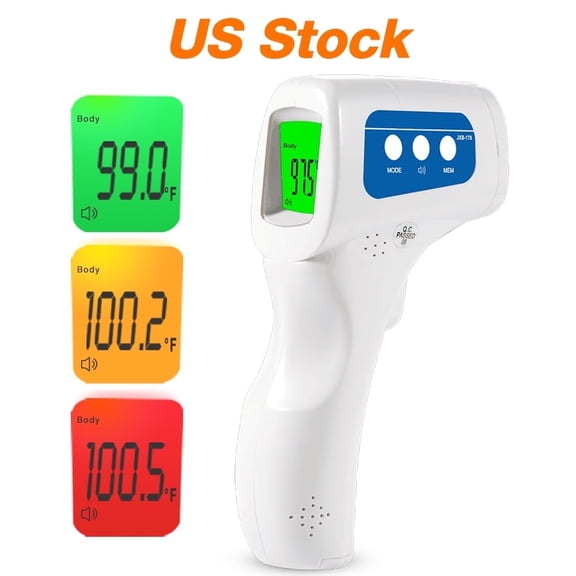
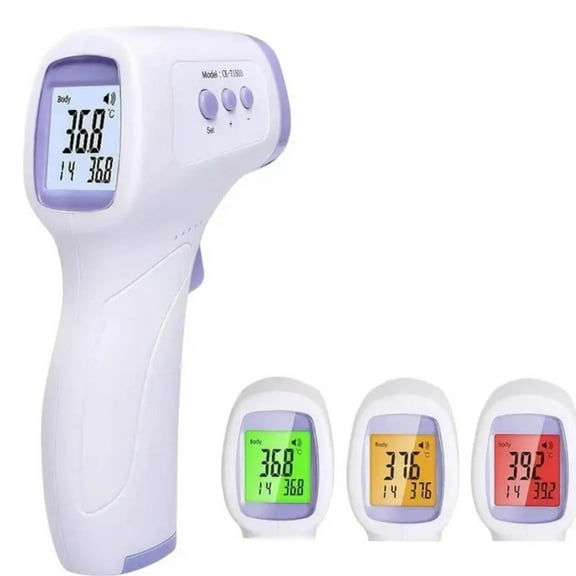
Pay attention to display details, including backlight, large digits, and fever indicators. Some screens show a color bar or symbol when readings cross a threshold. That visual cue can speed decisions when you’re tired.
Power and upkeep also shape long-term convenience. Coin-cell batteries are common, and many models show a low-battery icon. Keep a spare battery in your medicine cabinet essentials, alongside bandages and gauze.
Use cases for fever checks, school days, and travel
A thermometer for fever checks is useful when symptoms start suddenly after work or school. Quick results help you decide whether to rest, hydrate, and monitor. They also help you document changes for follow-up conversations.
During cold season, families often keep one device in a kitchen drawer and one in a bedroom. That placement reduces scrambling during overnight wakeups. It also helps you avoid moving one unit between rooms constantly.
For travel, a compact case protects the probe and screen in luggage. Battery-powered digital thermometers work well for road trips and hotels. If you fly often, check that you’ve packed extra probe covers and a spare battery.
If you’re building a home kit, pair thermometers with first aid kits and medicine cabinet essentials. Add oral syringes, electrolyte drinks, and instant cold packs as needed. These add-ons support comfort while you monitor temperature.
Choosing the right thermometer type
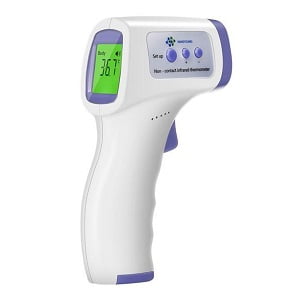
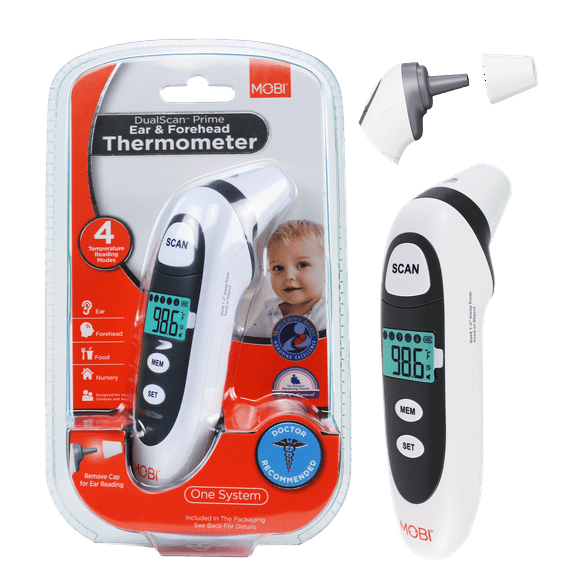
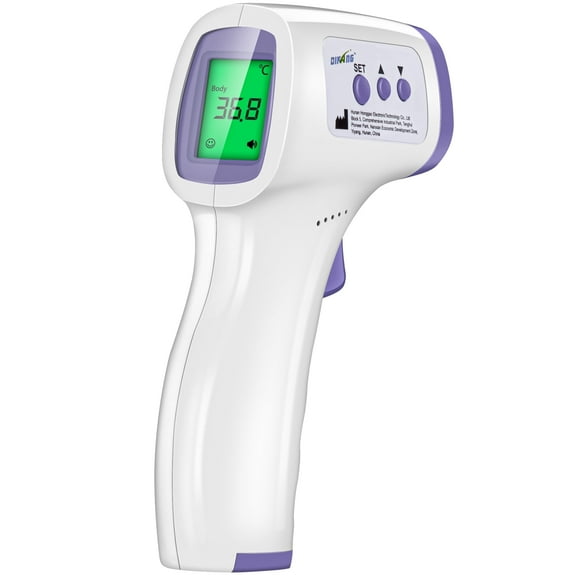
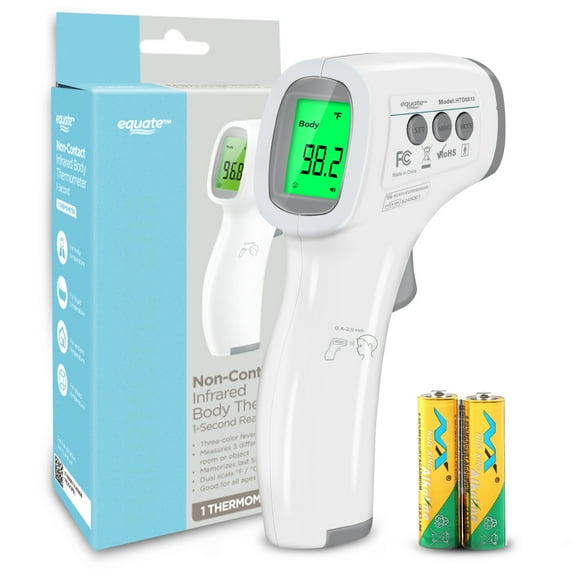
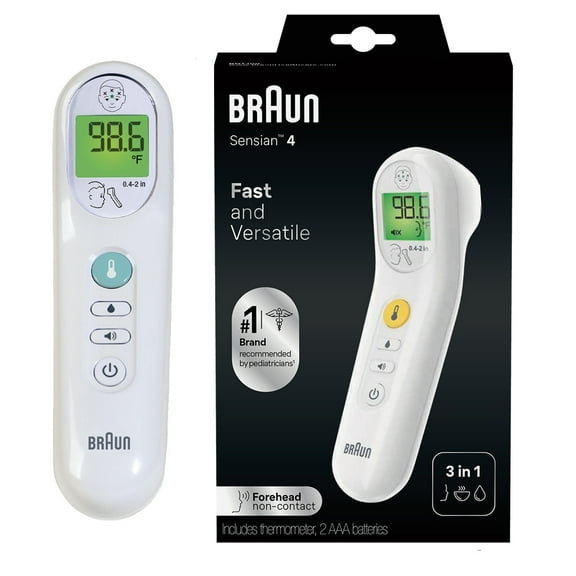
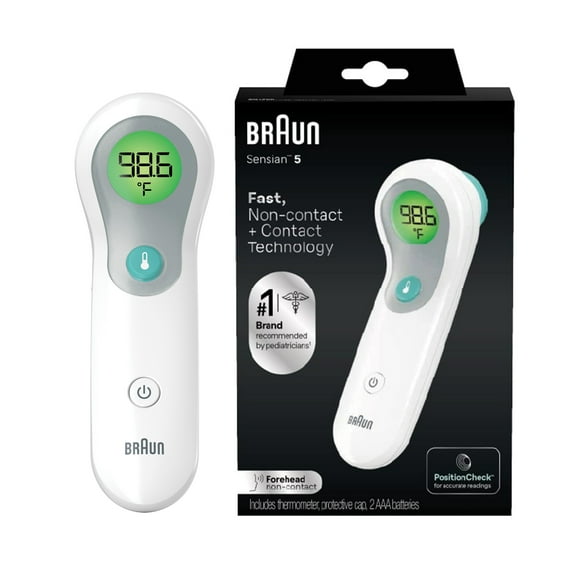
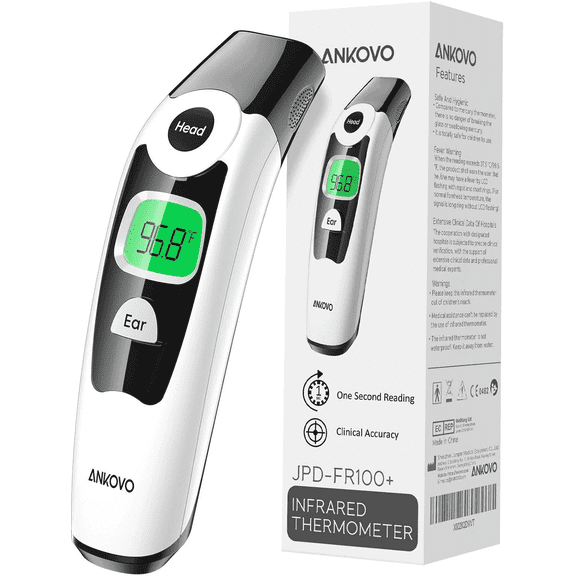
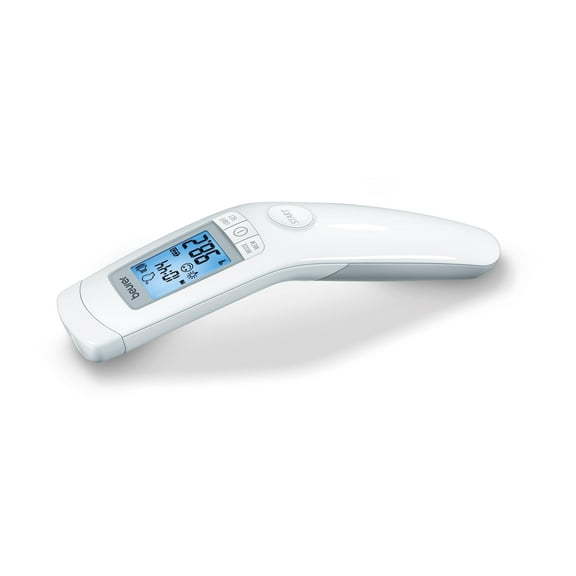
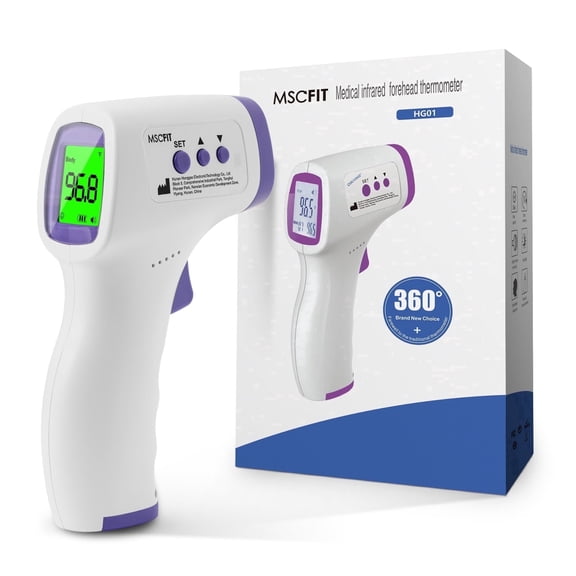
Forehead thermometers can be convenient when someone is asleep or sensitive to contact. They’re also helpful for quick checks before school. Make sure you follow distance guidance for consistent results.
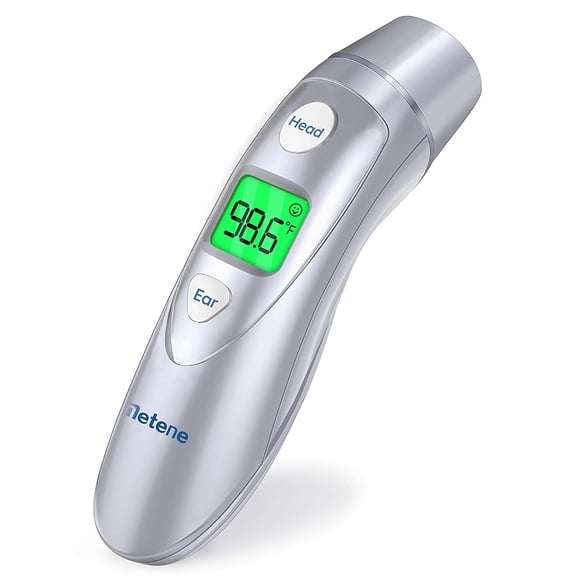
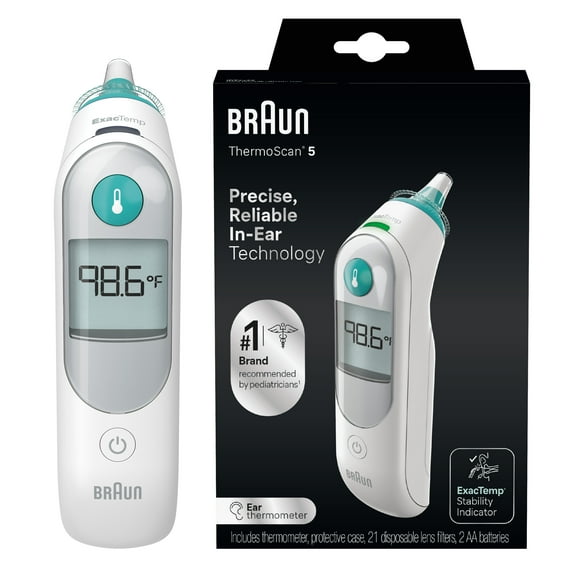
Ear thermometers can be fast, but placement matters for a stable reading. Use clean probe covers, and confirm the ear canal is clear. Some models guide positioning with on-screen cues.
Contact digital thermometers are versatile and easy to store, especially for backups. They’re also simple for adults who want occasional checks. Look for a protective case that keeps the tip clean between uses.
Conclusion
Keeping a reliable thermometer on hand makes fever checks simpler, calmer, and more consistent. With the right style and features, you’ll get clear readings you can track over time. That confidence helps you respond faster when symptoms change.