

Threaded Rods & Studs - Stainless Steel & All-Thread













About Threaded Rods & Studs - Stainless Steel & All-Thread - Walmart.com
You can compare threaded rods studs by material, thread type, pitch, and size so your build fits correctly the first time. You’ll find this category useful for hanging supports, joining parts, anchoring assemblies, and handling cut-to-length fastening jobs.
How to choose threaded rods studs for your project
Start with the connection you need to make, because your matching nuts, washers, and anchors determine the right rod. You’ll want the same diameter and thread pitch across every part so your assembly threads on smoothly.
Next, consider where your hardware will live and how exposed your setup will be. You may prefer stainless steel threaded rod for damp spaces, while zinc plated threaded studs fit many indoor construction tasks.
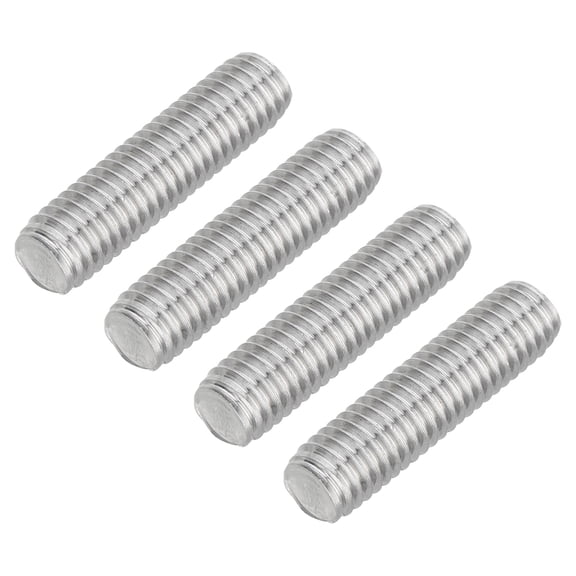
You should also think about whether you need continuous threads or studs with threaded ends. Fully threaded studs give you adjustment along the whole length, while double-end styles suit fixed mounting points.
Material and finish choices
Material affects how your fastener handles moisture, wear, and day-to-day jobsite conditions. You’ll usually compare stainless steel, zinc-plated steel, plain steel, and silicon bronze when your project has specific exposure needs.
If your setup faces humidity, splash-prone areas, or outdoor air, you may look for stainless steel threaded rod. You’ll often see 304 and 316 grades, and your selection depends on the environment around your installation.
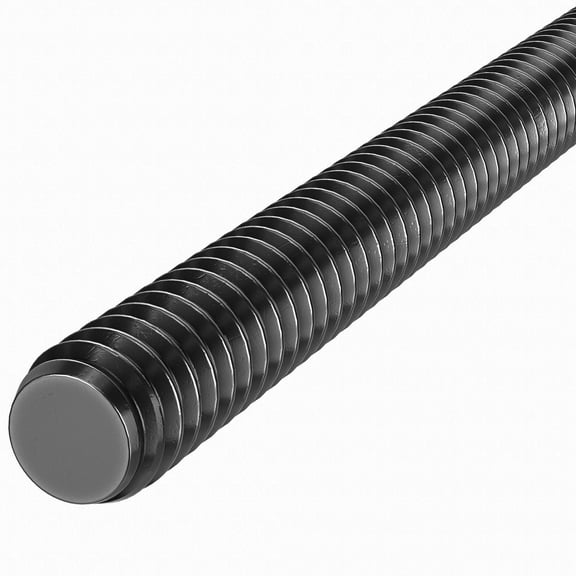
For general indoor use, you may choose zinc-plated steel when your parts need a familiar finish and straightforward compatibility. Plain steel can suit fabrication work when your application calls for a basic rod you can cut and fit.
If your project involves marine-adjacent hardware or specialty appearance needs, you may compare silicon bronze options. You’ll want the finish on your rod, nuts, and washers to align with the rest of your hardware set.
- You can match material to indoor, outdoor, damp, or fabrication-focused use.
- You can keep hardware compatibility consistent across rods, nuts, and washers.
- You can choose finishes that support appearance and assembly requirements.
Thread type and coarse thread rod decisions
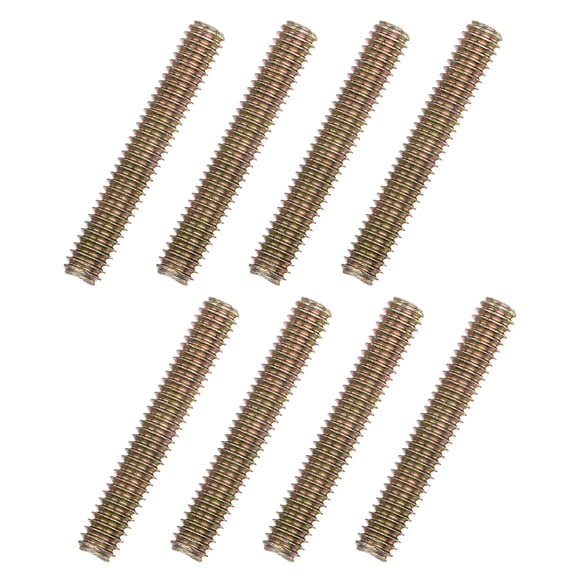
Thread type changes how you install, adjust, and secure your assembly. You’ll commonly compare fully threaded studs, double-end studs, and tap bolt styles based on how much thread engagement you need.
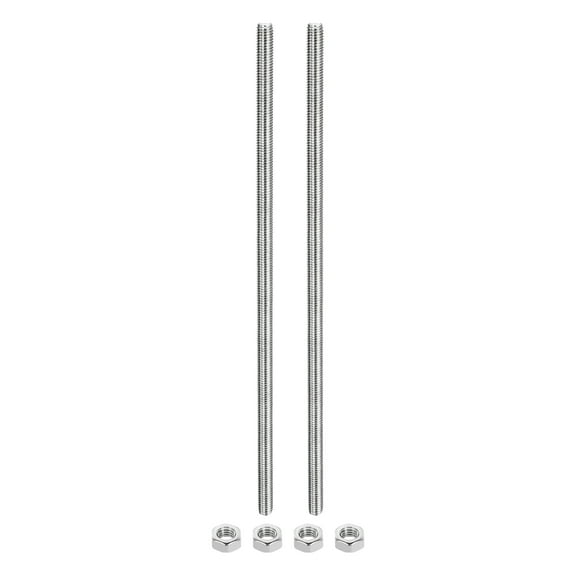
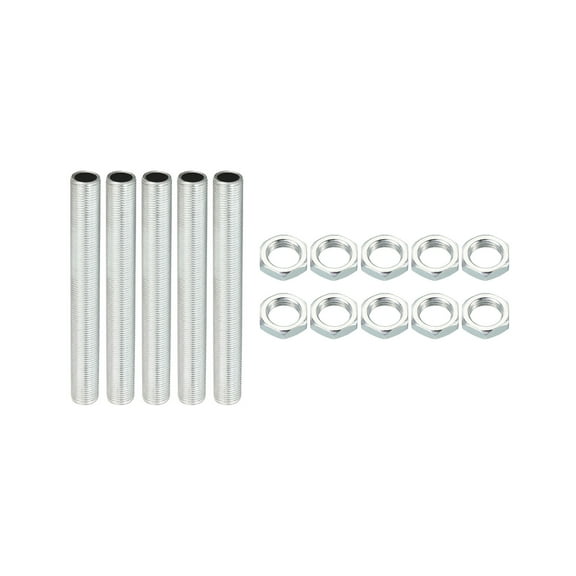
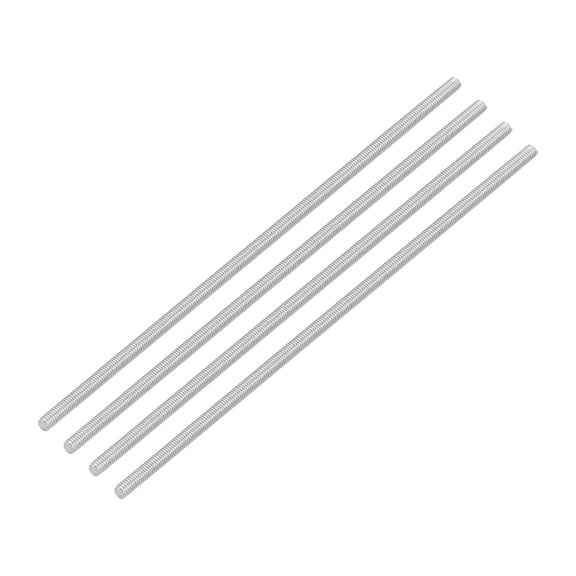
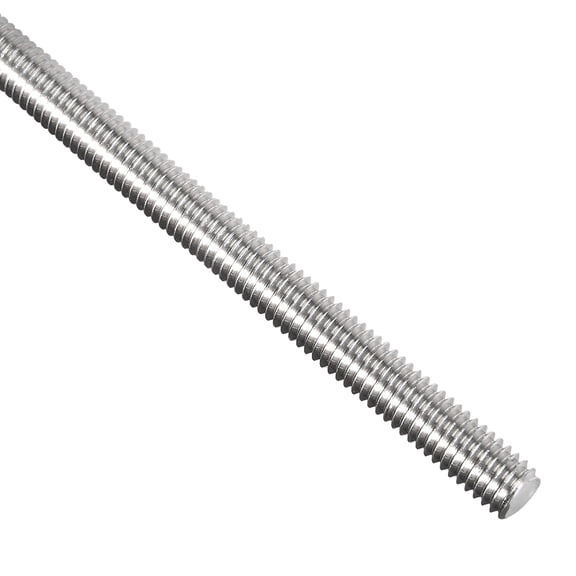
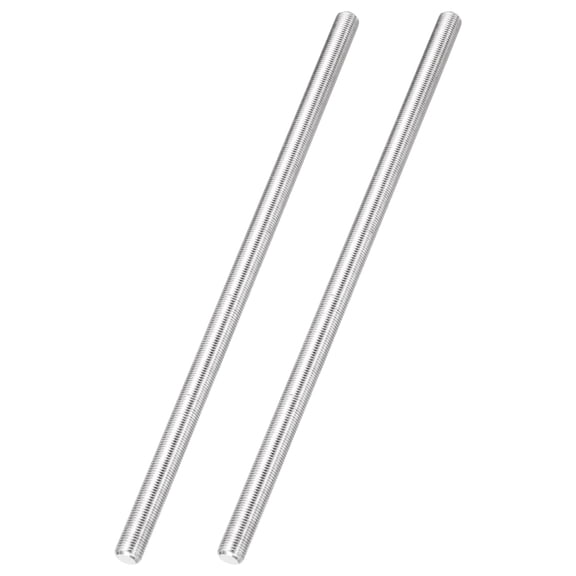
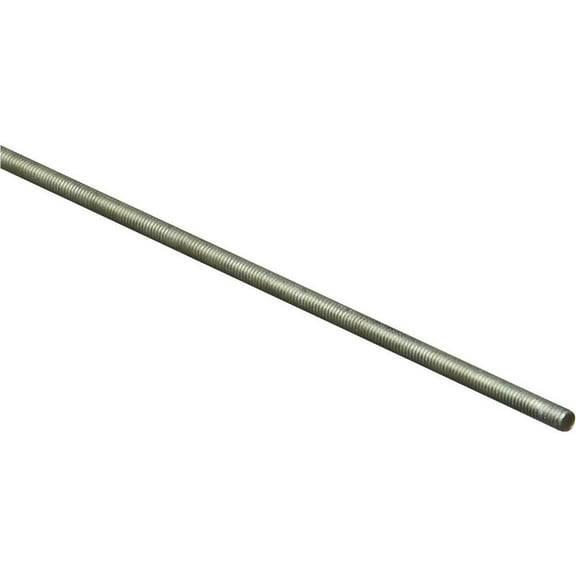
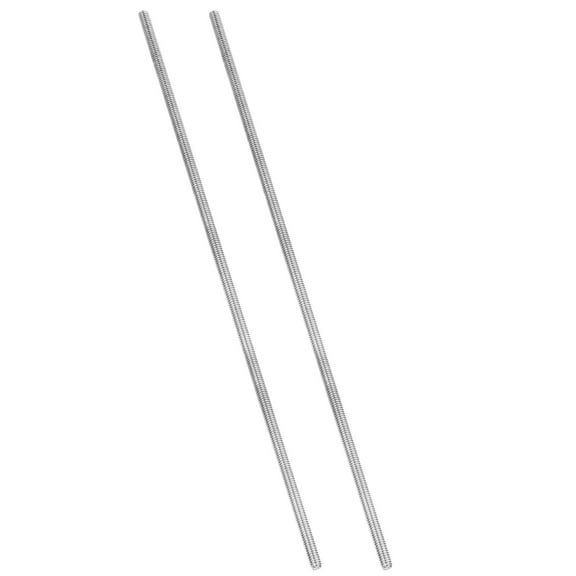
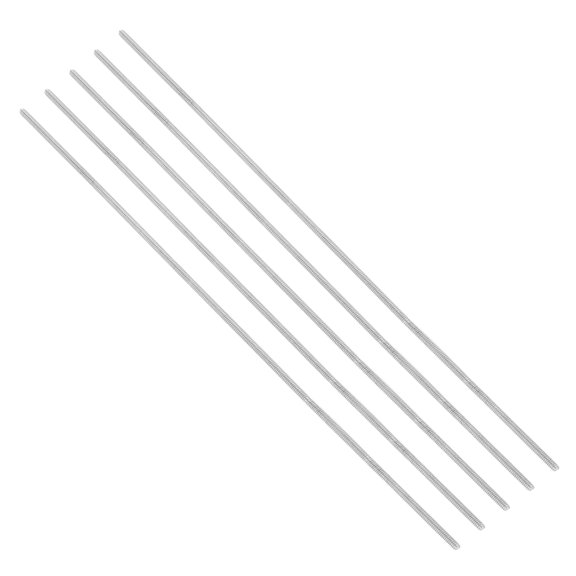
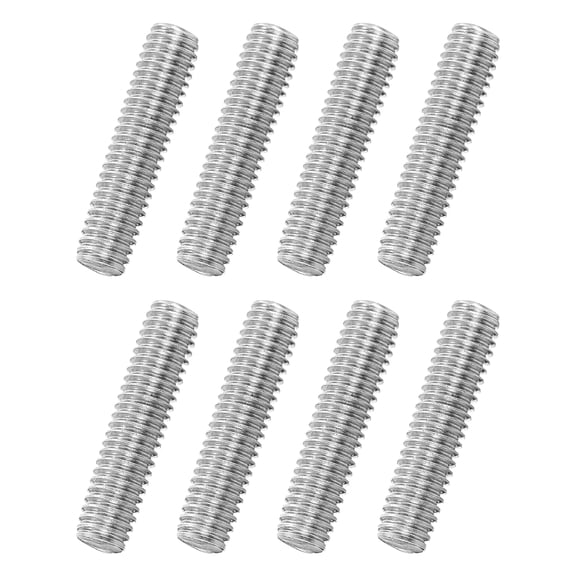
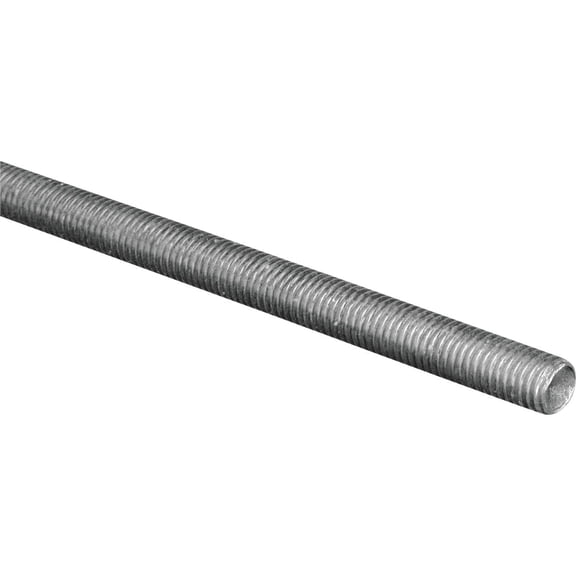
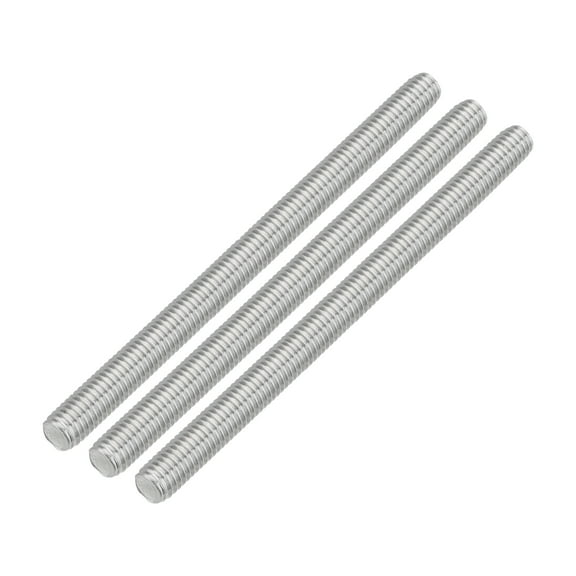
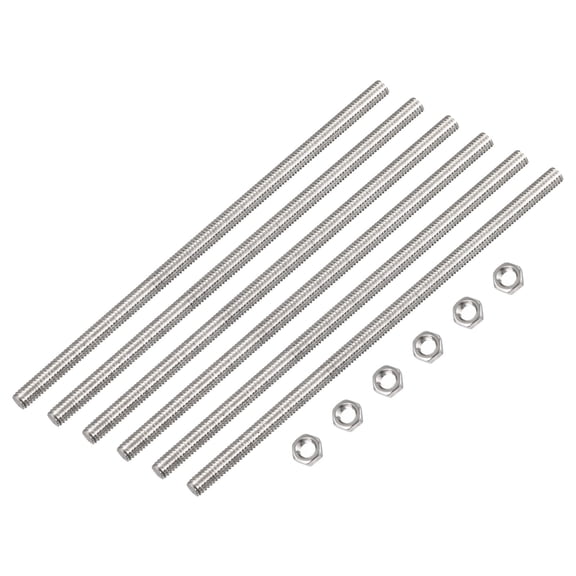
An all thread rod gives you threads from end to end, so you can trim length and still keep usable threading. You’ll find that setup helpful when your support rods pass through channels, brackets, or stacked materials.
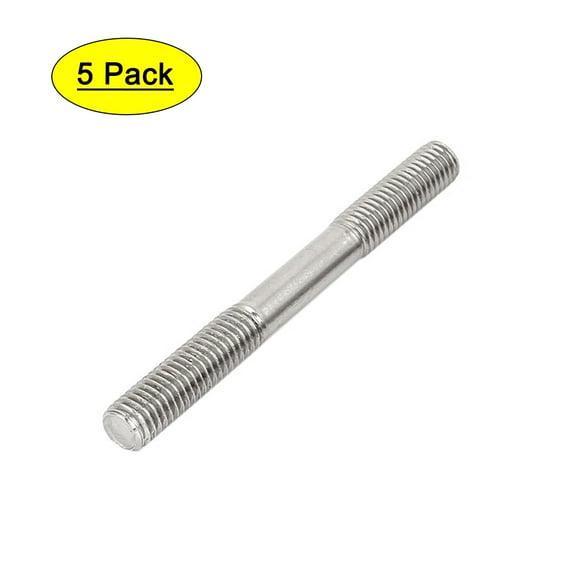
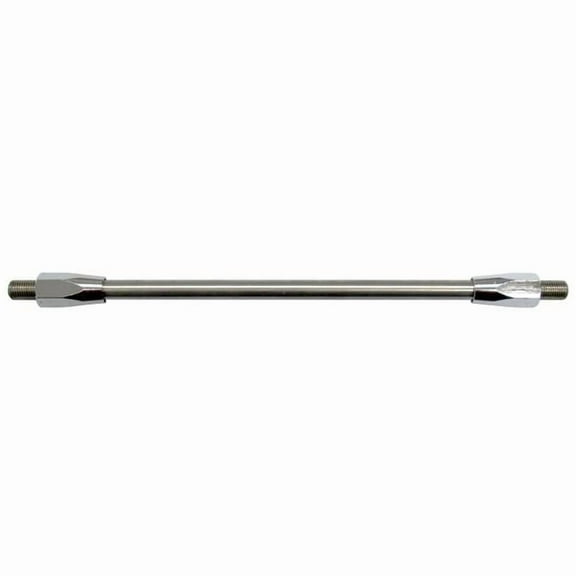
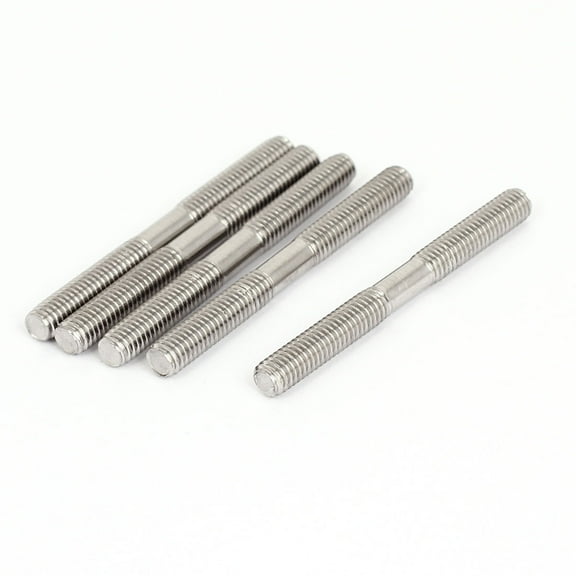
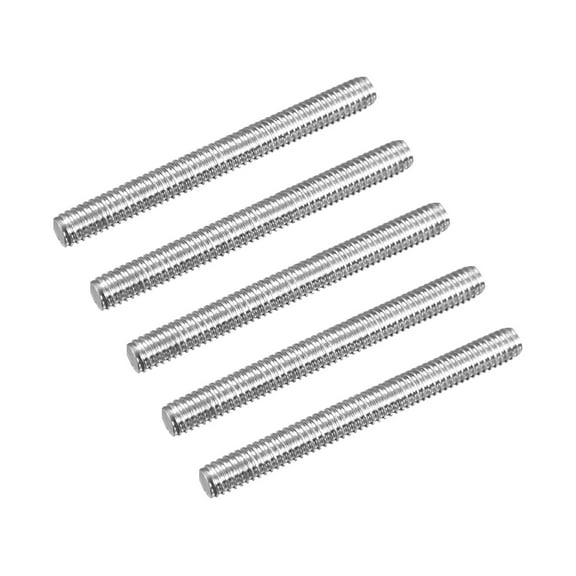
Double-end studs place threads at both ends with an unthreaded center section, which suits fixed-depth mounting points. You may use that format when your equipment or machinery connection needs a defined grip area.
When your application calls for UNC or UNF, the pitch matters as much as the diameter. A coarse thread rod can help when your assembly needs fast engagement, while fine threads fit tighter adjustment needs.
Understanding thread pitch, sizing, and metric threaded rod options
You should confirm pitch before you choose diameter, because a 3/8 inch rod with the wrong thread won’t mate with your nut. You’ll often compare coarse and fine imperial threads, plus metric coarse or fine options.
If your project uses inch-based hardware, you may shop common sizes like 1/4 inch, 3/8 inch, or 1/2 inch. If your equipment uses metric hardware, you should check options like M6 or M10 before ordering matching components.
Thread pitch is decision-critical because your hardware either mates correctly or it does not. You’ll save time when you confirm UNC, UNF, or metric thread details before you start your assembly.
You may also review ASTM standards and grade ratings when your project has specific tensile or load requirements. Those details help you compare rods for structural support, equipment mounting, or fabrication tasks.
Length, cutting, and real-world applications
Length selection affects waste, fit, and how much adjustment your installation allows. You may choose a longer rod when your project needs extra thread for washers, nuts, spacers, or future repositioning.
If your job calls for custom length, you can use all thread rod in cut-to-fit applications. You’ll often see that approach in ceiling hangers, pipe supports, concrete forms, and framed equipment mounts.
For home projects, you might use threaded rods studs to brace shelving, secure workbench builds, or hang utility systems. For commercial tasks, you may need metric threaded rod for machinery, panels, or maintenance replacements.
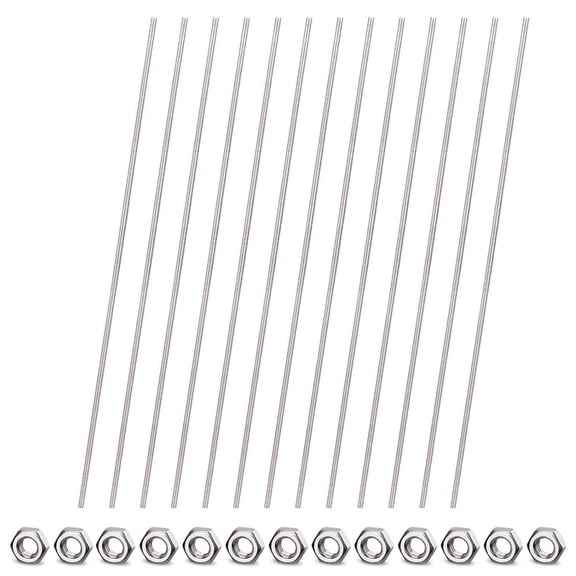
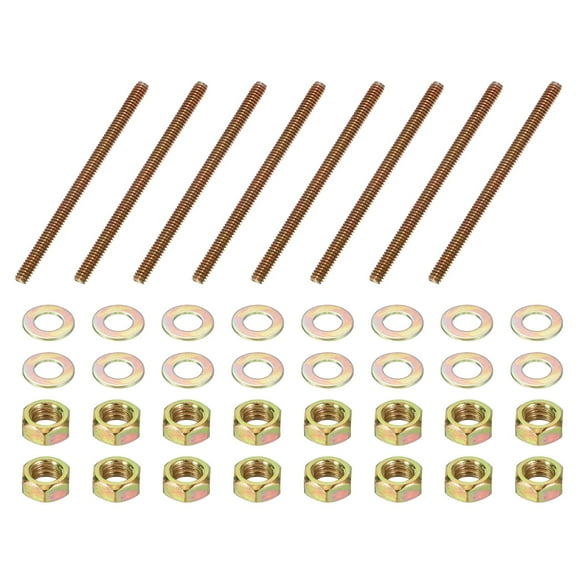
You can also pair your rod with hex nuts, flat washers, and thread locker adhesives for a more complete fastening setup. That compatibility helps your assembly feel more organized from planning through final installation.
You’ll get stronger project confidence when your rod matches your material conditions, pitch, diameter, and length requirements. With the right threaded choice, you can build cleaner assemblies and keep your hardware fit consistent.