


Find auto parts that fit
Let’s search for parts that fit your vehicle.Engine Timing Covers & Replacement Parts | Walmart





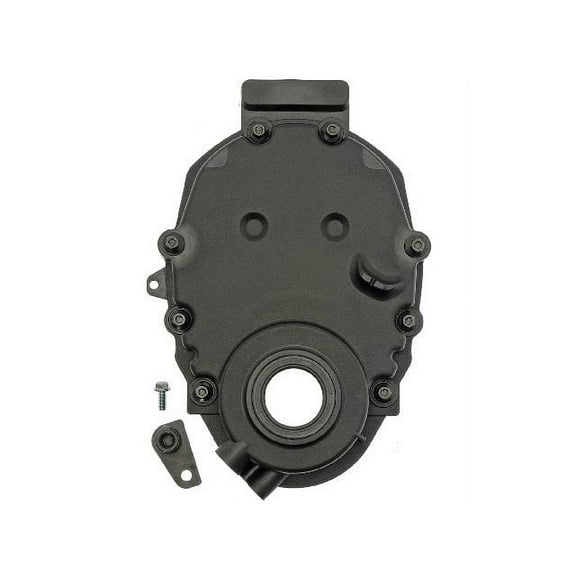
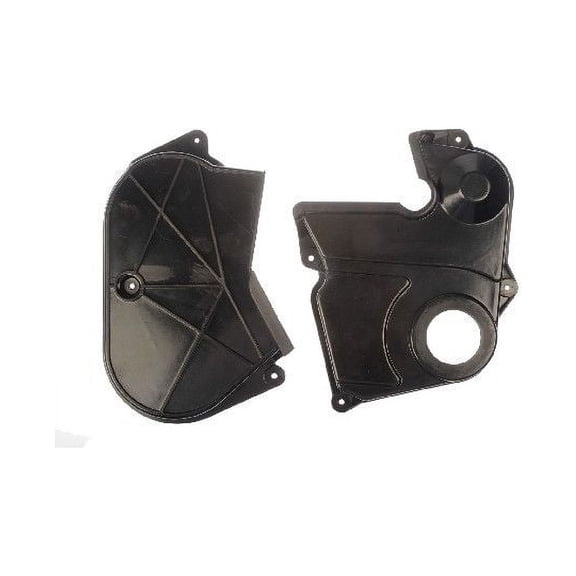

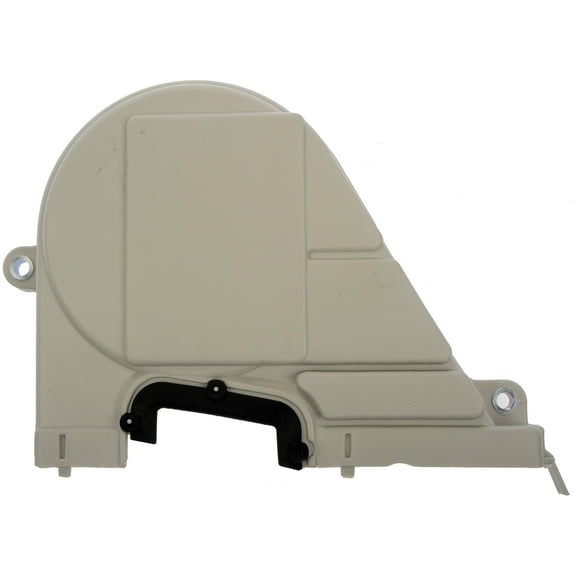


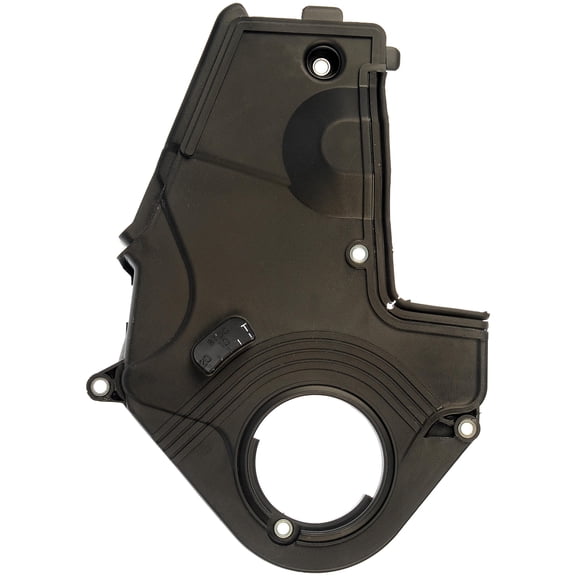
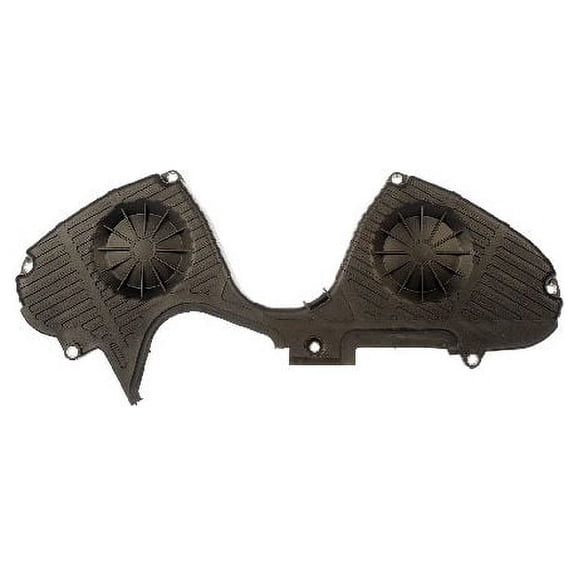
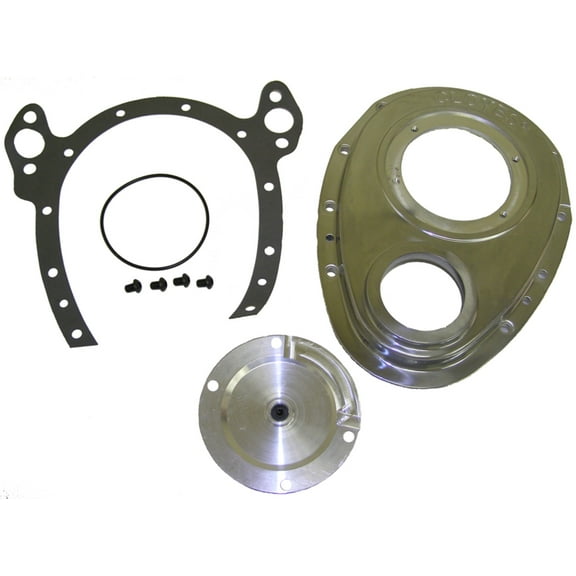
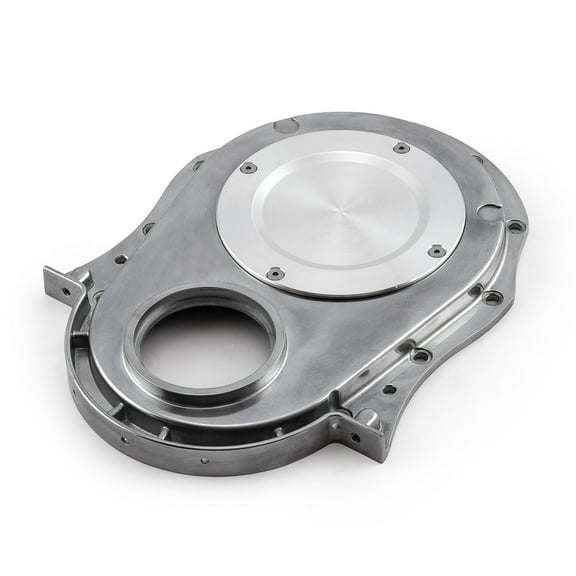
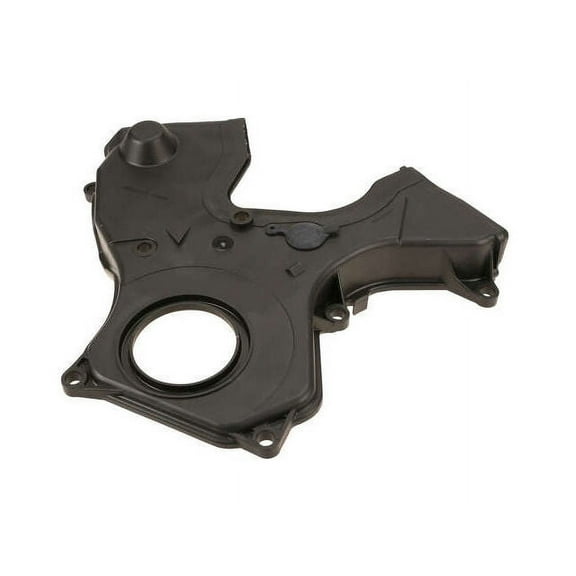



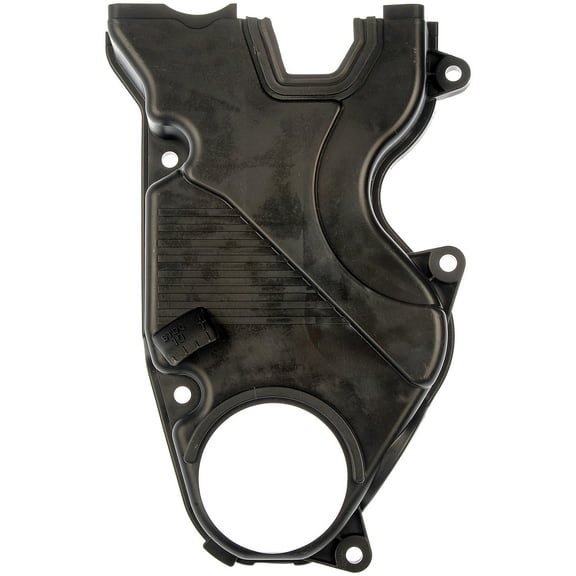
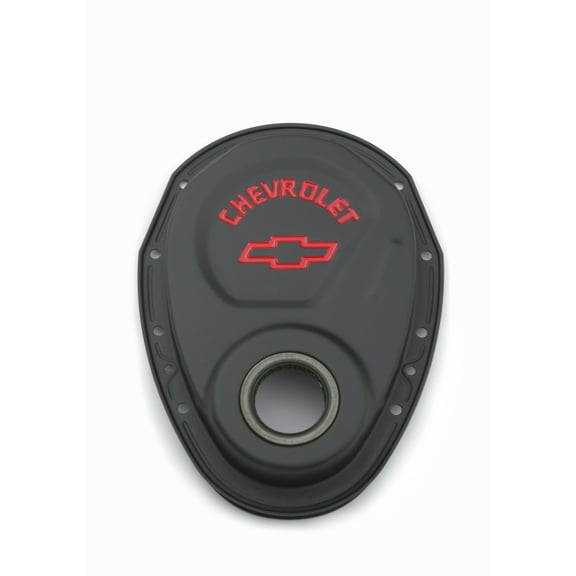


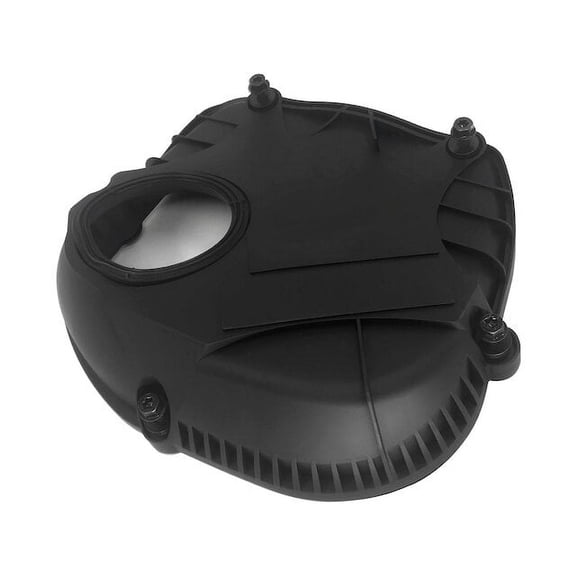
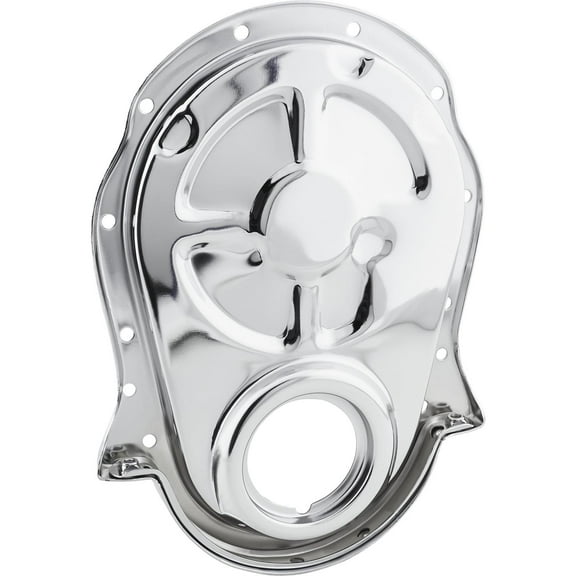


About Engine Timing Covers & Replacement Parts | Walmart - Walmart.com
Your timing cover choice affects fit, sealing, and installation time, so you should compare engine details before you order. You can find a direct path by matching model year, VIN, and engine displacement first.
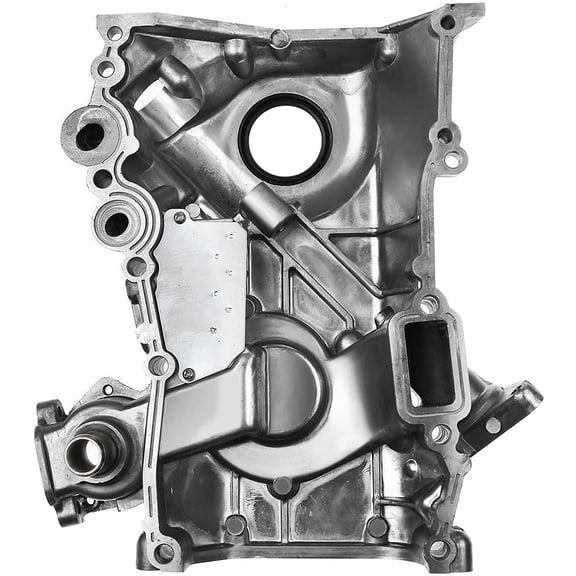
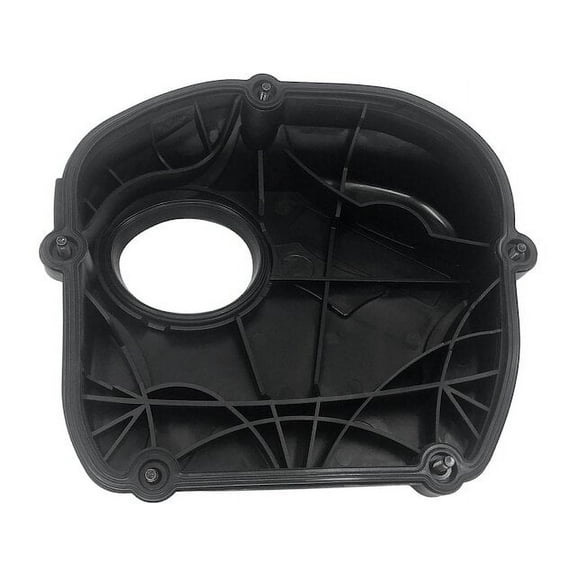
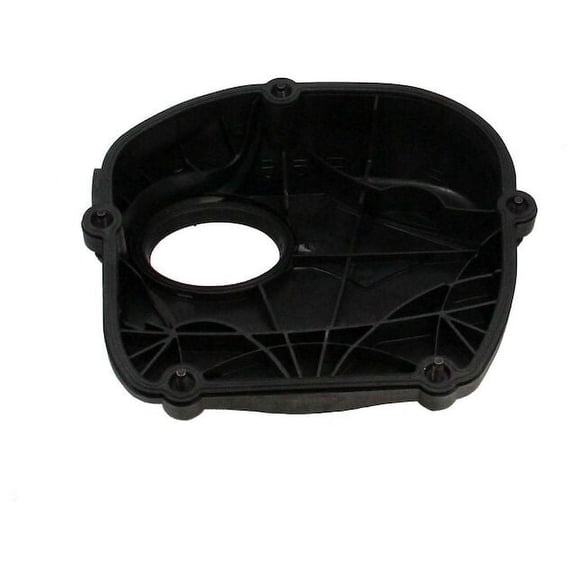
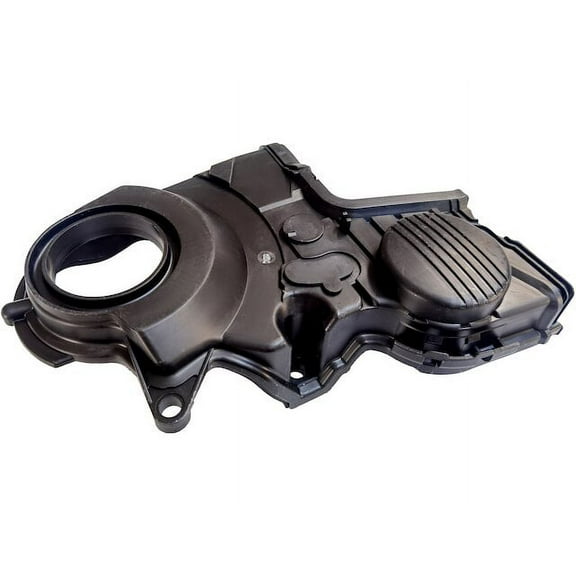
When you’re replacing an engine timing cover, you’re usually trying to restore factory-style coverage around moving engine components. You should also check whether you need a front cover, rear cover, or inner cover for your repair.
How to choose the right timing cover
You should start with vehicle fitment because small engine differences can change bolt patterns, sensor openings, and gasket shapes. You should confirm your model year, engine size, and trim before comparing parts.
If you use a garage lookup or VIN details, you can narrow choices faster and avoid mismatched mounting points. You should also compare direct OE replacement designs with universal-fit options before installation.
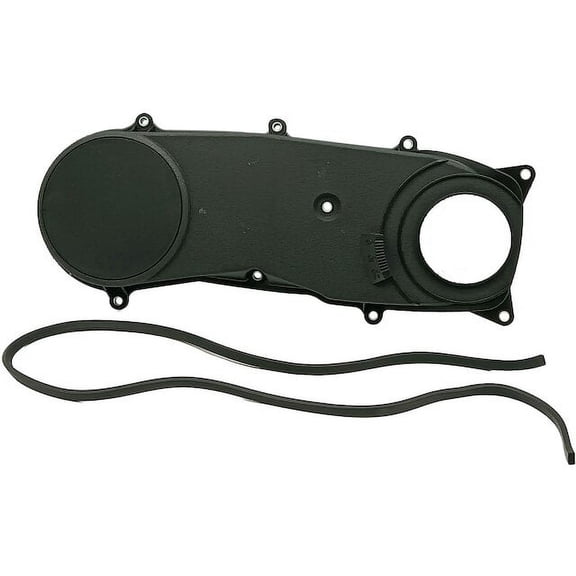
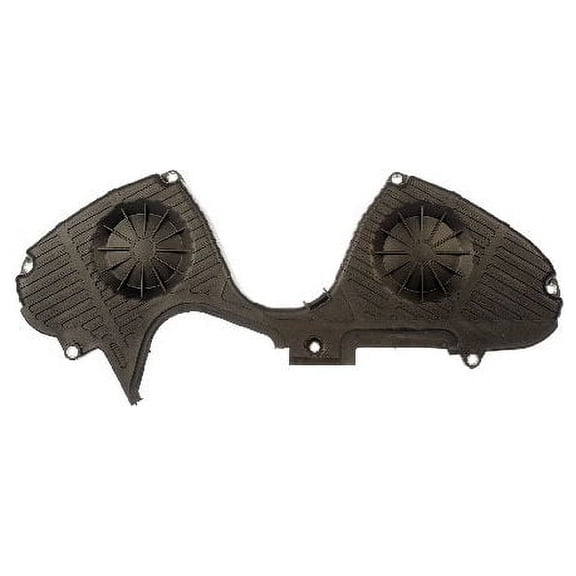
Your repair may call for a timing belt cover or a timing chain cover, depending on your engine design. You should match the drive type first because the cover shape and access points can differ.
- You can improve fit accuracy by checking VIN, engine displacement, and model year together.
- You can simplify installation by choosing the correct component type, such as front, rear, or inner cover.
- You can support a cleaner seal by comparing gasket inclusion before you begin the job.
- You can match long-term durability needs by selecting the right material for heat and oil exposure.
Choosing an engine timing cover by material and build
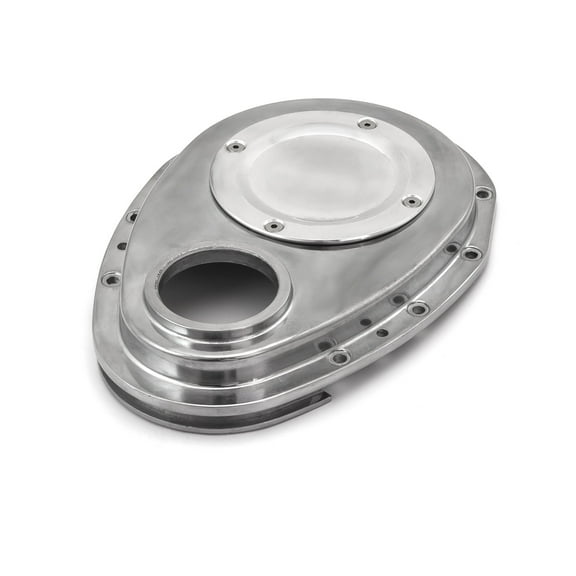
You can compare aluminum, steel, and composite plastic when you’re reviewing material options. You can use each material choice to balance weight, rigidity, and everyday engine-bay demands.
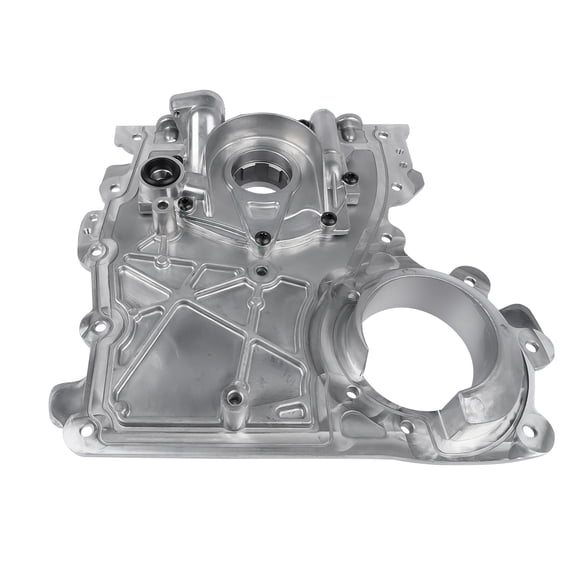
If you choose aluminum, you often get a rigid construction that suits many direct-fit replacement jobs. If you choose steel, you may prefer its solid feel for certain engine layouts and mounting designs.
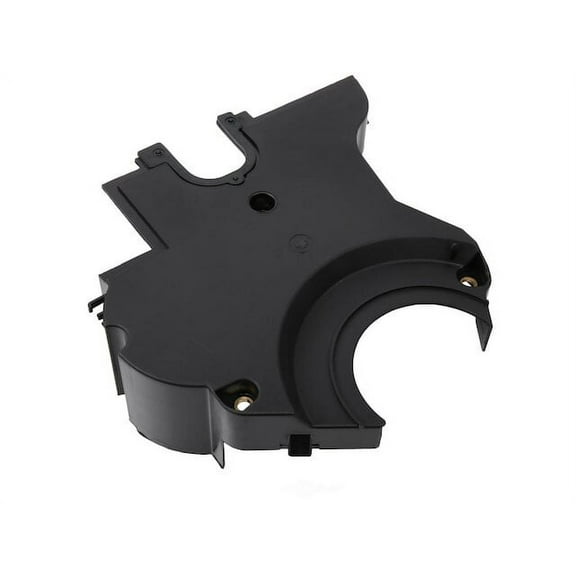
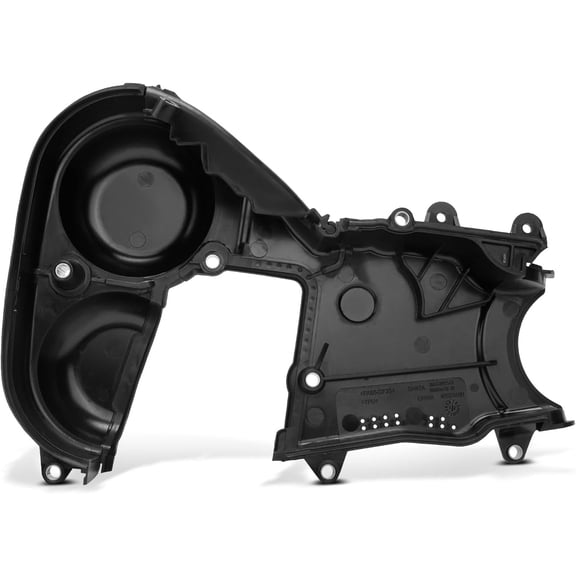
When you choose composite plastic, you can select a lighter option with molded contours for specific vehicle applications. You should compare sensor ports, bolt hole placement, and sealing surfaces with your original part.
Your decision should also include gasket details because some replacements include seals, while others require separate gasket purchases. You should verify every included component before you schedule installation time.
Comparing compatibility for V6, V8, and 4-cylinder engines
You should treat engine compatibility as a required step because cover depth and opening locations vary by engine family. You need to match V6, V8, or 4-cylinder applications with care.
If your vehicle uses a compact 4-cylinder layout, you may need a cover with tighter packaging around accessories. If your vehicle uses a V6 or V8, you may need different clearances and mounting geometry.
You should also compare engine displacement and code, not just cylinder count, before making your selection. You can avoid returns by checking whether the part matches your exact engine configuration.
When you see a shopper search for timming cover, you can read that as the same fitment-focused need. You still need to confirm your exact application because spelling shortcuts won’t change part requirements.
What to look for in front, rear, and inner covers
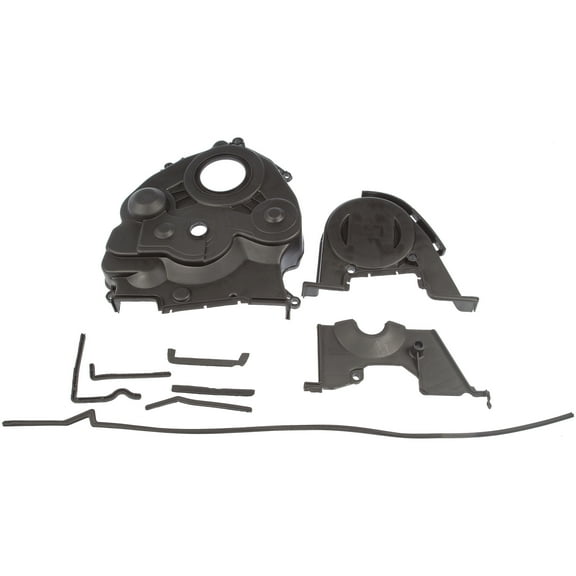
You should identify the exact component location before ordering because a front cover won’t serve the same role as a rear cover. You can also find that you may need an inner cover in multi-piece assemblies.
If your repair involves the front of the engine, you should compare pulley access, seal placement, and accessory clearance. If your repair sits deeper in the assembly, you may need a rear or inner section.
You can also compare mounting hardware needs and whether your replacement follows a direct OE-style layout. You should measure against your existing part when you’re replacing a timing case cover in a complex setup.
Using timing cover details for real repair scenarios
You might be planning a gasket refresh, a rebuild, or a cover replacement after wear around sealing surfaces. You can get a smoother parts match when you group your cover search with gaskets and related engine parts.
If you’re handling a daily-driver repair, you may prioritize direct fitment and included gasket components. If you’re working on an older vehicle, you may spend more time checking casting shape and port alignment.
You can also narrow options by thinking about access and labor during your project. You should confirm whether your repair calls for removing surrounding components before choosing a cover style.
When you compare materials, drive type, and engine family together, you can make a more informed replacement decision. You can be better prepared for installation when your part matches your engine layout from the start.
Your timing cover selection works reliably when you verify fitment details, material, and component location before purchase. You can gain a cleaner installation path and a more precise replacement for your specific engine setup.
Popular in Engine Timing Covers & Replacement Parts | Walmart - Walmart.com
- Speedmaster Timing Cover
- Mercedes-benz 300 Engine Timing Cover
- Honda Fit Engine Valve Spring Retainer
- Sbc Double Roller Timing Set
- Cloyes Timing Kit
- Best Sellers In Mechanical Gas Springs
- Sbc Water Pump Pulley Bolts
- Mercedes-benz C Engine Timing Damper Kit
- Mechanical Springs Brass Power Transmission Products
- 03-42776-010 Automotive Replacement Parts
- Mercedes-benz Sl Engine Timing Cover