


Find tires that fit
Let’s search for tires that fit your vehicle.Tire Types in Tires & Accessories


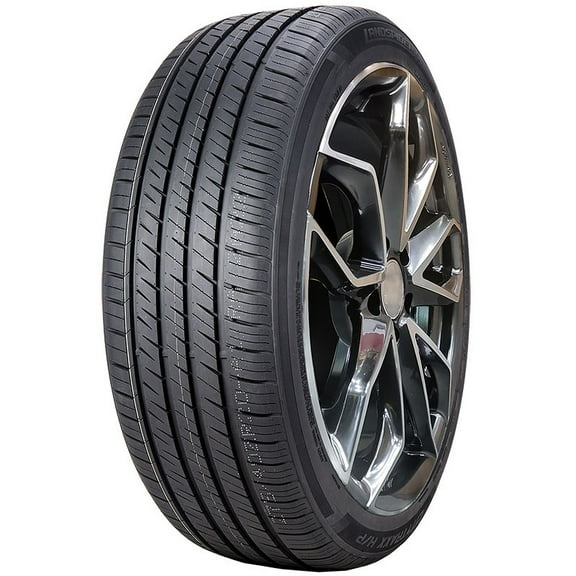

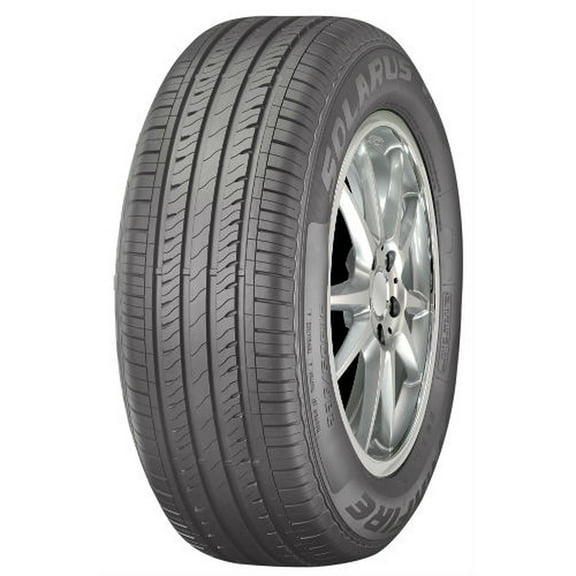
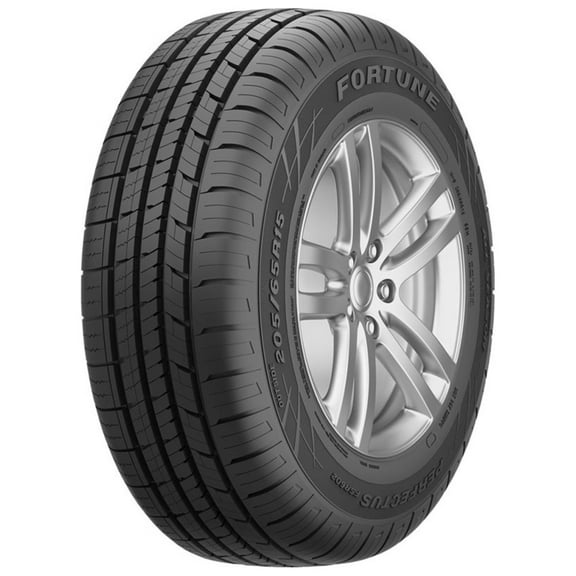


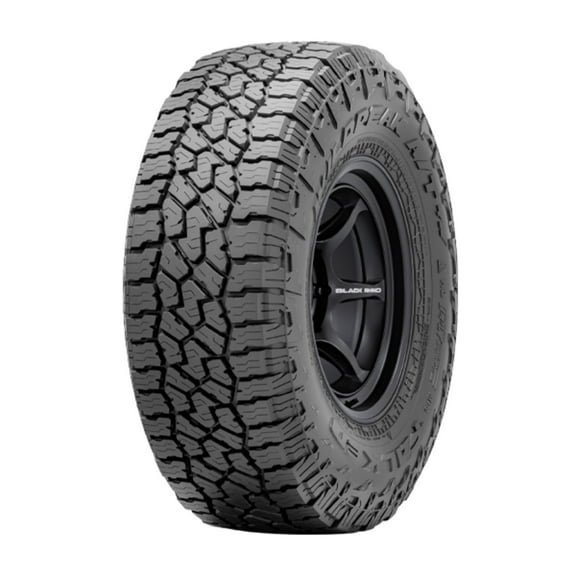


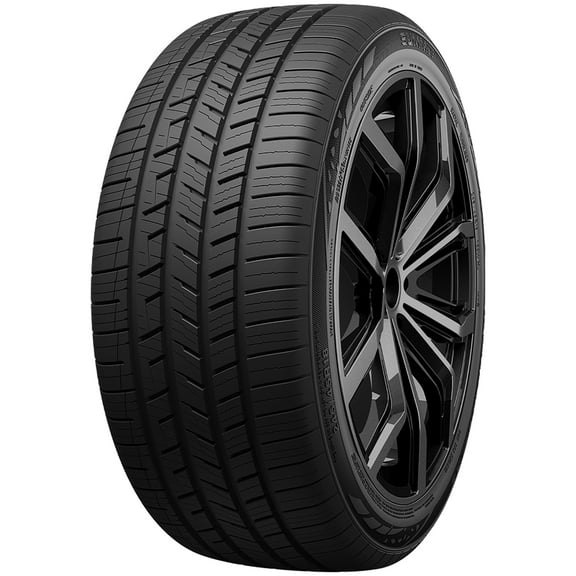


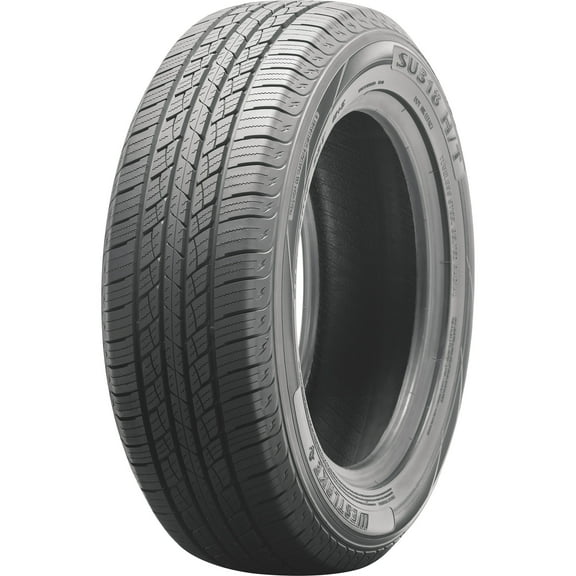
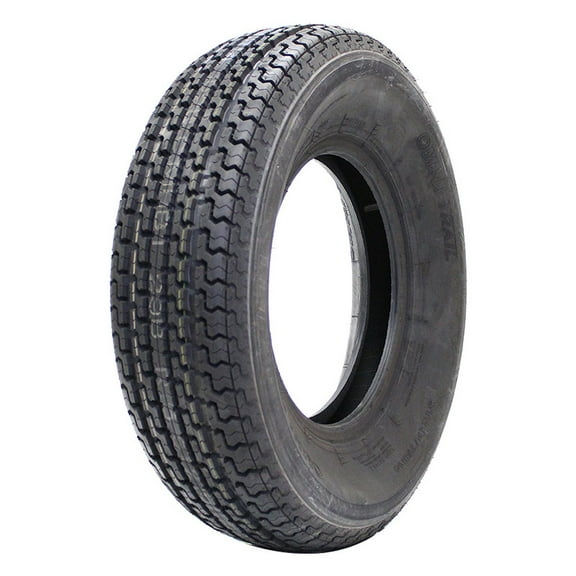


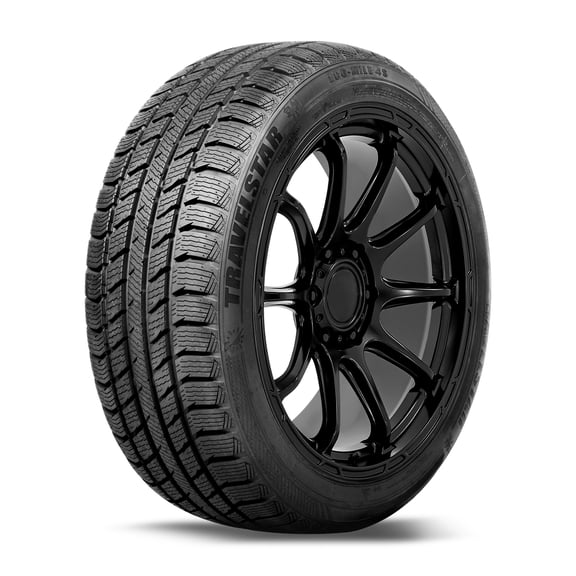




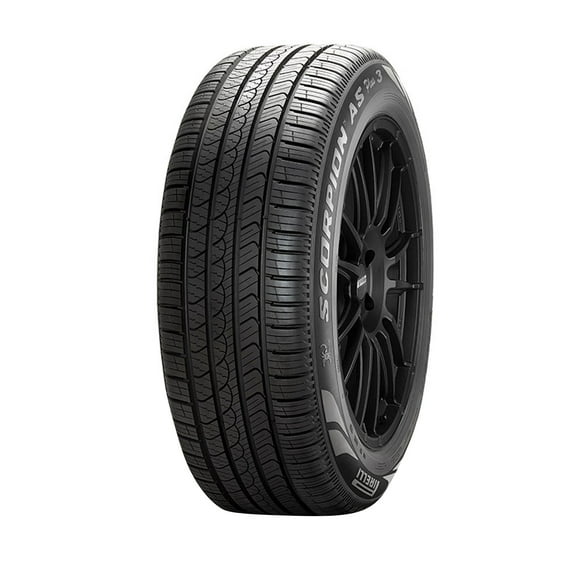
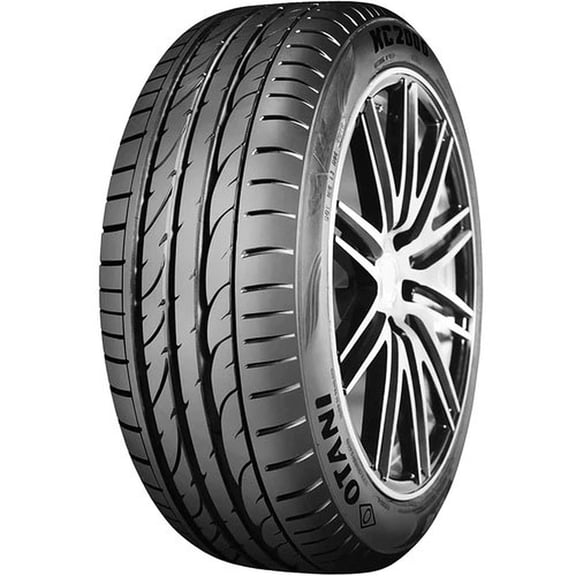
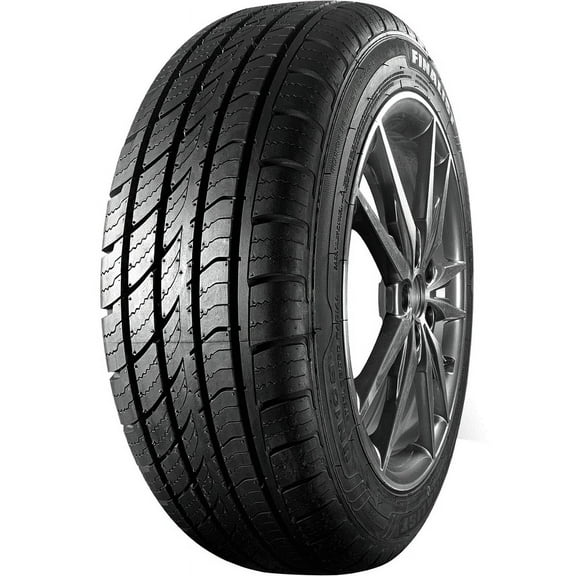
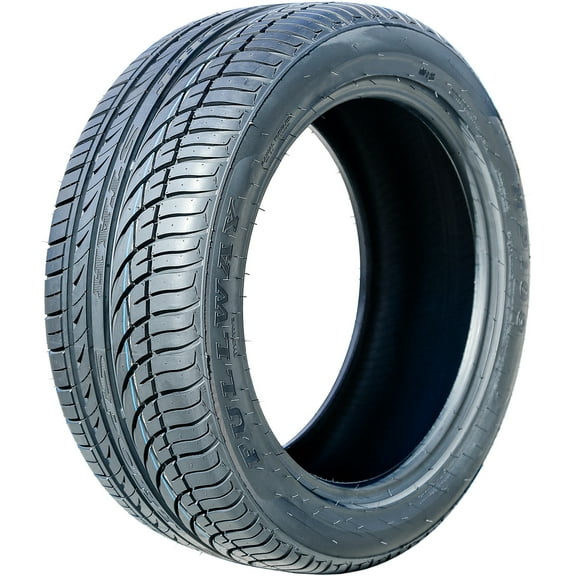
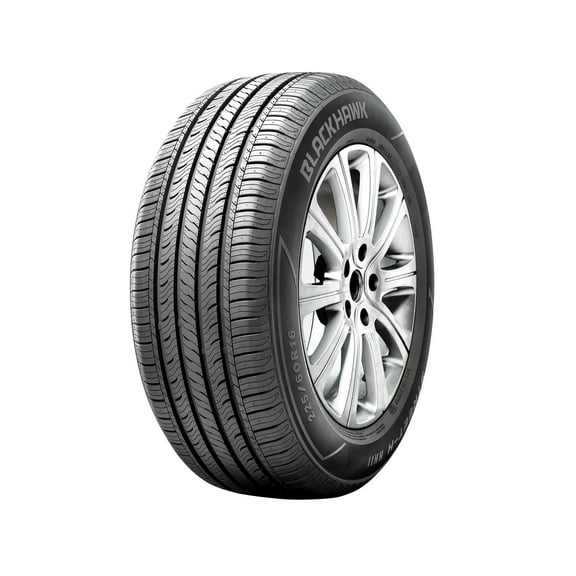


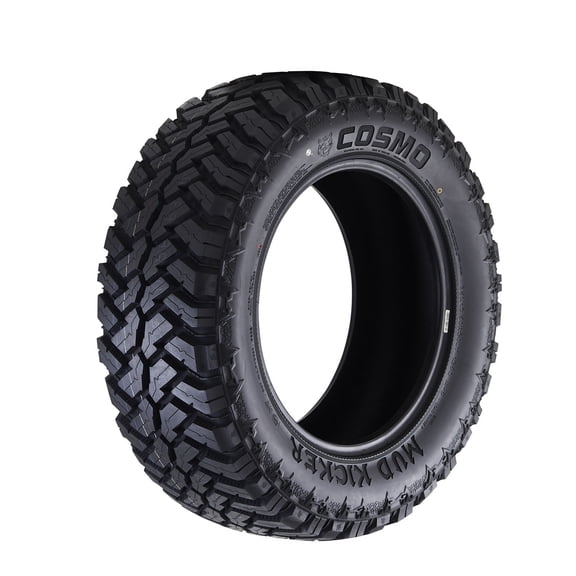





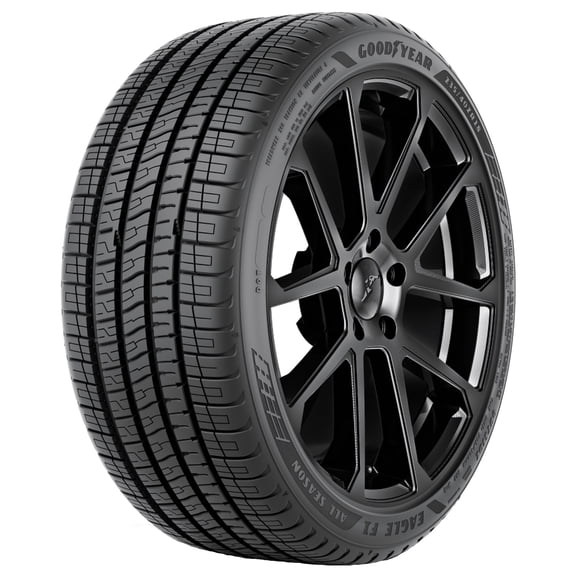



About Tire Types in Tires & Accessories - Walmart.com
Tire types help you match your vehicle to the roads, weather, and handling you face every week. You can compare seasonality, terrain, performance, and vehicle class to narrow choices with more confidence.
How to choose tire types for your vehicle
When you shop tire types, you should start with your vehicle’s required size, load index, and speed rating. You can usually find those details on your driver-side door sticker or current sidewall.
Before you compare tread patterns, you should confirm whether your vehicle uses passenger, light truck, SUV, or commercial fitments. You’ll avoid guesswork when you match the tire class to your vehicle’s intended use.
You should also consider how and where you drive most often. Your climate, road surface, and daily mileage can quickly point you toward the right category.
Comparing car tire types by class and season
Car tire types vary by vehicle class, and that difference affects ride feel, load support, and tread design. You’ll usually see passenger tires for sedans, light truck tires for pickups, SUV tires for crossovers, and commercial options for work vehicles.
If you spend most days commuting, you may prefer standard touring tires with a smooth, quiet highway ride. If your vehicle carries heavier loads, you may need stronger construction and a higher load index.
Seasonality is another major decision, especially when your weather changes through the year. You can compare all season tires, winter tires, and summer tires based on traction needs and temperature range.
- You can choose all season tires for mixed weather, steady commuting, and year-round convenience.
- You can choose winter tires when you expect colder temperatures, slush, and frequent snow-covered roads.
- You can choose summer tires when you want responsive dry and wet handling in warmer conditions.
- You can choose light truck or SUV options when your vehicle needs added support for towing or cargo.
All season tires work well when you want one set for changing conditions without switching each season. You’ll often notice balanced tread life, everyday comfort, and dependable wet-road traction.
Winter tires use tread designs and compounds shaped for cold-weather driving. You can expect more grip on snowy streets and icy mornings than you’d get from warm-weather categories.
Summer tires focus on warm-road control and sharper steering response. You may prefer them when your driving centers on dry pavement, rain-ready handling, and a more connected road feel.
Understanding types of tires for terrain and performance
Types of tires also differ by terrain, and that choice changes how your vehicle feels on pavement or unpaved ground. You should compare highway terrain, all-terrain, and mud-terrain patterns based on where your tires spend the most time.
Highway terrain tires suit drivers who stay on paved roads and want lower road noise. You’ll usually get a smoother ride and tread patterns shaped for regular commuting and long highway trips.
All-terrain tires balance on-road comfort with off-road capability for gravel, dirt, and uneven surfaces. You may choose them if your weekends include trails, campsites, or work sites beyond the pavement.
Mud-terrain tires use larger tread blocks and wider voids for loose ground. You’ll typically trade some highway quietness for stronger grip in deep ruts and messy off-road conditions.
Performance level is another key filter when you compare tire types. You can look at standard touring, grand touring, and ultra high performance categories to match comfort and handling priorities.
Standard touring options fit many daily drivers who want predictable handling and an easygoing ride. You’ll often see them paired with longer treadwear expectations and lower cabin noise.
Grand touring options lean toward refined comfort with confident road manners at highway speeds. You may prefer them when your daily route includes longer drives and changing weather.
Ultra high performance tires emphasize steering precision, cornering response, and stronger dry-road feel. You should check speed rating carefully when you consider this category for sportier driving needs.
Using tire types for real driving situations
If your family vehicle handles school runs, errands, and freeway commutes, all season passenger tires may fit your routine well. You’ll likely want a quiet ride, even treadwear, and dependable wet-road control.
If your pickup sees towing, cargo, or mixed pavement and gravel use, light truck all-terrain tires may make sense. You should compare load index closely so your tires match the work your truck does.
When your SUV handles road trips and changing weather, grand touring or all season SUV tires can support comfort and stability. You may also want to compare treadwear warranty details for longer replacement intervals.
If your area sees harsh winter conditions, winter tire types can help you prepare for cold mornings and snow-covered streets. You’ll want to confirm your tire size and speed rating before you finalize your choice.
Drivers who focus on warmer climates and sharper handling may lean toward summer or ultra high performance options. You can compare sidewall feel, steering response, and tread design for a more tailored drive.
For commercial vehicles, you should prioritize fitment, load support, and route demands before anything else. You’ll benefit from checking whether your use is local delivery, highway mileage, or mixed-stop driving.
What to check before you choose tire types
You should verify tire size first, then compare load index and speed rating with your vehicle requirements. You’ll make a more accurate choice when those three details guide every other filter.
Treadwear matters when you want longer service between replacements, especially for daily commuting. You can also compare ride comfort and noise level if your route includes long stretches of highway.
When you use these decision points, tire types become easier to sort and compare. You’ll end up with a setup that fits your vehicle, your roads, and your daily driving habits.