

Locking Toggle Clamps & Heavy Duty Latch Clamps




















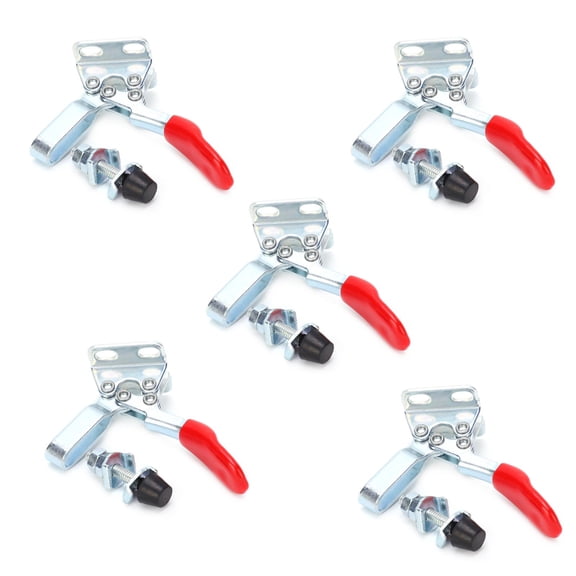

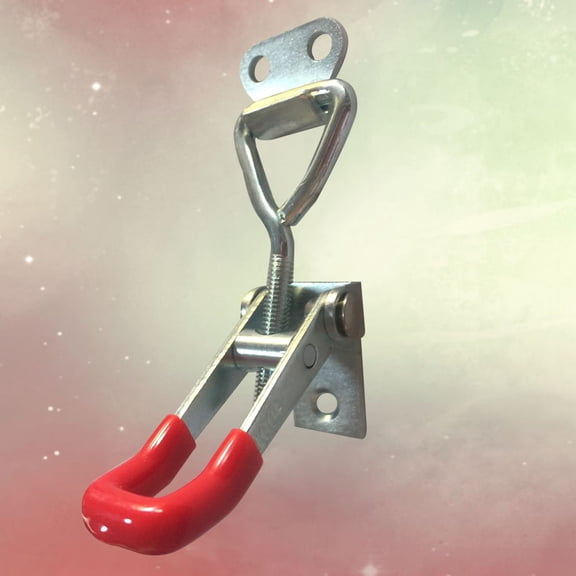

About Locking Toggle Clamps & Heavy Duty Latch Clamps - Walmart.com
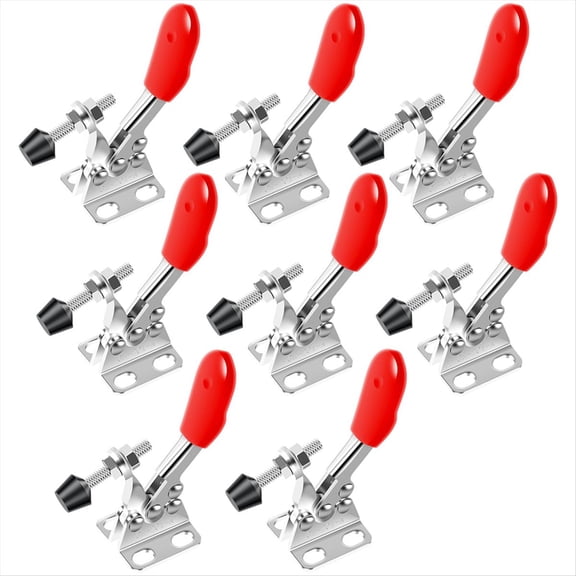
Toggle clamps help you lock workpieces in place with fast, repeatable pressure. You can compare clamp motion, holding capacity, and mounting details to match your jig, bench, or fixture.
If you build cabinets, weld parts, or set up production stops, you need secure positioning. You’ll also notice quick release action helps you reset faster between repeated tasks.
How to choose toggle clamps by mechanism
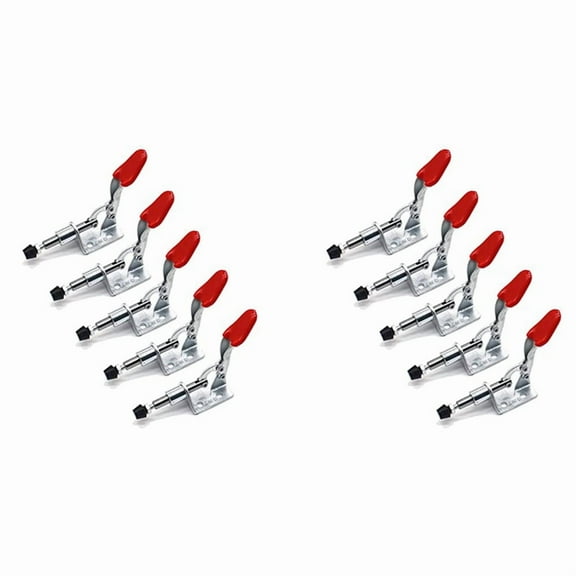
You should start with clamp movement because it affects clearance and hand position. You can compare horizontal toggle clamps, vertical toggle clamps, push pull toggle clamps, and latch-action styles.
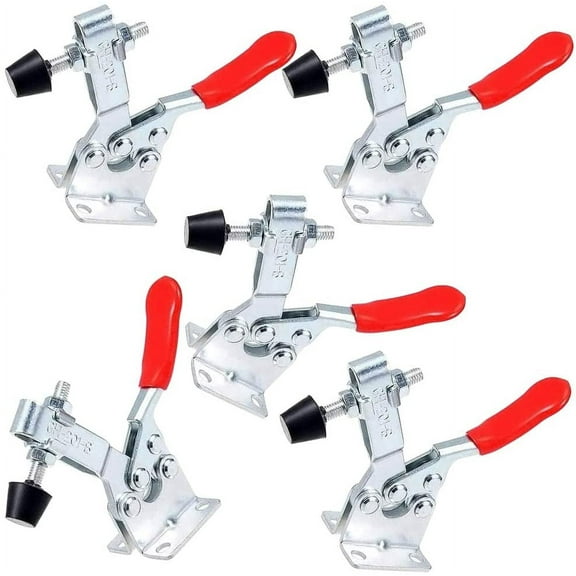
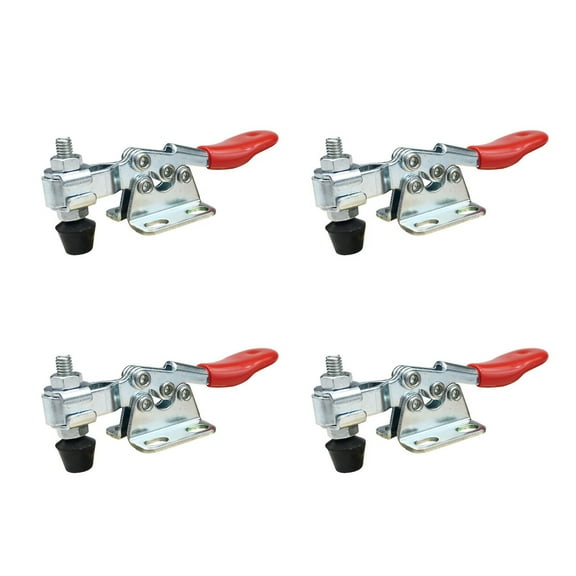
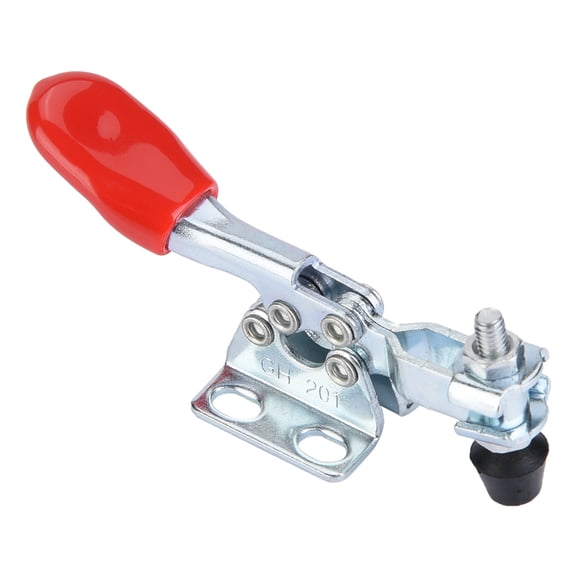
With horizontal handles, you get a lower profile after clamping. You may prefer that shape when your setup needs more overhead space around a work surface.
With vertical handles, you get a more upright grip during setup and release. You can use that style when side clearance matters more than top clearance.
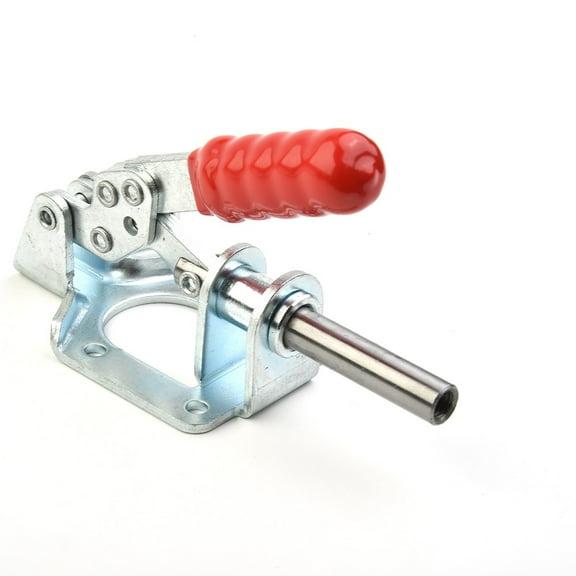
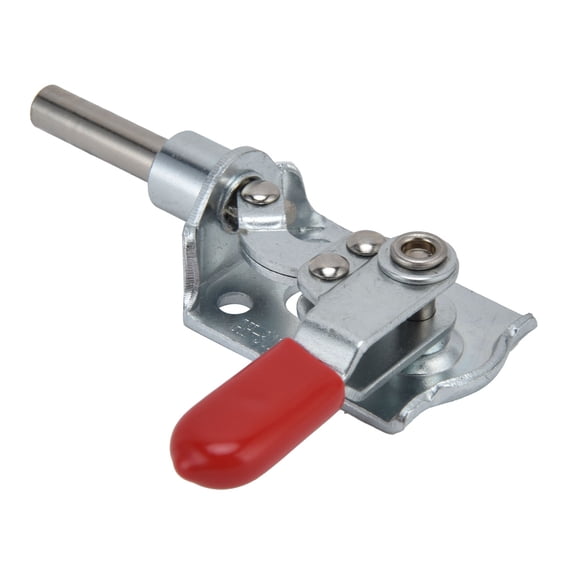
Push-pull designs move in a straight line instead of swinging down. You should consider them when your fixture needs direct in-and-out motion on stops or sliding parts.
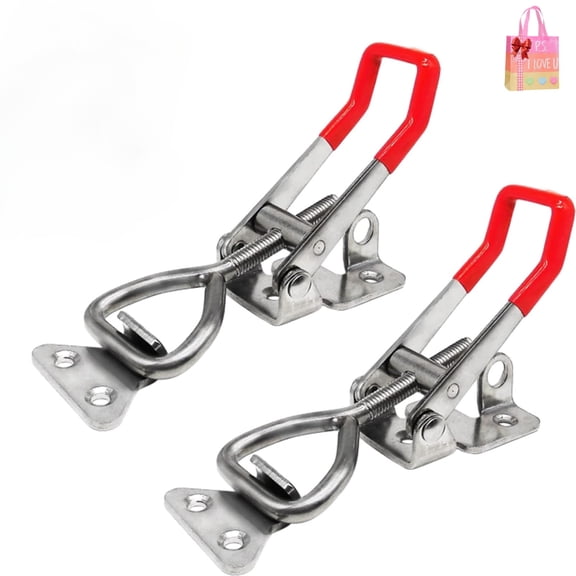
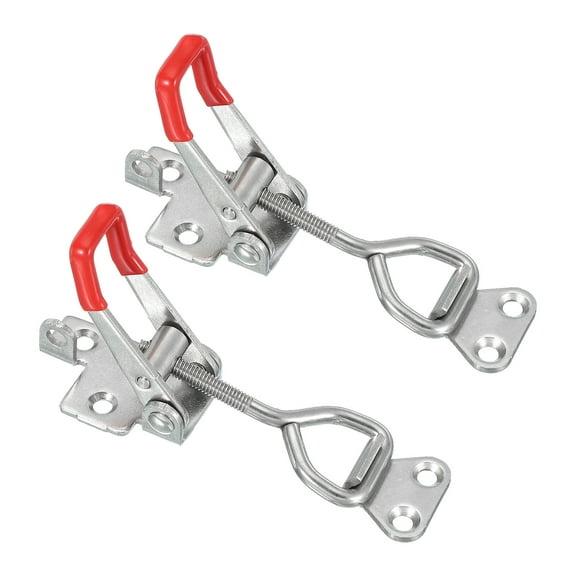
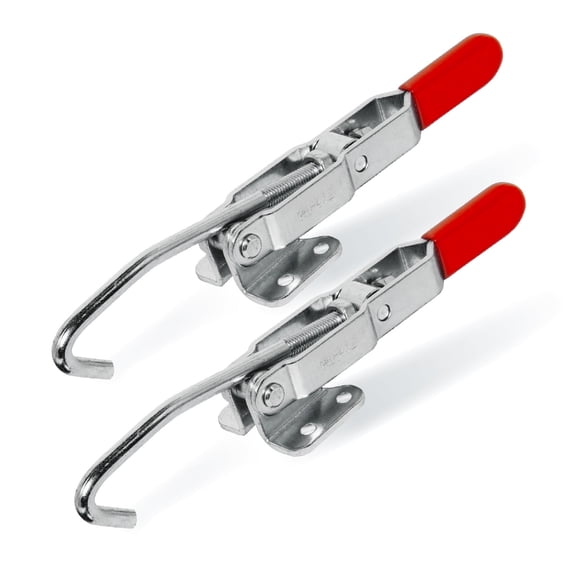
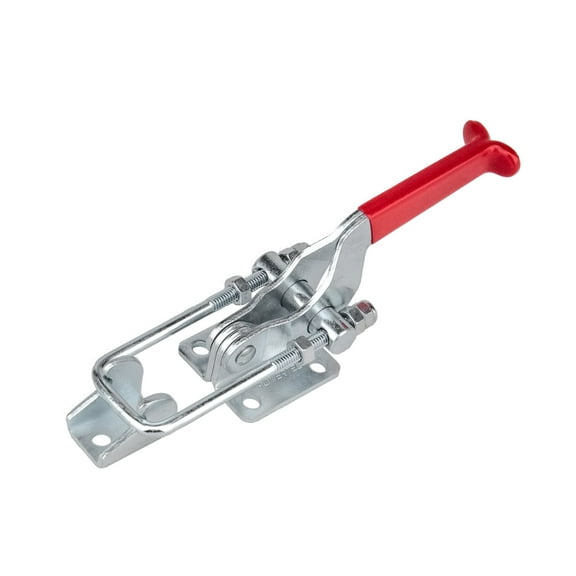
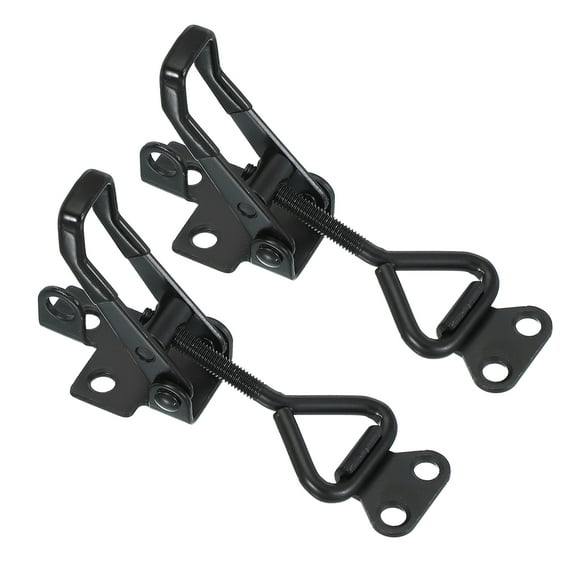
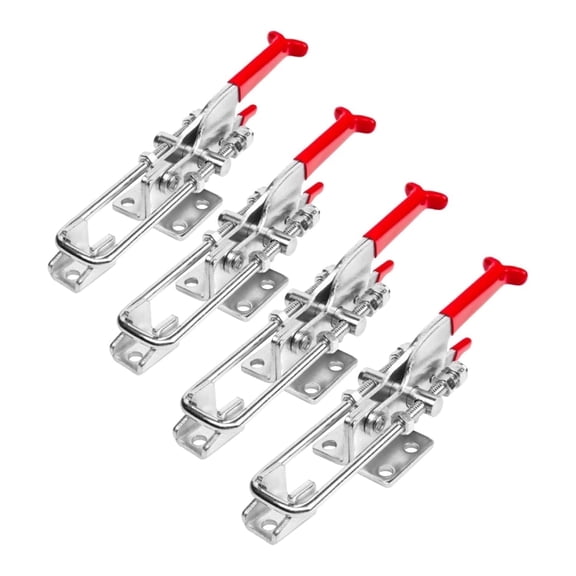
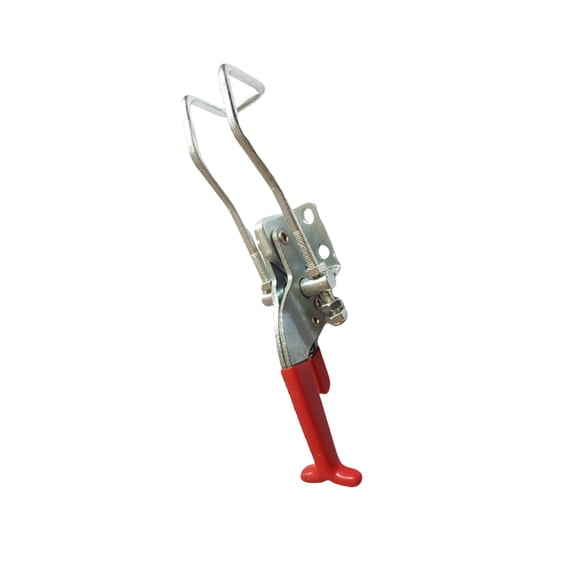
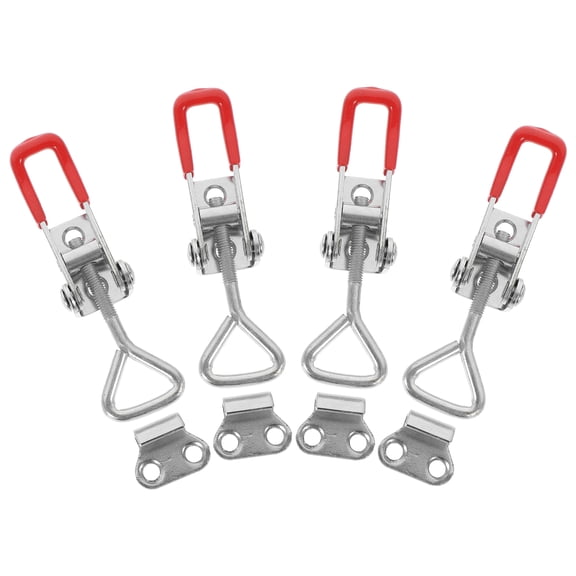
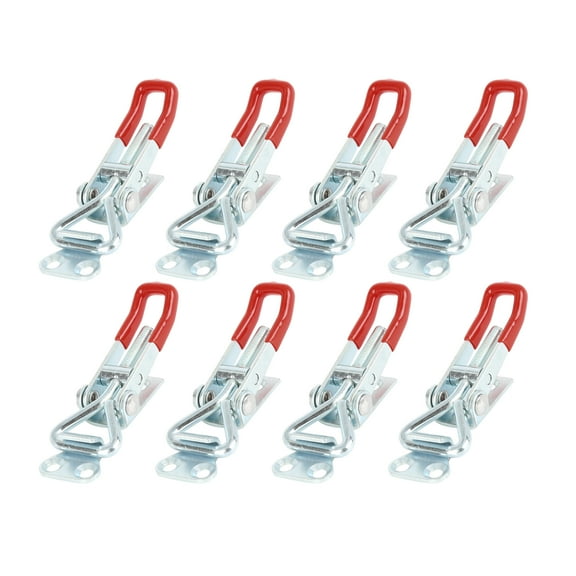
Latch-action options secure lids, doors, and covers with pulling force between two surfaces. You can use latch action toggle clamps when your project needs tight closure rather than hold-down pressure.
- You can choose horizontal styles for lower handle height after clamping.
- You can choose vertical styles when side access matters during setup.
- You can choose push-pull styles for straight-line motion on fixtures.
- You can choose latch styles for closing panels, boxes, or access doors.
Choosing heavy duty toggle clamps by holding capacity
You should check holding capacity in pounds before anything else. You’ll want that rating to match the force your setup needs during cutting, sanding, drilling, or welding.
For light duty work under 100 pounds, you can secure small parts and hobby jigs. You may use those clamps on compact templates, bench fixtures, and light assembly tasks.
For medium duty work from 100 to 300 pounds, you get broader shop flexibility. You can use that range for routine woodworking toggle clamps and many general fabrication setups.
For heavy duty toggle clamps above 300 pounds, you get stronger holding force for demanding fixtures. You should consider that range for thicker stock, repeated cycles, or larger metalworking projects.
You also need to think about repeated use, not only peak force. You can reduce movement during production runs when your clamp rating fits your material and process.
What to look for in material and finish
You should compare steel type when your project involves moisture, dust, or shop residue. You’ll often see carbon steel, stainless steel, and galvanized steel across this category.
Carbon steel works well when you need a common shop choice for indoor setups. You can use it on benches, jigs, and fixtures where weather exposure isn’t part of the job.
Stainless steel toggle clamps make sense when your workspace sees water or damp conditions. You should consider them when you want added corrosion resistance for longer-term use.
Galvanized steel gives you a protective coating for many workshop environments. You can choose it when you want a practical middle ground for occasional moisture exposure.
You should also review pins, rivets, and handle coverings when comparing construction. You’ll notice those details affect grip feel, motion smoothness, and wear over repeated cycles.
Checking mounting patterns and installation details
You need to measure the base mounting pattern before you drill a jig plate. You can avoid fit issues by checking hole spacing, base shape, and screw clearance early.
Some hold down toggle clamps use compact bases for smaller fixtures and tighter layouts. You may prefer that style when your bench space is limited or parts sit close together.
Other clamps use wider bases that spread load across a larger area. You can consider that layout when your setup sees frequent cycling or heavier clamping force.
You should also compare spindle adjustability, arm reach, and handle travel. You’ll get easier alignment when those dimensions match your workpiece height and fixture geometry.
If you build custom jigs, consistent mounting matters as much as clamp force. You can speed up replacements later when your hole pattern stays standardized across your setup.
Matching toggle clamps to your project
You can use woodworking toggle clamps to hold stock during routing, drilling, and template work. You’ll appreciate repeatable pressure when you need consistent placement across multiple parts.
In metalworking, you may use stronger clamps to steady components during fitting and fabrication. You can pair higher holding capacity with durable steel construction for tougher shop demands.
For welding fixtures, you should think about clearance, access, and stable positioning. You can often use vertical or push-pull designs when torch access and part movement need careful control.
In jig assembly, quick release clamps help you move from one part to the next quickly. You’ll notice that repeatable open-and-close action supports smoother production steps and cleaner setups.
If you’re securing lids, gates, or machine covers, latch styles can create firm closure. You can use that pulling action when two surfaces need consistent tension between them.
When you compare mechanism, holding capacity, material, and mounting pattern together, you make a smarter choice. You’ll end up with a clamp that fits your fixture and keeps your work steady.