

Tool Storage & Tool Boxes


































About Tool Storage & Tool Boxes - Walmart.com
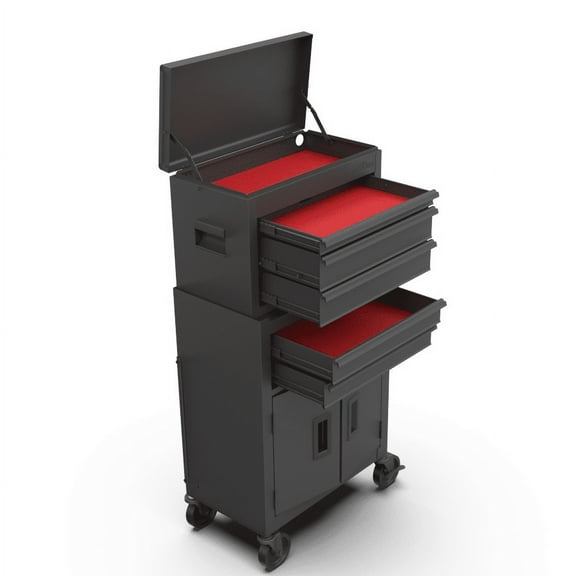
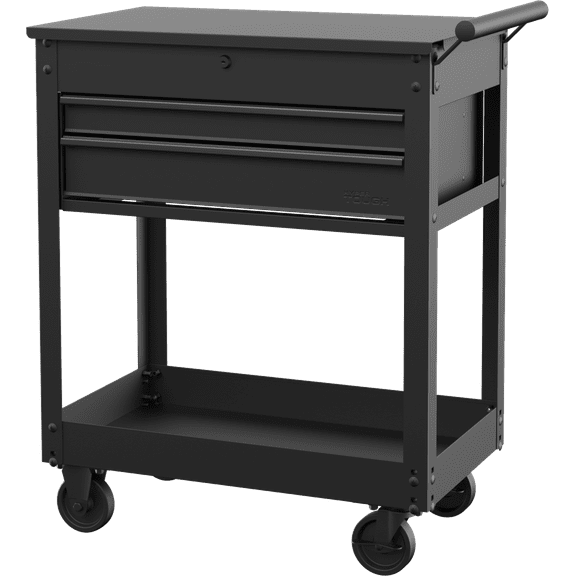
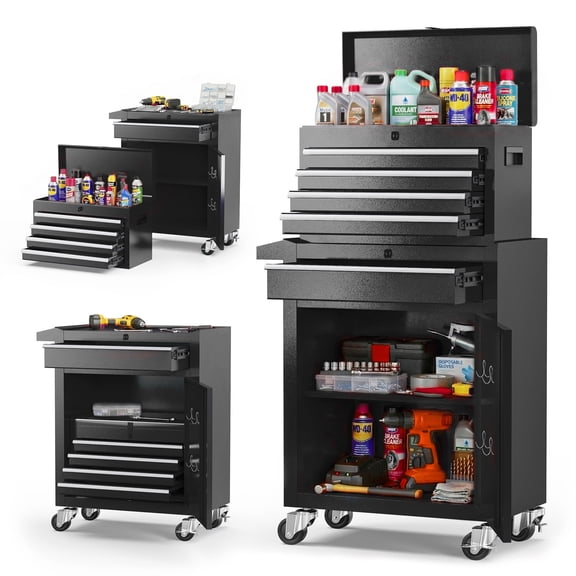
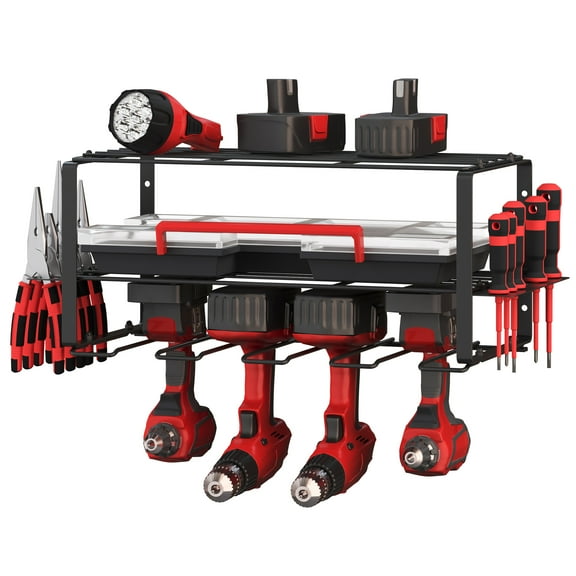
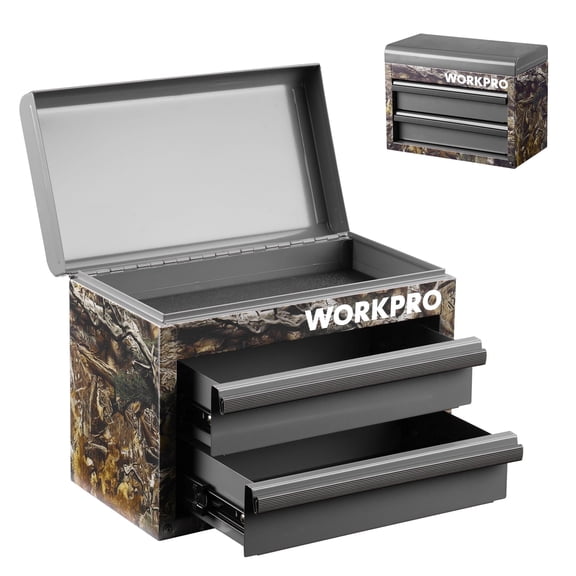
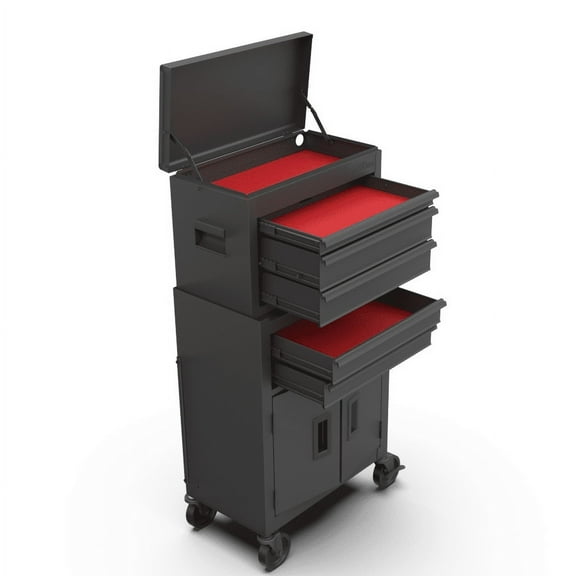
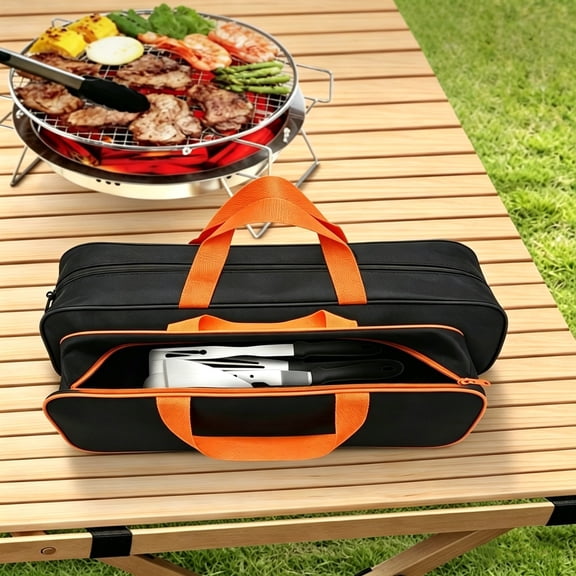
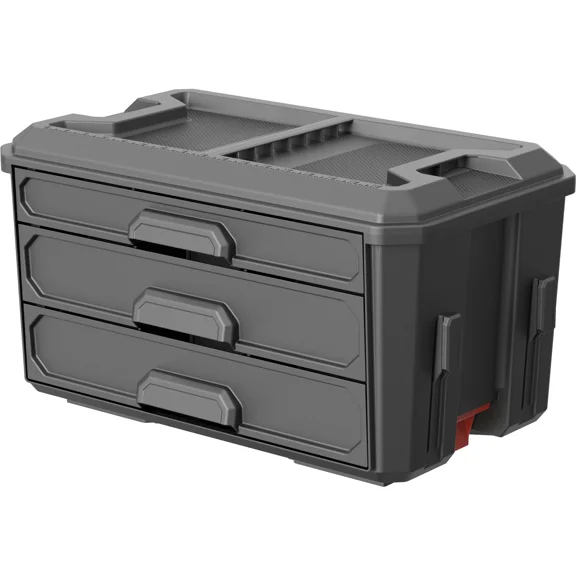
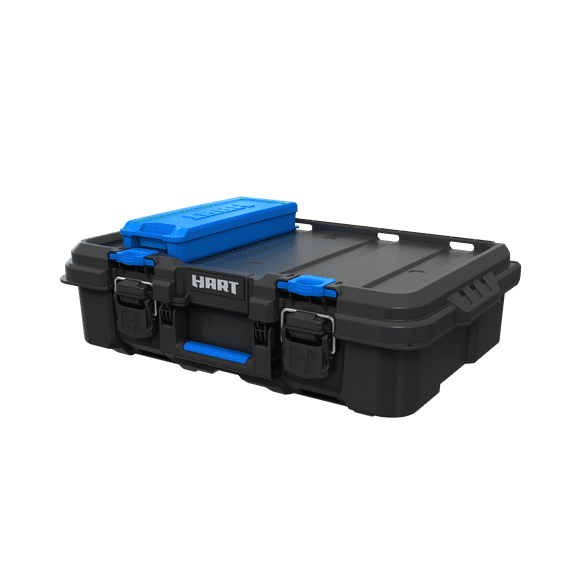
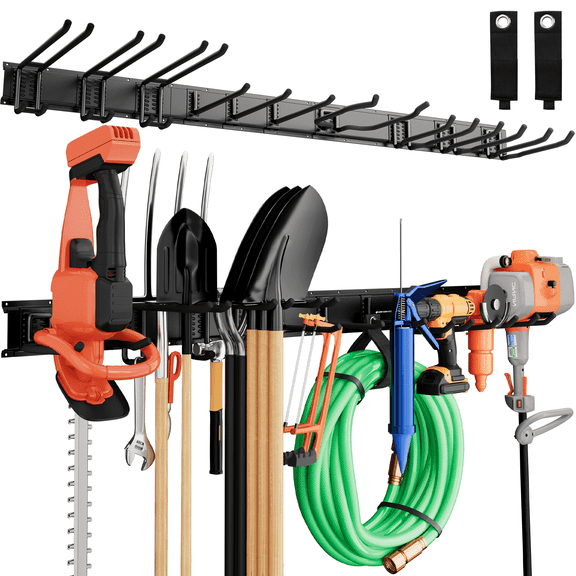
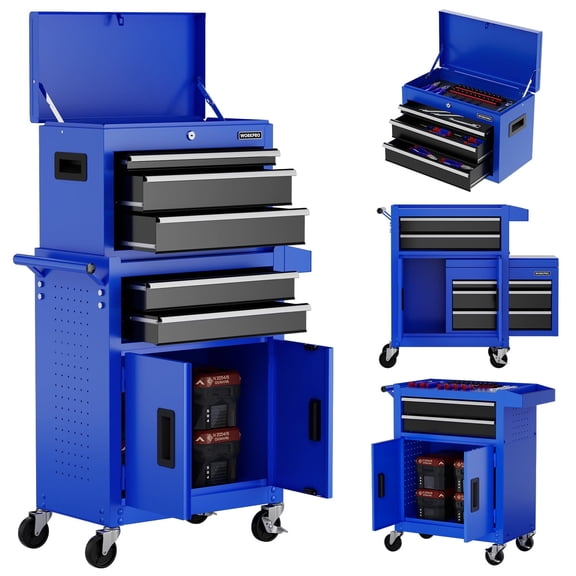
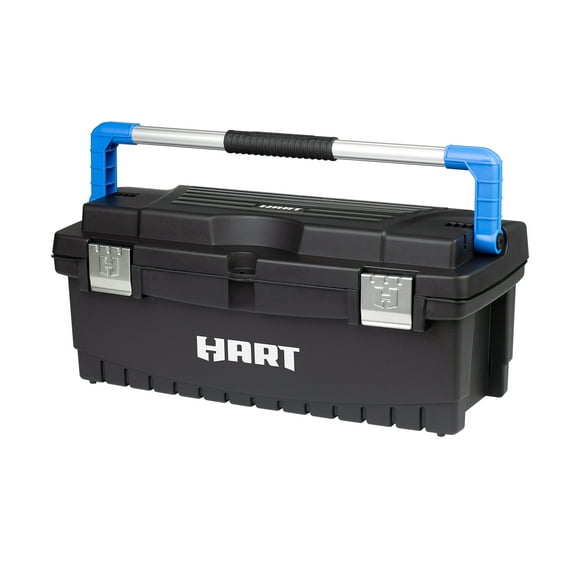
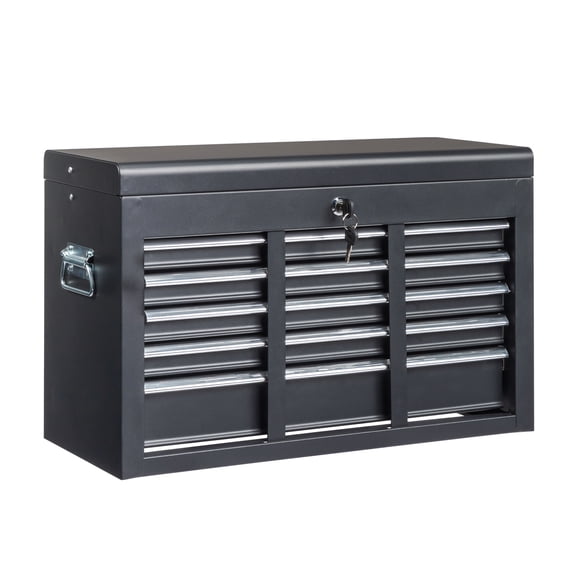
Tool storage helps you keep hand tools, power tools, and fasteners sorted for faster projects. You can compare rolling cabinets, portable chests, tool bags, and wall organizers to match your workspace.
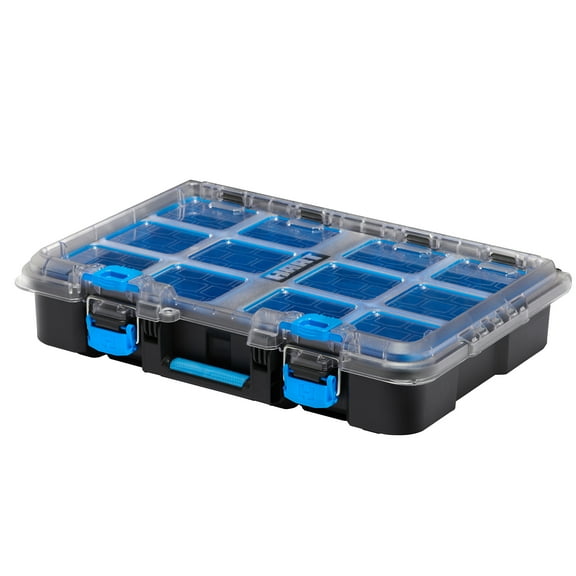
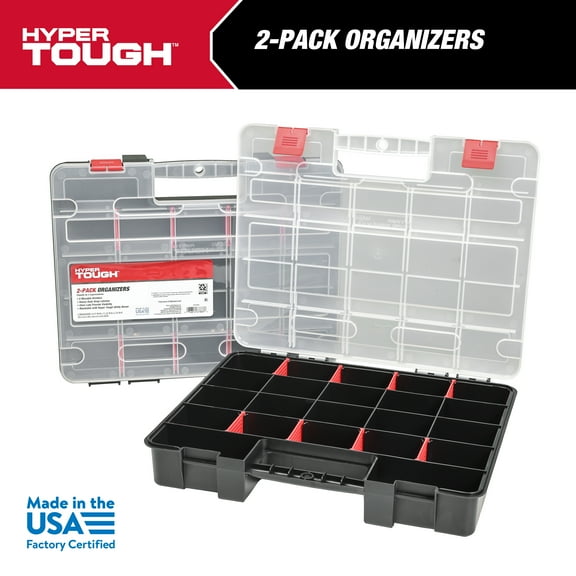
If your garage feels crowded, you can use the right layout to separate daily tools from bulky gear. You’ll also notice that drawers, trays, and bins make small parts easier to find.
How to choose tool storage for your space
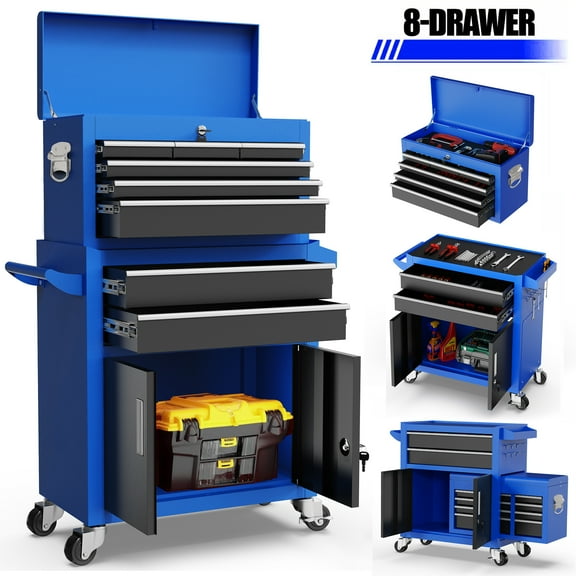
You should start with storage type, because each format works differently in a garage, workshop, or jobsite. You can pick a rolling tool box setup for mobility, or choose a wall organizer for open access.
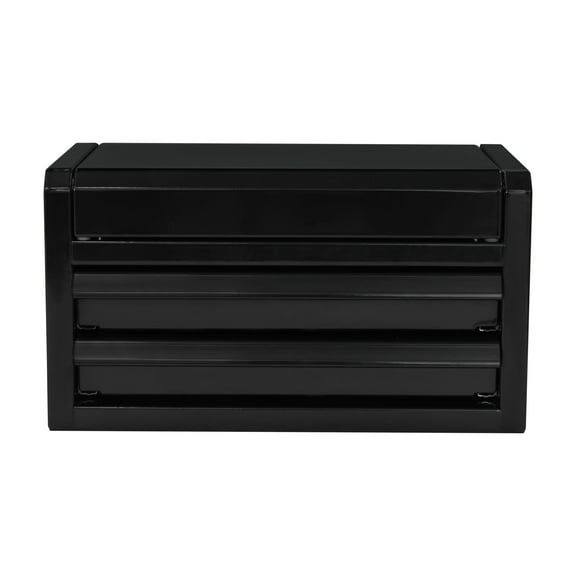
For home DIY, you may prefer a toolbox for home use with a compact footprint and simple carry handle. In a professional garage, you may want deeper drawers, wider cabinets, and room for socket sets.
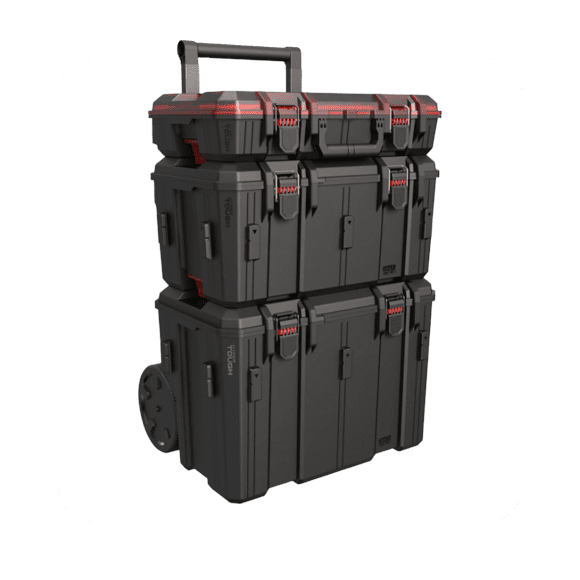
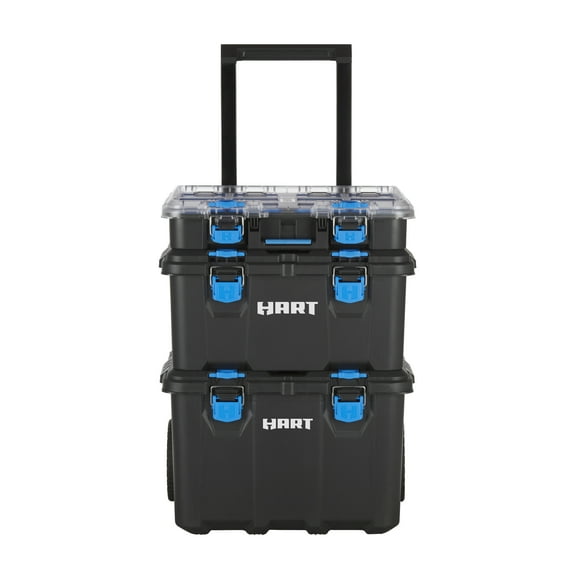
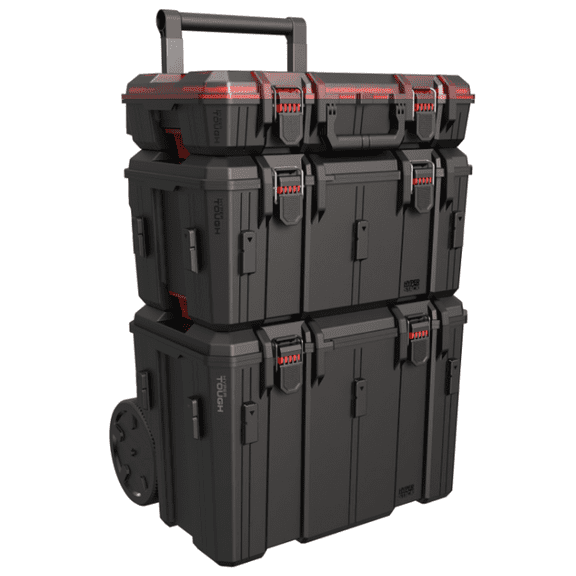
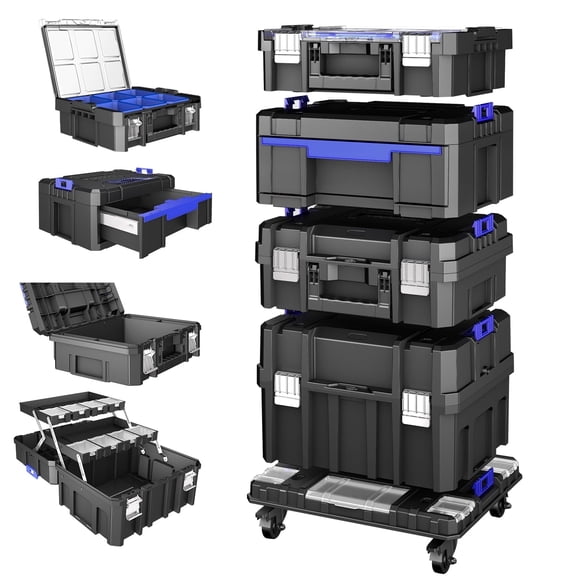
On a busy jobsite, you’ll often want stackable pieces that load into a truck easily. You can also choose a mobile storage box when you need tools to move between rooms.
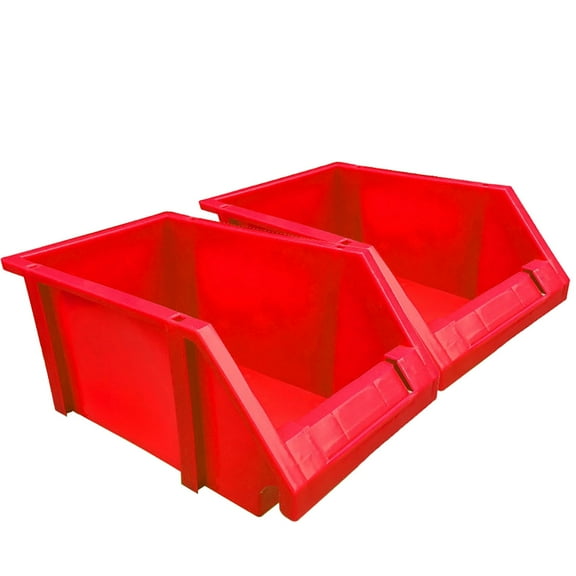
- You can reduce clutter by separating hand tools, hardware, and power accessories into dedicated compartments.
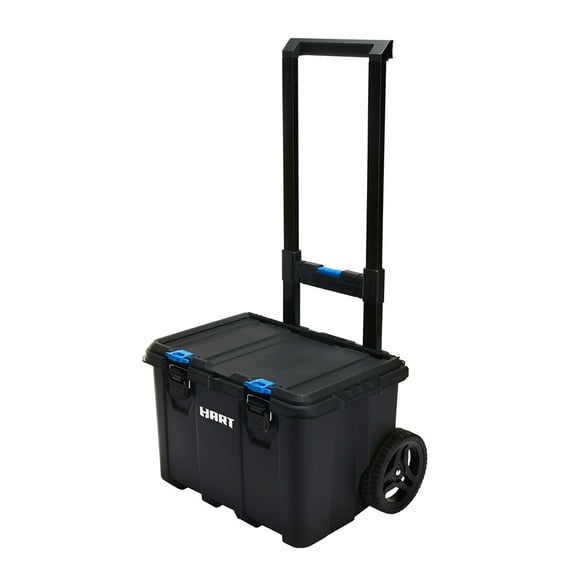
- You can move heavier gear more easily with wheels, pull handles, and stackable modules.
- You can keep often-used tools within reach by matching drawer depth and tray layout to your routine.
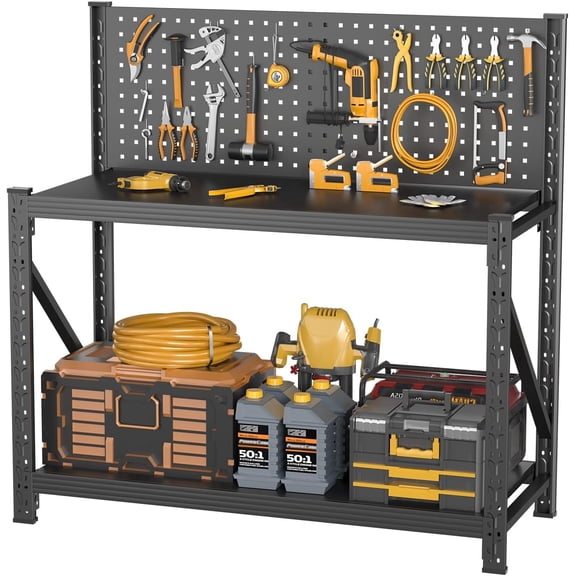
- You can organize a garage wall, workbench, or vehicle with storage types built for different spaces.
Comparing storage type, size, and mobility
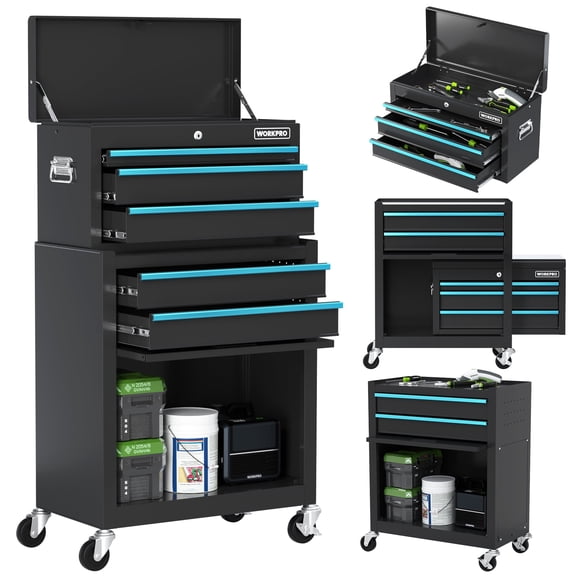
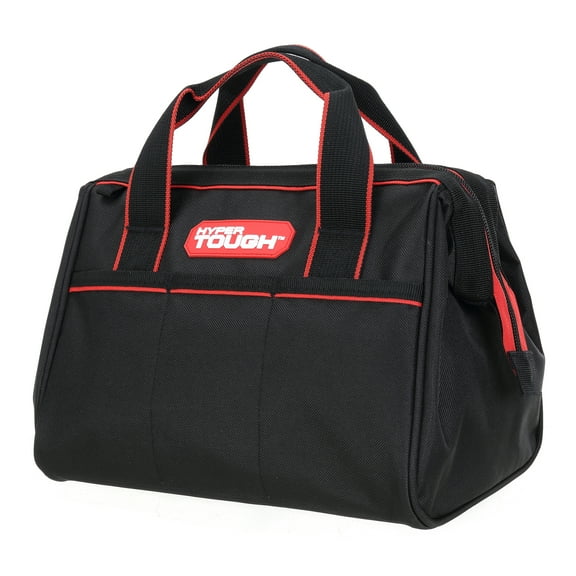
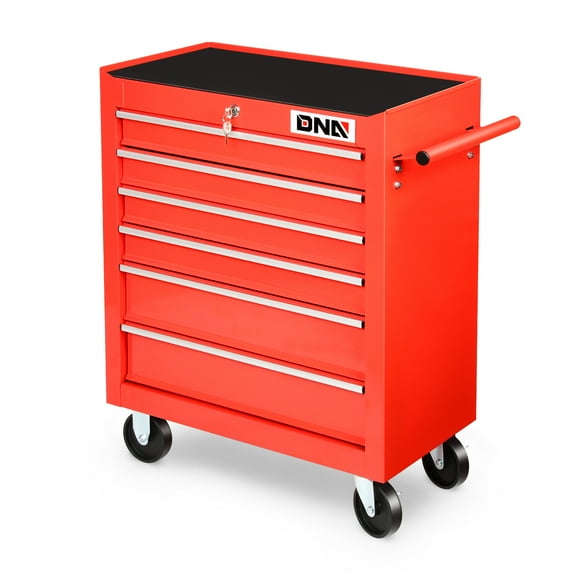
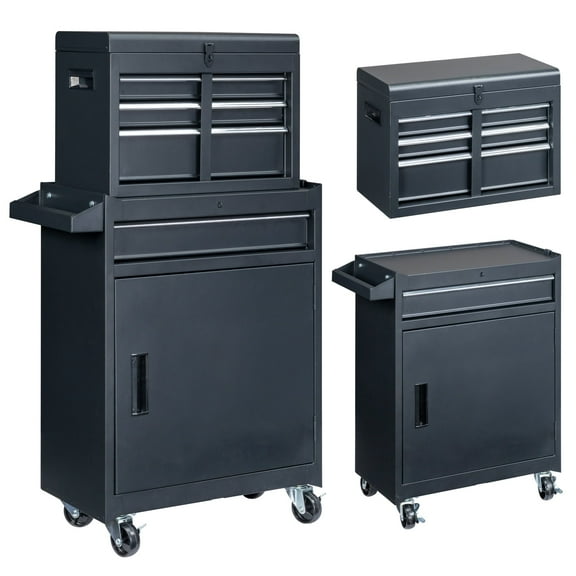
You should compare rolling cabinets, portable chests, tool bags, and wall organizers before choosing a format. A rolling cabinet suits larger collections, while a portable chest supports quick carry and compact storage.
If you need frequent movement, you should check whether a wheeled base includes locking casters. Those casters help your setup stay planted when you’re opening loaded drawers.
When you compare stationary and stackable options, you should think about floor space and transport needs. Stackable units help you build vertically, while stationary cabinets support a fixed workspace.
You can use size as a shortcut for capacity and placement. A 20-inch box fits tighter spaces, while 26-inch and 40-inch+ models give you more drawer width.
If you store sockets, wrenches, and measuring tools, you may want multi-drawer layouts for better separation. You can keep bulky drills and chargers in deeper lower compartments.
What to look for in material, steel gauge, and drawer strength
You should compare heavy-duty steel, molded plastic, and aluminum based on your work style. Steel supports heavier loads, molded plastic feels lighter to carry, and aluminum helps limit added weight.
If you’re considering steel, you should look at gauge numbers because they affect rigidity. Eighteen-gauge steel is thicker than 22-gauge steel, so you may prefer it for heavier tools.
You should also check drawer slide details when you’re buying a tool box with drawers. Ball-bearing slides help drawers open smoothly when you load them with sockets, pliers, or power tool accessories.
Load rating per drawer matters when you plan to store dense metal tools. You can compare ratings to avoid cramped layouts and to place heavier items in the right spots.
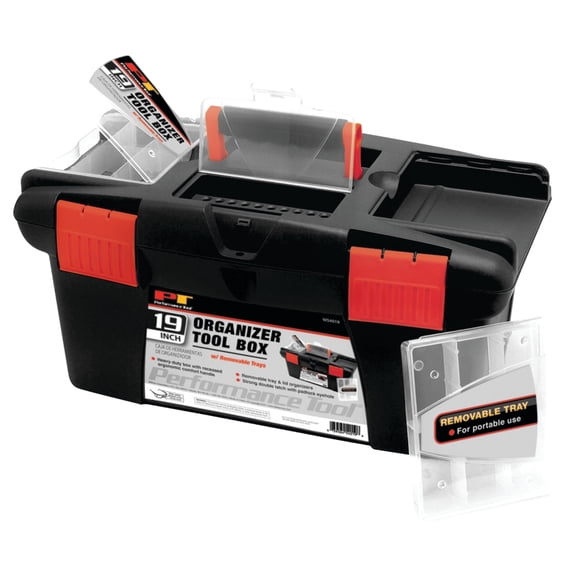
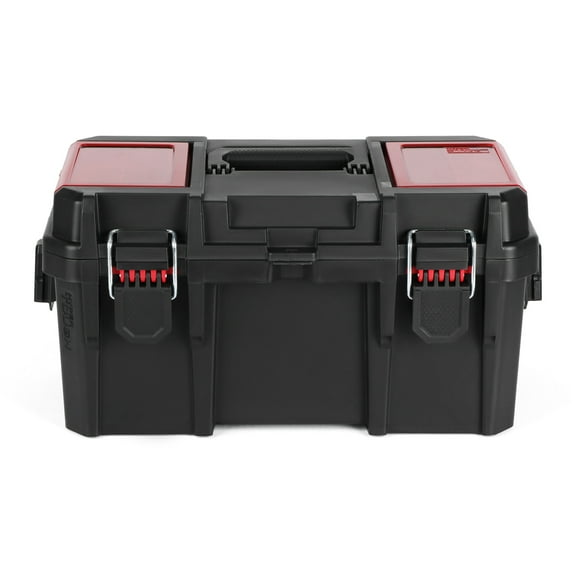
For portable use, you may prefer molded plastic or aluminum because carry weight matters. You can still look for reinforced corners, sturdy latches, and trays that keep parts sorted.
Choosing locks and access for daily use
You should think about security if your tools stay in a shared garage, shop, or truck. Keyed locks give you familiar access, while digital pads offer quick entry without a loose key.
If you open your box often, you may want a lock that works across several drawers. You can keep your setup simpler when one mechanism secures the main storage area.
You should also consider how handles, latches, and drawer pulls feel during repeated use. Wider pulls and firm latches can make daily access smoother when your hands are busy.
Matching tool storage to home, garage, and jobsite needs
For home projects, you may want a toolbox for home organization with a modest footprint and versatile tray layout. You can keep screwdrivers, tape measures, and picture-hanging supplies together without crowding a shelf.
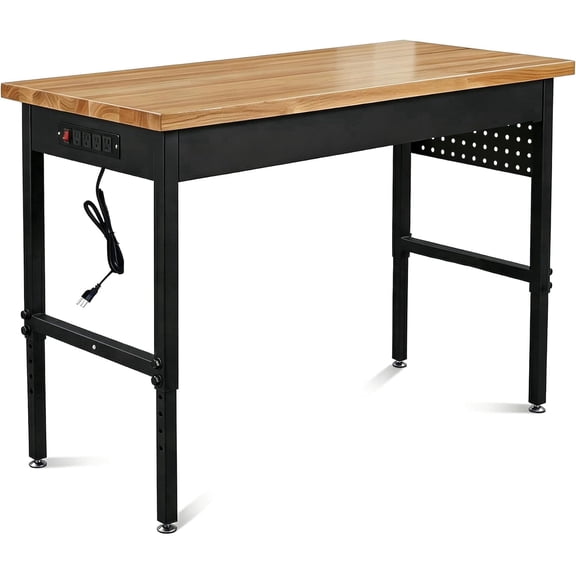
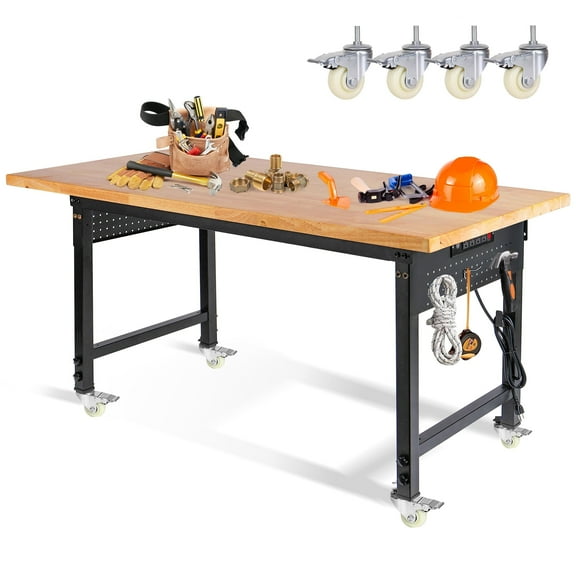
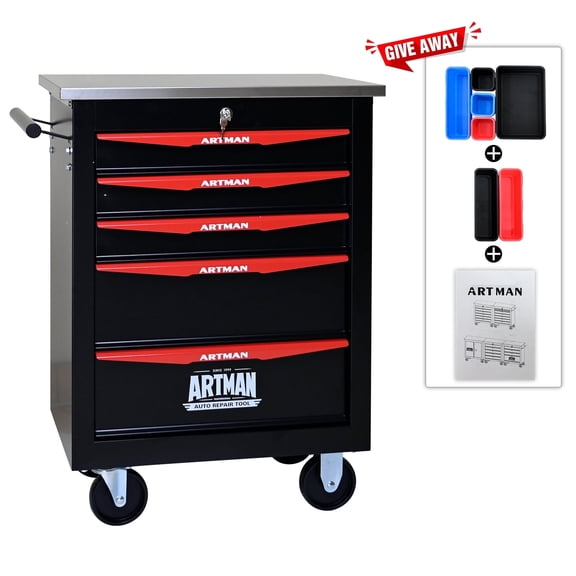
In a garage workspace, you may prefer a rolling tool box with several drawers and a worktop. You can park it beside a bench and move it when you need open floor space.
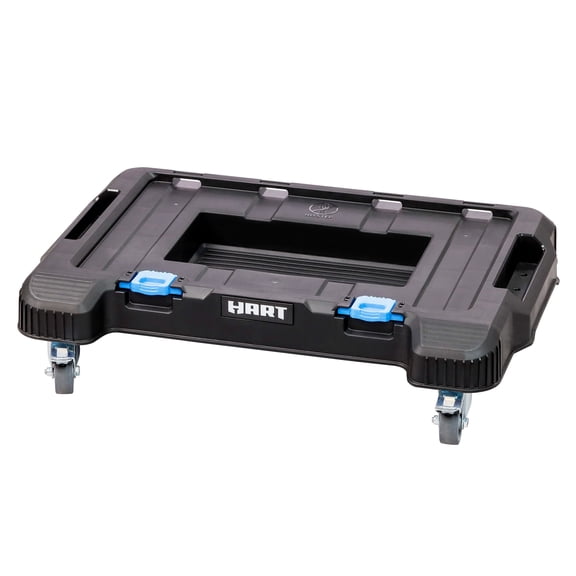
At a jobsite, you may need a mobile storage box that handles transport, loading, and uneven surfaces. You can pair stackable units with wheeled bases when your tools change by task.
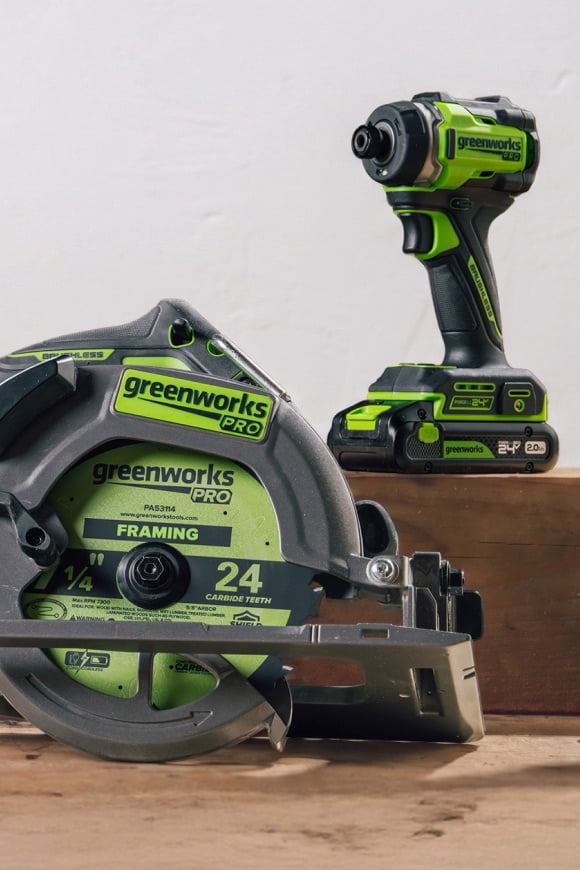
If you’re expanding a collection, you should consider how future tools will fit. You can leave room for chargers, impact drivers, battery packs, and larger mechanic sets.
You may also want to connect your setup with nearby categories in your workspace plan. You can pair your storage choice with hand tools, power tools, and garage organization for a cleaner workflow.
With the right tool storage, you can protect floor space, speed up setup, and keep every drawer working harder. You’ll feel the difference when your tools stay organized, mobile, and ready for the next project.