

Kitchen Tools & Gadgets: Cooking Essentials | Walmart

Shop tools and gadgets
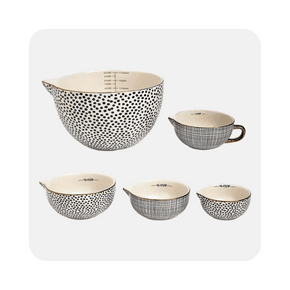


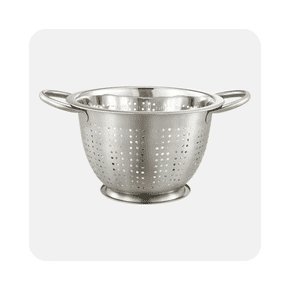
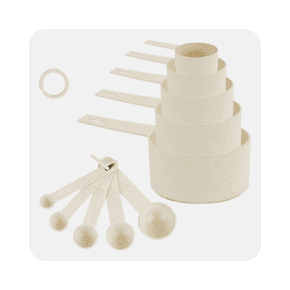


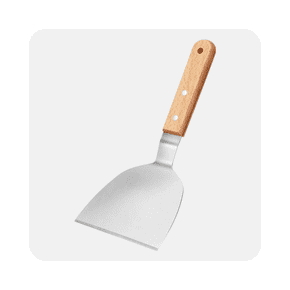
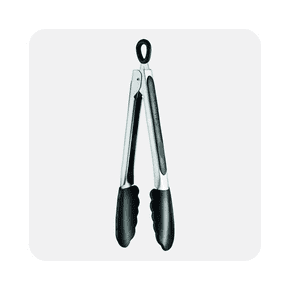
Kitchen gadgets & cutlery savings


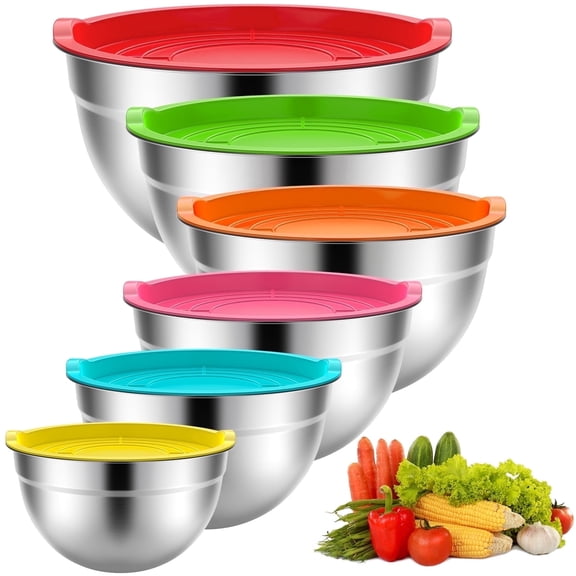
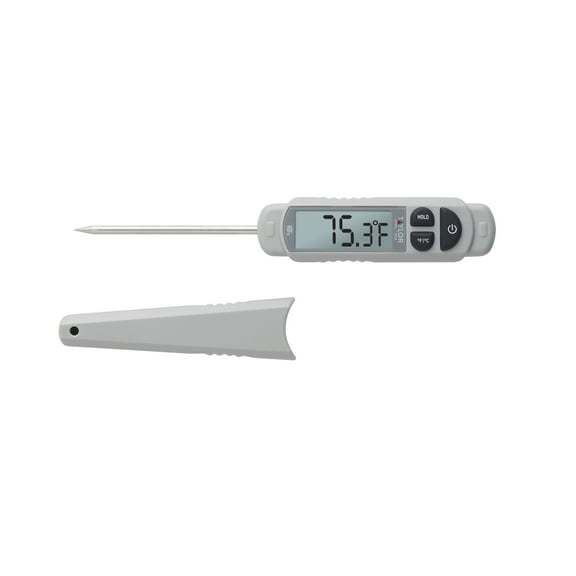


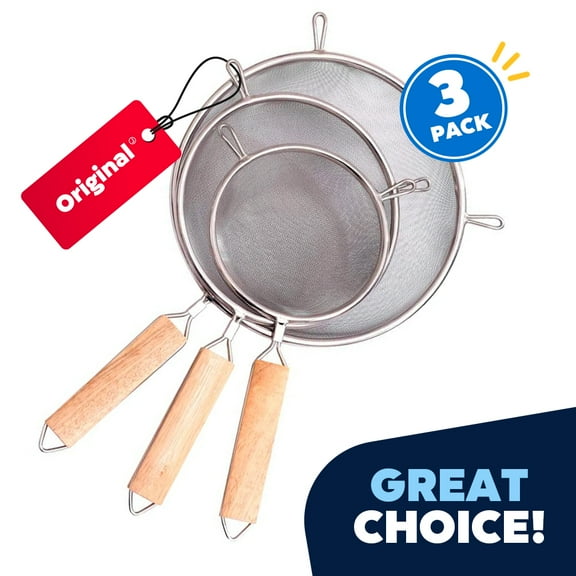


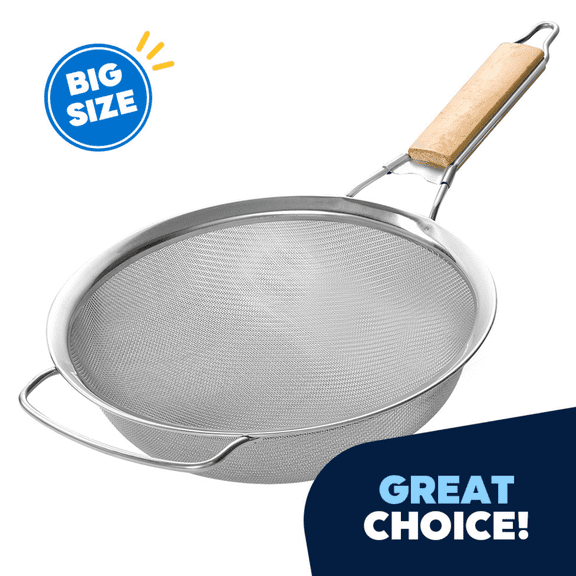
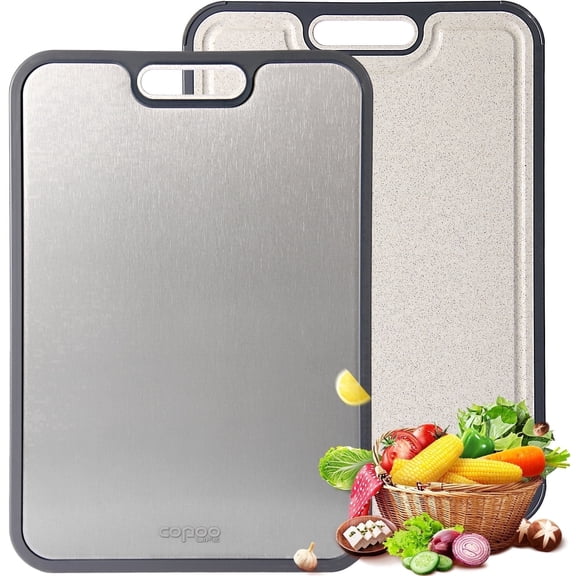
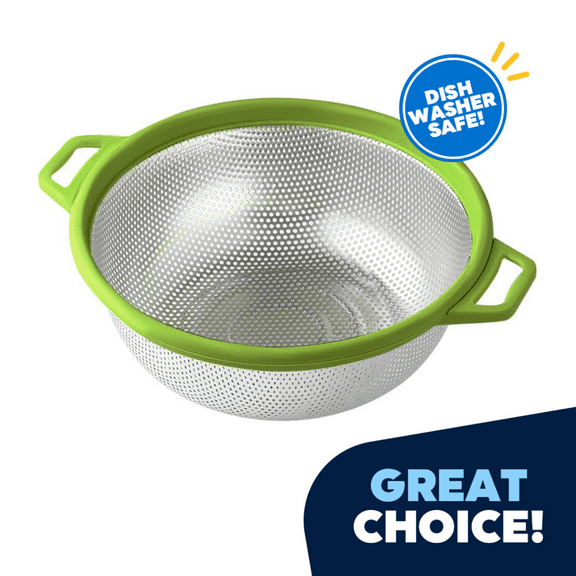
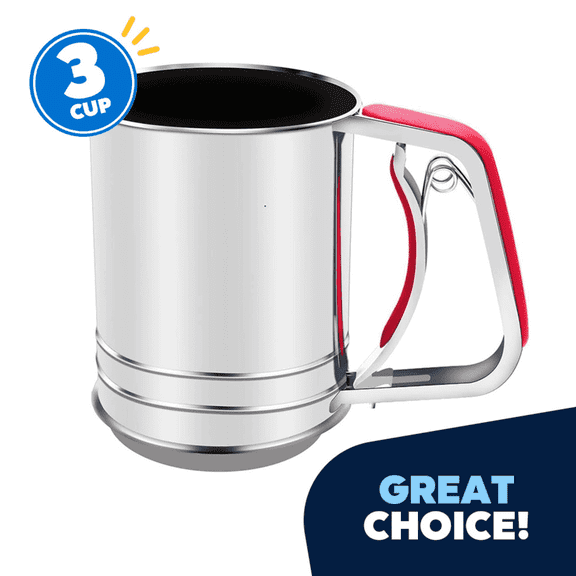

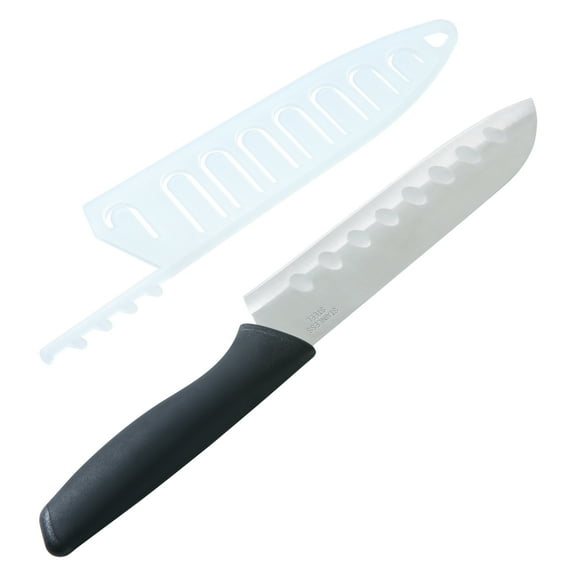
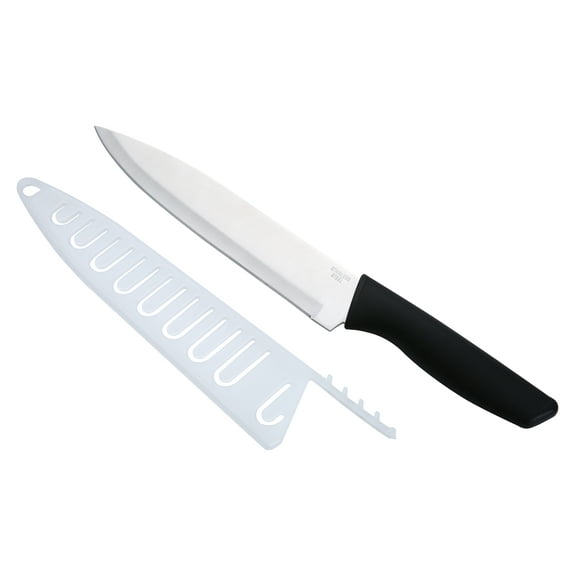

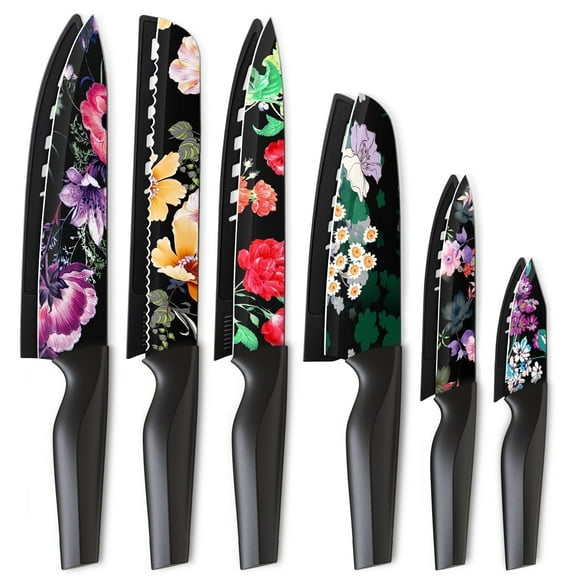
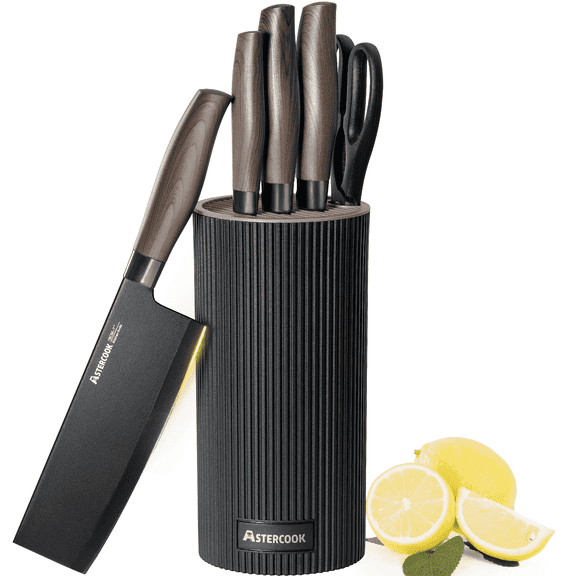

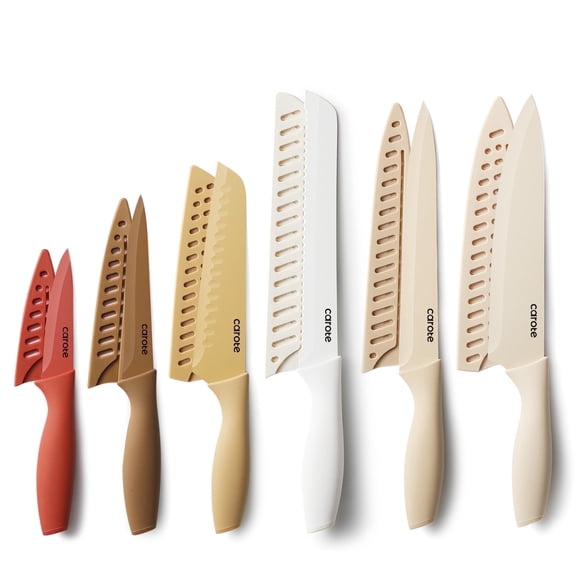
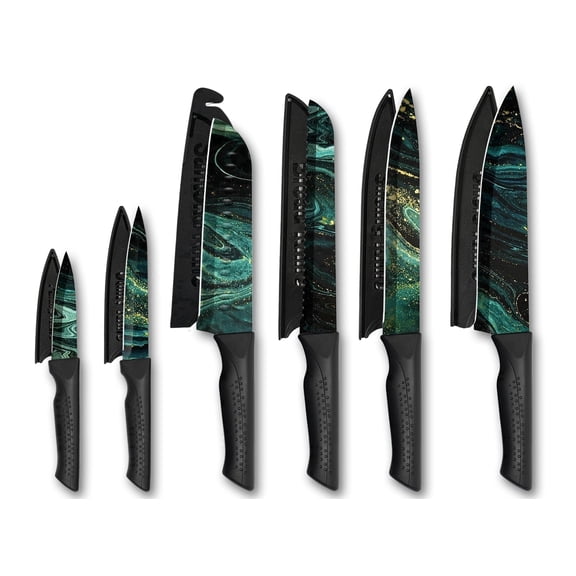


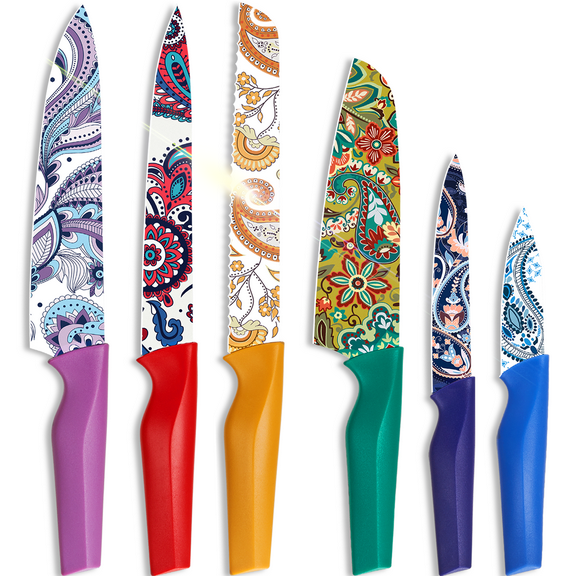

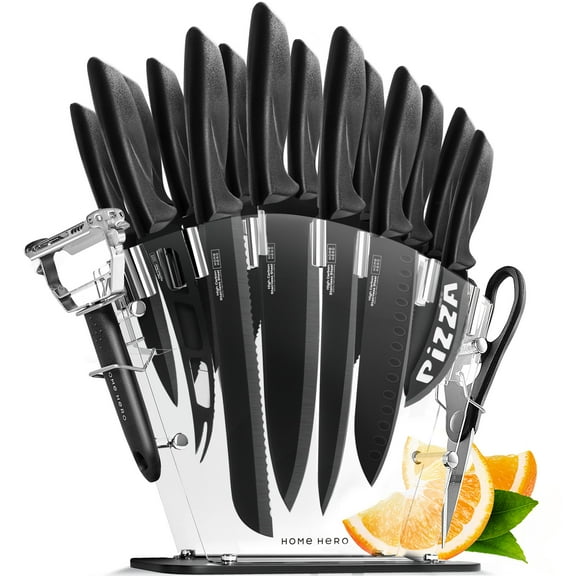

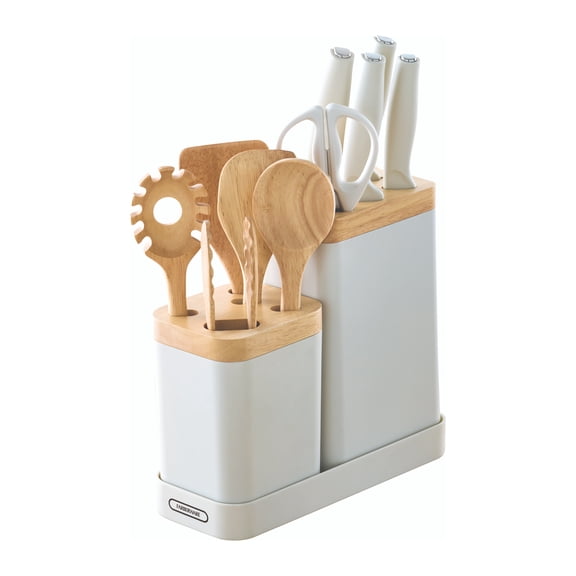
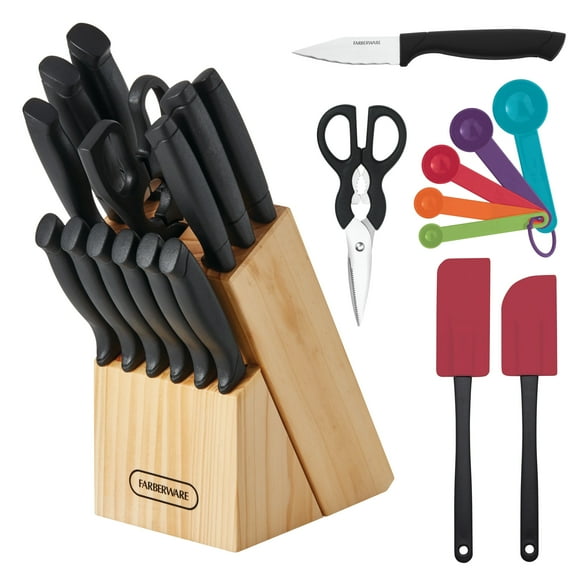


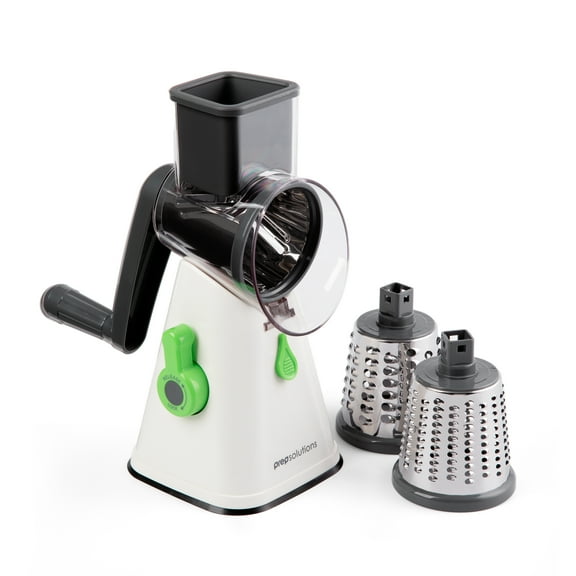
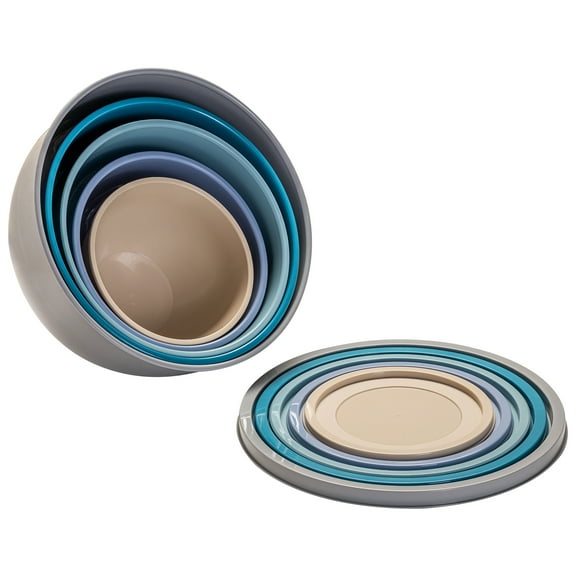
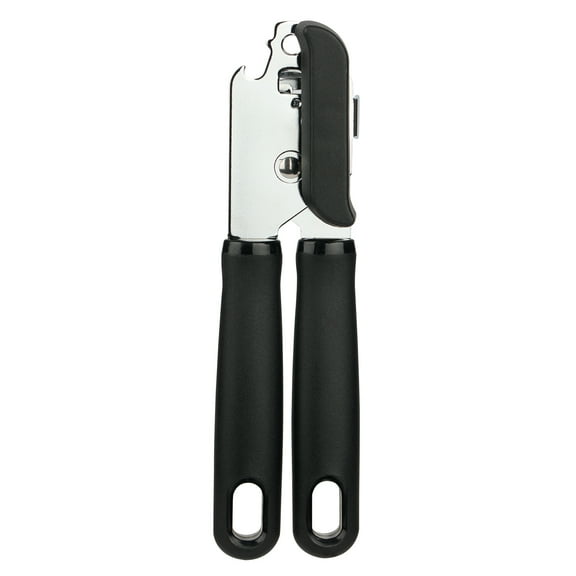

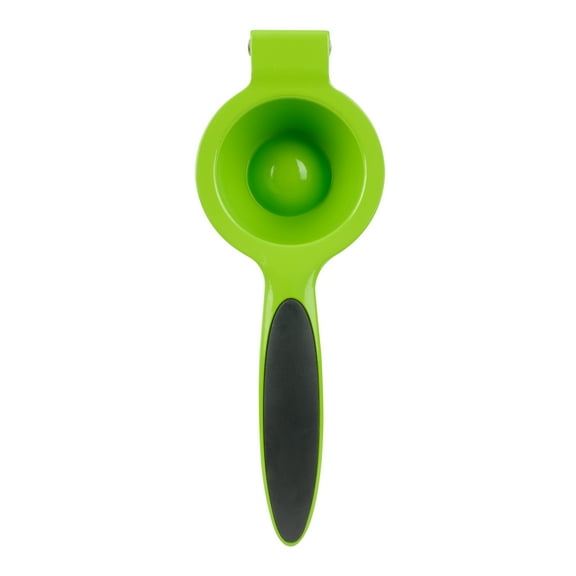
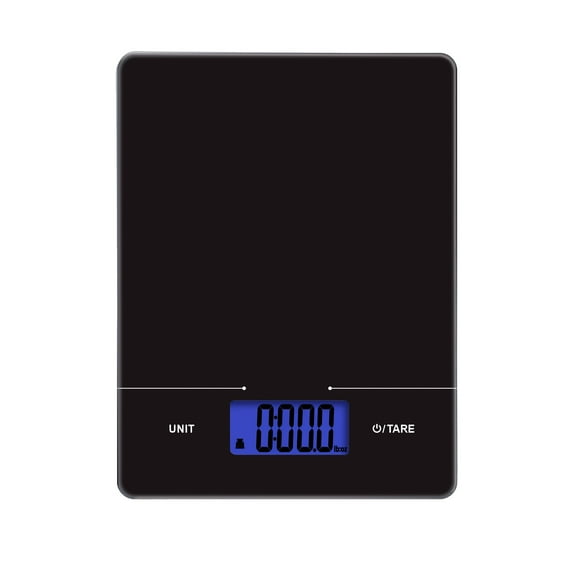
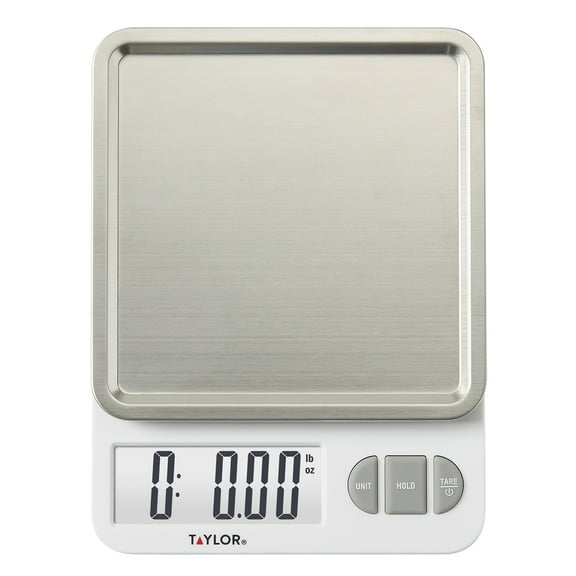
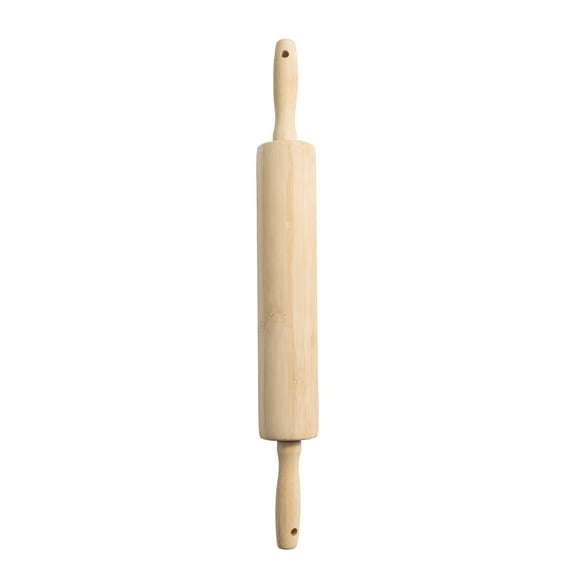
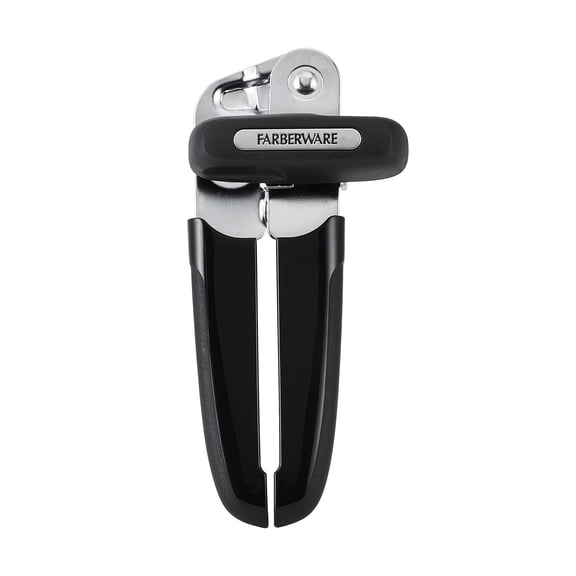
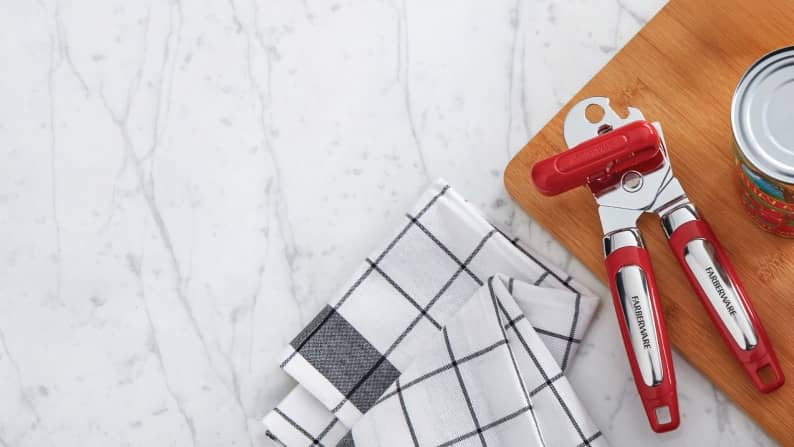
More kitchen tools and gadgets
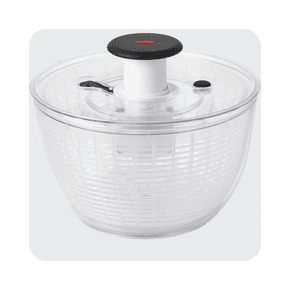
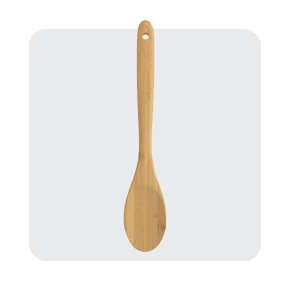
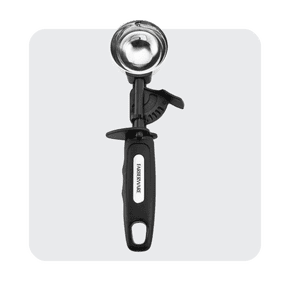
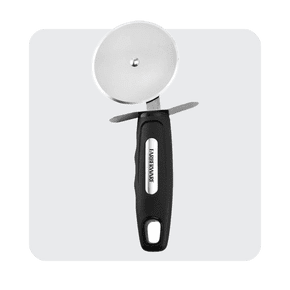
All your kitchen needs
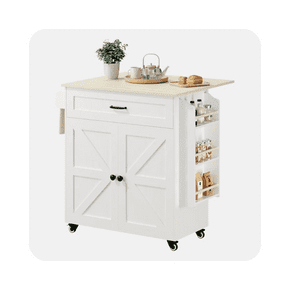

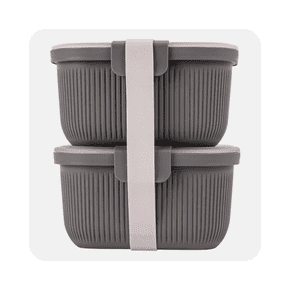






FAQ
About Kitchen Tools & Gadgets: Cooking Essentials | Walmart - Walmart.com
Kitchen tools help you prep, cook, bake, and serve with less hassle in every meal. You can compare utensils, gadgets, knife sets, and cooking supplies in one place for a more organized kitchen setup.
If you’re building a first kitchen or replacing worn pieces, you need clear guidance that matches how you cook. You can use this guide to compare materials, set sizes, and everyday functions before you choose.
How to choose kitchen tools for your routine
Your daily routine should guide which kitchen tools deserve space in your drawers and counters. You may want a few versatile pieces for simple meals, or broader starter bundles for frequent cooking.
When you compare product type first, you can narrow choices faster and avoid extra clutter. You might reach for utensils like spatulas and ladles, gadgets like peelers and graters, or a knife set for prep.
- You can handle everyday stirring, flipping, and serving with core utensils.
- You can speed up prep work with gadgets like can openers, zesters, and measuring tools.
- You can cover slicing and chopping tasks with a knife set that matches your cooking habits.
- You can build a starter kitchen with multi-piece sets or add individual pieces as needs change.
Your kitchen items should match the meals you actually make each week. You may need baking tools for mixing and measuring, or serving pieces for family dinners and gatherings.
Choosing kitchenware items by material
Your material choice affects how each tool feels in your hand and works with your cookware. You can compare stainless steel, silicone, wood, and nylon based on heat, surface contact, and cleanup.
If you use non-stick pans, you may prefer silicone, wood, or nylon for gentle contact. You can keep stainless steel for mixing bowls, prep tools, and tasks that need a firmer edge.
Your silicone tools usually offer flexible edges that help you scrape batter, sauces, and dough from bowls. You can also use silicone for spatulas and spoonulas when you want smooth movement around pan corners.
Wood brings a classic feel that many shoppers like for stirring and serving. You should check whether your wooden pieces need hand washing, since that can affect your maintenance routine.
Nylon can work well when you want lightweight cooking items for busy weekdays. You may also like stainless steel handles when you want a solid grip during prep work.
Comparing cooking items by use case
Your cooking style can make one group of tools more useful than another. You should compare baking, prep work, cooking, and serving needs before choosing kitchen accessories.
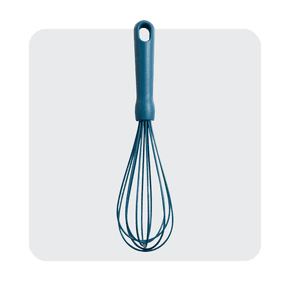
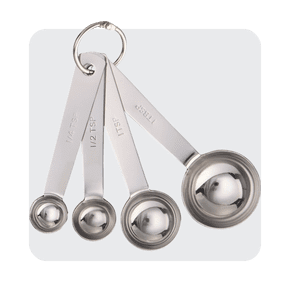
For baking, you may want measuring spoons, whisks, dough scrapers, and turners that help with mixing and portioning. You can keep your counters clearer when your baking tools stack neatly or store together.
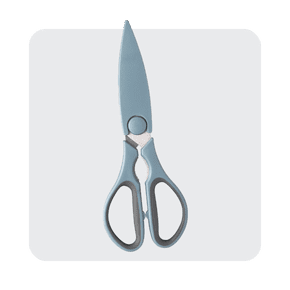
For prep work, you might focus on peelers, graters, kitchen shears, and a knife set. You can move from trimming herbs to slicing produce with fewer tool changes.
For stovetop cooking, you may want ladles, tongs, slotted turners, and solid spoons. You can manage soups, pasta, and sautéed dishes more smoothly when your handles feel balanced.
For serving, you may look for spoons, forks, spreaders, and specialty pieces that fit your table routine. You can keep weeknight meals and casual hosting more coordinated with matching kitchenware products.
What to look for in kitchen items sets and bundles
Your set configuration affects storage, flexibility, and how quickly you complete a kitchen. You can choose individual pieces, multi-piece sets, or starter bundles based on what you already own.
If you’re stocking a new apartment, you may want starter bundles that cover prep, cooking, and serving. You can get a more complete tool mix without guessing which basics matter first.
Multi-piece sets can help you keep handles, materials, and finishes consistent across your kitchen items. You should compare included pieces carefully, since one set may focus on utensils while another adds gadgets.
Individual pieces work well when you already know which tools wear out fastest in your home. You can replace one turner, whisk, or peeler without changing your whole setup.
How to compare knife set options
Your knife set should match the ingredients you prep most often and the space you have available. You can compare blade variety, handle comfort, and storage style before choosing a set.
You may want a chef knife for general chopping, a paring knife for smaller tasks, and a serrated blade for breads. You can cover more prep jobs when your set includes practical blade shapes.
If you see stainless steel blades, you can expect a common material used across many home kitchens. You should also check tang details, since fuller tang construction can give your handle a steadier feel.
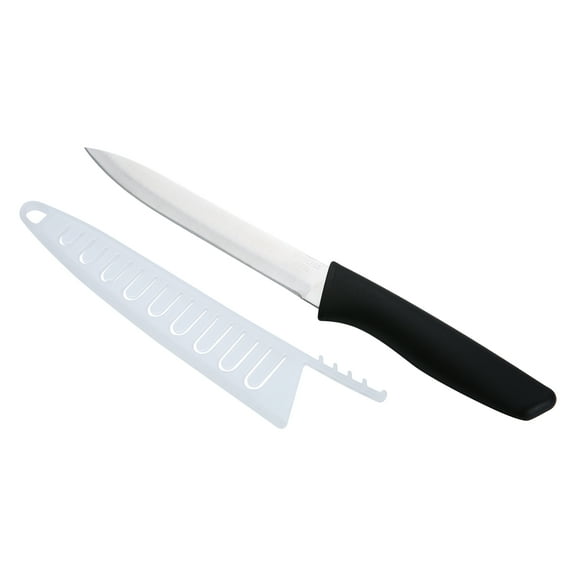
Your knife block or sheath option can affect how neatly your tools fit into a countertop or drawer. You can keep prep more efficient when your most-used blades stay easy to reach.
Cleaning and maintaining kitchen accessories
Your maintenance preferences matter just as much as shape and material. You should check whether pieces are dishwasher safe or better suited to hand washing.
If you cook often, you may want kitchen accessories that clean up quickly after sauces, batter, or oil. You can keep your routine simpler when surfaces rinse clean and stored sets stay organized.
Your kitchenware items should also fit your storage habits, whether you use crocks, drawers, or wall rails. You can keep counters less crowded when handles nest well or hang neatly.
With the right kitchen tools, you can build a setup that supports quick breakfasts, weeknight dinners, and weekend baking. You can choose with more confidence when materials, use cases, and set options are clear.