


Find auto parts that fit
Let’s search for parts that fit your vehicle.Track Bars in Suspension Components







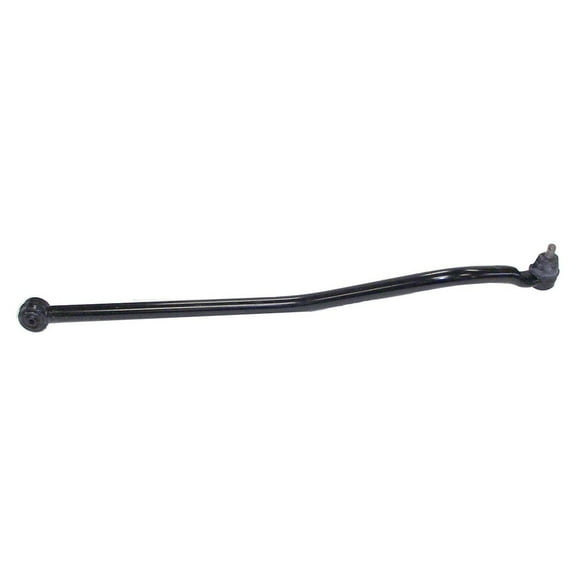
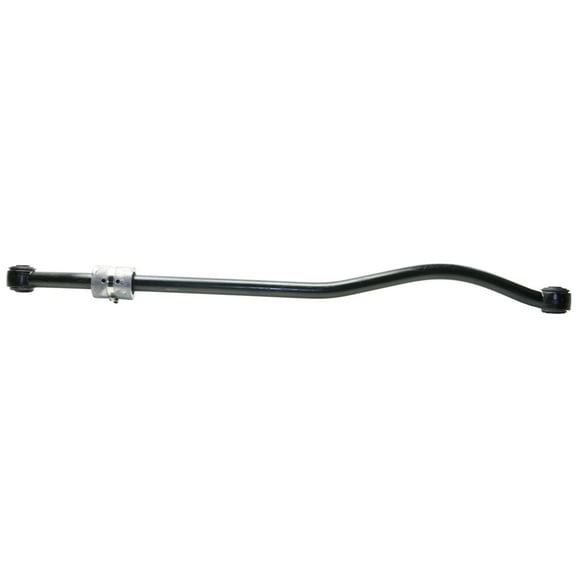


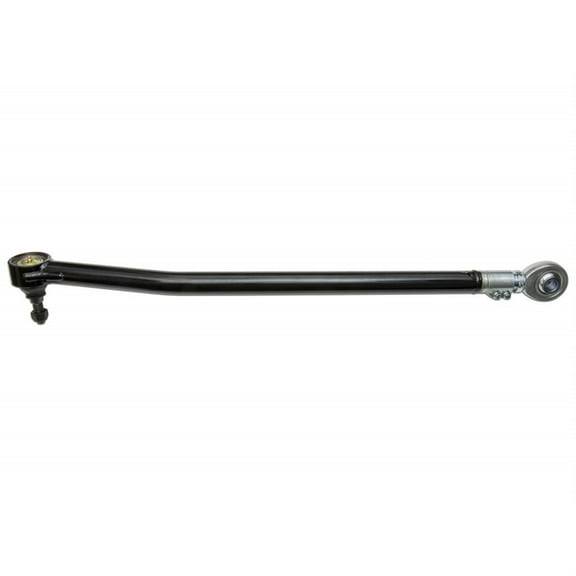

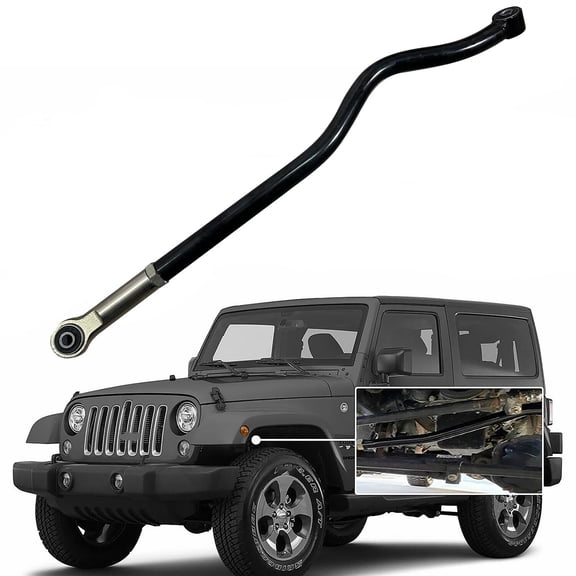

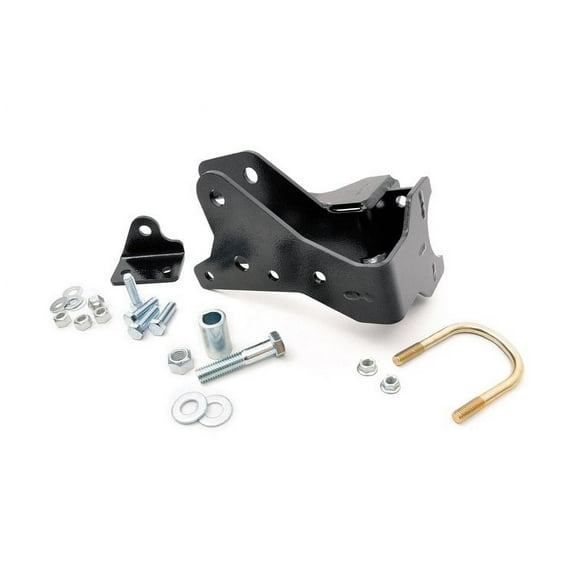
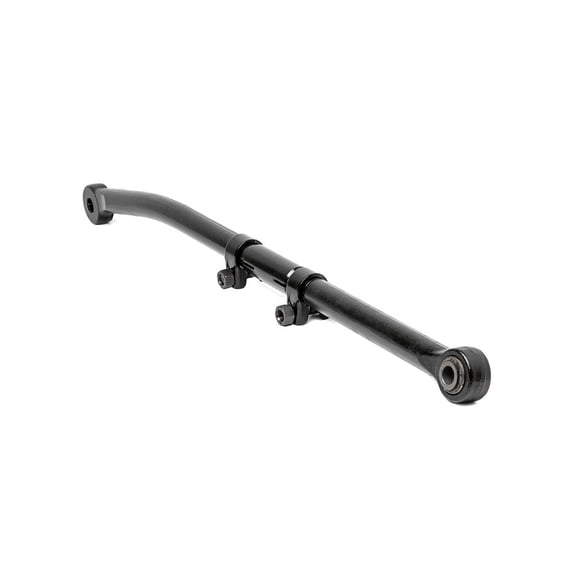
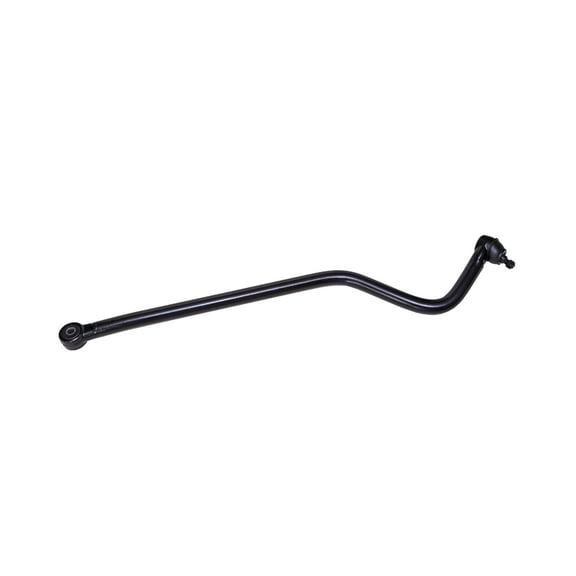

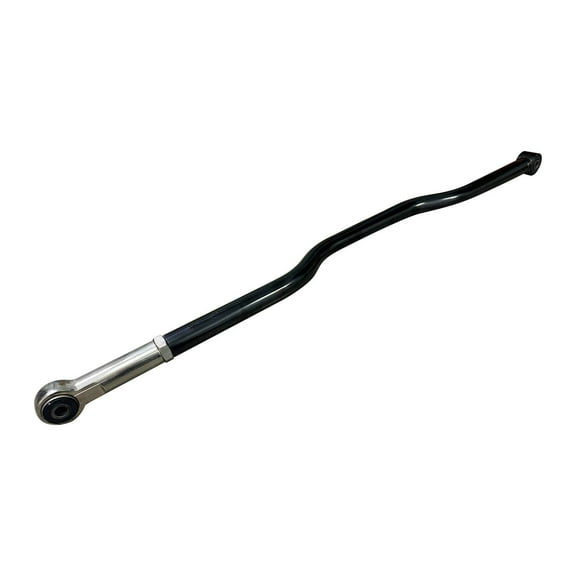

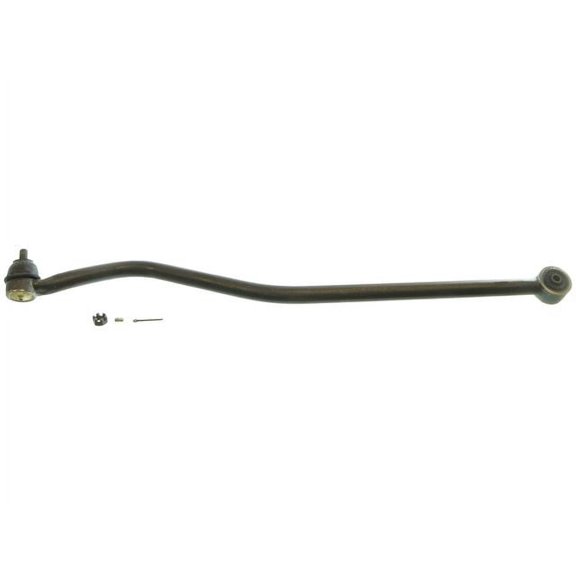
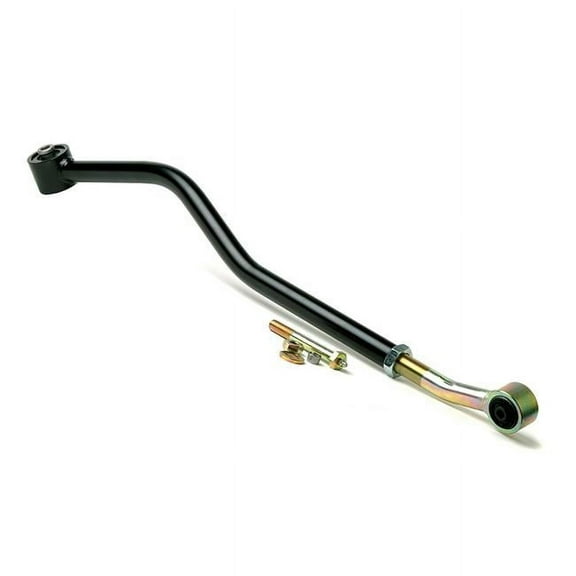

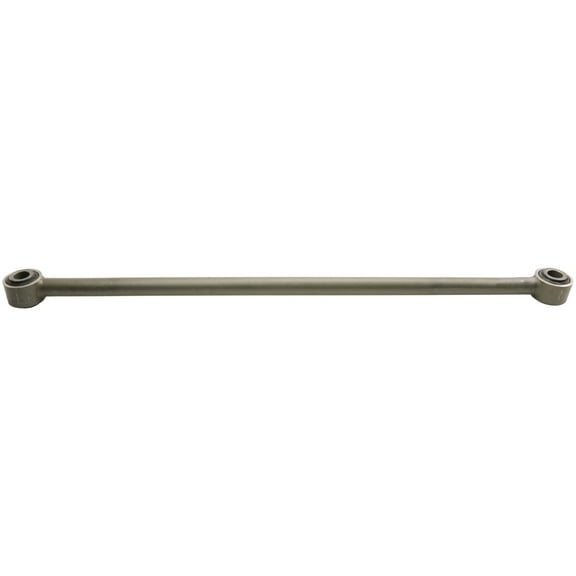





About Track Bars in Suspension Components - Walmart.com
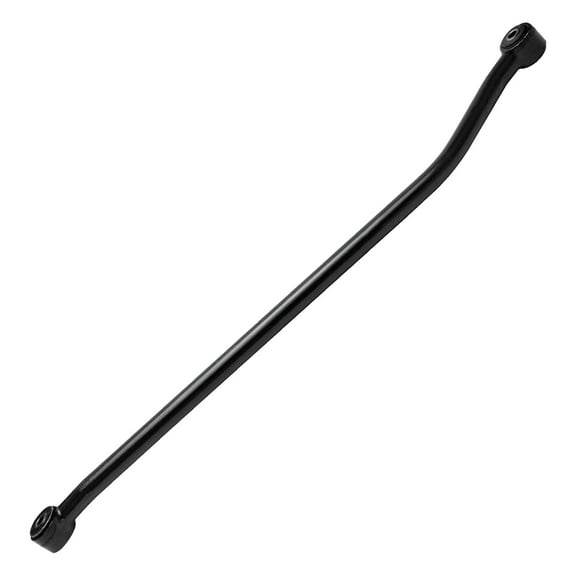
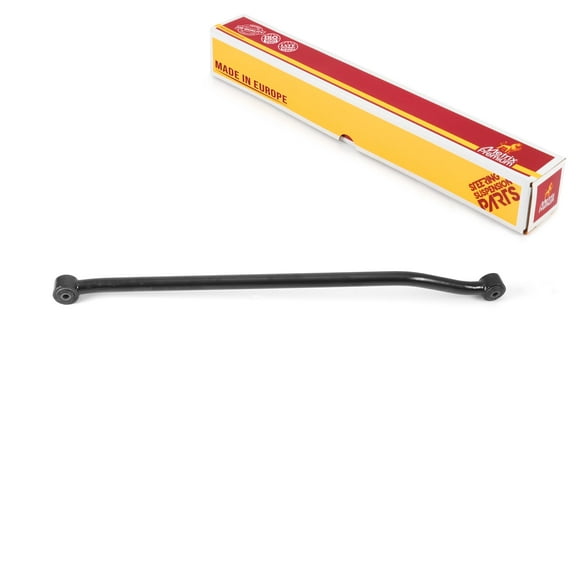
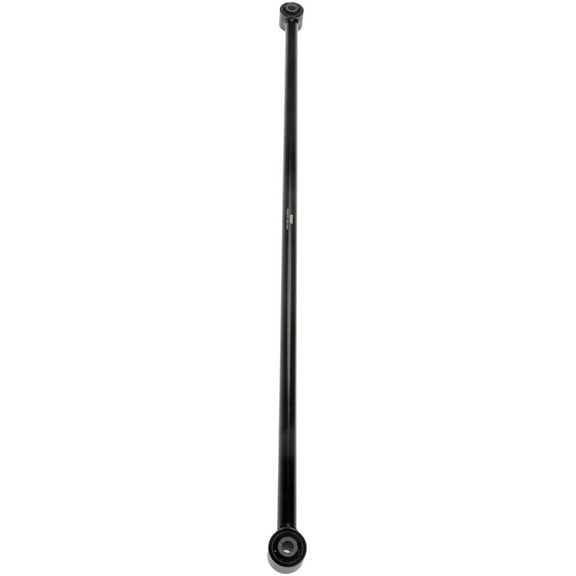
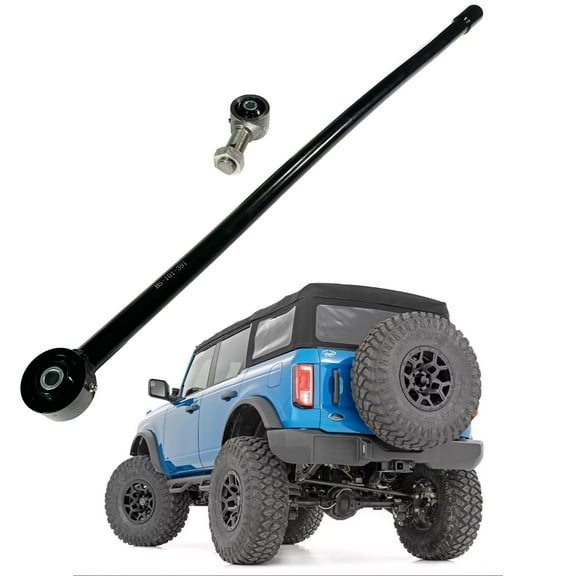
With struts & suspension chassis track bar hardware & parts, you can narrow your fitment choices and support centered axle geometry on lifted or stock trucks. You’ll find this category focuses on track bars, mounting hardware, and bushings built for suspension alignment needs.
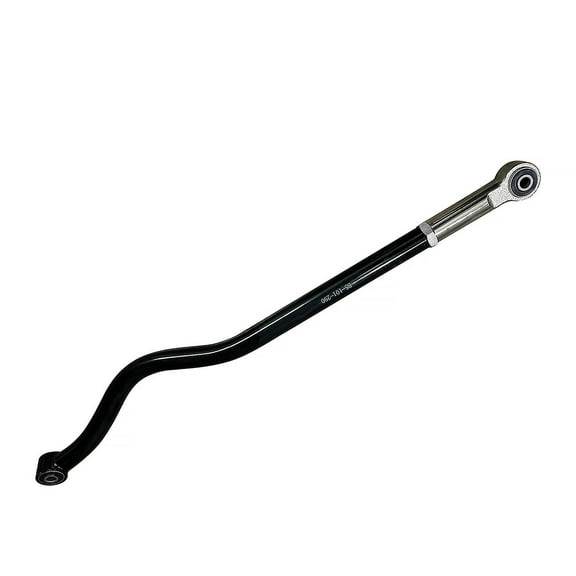
If you drive a truck or SUV, you may use a suspension track bar to keep the axle positioned side to side. You’ll notice that fitment, adjustability, and bushing material matter before you choose replacement parts.
How to choose struts & suspension chassis track bar hardware & parts
Start with your vehicle fitment, because your year, make, and model shape bracket design and bar length. You should also check whether you need front or rear placement before comparing other specs.
Many shoppers compare options for Ford F-150, Jeep Wrangler, and Ram 2500 applications. If you need compatibility across multiple makes, you may also compare universal parts for custom builds.
Lift height matters just as much as fitment when you compare track bar suspension parts. You should measure whether your setup stays at stock height, uses zero to two inches, or needs three to six inches.
- You can keep your axle centered after suspension changes.
- You can compare adjustable and fixed bars for stock or lifted setups.
- You can match front or rear position to your vehicle layout.
- You can choose hardware and bushings that fit your driving style.
Choosing fitment, position, and lift height
Vehicle fitment is the first decision because bracket shape, mounting points, and clearance vary by platform. You should confirm year, make, model, and suspension changes before you compare any truck track bar.
Front and rear positions aren’t interchangeable on many applications, so you should check the listed location carefully. You can avoid mismatched mounting points when your position matches your axle layout.
Lift height compatibility helps you compare geometry correction for modified suspensions. If your vehicle sits higher than stock, you may need a bar length designed for three to six inches.
For stock height or mild changes, you may prefer parts built for zero to two inches. You’ll usually get a direct fit when the listed lift range matches your current suspension setup.
Comparing adjustable and fixed track bar systems
Adjustable options let you fine-tune bar length, which helps you center the axle after a lift. If your suspension height has changed, you may want that flexibility during installation.
Fixed options work well when your suspension stays close to factory geometry. You can simplify your decision when your fitment and height range already match a set bar length.
When you compare track bar systems, look for clear hardware details and bushing style. You should also check whether installation calls for alignment follow-up after you mount the bar.
Torque specs are decision-critical because mounting bolts need the correct clamping force. You’ll want to review your vehicle requirements so your hardware fits your setup and service plan.
What to look for in materials and bushings
Material affects rigidity and durability, so you should compare alloy steel and carbon steel construction. You’ll often choose these options when you want strong chassis parts for repeated road use.
Bushings shape how the connection feels and wears over time. If you compare polyurethane bushings with rubber styles, you may notice a tradeoff between firm response and added comfort.
Polyurethane bushings can appeal when you want a controlled feel from your suspension track bar. Rubber-style bushings may suit you when you want a soft everyday ride character.
Hardware quality also matters because washers, sleeves, and brackets complete the installation. You should look for parts that match the bar design so your fit stays consistent at the mounting points.
Using track bars for real suspension setups
If you’re correcting axle position after adding a lift kit, an adjustable bar can make fitment easier. You can pair that choice with the right lift range for an accurate setup.
For a stock-height daily driver, a fixed bar may match your needs with fewer variables. You can focus on direct replacement fitment, proper position, and compatible hardware.
Jeep Wrangler builds often need close attention to front or rear placement and lift height. You should compare those details carefully when your suspension changes alter axle alignment.
Heavy-duty truck owners may compare a Ram 2500 or Ford F-150 application by fitment and material choice. You can also review installation notes if your setup includes aftermarket shocks, struts, or sway bars.
If you’re planning a broader suspension refresh, you may also compare related parts like shocks and struts, sway bars, and lift kits. You’ll build a complete track bar hardware plan when those components work together.
When installation complexity matters, you should check whether your job needs hand tools, torque specs, or alignment service afterward. You can choose parts with the right level of adjustment for your garage setup.
With the right struts & suspension chassis track bar hardware & parts, you can match fitment, lift height, and bushing style without guesswork. You can get a path to centered axle alignment and a dialed-in suspension setup.