

Train Horns in Car & Truck Replacement Horns



















About Train Horns in Car & Truck Replacement Horns - Walmart.com
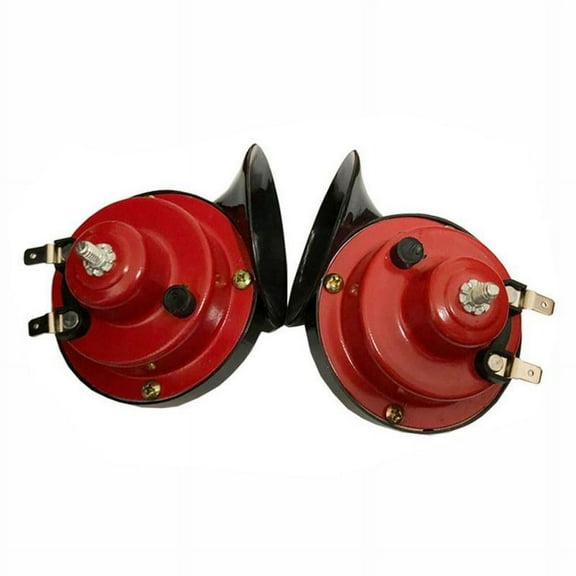
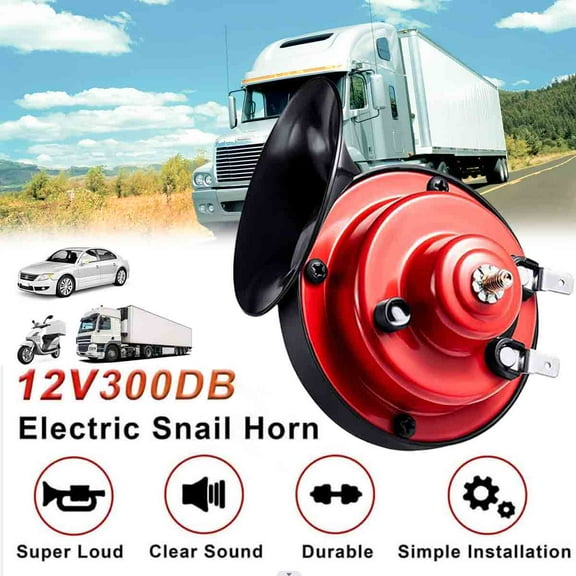
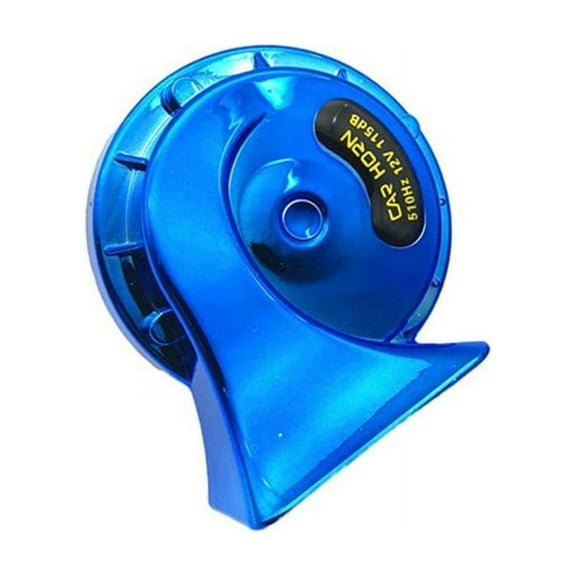
Train horns help you build a bold sound setup for your vehicle. You can compare voltage, decibel output, kit contents, and fitment before you choose.
How to choose train horns for your vehicle
Start with your vehicle’s electrical system before you compare sound output. You’ll want a 12v train horn for many trucks, SUVs, and passenger cars.
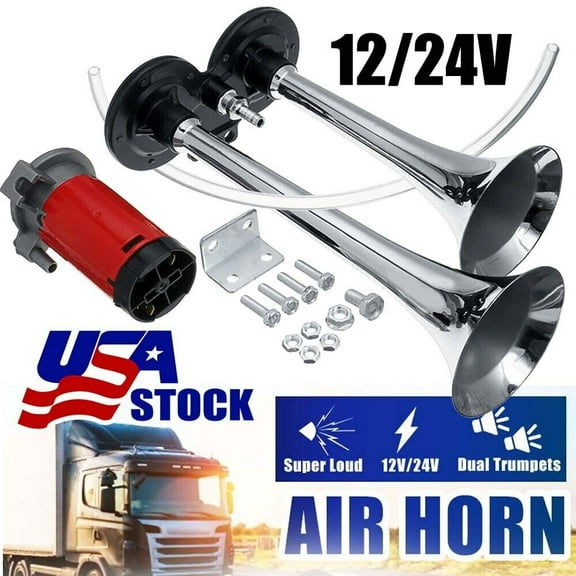
Heavier-duty builds may use 24V systems instead. That detail helps you avoid mismatched wiring and extra installation work.
Mounting space matters just as much as voltage. You should measure room for trumpets, air lines, and any compressor parts before you decide.
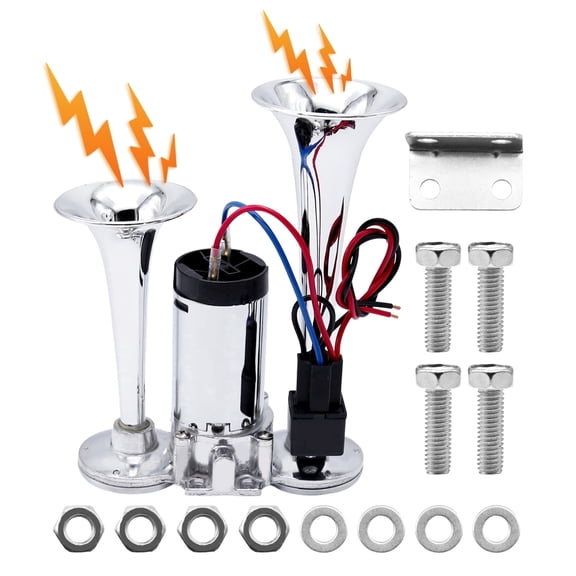
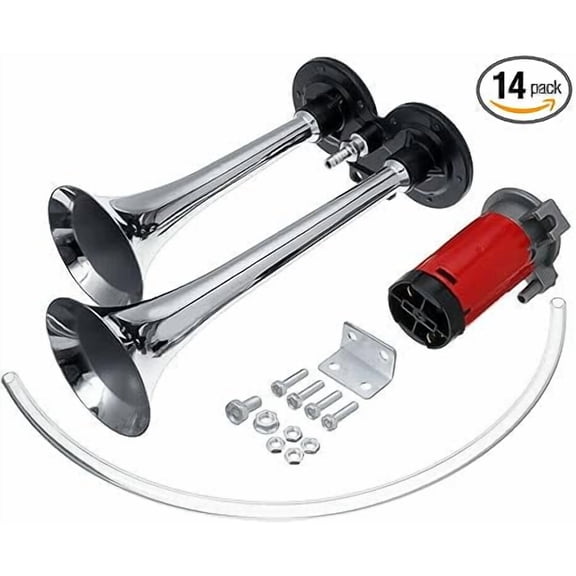
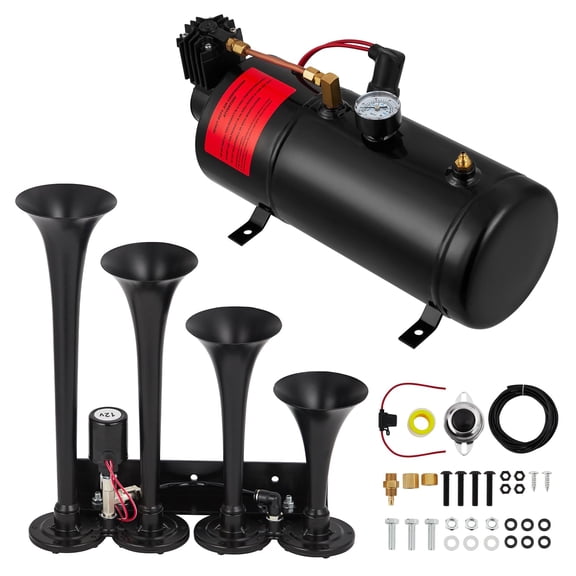
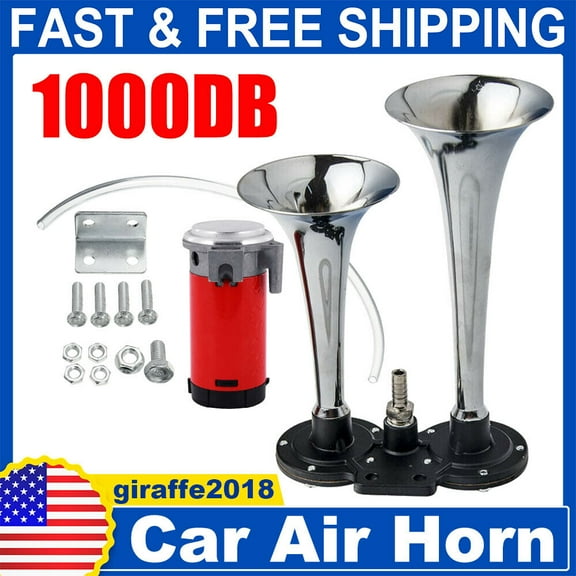
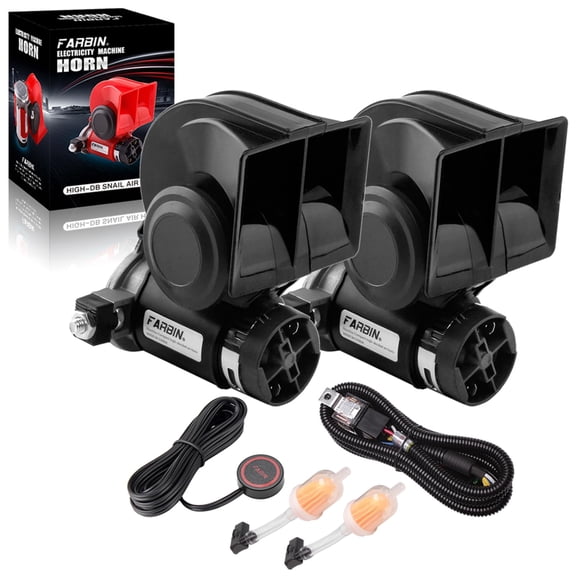
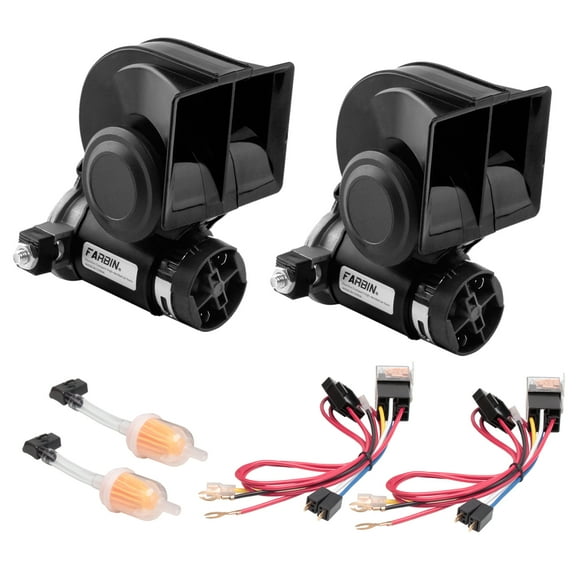
Kit style changes your setup plan. You can compare horn-only options, a train horn kit, or a train horn with compressor package.
Several buying points can narrow your options quickly. Those details help you match the horn to your vehicle and your planned install.
- You should check whether your vehicle uses 12V or 24V power.
- You can compare 115dB, 130dB, and 150dB output for your target sound level.
- You should look for a train horn kit if you want bundled parts.
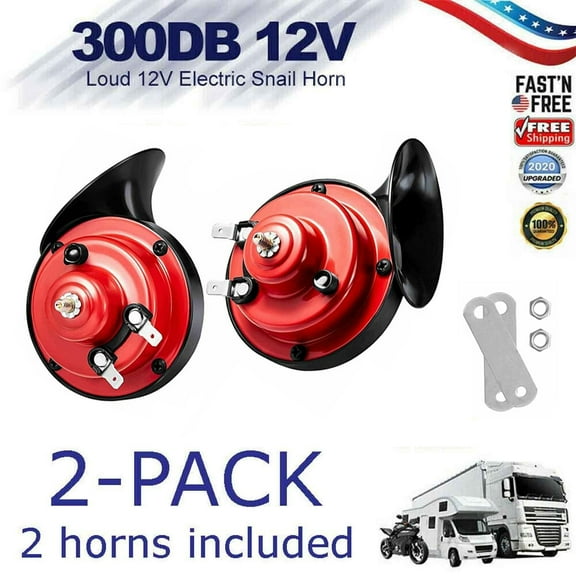
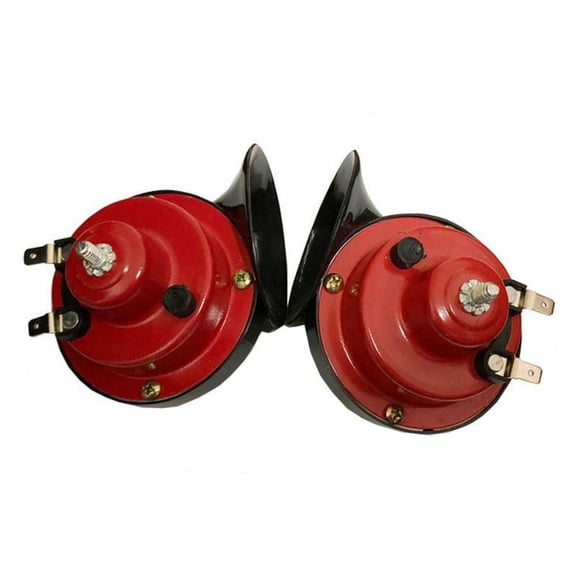
- You can compare horn-only designs with a train horn with compressor setup.
- You should measure space for single or multi-trumpet mounting.
- You can check finish options like chrome-plated or powder-coated parts.
Choosing the right train horn kit
Kit configuration shapes how much planning your installation needs. You can simplify your choice when you know exactly which parts come in the box.
Horn-only options can work well when your vehicle already has compatible air hardware. A complete train horn kit can make part matching much easier.
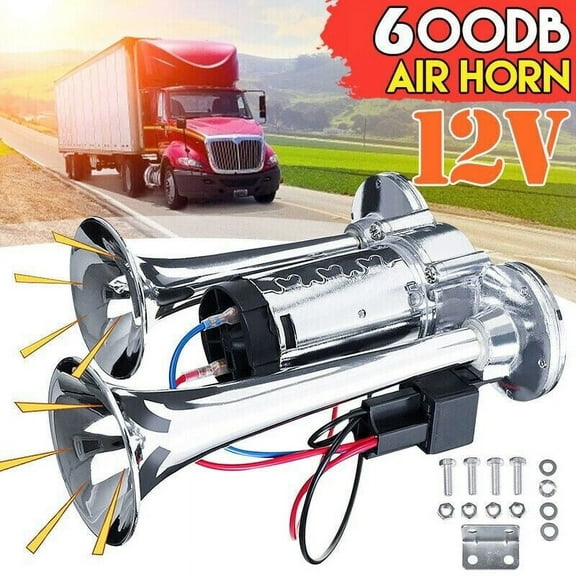
Some packages focus on convenience for first-time installers. In those cases, you can check whether the kit includes a compressor, tank, tubing, wiring, relay, and mounting hardware.
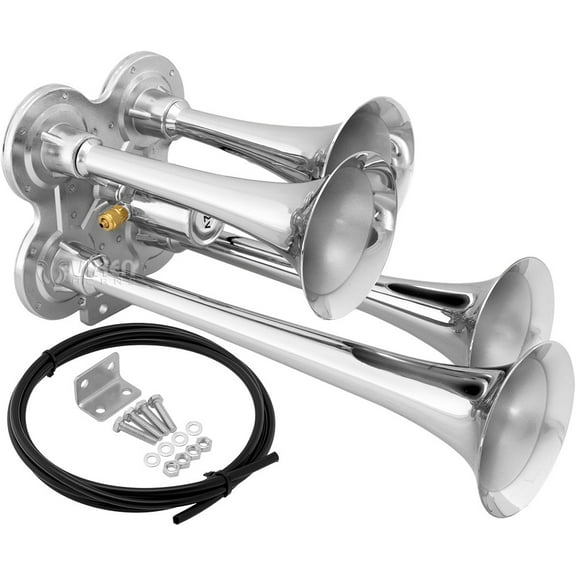
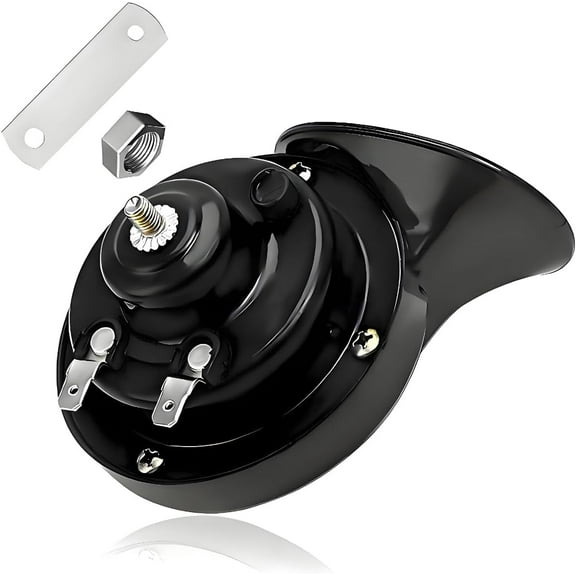
Multi-trumpet sets also change the final layout and sound character. You can compare compact formats for tighter spaces or longer trumpets for larger builds.
Included parts affect both fit and install time. With a matched package, you can plan your wiring and mounting with fewer unknowns.
Choosing 12v train horn and 24V compatibility
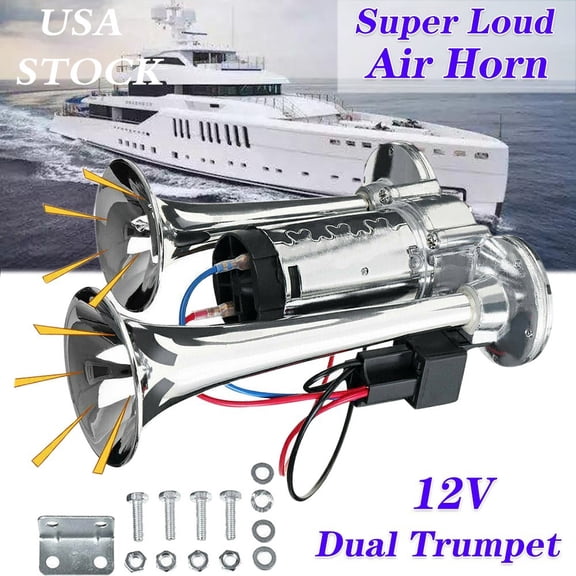
Voltage compatibility should guide your short list first. For many personal vehicles, a 12v train horn matches the electrical system you already have.
Some commercial or heavy-duty applications may call for 24V compatibility. That check helps you confirm the horn setup suits your existing power source.
Compressor needs also vary by system design. You should review whether your setup uses direct wiring, a standalone compressor, or a larger onboard air arrangement.
When you compare specs, pair the technical term with your daily use. That approach helps you choose a setup that fits your truck, SUV, or car without guesswork.
Comparing loud train horns by decibel level
Decibel ratings help you understand how strong the horn may sound during use. You’ll often see 115dB, 130dB, and 150dB options across this category.
A 115dB setup can feel like a noticeable step up from a standard horn. A 130dB or 150dB option can deliver the forceful output many shoppers want.
Vehicle size and intended use should shape your decision here. You can compare trumpet design, air supply, and dB rating together for a clearer picture.
Local rules may affect which output level fits your plans. You should use the decibel range as a guide while you compare sound-focused setups.
Comparing materials, finish, and weather exposure
Materials and finish affect how your setup looks after regular outdoor use. You can compare chrome-plated and powder-coated parts based on style and mounting location.
Chrome-plated pieces can suit a bright custom look on a show build. Powder-coated parts can match a darker utility or off-road appearance.
Weather exposure matters when your horn mounts under the vehicle or near road spray. You should review body construction and finish details before you commit.
Trumpet count also changes the installed look. With multi-trumpet sets, you can create a fuller visual setup along with a broader sound profile.
Choosing fitment for trucks, SUVs, and cars
Vehicle fitment affects almost every decision in this category. A train horn for trucks often allows more room for larger compressors or longer trumpet assemblies.
SUVs and passenger cars may need a tighter layout. In smaller spaces, you can focus on compact horns and simpler routing for tubing and wiring.
Available room under the hood, along the frame, or in a cargo area can shape your options. You should compare product dimensions before you finalize your choice.
Your driving style can influence configuration too. For a car train horn project, you may prefer a smaller footprint that still fits your sound goals.
When you compare train horns by voltage, loudness, kit completeness, and finish, you can choose a setup that fits cleanly. That planning helps you get the sound and fit your vehicle can support.