

Fast Growing Trees & Live Trees for Your Yard | Walmart












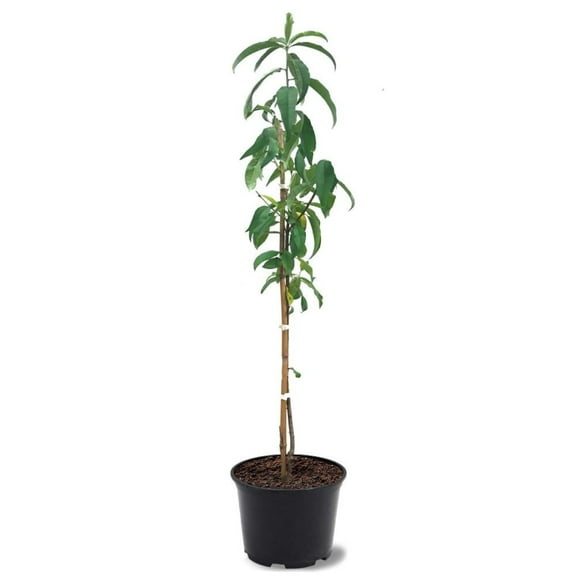

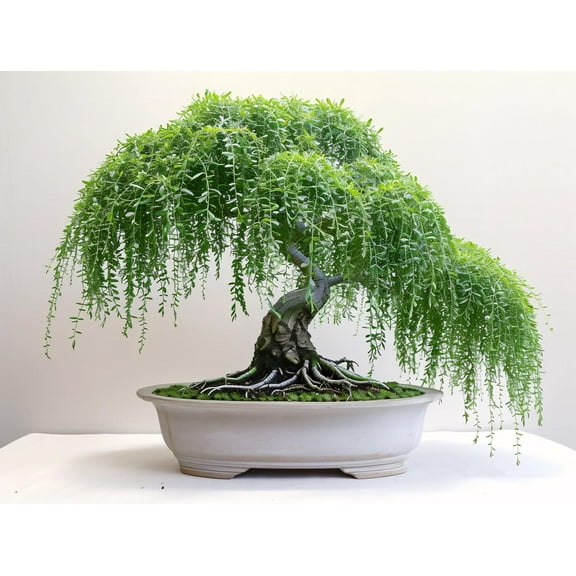
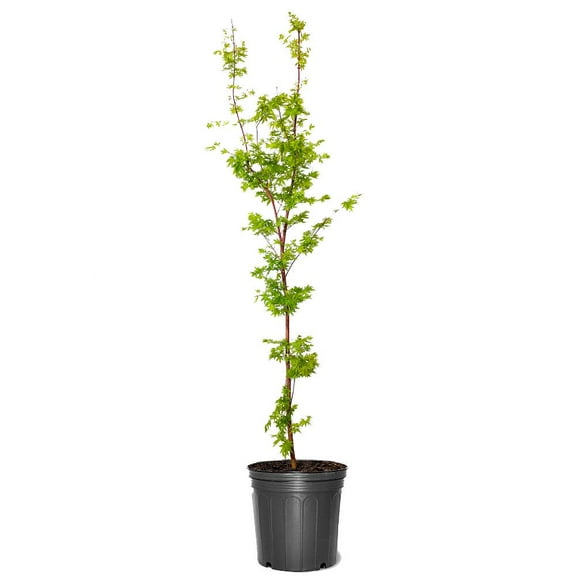
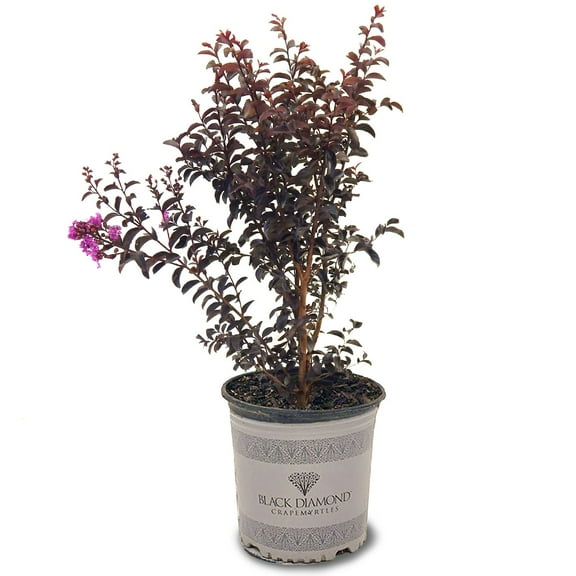



About Fast Growing Trees & Live Trees for Your Yard | Walmart - Walmart.com
Live trees give your yard lasting structure and seasonal interest. You can compare tree type, hardiness zone, sunlight needs, mature height, and root form before you plant.
If you're planning a new landscape, live trees help you shape privacy, shade, color, and harvest in one category. You can use this guide to narrow choices that fit your climate and space.
Choosing the right live trees for your climate
You should start with USDA Hardiness zones because winter temperatures affect long-term growth. You can check whether Zone 3-4, Zone 5-6, Zone 7-8, or Zone 9-10 matches your planting area.
When you match live trees to your zone, you improve your chances for steady growth through changing seasons. You also avoid choosing varieties that prefer milder winters or longer heat periods.
You should also compare sunlight requirements before you plant. You can look for full sun choices for open yards, partial shade options for mixed light, or full shade picks for sheltered spots.
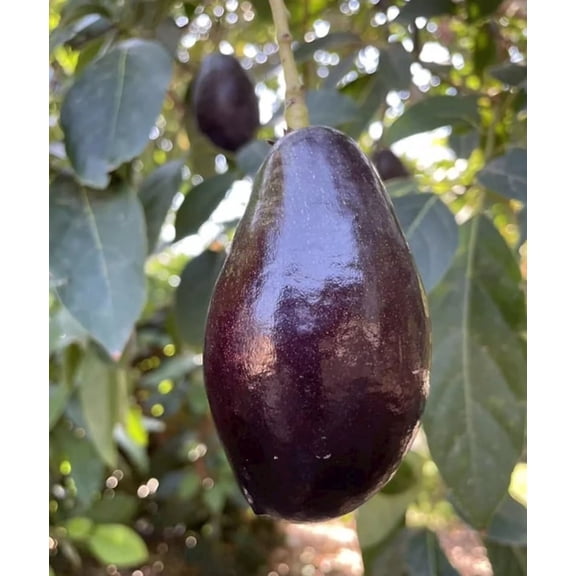
- You can use fruit trees when you want blossoms followed by edible harvests in the right climate.
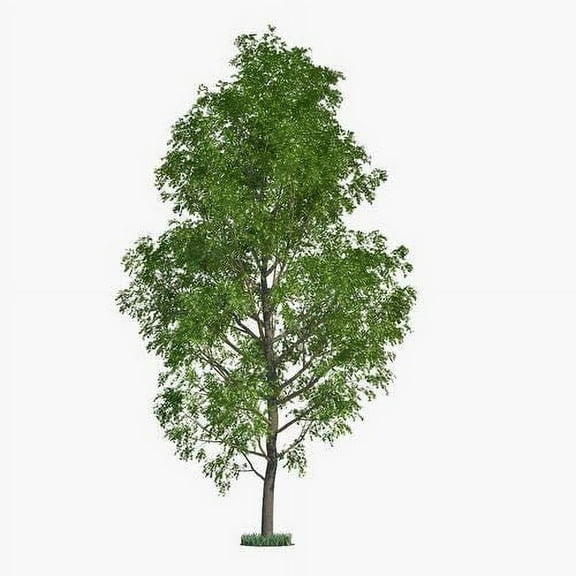
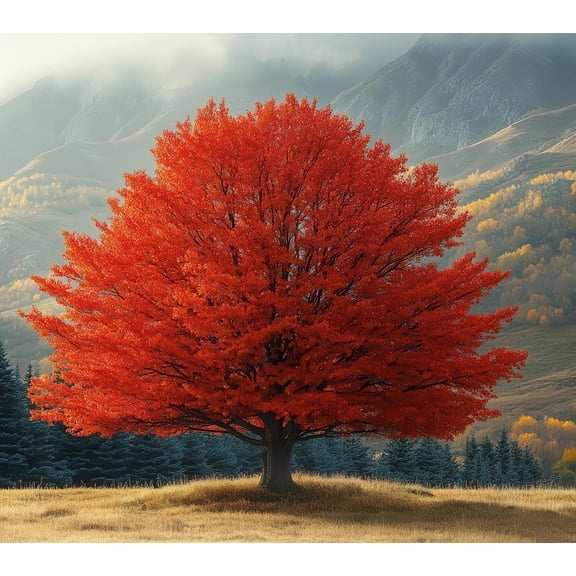
- You can choose shade trees when you want canopy coverage over lawns, patios, or larger open areas.
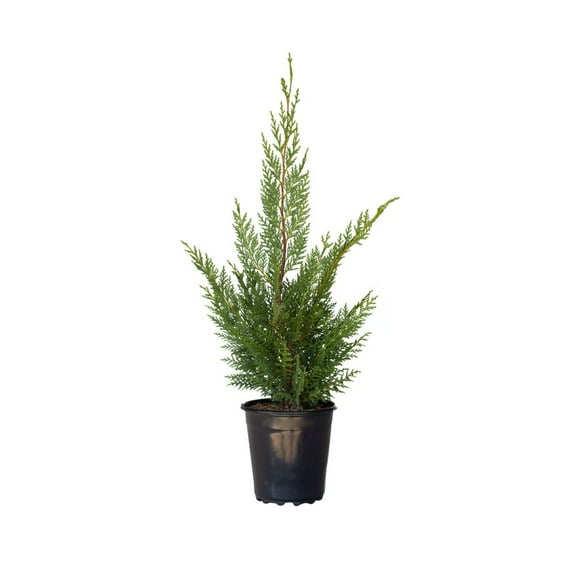
- You can plant evergreen trees when you want year-round color and natural screening.
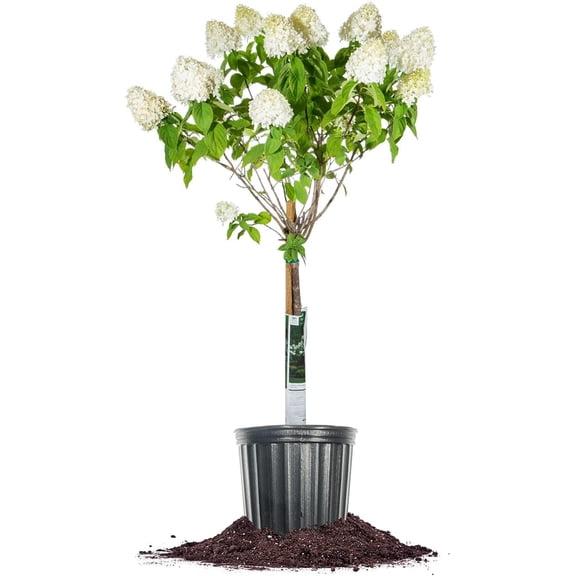
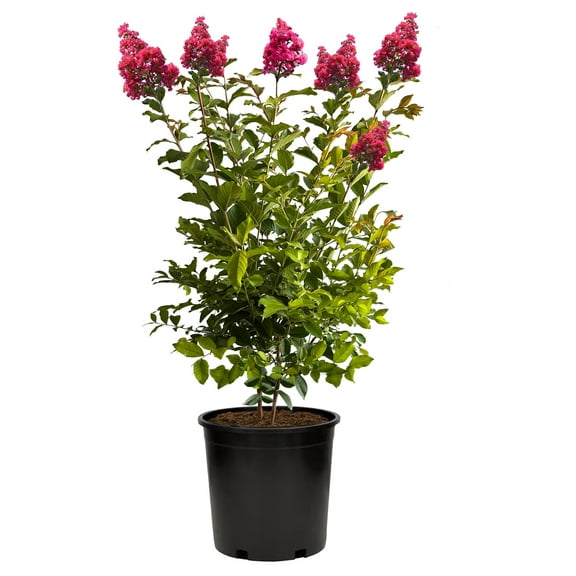
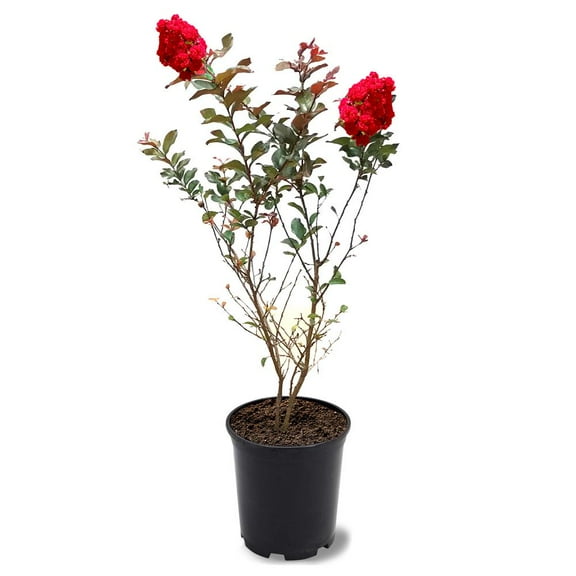
- You can select flowering trees when you want seasonal blooms that stand out near entries and paths.
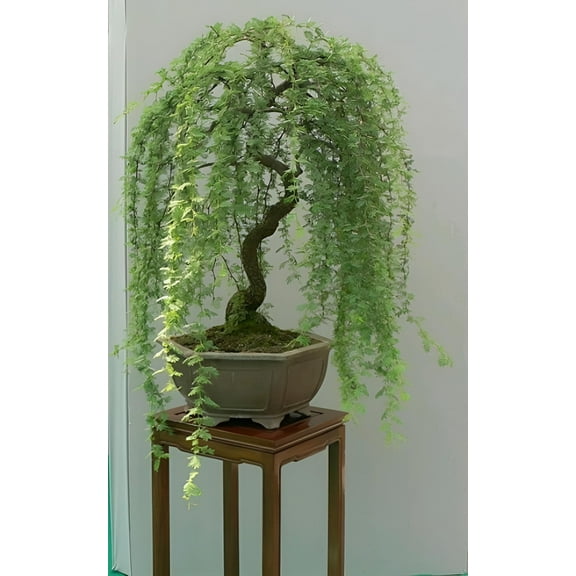
- You can consider ornamental trees when you want compact form, texture, or decorative branching.
How to compare live trees by size and type
You should measure your planting area before you choose mature height. You can compare dwarf trees under 10 feet, medium trees from 10 to 30 feet, and large trees over 30 feet.
If your yard is smaller, you may prefer dwarf or ornamental options with a controlled footprint. If your property is open, you can use medium or large trees to create stronger visual balance.
You should think beyond height and consider canopy spread as well. You can keep walkways, fences, garden beds, and overhead areas clearer when you plan for mature width.
Fruit types work well when you want a tree that does more than fill space. Shade and evergreen types make more sense when you want coverage, screening, or a stronger backyard border.
Flowering and ornamental choices fit entryways, foundation beds, and focal planting areas. You can use them when your landscape needs color, shape, or four-season visual interest.
What to look for in root structure and planting setup
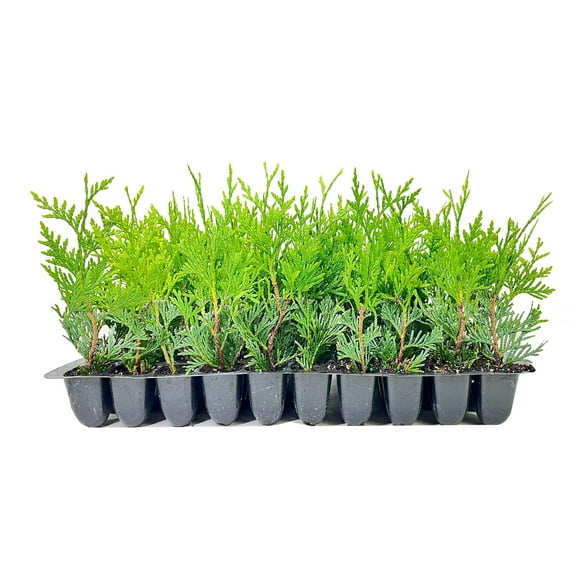
You can narrow your options by root structure because planting experience varies by format. You may see bare root, potted, or balled and burlapped live trees across this category.
Bare root trees can suit cool-season planting and straightforward transport. You should be ready to plant them promptly so your roots have a fresh start in prepared soil.
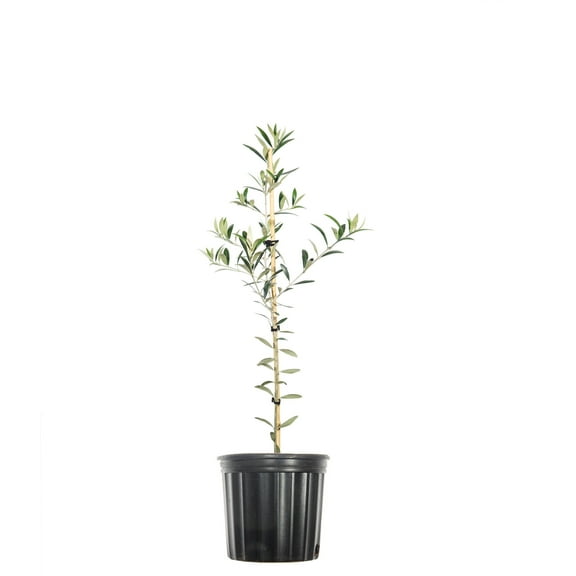
Potted trees give you a contained root system that many shoppers find easy to handle. You can often use them when you want more flexibility around planting timing and patio staging.
Balled and burlapped trees can work for larger landscape projects and more established starting size. You should measure your space and access path before delivery or pickup.
You should also check soil drainage and watering access before planting. You can support steady establishment when your site drains well and your hose or irrigation reaches the root area.
How to match live trees to your yard and routine
You can choose live trees more confidently when you match maintenance to your schedule. Some trees need regular shaping, while others fit a simpler watering and pruning routine.
If you want edible landscaping, you can focus on fruit trees with the right sun exposure and zone fit. If you want year-round screening, you can turn to evergreen choices with mature height that suits your lot.
You may want shade trees near a seating area where afternoon sun feels stronger. You can place flowering or ornamental types near porches, drives, or garden edges for a finished look.
When your planting area gets full sun, you should confirm it receives several direct hours each day. When your site has filtered light, you can look for partial shade choices that handle mixed exposure.
You can also think about watering habits before your first planting day. Trees that match your routine are easier for you to establish during the first growing season.
If you're building a layered landscape, you can combine large shade trees with dwarf ornamentals. You can also pair evergreen structure with flowering color for visual interest across more months.
Planting and care basics for live trees
You should dig a planting hole that fits the root form without crowding it. You can place your tree at the proper depth and backfill with the original soil for a natural transition.
After planting, you should water thoroughly so moisture reaches the root zone. You can keep watering consistent during establishment, especially during warm or dry stretches.
You should watch sunlight, spacing, and mature size together instead of separately. That approach helps you choose live trees that fit your yard now and still make sense later.
With the right zone match, root format, and mature size, you can plant with more confidence. You end up with a tree that fits your space, your light, and your long-term landscape plan.