





Trellises in Plant Supports
























About Trellises in Plant Supports - Walmart.com
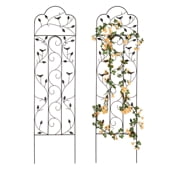
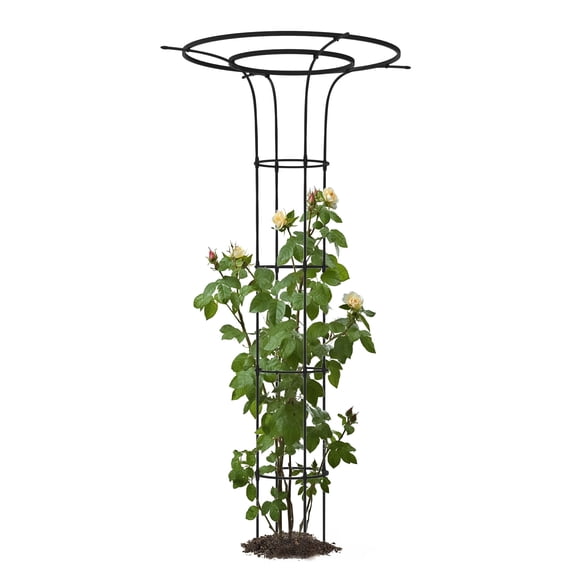
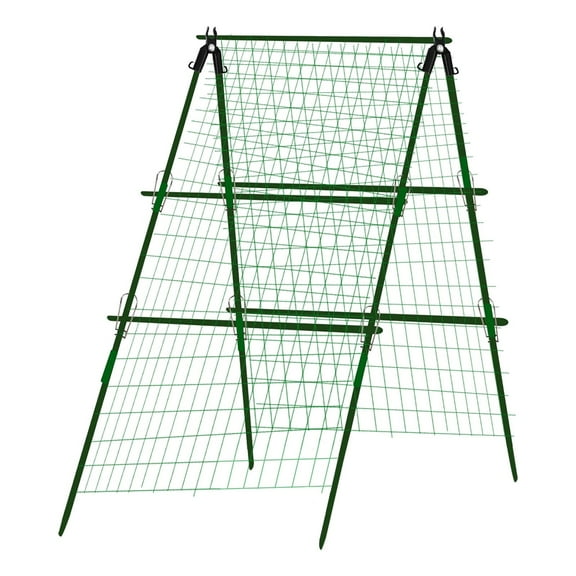
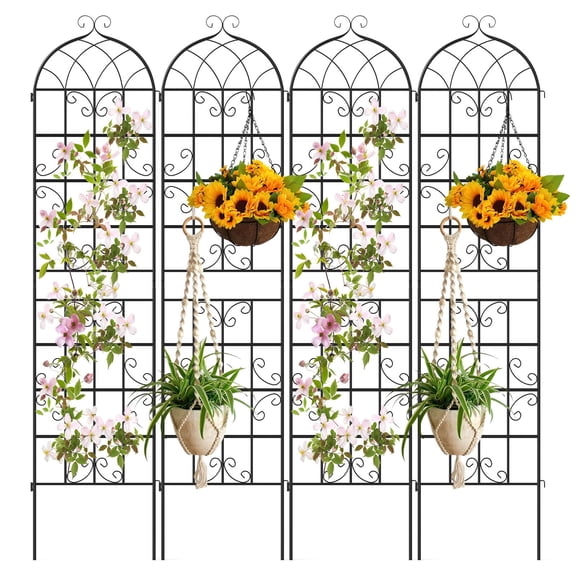
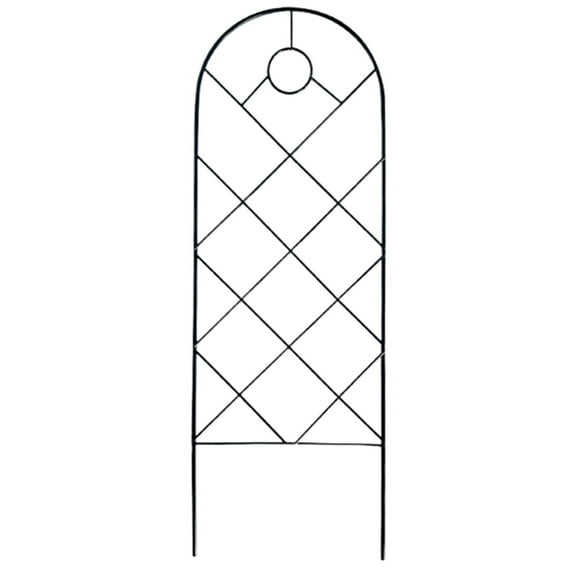
A trellis for plants gives vines and climbing roses the support they need to grow upward neatly. At Walmart, you’ll find sizes and styles that fit beds, borders, and patio containers.
Choose designs that guide new stems early and keep blooms off the ground for cleaner color. Many options work as quick accents or as longer runs along fences.
Why a trellis for plants changes your garden
A trellis for plants helps climbing stems reach sunlight without tangling across walkways. It also keeps growth organized, so pruning and watering feel simpler.
Vertical support can improve airflow through dense foliage during humid weeks. That airflow helps leaves dry faster after rain or watering.
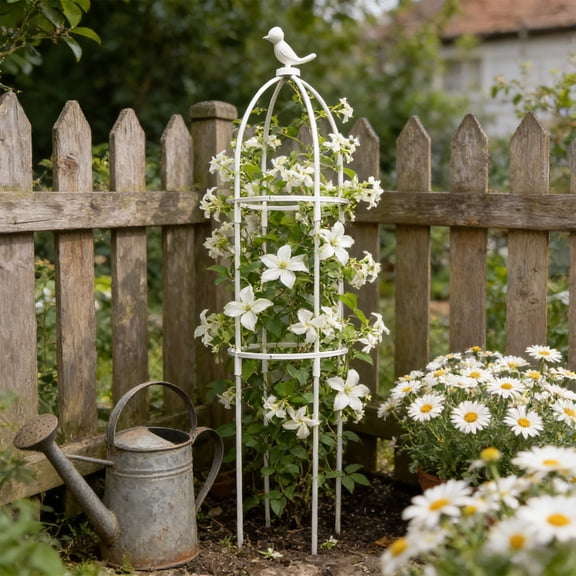
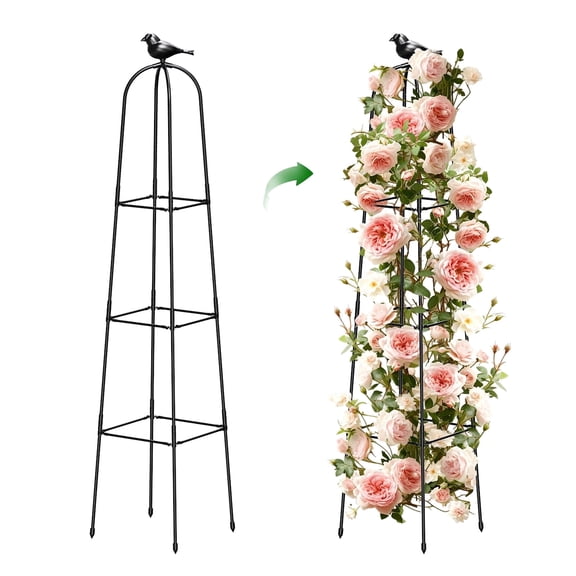
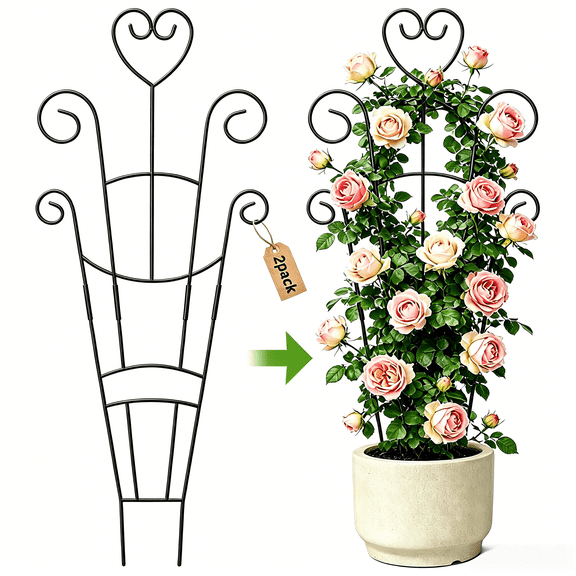
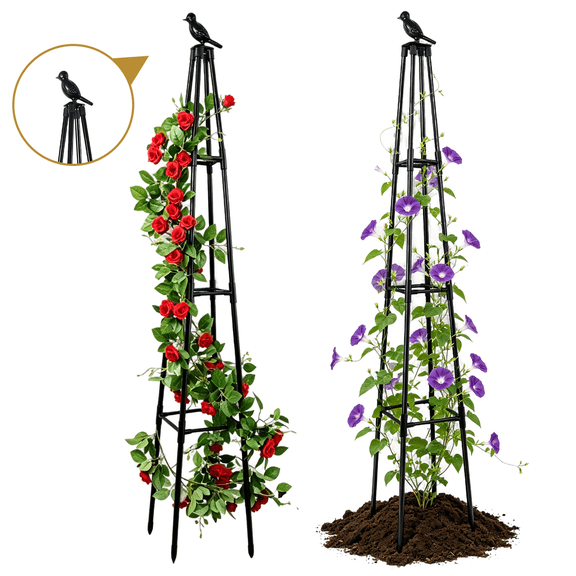
For climbing roses, a steady frame encourages canes to spread and tie in place. That shaping can highlight blooms along the structure instead of hiding them.
Many gardeners use trellises to define paths or separate planting zones. The result looks intentional, even when vines grow fast.
Benefits you’ll notice with a garden trellis
A garden trellis keeps heavy vines supported as they mature through the season. You’ll spend less time rescuing stems from soil and mulch.
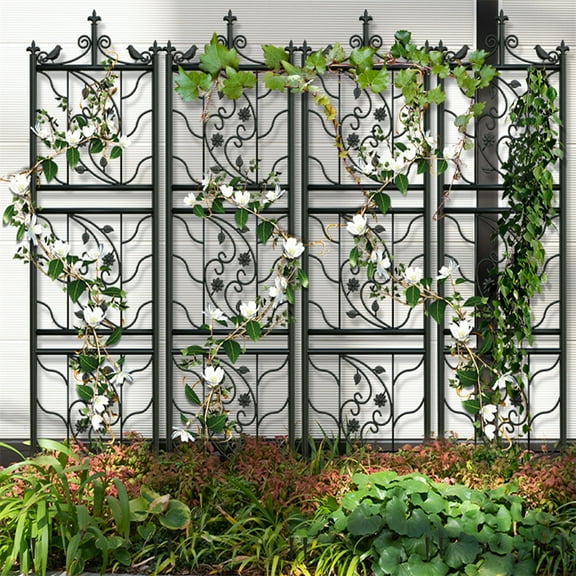
Climbing plants can cover a plain wall or fence with texture and color. That coverage adds privacy without building permanent panels.
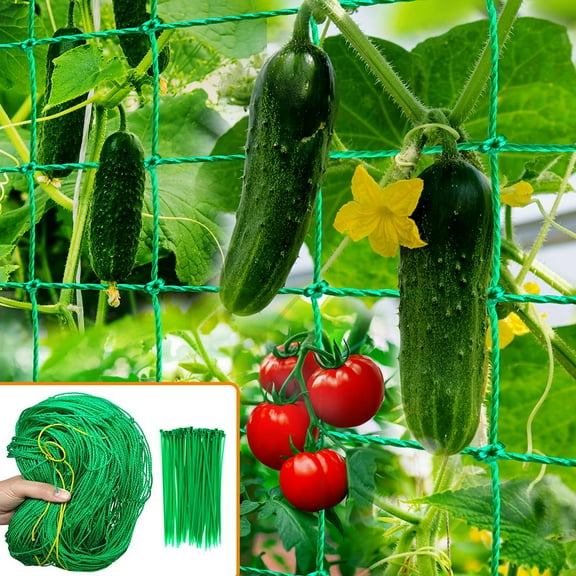
When blooms and leaves stay lifted, it’s easier to spot pests and remove spent flowers. You can also harvest beans and cucumbers without digging through foliage.
- Supports climbing roses so canes stay trained and less likely to snap in wind.
- Helps climbing plants grow upward, leaving more room for herbs and flowers below.
- Creates a clean vertical line that frames entries, gates, and garden beds.
- Makes drip lines and soaker hoses easier to place under the root zone.
A stable garden trellis can also protect tender growth from accidental foot traffic. That’s helpful in narrow side yards and small patios.
Features that matter for climbing plants
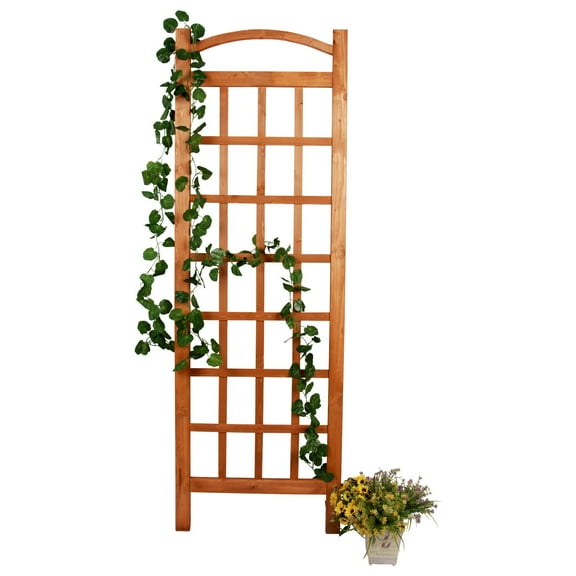
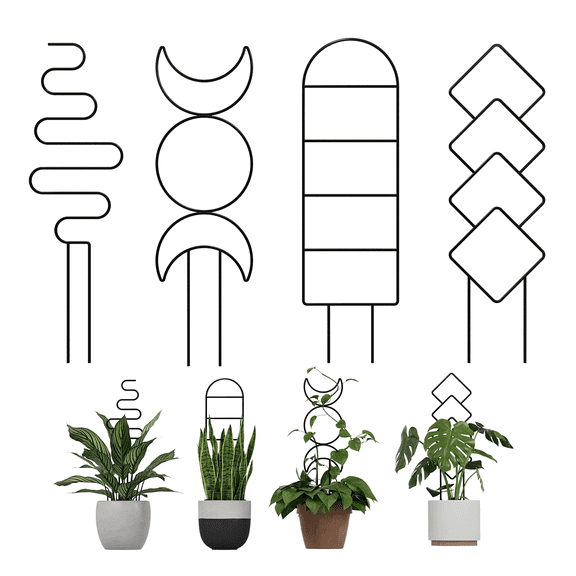
Material affects both look and upkeep, so match it to your climate and routine. Wood trellises blend into beds, while metal trellises add crisp lines.
Wood options often suit cottage gardens and pair well with climbing roses. Look for sealed or treated finishes that handle sprinklers and wet soil.
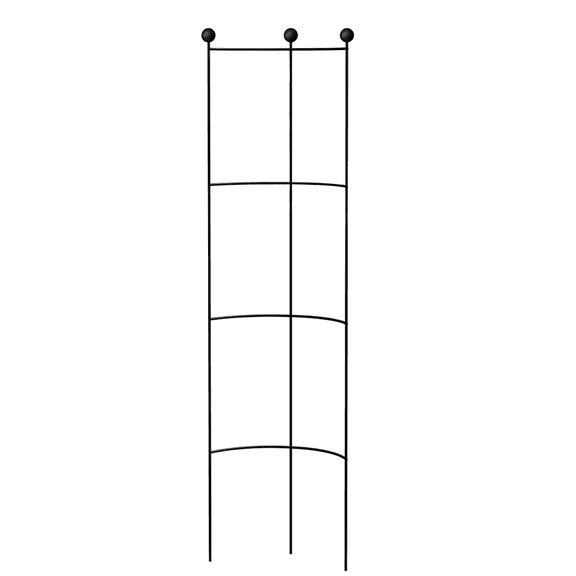
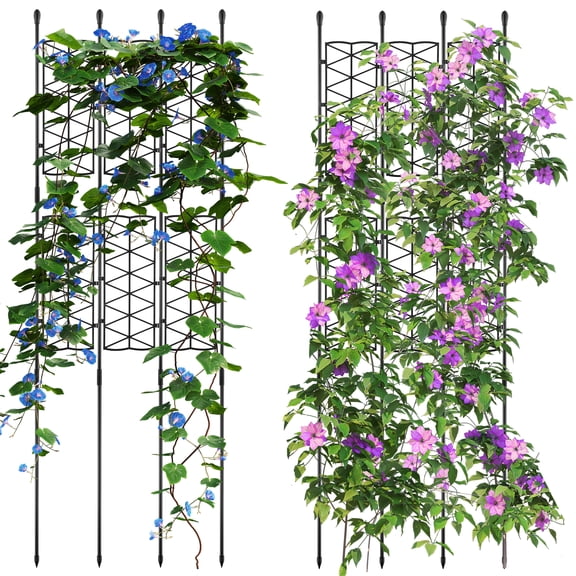
Metal frames can feel lighter visually, yet stay rigid under fast-growing vines. Powder-coated finishes help resist rust in rainy regions.
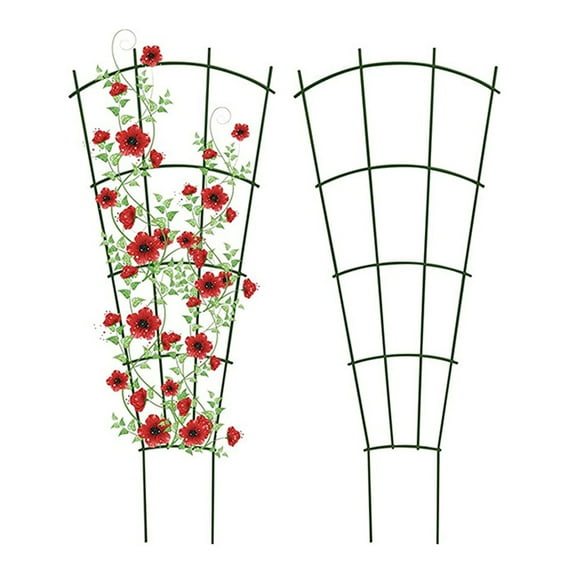
Pay attention to grid spacing, since it changes how easily stems can grab on. Smaller openings suit thin tendrils, while wider grids fit thicker canes.
Height and width should match mature growth, not the starter plant size. A taller frame reduces midseason upgrades that can disturb roots.
Installation style matters, especially in raised beds or containers. Some stakes push into soil, while others mount to fences or walls.
How to use a garden trellis around your yard
Place a garden trellis behind climbers at planting time to avoid root disruption later. Train young stems early with soft ties to set the direction.
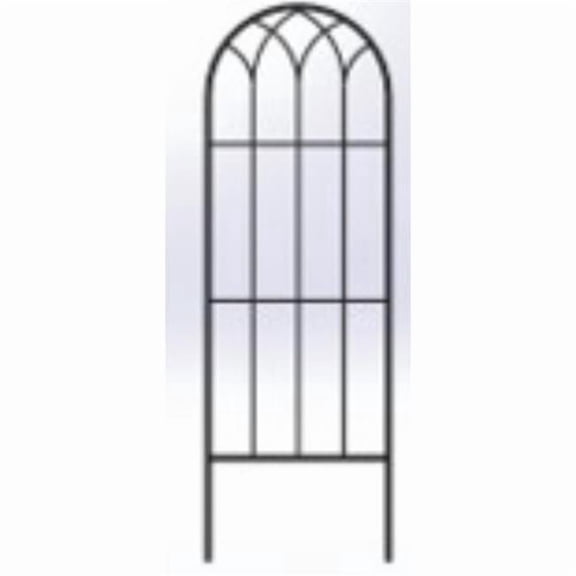
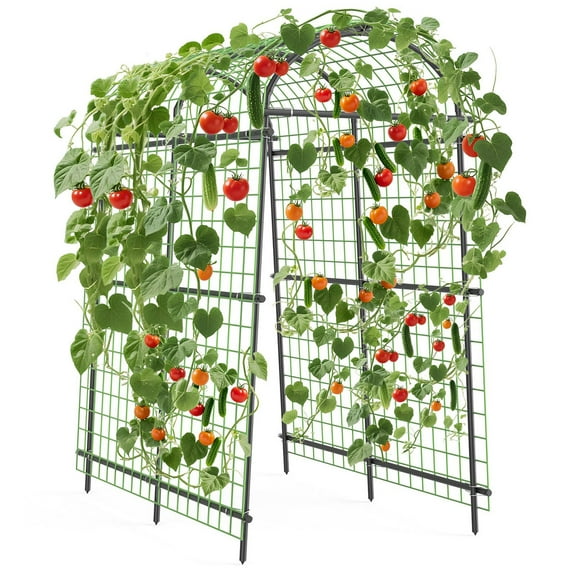
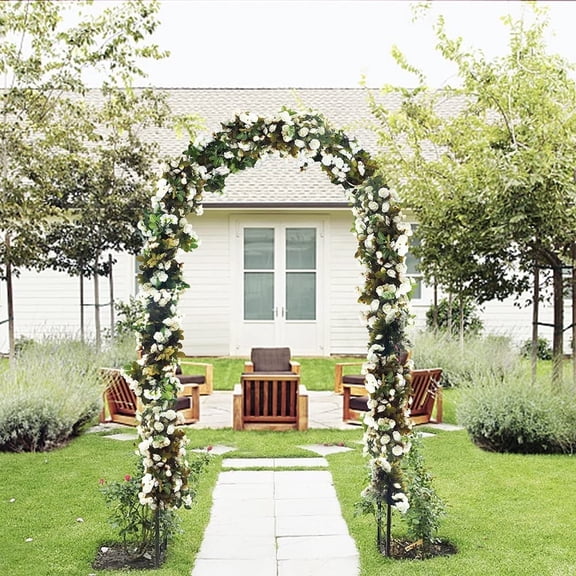
Use arched styles over paths for a clear walkway and overhead blooms. That setup works well for climbing roses and flowering vines.
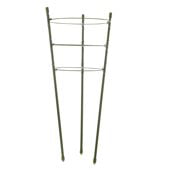
In containers, choose compact frames that anchor securely in the pot. This helps balcony climbers stay upright during gusty weather.
Along fences, a wall-mounted trellis can guide growth without taking much bed space. It’s useful where lawns meet narrow planting strips.
For edible climbers, keep the structure close to watering lines for steady moisture. Vertical growth also makes picking faster during peak harvest weeks.
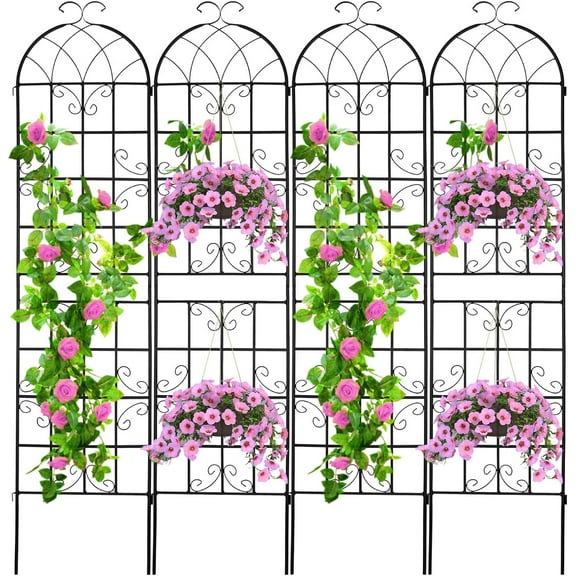
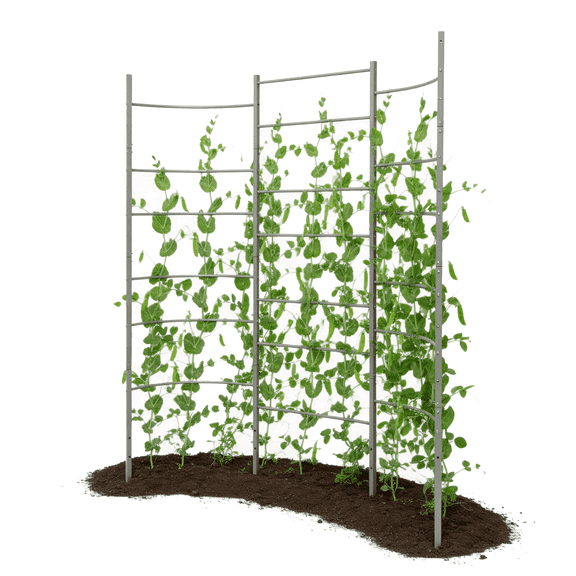
If you’re screening a view, line up multiple panels with even spacing. You’ll get a consistent look as climbing plants fill in.
Conclusion
A trellis for plants brings order to vines, supports climbing roses, and makes vertical gardening feel manageable. With the right material and setup, you’ll enjoy cleaner growth and easier training.