





Scotts Turf Builder Grass Seed & Lawn Seed | Walmart

















About Scotts Turf Builder Grass Seed & Lawn Seed | Walmart - Walmart.com
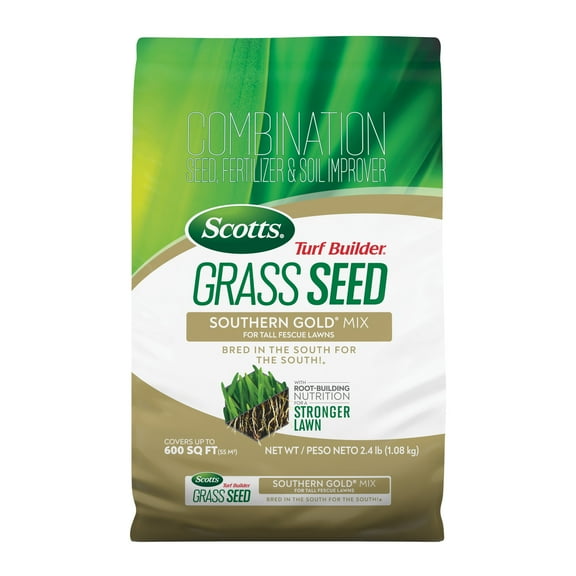
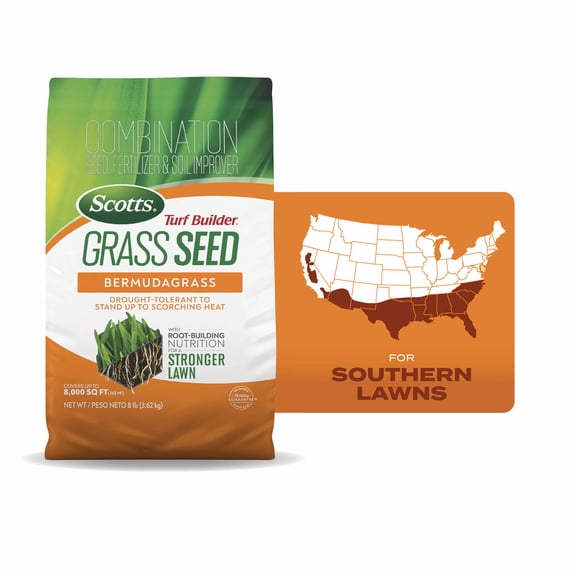
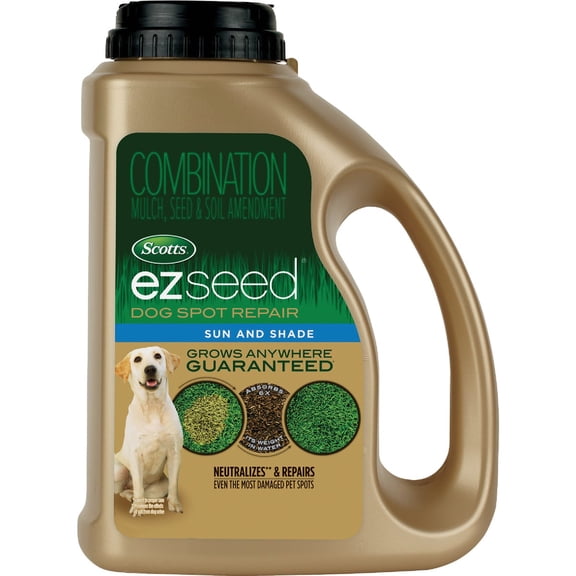
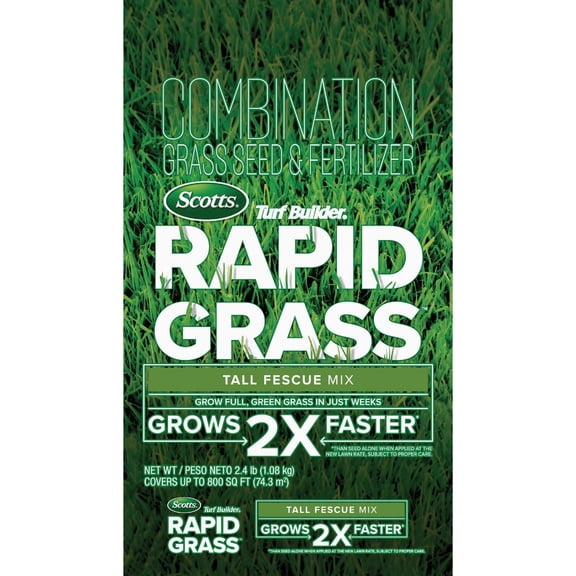
You can choose turf builder products with confidence when you match them to your grass type, season, and lawn goals. You'll find options for feeding existing grass, starting new seed, and supporting thicker, greener coverage across different yard sizes.
Choosing the right turf builder for your lawn type
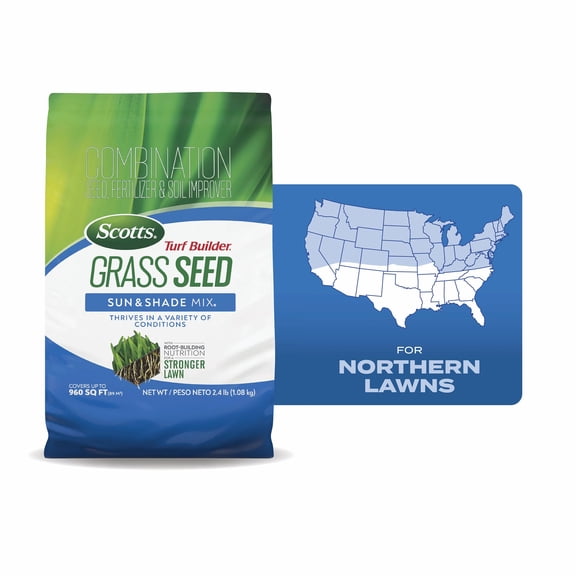
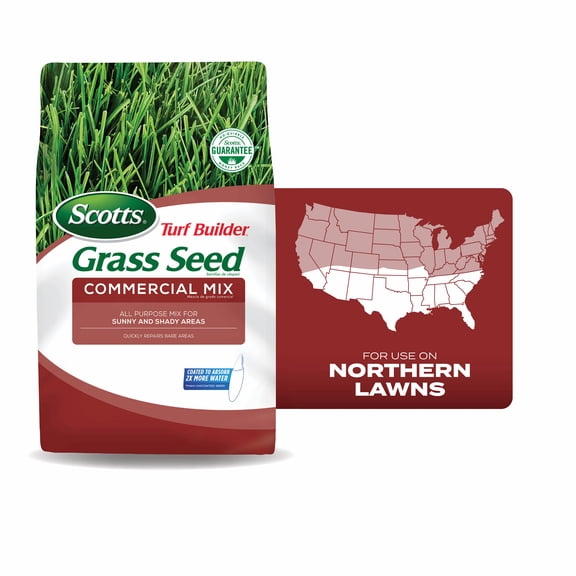
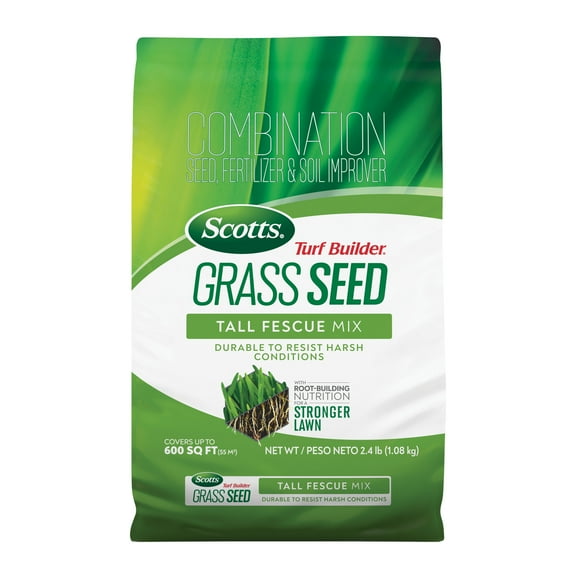
You should start with grass compatibility because Bermuda, bluegrass, fescue, and ryegrass can respond differently to feeding schedules. You'll get a tailored result when you compare labels for warm-season or cool-season use.
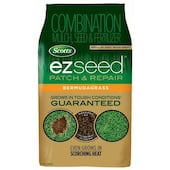
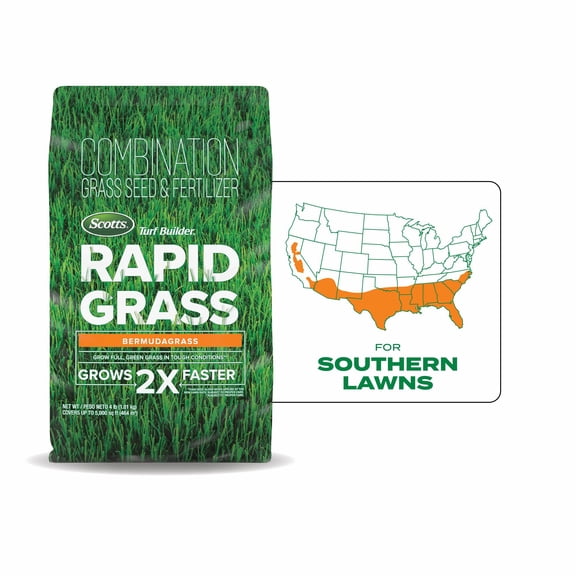
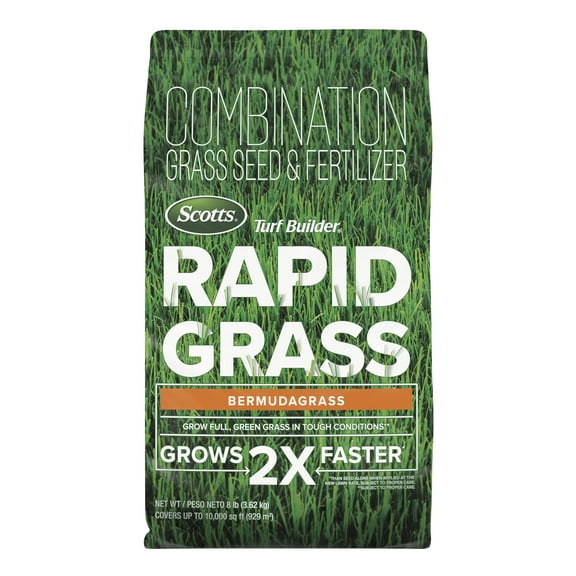
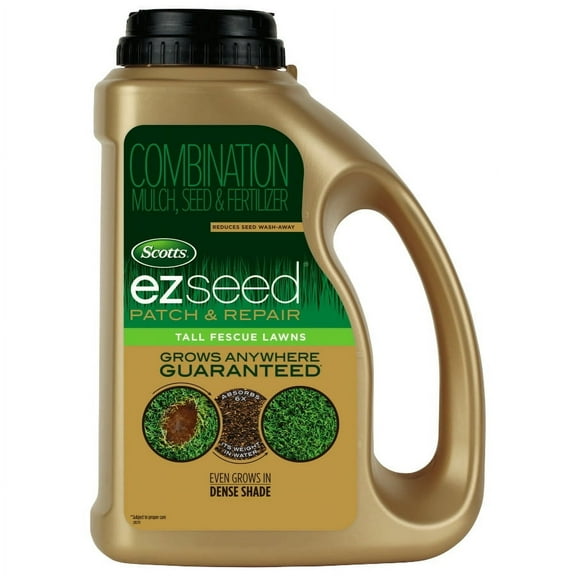
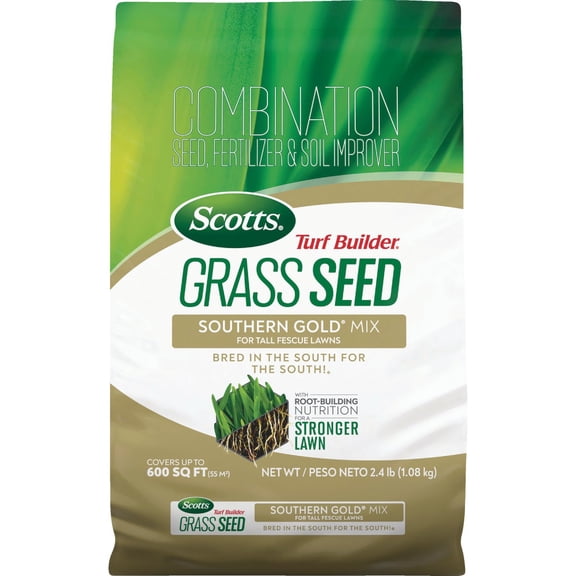
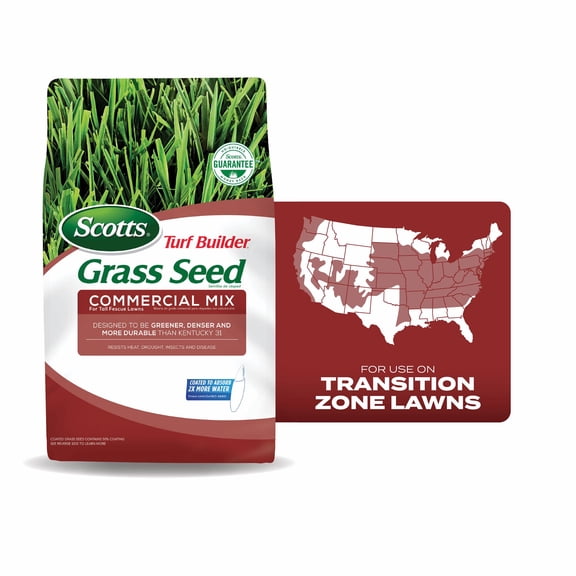
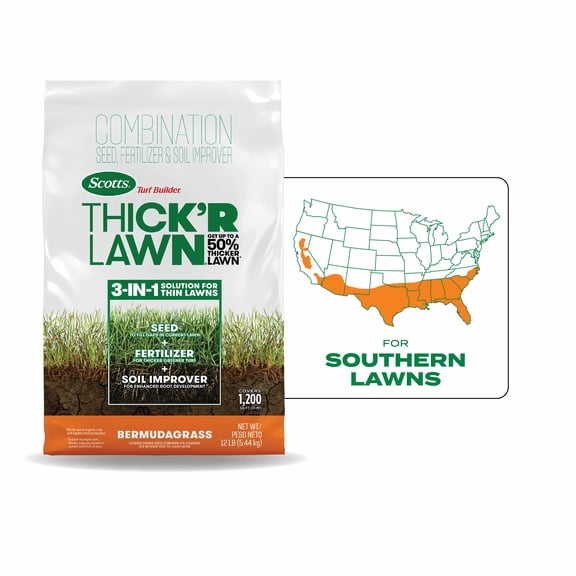
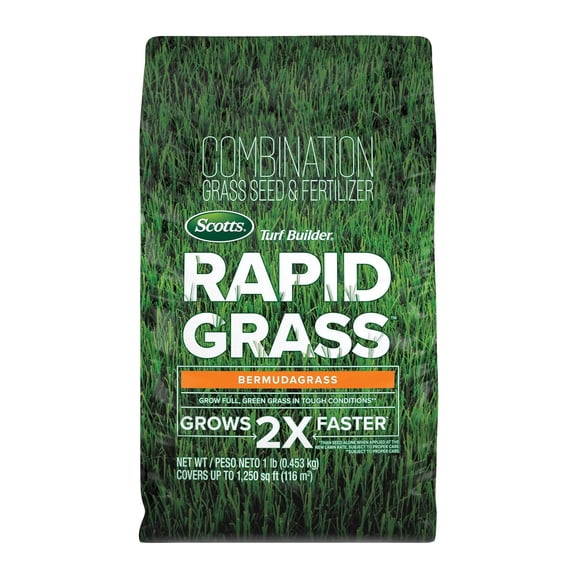
If you grow Bermuda grass, you may prefer formulas timed for active summer growth and regular mowing. If you maintain fescue or bluegrass, you'll often focus on spring feeding and fall lawn food timing.
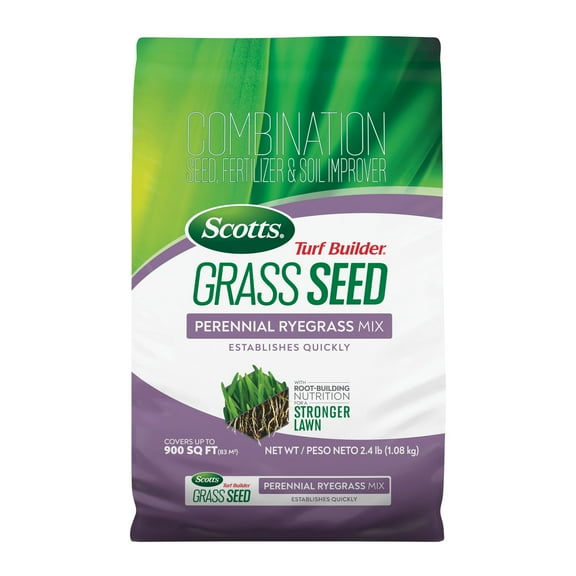
Ryegrass lawns can benefit from products matched to quick establishment and seasonal color support. You can also compare new lawn starter choices when your yard includes fresh seed or overseeded patches.
How to compare turf builder product forms
You can narrow your options by deciding between granular and liquid formats before you check other details. You'll usually use granular products with a spreader, while liquid choices can suit targeted applications.
Granular turf builder works well when you want broad, even coverage across a full yard. You'll often find bag sizes matched to 5,000, 10,000, or 15,000 square feet, which simplifies planning.
Liquid formulas can make sense when you want a quick setup for smaller areas or touch-ups. You'll want to check the label directions closely so your application rate matches your lawn size.
- You can use granular formulas for wide coverage and clear spreader-based application.
- You can choose liquid options when your yard needs smaller, targeted coverage.
- You should match the bag or bottle size to your square footage before you apply.
- You can compare starter, greening, thickening, and weed control benefits by season.
What to look for in coverage area and spreader settings
You should measure your lawn before you choose a package size because coverage claims guide how much product you'll need. You'll avoid uneven feeding when your 5,000, 10,000, or 15,000 square foot estimate is accurate.
Spreader settings matter because they help you apply the right amount across the right space. You'll want to check whether your spreader type matches the label guidance and calibration numbers.
If you use too little, you may see patchy color and uneven growth across your yard. If you use too much, you'll run out early and create inconsistent coverage patterns.
Choosing benefits: weed control, thickening, greening, or starter support
You should choose your primary benefit based on what your lawn looks like right now. You'll likely focus on weed and feed when weeds compete with grass, or lawn food when your turf mainly needs color.
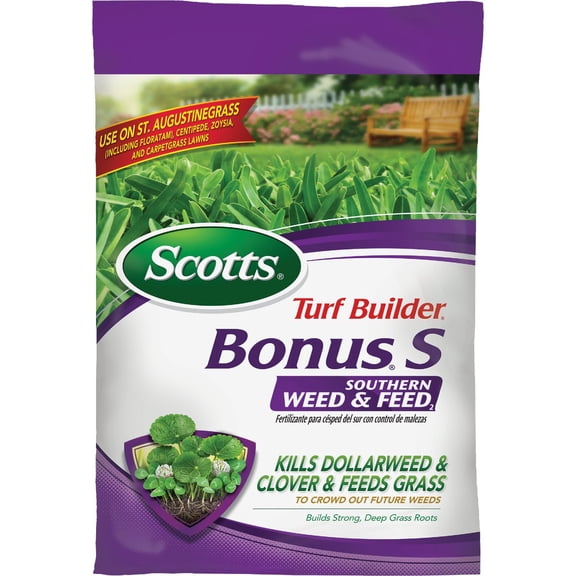
Turf builder weed and feed options can help you combine feeding with weed control in one lawn routine. You'll want to check timing carefully because some formulas align with active weed growth periods.
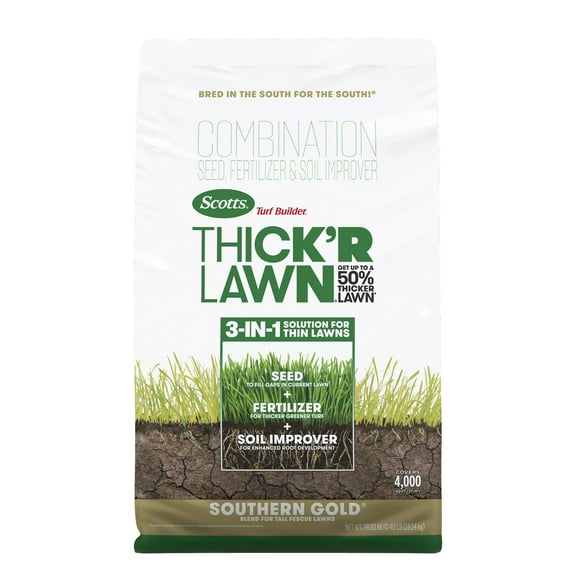
If your yard looks thin, you may want formulas aimed at thickening rather than basic feeding alone. When you're planting fresh seed, you'll usually compare starter products that support new lawn establishment.
For steady color, you can look at greening formulas that fit your mowing and watering routine. You'll often see spring turf builder choices for early-season feeding and fall lawn food for root-focused seasonal care.
When to apply turf builder through the year
You can make an informed choice when you match the product to spring, summer, or fall conditions. You'll often feed cool-season lawns in spring and fall, while warm-season lawns may need summer-focused timing.
Spring applications can support early growth and help your lawn wake up evenly after winter. You'll want to apply at the label rate and water as directed for consistent coverage.
Fall timing can be useful when you want to support root growth and prepare for the next growing cycle. You can also pair fall feeding with overseeding when your lawn has thin spots.
Summer products may fit active Bermuda lawns and other warm-season grass types during peak growth. You'll need to compare labels so your product aligns with heat, grass type, and planned watering.
How to handle pet and family routines after application
You should always check label directions if pets and children use your yard often. You'll usually see guidance about watering-in requirements and how long to wait before normal lawn traffic resumes.
Some products need watering after application so the material moves into the soil and grass canopy. You'll want to plan your timing around sprinklers, hoses, and the yard activities you expect that day.
If you're using weed control formulas, you should read the instructions carefully. You'll make a clear choice when you compare dry time, watering steps, and use directions before application.
Why turf builder choices work for different lawn goals
You can build an effective lawn care plan when you compare grass type, product form, coverage area, seasonality, and benefit together. You'll make a clear decision when those details match your spreader, schedule, and yard size.
At Walmart, you can explore turf builder options for feeding, seeding, thickening, and weed control with practical filters. You'll get closer to an even, greener lawn when your product matches your lawn's real conditions.