

Varathane Polyurethane & Protective Wood Finishes








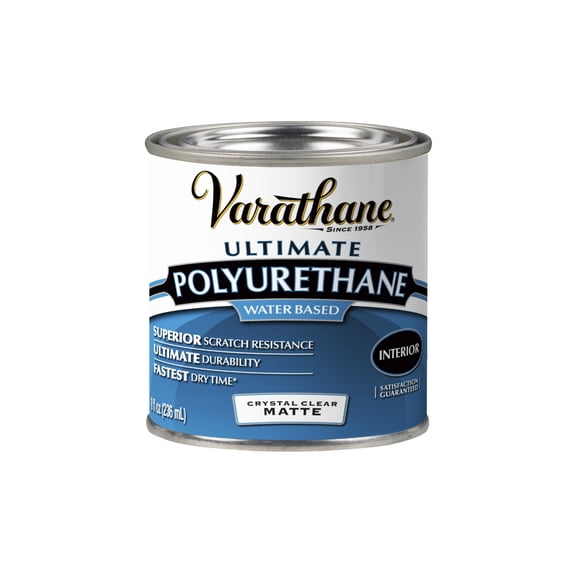
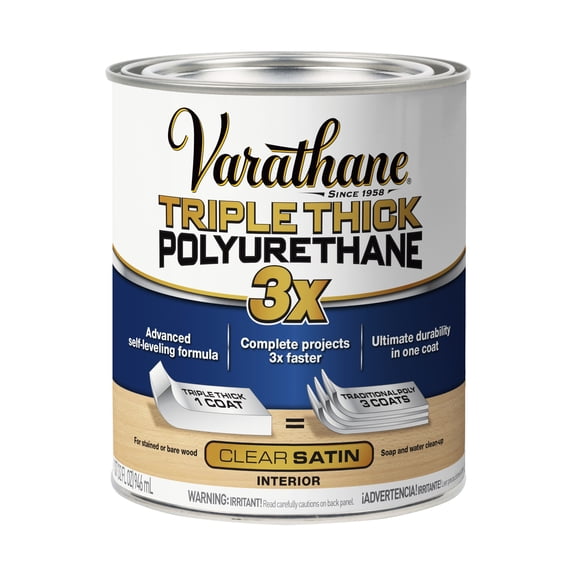
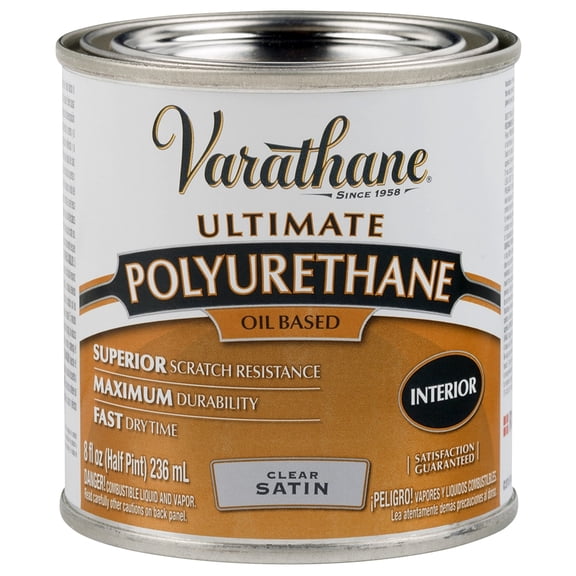

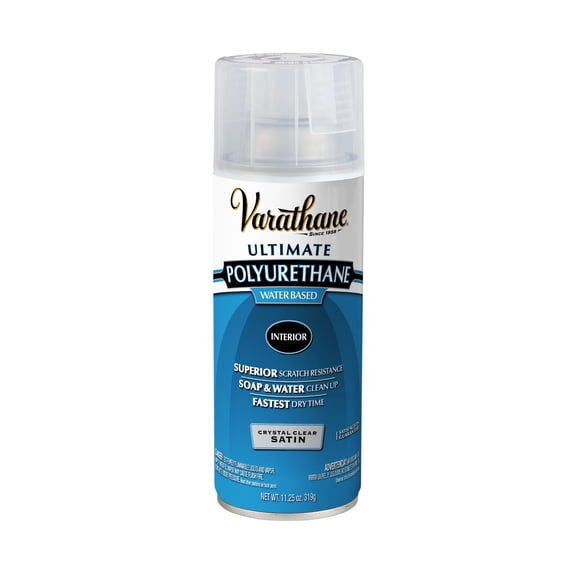


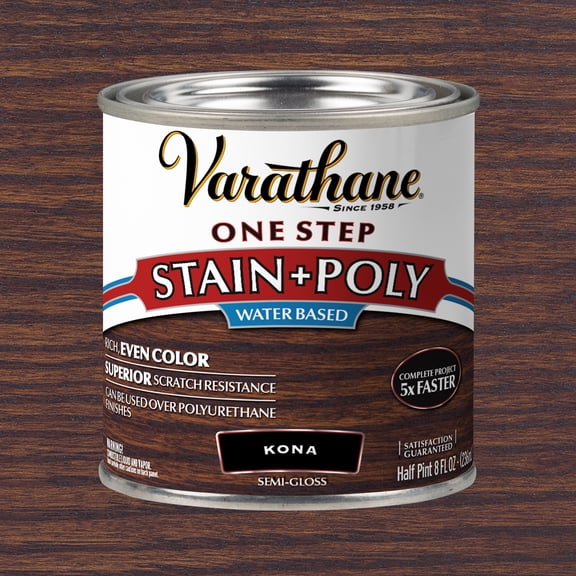
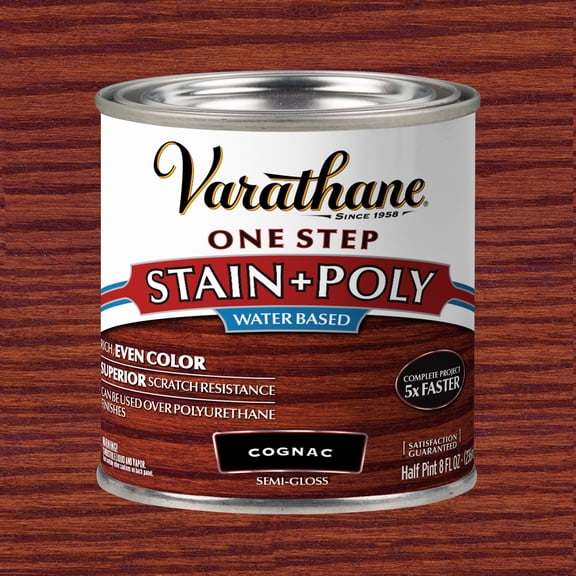
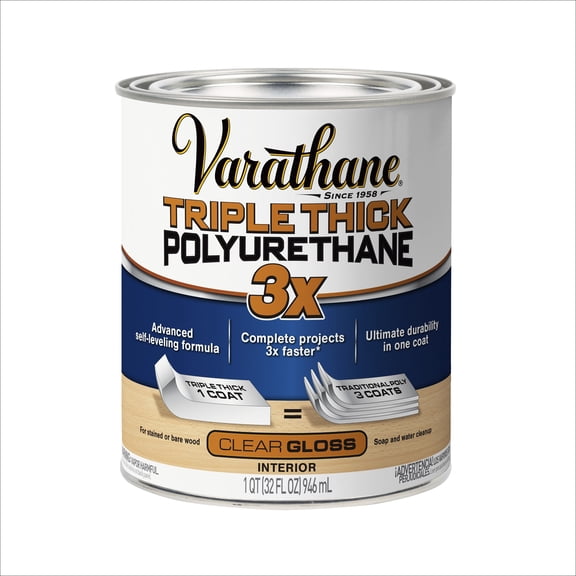


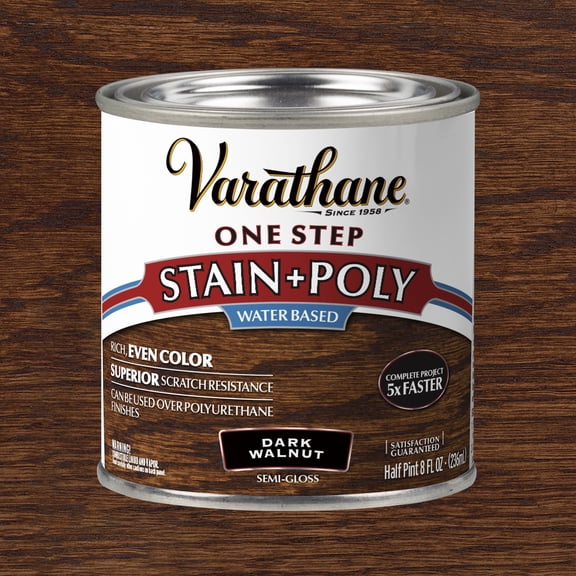





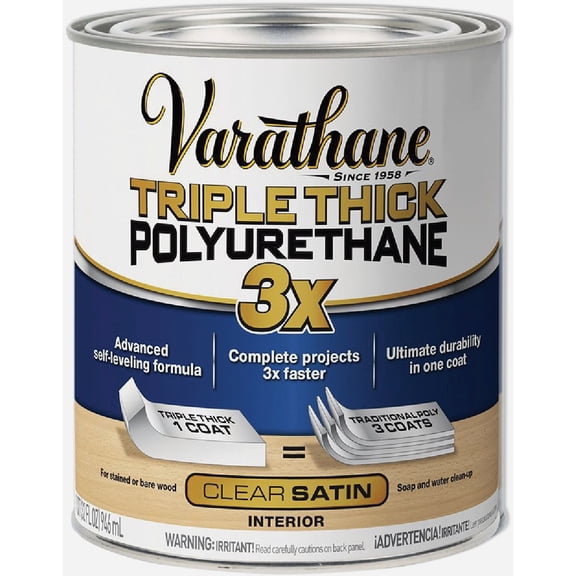
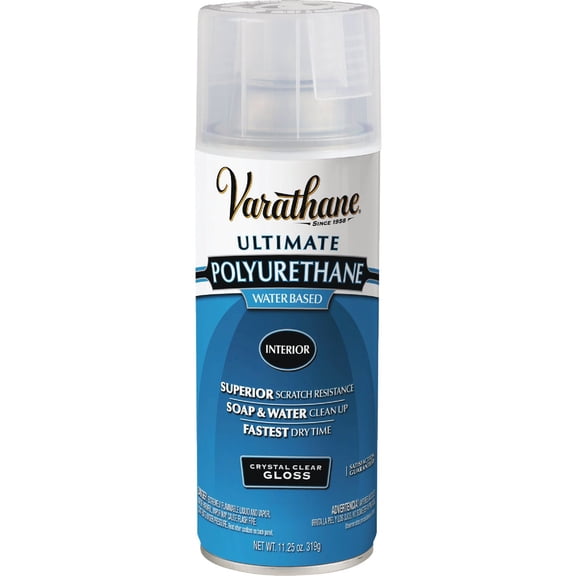

About Varathane Polyurethane & Protective Wood Finishes - Walmart.com
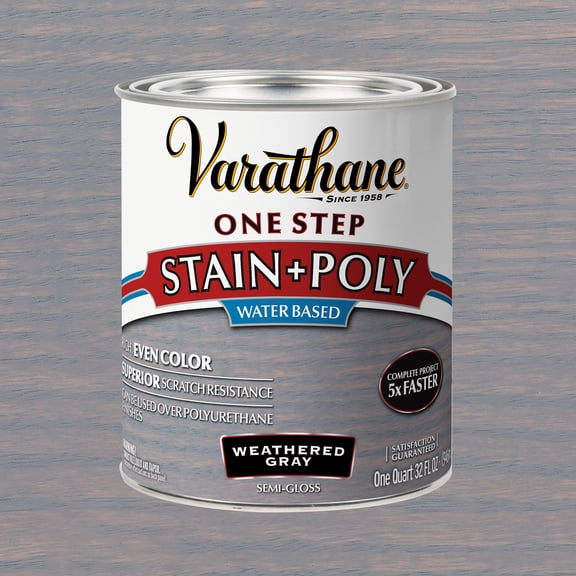
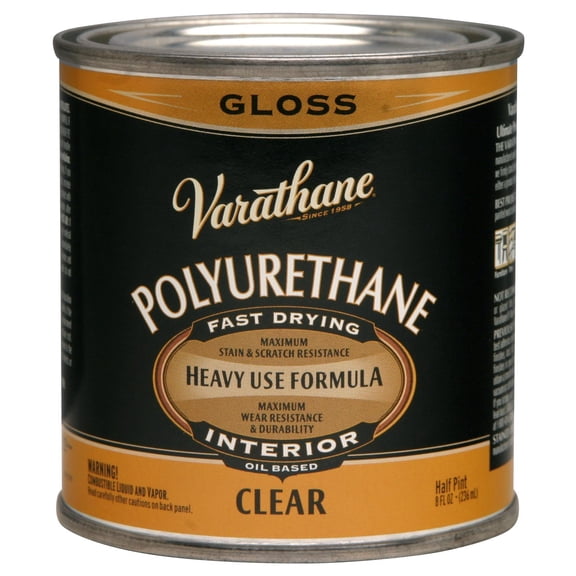
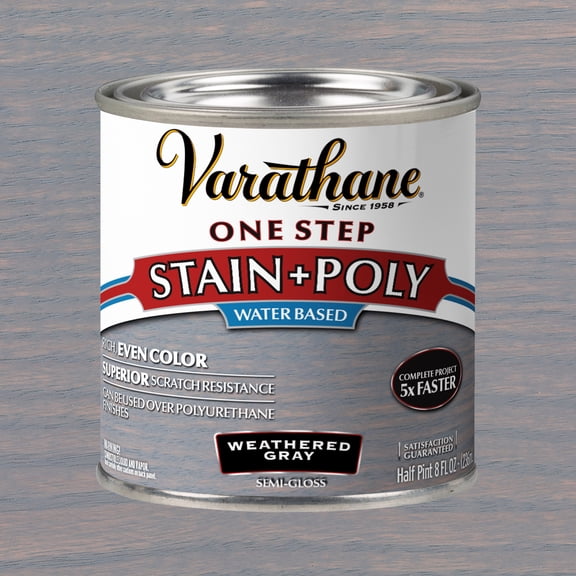
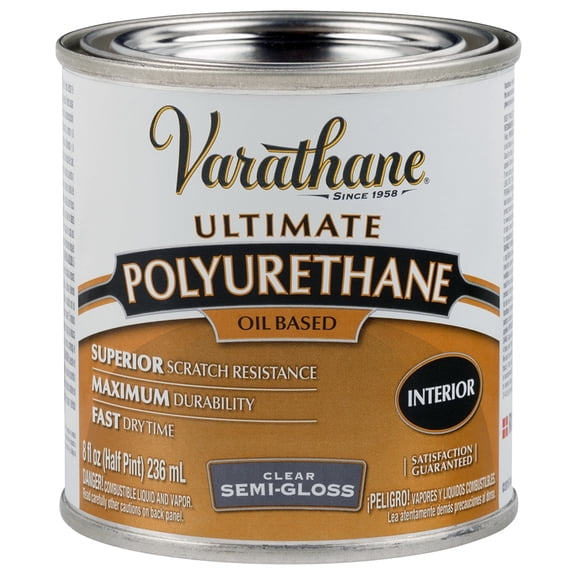
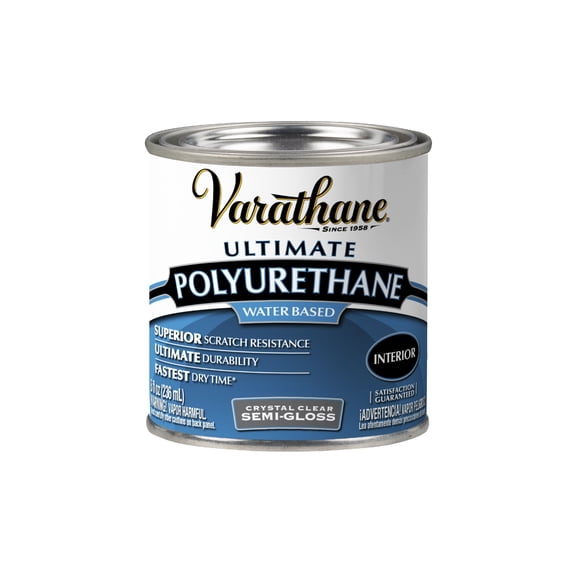
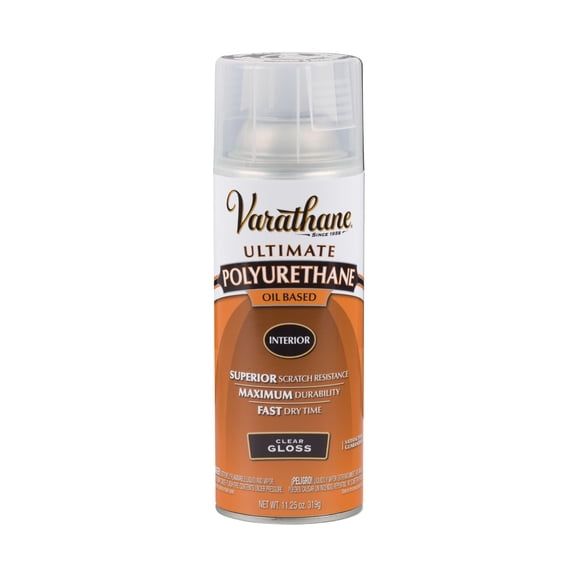
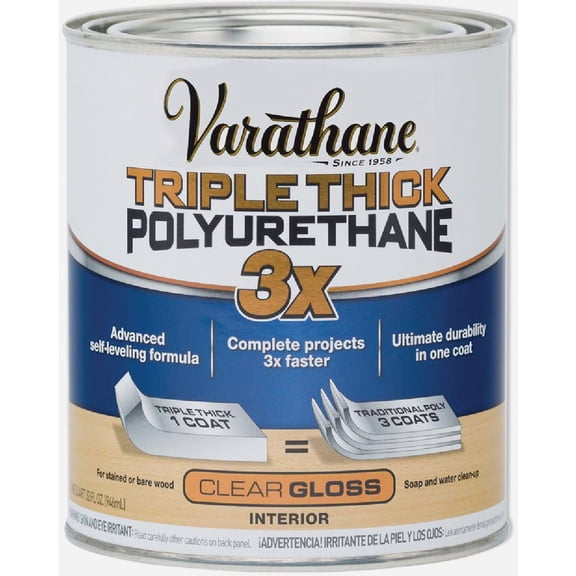
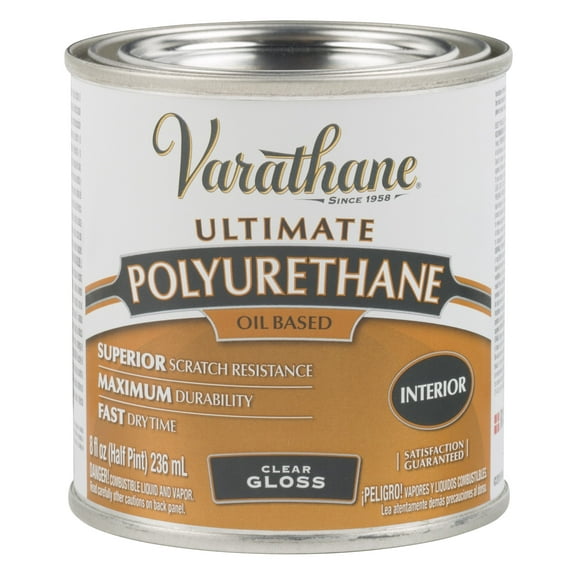
Varathane polyurethane helps you protect wood surfaces with clear coverage, finish options, and project-specific formulas for furniture, floors, trim, and more. You can compare water-based and oil-based choices, pick your sheen, and match the application method to your project.
How to choose varathane polyurethane
You should start with where your project sits and how you want the finished wood to look. You can then compare base type, sheen level, and application style with less guesswork.
When you choose a clear wood finish, you protect stained or bare wood without hiding the grain. You can still see the character of oak, pine, maple, and other wood species.
You may want a polyurethane wood sealer for tabletops, cabinets, doors, floors, or trim that gets regular contact. You can choose the right formula to help the surface keep its look through repeated everyday use.
Choosing between water-based and oil-based polyurethane
You should compare drying speed first because it shapes how you plan your project. You can find water based polyurethane helpful for faster recoats and cleanup with soap and water.
If you want the wood color to stay closer to its original tone, you may prefer water-based formulas. You can often see less ambering over time on lighter woods and light stains.
You may choose oil based polyurethane when you want a richer, warmer look on darker wood. You can expect mineral spirits for cleanup, and you should plan for longer drying times between coats.
For interior surfaces, you should check whether your project needs a quick turnaround or a traditional warm finish. For exterior surfaces, you can compare formulas designed for weather exposure and UV blockers.
- You can choose water-based formulas for quicker recoats and easier cleanup.
- You can choose oil-based formulas when you want a warmer amber tone.
- You should check interior or exterior labeling before starting your project.
- You can match brush-on, spray-on, or wipe-on styles to your comfort level.
Selecting the right clear wood finish sheen
You should pick sheen based on how much shine you want in the room. You can also notice each finish changes how surface marks and dust show during daily use.
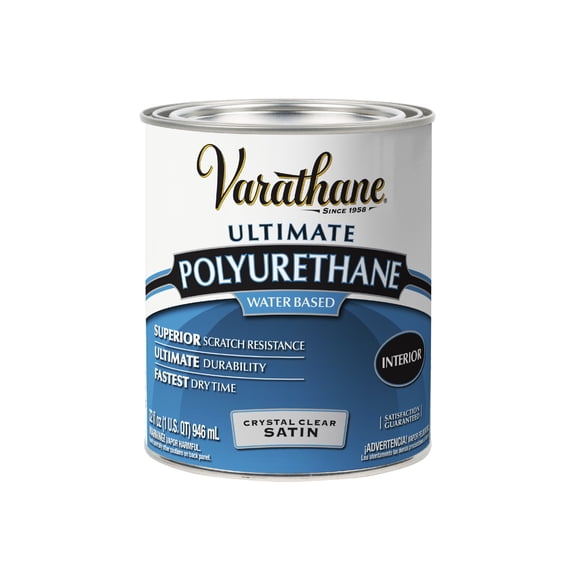
If you choose satin polyurethane, you get a soft, low-luster look that works well on many furniture and floor projects. You may like satin when you want a calmer finish that does not look overly shiny.
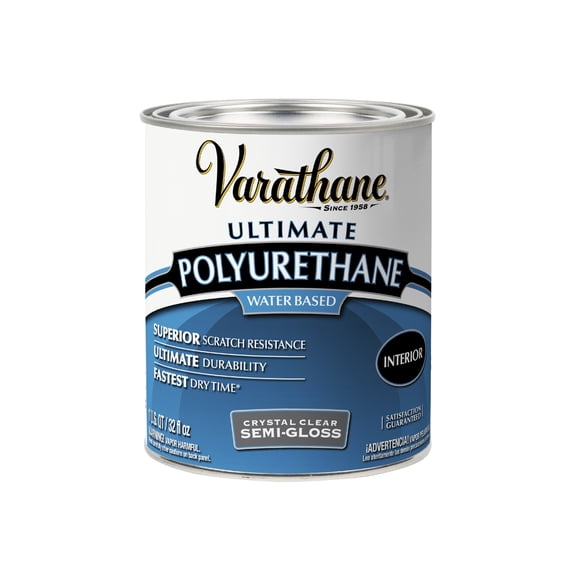
When you choose semi-gloss, you get more light reflection and a brighter finished surface. You may prefer it for trim, cabinets, or doors where you want a crisp finished look.
If you choose gloss, you can see high shine and stronger reflection across the wood grain. You should consider it when you want a polished appearance that highlights decorative pieces.
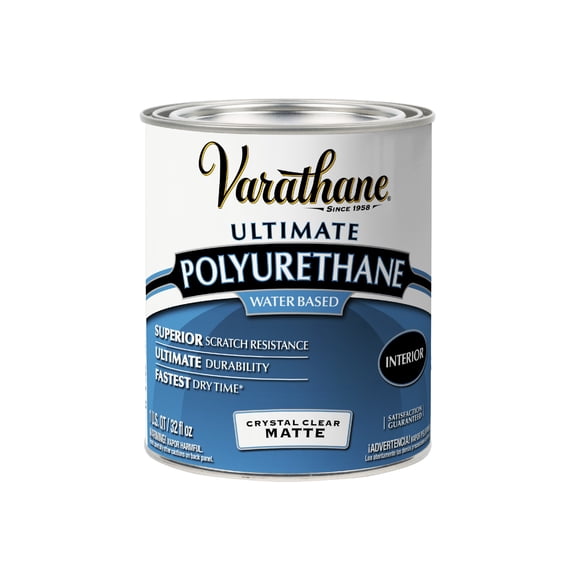
You may also see matte options when you want minimal shine. You can get a more understated look that keeps attention on the wood texture instead of reflection.
Comparing application methods and coat planning
You should choose brush-on formulas when you want steady control on broad, flat areas. You can find brush-on application useful for tabletops, cabinets, stair parts, and trim.
If you want faster coverage on detailed shapes or larger surfaces, you may compare spray-on options. You should check your setup because spray application works differently from brushing corners and edges.
You can consider wipe-on finishes when you want thinner coats and more control on small projects. You may like wipe-on formulas for chairs, décor, and other pieces with contours.
You should also plan your coat count before you begin because clear finishes build protection in layers. You can often apply multiple coats, letting each layer dry before light sanding and recoating.
For many interior projects, you may expect two to three coats, depending on the surface and desired look. You should read the label directions because dry times and recoat windows can vary.
Matching project location to the right polyurethane wood sealer
You should separate interior and exterior jobs before comparing anything else. You need the right formula because sunlight, moisture, and temperature changes affect outdoor wood differently.
For interior projects, you may focus on appearance, touch, and everyday wear on furniture, shelves, and floors. You should look for a finish that fits how often the surface gets handled or walked on.
If your project sits outside, you should look for exterior formulas made for weather exposure. You can choose UV blockers and weather-resistant features that support outdoor doors, railings, and patio pieces.
You may also match sheen to location because lighting changes how a surface reads indoors and outdoors. You can find satin looks quieter, while gloss stands out more in direct light.
How you can use varathane polyurethane around your home
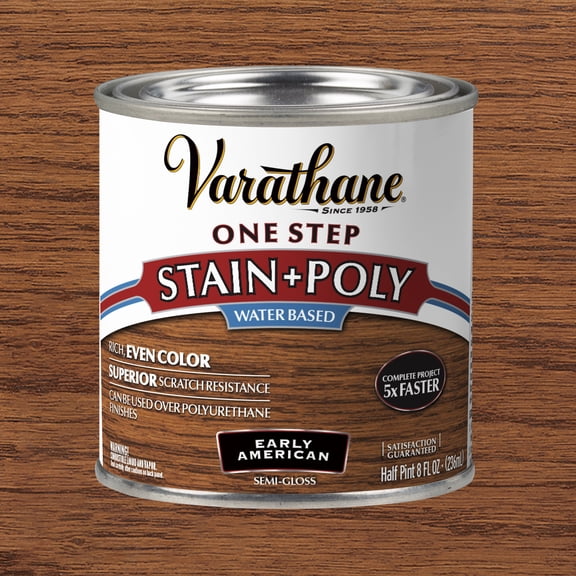
You can use varathane polyurethane after staining a dining table, bookshelf, or coffee table to add a clear final layer. You keep the stain color visible while giving the wood a finished look.
On floors and stair treads, you should compare sheen and base type based on traffic and drying schedule. You may prefer water-based options when you want a faster return to use.
For cabinets, trim, and doors, you can compare semi-gloss and satin depending on how much shine suits the space. You get a more tailored result when the sheen matches your room style.
If you are refreshing outdoor wood, you should check exterior labeling before starting any coat. You get a more project-appropriate finish when the formula matches the location from the start.
You can make a smarter finish choice when you compare base type, sheen, application method, and project location together. With varathane polyurethane, you can narrow the options faster and finish wood with a clear, intentional result.