

Virtual Reality in Video Games
































About Virtual Reality in Video Games - Walmart.com
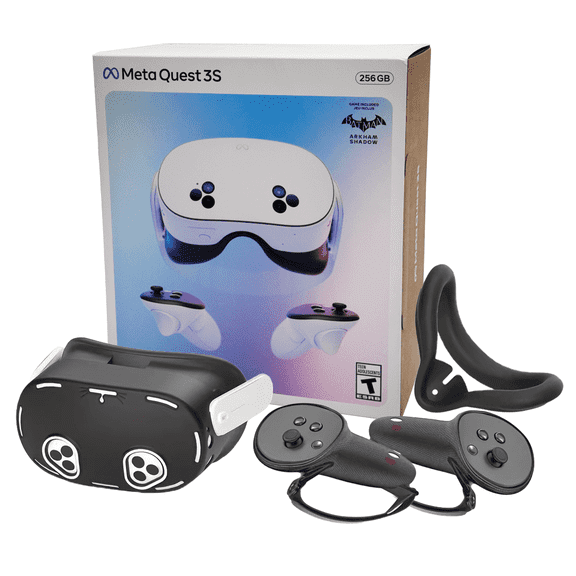
Virtual reality brings immersive play home with headsets, motion tracking, and interactive worlds that feel built around your movements. This category covers standalone devices, console-ready options, and accessories that shape a complete setup. You can compare screen comfort, controller styles, and game libraries in one place. That makes it easier to match your space, platform, and play style.
Why virtual reality stands out
VR changes how you play because your head and hand movements become part of the action. Instead of watching from a couch, you look around corners, reach for items, and react in real time.
That hands-on format fits many gaming styles. Rhythm titles use timing and motion. Exploration games reward scanning your surroundings. Driving and flight experiences feel more engaging with a headset view.
- Immersive visuals place the game world around you, not just on a flat screen.
- Motion controllers turn swings, grabs, and gestures into direct in-game actions.
- Roomscale support adds movement across your play area for active sessions.
- Standalone models reduce cable clutter and simplify setup for quick play.
- Platform-specific titles help you choose a library that matches your favorite genres.
Virtual reality games also create a different social feel. Some support online multiplayer, while others focus on shared reactions during local viewing. That mix appeals to solo players and group game nights.
Virtual reality games and hardware features
Screen resolution, refresh rate, and field of view shape how each headset feels during play. Higher clarity helps menus, text, and distant details look cleaner. Smooth motion matters for racing, rhythm, and action-heavy sessions.
Tracking style is another major decision point. Inside-out tracking uses built-in sensors, which keeps setup simple. External tracking can support precise motion capture in larger play spaces.
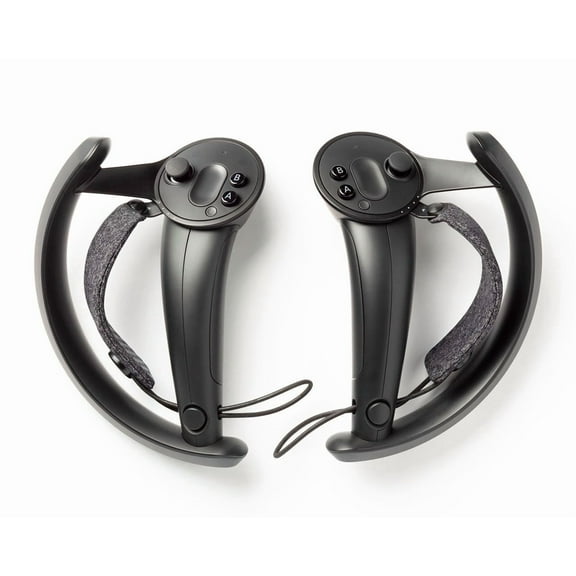
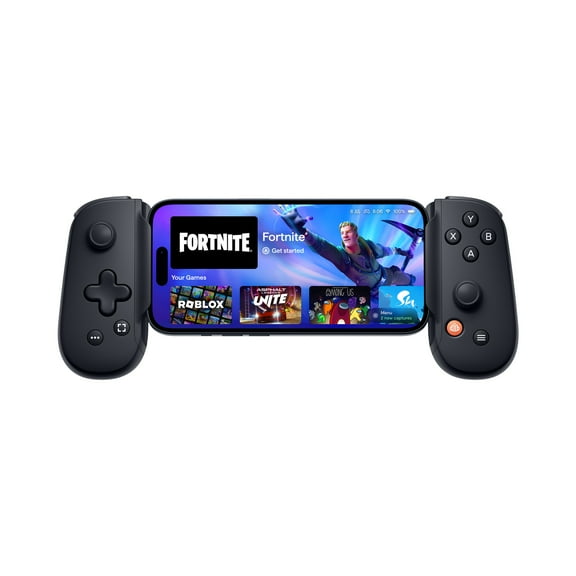
Controller design affects comfort and control. Some include analog sticks, triggers, and grip buttons for traditional movement. Others focus on gesture input, which suits sports, puzzle, and creative titles.
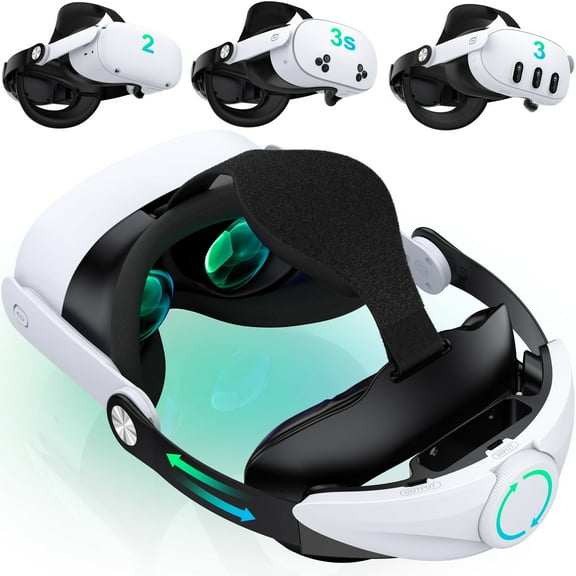
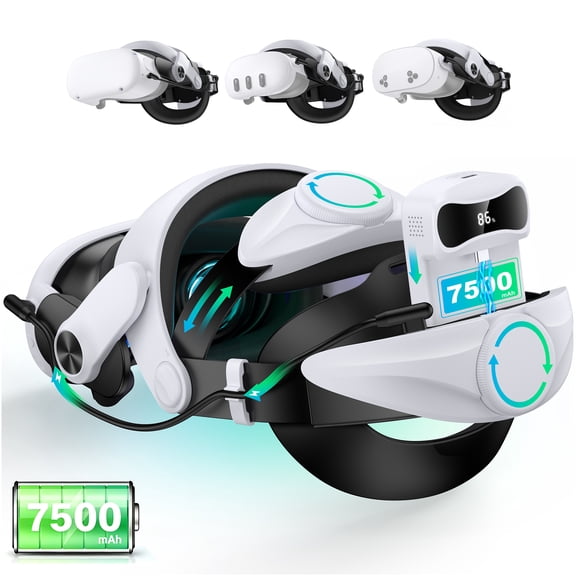
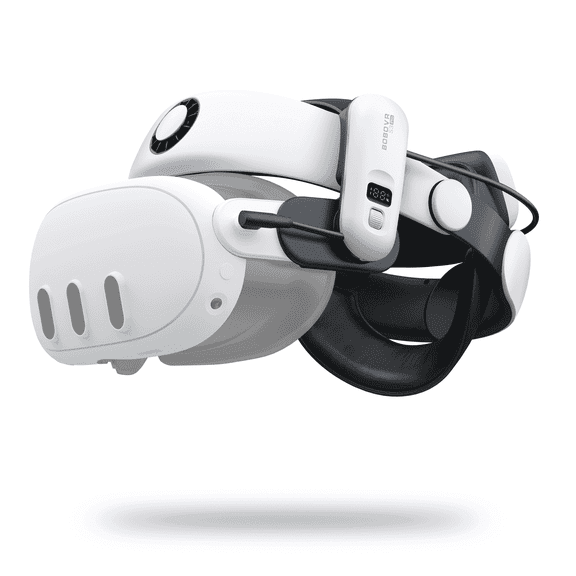
Storage capacity matters if you download several games directly to the device. Battery life also shapes longer sessions on portable headsets. Adjustable straps and face padding can improve fit across different users.
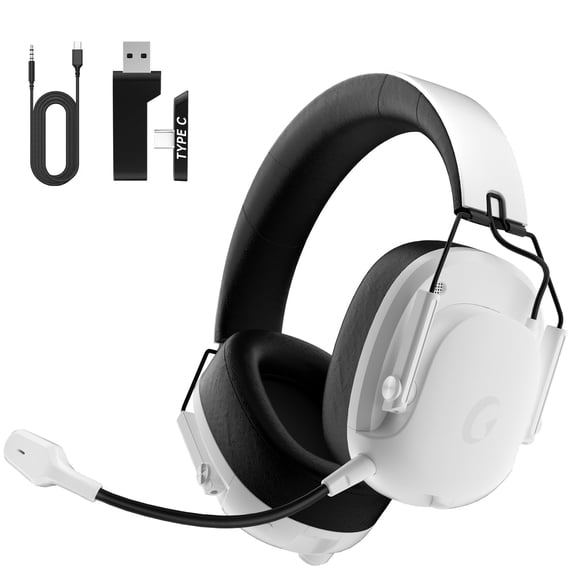
A vr game system may connect to a console, pair with a gaming PC, or work entirely on its own. That difference affects setup steps, graphics options, and the game catalog you can access. Checking compatibility before choosing keeps your setup aligned.
Choosing the right vr game system
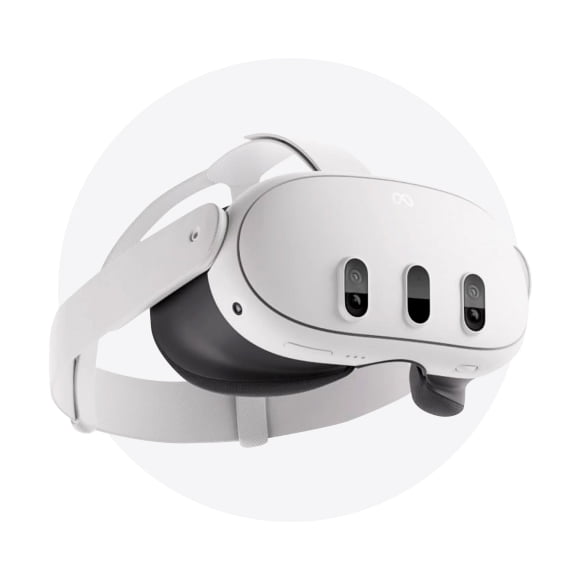
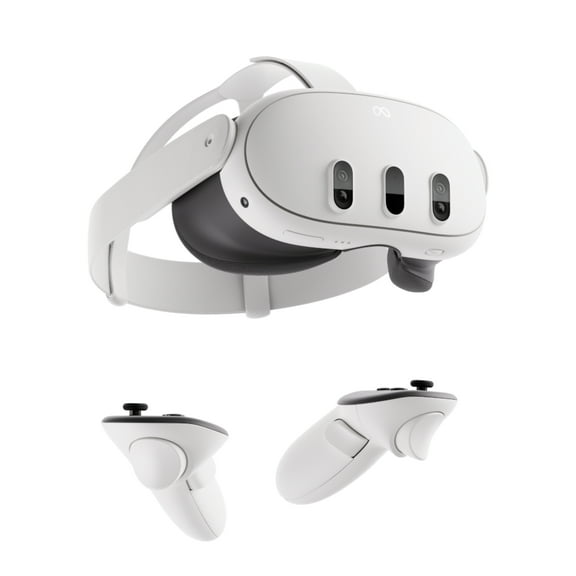
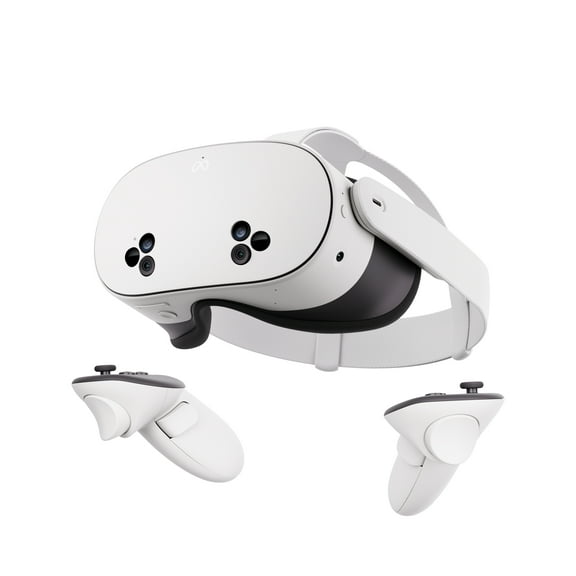
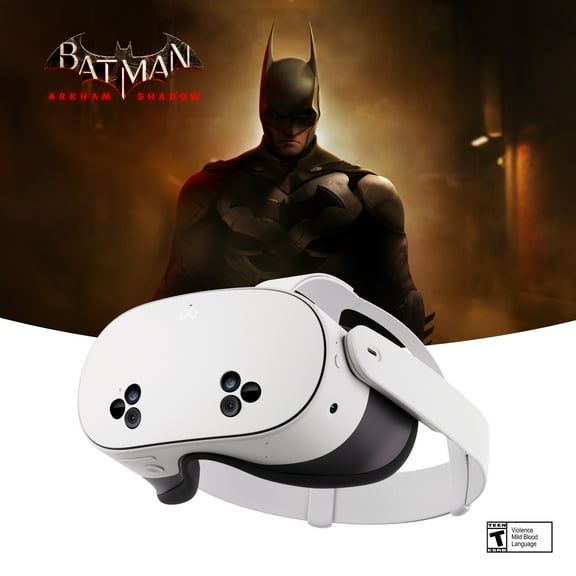
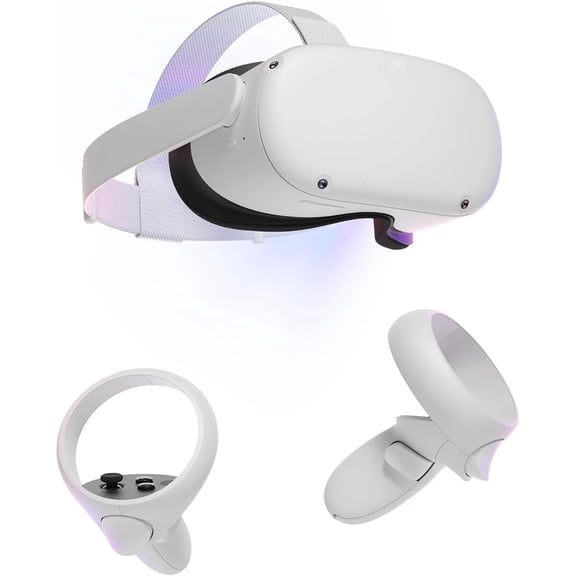
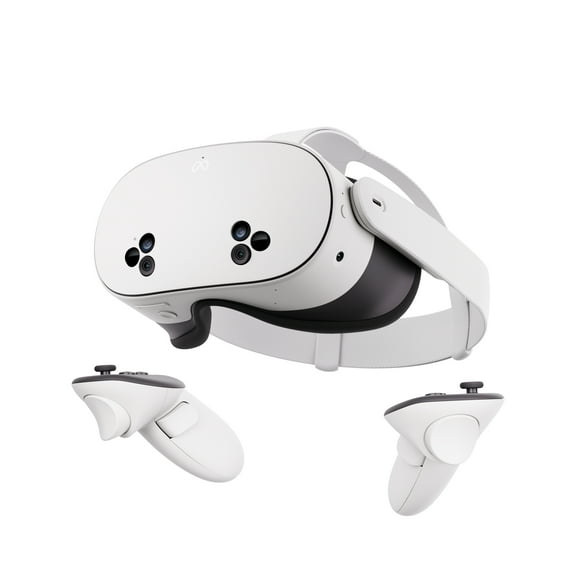
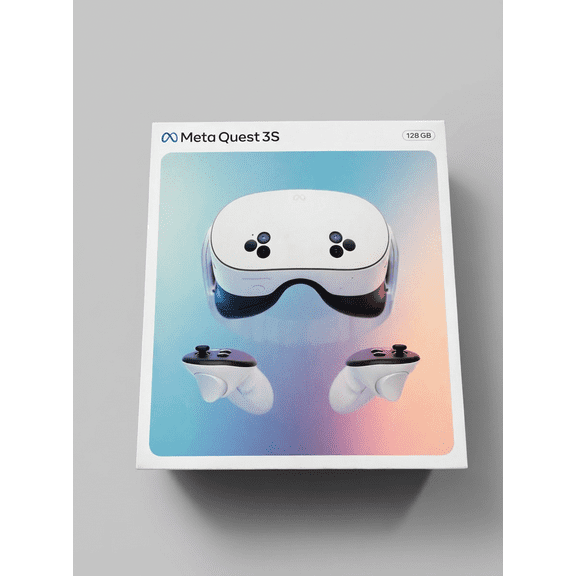
Standalone headsets work well if you want fewer cords and a faster start. They store games on the device and often support simple guardian setup. That makes them practical for shared spaces and casual sessions.
PC-connected models fit players who want advanced graphics settings and access to broader software libraries. These setups can support simulators, detailed environments, and specialized accessories. They usually need a compatible computer and enough space for sensors or movement.
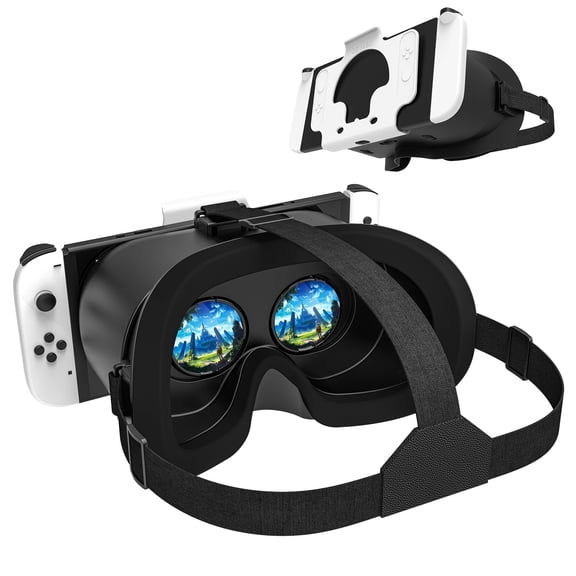
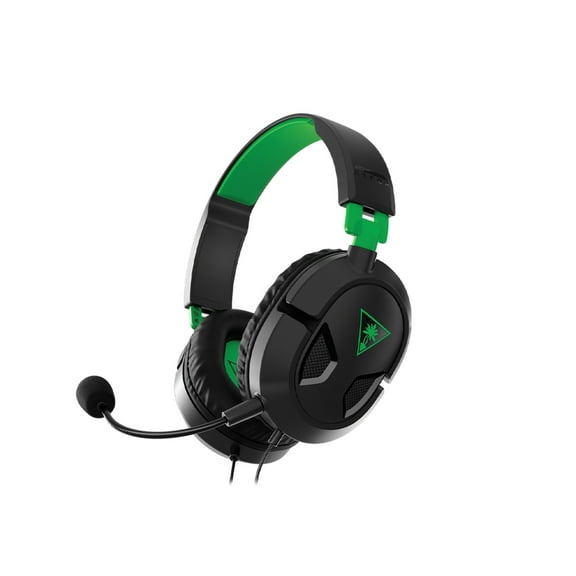
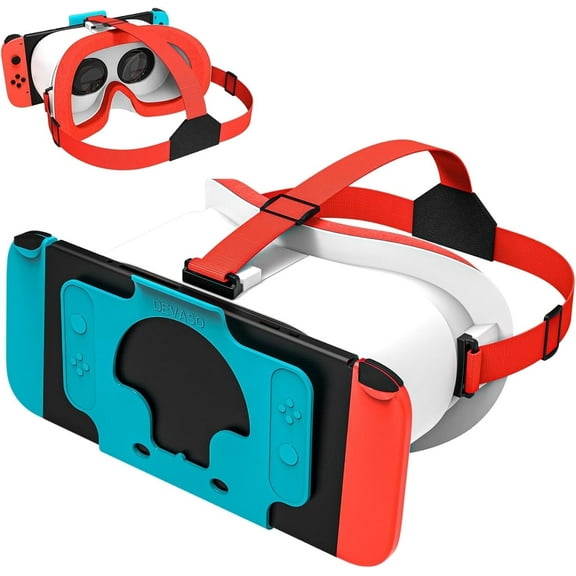
Console-compatible options make sense if you already play on a supported system. They connect virtual video games with a familiar account, controller ecosystem, and living room setup. That can make the learning curve feel easier.
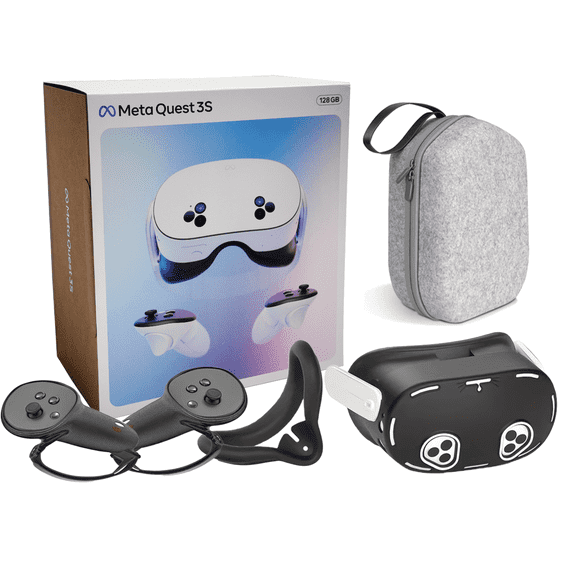
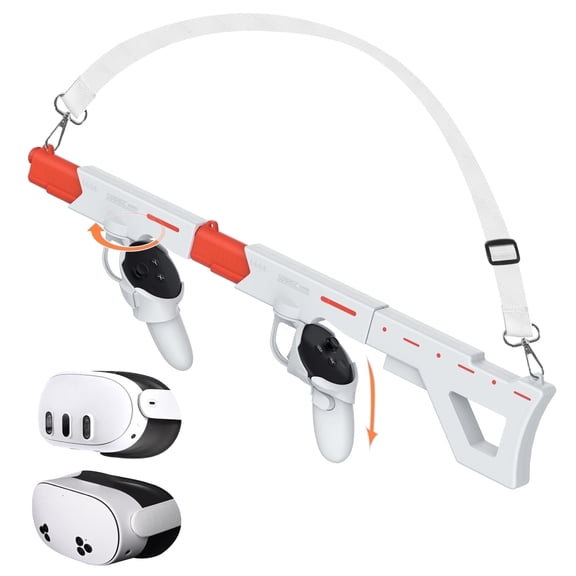
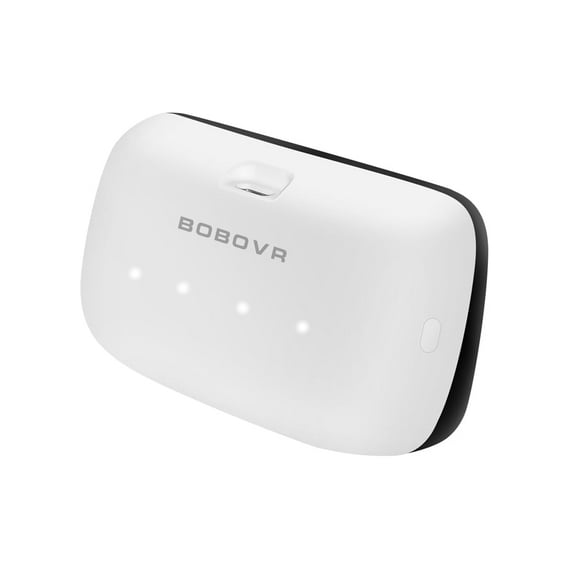
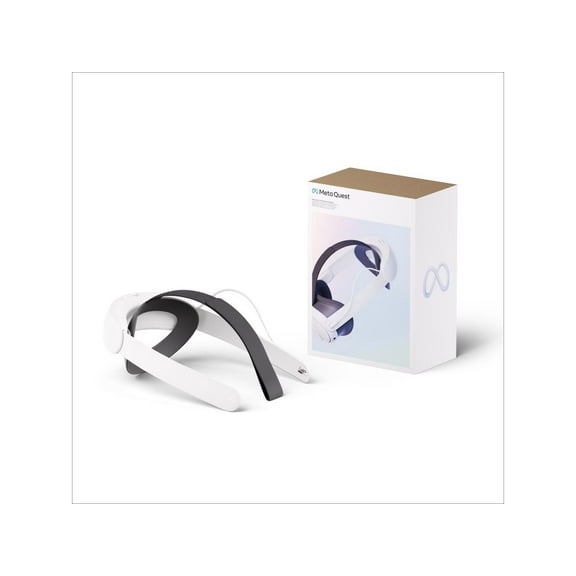
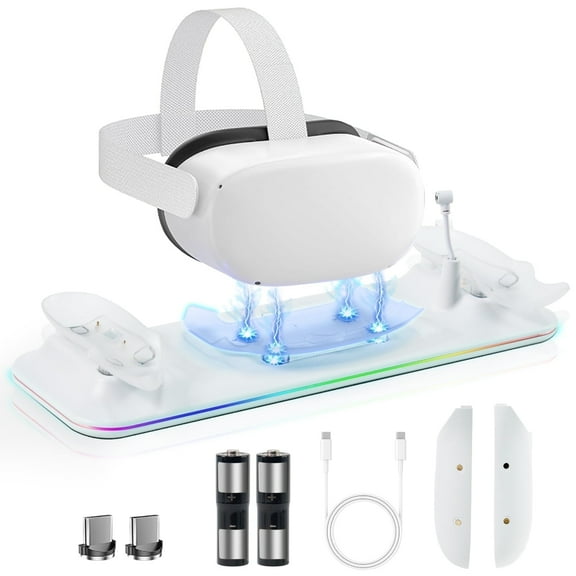
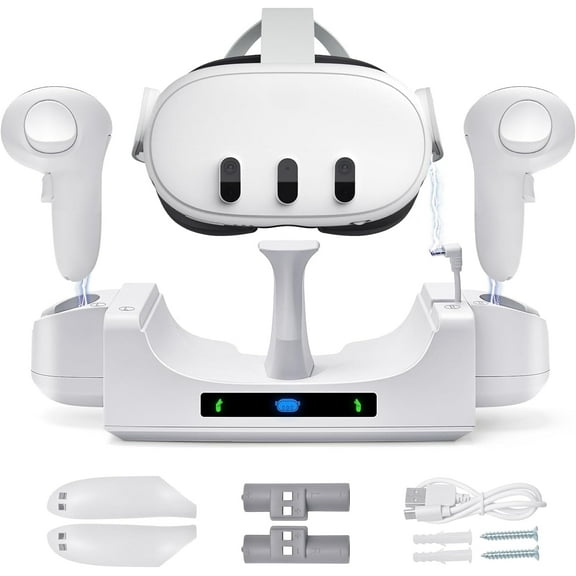
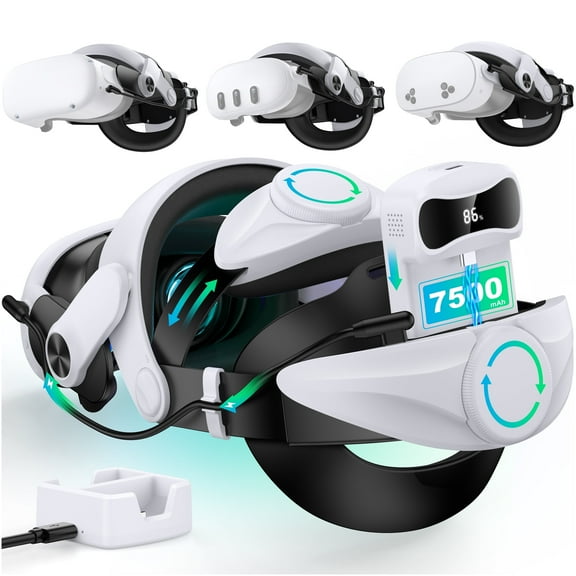
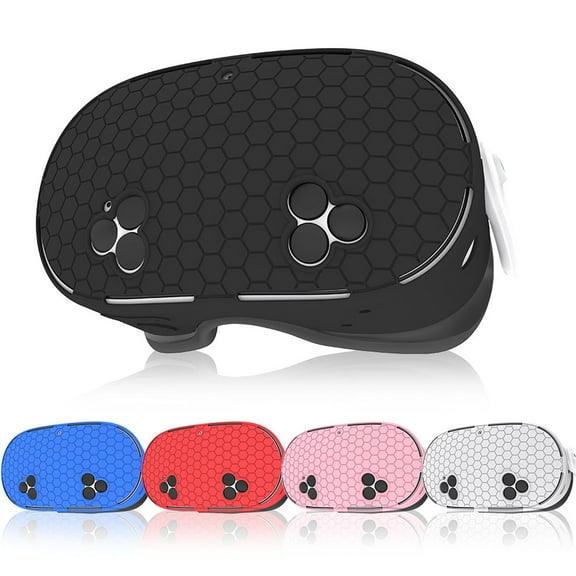
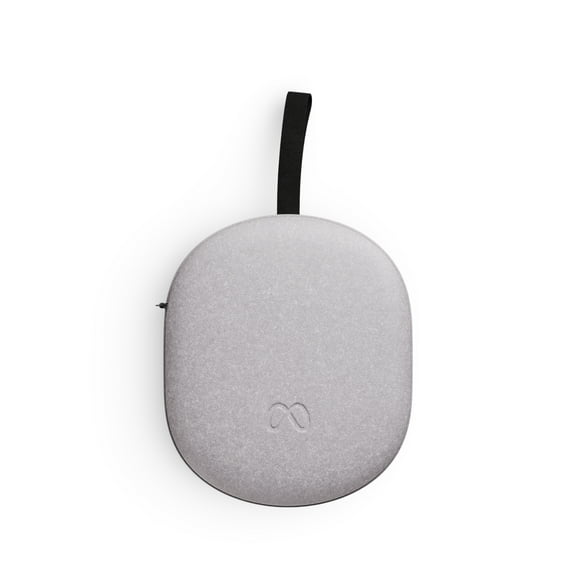
Accessories also shape the experience. Charging docks keep controllers ready between sessions. Carrying cases help with storage and transport. Replacement face cushions and head straps can improve convenience for frequent use.
How virtual reality fits different play styles
If you enjoy quick sessions, rhythm and arcade titles are easy to jump into between other activities. They usually start fast and use intuitive movements. That makes them approachable for new users.
Story-driven players can explore puzzle adventures, cinematic worlds, and mystery games from a first-person perspective. Looking around naturally adds detail to each scene. Small environmental clues can feel more noticeable in VR.
Competitive players often look for sports titles, shooters, and multiplayer arenas with responsive controls. Movement style, tracking accuracy, and headset comfort matter here. These details can shape how natural each match feels.
Families and mixed-age households may prefer virtual reality options with simple menus and approachable mechanics. Lightweight headsets and easy controller layouts can help guests join faster. Party-friendly experiences also work well for gatherings.
If youu're comparing how much are vr games, library size and platform matter. Some systems rely on digital storefronts, while others connect to console ecosystems. Game pricing, bundles, and required hardware can differ by platform.
Virtual reality gives you a clearer path to immersive gaming when you match the headset, controls, and software to your setup. With the right combination, every session feels more interactive, more personal, and easier to enjoy from the first launch.