


Vitamin B12 Tablets & Letter Vitamins
















About Vitamin B12 Tablets & Letter Vitamins - Walmart.com
Letter vitamins help you choose specific nutrient support without committing to a broad multivitamin. You can compare vitamin types, forms, and strengths to match your daily routine more precisely.
If you want vitamins like A, B, C, D, E, or K, this category keeps your search focused. You can also sort options for adults, kids, seniors, and prenatal routines with clearer decision points.
How to choose letter vitamins by vitamin type
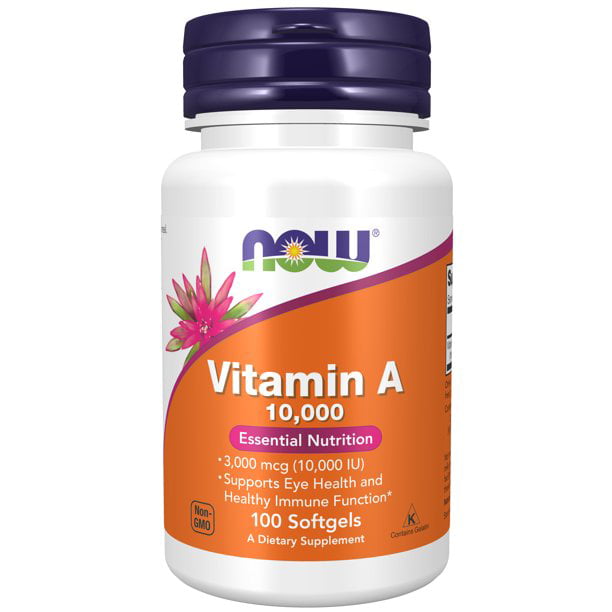
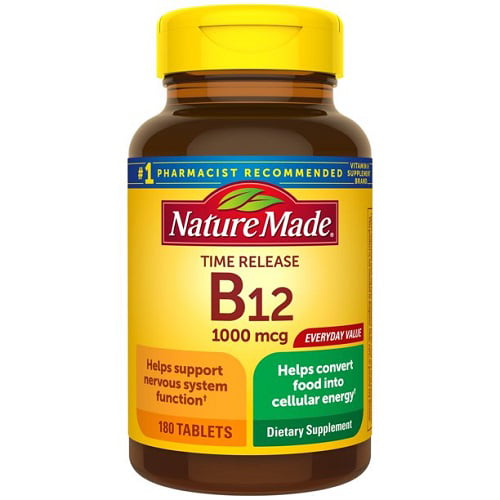
You should start with the specific vitamin type that fits your routine and label preferences. You can compare individual letter vitamins like A, B, C, D, E, and K without scanning unrelated blends.
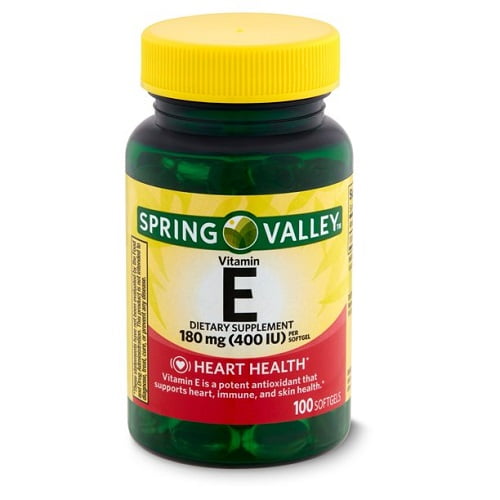
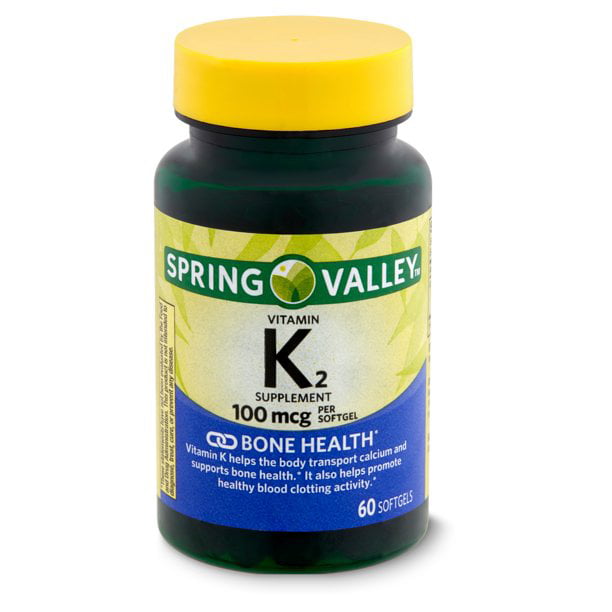
You’ll often see vitamin C and many B vitamins grouped as water-soluble options on educational guides. You can also find vitamins A, D, E, and K described as fat-soluble choices on labels.
You can use this category to narrow choices based on familiar wellness goals and package formats. You may look for immune support vitamins, energy-focused picks, bone health options, or skin health formulas.
- You can target one vitamin instead of choosing a broad multivitamin.
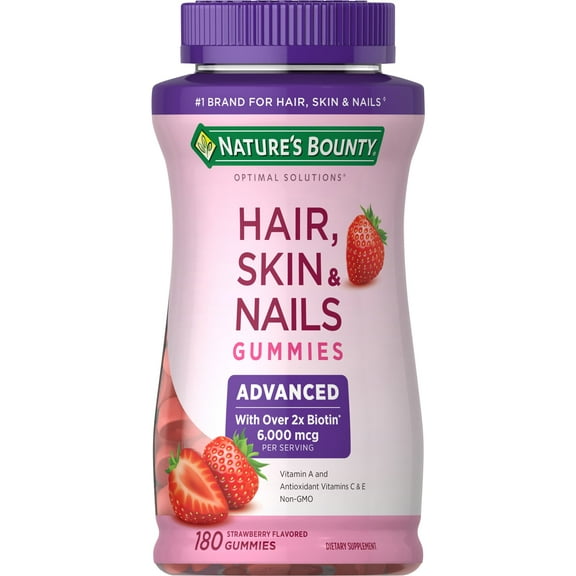
- You can compare gummies, tablets, capsules, liquid options, and softgels.
- You can match products to adults, kids, seniors, or prenatal routines.
- You can filter for vegan, gluten-free, organic, or non-GMO preferences.
Choosing the right form and potency
You should compare form first because your routine matters as much as the label. You may prefer gummies for chewability, tablets for simplicity, or liquid options for easy measuring.
Capsules and softgels can fit well when you want a compact option in your cabinet or travel bag. You should also check whether the serving size fits your schedule.
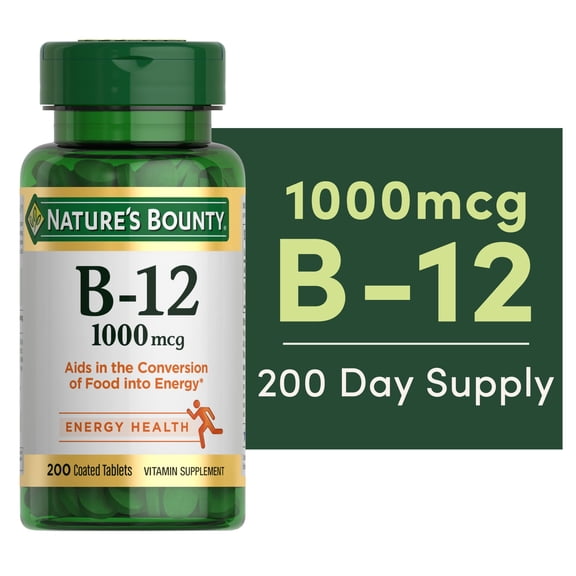
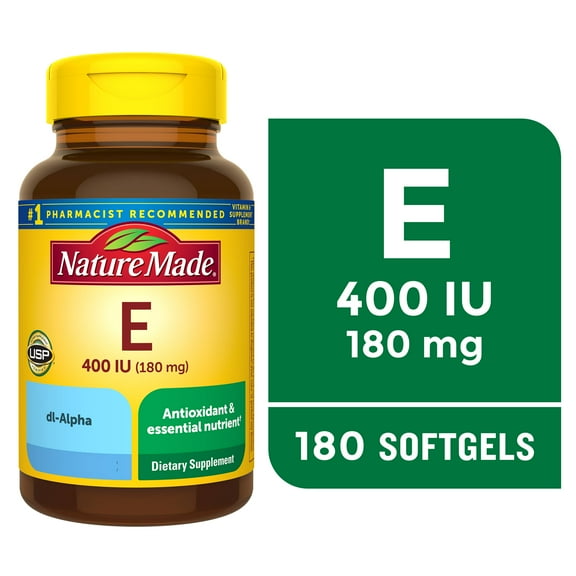
You can compare potency by reading milligrams, micrograms, or International Units on the label. You should use mg for larger amounts, mcg for smaller amounts, and IU where that unit appears.
If you want a simpler comparison, you can check the amount per serving and the number of servings. You should also compare whether one serving means one gummy, one tablet, or several pieces.
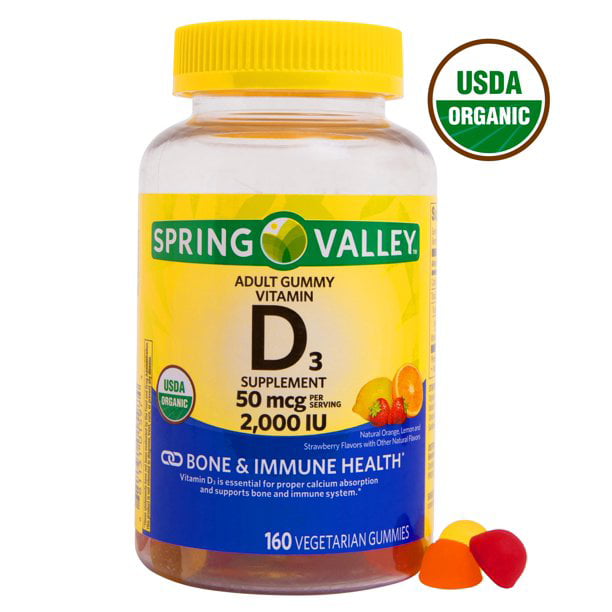
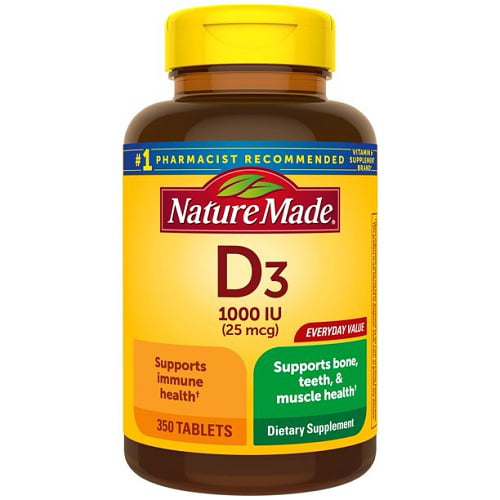
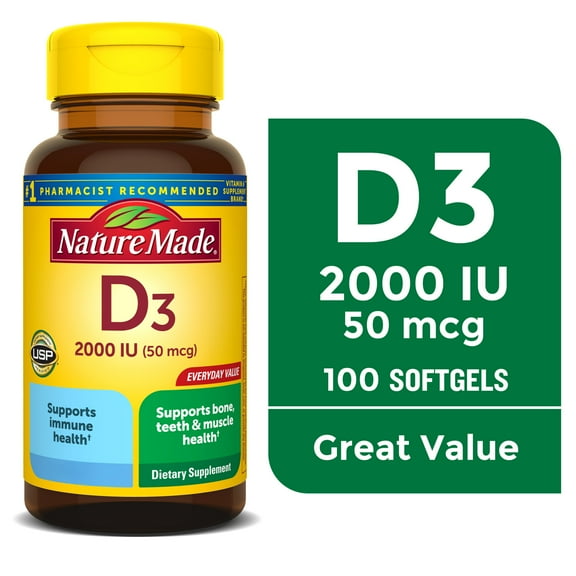
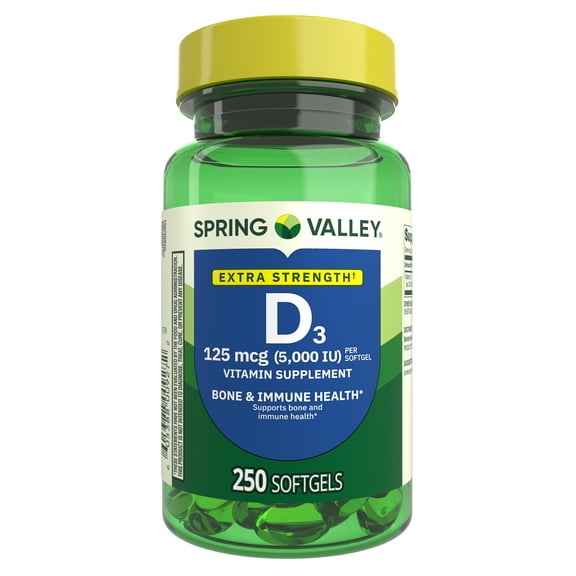
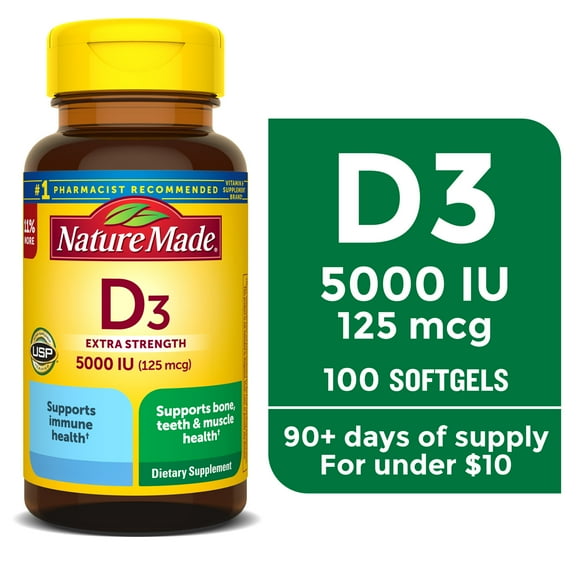
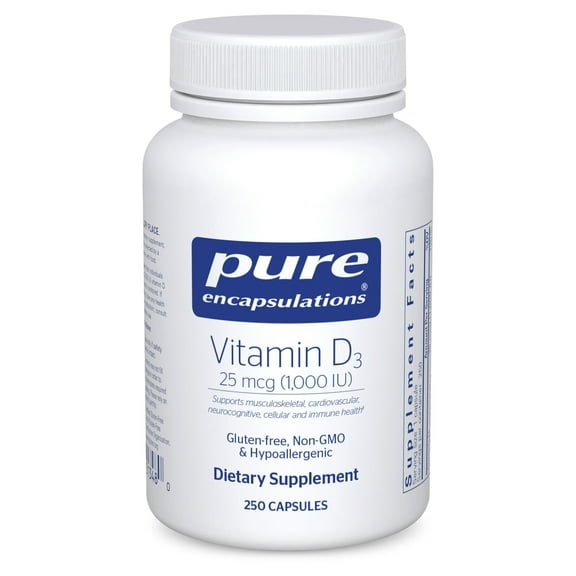
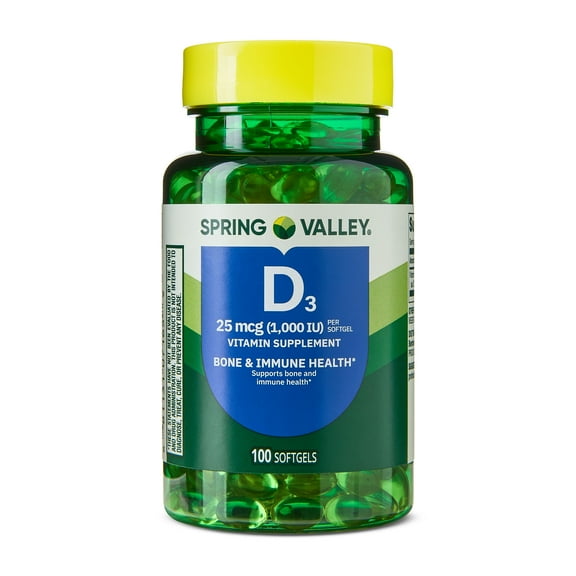
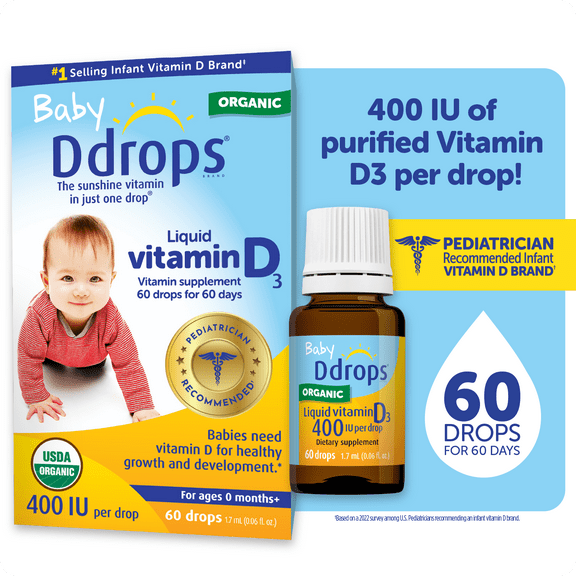
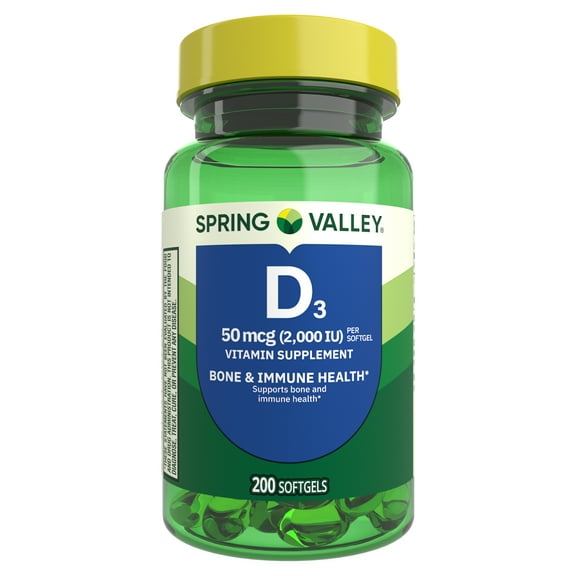
You may notice vitamin d3 is often listed in IU or mcg, depending on the label. You should read both potency and serving directions before choosing your preferred format.
Choosing letter vitamins for life stage and preferences
You should choose essential vitamins with your age and household needs in mind. You can find options labeled for adults, kids, seniors, and prenatal routines.
Kids’ formats often focus on chewables or gummies with clear serving guidance. You should compare flavor style, texture, and serving count when you want less guesswork.
Adult options often give you wider choices in tablets, capsules, liquids, and softgels. You can compare straightforward daily formats if you want a simple addition to breakfast or bedtime routines.
Seniors may prefer easy-open packaging, easy-to-swallow forms, or clearly marked strengths on the label. You should look for format details that make everyday use feel more manageable.
If you’re comparing prenatal routines, you should read labels carefully before choosing a format. You can focus on the listed vitamin, serving details, and ingredient preferences that fit your plan.
Checking dietary preferences and everyday use
You should check dietary preferences early if ingredients matter in your household. You can filter vitamin supplements for vegan, gluten-free, organic, and non-GMO options when those details guide your choice.
If you avoid gelatin, you should review gummy labels because formulas can vary by brand and form. You can often confirm your preference faster by reading the front label and supplement facts panel.
You may also want fewer extras like colors, sweeteners, or specialty add-ins, depending on your routine. You should compare ingredient lists side by side when you want a more specific fit.
This step matters because similar vitamin names can come in very different formulas. You can use these filters to narrow choices before comparing strength, count, and form.
You can build a more intentional routine when you select vitamin supplements by type, form, and serving size. You should keep your morning, travel, school, or bedtime habits in mind while comparing options.
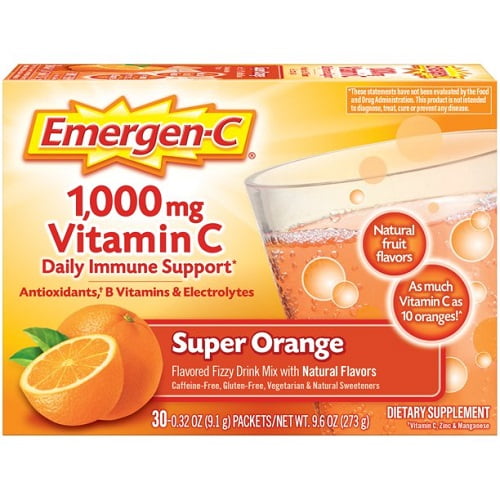
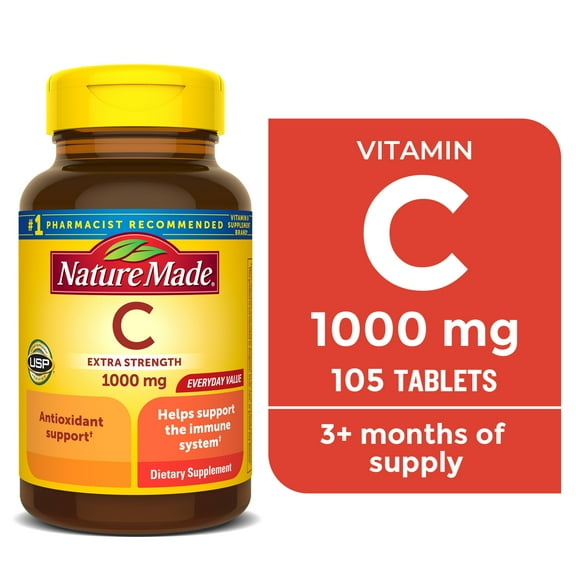
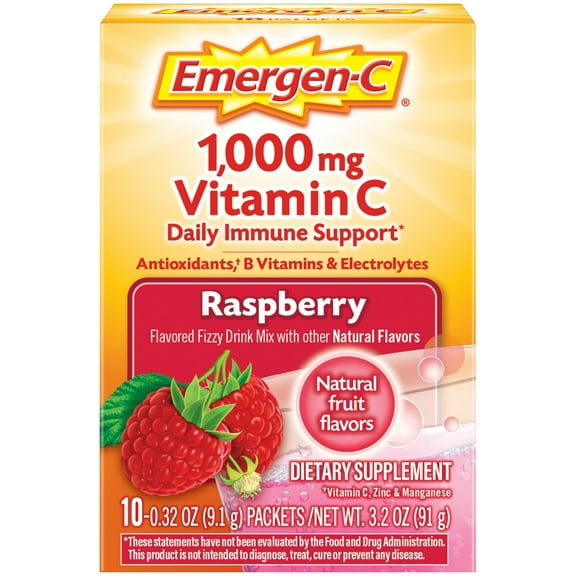
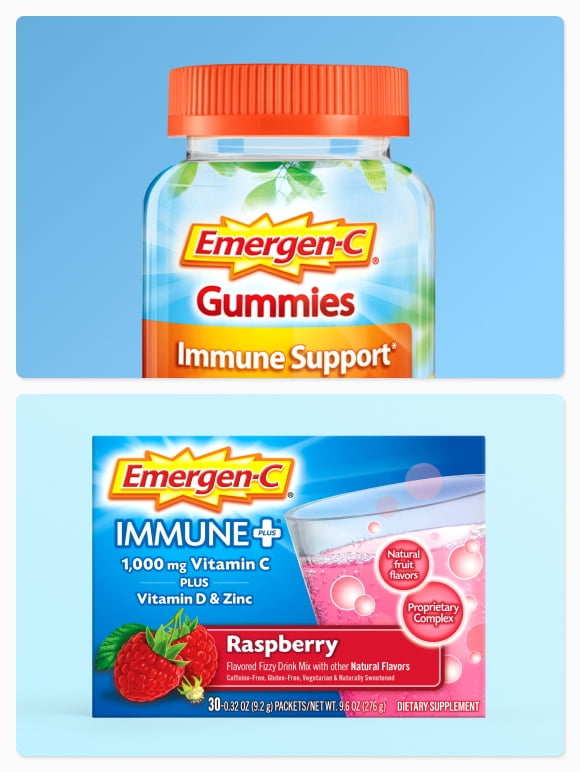
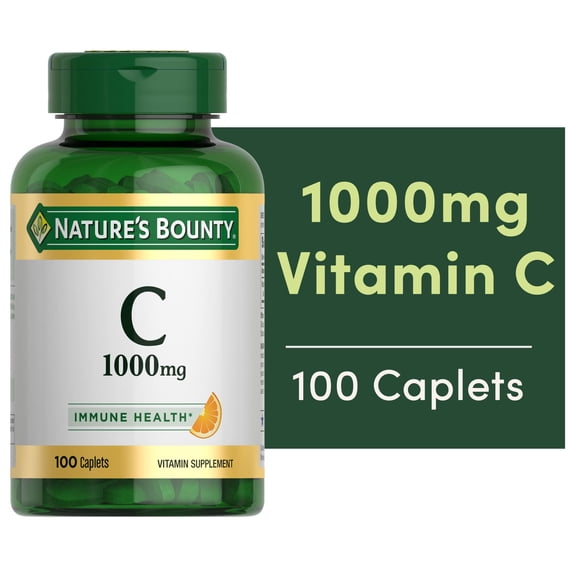
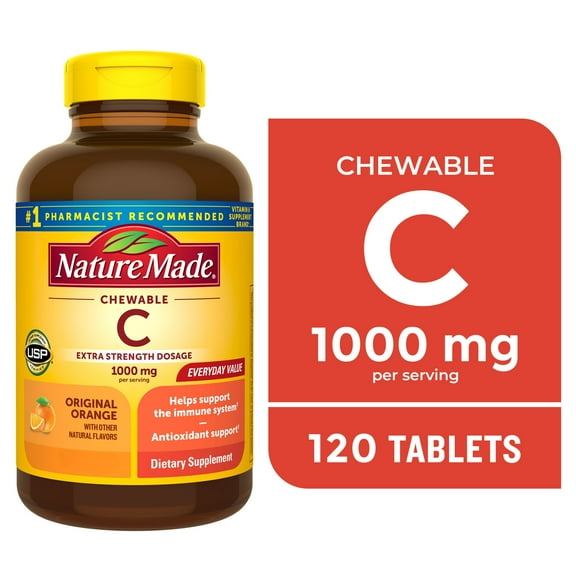
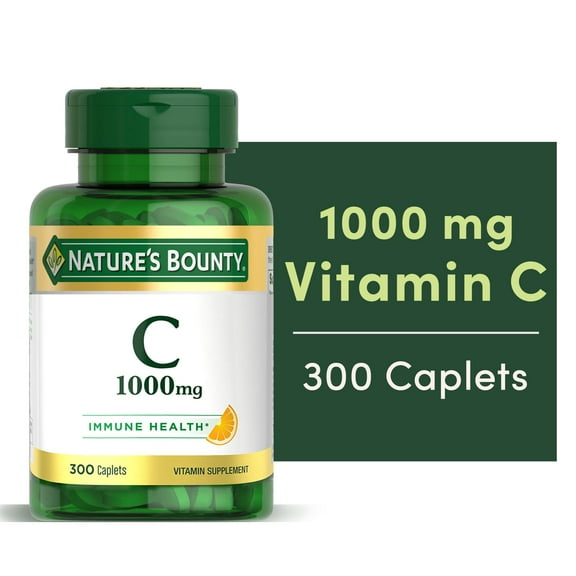
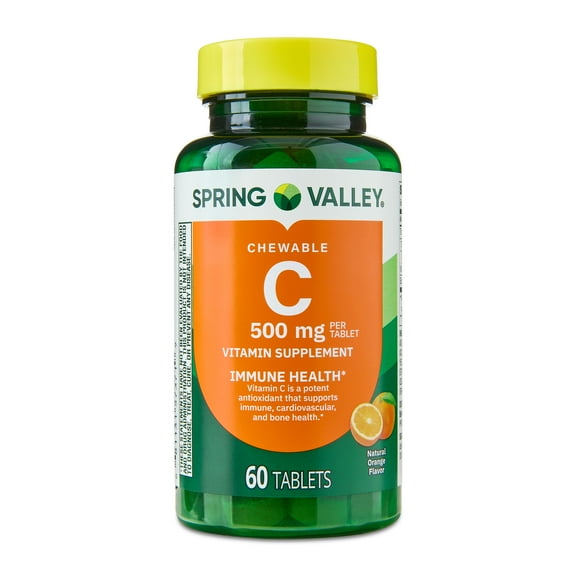
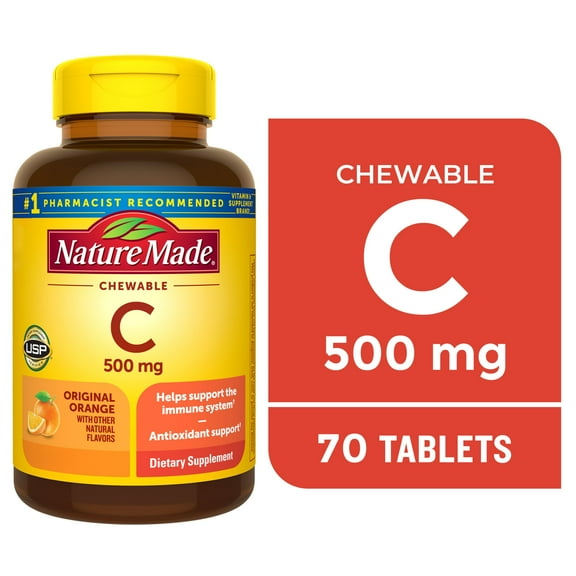
If you want a simple seasonal routine, you may start by reviewing vitamin c supplements in gummies, tablets, or liquids. You can then compare package size and serving format for everyday use.
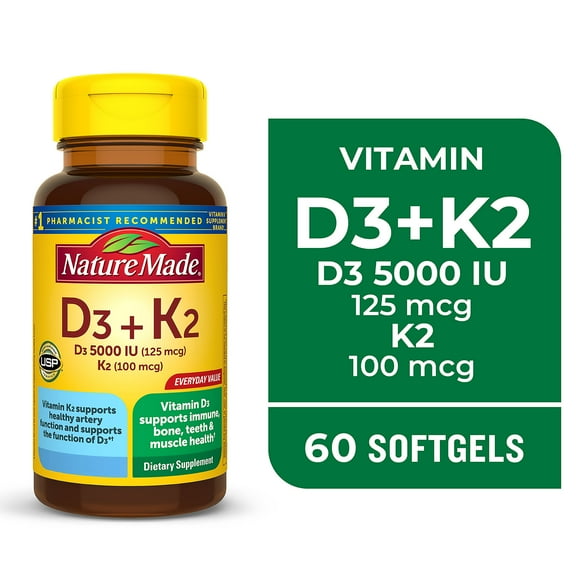
If you prefer a straightforward bone health routine, you might focus on vitamin d3 in softgels or tablets. You should check potency, serving size, and life stage labeling before deciding.
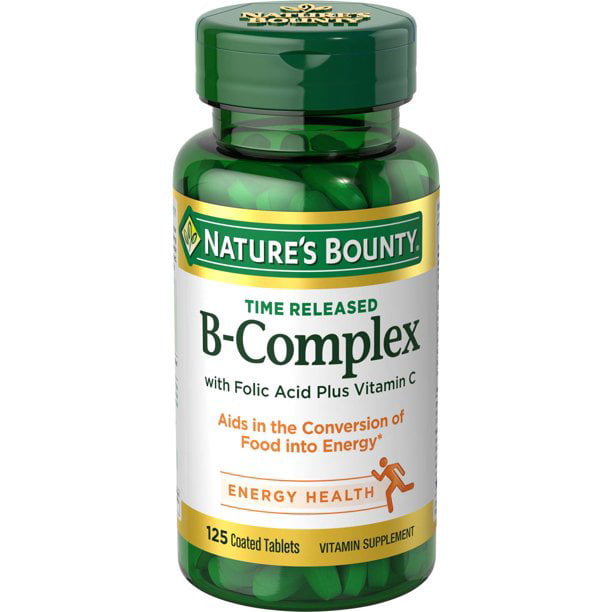
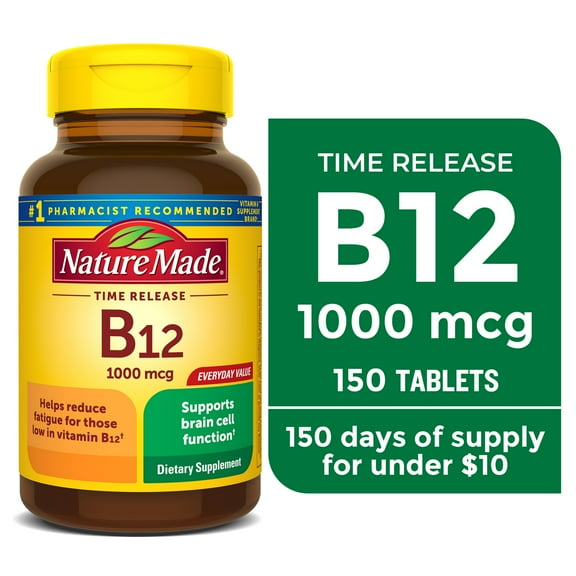
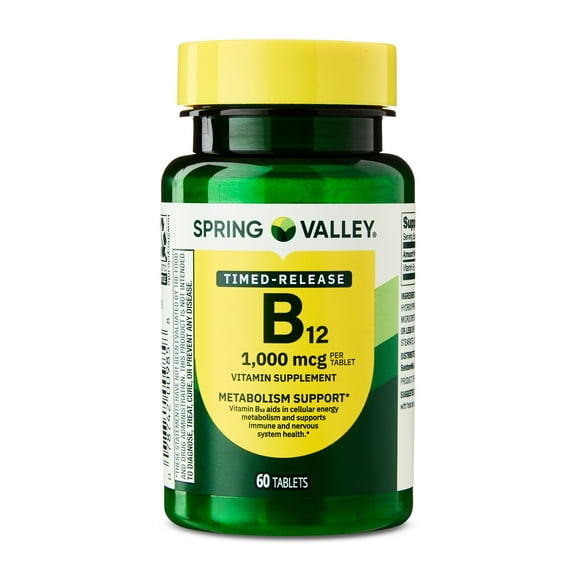
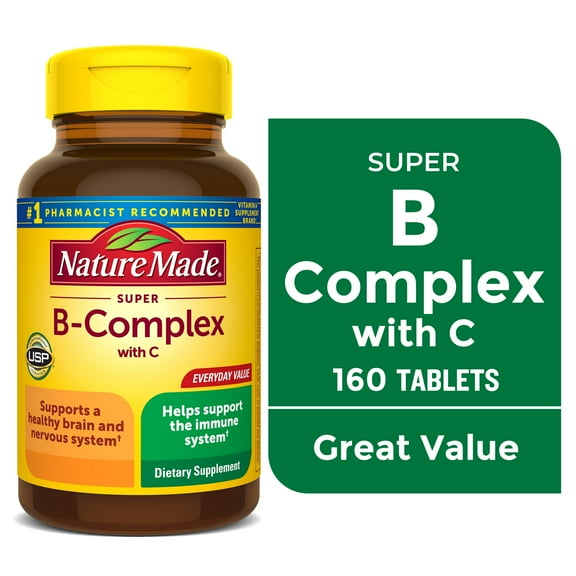
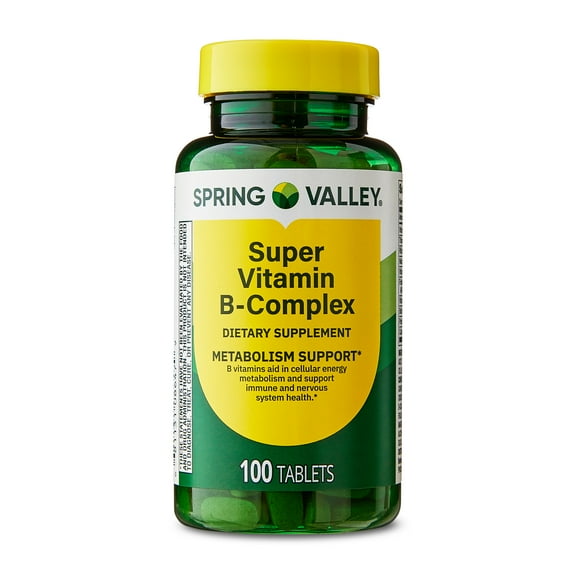
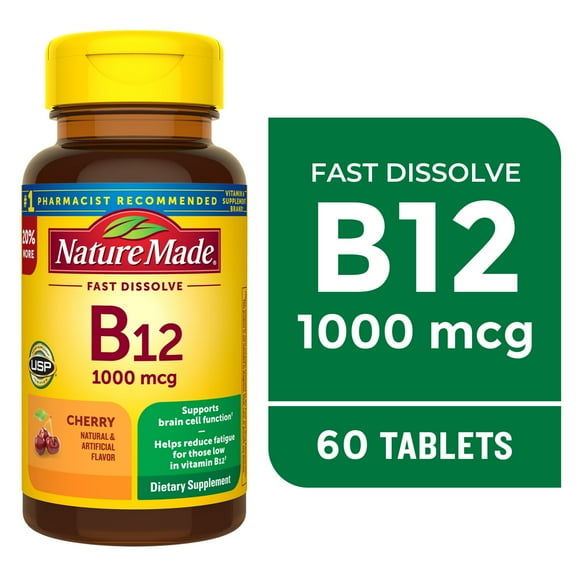
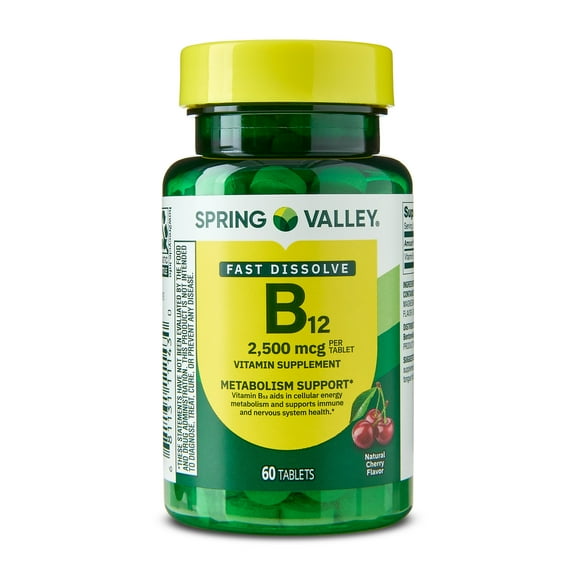
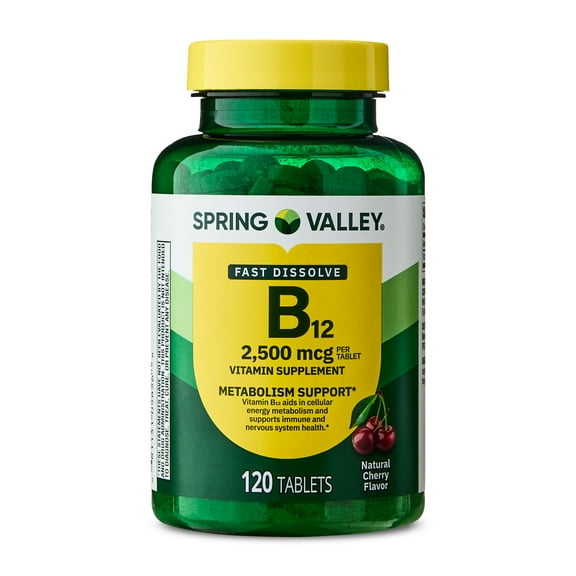
When you want an energy-focused option, you may compare vitamin b complex products in capsules or tablets. You can review strengths and ingredient lists to find a format that fits your schedule.
If your cabinet already includes several supplements, you should choose a clearly labeled bottle for easier organization. You can keep your routine more consistent when the vitamin type and serving details are easy to spot.
Letter vitamins give you a focused way to choose what fits your routine, preferences, and life stage. You can make a clearer pick when vitamin type, form, potency, and label details line up.