

Wall Ovens & Built-In Electric Ovens




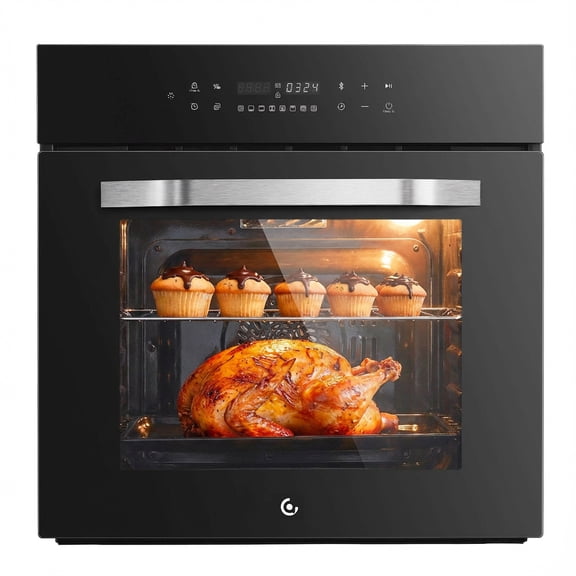


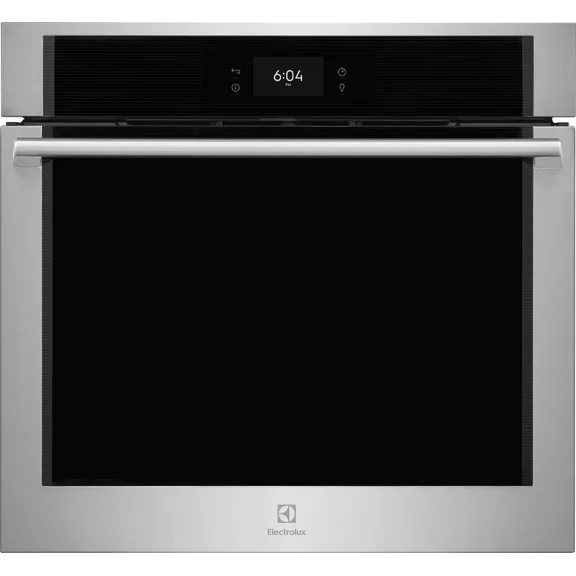


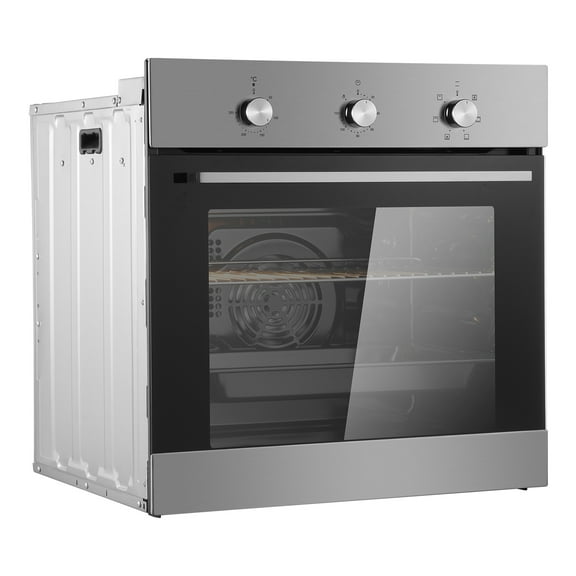

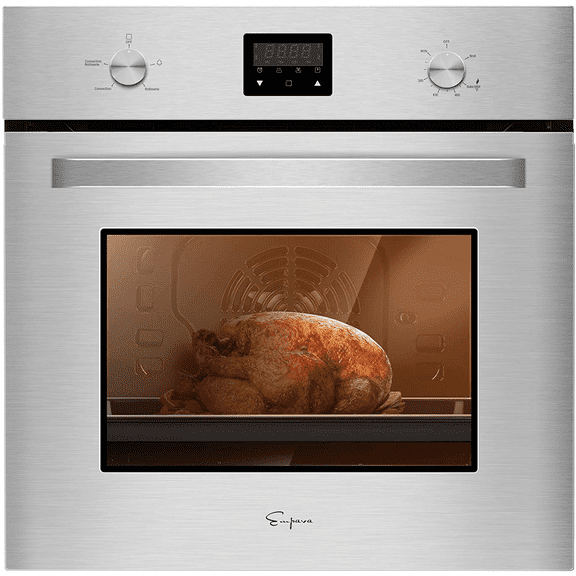












About Wall Ovens & Built-In Electric Ovens - Walmart.com
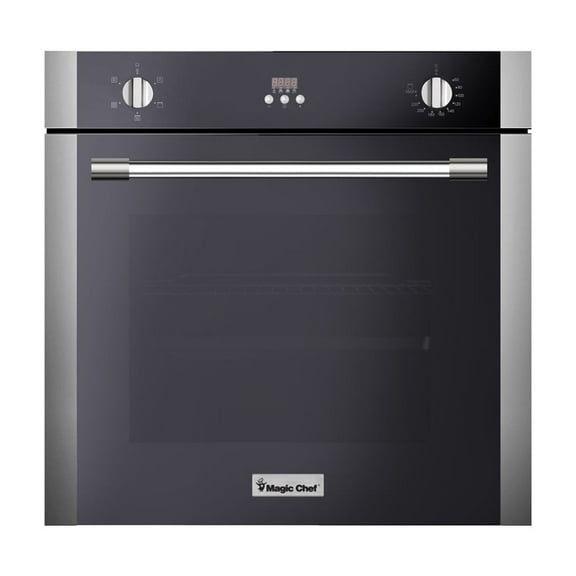
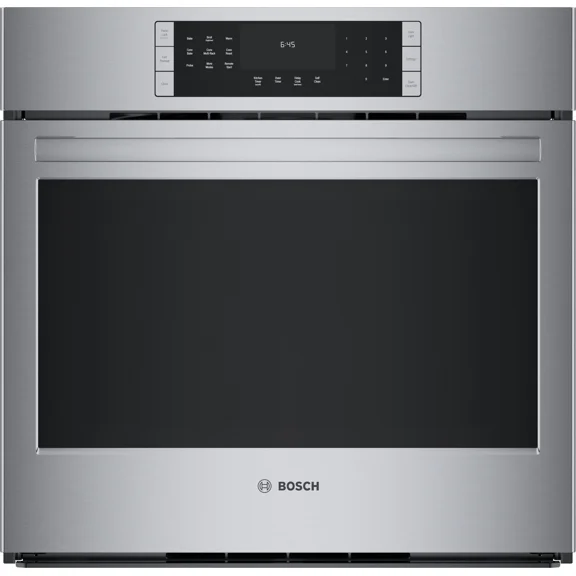
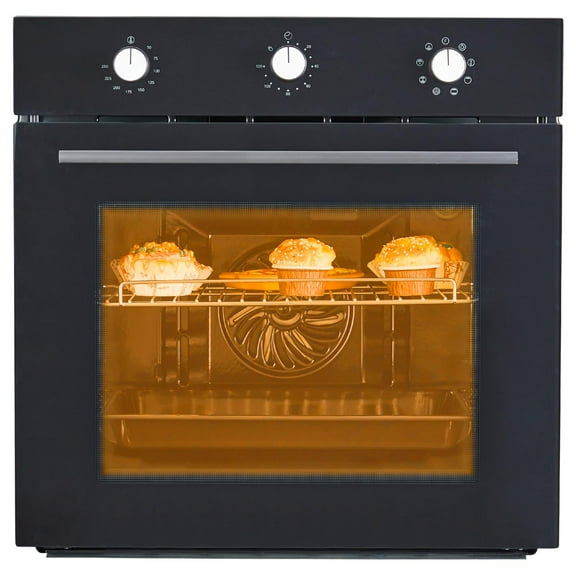
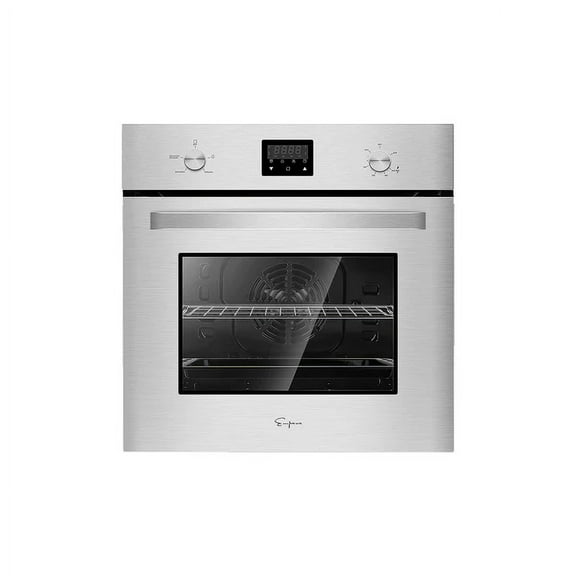
You can compare wall ovens by fit, fuel, and cooking style, so your kitchen remodel stays on track and your meals stay easy to manage. You can use built-in placement to free your floor plan, while a flush look helps your cabinetry feel clean and intentional.
How to choose wall ovens for your kitchen
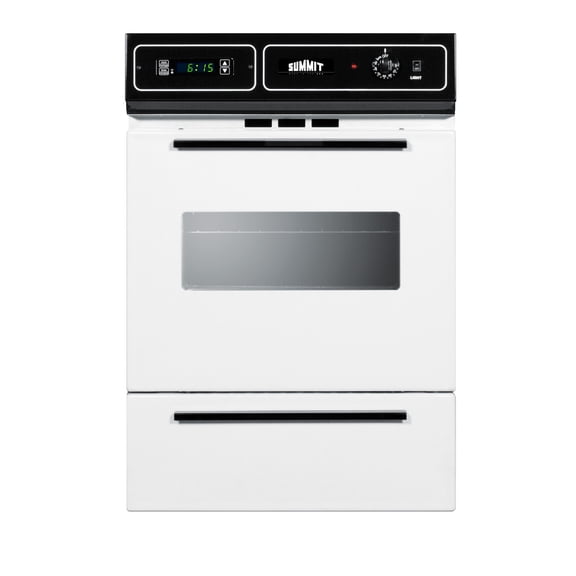
Start with your cabinet opening, because your cutout width, height, and depth determine which models can fit your space. You should measure carefully before you choose, especially if your kitchen already has a built-in oven opening.
Common widths include 24 inch, 27 inch, and 30 inch options, and each size supports different kitchen layouts. You should compare exterior dimensions and required cutout dimensions, because they aren’t always the same.
Installation type matters too, since built-in ovens and wall-mounted styles sit inside surrounding cabinetry. You can create a streamlined cooking zone that keeps your oven at a comfortable working height.
Choosing the right electric oven and fuel setup
You can find many electric wall ovens, and they’re a common fit for modern kitchens and replacement projects. You should check for a 240V electrical connection, because your installation needs to match your home’s power setup.
If your kitchen uses gas, you should confirm the correct utility connection before you narrow your options. You can avoid fitment delays when your fuel type matches your existing line or planned renovation layout.
- You can simplify installation planning by confirming cutout size before comparing features.
- You can match your kitchen setup by checking for electric or gas compatibility first.
- You can choose cooking capacity based on whether you cook one dish or several at once.
- You can compare convection, thermal, and air fry settings by the cooking results you want.
An electric oven wall setup can support a clean, integrated look that pairs well with separate cooktops. You may prefer this layout if your kitchen island or range area serves another purpose.
Comparing built-in ovens by configuration
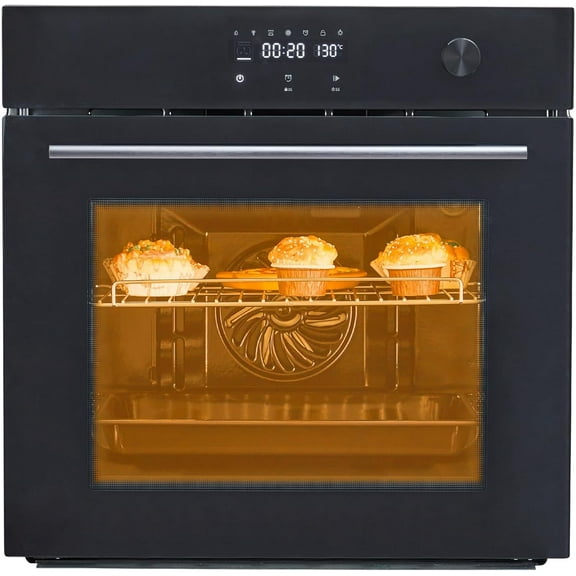
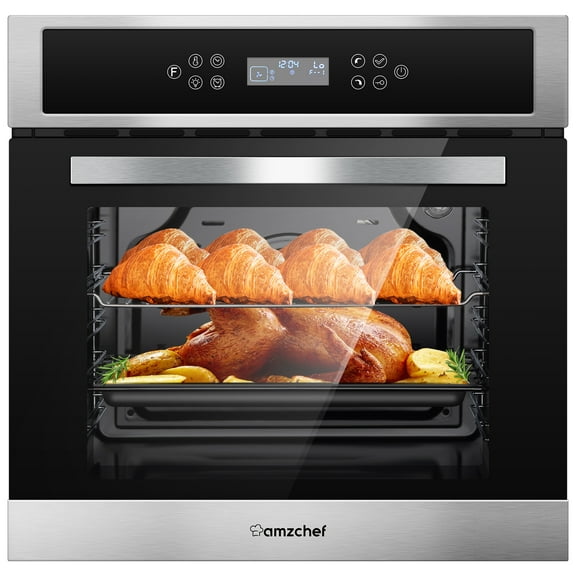
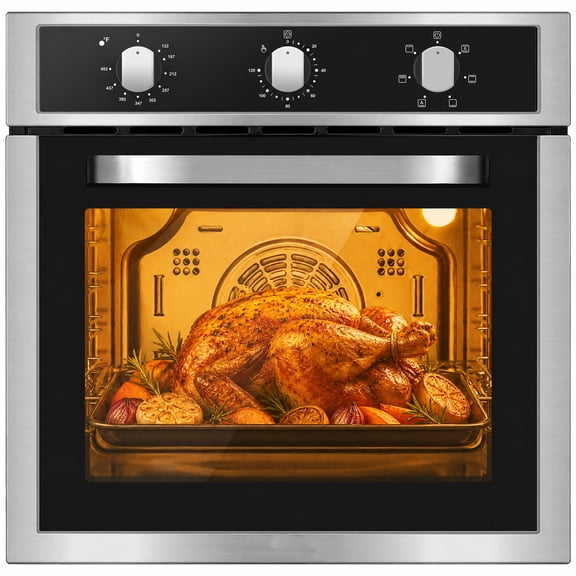
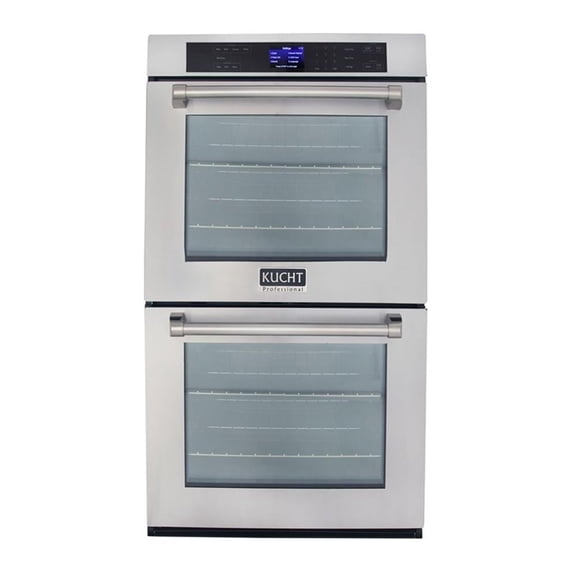
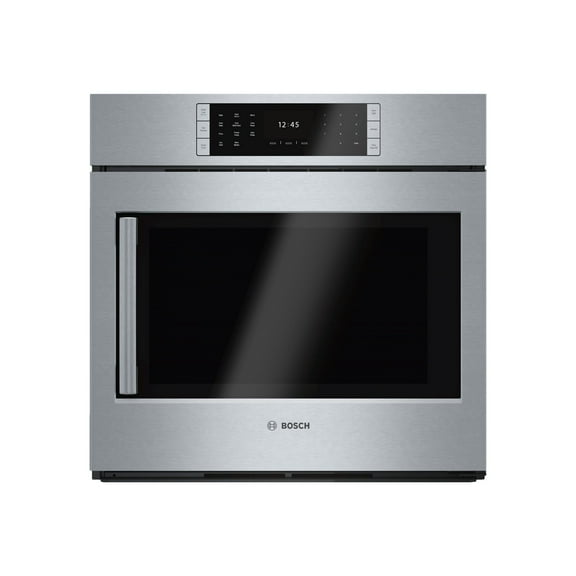
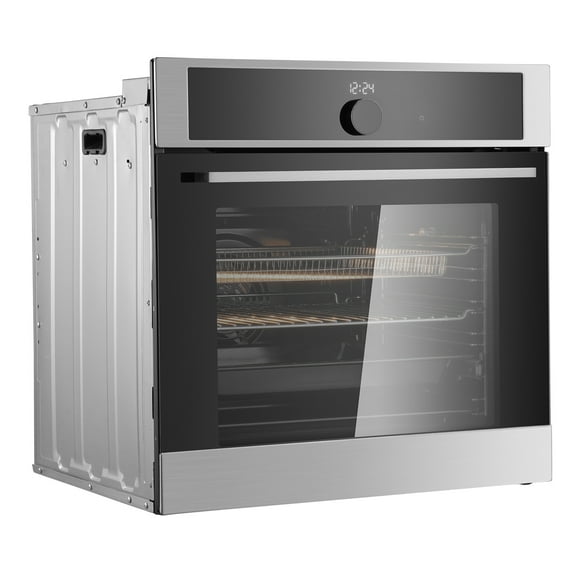
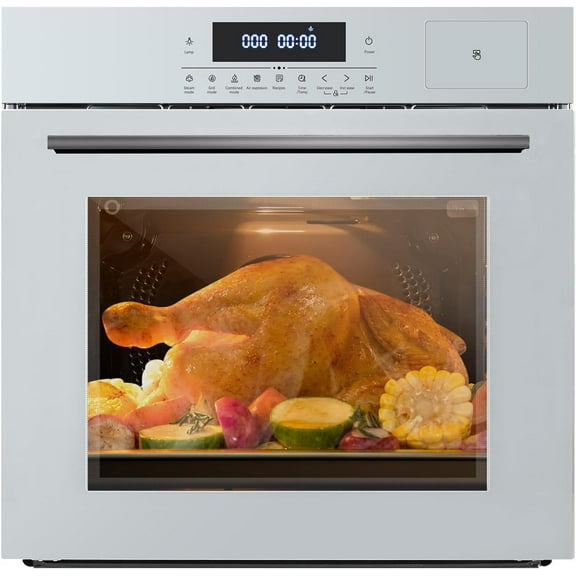
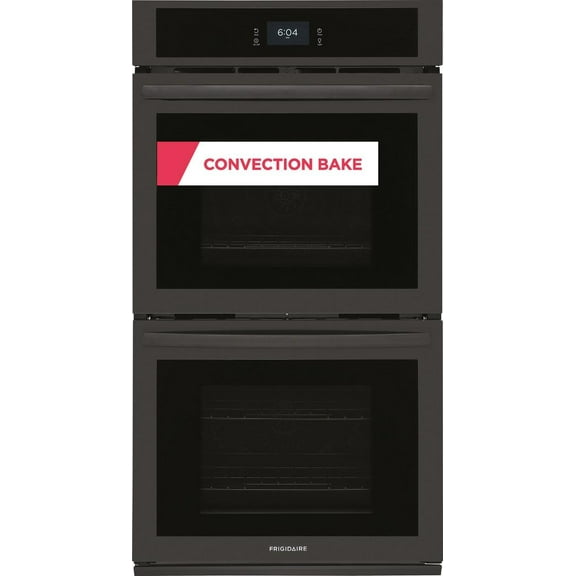
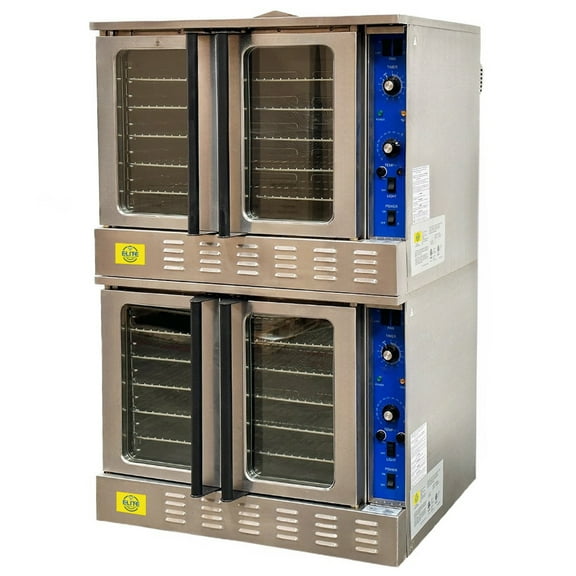
You should choose configuration based on how often your household cooks multiple dishes at the same time. A single wall oven can suit everyday meals, while a double wall oven gives you two separate cavities.
If you host often, you may appreciate separate spaces for casseroles, cookies, or roasted dishes. You can cook at two temperatures without rearranging racks or waiting for one course to finish.
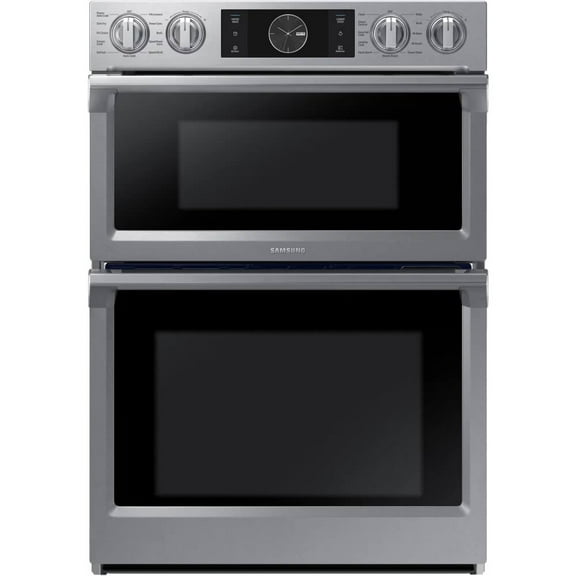
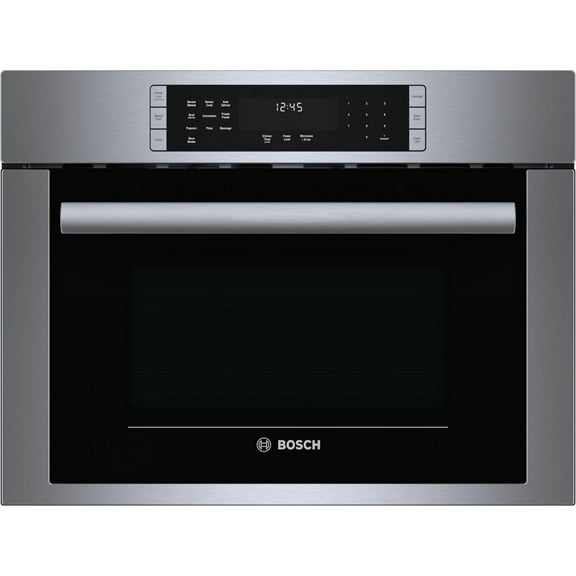
Microwave combination units can help you consolidate appliances within one cabinet zone. You can get oven capacity below with microwave convenience above, which can support compact kitchen layouts.
What to look for in wall-mounted convection ovens
You can compare wall-mounted convection ovens by how they move heat, because airflow affects browning and batch cooking. Convection uses a fan to circulate hot air, so you can get even results across multiple racks.
Thermal cooking uses steady heat without fan-assisted airflow, which some shoppers prefer for familiar baking patterns. You should consider what you cook most, since cookies, sheet pan meals, and roasts often benefit from convection.
If air fry appears in your feature list, you can get another fast-cooking setting within your oven cavity. You should compare rack position guidance and capacity, because those details shape daily use.
Using size and features to narrow your choice
You can narrow built-in ovens quickly when you match features to how your kitchen actually works. A 24 inch model can fit compact cabinetry, while 27 inch and 30 inch widths often suit standard renovation plans.
Capacity matters when you use larger bakeware, tall roasters, or multiple pans during holidays and weekend prep. You should also compare rack positions, door style, and control placement, because those details affect comfort every day.
You may want a wall oven for a baking-focused kitchen, while you may want separate oven space beside a cooktop. You can build a more flexible cooking zone when your oven location supports your prep flow.
During a remodel, you may prioritize flush installation and coordinated appliance placement for a custom look. In a replacement project, you can focus first on cutout dimensions, fuel compatibility, and usable cooking space.
If your household cooks simple dinners most nights, a single cavity and thermal mode may cover your routine. If your calendar includes gatherings, you may prefer double ovens and convection for steady multi-dish timing.
You can feel more confident when your wall oven choice matches your cabinet opening, power setup, and cooking habits. That combination helps you get an oven that fits cleanly, cooks reliably, and supports your kitchen layout.