

Welding Gloves - MIG, TIG & Stick Welders Gloves










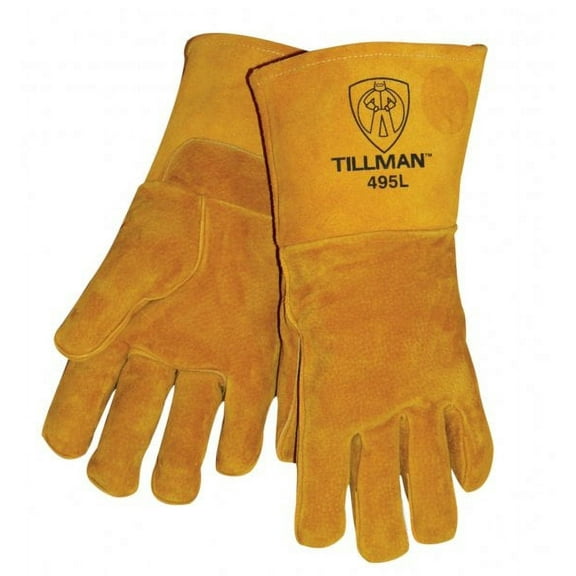


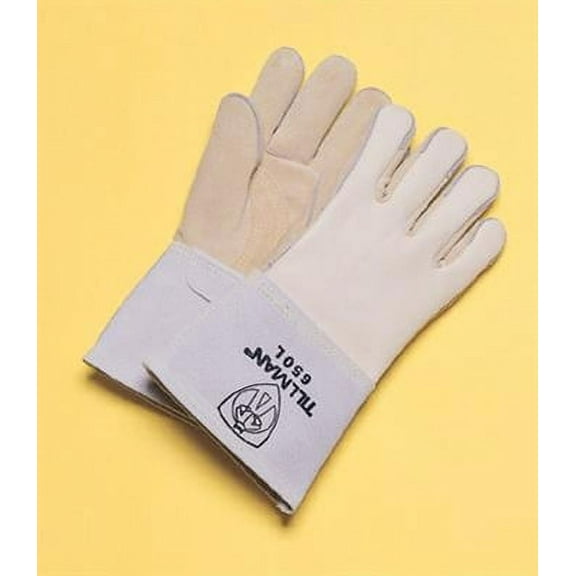


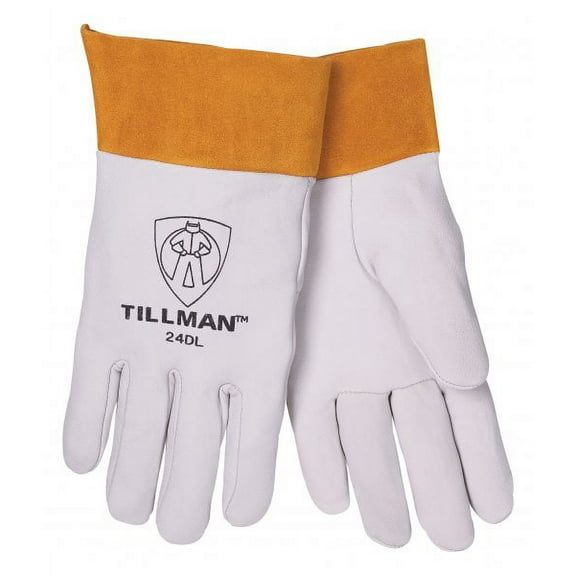

About Welding Gloves - MIG, TIG & Stick Welders Gloves - Walmart.com
Welding gloves help you handle sparks, heat, and rough metal with coverage that matches your welding process and your grip needs. You can compare MIG, TIG, and stick options by material, lining, fit, and cuff length. You’ll notice your setup feels more controlled at the bench or in the shop.
Choosing the right welding gloves
You should start with your welding type because each process asks for a different balance of dexterity and insulation. You’ll usually want tig gloves with a closer feel, while mig welding gloves and stick welding gloves often favor thicker hand protection.
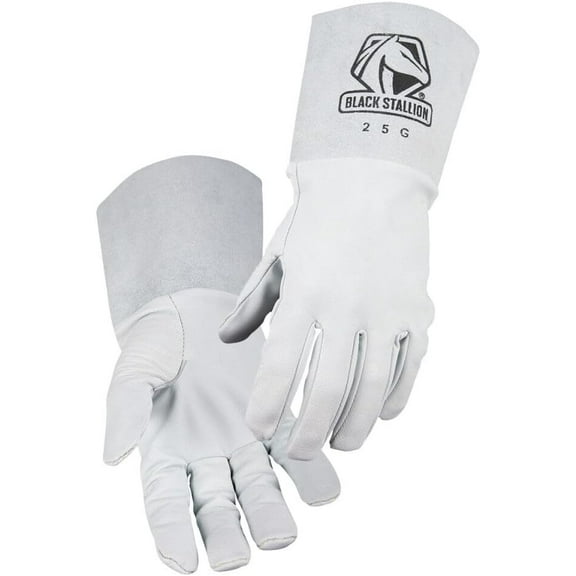
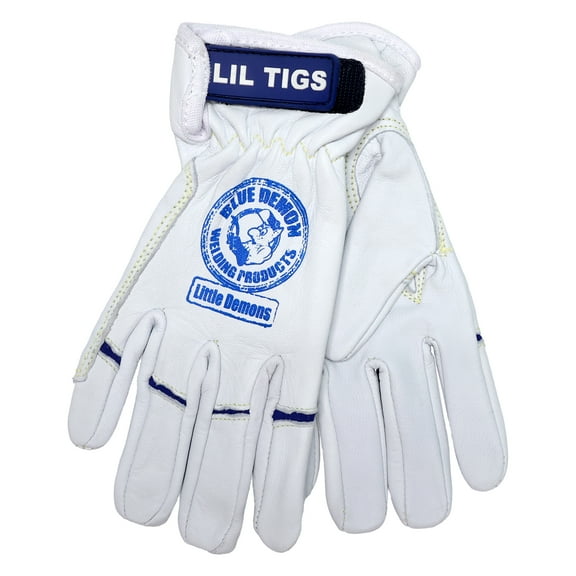
When you compare welders gloves for TIG work, you should look for flexible materials like goatskin that let your fingers move with precision. You’ll notice that lighter builds help you feed filler rod and manage smaller torch movements.
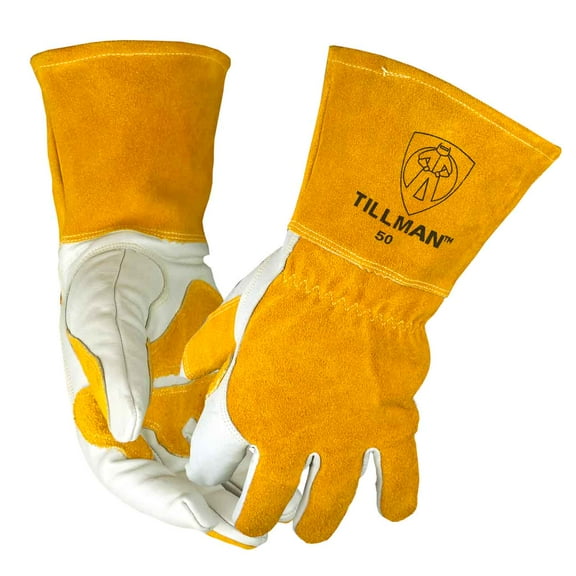
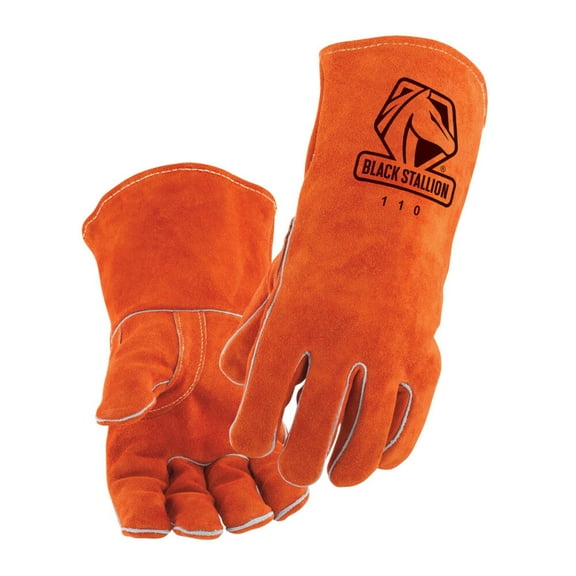
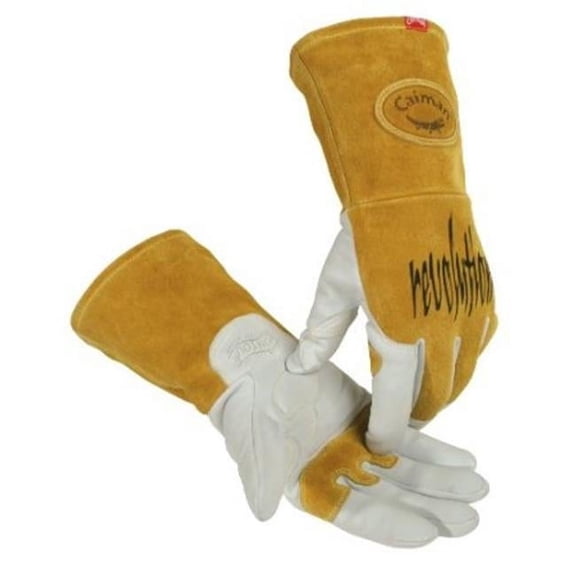
For MIG and stick jobs, you may prefer split cowhide or heavier leather that adds structure between your hands and radiant heat. You’ll often get longer cuffs too, which help cover your wrists and lower forearms during higher-spark work.
You can use this category as a practical buying guide when your projects switch between fabrication, repair, and hobby welding. You’ll make a clearer choice when your glove build matches your process instead of using one style for every task.
- You can gain more precise finger movement for TIG with softer, more flexible glove materials.
- You can get broader spark coverage for MIG and stick with thicker leather and longer cuffs.
- You can choose lined or unlined interiors based on heat exposure and your preferred hand feel.
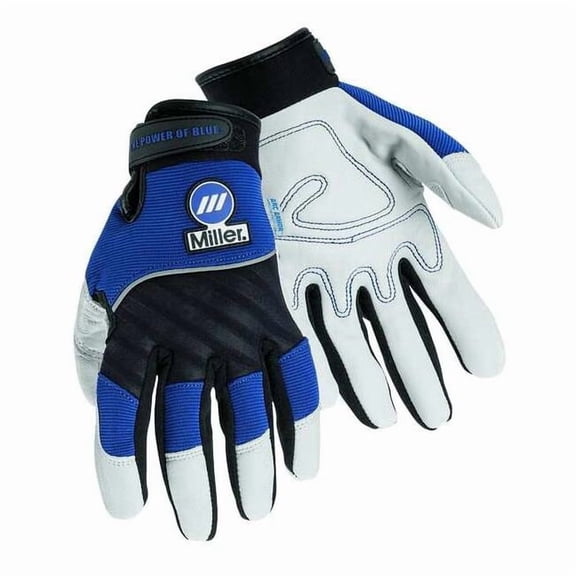
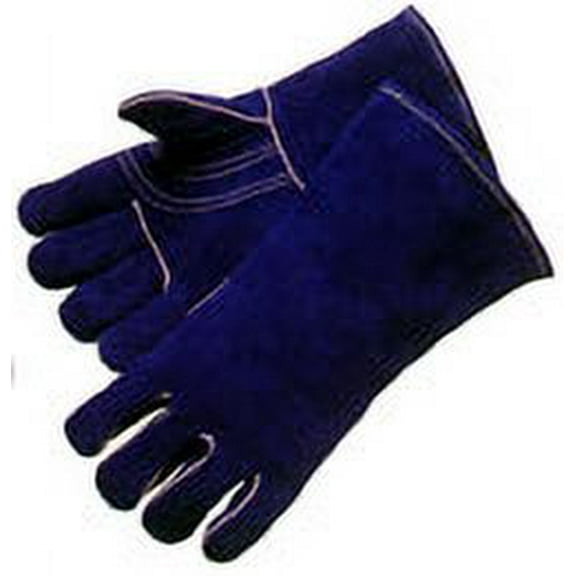
- You can compare black, brown, and blue options when color coding matters in your workspace.
What to look for in materials, lining, and fit
You should compare material first because leather type changes how your gloves flex, wear, and feel during repeated use. You’ll often see split cowhide for heavier jobs, while goatskin can give your hands a more responsive feel.
If you want durability around seams, you should check for Kevlar stitching because it holds up well in demanding shop routines. You’ll appreciate reinforced construction when you grip clamps, move hot tools, or reposition welded pieces.
You can also compare lining based on how much insulation you want between your hands and the work. You’ll often find fleece lined pairs for added warmth, cotton lined pairs for balanced comfort, and unlined pairs for a closer touch.
Fit matters just as much as material because your gloves should stay secure without making your hands feel boxed in. You’ll want enough room to bend your fingers, but not so much room that the glove shifts during detailed work.
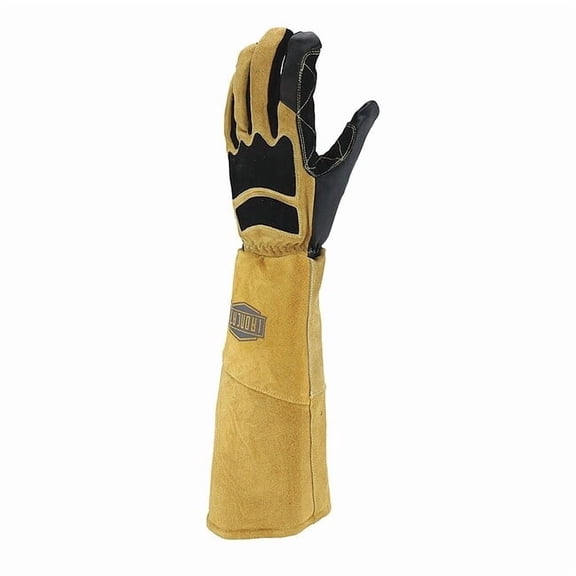
When you check cuff length, you should think about sleeve overlap and how much forearm coverage your setup needs. You’ll usually want longer gauntlets for high-spatter tasks and shorter styles when mobility matters more.
Choosing by welding type and heat exposure
You should match glove thickness to your process because heat exposure feels different in TIG, MIG, and stick welding. You’ll often need lighter dexterity for TIG, while MIG and stick commonly call for denser insulation and broader coverage.
For TIG projects, you may look for a glove that lets you feel small movements without bulky layers slowing you down. You’ll benefit from a closer fit when you’re guiding precise beads or working on thinner metal.
For MIG work, you might want a middle ground that gives you control while still adding a stronger barrier from sparks. You’ll often choose gloves that support repeated handling and steady torch work across fabrication jobs.
For stick welding, you may lean toward thicker builds because this process can produce more spatter and rougher contact conditions. You’ll usually appreciate heavier leather, a lined interior, and a longer cuff in that setting.
You should also think about contact time instead of chasing one heat number alone. You’ll make a more informed choice by considering whether you need brief handling, repeated exposure, or longer sessions around hot surfaces.
Welding gloves for grilling and other shop tasks
You may also be comparing welding gloves for grilling when you want extended cuff coverage around a smoker, grill, or fire pit. You’ll want to focus on heat resistance, lining, and grip instead of assuming every pair feels the same around cooking tools.
If you’re moving grill grates, tending a wood stove, or handling fireplace tools, you may prefer lined leather styles with solid wrist coverage. You’ll usually want a pair that feels secure on tongs, poker tools, and heavy metal handles.
You can also use your selection process for shop cleanup, metal handling, and other utility tasks around a garage workspace. You’ll benefit from comparing flexibility for tool handling with the tougher shell needed for rough surfaces.
Color can matter more than you might expect when you organize gear by task or workstation. You may choose welding gloves black for a clean, uniform look, or use brown and blue pairs to separate different jobs.
When you compare options at Walmart, you can narrow your choice by process, material, lining, and color without guessing. You’ll end up with welders gloves that fit your work style, protect your hands, and support steadier handling.