

White Tile in Tile by Color



























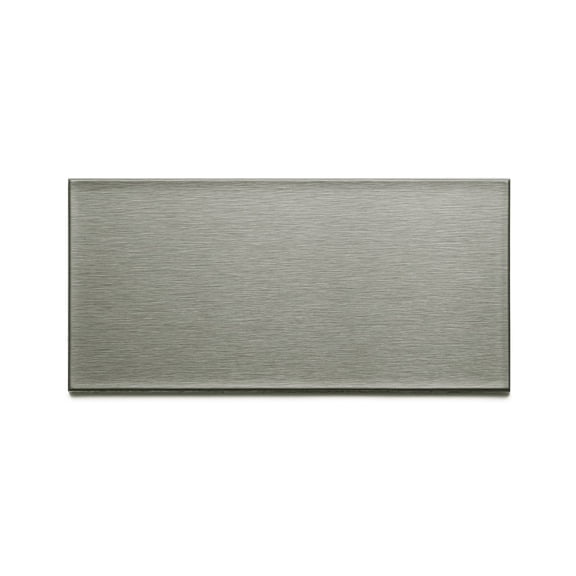


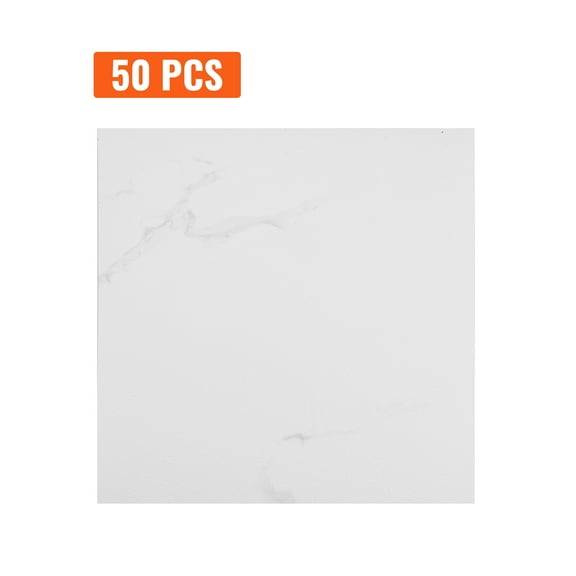
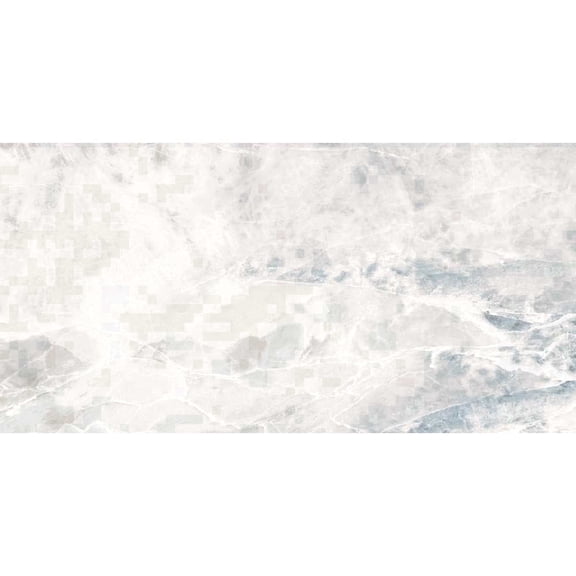


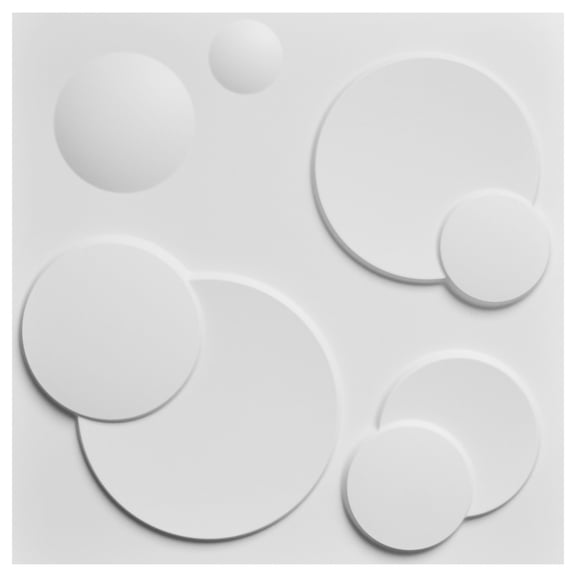
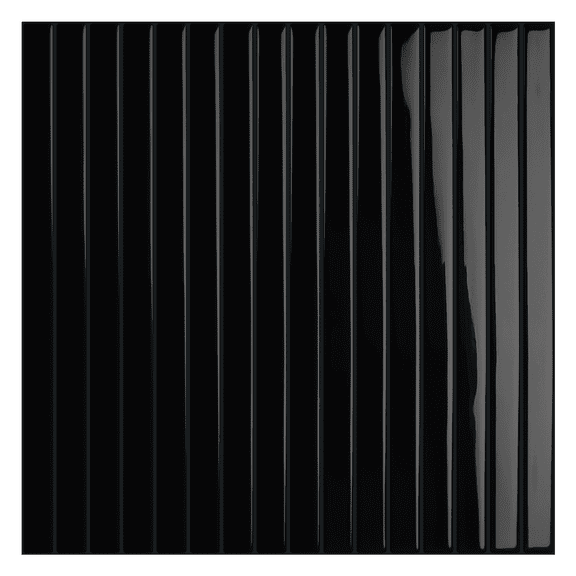


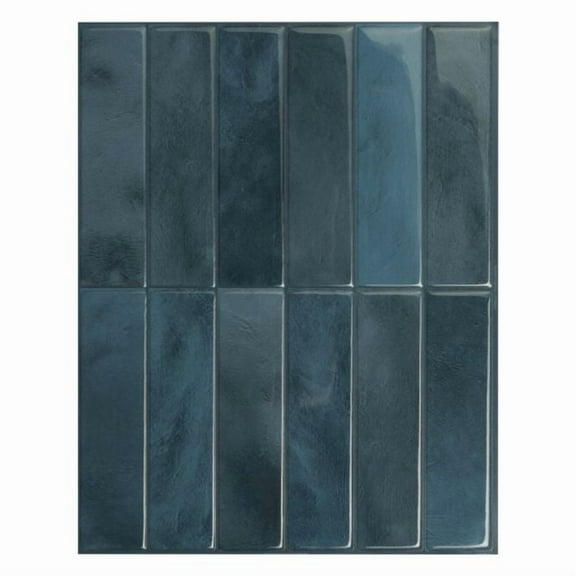



About White Tile in Tile by Color - Walmart.com
White tile gives your space a bright, clean foundation that works across kitchens, bathrooms, showers, and entryways. You can compare material, finish, shape, and installation needs here, so your project feels coordinated from the first sample to the final grout line.
You may want a classic wall look, a durable floor surface, or a backsplash that reflects more light. You’ll also find that white tile pairs easily with wood vanities, black fixtures, warm metals, and colorful décor.
How to choose white tile by application
You should start with where your tile will go, because wall, floor, backsplash, and shower projects need different performance levels. You’ll want to check whether a tile is rated for foot traffic before using it as white floor tile.
If you’re tiling a busy floor, you should compare PEI wear rating, since that number helps you judge everyday surface durability. You’ll usually need a stronger surface for mudrooms, kitchens, and hallways than for a low-traffic accent wall.
For shower projects, you should compare water absorption rate, because that tells you how the tile handles wet spaces. You’ll often see white porcelain tile considered for showers, since lower absorption can suit splash-prone areas.
When you’re choosing white backsplash tile, you can focus more on clean lines, wipeable surfaces, and how the tile meets outlets and corners. You’ll often find smaller formats easier to fit around cabinets, range hoods, and window trim.
Key differences between white ceramic tile and other materials
You can narrow your options faster when you compare ceramic, porcelain, glass, and marble by use. You’ll often choose white ceramic tile for walls and backsplashes because it gives you a familiar look with many shapes.
If you need a denser body for wet or busy areas, you should compare porcelain choices closely. You’ll want to read product details for application guidance, since body density and absorption matter in showers and on floors.
Glass styles can help you bounce light around smaller kitchens and powder rooms. You’ll notice that reflective surfaces can make a compact backsplash look more open and polished.
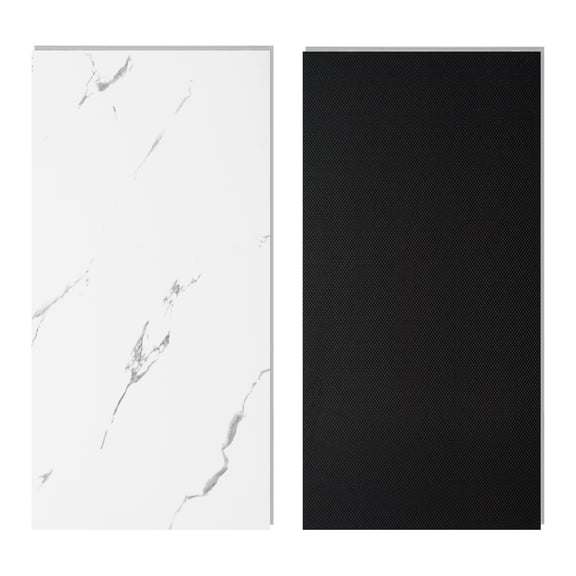
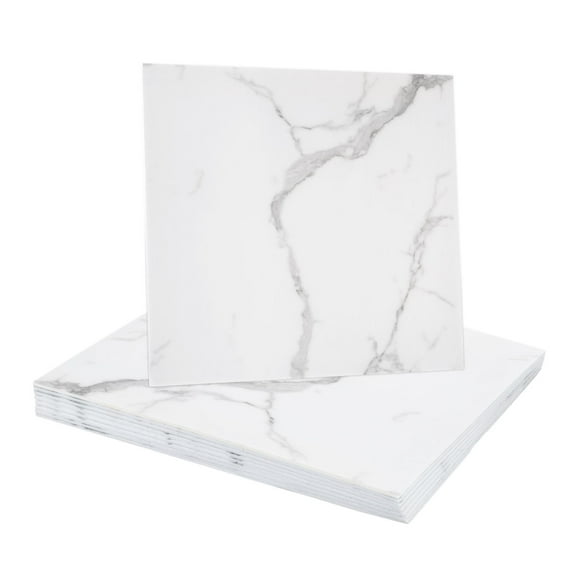
Marble looks distinct because you get natural variation, soft movement, and a more tailored finish. You should check sealing and maintenance expectations, since natural stone usually asks for different care than ceramic or porcelain.
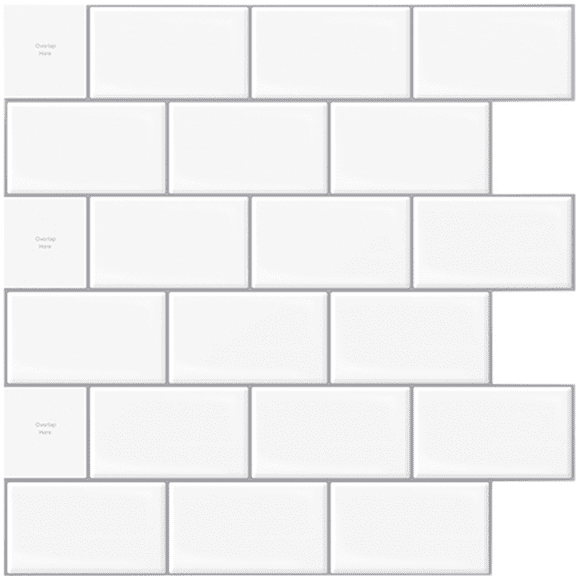
- You can use subway shapes for classic layouts with clean horizontal lines.
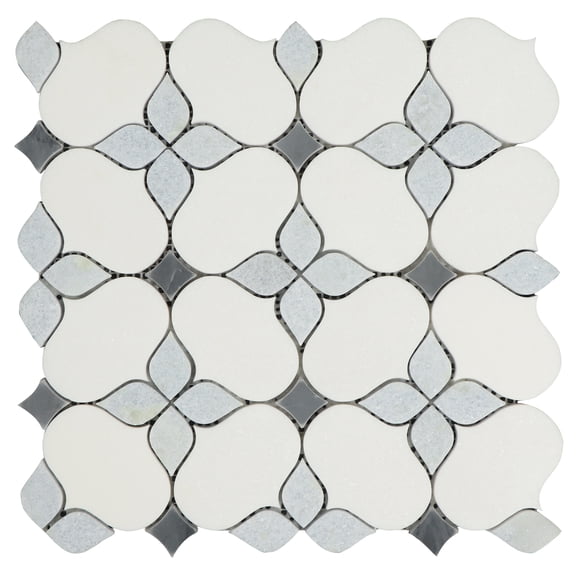
- You can choose mosaic sheets when your project includes niches, curves, or small accent zones.
- You can compare porcelain and ceramic for floor or shower planning.
- You can use glass or marble when your design calls for added light play or natural pattern.
Choosing the right finish for white tile
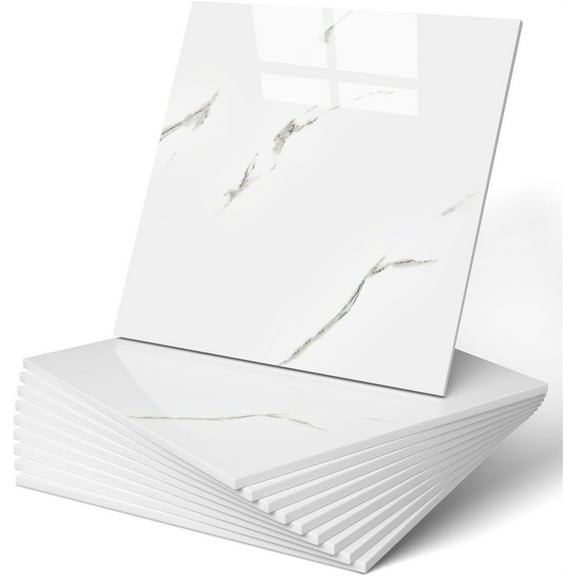
You should compare glossy, matte, and textured finishes based on the look you want and the cleaning routine you prefer. You’ll often see glossy surfaces reflect more light, which can help kitchens and bathrooms feel brighter.
If you want a softer, quieter look, matte white tile can give you a more understated finish. You may also prefer matte surfaces when you want grout lines and cabinet colors to stand out more clearly.
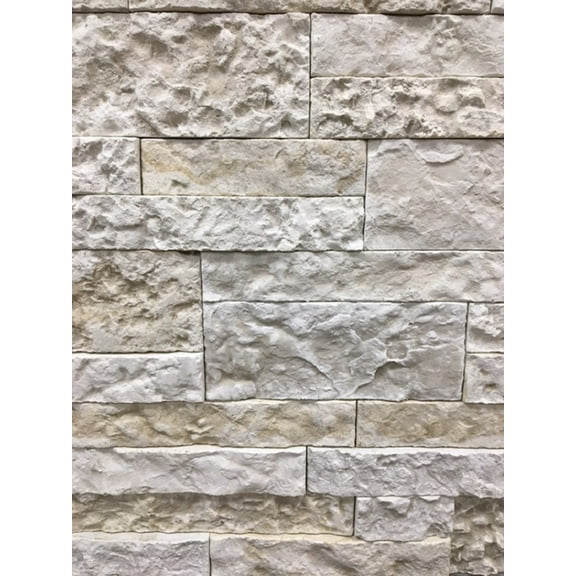
Textured finishes can add depth to shower walls, fireplace surrounds, or feature panels without changing your color palette. You’ll get more visual movement from the surface itself, even when you keep the room mostly white.
You should also think about how your finish works with your grout choice. You’ll often get a seamless look with matching grout, while contrasting grout can emphasize each tile’s shape and layout.
Choosing white subway tile, mosaic, hexagon, and square shapes
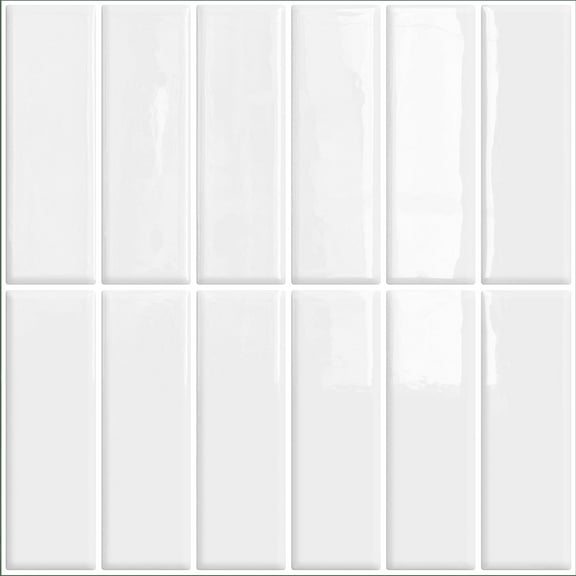
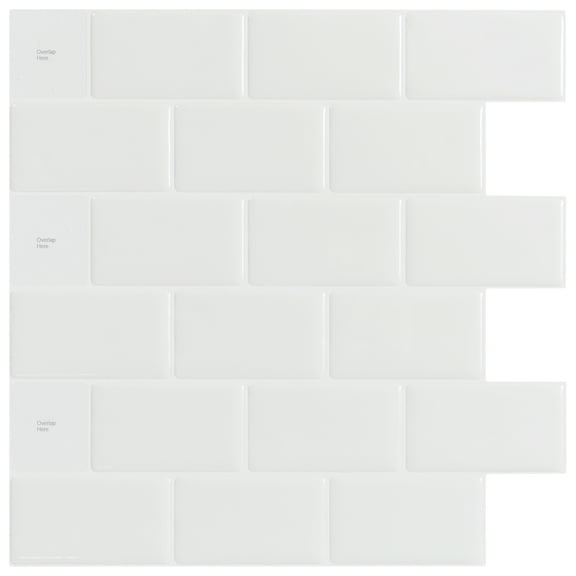
You can shape the whole mood of your room by choosing a format that fits your cabinets, counters, and floor plan. You’ll often see white subway tile used in offset, stacked, or vertical layouts for a clean architectural effect.
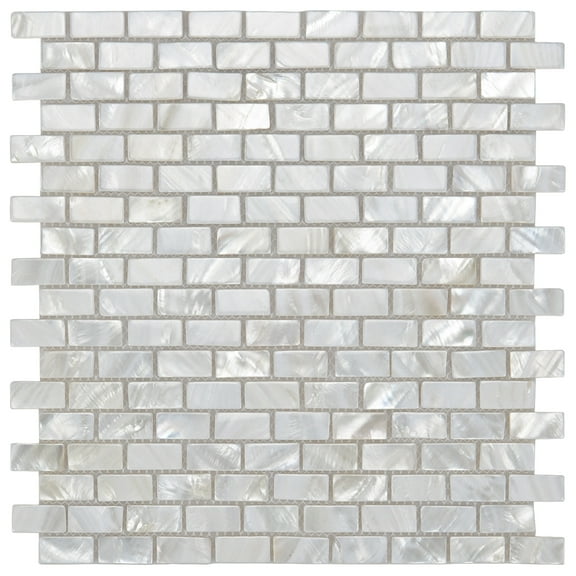
Mosaic formats can help you cover small spaces with less cutting, especially around shower niches or decorative bands. You may also like white mosaic tile when you want more joints to create a detailed pattern.
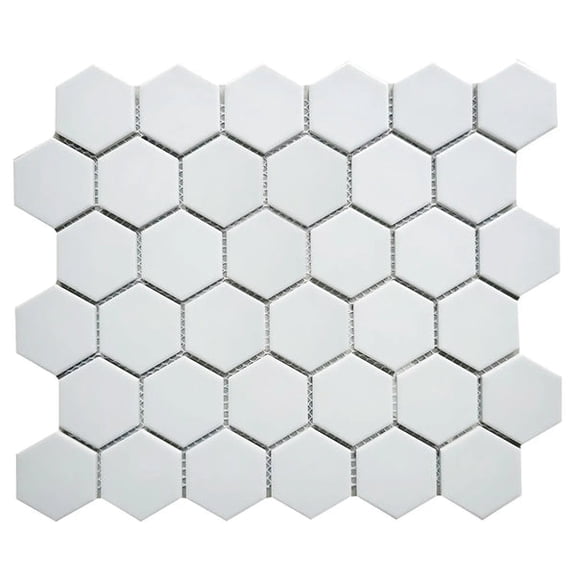
Hexagon tiles can bring a geometric look that feels tailored without adding extra color. You’ll often use them in powder rooms, shower floors, or statement walls where shape becomes the main design feature.
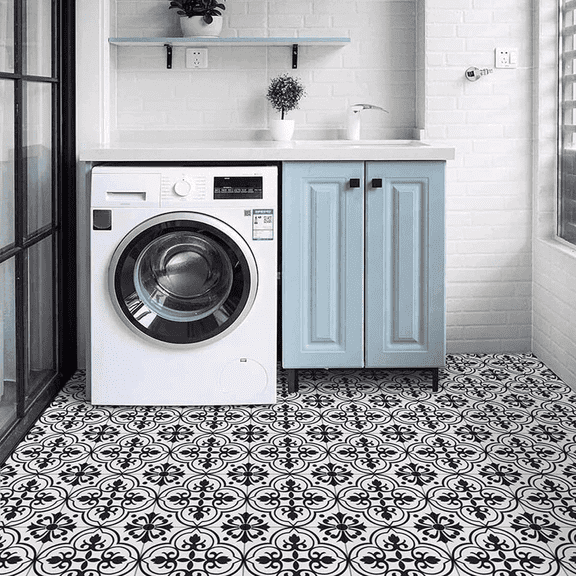
Square tiles can keep the layout simple and balanced, especially in utility rooms, laundry areas, and classic bath designs. You should measure your space first, because tile size changes how wide or busy the room feels.
What to look for in grout, maintenance, and project planning
You can make your white tile project look crisp or blended depending on the grout color you choose. You’ll get a softer visual flow with white or light gray grout, while darker grout highlights each line.
If easy cleanup matters to you, you should compare finish, grout width, and tile location together. You’ll usually wipe kitchen splashes faster from smooth backsplash surfaces than from deeply textured accent pieces.
You should measure carefully around tubs, vanities, outlets, and doorways before choosing a shape or sheet size. You’ll also want to compare trim pieces, bullnose options, and edge profiles for a more finished installation.
With the right mix of material, application rating, finish, and shape, your white tile project feels intentional from every angle. You’ll end with a surface that looks bright, fits your room, and supports the way you use the space.